The Story
Plant Bio
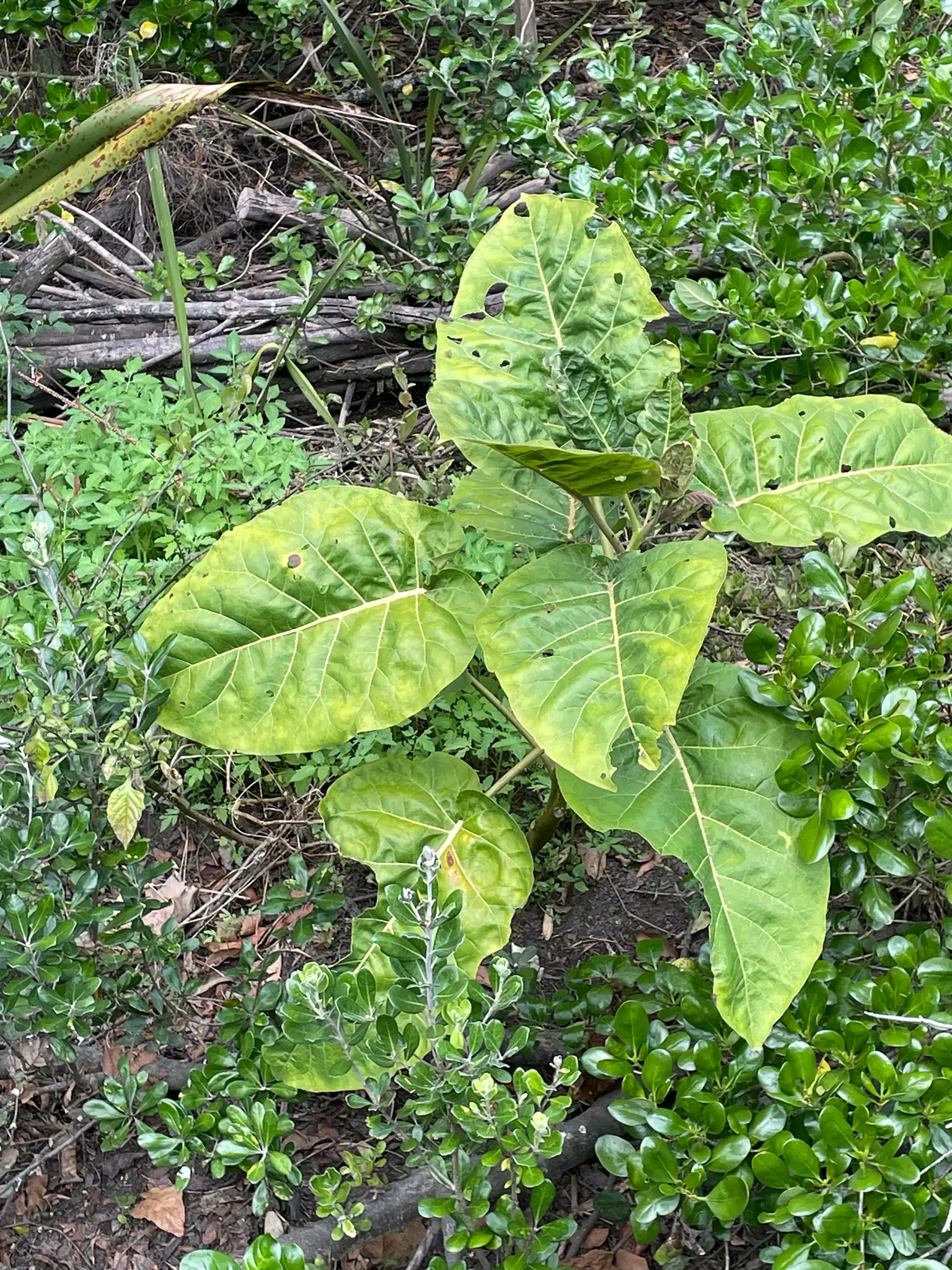
Solanum betaceum, the tamarillo, is a fast-growing, soft-wooded evergreen shrub native to the subtropical Andes. It produces large, musk-scented, heart-shaped leaves and pendant clusters of pale pink flowers that give way to egg-shaped, edible fruits.
This species is distinguished by its rapid development, often bearing fruit within two years from seed, and its shallow, spreading root system that demands exceptional drainage. The unripe green fruits contain solanine and must not be eaten, while the mature, tart red or yellow fruits are highly prized for culinary use.
Uses & Benefits:
Essentials
At a Glance
Plant Type
Fruit Vegetable
Height
197"
Width
118"
Light
Full Sun, Partial Sun
Zones
10
Water
Regular
Humidity
Moderate to High
Lifespan
8-12 years
Native To
Andes of South America
Toxicity
Unripe fruit and green parts are mildly toxic
Bloom period
Spring – Summer
In flower about 6 months of the year
Planting
How to Grow
- Select a planting site in full sun to partial shade with rich, highly organic, and exceptionally well-draining soil.
- Plant in a wind-sheltered location to protect the large leaves and brittle, soft-wooded branches from snapping.
- Water regularly to keep the shallow root system consistently moist, ensuring the soil never waterlogs or dries out completely.
- Apply a balanced organic or fruit-tree fertilizer monthly during the active spring and summer growing seasons.
Pro Tip
Prune the branches hard immediately after the spring harvest to stimulate low, lateral new growth, as fruit only develops on current-season wood. Neglecting this annual rejuvenation causes the brittle branches to become top-heavy and snap, rapidly exhausting the plant and shortening its lifespan.
Keep It Thriving
Care Guide
Do
- Prune back harvested branches hard every spring to encourage productive new lateral shoots.
- Provide structural wind protection or staking to support the brittle, top-heavy branches.
- Move container-grown plants indoors or into a greenhouse before temperatures drop near freezing.
Don't
- Do not allow the soil to become waterlogged, as the shallow roots are highly susceptible to rot.
- Do not prune heavily into old, leafless wood where dormant buds may fail to break.
- Do not consume the bitter green, unripe fruits or the unpalatable outer skin of mature fruits.
Seasonal Care Calendar
| Task | Jan | Feb | Mar | Apr | May | Jun | Jul | Aug | Sep | Oct | Nov | Dec |
|---|---|---|---|---|---|---|---|---|---|---|---|---|
| Fertilize | ||||||||||||
| Harvest | ||||||||||||
| Pest Check | ||||||||||||
| Prune | ||||||||||||
| Winter Prep |
Watch Out For
Pests & Diseases
Common Pests
Common Diseases
In the Garden
Landscape Uses & Companions
Landscape Uses
Companion Plants
Multiply
Propagation Methods
Good to Know
Common Questions
Tamarillo questions
What zones can Tamarillo grow in?
Tamarillo is hardy in USDA Zone 10. Inside that range it survives winter in the ground; outside it, grow it as an annual or a container plant you protect.
When does Tamarillo bloom?
Tamarillo typically blooms in spring through summer. Exact timing shifts a week or two with your zone — Sow's bloom calendar maps it to your garden.
Does Tamarillo need full sun?
Tamarillo does best in full sun to part shade. In hot climates, afternoon shade keeps blooms fresher longer.
More Solanum to compare
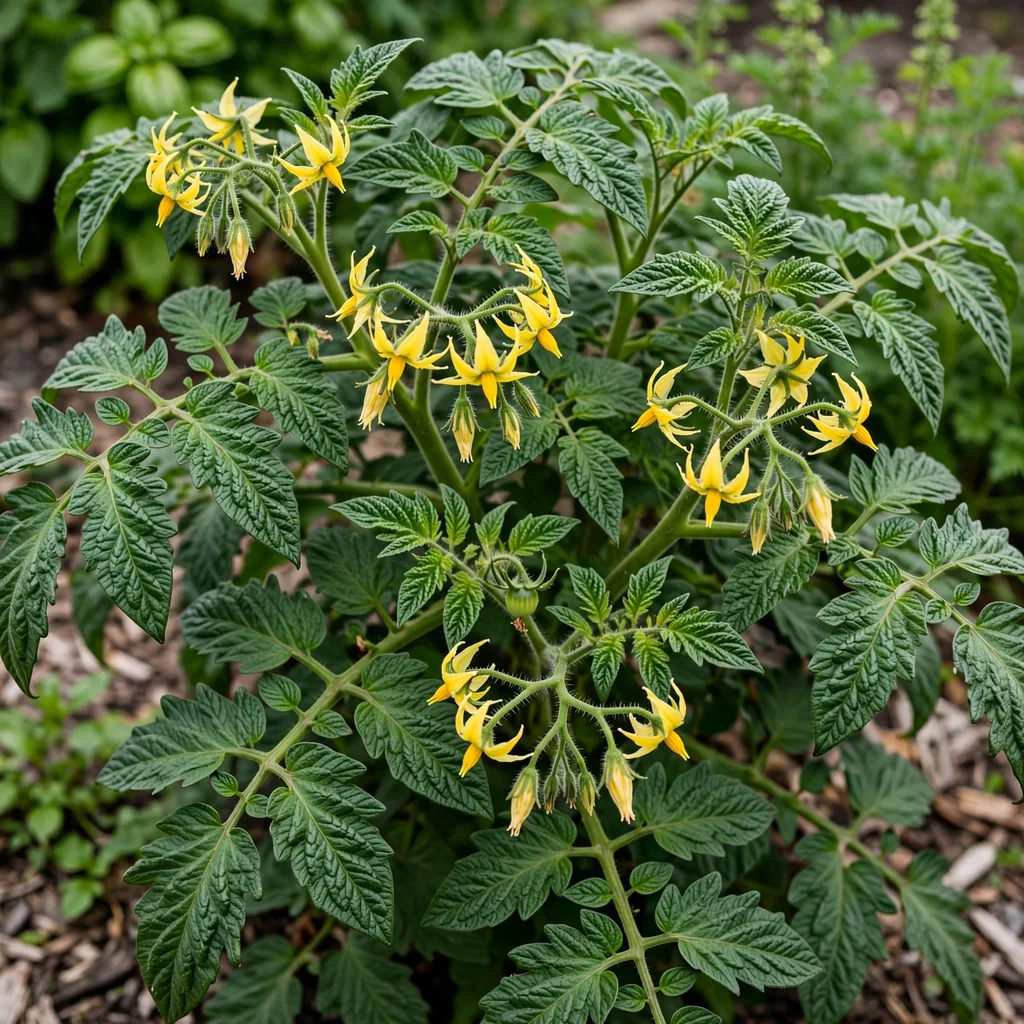
Martino's Roma Tomato
Solanum lycopersicum 'Martino's Roma'
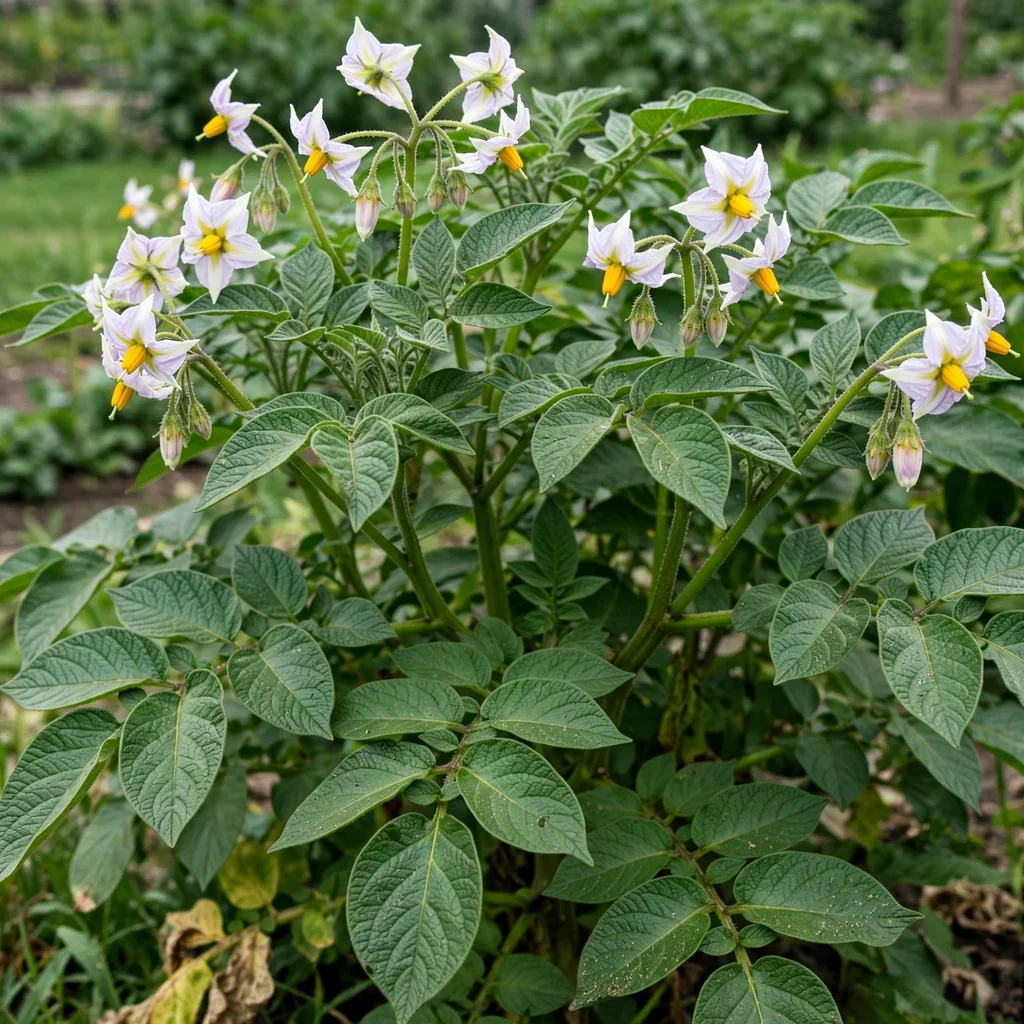
Yukon Gold Potato
Solanum tuberosum 'Yukon Gold'
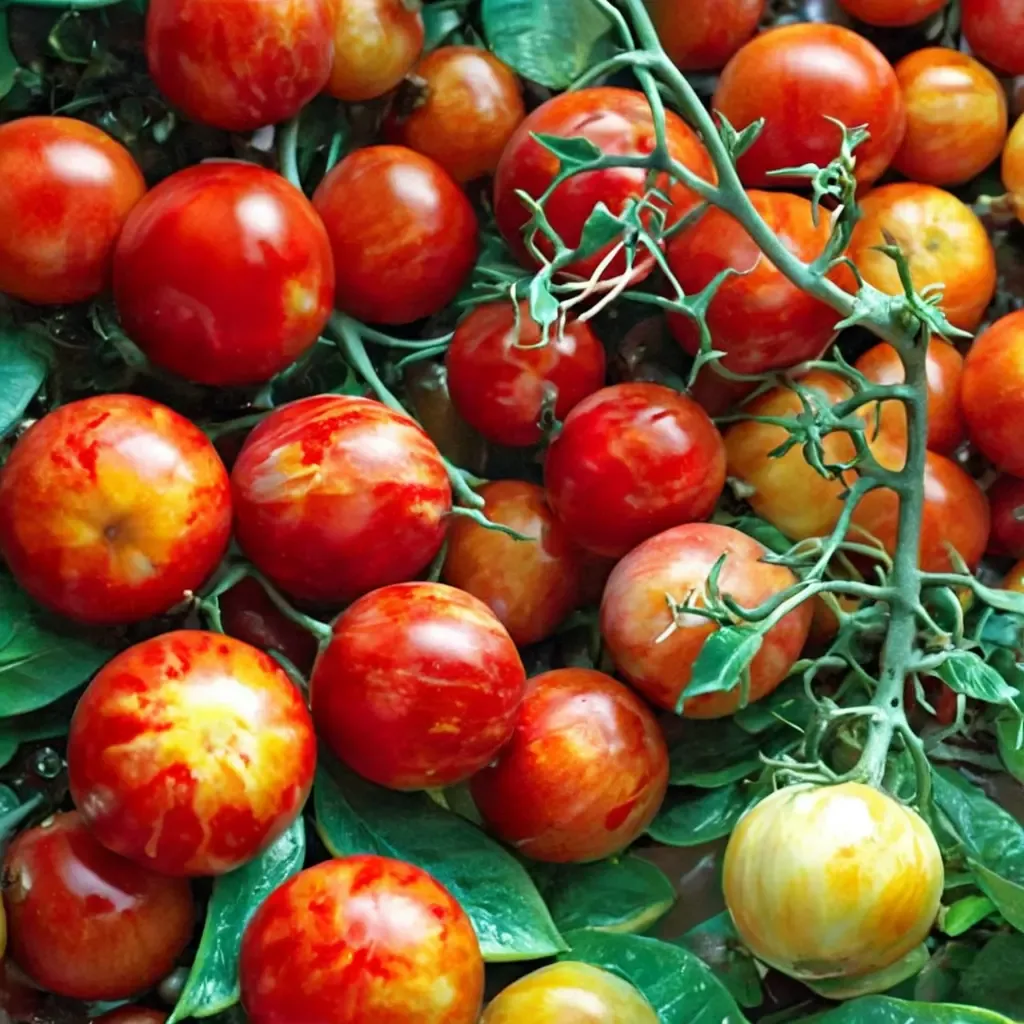
Sweet Tomato
Solanum lycopersicum 'Sweet'
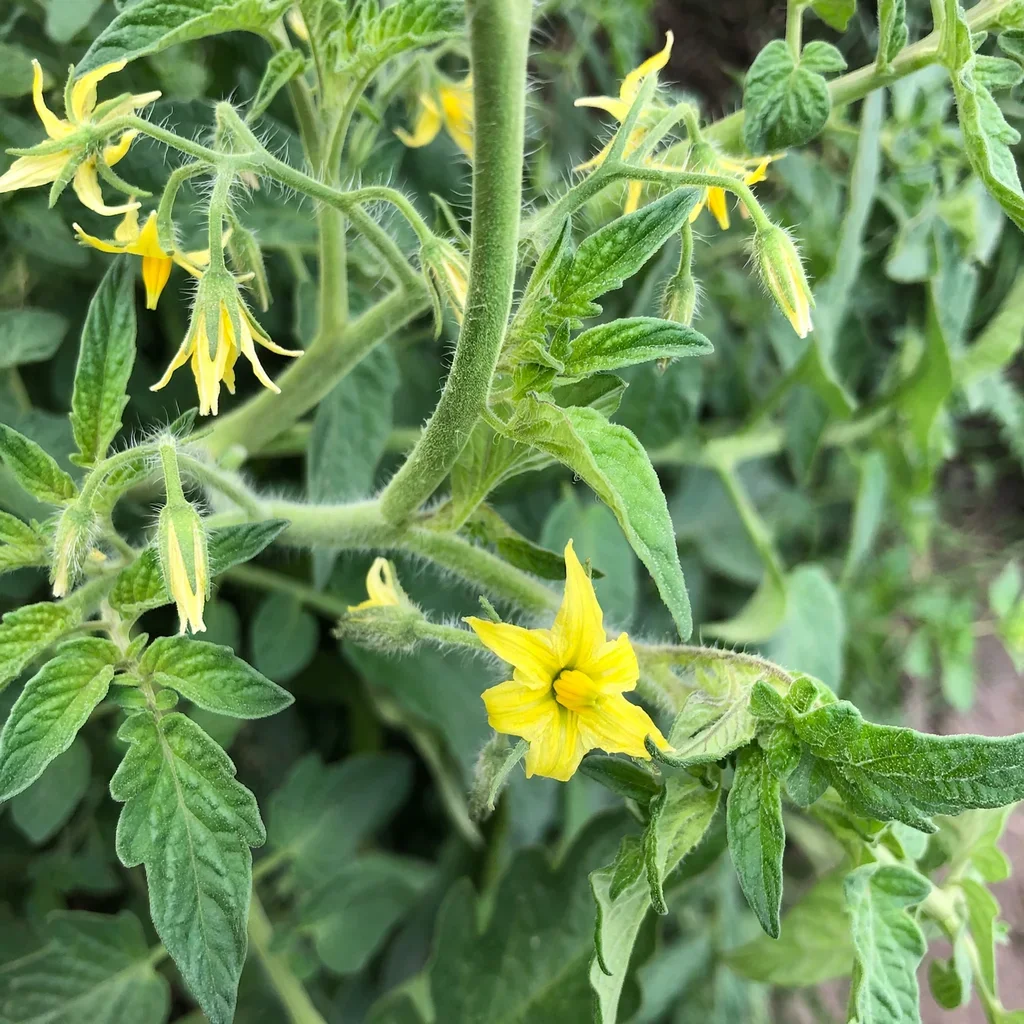
Napa Rose Tomato
Solanum lycopersicum 'Napa Rose'
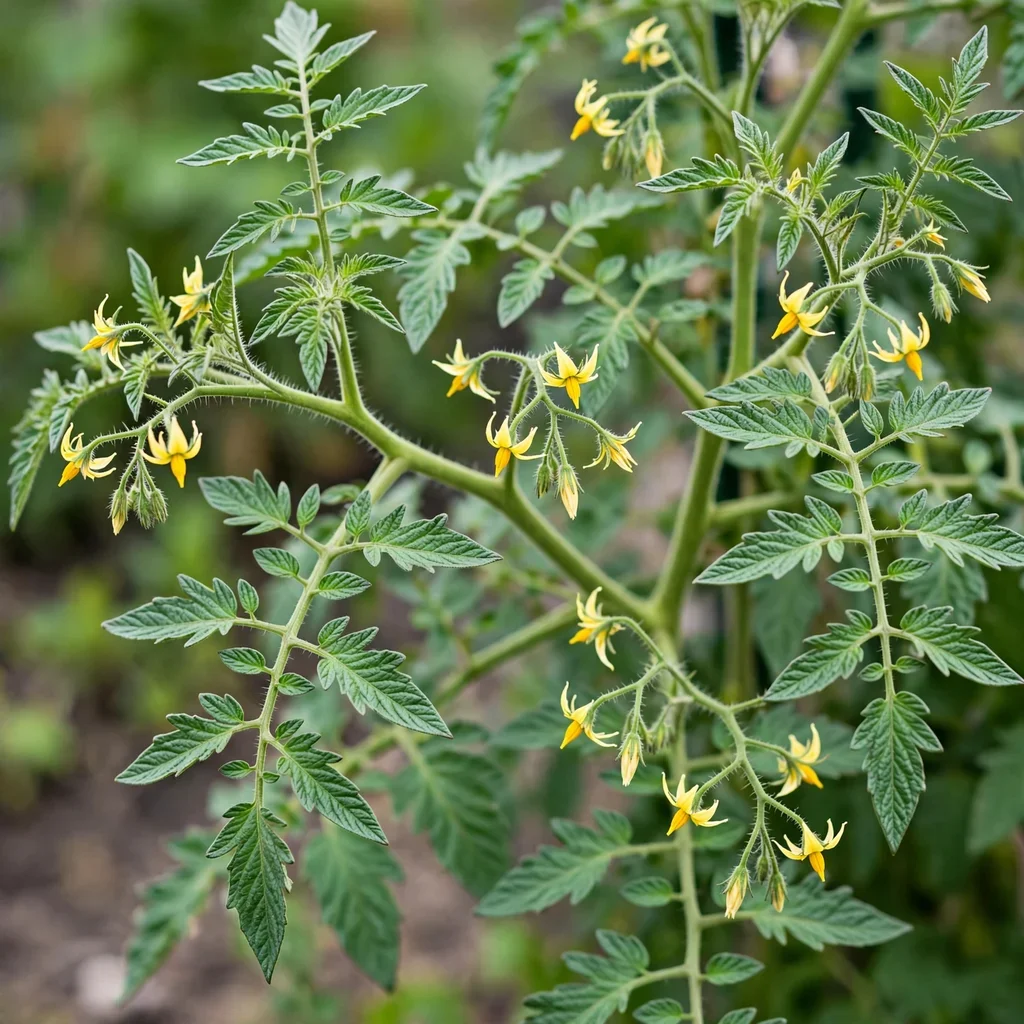
Red Currant Tomato
Solanum lycopersicum 'Red Currant'
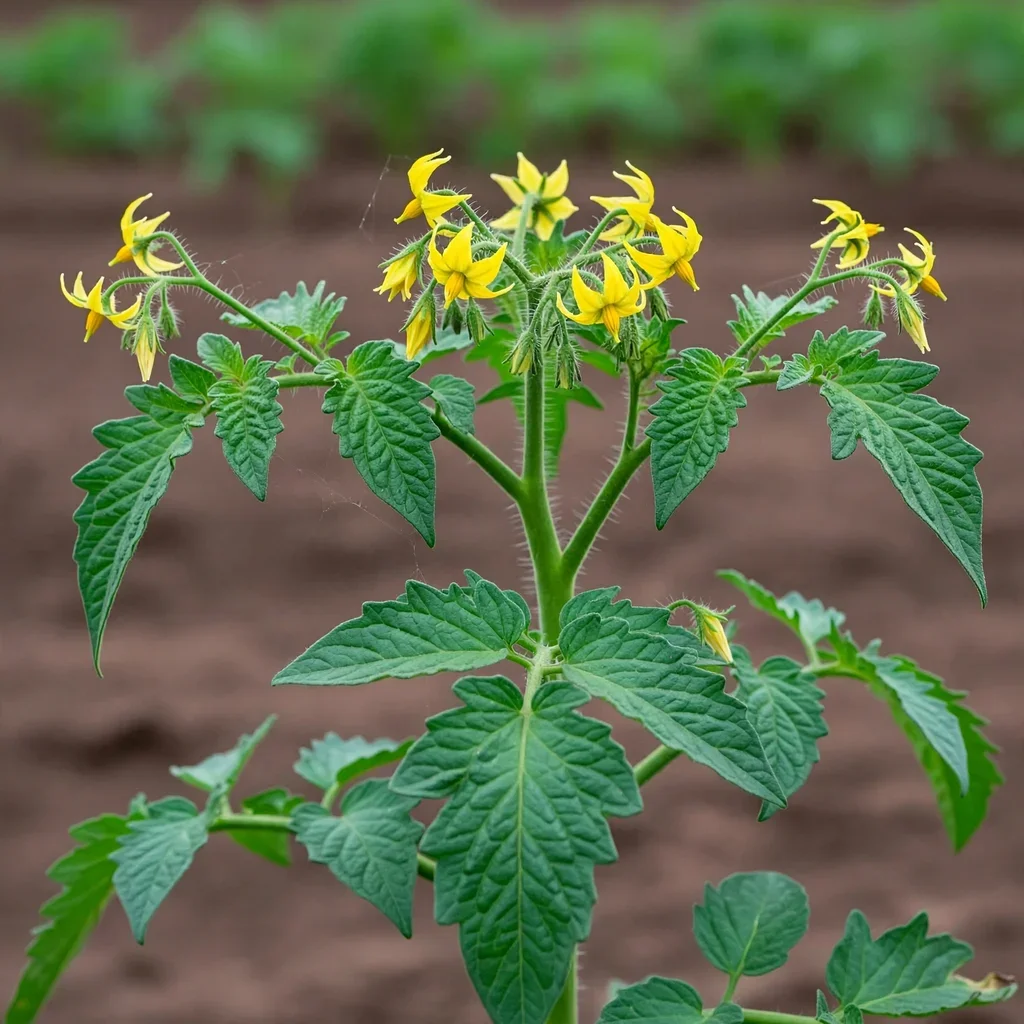
Gold Medal Tomato
Solanum lycopersicum 'Gold Medal'
Keep exploring
Explore the genus
Hardy in your zone?
Grow Tamarillo with confidence
See it in a design of your actual yard, get zone-matched care reminders, and track it season by season in your garden journal.