The Story
Plant Bio
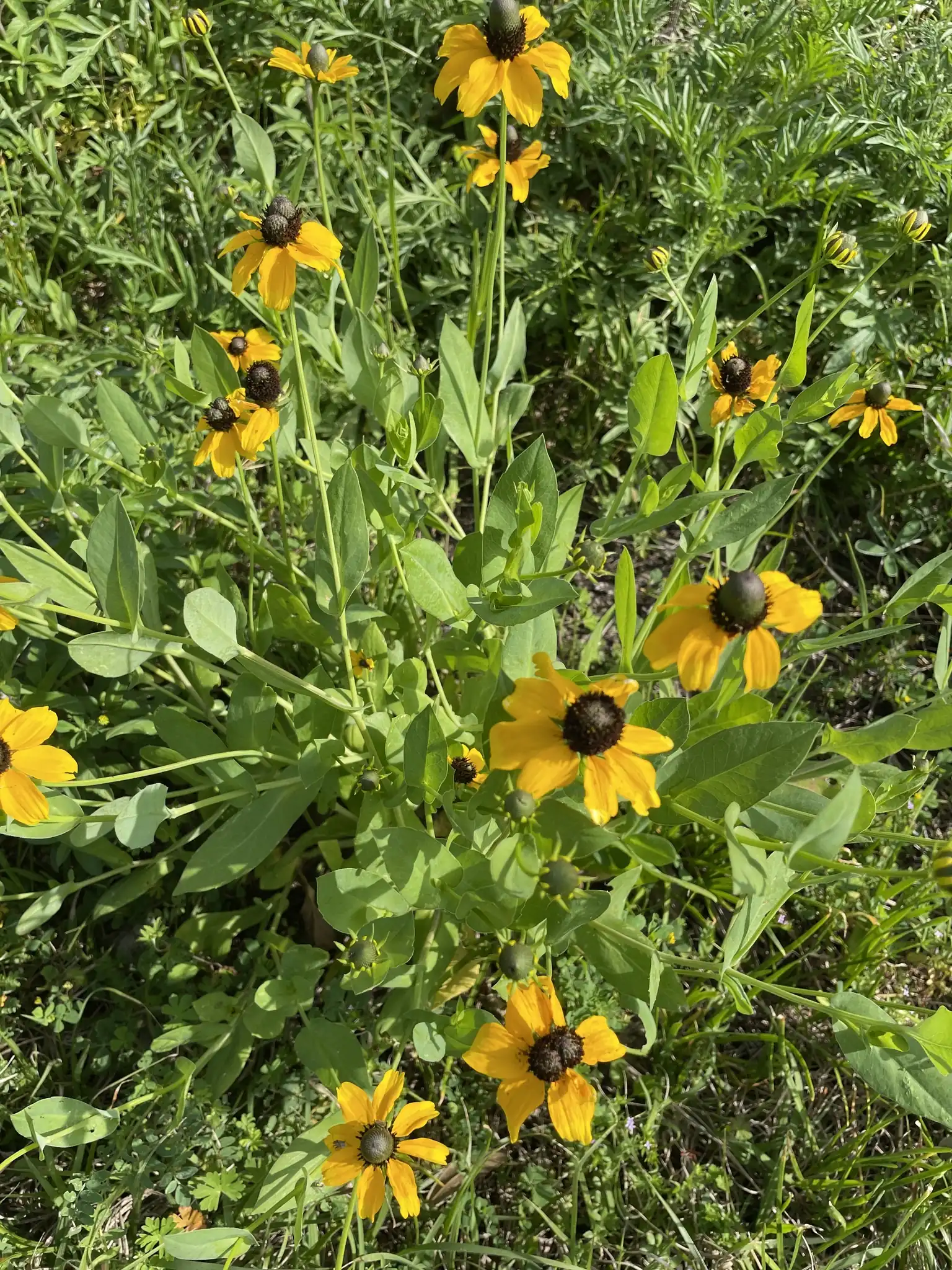
Rudbeckia amplexicaulis is an upright, branching annual wildflower native to the south-central and southeastern United States, characterized by smooth, slender stems and medium green, heart-shaped leaves that completely clasp the stem. The solitary flower heads feature a prominent, elongated, dark brown to blackish columnar central disk surrounded by drooping yellow ray florets that often display a reddish-purple or brownish-orange base.
Unlike standard coneflowers, this species is easily identified by its unique stem-encircling foliage and deeply columnar, finger-like central cones. While frequently mistaken for a perennial, it behaves strictly as a self-sowing annual that establishes readily in moist soils and open prairies.
Uses & Benefits:
Essentials
At a Glance
Plant Type
Annual
Height
48"
Width
24"
Light
Full Sun, Partial Sun
Zones
4, 5, 6, 7, 8, 9
Water
Moderate
Humidity
High
Lifespan
Annual
Native To
North America
Toxicity
Non-toxic
Bloom period
Spring – Early fall
In flower about 7 months of the year
Planting
How to Grow
- Select a site in full sun to partial shade with moist, well-draining soil.
- Sow seeds directly onto the soil surface in late fall or early spring, pressing them lightly into the earth as they require light to germinate.
- Keep the soil consistently moist during germination and early seedling development.
- Thin seedlings to stand 12 to 18 inches apart once they develop their first true leaves.
Pro Tip
Avoid planting in highly fertile or heavily fertilized soils, as excessive nutrients cause the slender stems to become weak and leggy.
Keep It Thriving
Care Guide
Do
- Deadhead spent blooms regularly to prolong the flowering season and control self-seeding.
- Leave some mature seed heads intact at the end of the season if natural reseeding or bird foraging is desired.
- Provide supplemental water during prolonged dry spells to maintain optimal flowering.
Don't
- Do not over-fertilize, which leads to weak, floppy stem growth.
- Do not plant in stagnant, waterlogged muck where water pools continuously.
- Do not cover seeds deeply when sowing, as they need light to germinate.
Seasonal Care Calendar
| Task | Jan | Feb | Mar | Apr | May | Jun | Jul | Aug | Sep | Oct | Nov | Dec |
|---|---|---|---|---|---|---|---|---|---|---|---|---|
| Deadhead | ||||||||||||
| Pest Check | ||||||||||||
| Plant | ||||||||||||
| Winter Prep |
Watch Out For
Pests & Diseases
Common Pests
Common Diseases
In the Garden
Landscape Uses & Companions
Landscape Uses
Multiply
Propagation Methods
Good to Know
Common Questions
Clasping Coneflower questions
What zones can Clasping Coneflower grow in?
Clasping Coneflower is hardy in USDA Zones 4–9. Inside that range it survives winter in the ground; outside it, grow it as an annual or a container plant you protect.
When does Clasping Coneflower bloom?
Clasping Coneflower typically blooms in spring through early fall. Exact timing shifts a week or two with your zone — Sow's bloom calendar maps it to your garden.
Does Clasping Coneflower need full sun?
Clasping Coneflower does best in full sun to part shade. In hot climates, afternoon shade keeps blooms fresher longer.
Is Clasping Coneflower drought tolerant?
Yes — once established (usually after the first full season), Clasping Coneflower handles dry spells with minimal watering. Water deeply its first year to build the root system that makes that possible.
More Rudbeckia to compare
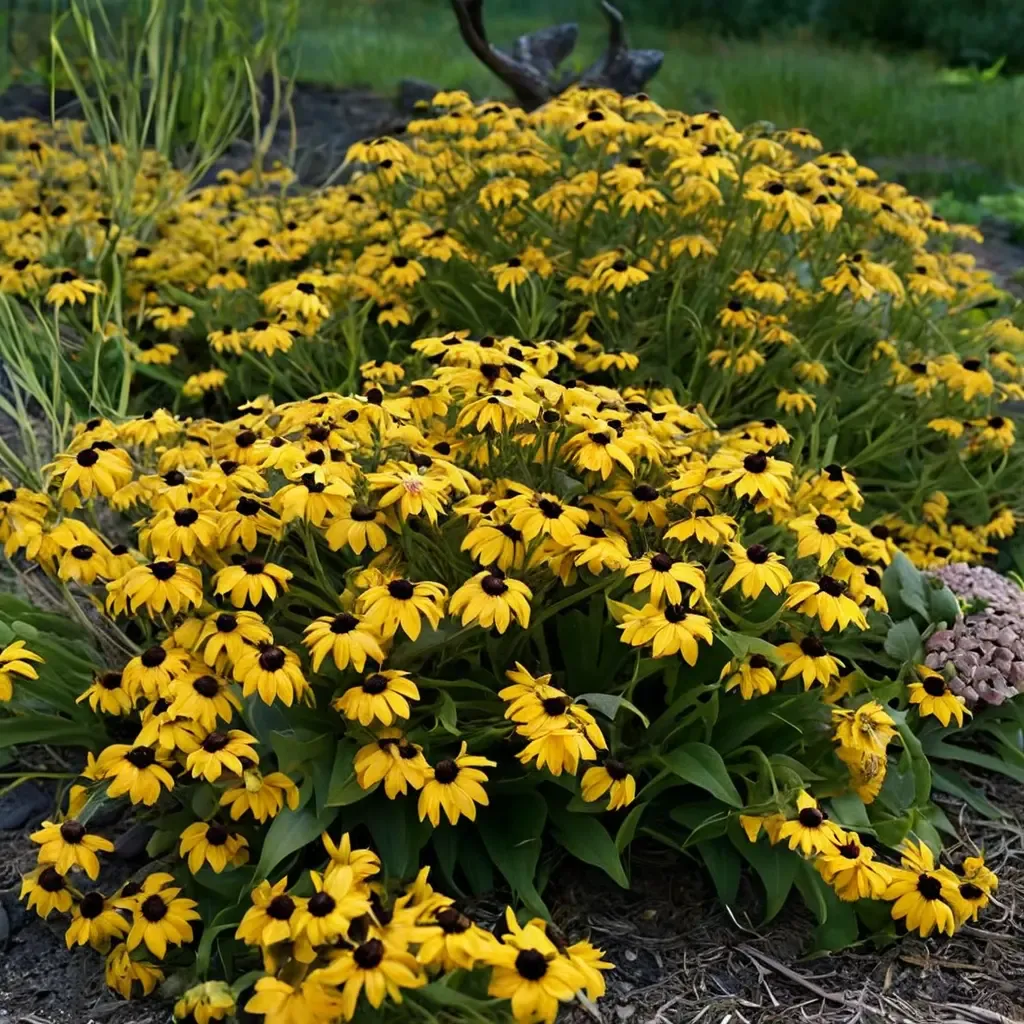
American Gold Rush Black-eyed Susan
Rudbeckia hirta 'American Gold Rush'
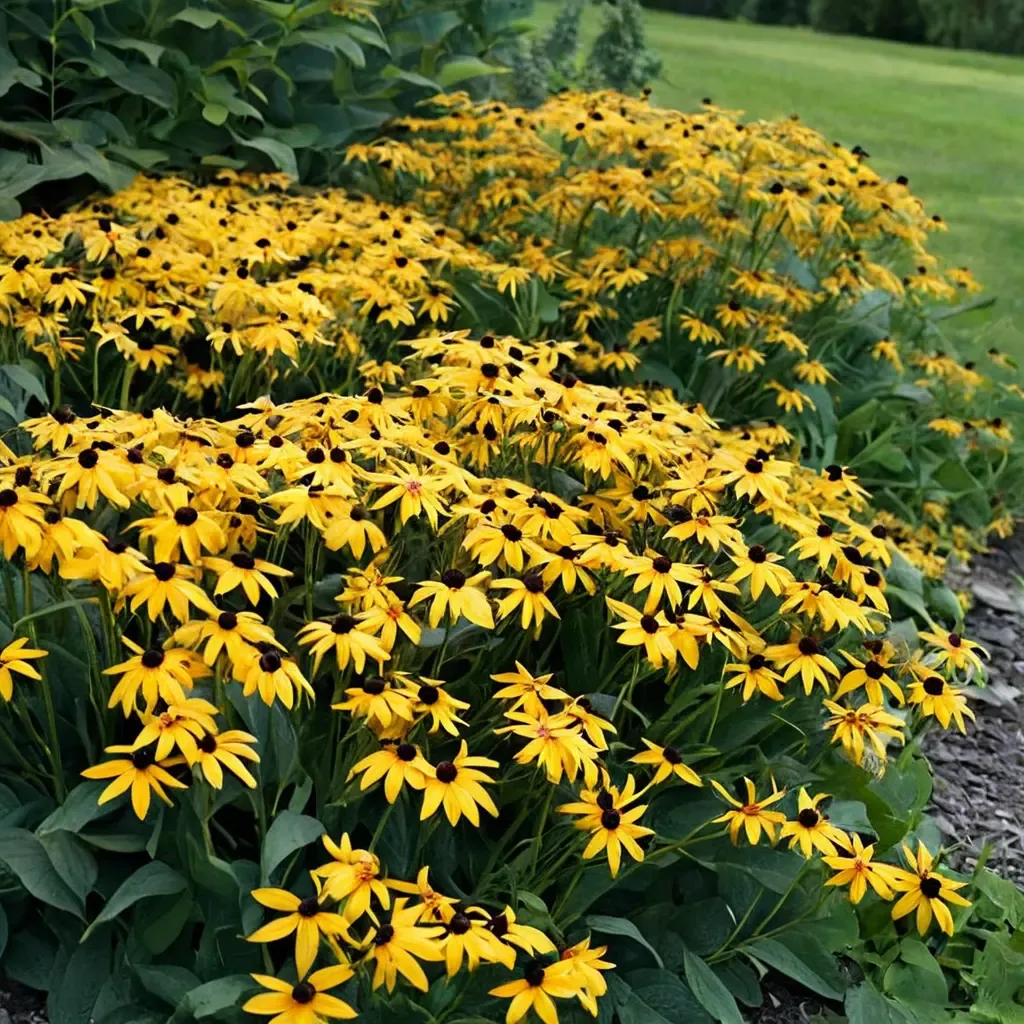
Goldsturm Black-eyed Susan
Rudbeckia fulgida 'Goldsturm'
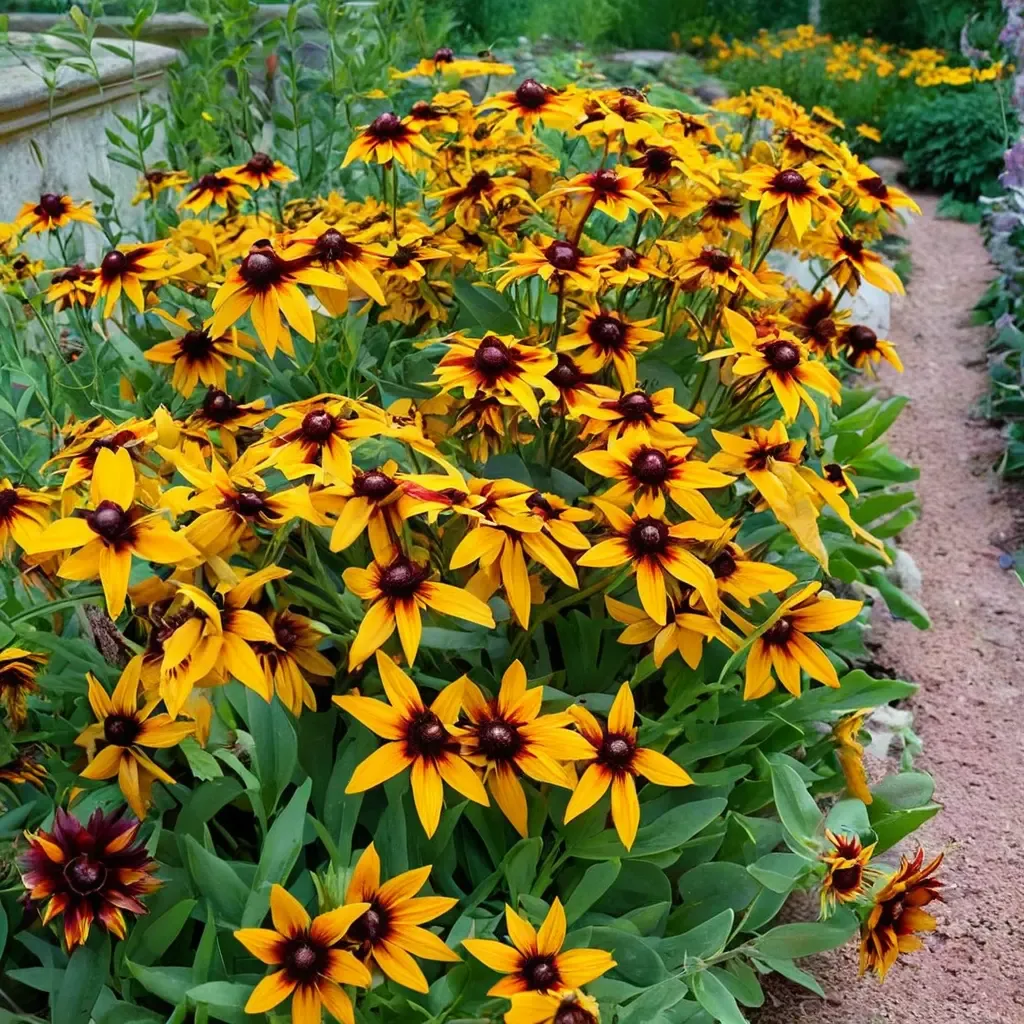
Autumn Colors Mix Black-eyed Susan
Rudbeckia hirta 'Autumn Colors Mix'
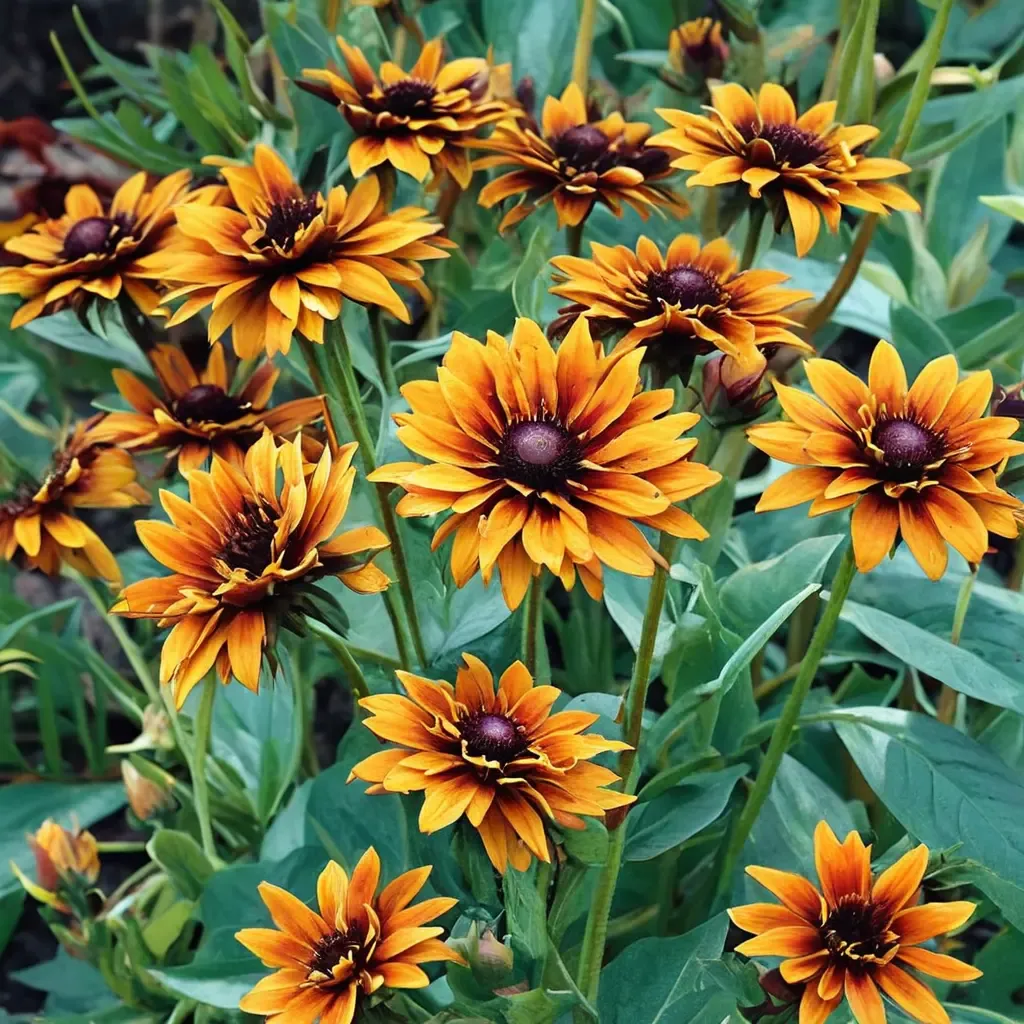
Cherokee Sunset Black-eyed Susan
Rudbeckia hirta 'Cherokee Sunset'
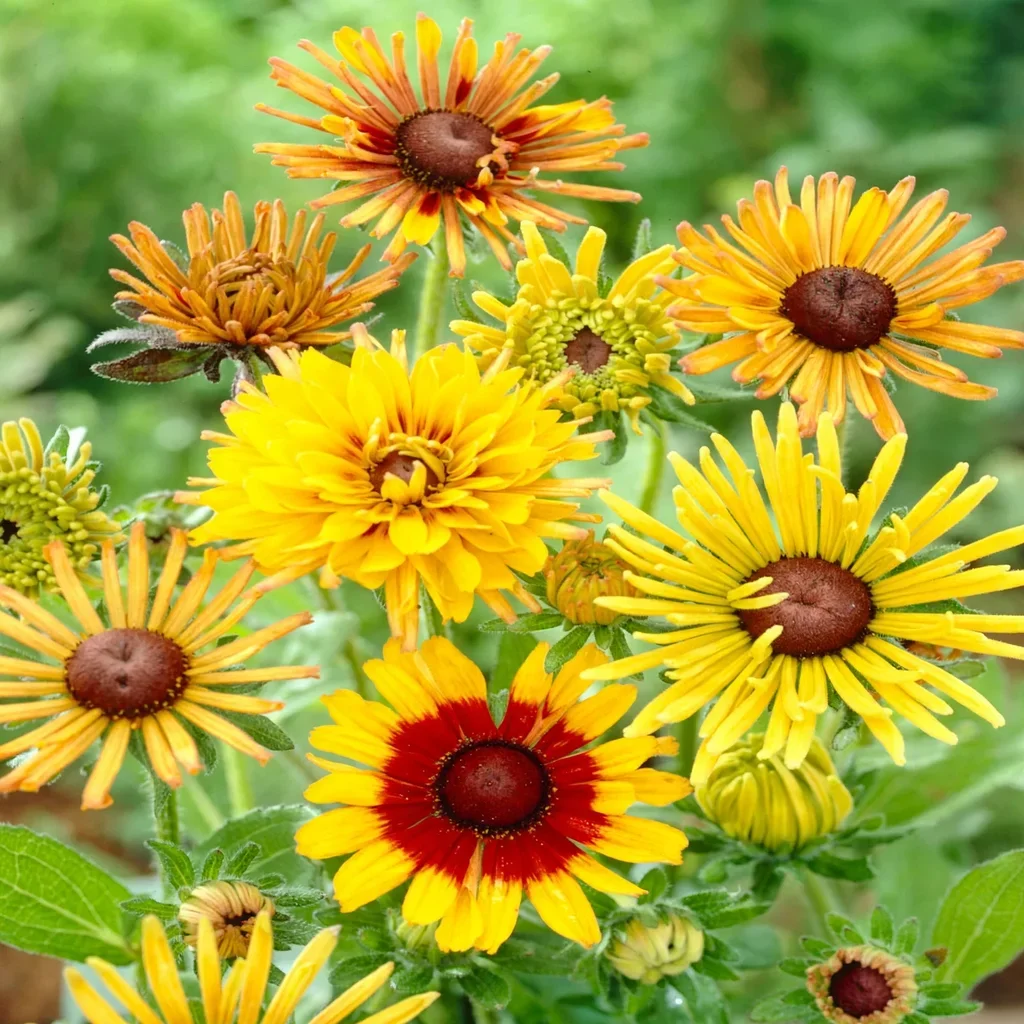
Chim Chiminee Black-eyed Susan
Rudbeckia hirta 'Chim Chiminee'
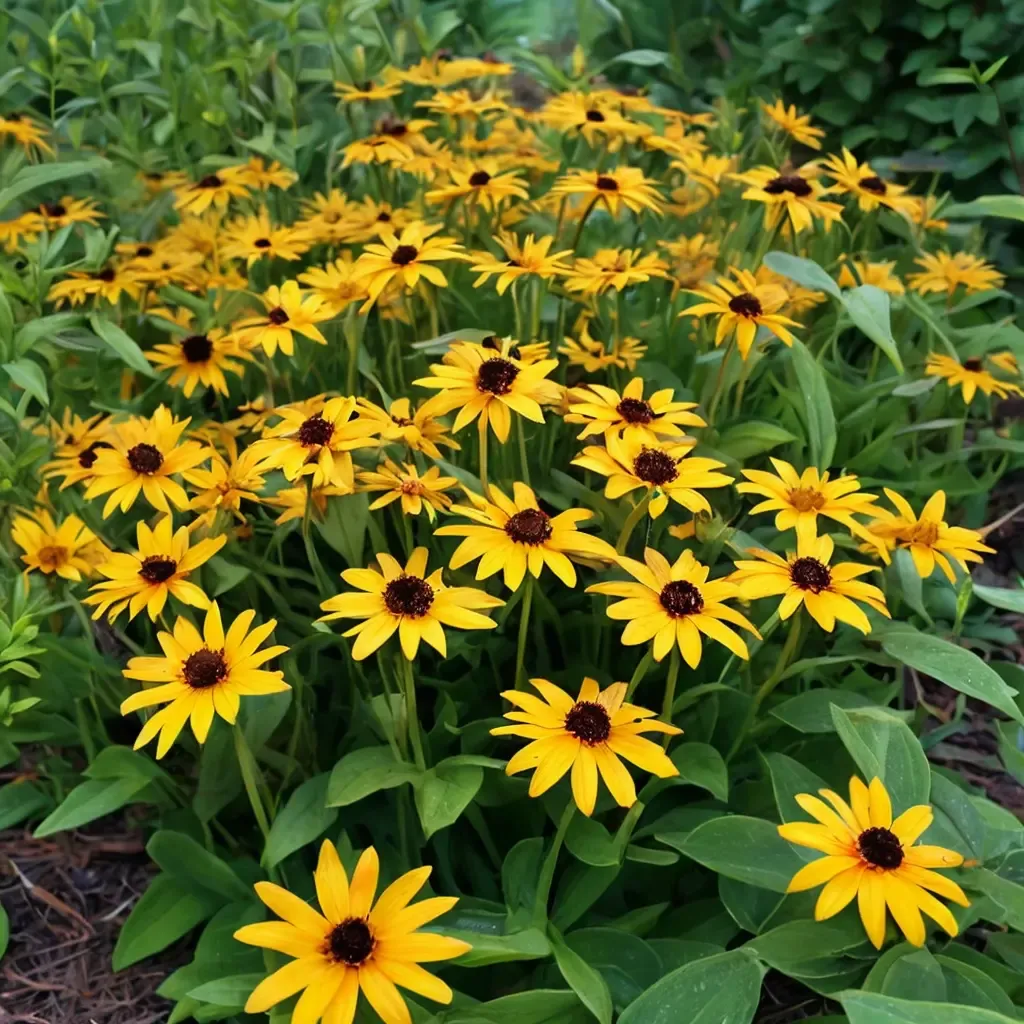
Black-eyed Susan
Rudbeckia hirta
Keep exploring
Explore the genus
Grow Clasping Coneflower with confidence
See it in a design of your actual yard, get zone-matched care reminders, and track it season by season in your garden journal.