The Story
Plant Bio
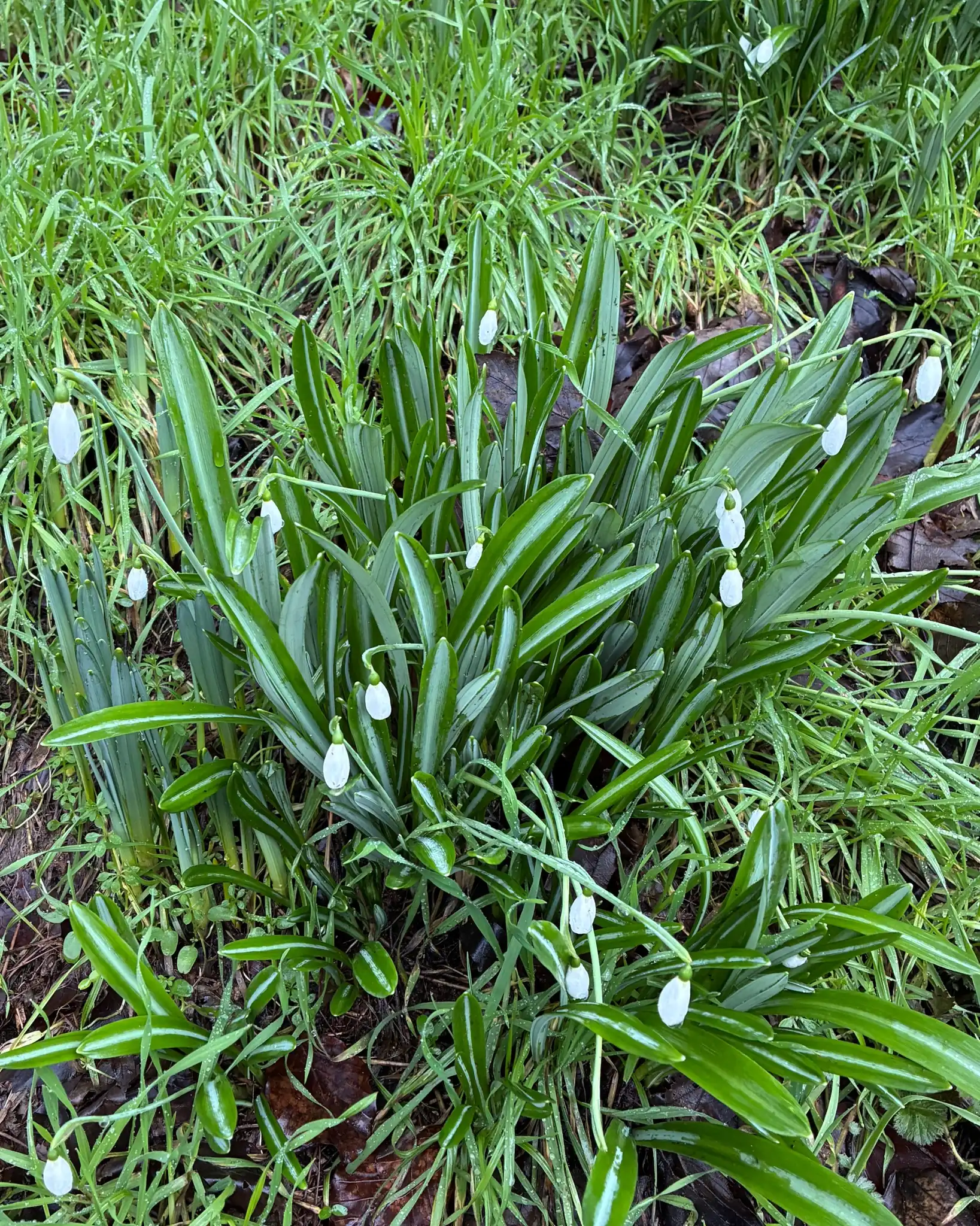
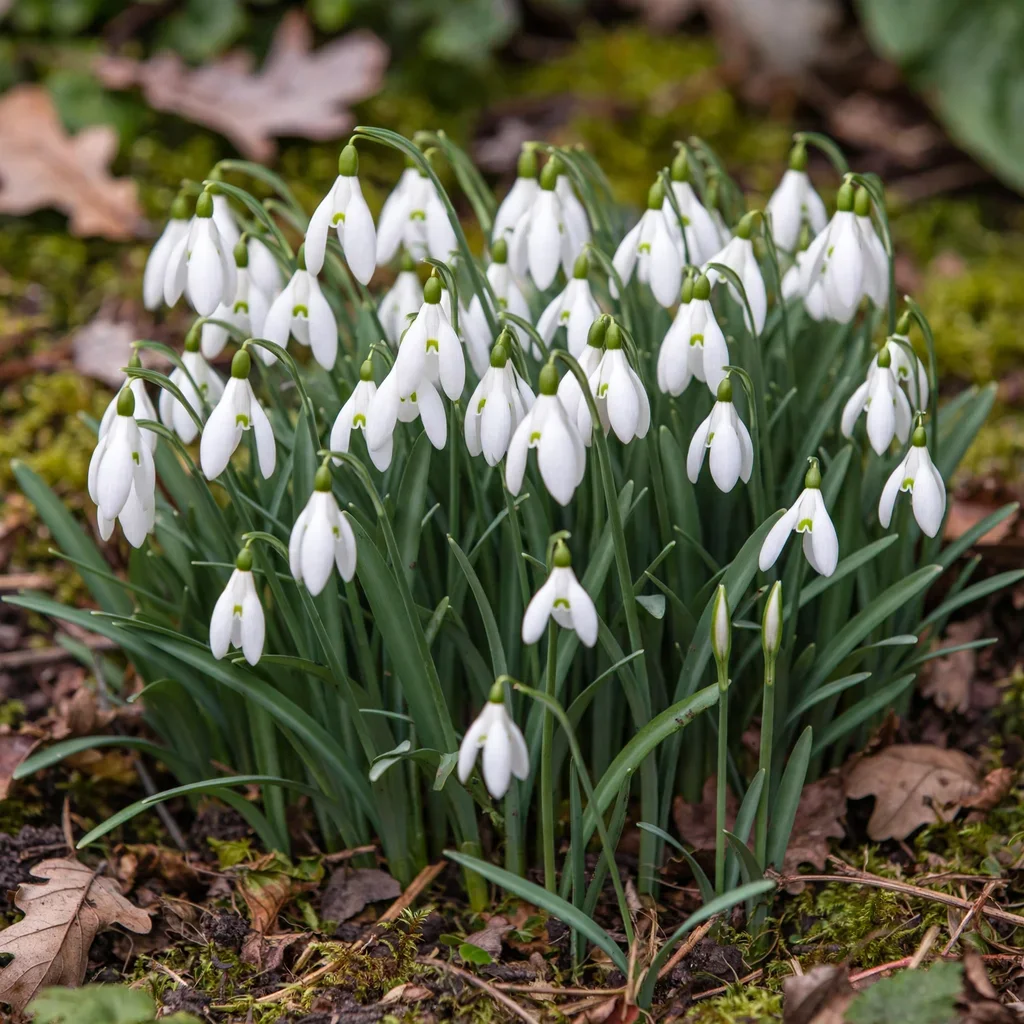
Galanthus plicatus, the pleated snowdrop, is a bulbous herbaceous perennial that forms tight, upright clumps of broad, blue-green foliage. In late winter and early spring, it produces solitary, nodding, bell-shaped white flowers with distinctive green markings on the inner petals.
This species is distinguished by its unique leaf structure, where the margins of the wide, glaucous leaves are folded back away from the upper surface. The inner flower segments feature variable green markings, with some subspecies displaying both basal and apical spots.
Uses & Benefits:
Essentials
At a Glance
Plant Type
Bulb Corm Tuber
Height
12"
Width
4"
Light
Full Sun, Partial Sun
Zones
4, 5, 6, 7, 8
Water
Medium
Humidity
Moderate
Lifespan
Perennial
Native To
Eastern Europe and Western Asia
Toxicity
Toxic if ingested; skin irritant
Bloom period
Late winter – Early spring
In flower about 2 months of the year
Planting
How to Grow
- Select a planting site in full sun to partial shade, ideally beneath deciduous trees that provide summer shade and winter light.
- Amend the soil with generous amounts of compost or leaf mold to create a humus-rich, moisture-retentive loam with excellent drainage.
- Plant bulbs in early fall at a depth of three to four inches, or transplant active clumps 'in the green' immediately after spring flowering.
- Water thoroughly after planting to settle the soil, ensuring the area remains moist but never waterlogged during the active growing season.
Pro Tip
Transplant clumps 'in the green' immediately after flowering while the leaves are still active; dry-stored bulbs planted late in fall often fail to establish.
Keep It Thriving
Care Guide
Do
- Allow foliage to yellow and die back naturally to replenish the bulb's energy reserves.
- Apply a light top-dressing of well-rotted leaf mold or low-nitrogen fertilizer as new growth emerges in late winter.
- Divide congested clumps every three to four years to maintain vigorous flowering.
Don't
- Do not cut back green leaves prematurely after flowering, as this starves the bulb.
- Do not plant in poorly drained soils where winter waterlogging will cause the bulbs to rot.
- Do not plant dry bulbs late in the spring season.
Seasonal Care Calendar
| Task | Jan | Feb | Mar | Apr | May | Jun | Jul | Aug | Sep | Oct | Nov | Dec |
|---|---|---|---|---|---|---|---|---|---|---|---|---|
| Divide | ||||||||||||
| Fertilize | ||||||||||||
| Pest Check | ||||||||||||
| Plant | ||||||||||||
| Spring Cleanup |
Watch Out For
Pests & Diseases
Common Pests
Common Diseases
In the Garden
Landscape Uses & Companions
Landscape Uses
Companion Plants
Multiply
Propagation Methods
Good to Know
Common Questions
Pleated snowdrop questions
What zones can Pleated snowdrop grow in?
Pleated snowdrop is hardy in USDA Zones 4–8. Inside that range it survives winter in the ground; outside it, grow it as an annual or a container plant you protect.
Is Pleated snowdrop deer resistant?
Yes — Pleated snowdrop is rated deer-resistant. Deer typically pass it over, though extreme hunger can override any plant's defenses.
When does Pleated snowdrop bloom?
Pleated snowdrop typically blooms in late winter through early spring. Exact timing shifts a week or two with your zone — Sow's bloom calendar maps it to your garden.
Does Pleated snowdrop need full sun?
Pleated snowdrop does best in full sun to part shade. In hot climates, afternoon shade keeps blooms fresher longer.
More Galanthus to compare
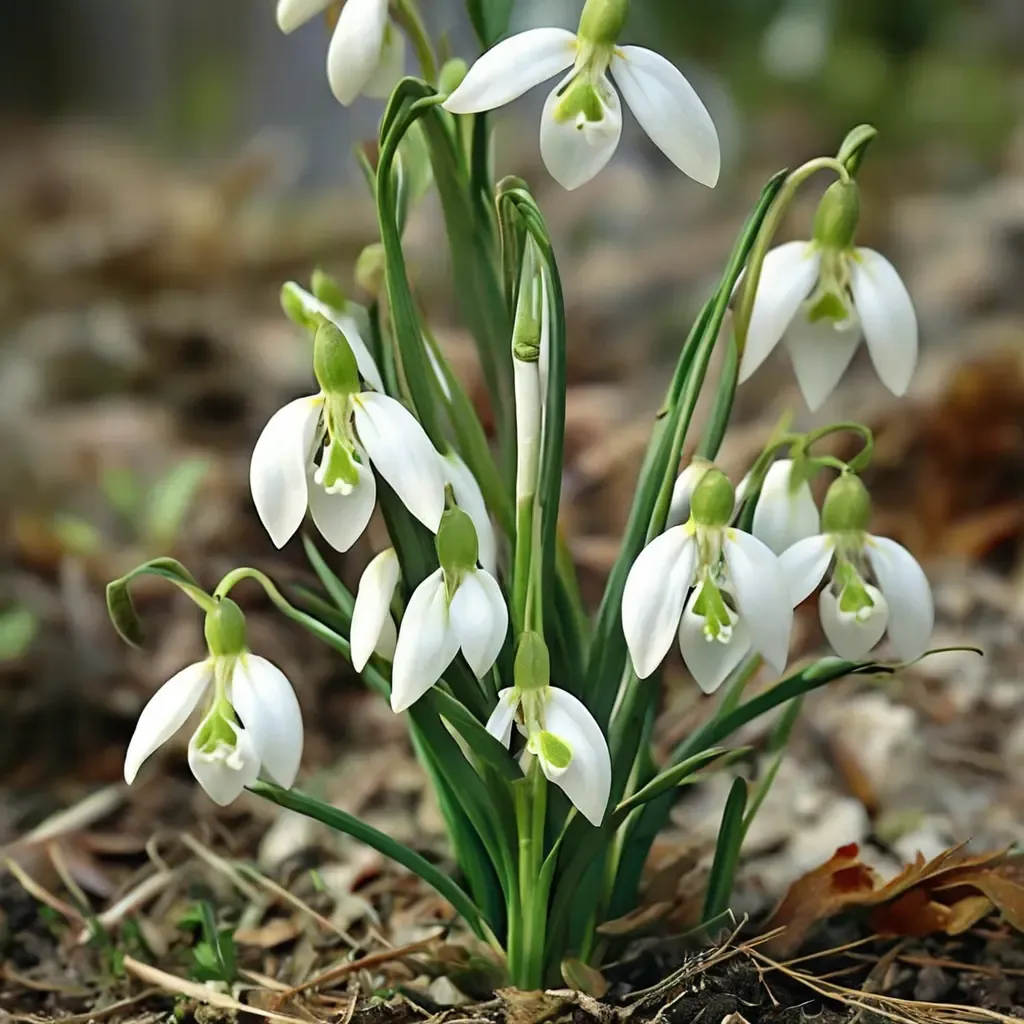
Snowdrop
Galanthus nivalis
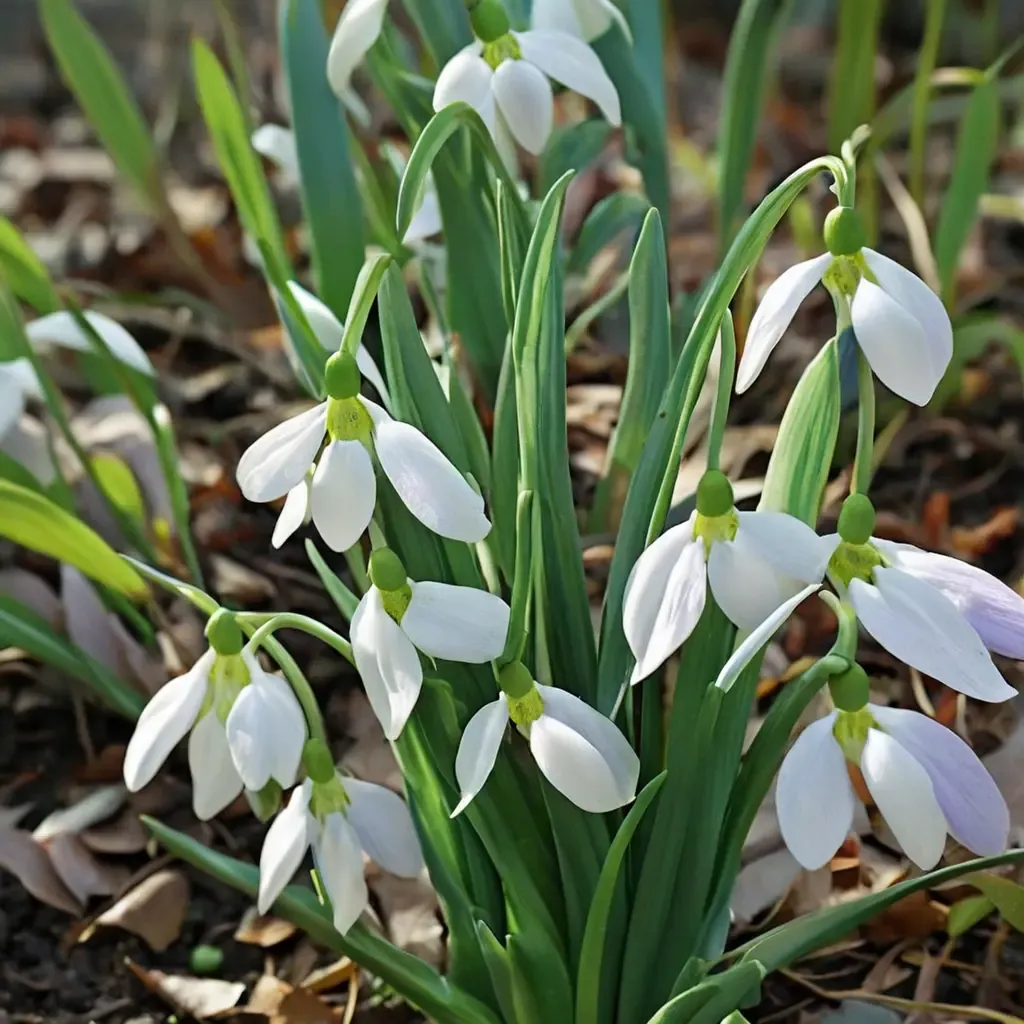
Elwes' Snowdrop
Galanthus elwesii
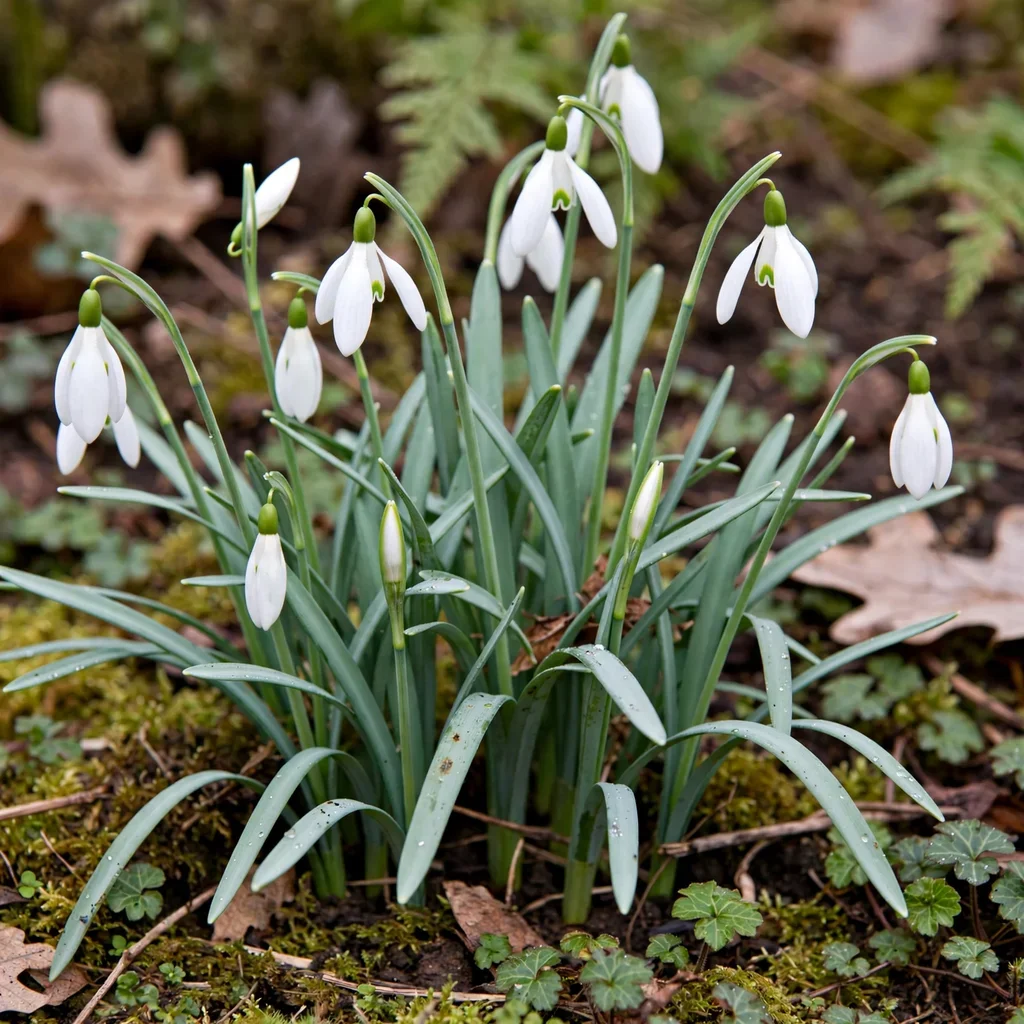
Magnet Snowdrop
Galanthus nivalis 'Magnet'
Straffan Snowdrop
Galanthus nivalis 'Straffan'
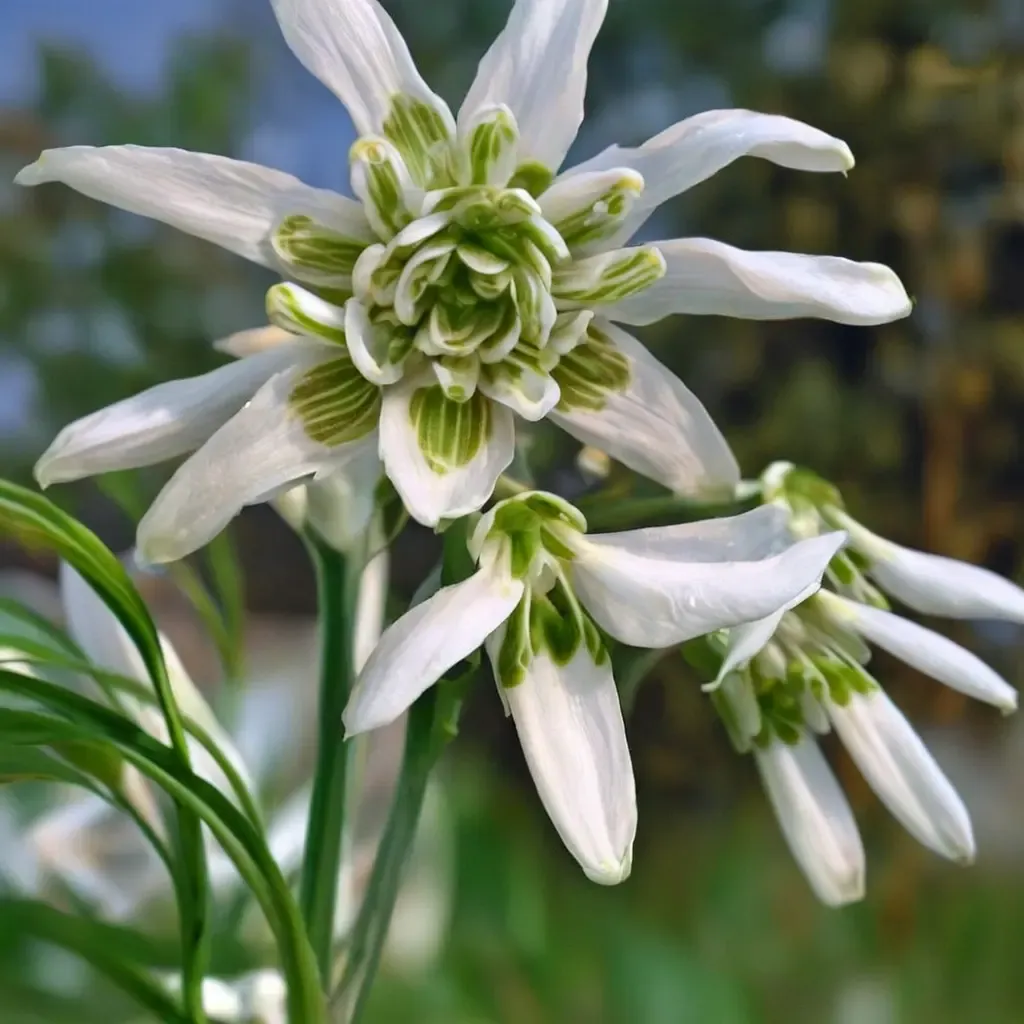
Double Snowdrop
Galanthus nivalis 'Flore Pleno'
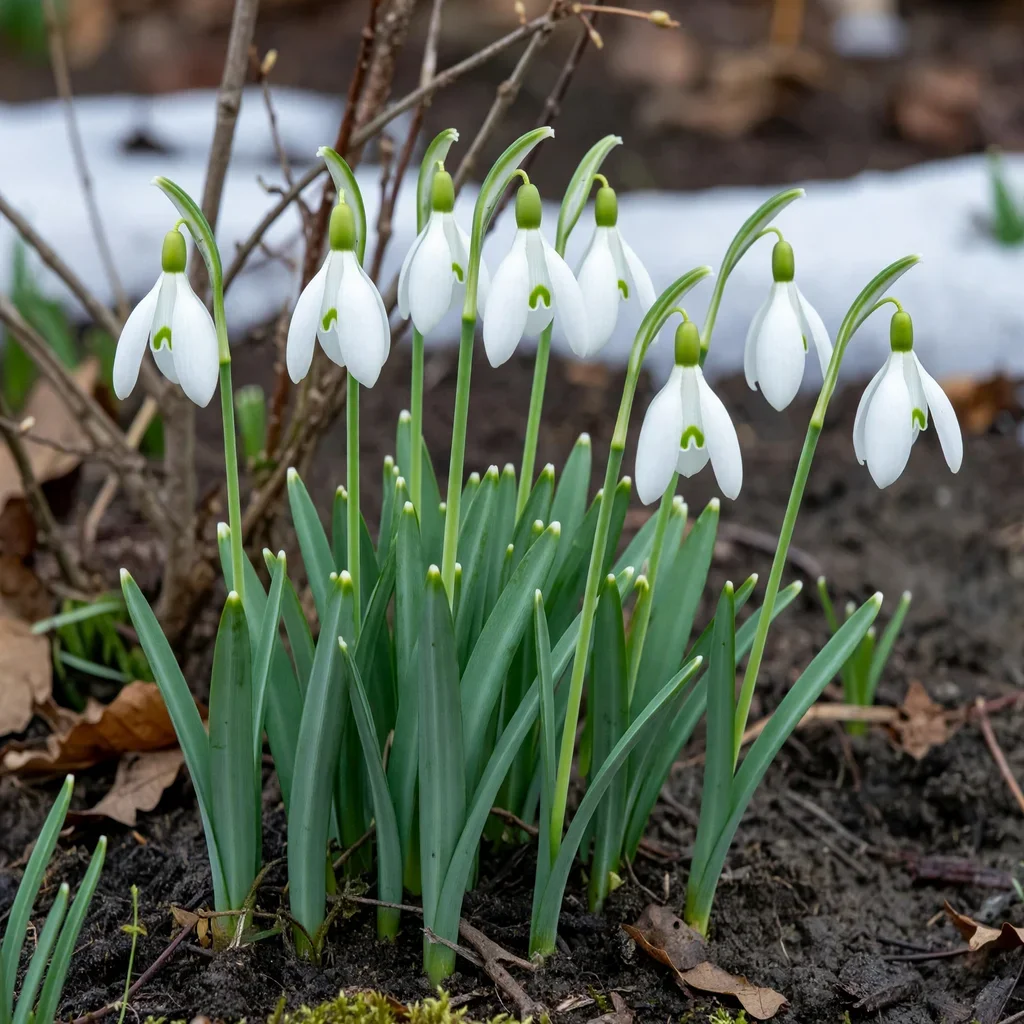
Atkins' Snowdrop
Galanthus nivalis 'Atkinsii'
Keep exploring
Explore the genus
Hardy in your zone?
Grow Pleated snowdrop with confidence
See it in a design of your actual yard, get zone-matched care reminders, and track it season by season in your garden journal.