The Story
Plant Bio
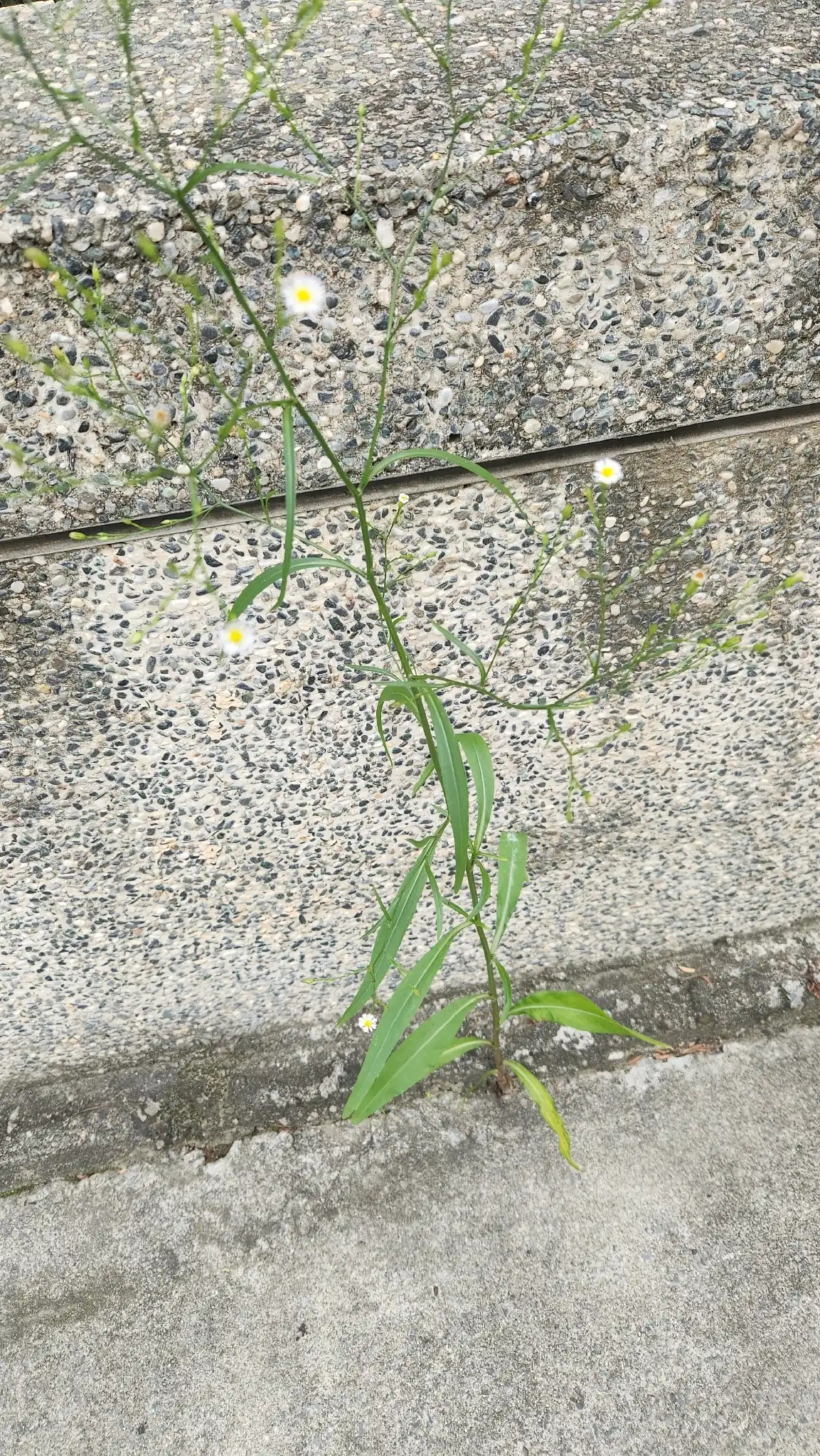
Symphyotrichum subulatum is an erect, slender annual or short-lived biennial wildflower native to wet, saline habitats across eastern and southern North America. The plant develops a highly branched, airy upper structure bearing dozens of small, daisy-like flower heads with white, pink, or pale lavender rays surrounding yellow centers.
This highly specialized halophyte thrives in coastal salt marshes, tidal wetlands, and brackish ditches where most other species fail. Its narrow, glabrous leaves and purplish-brown stems form a diffuse, delicate texture that blends naturally into wetland restoration plantings.
Uses & Benefits:
Essentials
At a Glance
Plant Type
Annual
Height
48"
Width
18"
Light
Full Sun, Partial Sun
Zones
4, 5, 6, 7, 8, 9, 10
Water
High
Humidity
High
Lifespan
Annual
Native To
North America
Toxicity
Non-toxic
Bloom period
Summer – Fall
In flower about 6 months of the year
Planting
How to Grow
- Sow seeds directly onto moist, bare soil in fall or early spring, pressing them lightly into the surface without burying them.
- Select a site in full sun to partial shade with moist to wet clay, loam, or sandy soil.
- Maintain consistent moisture during germination and early establishment, as the young plants lack drought tolerance.
- Allow the plants to flower and naturally disperse their wind-blown seeds at the end of the season before clearing away the dead stems.
Pro Tip
Do not mistake this species for a perennial garden aster; it is an obligate annual that must be allowed to set and drop seed in fall to ensure its return the following year.
Keep It Thriving
Care Guide
Do
- Keep the soil consistently moist or wet, especially during hot summer spells.
- Allow the plant to complete its natural lifecycle and drop seed for next year's generation.
- Grow in saline, alkaline, or heavy clay soils where other garden plants struggle.
Don't
- Do not apply heavy fertilizers, which cause weak, leggy, and floppy stems.
- Do not let the soil dry out completely, as severe drought will cause premature decline.
- Do not deadhead late-season flowers if you want the colony to persist annually.
Seasonal Care Calendar
| Task | Jan | Feb | Mar | Apr | May | Jun | Jul | Aug | Sep | Oct | Nov | Dec |
|---|---|---|---|---|---|---|---|---|---|---|---|---|
| Deadhead | ||||||||||||
| Pest Check | ||||||||||||
| Plant | ||||||||||||
| Winter Prep |
Watch Out For
Pests & Diseases
Common Pests
Common Diseases
In the Garden
Landscape Uses & Companions
Landscape Uses
Companion Plants
Multiply
Propagation Methods
Good to Know
Common Questions
Annual Saltmarsh Aster questions
What zones can Annual Saltmarsh Aster grow in?
Annual Saltmarsh Aster is hardy in USDA Zones 4–10. Inside that range it survives winter in the ground; outside it, grow it as an annual or a container plant you protect.
When does Annual Saltmarsh Aster bloom?
Annual Saltmarsh Aster typically blooms in summer through fall. Exact timing shifts a week or two with your zone — Sow's bloom calendar maps it to your garden.
Does Annual Saltmarsh Aster need full sun?
Annual Saltmarsh Aster does best in full sun to part shade. In hot climates, afternoon shade keeps blooms fresher longer.
More Symphyotrichum to compare
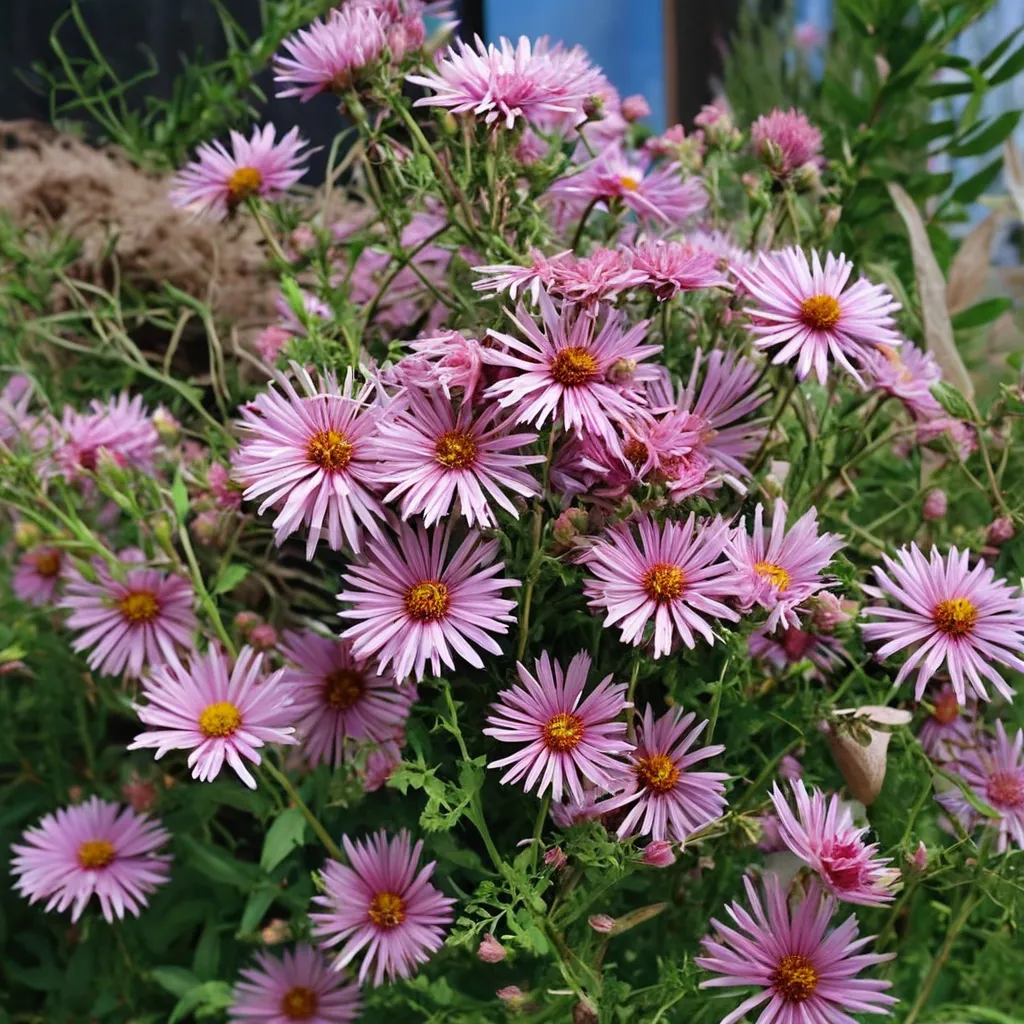
New England Aster Harringtons Pink
Symphyotrichum novae-angliae 'Harringtons Pink'
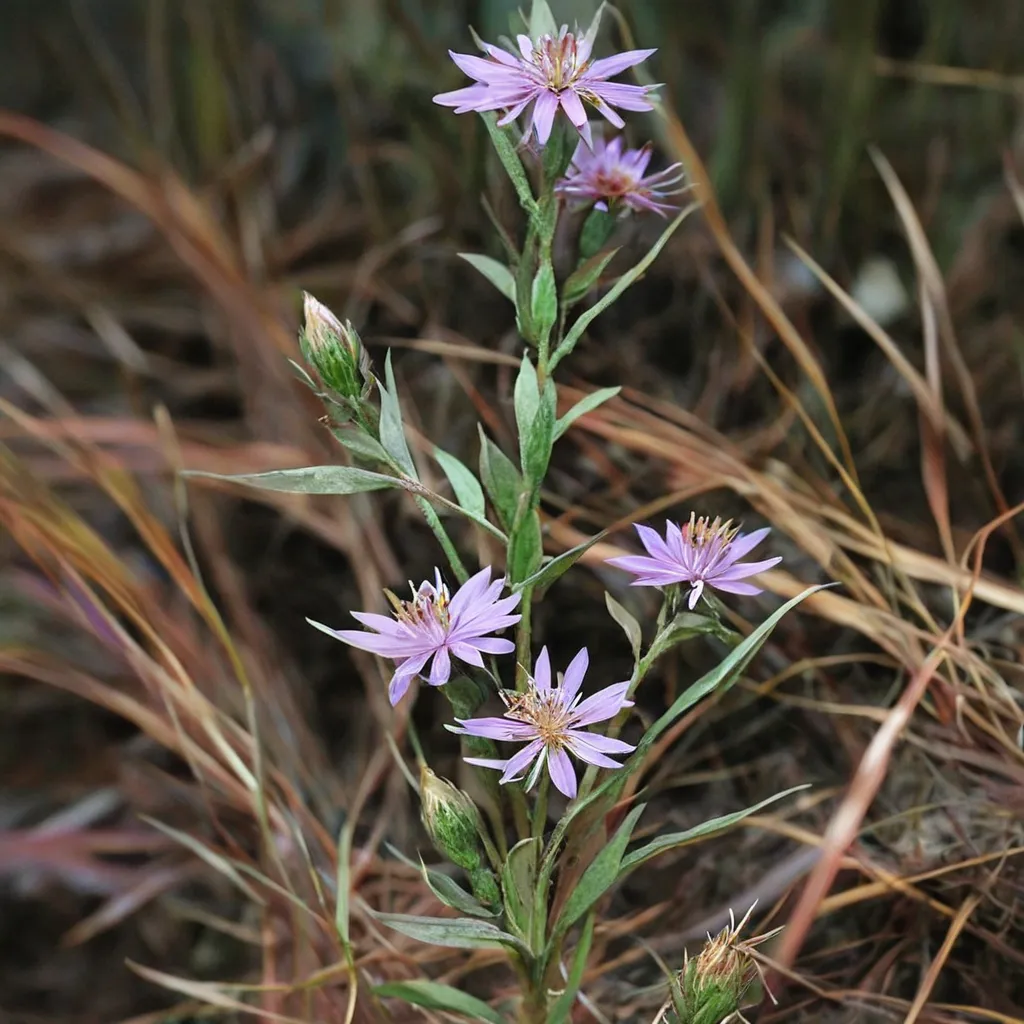
Eastern Silver Aster
Symphyotrichum concolor
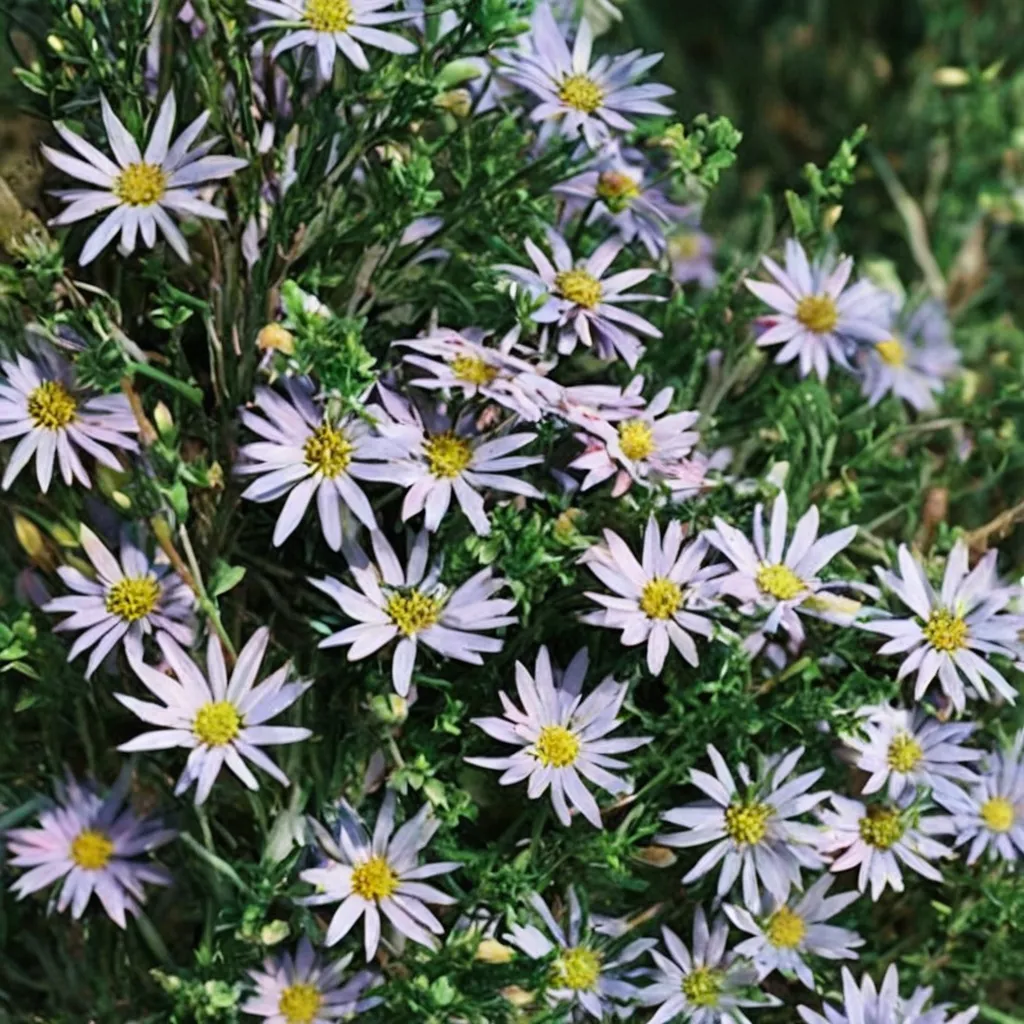
New Mexico Aster My Antonia
Symphyotrichum fendleri 'My Antonia'
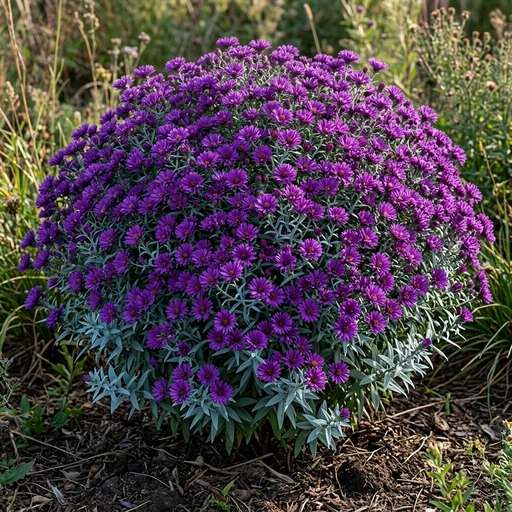
Purple Dome New England Aster
Symphyotrichum novae-angliae 'Purple Dome'
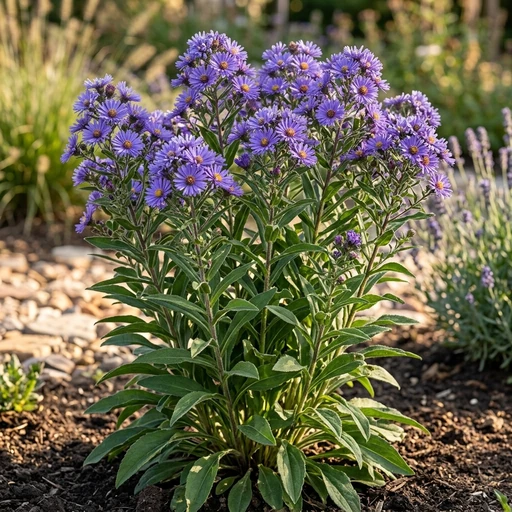
New England Aster
Symphyotrichum novae-angliae '05-196-10'
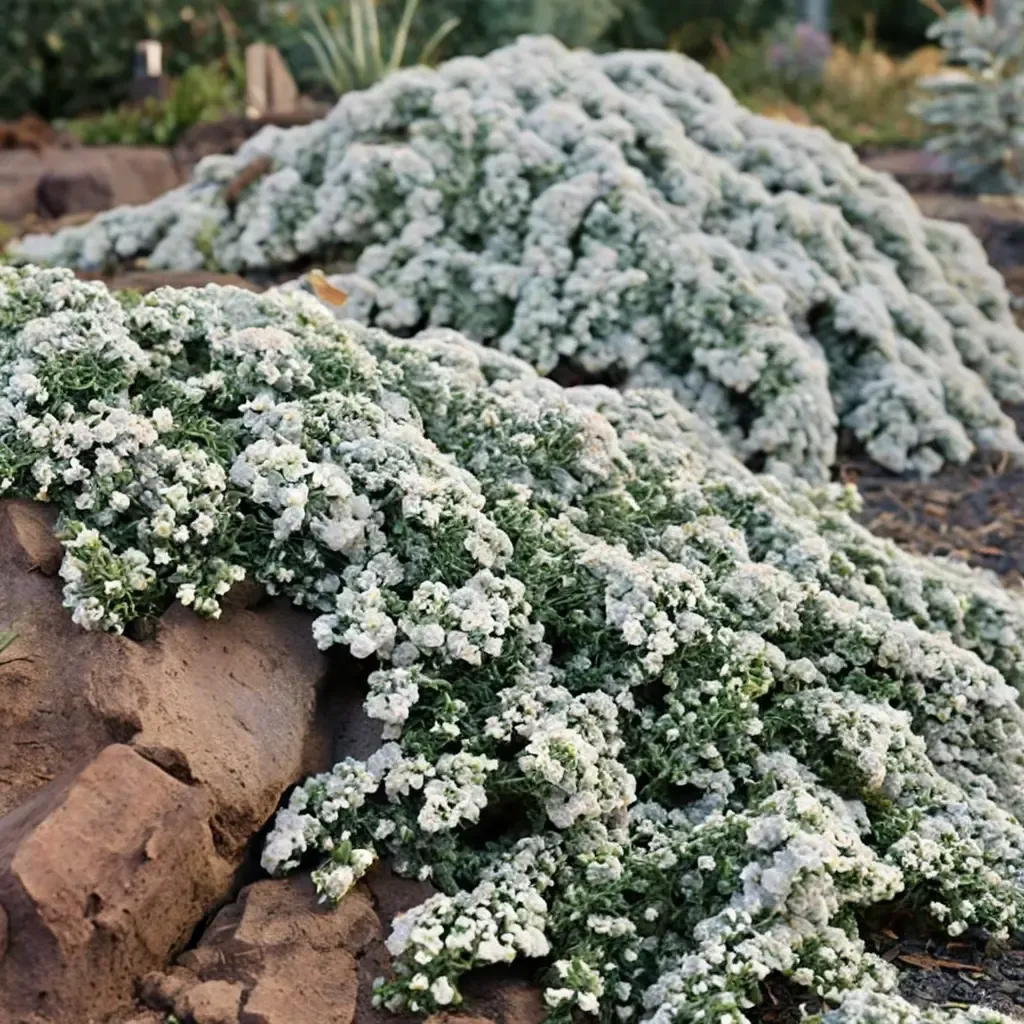
Snow Flurry Heath Aster
Symphyotrichum ericoides 'Snow Flurry'
Keep exploring
Explore the genus
Grow Annual Saltmarsh Aster with confidence
See it in a design of your actual yard, get zone-matched care reminders, and track it season by season in your garden journal.