
The Story
Plant Bio
Miscanthus × giganteus is a massive, clump-forming warm-season perennial grass that reaches heights of twelve feet, producing broad, arching green leaves with a prominent white midrib. The sterile triploid hybrid spreads via short, thick rhizomes to form a dense screen without producing viable seed.
This giant hybrid is distinguished by its exceptional vigor and pinkish-silver terminal plumes that emerge in late summer, gradually maturing to a silvery-white by fall. Unlike its parent species, its sterile nature prevents self-seeding, making its spread predictable and confined to the expanding root clump.
Uses & Benefits:
Essentials
At a Glance
Plant Type
Grass
Height
144"
Width
80"
Light
Full Sun
Zones
4, 5, 6, 7, 8, 9
Water
Moderate
Humidity
High
Lifespan
Perennial
Native To
Asia
Toxicity
Non-toxic
Bloom period
Late summer – Fall
In flower about 4 months of the year
Planting
How to Grow
- Plant rhizomes or container-grown plants in spring after the last hard frost in a full-sun location with fertile, well-drained soil.
- Water deeply and regularly during the first growing season to establish a deep, drought-tolerant root system.
- Apply a light layer of organic mulch around the base to retain moisture and suppress weeds while the clump establishes.
- Cut the dead canes back to the ground in late winter using sharp pruning shears or a hedge trimmer.
Pro Tip
Cut the entire clump down to four to six inches in late winter before new green shoots emerge; leaving the dry canes standing through winter provides structural interest and protects the crown from cold.
Keep It Thriving
Care Guide
Do
- Wear heavy gloves and long sleeves when handling the foliage to avoid cuts from the sharp, serrated leaf margins.
- Provide ample space, leaving at least six to eight feet between the plant and nearby structures or pathways.
- Divide large clumps in early spring just as new growth begins if the center of the mound starts to die out.
Don't
- Do not attempt to grow this hybrid from seed, as any seed produced is sterile and will not run true to type.
- Do not over-fertilize, as excess nitrogen causes the tall stems to become weak and flop over.
- Do not plant in poorly drained, permanently waterlogged soils where the rhizomes are susceptible to rot.
Seasonal Care Calendar
| Task | Jan | Feb | Mar | Apr | May | Jun | Jul | Aug | Sep | Oct | Nov | Dec |
|---|---|---|---|---|---|---|---|---|---|---|---|---|
| Divide | ||||||||||||
| Fertilize | ||||||||||||
| Pest Check | ||||||||||||
| Prune |
Watch Out For
Pests & Diseases
Common Pests
Common Diseases
In the Garden
Landscape Uses & Companions
Landscape Uses
Multiply
Propagation Methods
Good to Know
Common Questions
Giant Miscanthus questions
What zones can Giant Miscanthus grow in?
Giant Miscanthus is hardy in USDA Zones 4–9. Inside that range it survives winter in the ground; outside it, grow it as an annual or a container plant you protect.
Is Giant Miscanthus deer resistant?
Yes — Giant Miscanthus is rated deer-resistant. Deer typically pass it over, though extreme hunger can override any plant's defenses.
When does Giant Miscanthus bloom?
Giant Miscanthus typically blooms in late summer through fall. Exact timing shifts a week or two with your zone — Sow's bloom calendar maps it to your garden.
Does Giant Miscanthus need full sun?
Giant Miscanthus does best in full sun (6+ hours).
Is Giant Miscanthus drought tolerant?
Yes — once established (usually after the first full season), Giant Miscanthus handles dry spells with minimal watering. Water deeply its first year to build the root system that makes that possible.
More Miscanthus to compare
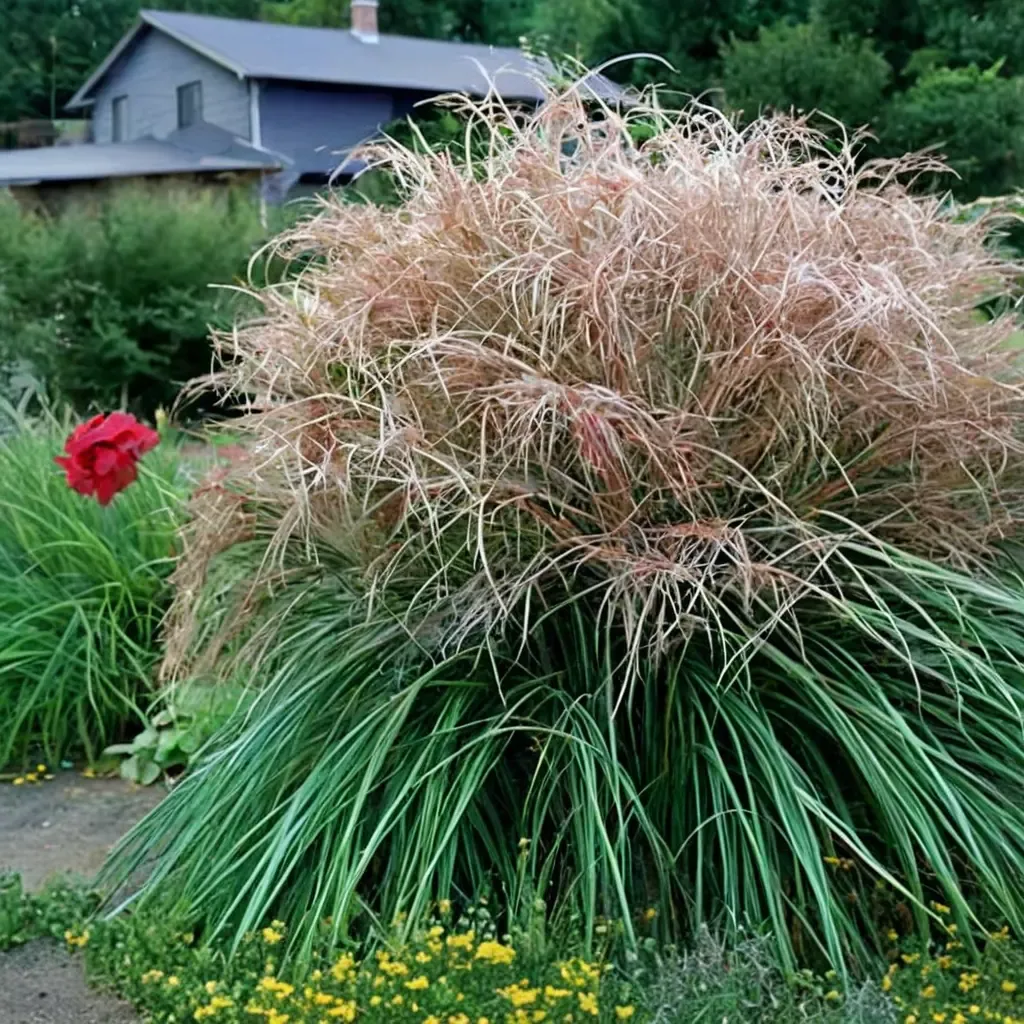
Huron Sunrise Maiden Grass
Miscanthus sinensis 'Huron Sunrise'
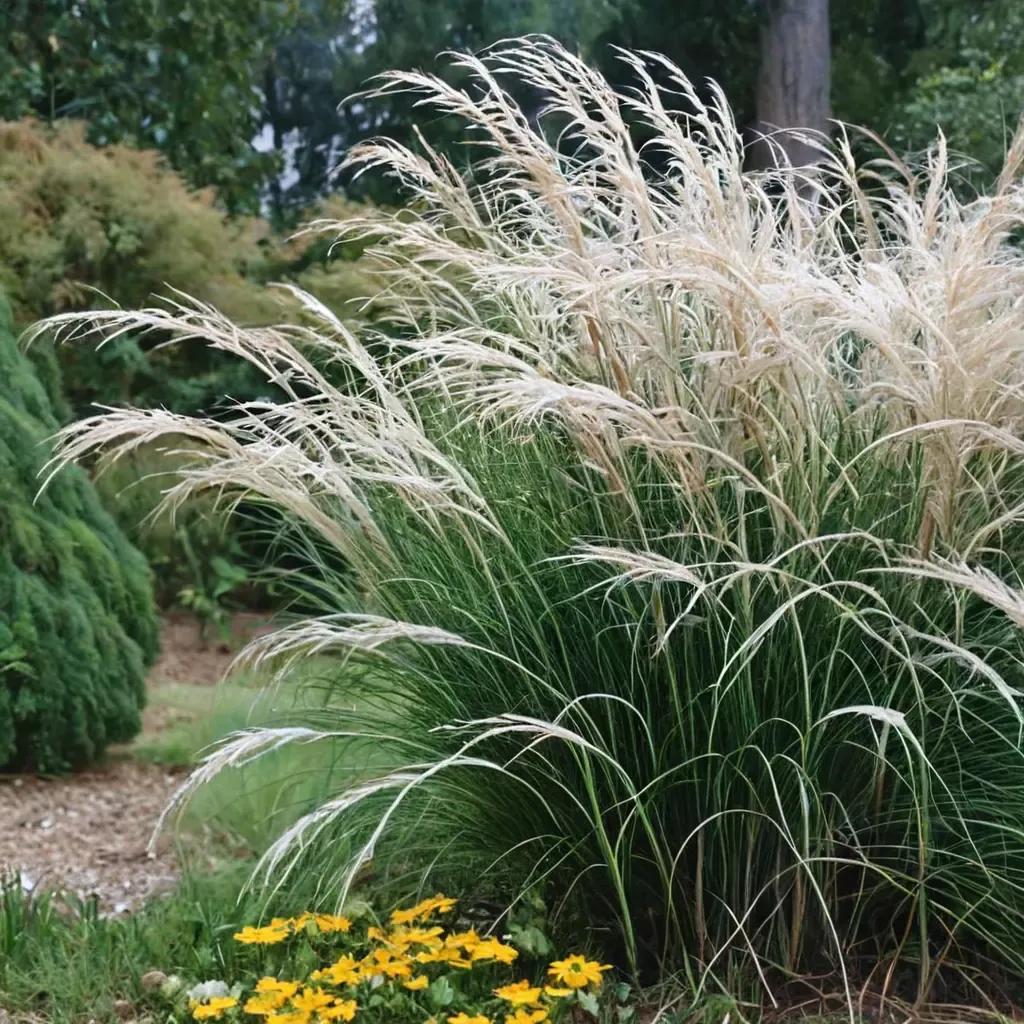
Graziella Chinese Silver Grass
Miscanthus sinensis 'Graziella'
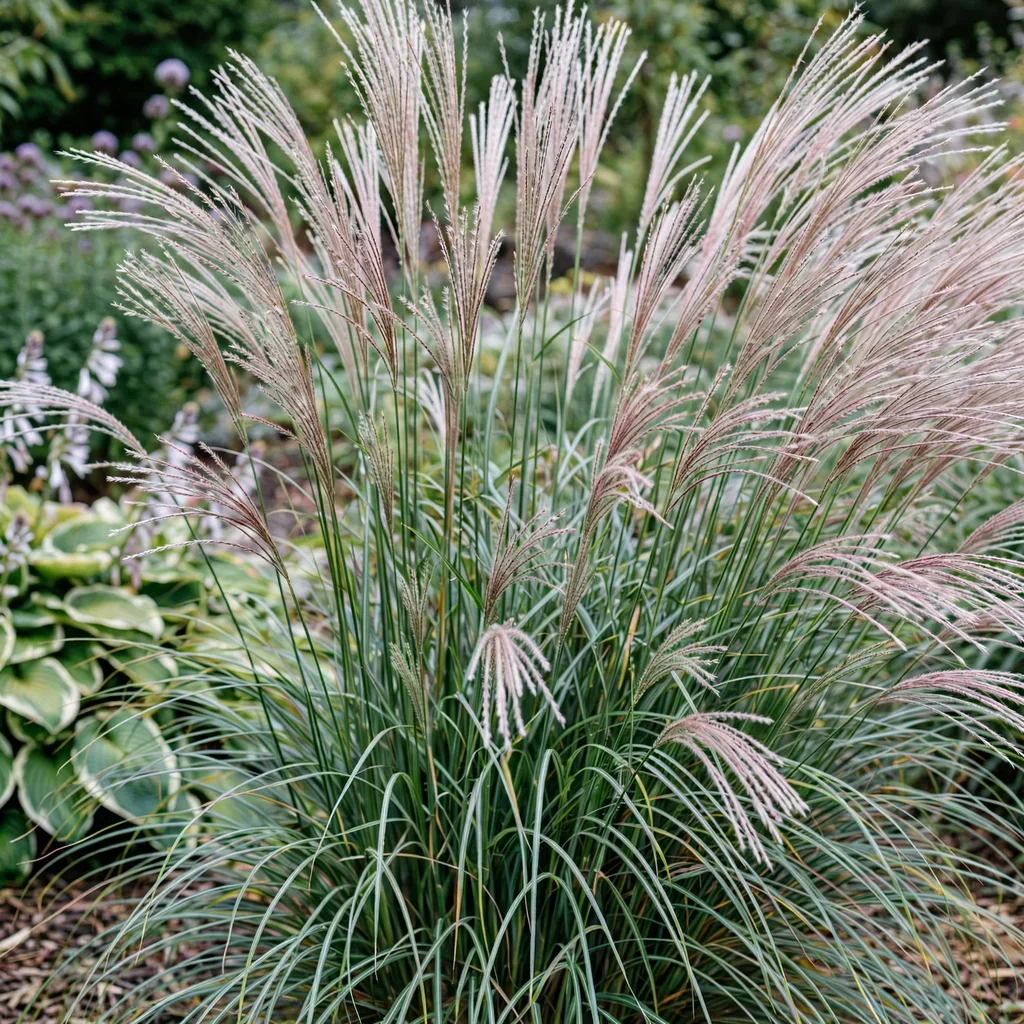
Dwarf Maiden Grass 'Adagio'
Miscanthus sinensis 'Adagio'
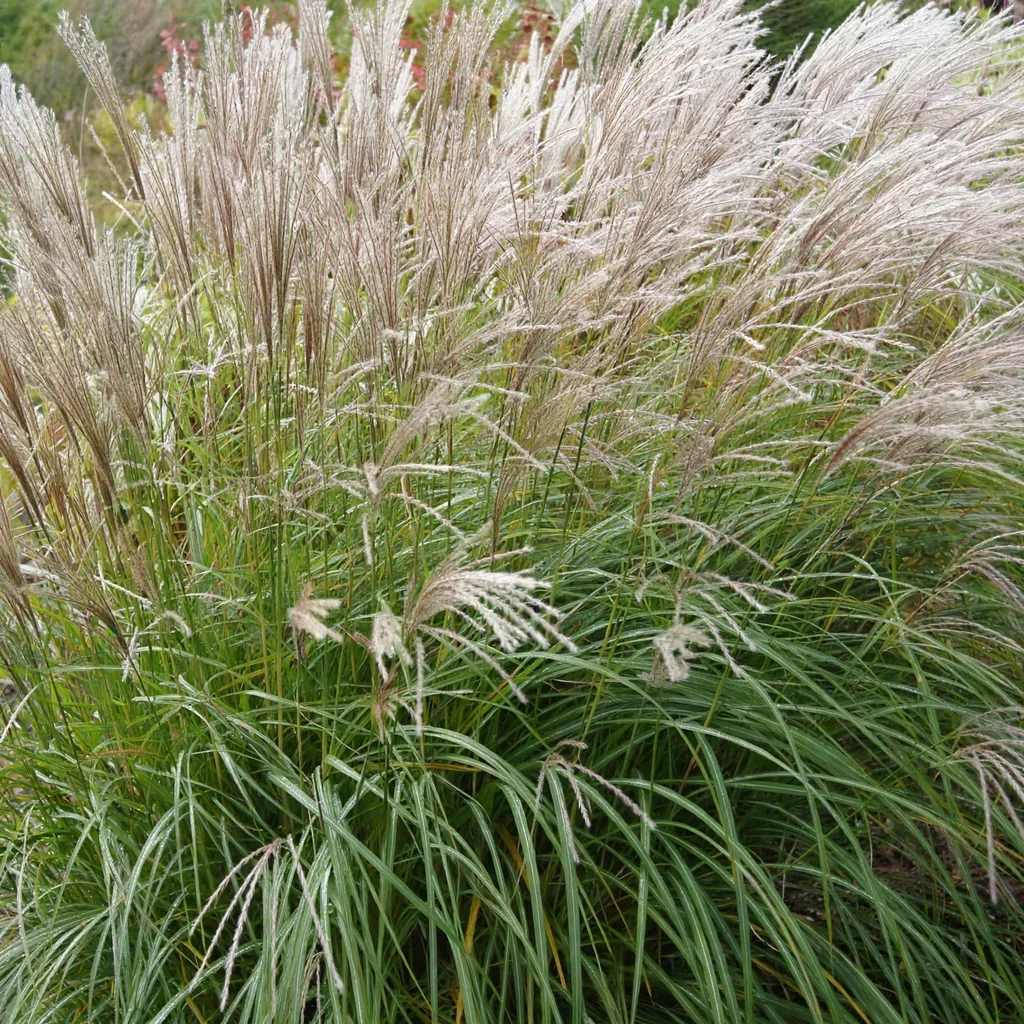
Yakushima Dwarf Maiden Grass
Miscanthus sinensis 'Yakushima Dwarf'
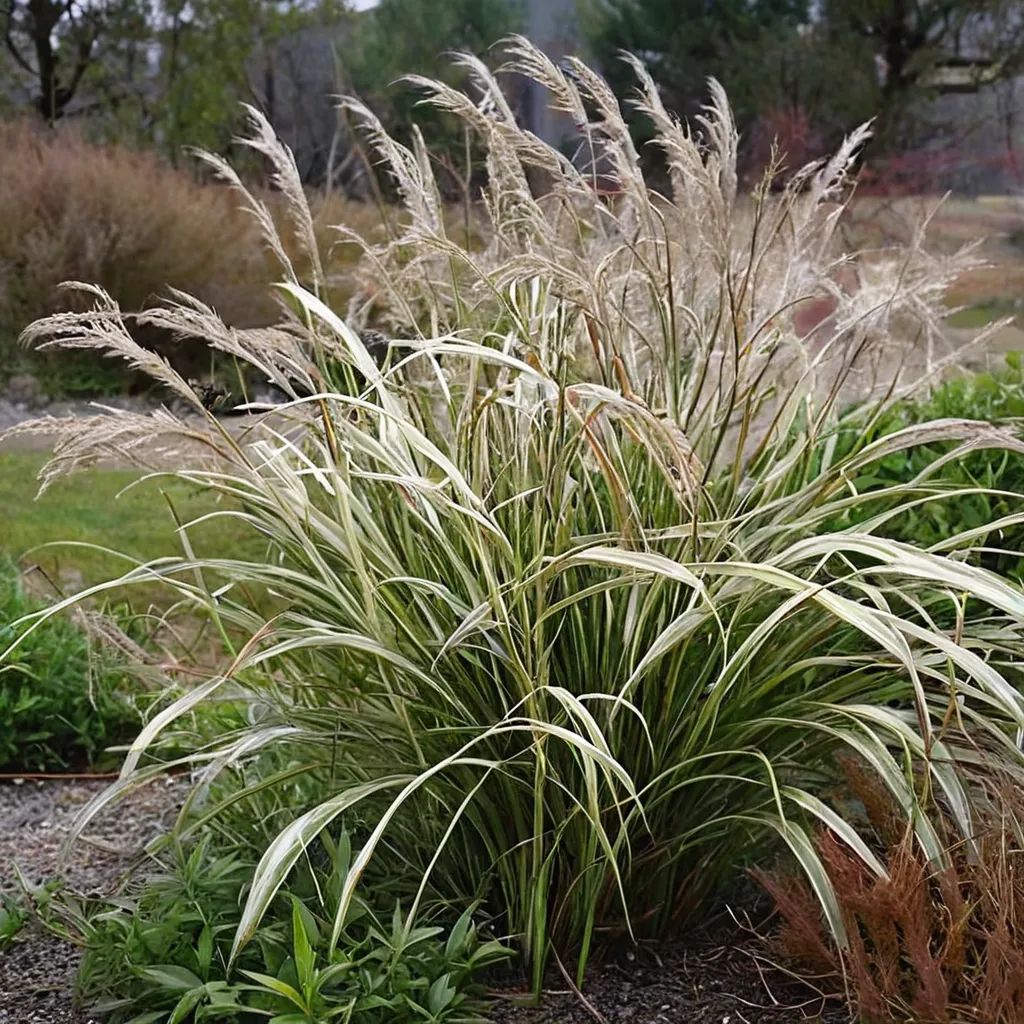
Silver Arrow Japanese Silver Grass
Miscanthus sinensis 'Silver Arrow'
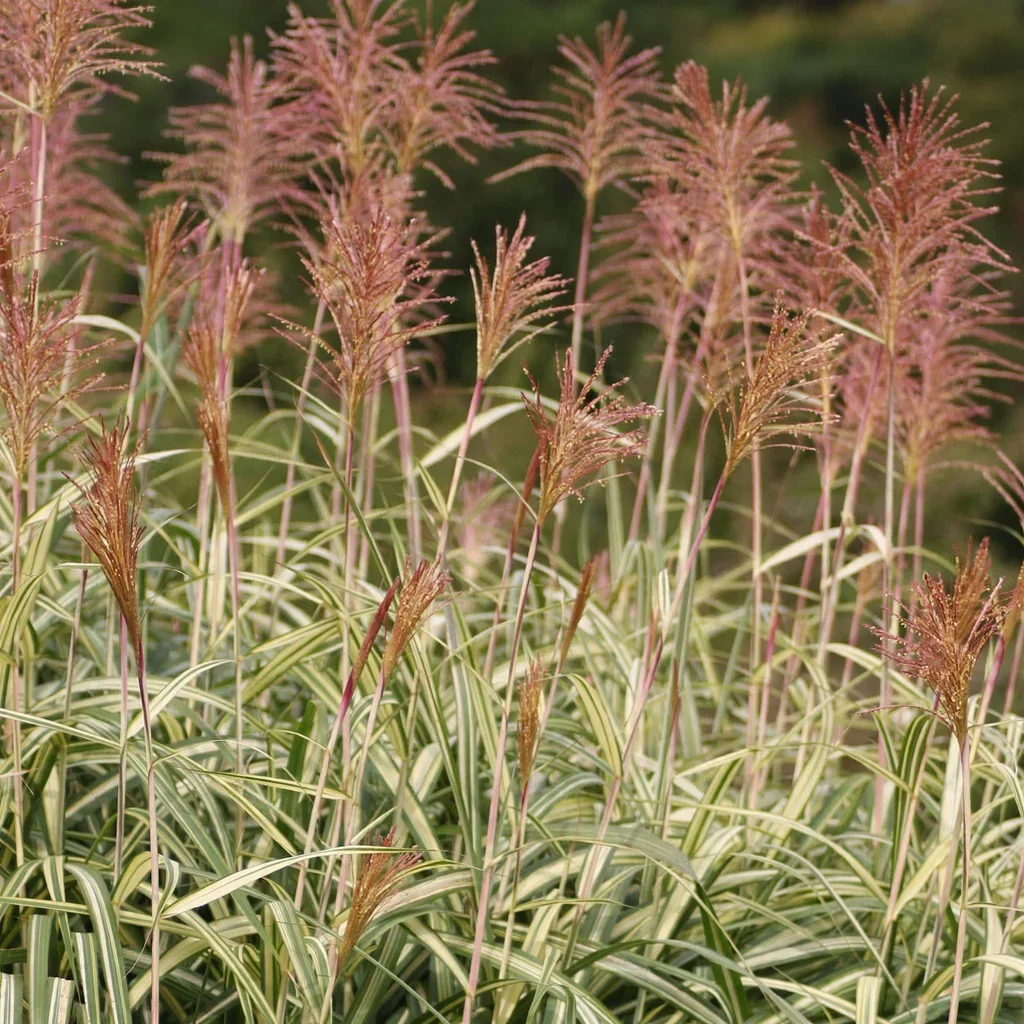
Variegated Japanese Silver Grass
Miscanthus sinensis 'Variegatus'
Keep exploring
Explore the genus
Grow Giant Miscanthus with confidence
See it in a design of your actual yard, get zone-matched care reminders, and track it season by season in your garden journal.