
The Story
Plant Bio
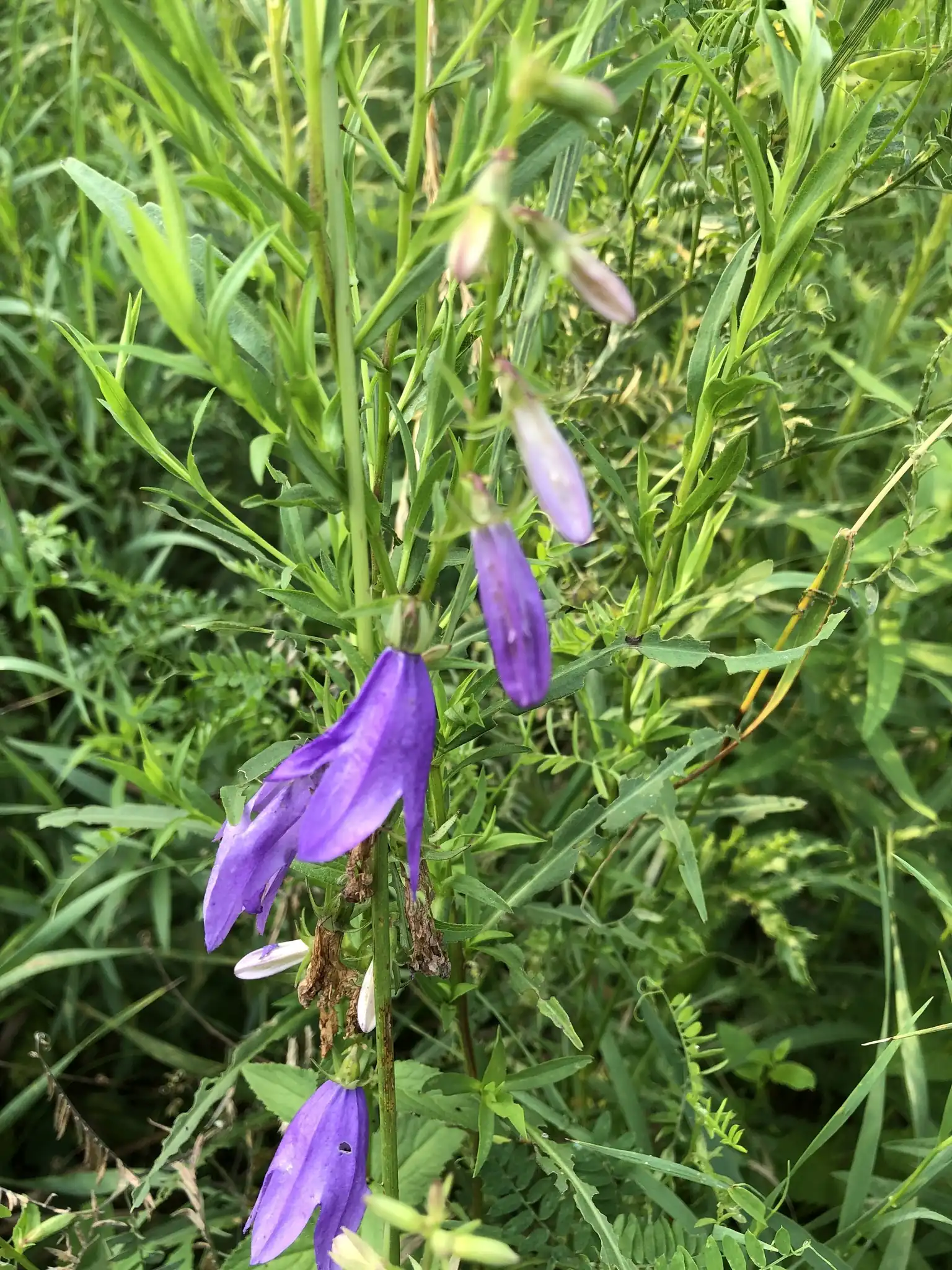
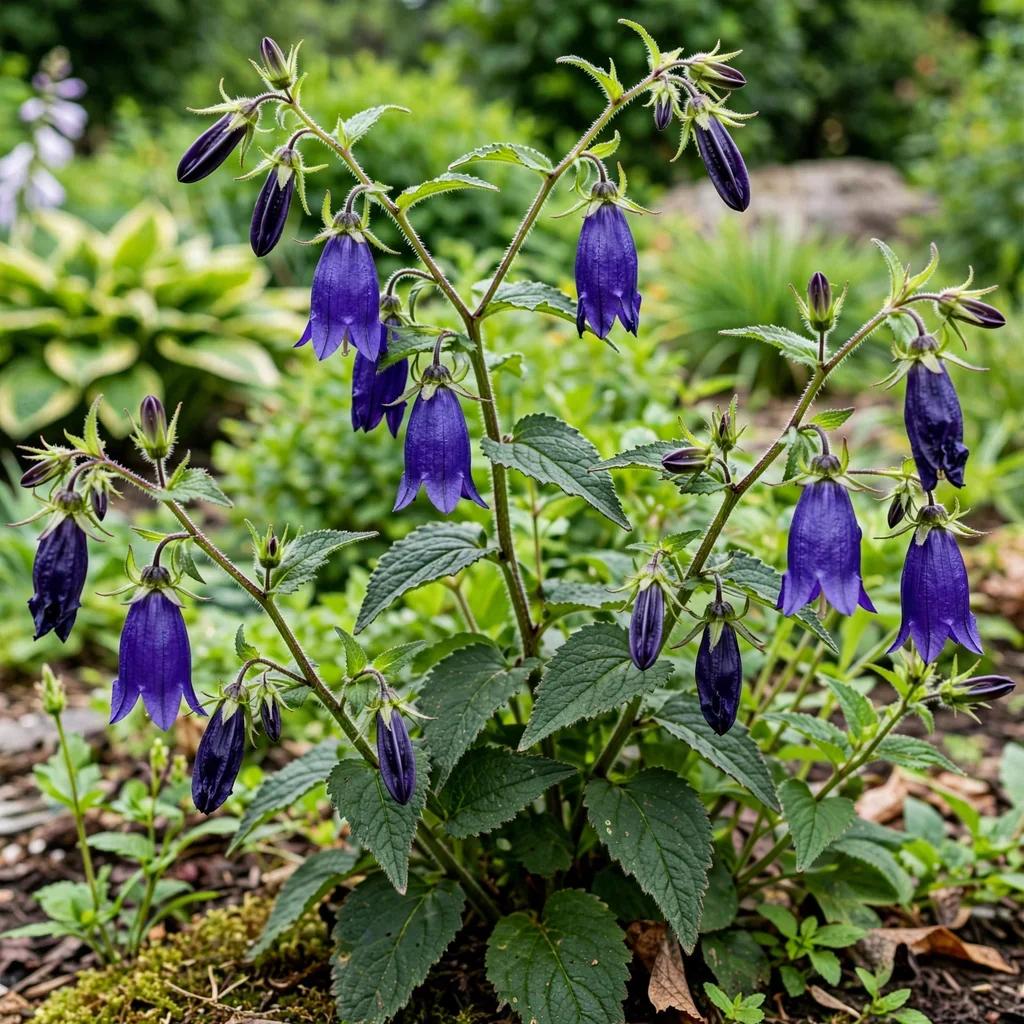
Campanula rapunculoides, the rampion or creeping bellflower, is an upright perennial from Europe and western Siberia, reaching two to four feet high. One-sided spires of nodding bluish-purple bells open from June to August above heart-shaped basal leaves. It spreads by deep, brittle white rhizomes as well as by abundant seed.
It is invasive across much of North America and is genuinely difficult to remove: the rhizomes run deep and regrow from every fragment left behind, so digging often multiplies it. Plant a clump-forming bellflower such as peach-leaved or clustered bellflower instead, which gives the same bell flowers with none of the spread.
Uses & Benefits:
Essentials
At a Glance
Plant Type
Perennial
Height
36"
Width
16"
Light
Full Sun, Partial Sun
Zones
4, 5, 6, 7, 8
Water
Medium
Humidity
Average
Lifespan
Perennial
Native To
Europe and western Siberia
Toxicity
Non-toxic
Planting
How to Grow
- Check first whether it is listed as invasive in your area.
- If growing it, confine it to a sunken container or hard-edged bed.
- Site it in full sun to part shade in average soil.
- Keep the soil moderately moist through the season.
- Remove spent flower stems before seed can set.
- Dig out escaping rhizomes completely, leaving no fragments.
Pro Tip
Every rhizome fragment left in the soil becomes a new plant, so partial digging spreads it; remove the whole root run or none of it.
Keep It Thriving
Care Guide
Do
- Check local invasive listings before planting 📋
- Confine it to a hard-edged or sunken bed 🧱
- Cut flower stems before seed sets ✂️
- Consider a clump-forming bellflower instead 🌱
Don't
- Let it seed freely into surrounding beds ❌
- Dig it half-heartedly and leave root fragments ❌
- Plant it near natural or wild areas ❌
Seasonal Care Calendar
| Task | Jan | Feb | Mar | Apr | May | Jun | Jul | Aug | Sep | Oct | Nov | Dec |
|---|---|---|---|---|---|---|---|---|---|---|---|---|
| Control | ||||||||||||
| Deadhead |
Watch Out For
Pests & Diseases
Common Pests
Common Diseases
In the Garden
Landscape Uses & Companions
Landscape Uses
Companion Plants
Multiply
Propagation Methods
Good to Know
Common Questions
Creeping Bellflower questions
What zones can Creeping Bellflower grow in?
Creeping Bellflower is hardy in USDA Zones 4–8. Inside that range it survives winter in the ground; outside it, grow it as an annual or a container plant you protect.
Is Creeping Bellflower deer resistant?
Yes — Creeping Bellflower is rated deer-resistant. Deer typically pass it over, though extreme hunger can override any plant's defenses.
When does Creeping Bellflower bloom?
Creeping Bellflower typically blooms in early to late summer through late summer. Exact timing shifts a week or two with your zone — Sow's bloom calendar maps it to your garden.
Does Creeping Bellflower need full sun?
Creeping Bellflower does best in full sun to part shade. In hot climates, afternoon shade keeps blooms fresher longer.
Is Creeping Bellflower drought tolerant?
Yes — once established (usually after the first full season), Creeping Bellflower handles dry spells with minimal watering. Water deeply its first year to build the root system that makes that possible.
More Campanula to compare
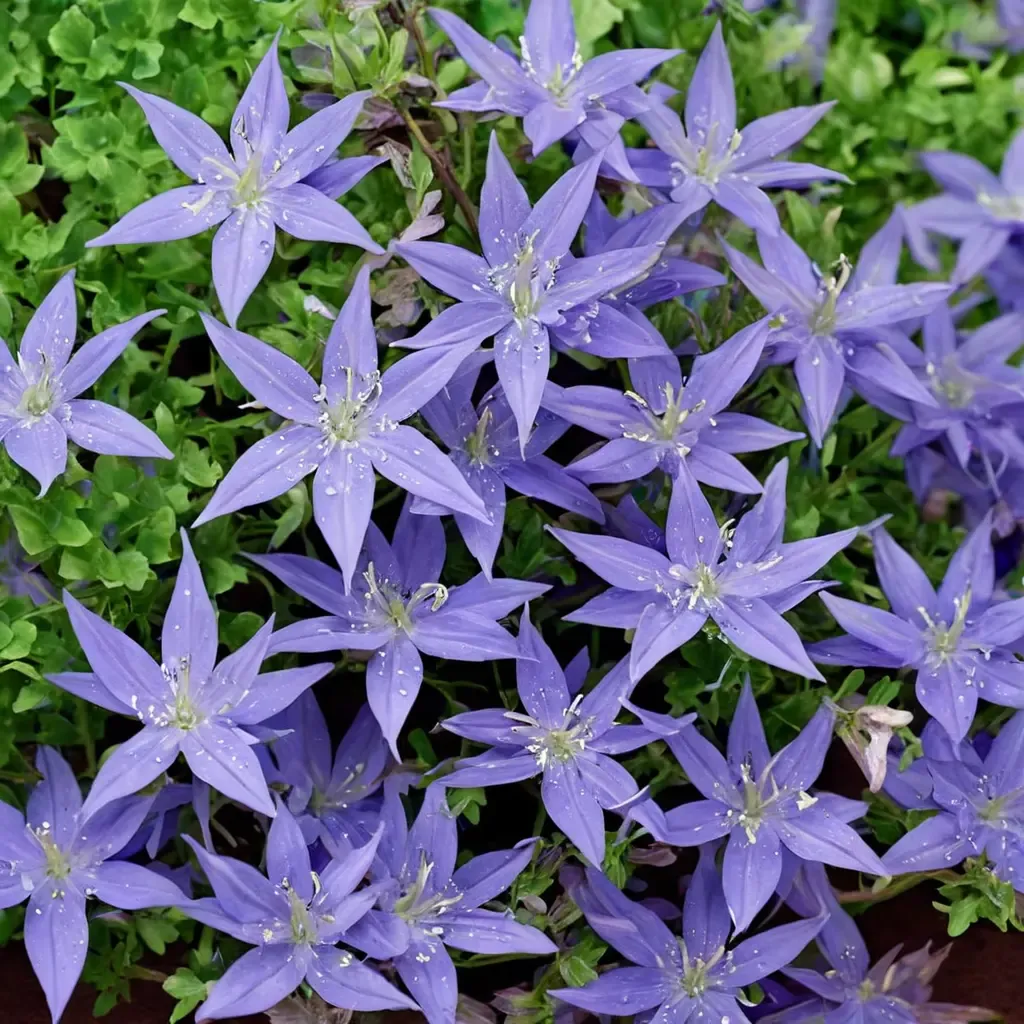
Blue Waterfall Bellflower
Campanula poscharskyana 'Blue Waterfall'
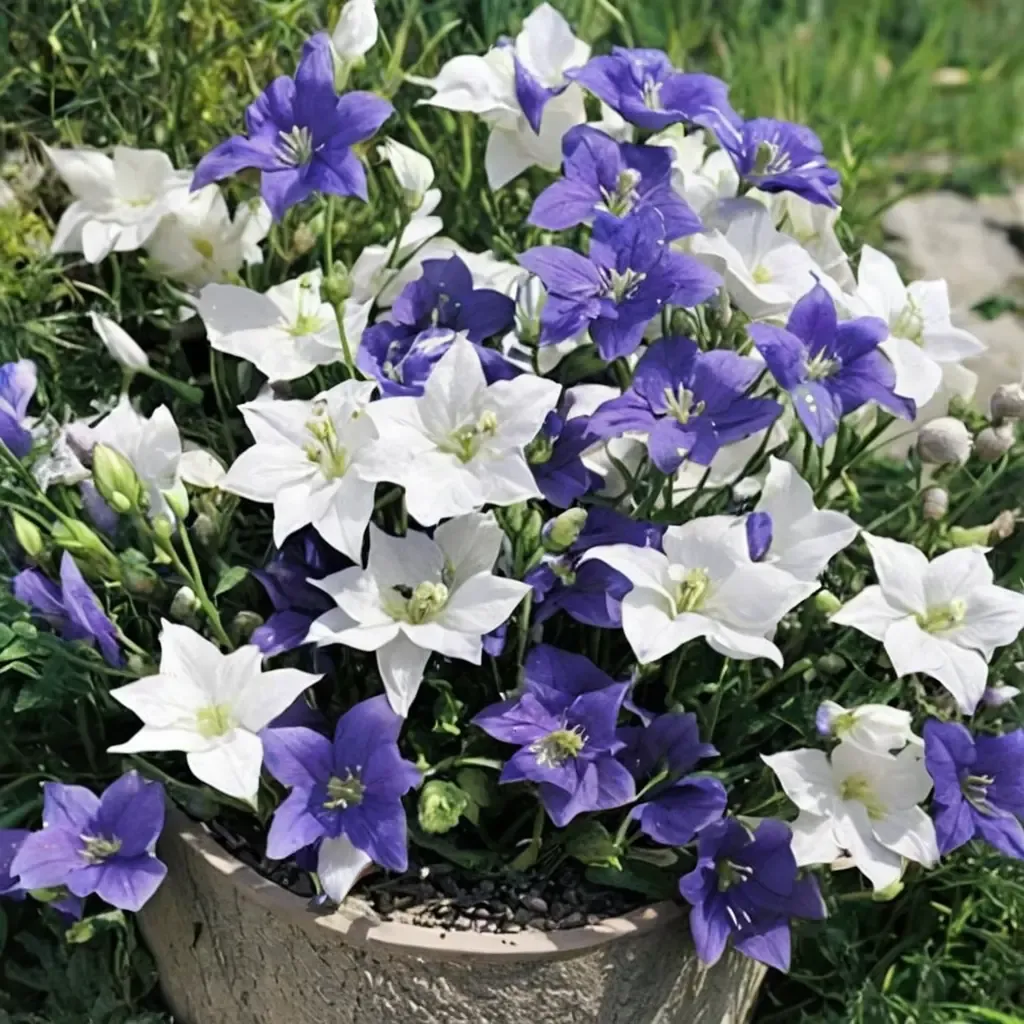
Carpathian Bellflower
Campanula carpatica 'Mix'
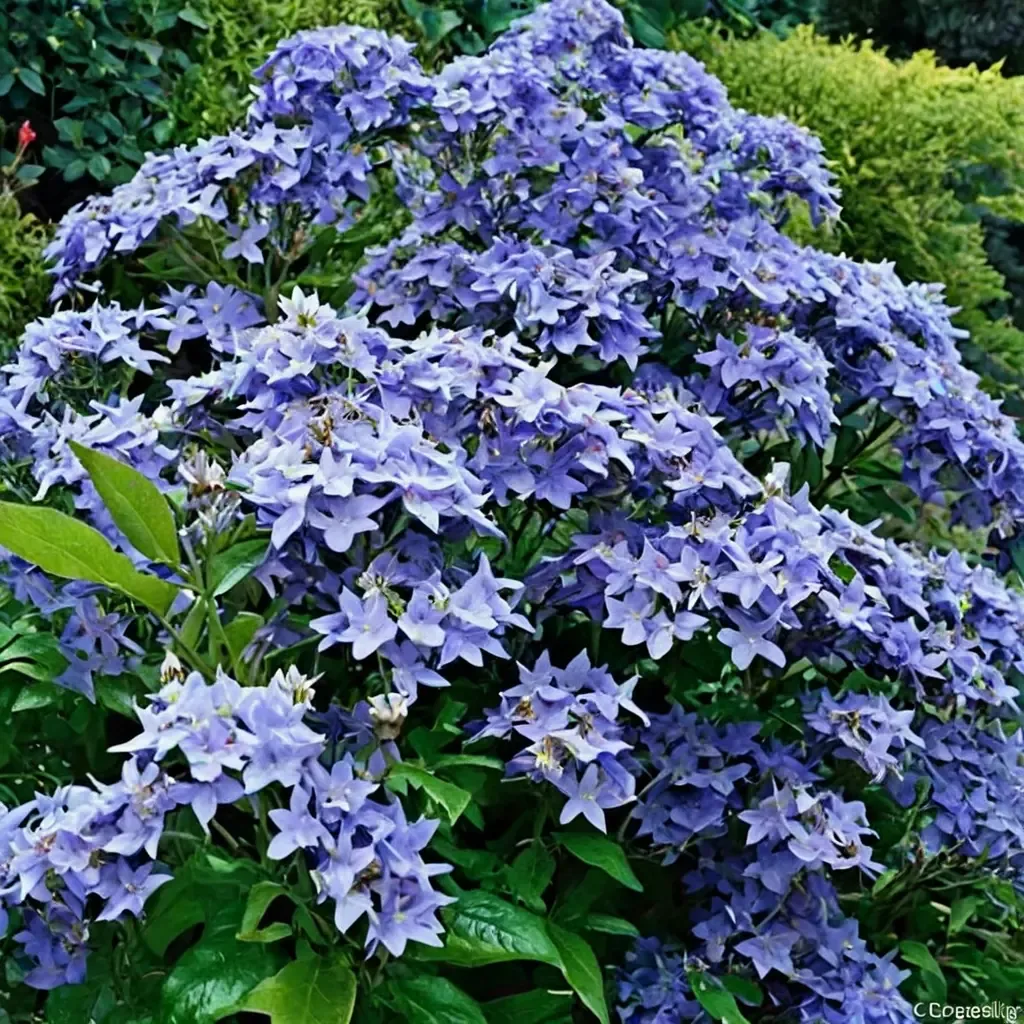
Prichard Milky Bellflower
Campanula lactiflora 'Prichard'
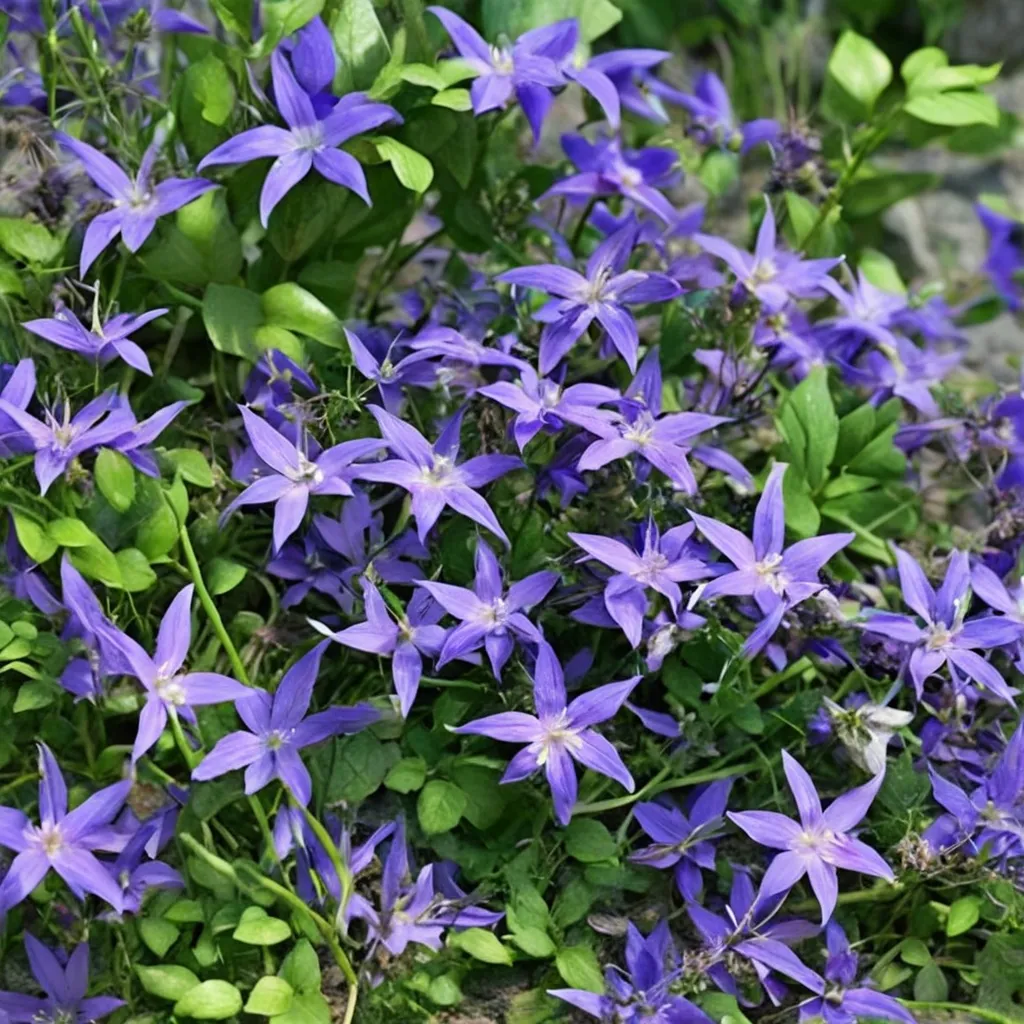
Serrated Bellflower
Campanula poscharskyana 'Stella'
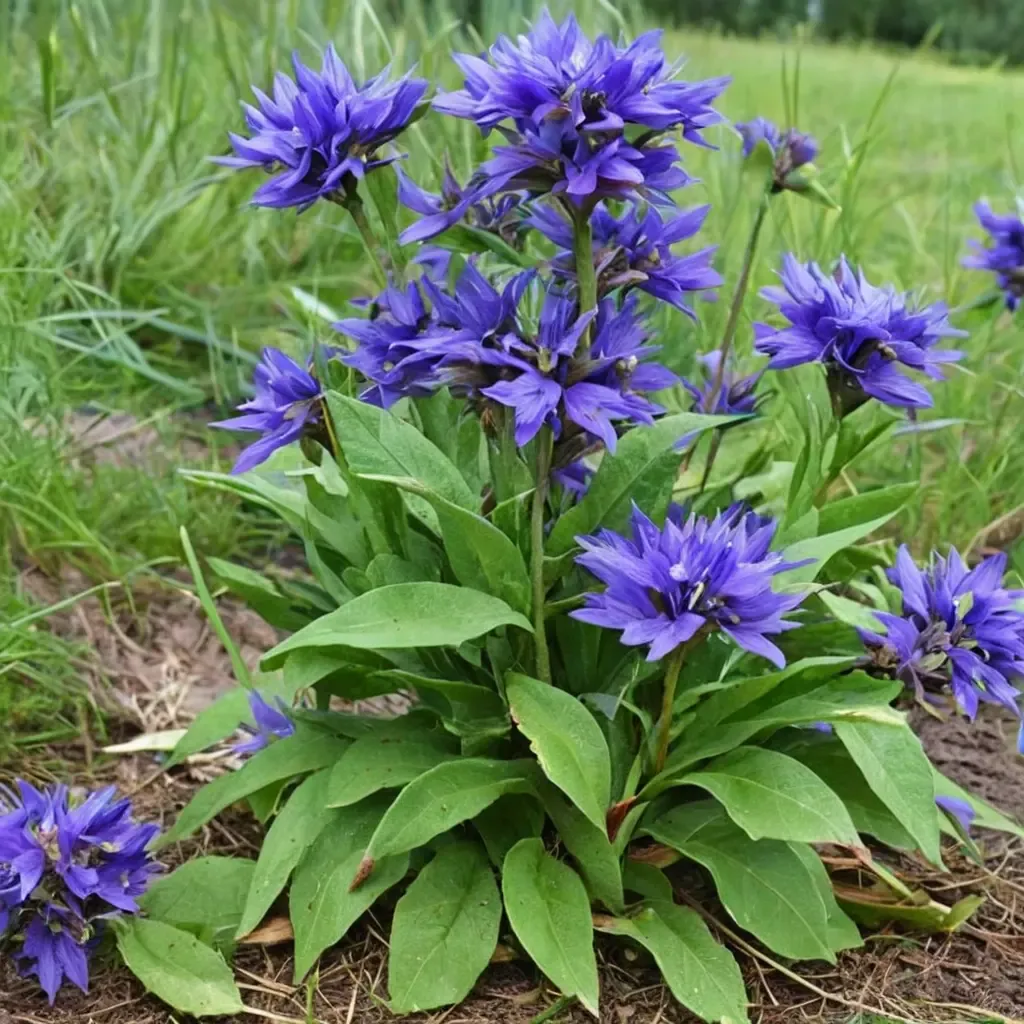
Clustered Bellflower
Campanula glomerata
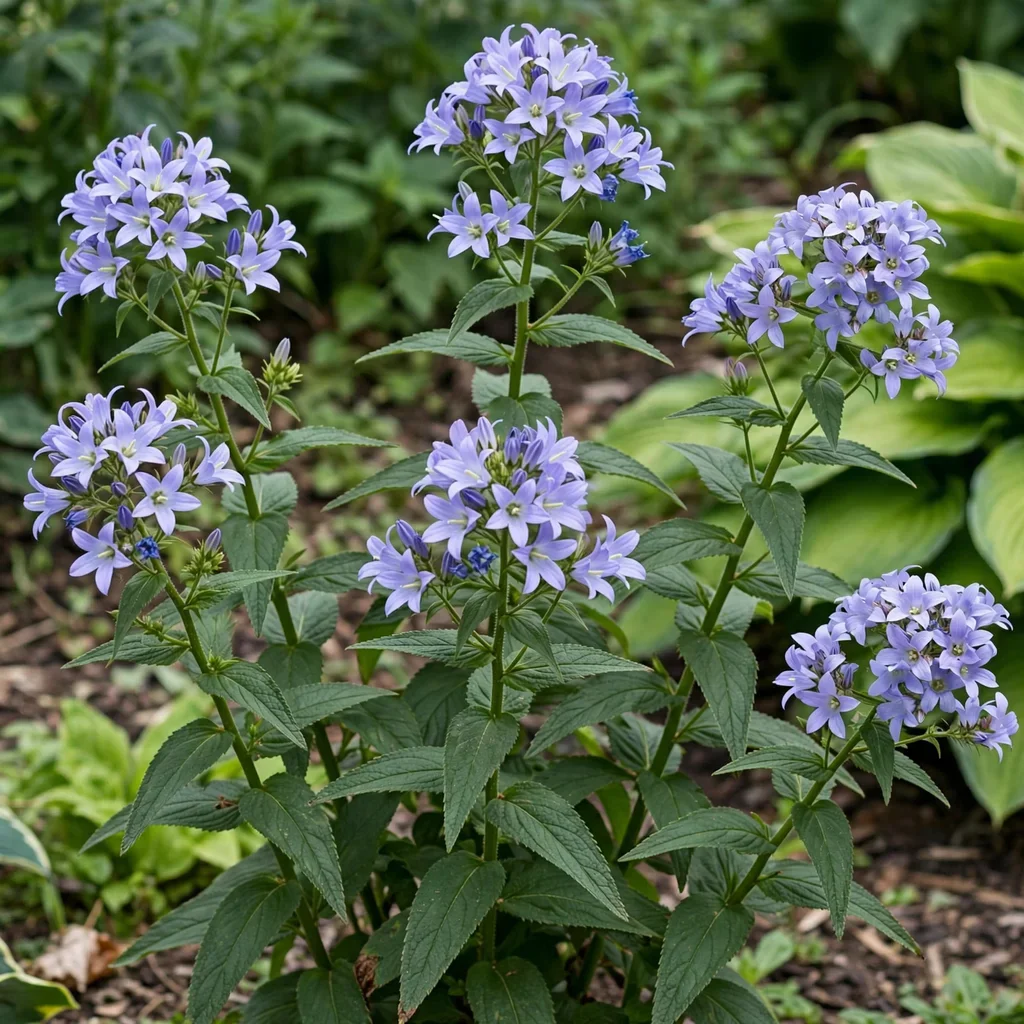
Prichard's Variety Milky Bellflower
Campanula lactiflora 'Prichard's Variety'
Keep exploring
Explore the genus
Hardy in your zone?
Grow Creeping Bellflower with confidence
See it in a design of your actual yard, get zone-matched care reminders, and track it season by season in your garden journal.