The Story
Plant Bio
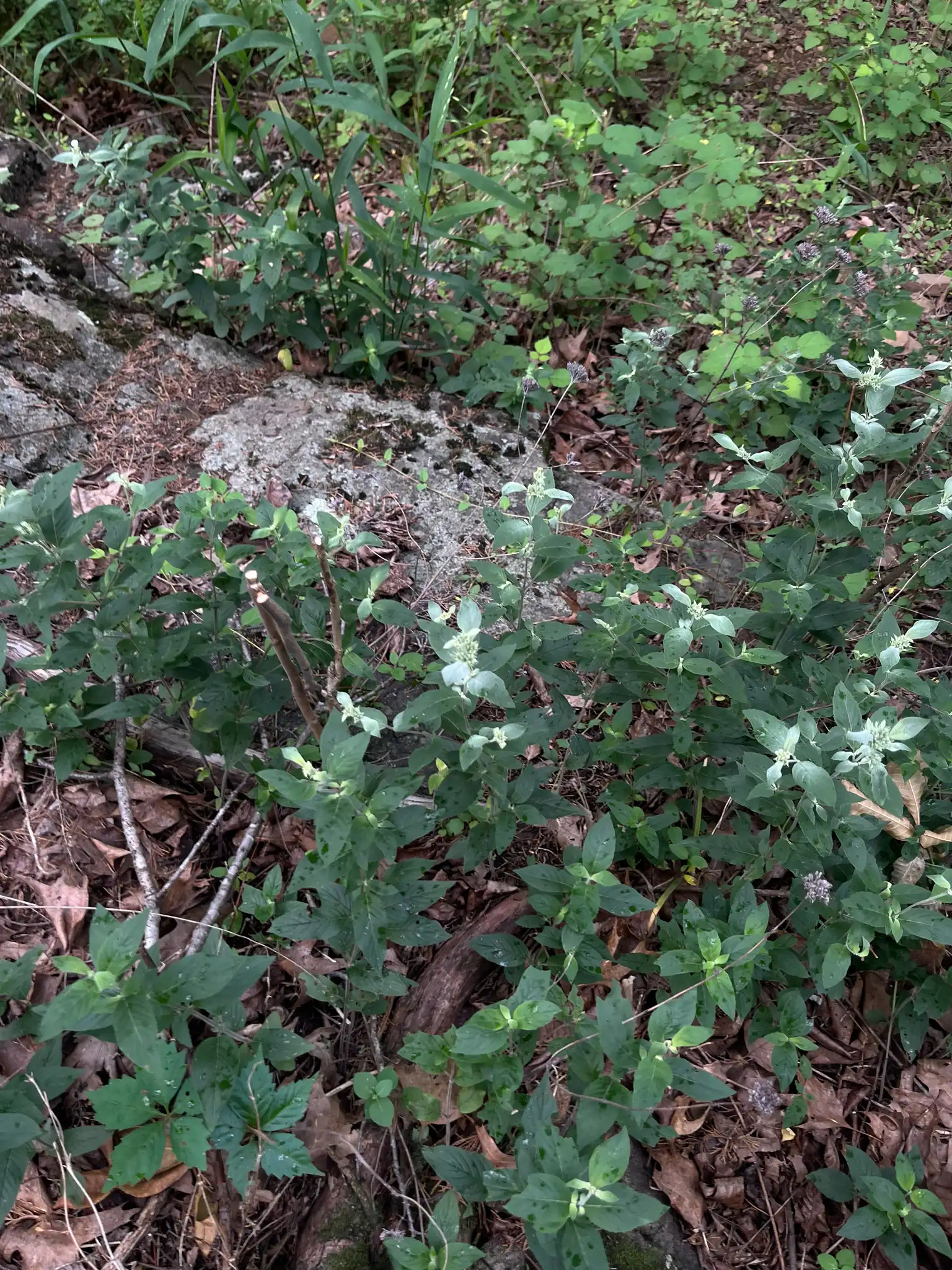
Pycnanthemum incanum, the hoary mountainmint, is an erect, multi-branched herbaceous perennial native to eastern North America, forming spreading colonies via creeping underground rhizomes. The square stems bear opposite, broad-ovate leaves with toothed margins, emitting a strong spearmint aroma when crushed.
The upper leaves and floral bracts are covered in a fine, silver-gray down that gives the plant a frosted appearance in mid-summer. Small, white to pale lavender flowers with purple-spotted lower lips cluster in dense, flat-topped terminal heads that attract an exceptional diversity of native pollinators.
Uses & Benefits:
Essentials
At a Glance
Plant Type
Perennial
Height
48"
Width
48"
Light
Full Sun, Partial Sun
Zones
4, 5, 6, 7, 8
Water
Dry to medium
Humidity
Adapts well to regional summer humidity
Lifespan
Perennial
Native To
Eastern North America
Toxicity
Non-toxic
Bloom period
Summer – Fall
In flower about 6 months of the year
Planting
How to Grow
- Select a site in full sun to partial shade with dry to medium, well-drained soil.
- Plant container-grown specimens or bare-root divisions in early spring, spacing them at least three feet apart to allow for rhizomatous spread.
- Water regularly after planting to establish the root system, then reduce watering as the plant develops high drought tolerance.
- Avoid applying supplemental fertilizer, as rich soils cause the stems to become floppy and stimulate overly aggressive spreading.
Pro Tip
To control the aggressive underground spread of the rhizomes without chemical barriers, slice vertically into the soil with a sharp spade around the perimeter of the clump each spring.
Keep It Thriving
Care Guide
Do
- Cut dead stems back to the ground in late winter or early spring before new growth emerges.
- Ensure the planting site has excellent drainage to prevent root rot.
- Provide light afternoon shade in hot southern climates to prevent leaf scorch.
Don't
- Do not plant in consistently wet or waterlogged soils.
- Do not fertilize, which leads to weak, floppy growth and excessive spreading.
- Do not plant immediately adjacent to butterfly-rearing beds, as the flowers attract predatory wasps.
Seasonal Care Calendar
| Task | Jan | Feb | Mar | Apr | May | Jun | Jul | Aug | Sep | Oct | Nov | Dec |
|---|---|---|---|---|---|---|---|---|---|---|---|---|
| Divide | ||||||||||||
| Propagate | ||||||||||||
| Prune | ||||||||||||
| Spring Cleanup |
Watch Out For
Pests & Diseases
Common Pests
Common Diseases
In the Garden
Landscape Uses & Companions
Landscape Uses
Multiply
Propagation Methods
Good to Know
Common Questions
Hoary Mountainmint questions
What zones can Hoary Mountainmint grow in?
Hoary Mountainmint is hardy in USDA Zones 4–8. Inside that range it survives winter in the ground; outside it, grow it as an annual or a container plant you protect.
Is Hoary Mountainmint deer resistant?
Yes — Hoary Mountainmint is rated deer-resistant. Deer typically pass it over, though extreme hunger can override any plant's defenses.
When does Hoary Mountainmint bloom?
Hoary Mountainmint typically blooms in summer through fall. Exact timing shifts a week or two with your zone — Sow's bloom calendar maps it to your garden.
Does Hoary Mountainmint need full sun?
Hoary Mountainmint does best in full sun to part shade. In hot climates, afternoon shade keeps blooms fresher longer.
Is Hoary Mountainmint drought tolerant?
Yes — once established (usually after the first full season), Hoary Mountainmint handles dry spells with minimal watering. Water deeply its first year to build the root system that makes that possible.
More Pycnanthemum to compare
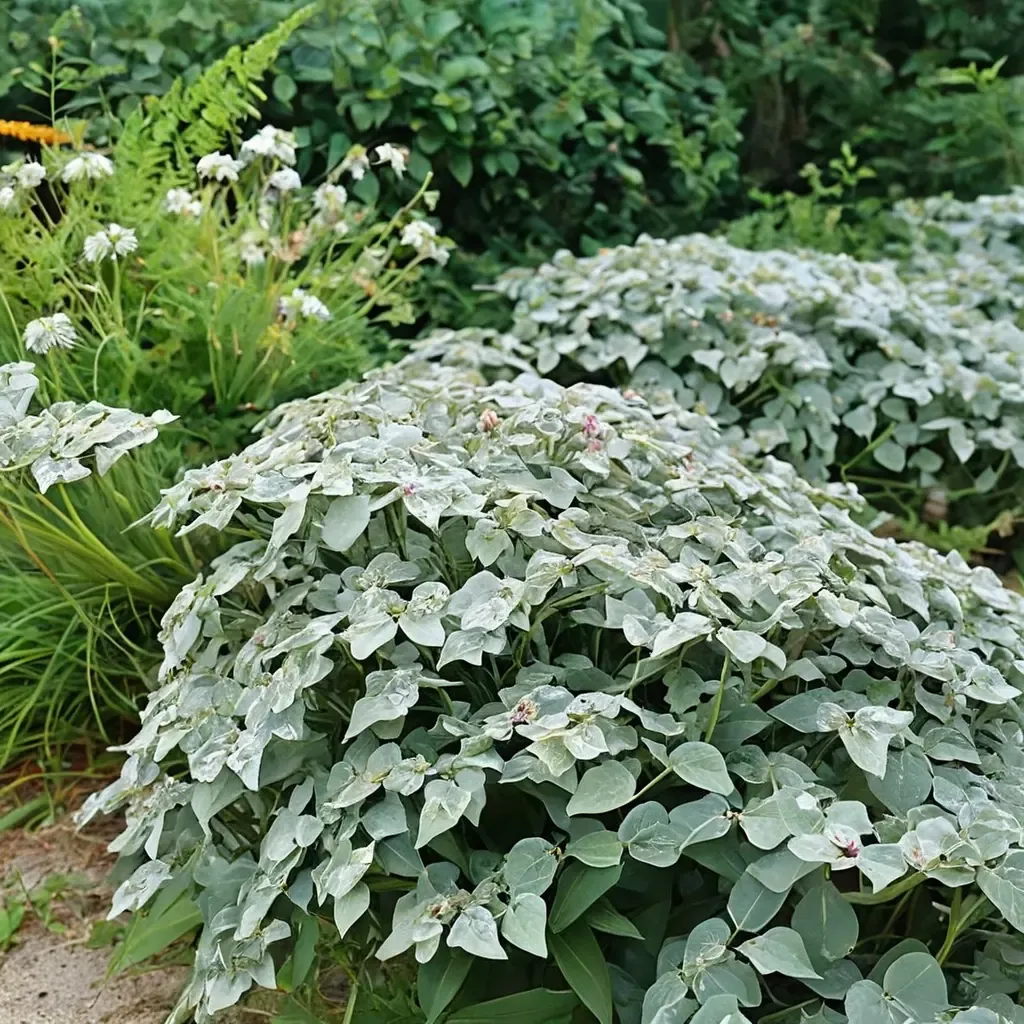
Clustered Mountain Mint
Pycnanthemum muticum
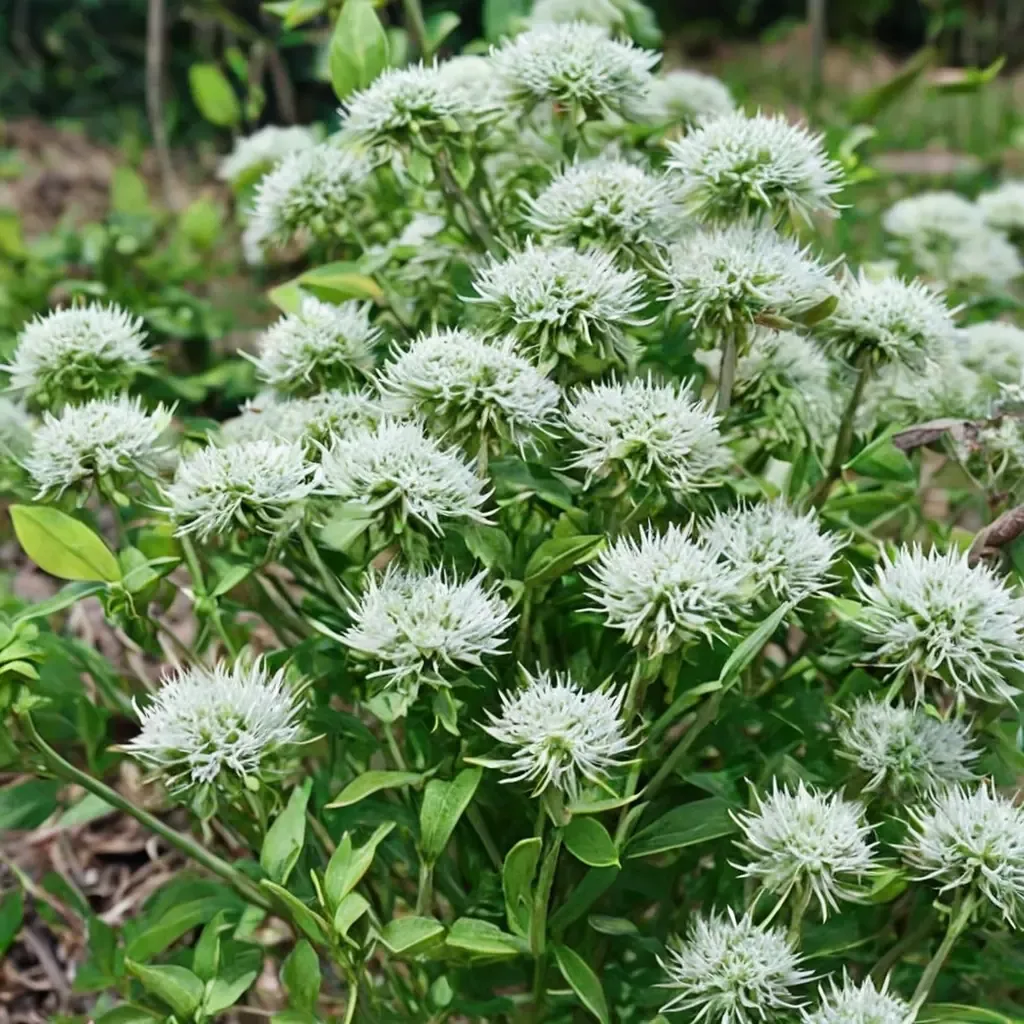
Appalachian Mountain Mint
Pycnanthemum flexuosum
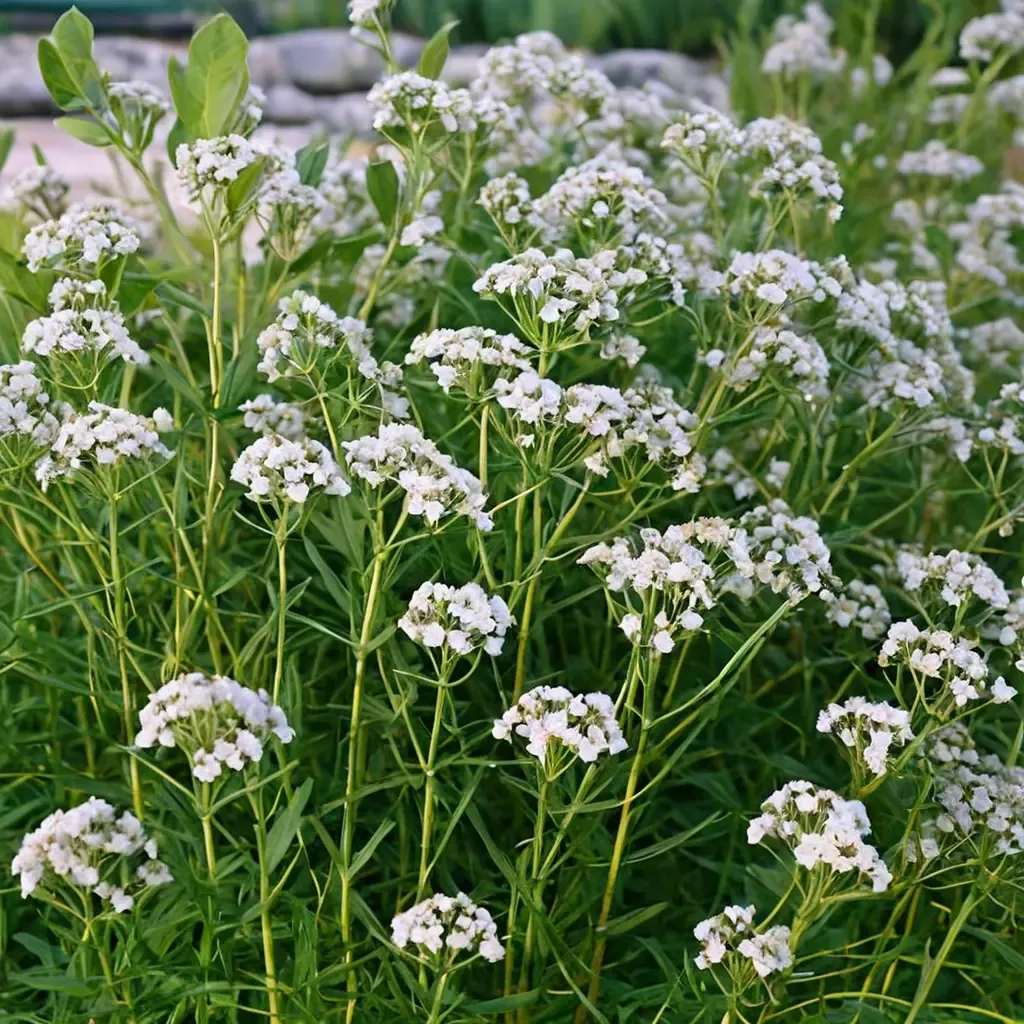
Virginia mountain mint
Pycnanthemum virginianum
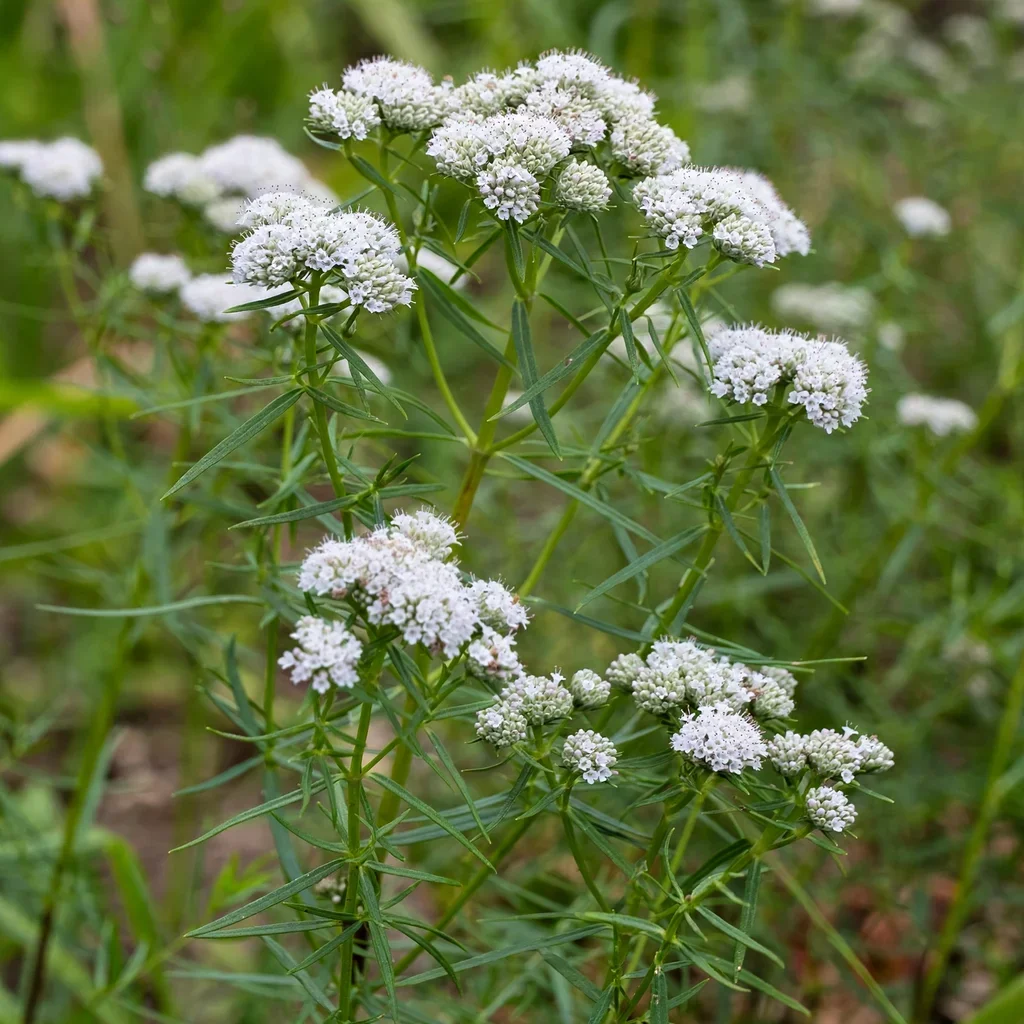
Thin-leaved Mountain Mint
Pycnanthemum tenuifolium
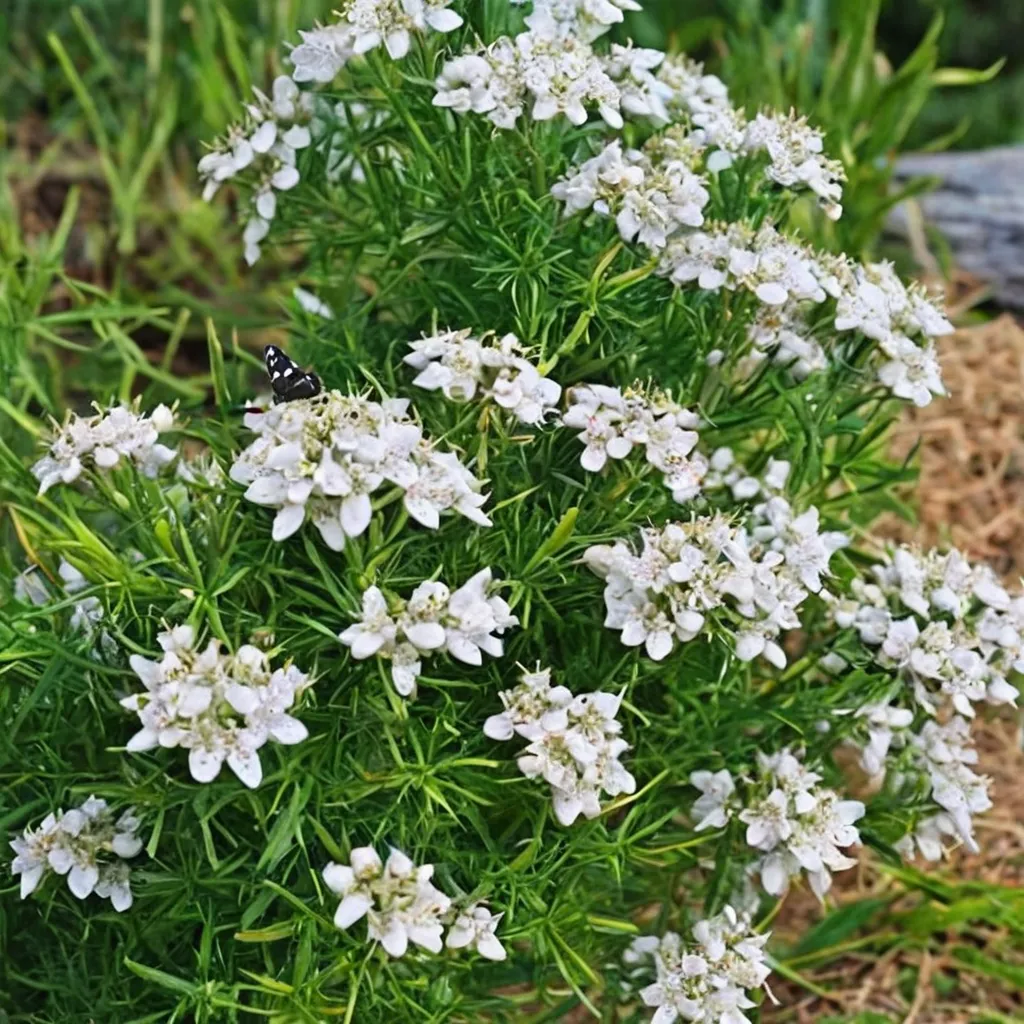
Narrowleaf Mountain Mint
Pycnanthemum tenuifolium 'Cat Springs'
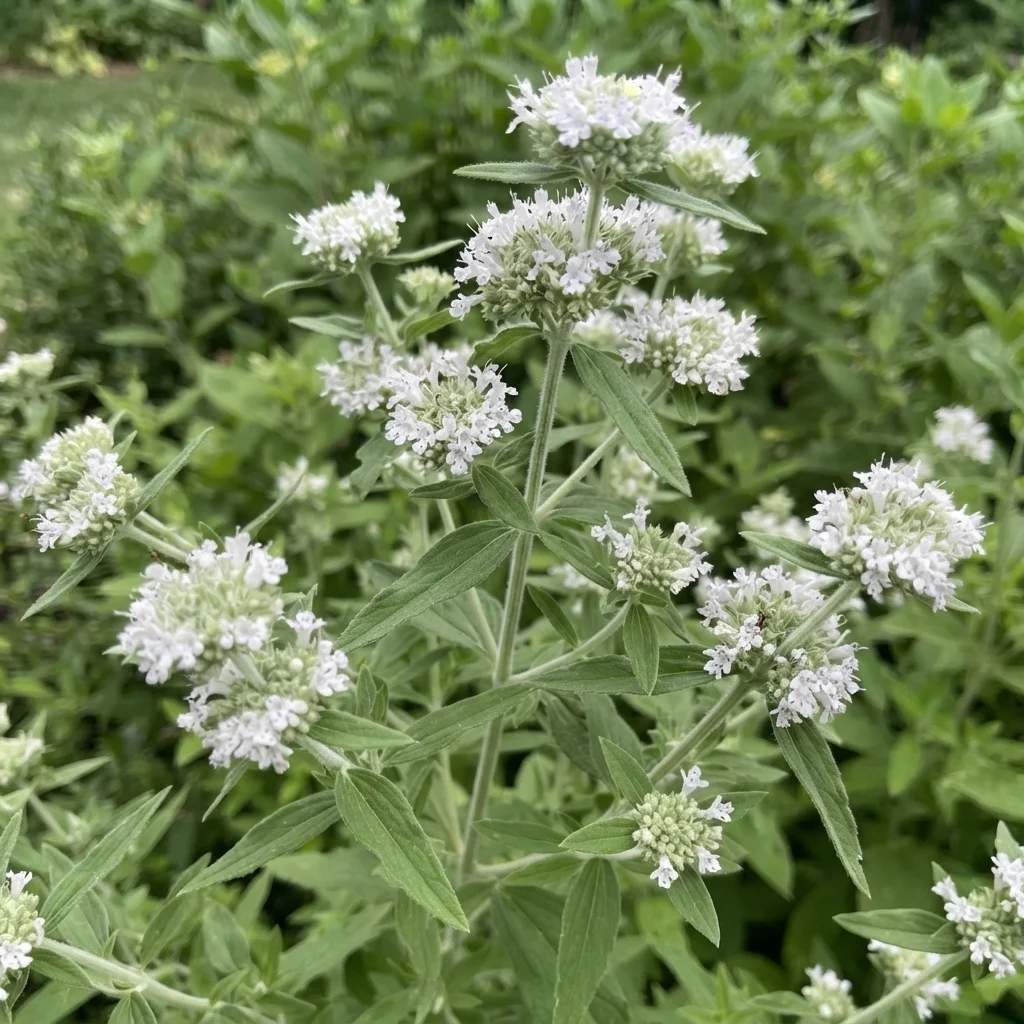
Whorled Mountain Mint
Pycnanthemum verticillatum
Keep exploring
Explore the genus
Hardy in your zone?
Grow Hoary Mountainmint with confidence
See it in a design of your actual yard, get zone-matched care reminders, and track it season by season in your garden journal.