
Garden hybrid
This is a garden hybrid, bred from more than one wild species, so it has no single species page of its own.
3 other cultivars


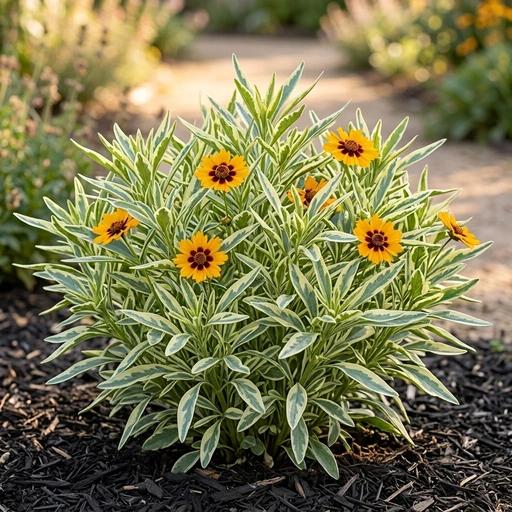
The Story
Plant Bio
Coreopsis, or tickseed, are cheerful, daisy-like flowering plants, mostly native to North America. They are known for their long bloom season, drought tolerance, and ease of care in sunny borders.
'Baluptgonz' is part of the UPTICK series, bred for a tidy, mounding habit and exceptionally large flowers. Its blooms are golden-yellow with a large, deep bronze-red center, providing a striking bicolor effect.
Uses & Benefits:
Bred from more than one wild species, so it has no species page of its own.
Essentials
At a Glance
Plant Type
Perennial
Height
13"
Width
13"
Light
Full Sun
Zones
5, 6, 7, 8, 9
Water
Low to Medium
Humidity
Tolerates a wide range
Lifespan
Short-lived perennial
Native To
Hybrid of North American species
Toxicity
Non-toxic
Bloom period
Early summer – Early fall
In flower about 4 months of the year
Planting
How to Grow
- Select a location in full sun with excellent drainage.
- Amend heavy soils with sand or compost to improve drainage.
- Dig a hole as deep and twice as wide as the pot.
- Set the plant in the hole, ensuring the crown is at soil level.
- Backfill, firm the soil, and water thoroughly.
- Deadhead spent flowers regularly to prolong blooming.
Pro Tip
Shear the entire plant back by half after the first major flush of blooms to promote a second, tidier wave of flowers.
Keep It Thriving
Care Guide
Do
- Provide at least 6 hours of direct sun daily.
- Deadhead or shear to encourage continuous blooming.
- Divide every few years to maintain vitality as they can be short-lived.
Don't
- Do not overwater or plant in soggy, poorly drained soil.
- Avoid excessive fertilization, which can lead to weak, floppy growth.
- Don't plant in shade, as flowering will be poor.
Seasonal Care Calendar
| Task | Jan | Feb | Mar | Apr | May | Jun | Jul | Aug | Sep | Oct | Nov | Dec |
|---|---|---|---|---|---|---|---|---|---|---|---|---|
| Deadhead | ||||||||||||
| Divide | ||||||||||||
| Plant |
Watch Out For
Pests & Diseases
Common Pests
Common Diseases
In the Garden
Landscape Uses & Companions
Landscape Uses
Multiply
Propagation Methods
Good to Know
Common Questions
Uptick Gold & Bronze Tickseed questions
What zones can Uptick Gold & Bronze Tickseed grow in?
Uptick Gold & Bronze Tickseed is hardy in USDA Zones 5–9. Inside that range it survives winter in the ground; outside it, grow it as an annual or a container plant you protect.
Is Uptick Gold & Bronze Tickseed deer resistant?
Yes — Uptick Gold & Bronze Tickseed is rated deer-resistant. Deer typically pass it over, though extreme hunger can override any plant's defenses.
When does Uptick Gold & Bronze Tickseed bloom?
Uptick Gold & Bronze Tickseed typically blooms in early summer through early fall. Exact timing shifts a week or two with your zone — Sow's bloom calendar maps it to your garden.
Does Uptick Gold & Bronze Tickseed need full sun?
Uptick Gold & Bronze Tickseed does best in full sun (6+ hours).
Is Uptick Gold & Bronze Tickseed drought tolerant?
Yes — once established (usually after the first full season), Uptick Gold & Bronze Tickseed handles dry spells with minimal watering. Water deeply its first year to build the root system that makes that possible.
More Coreopsis to compare
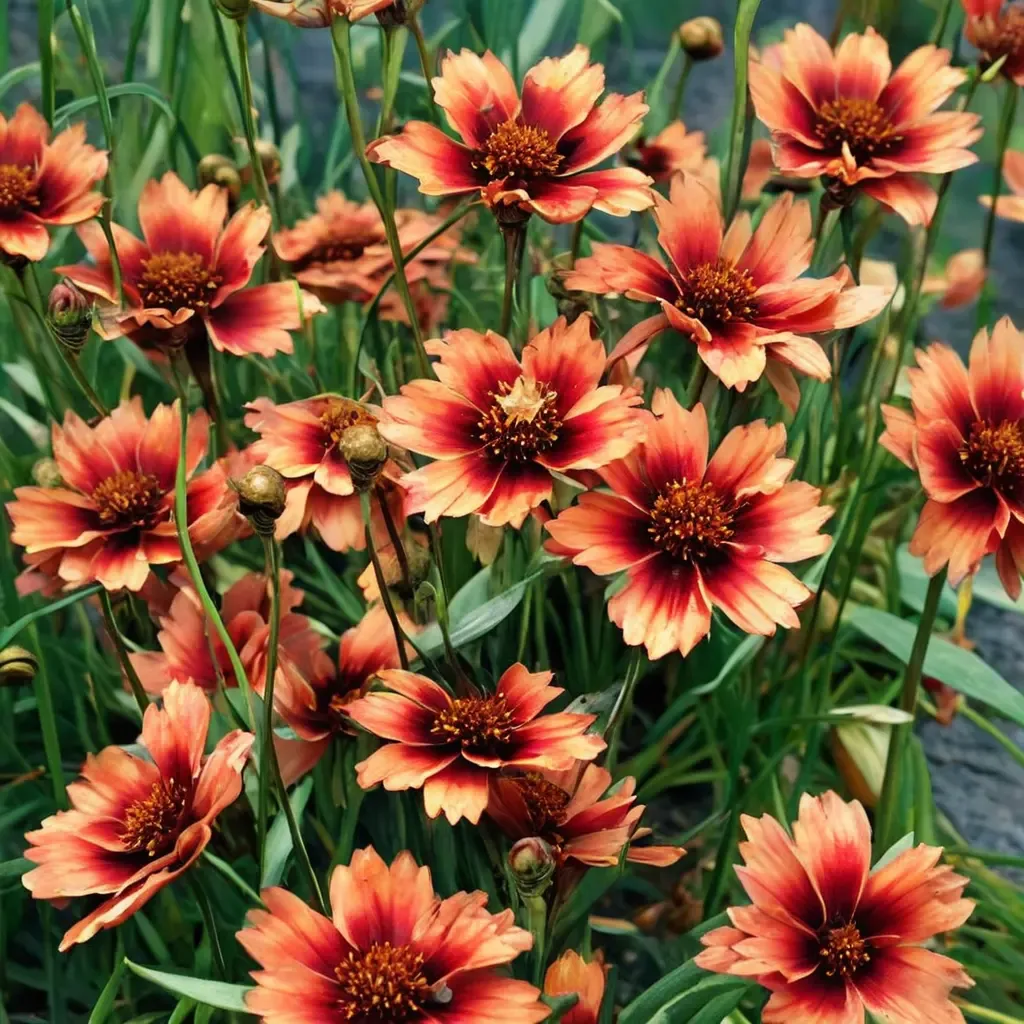
Plains Coreopsis
Coreopsis tinctoria 'Desert Coral'
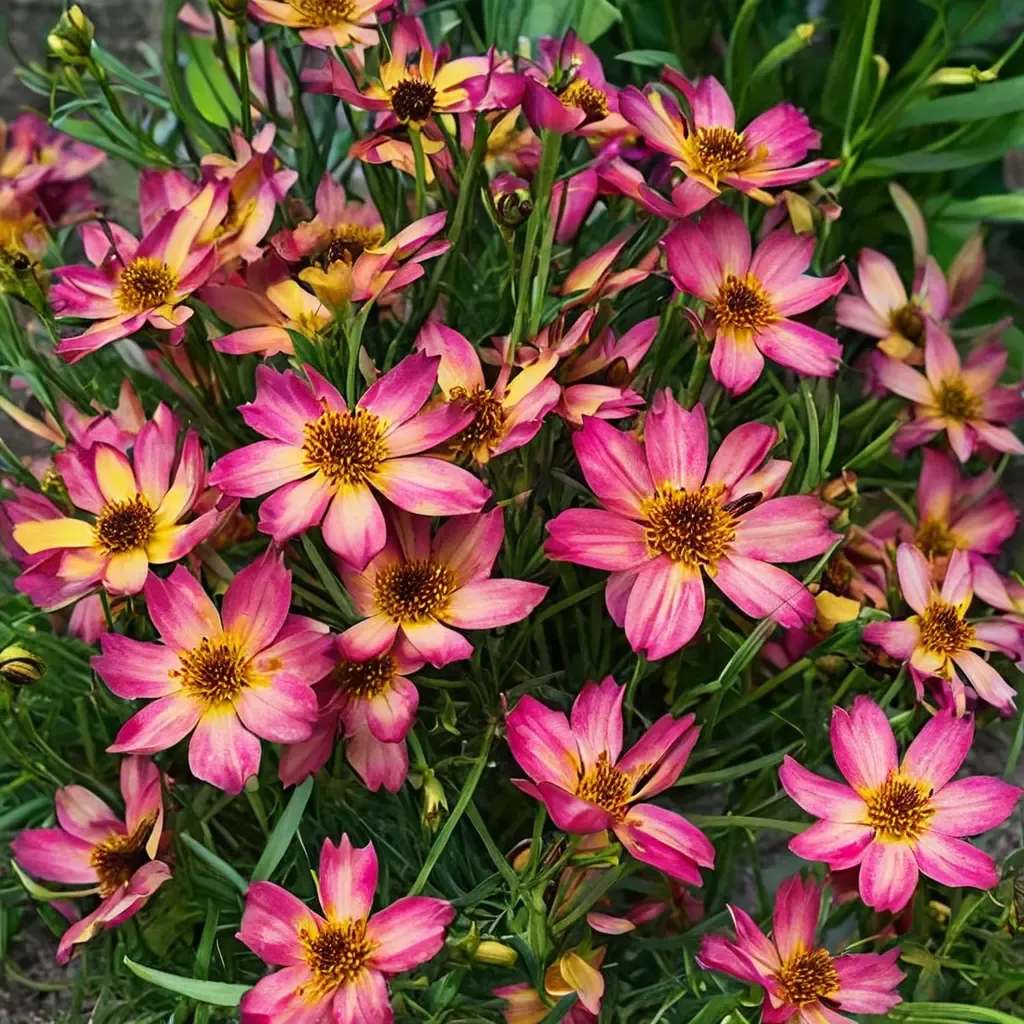
Tickseed 'Sweet Tart'
Coreopsis tinctoria 'Sweet Tart'
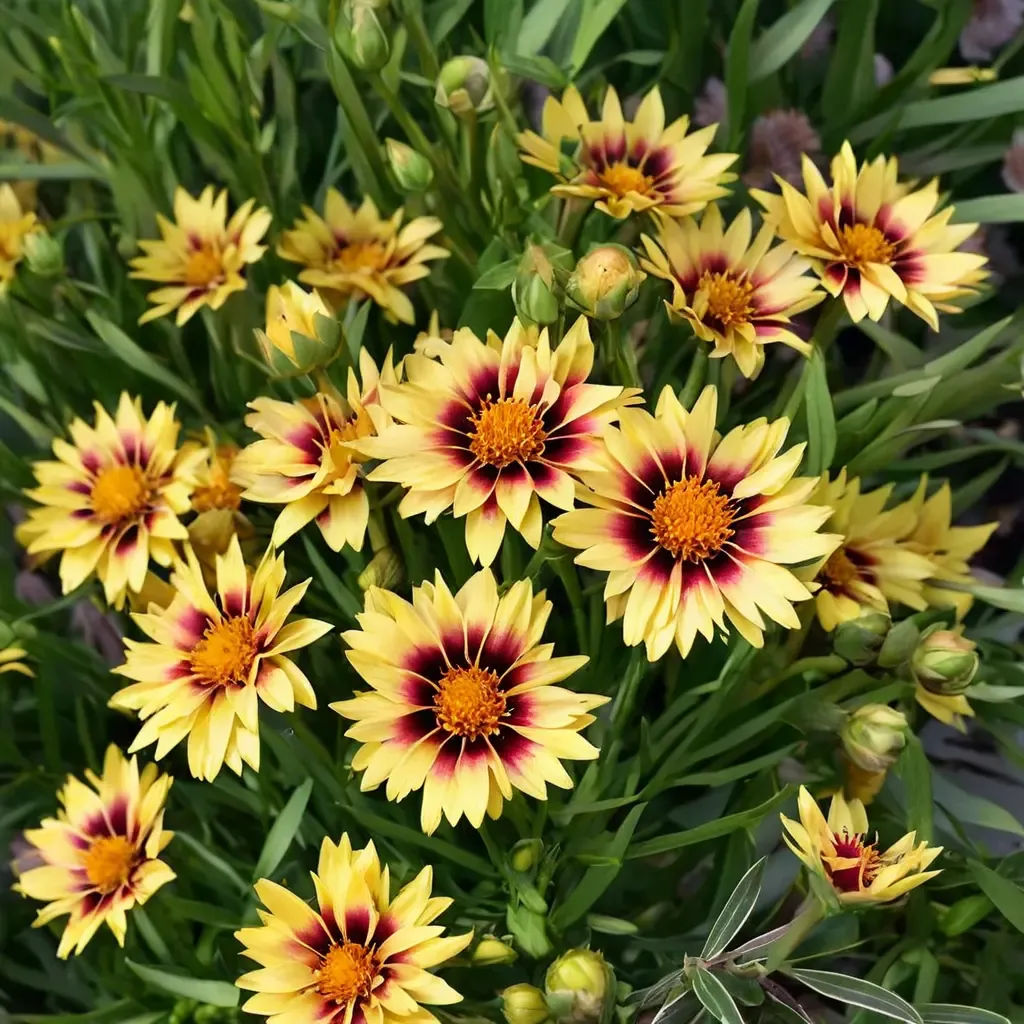
Enchanted Eve Li'l Bang Tickseed
Coreopsis grandiflora 'Enchanted Eve Li'l Bang'
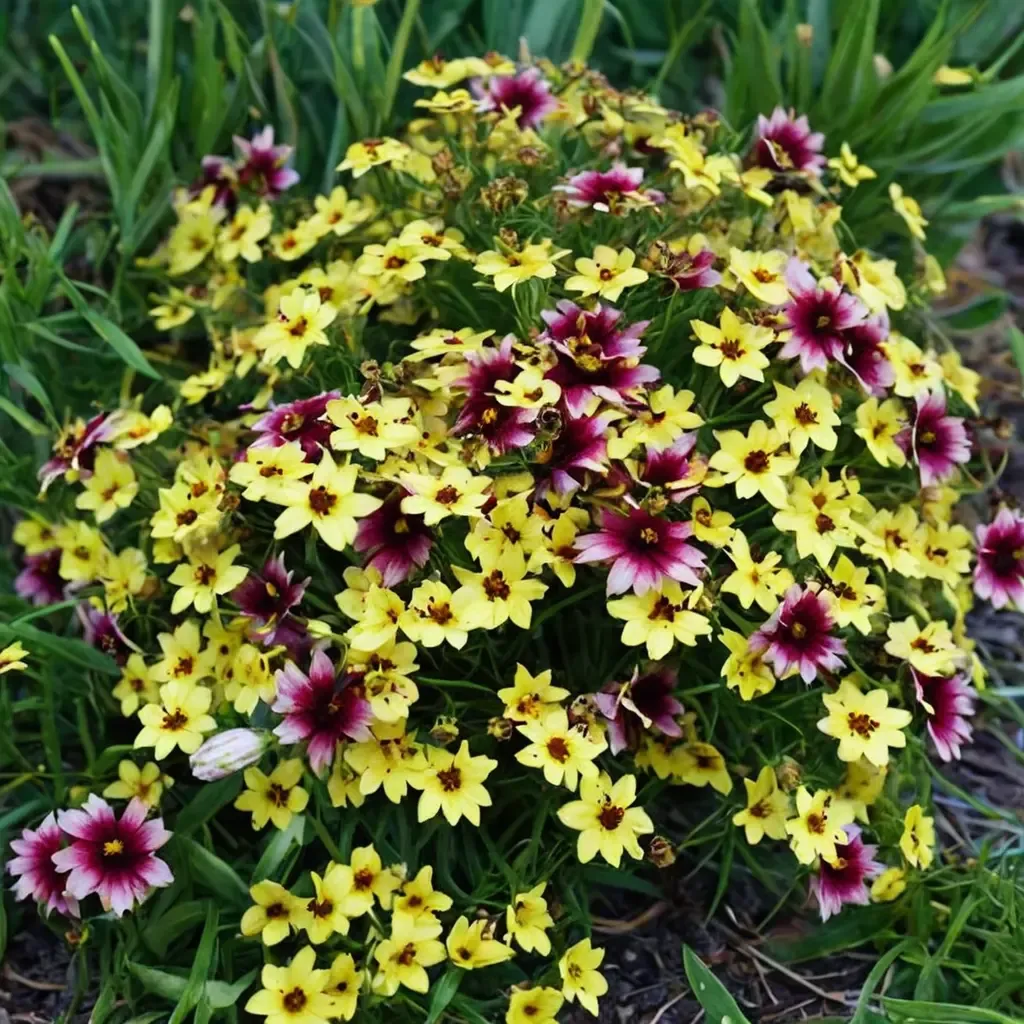
Sassy Saffron Tickseed
Coreopsis grandiflora 'Sassy Saffron'
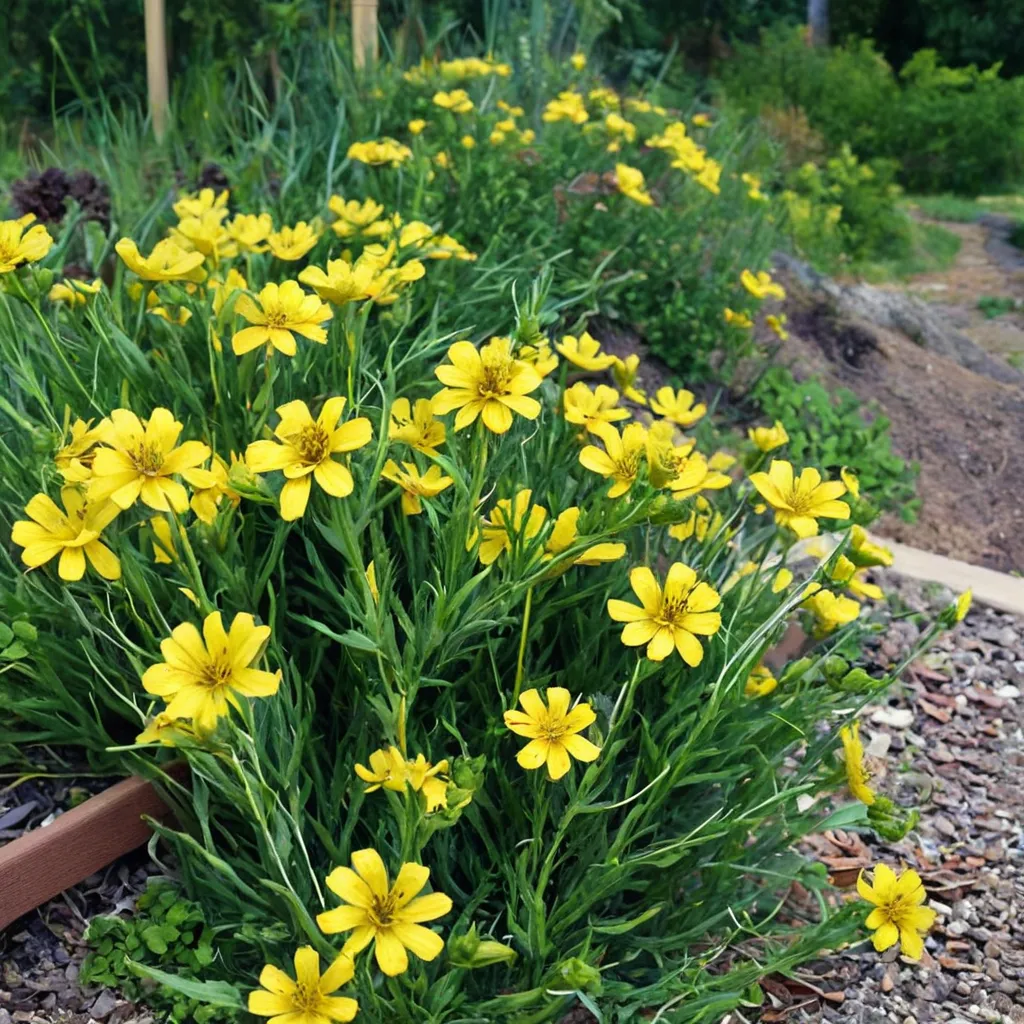
Prairie Coreopsis
Coreopsis palmata
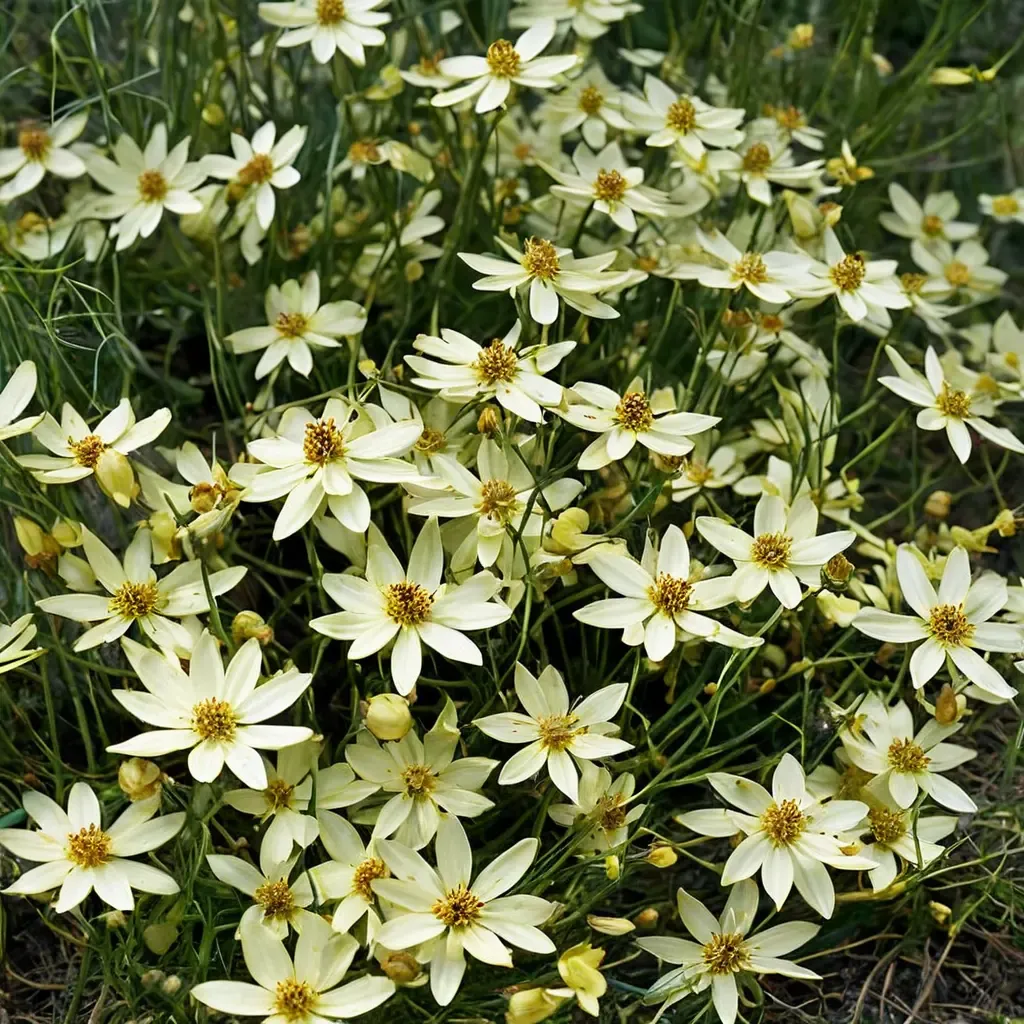
Moonbeam Tickseed
Coreopsis verticillata 'Moonbeam'
Keep exploring
Explore the genus
Hardy in your zone?
Grow Uptick Gold & Bronze Tickseed with confidence
See it in a design of your actual yard, get zone-matched care reminders, and track it season by season in your garden journal.