The Story
Plant Bio
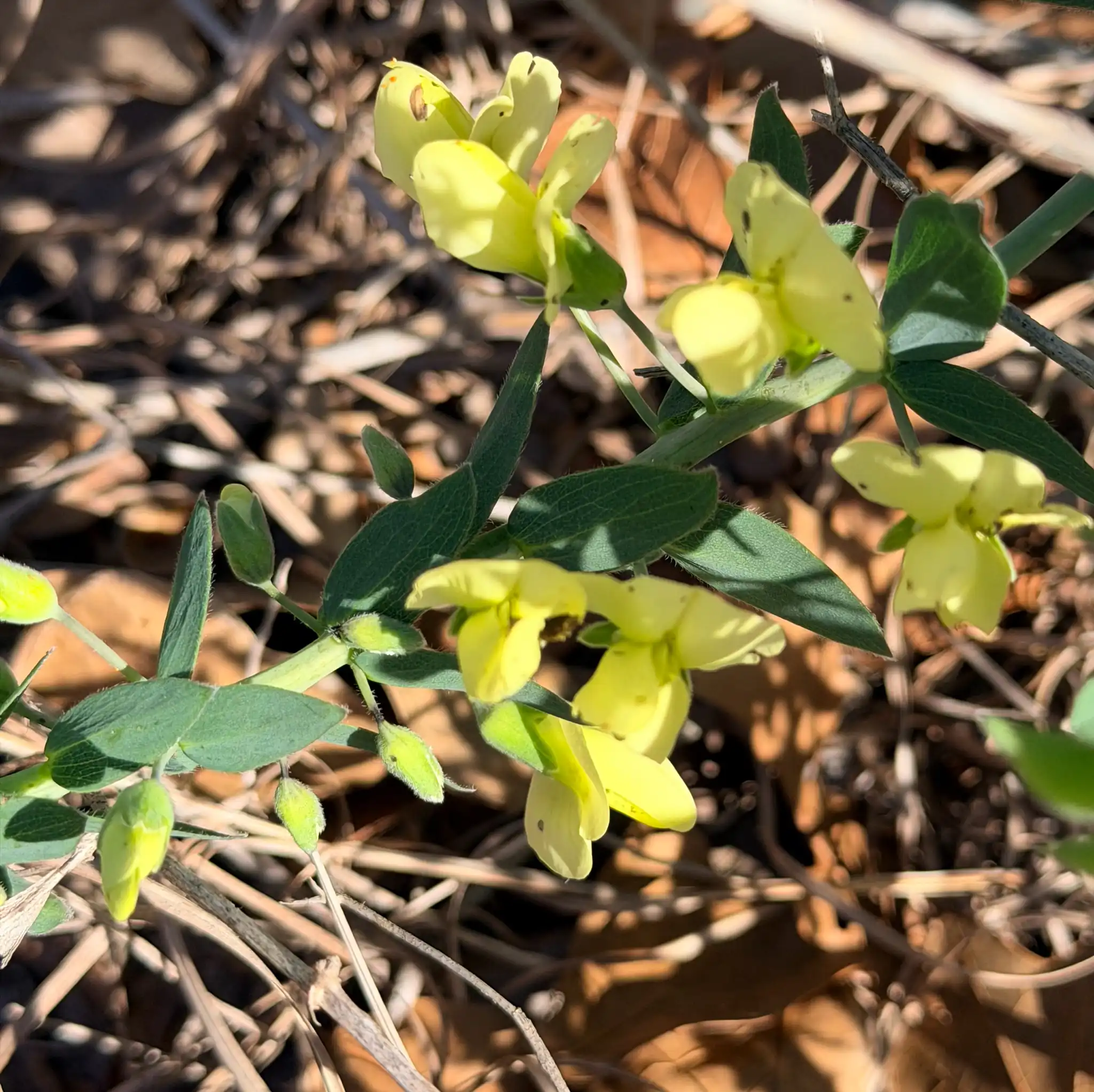
Baptisia bracteata, commonly known as cream wild indigo, is a North American herbaceous perennial forming a bushy mound of fine-haired, grey-green leaves. In spring, horizontal arching racemes up to nine inches long bear upward-facing cream to pale yellow pea flowers.
This species is distinguished by its sprawling habit and low-slung, horizontal flower stems that bloom early in the season. Its deep taproot fixes atmospheric nitrogen, enabling the plant to thrive in poor soils and withstand severe drought.
Uses & Benefits:
Essentials
At a Glance
Plant Type
Perennial
Height
30"
Width
36"
Light
Full Sun, Partial Sun
Zones
4, 5, 6, 7, 8, 9
Water
Low to medium
Humidity
High tolerance
Lifespan
Perennial
Native To
North America
Toxicity
Toxic if ingested
Bloom period
Spring – Late spring
In flower about 3 months of the year
Planting
How to Grow
- Select a site in full sun or light shade with loose, well-draining soil away from black walnut trees.
- Dig a planting hole as deep as the root container and twice as wide without disturbing the fragile taproot.
- Set the plant crown level with the surrounding soil and fill in with native soil, settling with water.
- Provide light water during the first season until the deep root system anchors into the subsoil.
Pro Tip
Plant in its permanent position while young, as the fragile, extensive taproot makes moving mature specimens nearly impossible.
Keep It Thriving
Care Guide
Do
- Plant early into a permanent garden location.
- Ensure well-draining soil conditions to prevent crown rot.
- Cut dead stems back to ground level after fall dieback.
Don't
- Do not attempt to move or divide established mature specimens.
- Do not apply heavy nitrogen fertilizers.
- Do not plant in wet or waterlogged soils.
Seasonal Care Calendar
| Task | Jan | Feb | Mar | Apr | May | Jun | Jul | Aug | Sep | Oct | Nov | Dec |
|---|---|---|---|---|---|---|---|---|---|---|---|---|
| Pest Check | ||||||||||||
| Plant | ||||||||||||
| Prune | ||||||||||||
| Spring Cleanup |
Watch Out For
Pests & Diseases
Common Pests
Common Diseases
In the Garden
Landscape Uses & Companions
Landscape Uses
Multiply
Propagation Methods
Good to Know
Common Questions
Cream Wild Indigo questions
What zones can Cream Wild Indigo grow in?
Cream Wild Indigo is hardy in USDA Zones 4–9. Inside that range it survives winter in the ground; outside it, grow it as an annual or a container plant you protect.
Is Cream Wild Indigo deer resistant?
Yes — Cream Wild Indigo is rated deer-resistant. Deer typically pass it over, though extreme hunger can override any plant's defenses.
When does Cream Wild Indigo bloom?
Cream Wild Indigo typically blooms in spring through late spring. Exact timing shifts a week or two with your zone — Sow's bloom calendar maps it to your garden.
Does Cream Wild Indigo need full sun?
Cream Wild Indigo does best in full sun to part shade. In hot climates, afternoon shade keeps blooms fresher longer.
Is Cream Wild Indigo drought tolerant?
Yes — once established (usually after the first full season), Cream Wild Indigo handles dry spells with minimal watering. Water deeply its first year to build the root system that makes that possible.
More Baptisia to compare
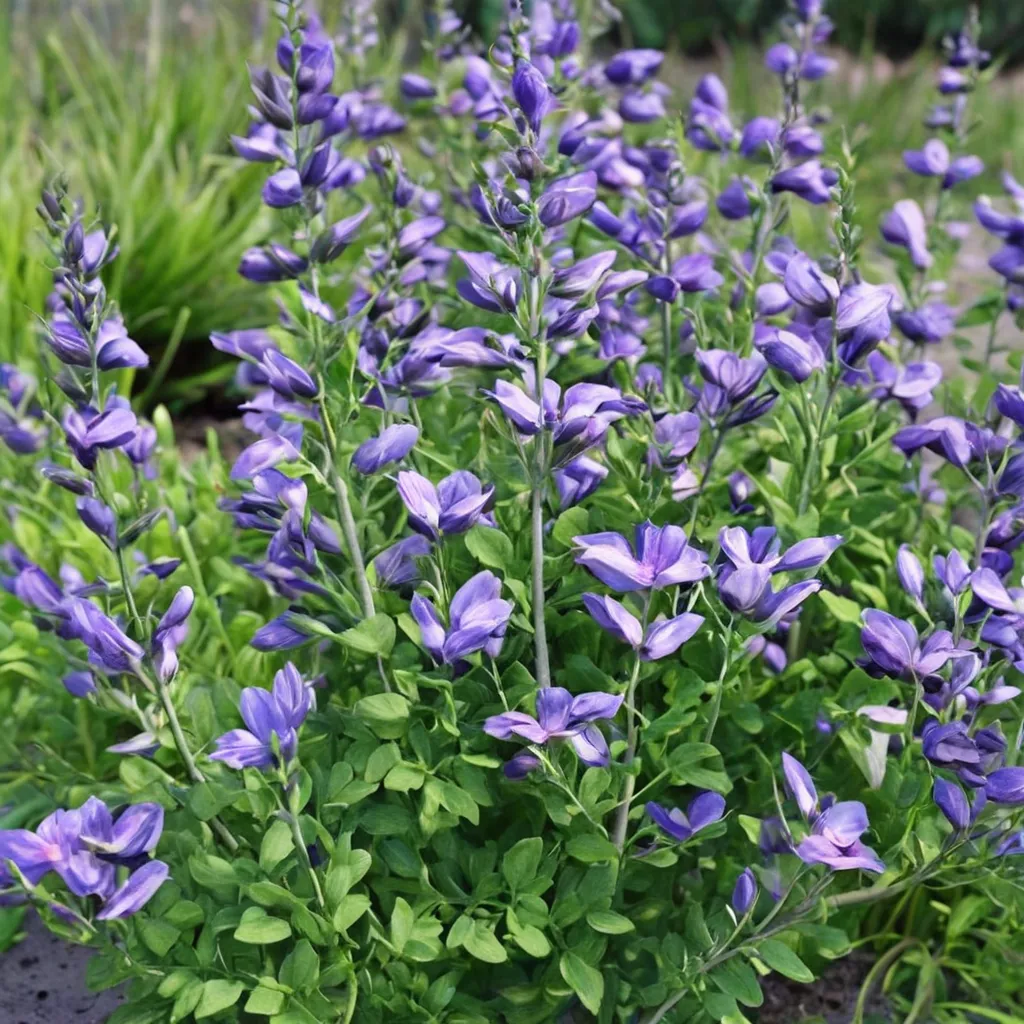
Dwarf Wild Indigo
Baptisia minor
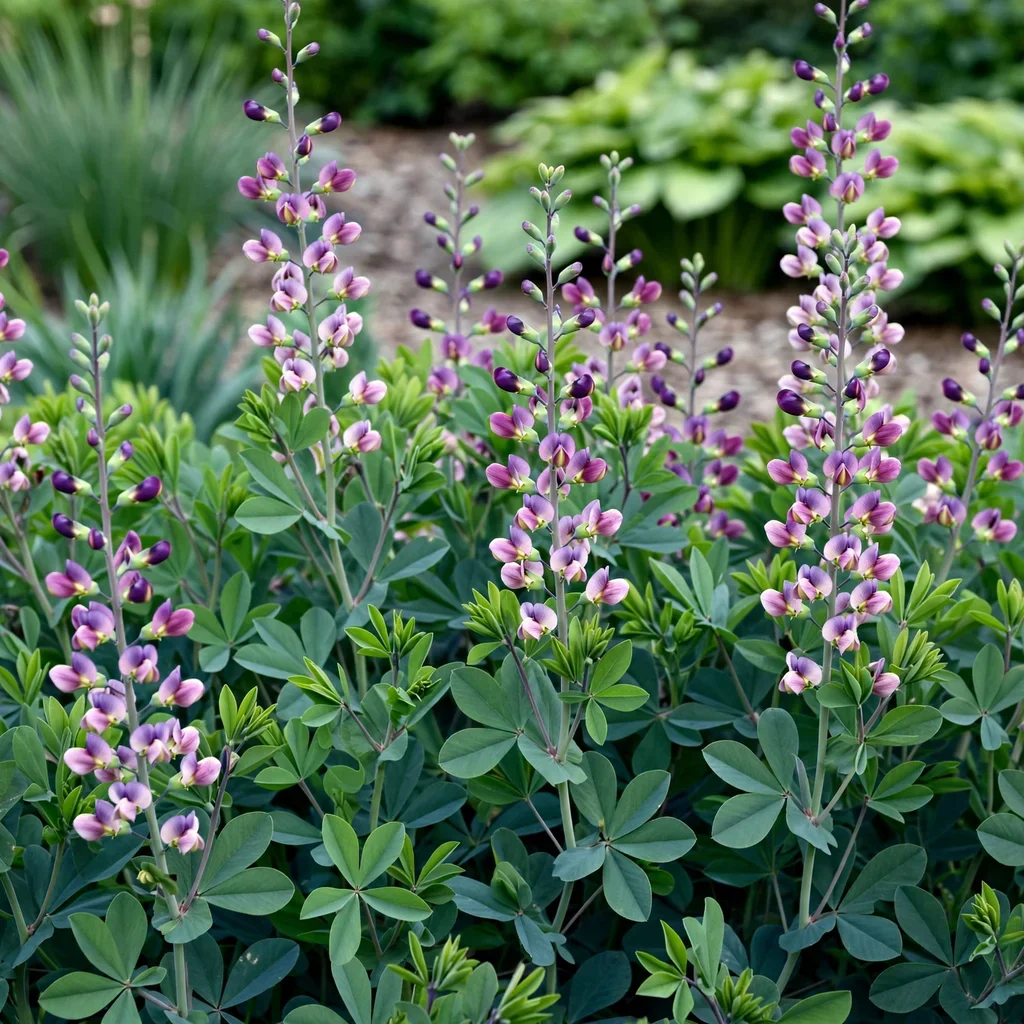
Plum Rosy False Indigo
Baptisia x hybrida 'Plum Rosy'
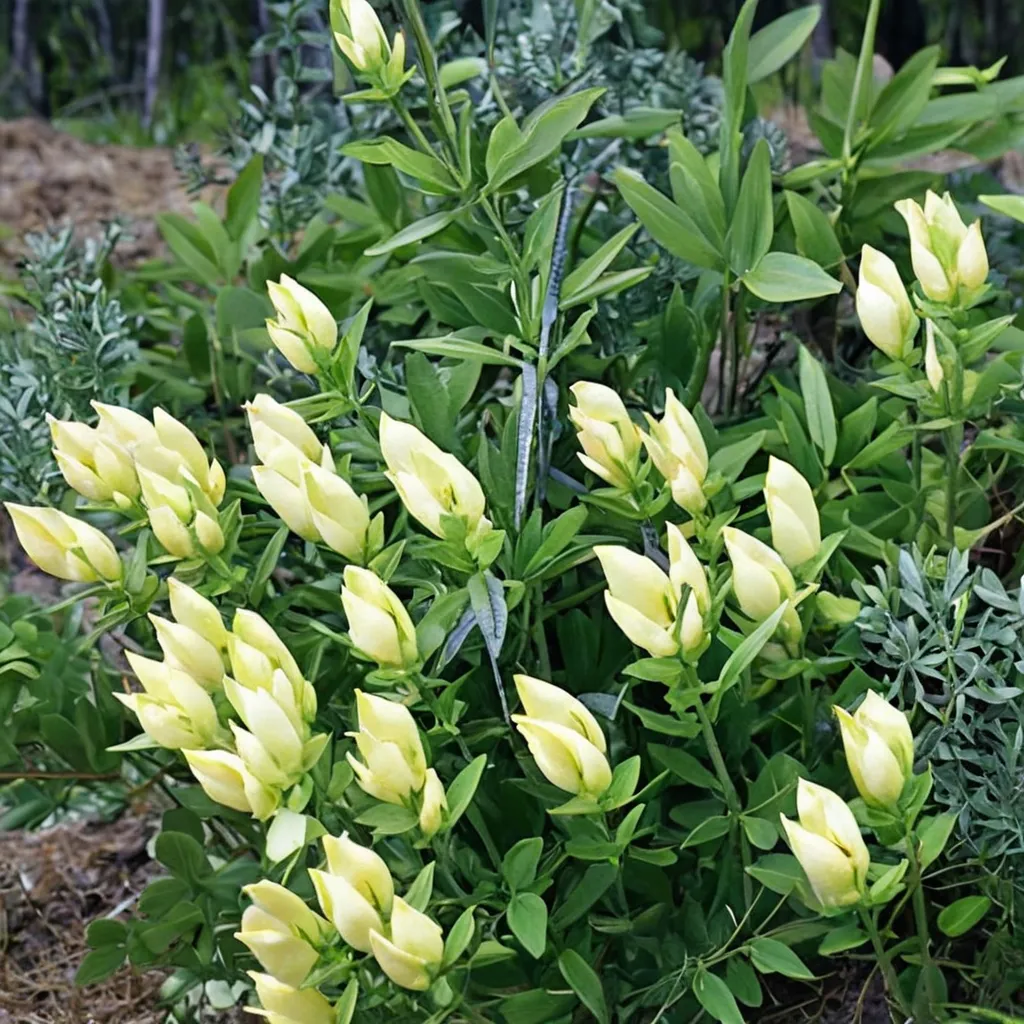
Little Texas False Indigo
Baptisia leucophaea 'Little Texas'
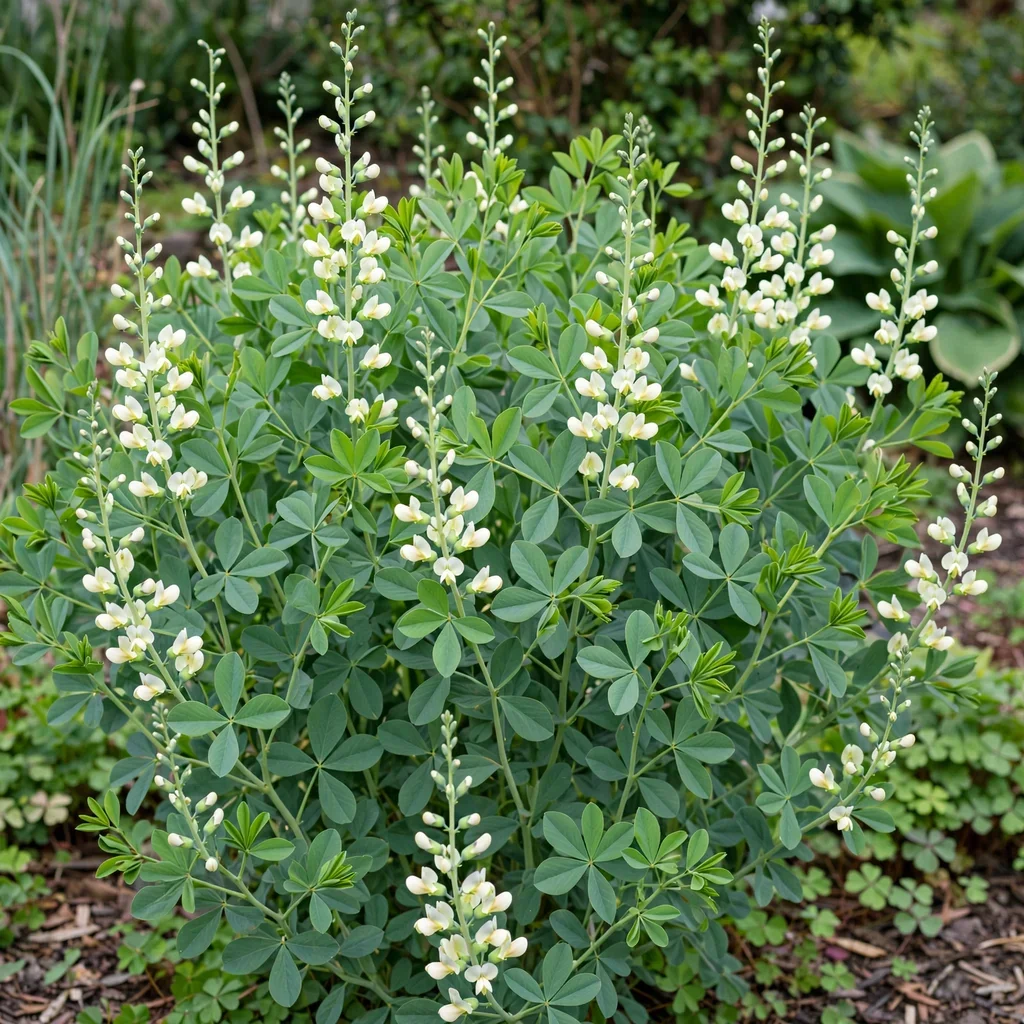
A1T-011 Cream Wild Indigo
Baptisia leucophaea 'A1T-011'
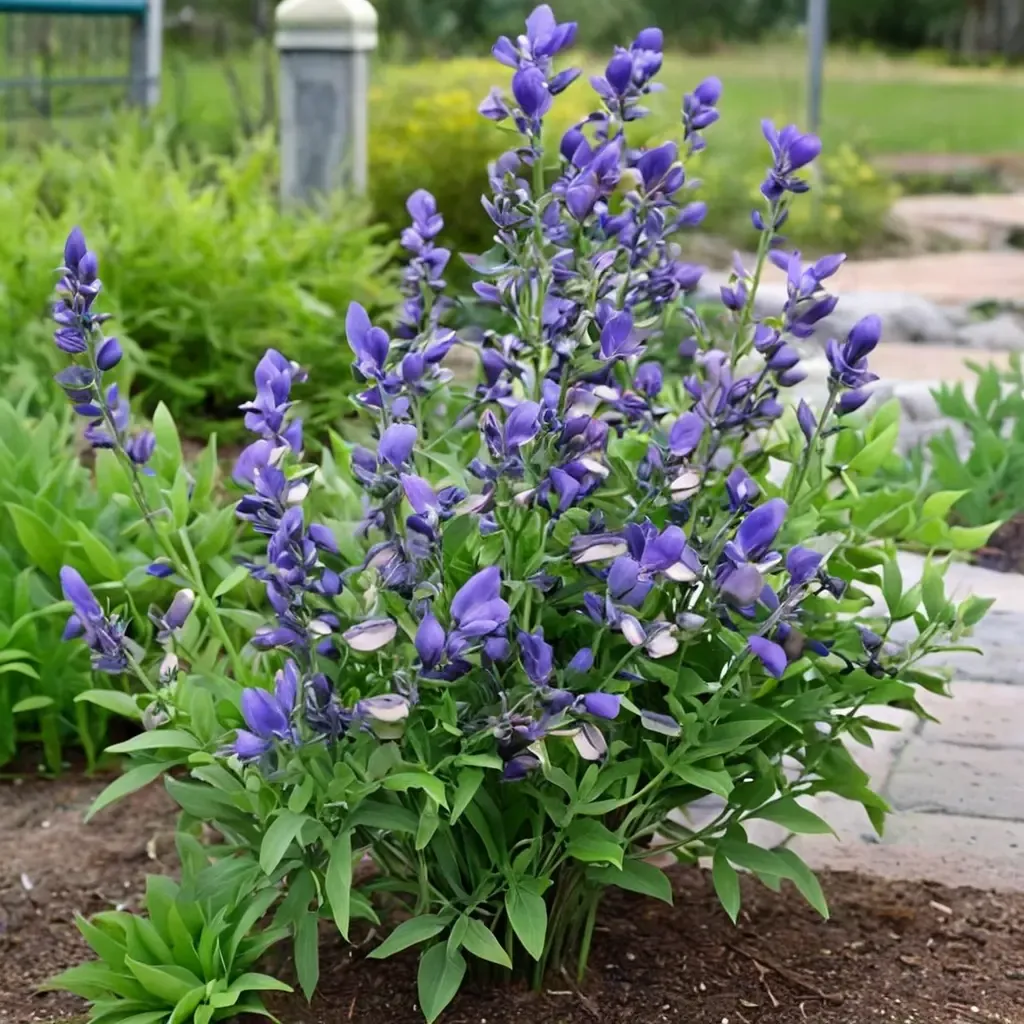
Blue Wild Indigo
Baptisia australis
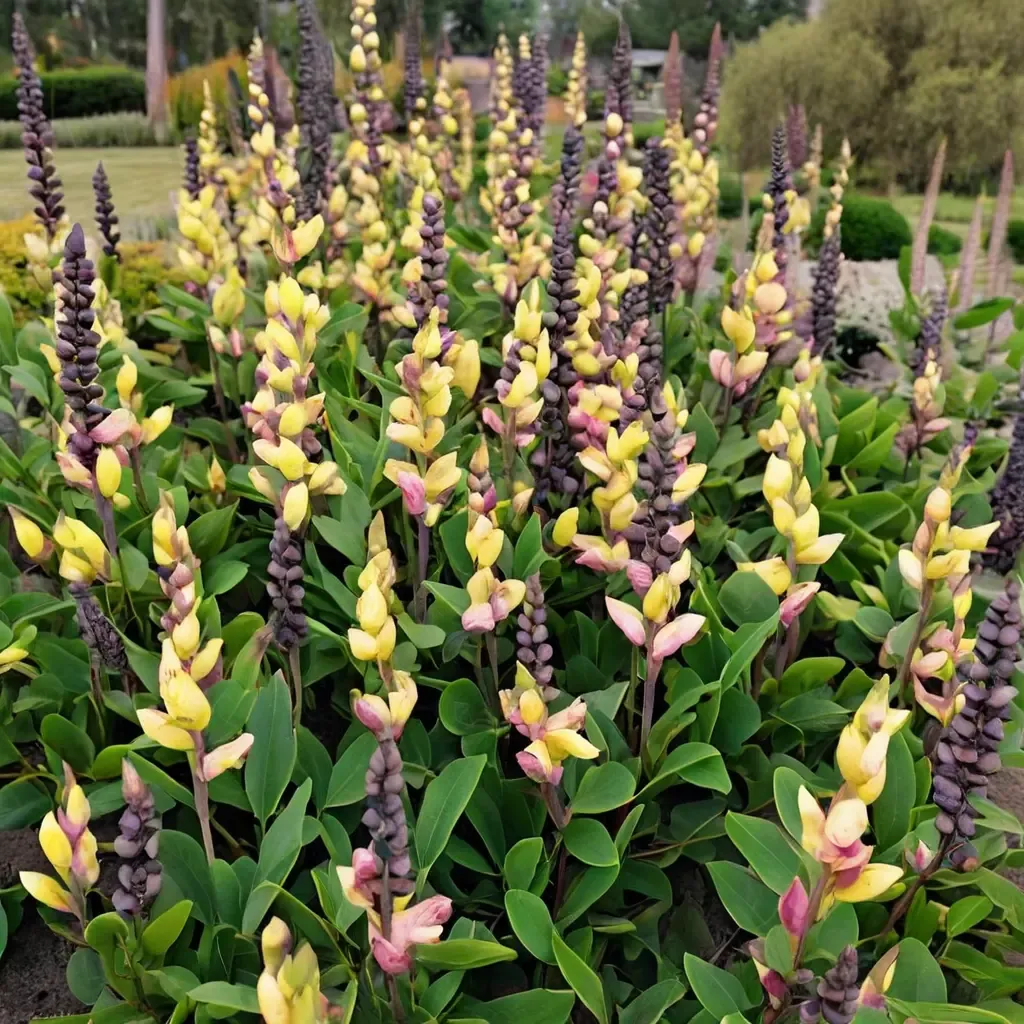
Pink Lemonade False Indigo
Baptisia australis 'Pink Lemonade'
Keep exploring
Explore the genus
Grow Cream Wild Indigo with confidence
See it in a design of your actual yard, get zone-matched care reminders, and track it season by season in your garden journal.