The Story
Plant Bio
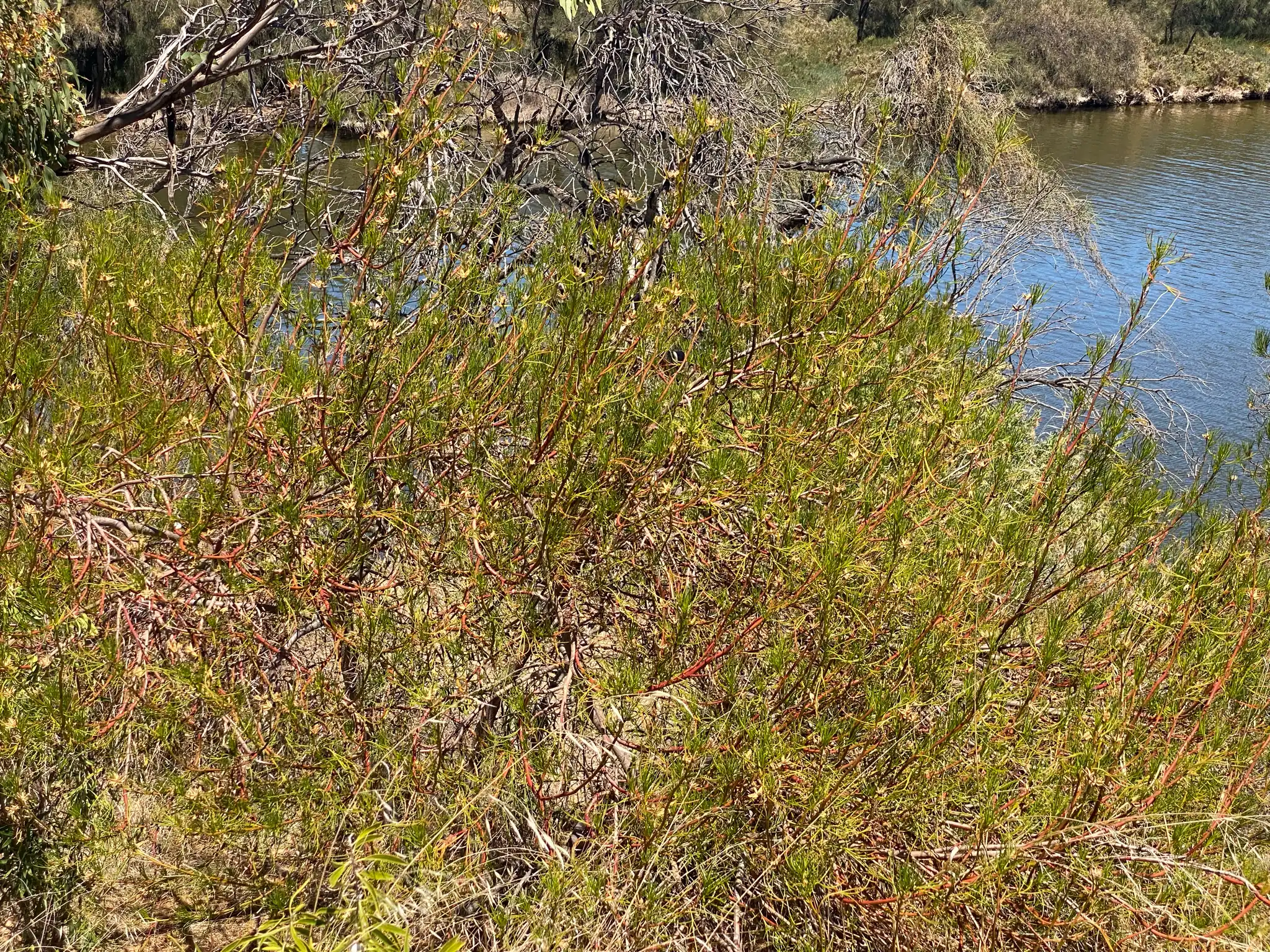
Alyogyne hakeifolia, commonly known as the hakea-leaf hibiscus, is an upright, evergreen shrub native to the arid and semi-arid regions of southern and western Australia. It produces slender, ascending branches from a woody base and thrives in hot, dry climates with sharp soil drainage.
This species is distinguished by its deep green, needle-like foliage that closely resembles the leaves of a Hakea. The solitary, tulip-shaped flowers open in shades of mauve, pink, or yellow, each marked with a contrasting dark red center.
Uses & Benefits:
Essentials
At a Glance
Plant Type
Shrub
Height
118"
Width
98"
Light
Full Sun
Zones
9, 10
Water
Low
Humidity
Low
Lifespan
Perennial
Native To
Australia
Toxicity
Non-toxic
Bloom period
Spring – Summer
In flower about 6 months of the year
Planting
How to Grow
- Select a planting site that receives full, unobstructed sun throughout the day.
- Ensure the soil is highly permeable, such as sandy loam or gravelly soil, to prevent waterlogging.
- Water sparingly during the first summer to establish the root system, then transition to dryland conditions.
- Apply a thin layer of organic mulch around the base, keeping it clear of the main stem to prevent collar rot.
Pro Tip
Prune the branches lightly immediately after the summer flowering flush to maintain a dense habit; cutting back into old, leafless wood prevents the plant from shooting back.
Keep It Thriving
Care Guide
Do
- Plant in a location with maximum sun exposure to promote heavy flowering.
- Ensure sharp drainage by planting in raised beds or sandy mounds if native soil is heavy.
- Prune lightly after flowering to encourage fresh, bushy growth.
Don't
- Do not overwater or plant in heavy clay soils that retain moisture.
- Do not apply high-phosphorus or heavy nitrogen fertilizers.
- Do not cut back into old, bare wood during pruning.
Seasonal Care Calendar
| Task | Jan | Feb | Mar | Apr | May | Jun | Jul | Aug | Sep | Oct | Nov | Dec |
|---|---|---|---|---|---|---|---|---|---|---|---|---|
| Fertilize | ||||||||||||
| Mulch | ||||||||||||
| Pest Check | ||||||||||||
| Plant | ||||||||||||
| Prune |
Watch Out For
Pests & Diseases
Common Pests
Common Diseases
In the Garden
Landscape Uses & Companions
Landscape Uses
Companion Plants
Multiply
Propagation Methods
Good to Know
Common Questions
Hakea-leaf Hibiscus questions
What zones can Hakea-leaf Hibiscus grow in?
Hakea-leaf Hibiscus is hardy in USDA Zones 9–10. Inside that range it survives winter in the ground; outside it, grow it as an annual or a container plant you protect.
When does Hakea-leaf Hibiscus bloom?
Hakea-leaf Hibiscus typically blooms in spring through summer. Exact timing shifts a week or two with your zone — Sow's bloom calendar maps it to your garden.
Does Hakea-leaf Hibiscus need full sun?
Hakea-leaf Hibiscus does best in full sun (6+ hours).
Is Hakea-leaf Hibiscus drought tolerant?
Yes — once established (usually after the first full season), Hakea-leaf Hibiscus handles dry spells with minimal watering. Water deeply its first year to build the root system that makes that possible.
More Hibiscus to compare
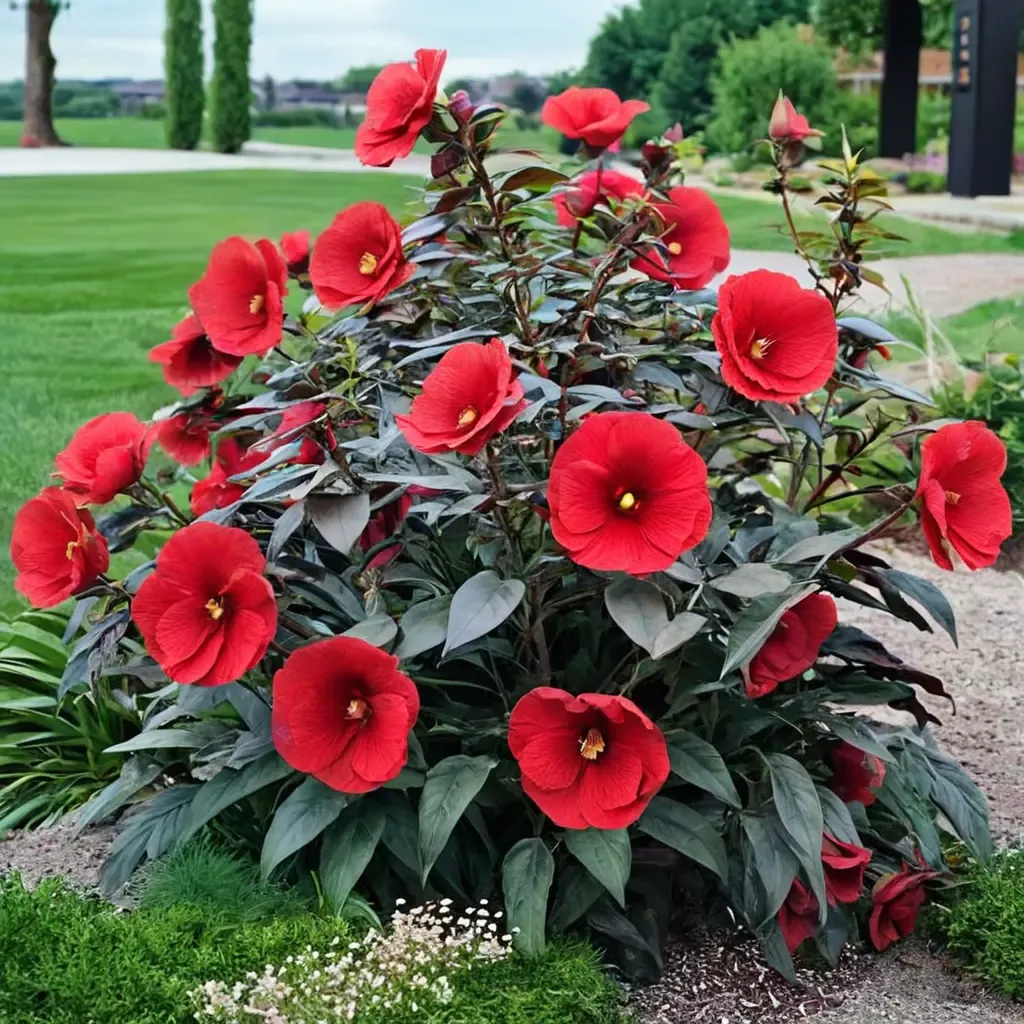
Midnight Marvel Swamp Hibiscus
Hibiscus moscheutos 'Midnight Marvel'
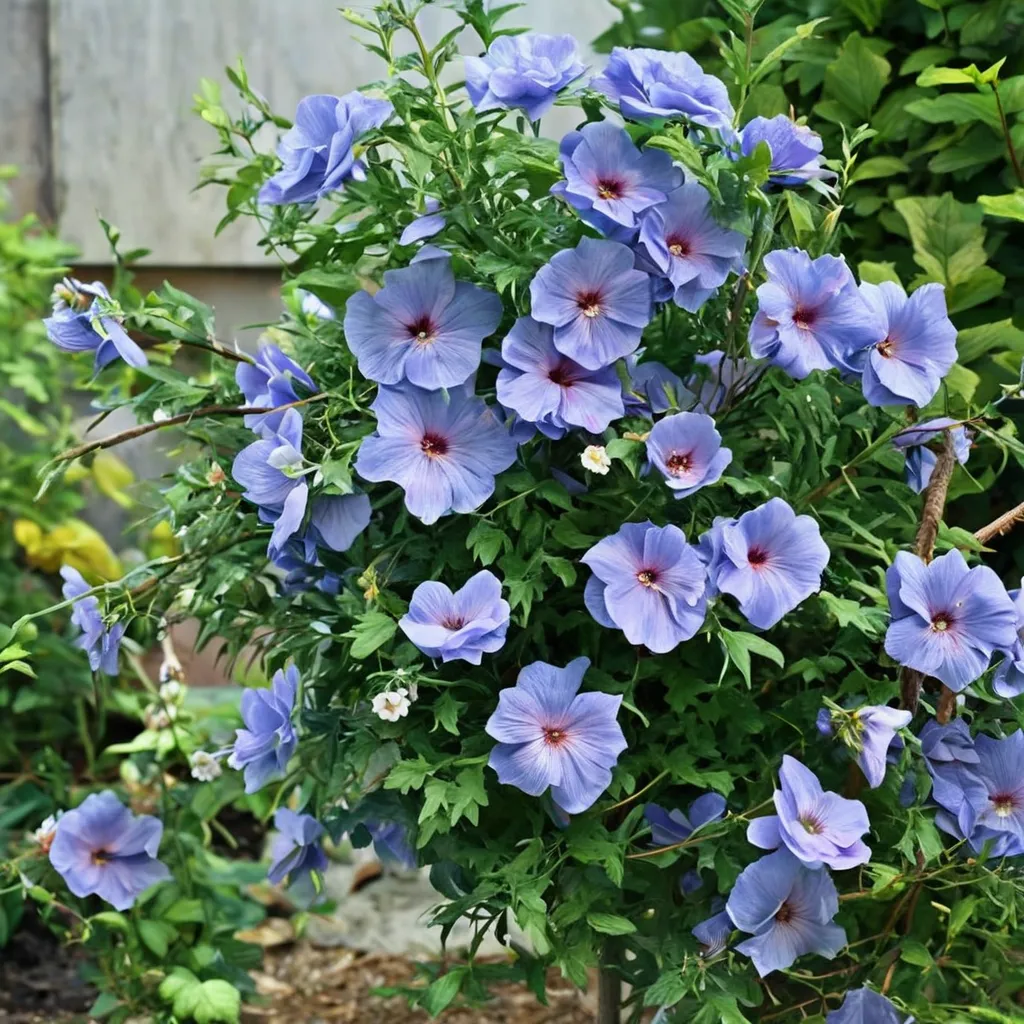
Rose of Sharon Hibiscus
Hibiscus syriacus 'Azurri Blue Satin'
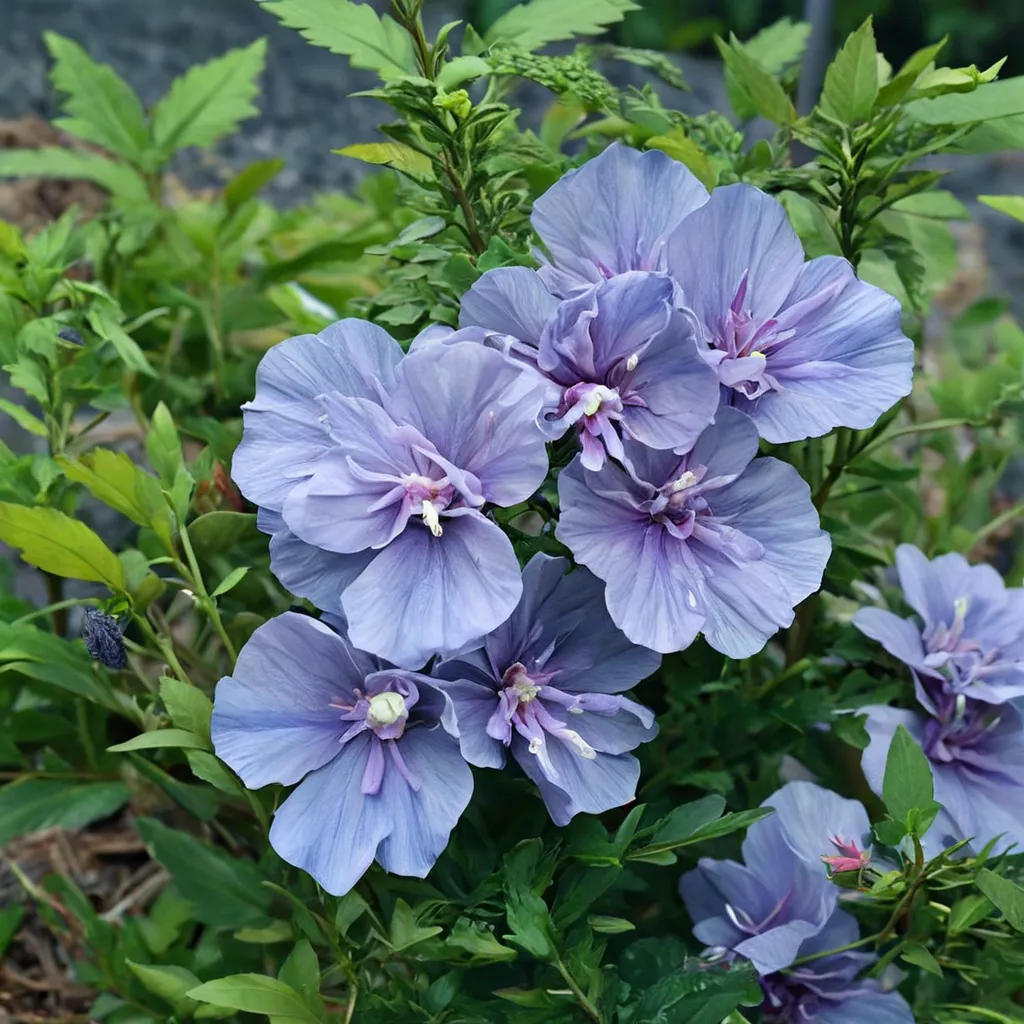
Blue Chiffon Rose of Sharon
Hibiscus syriacus 'Blue Chiffon'
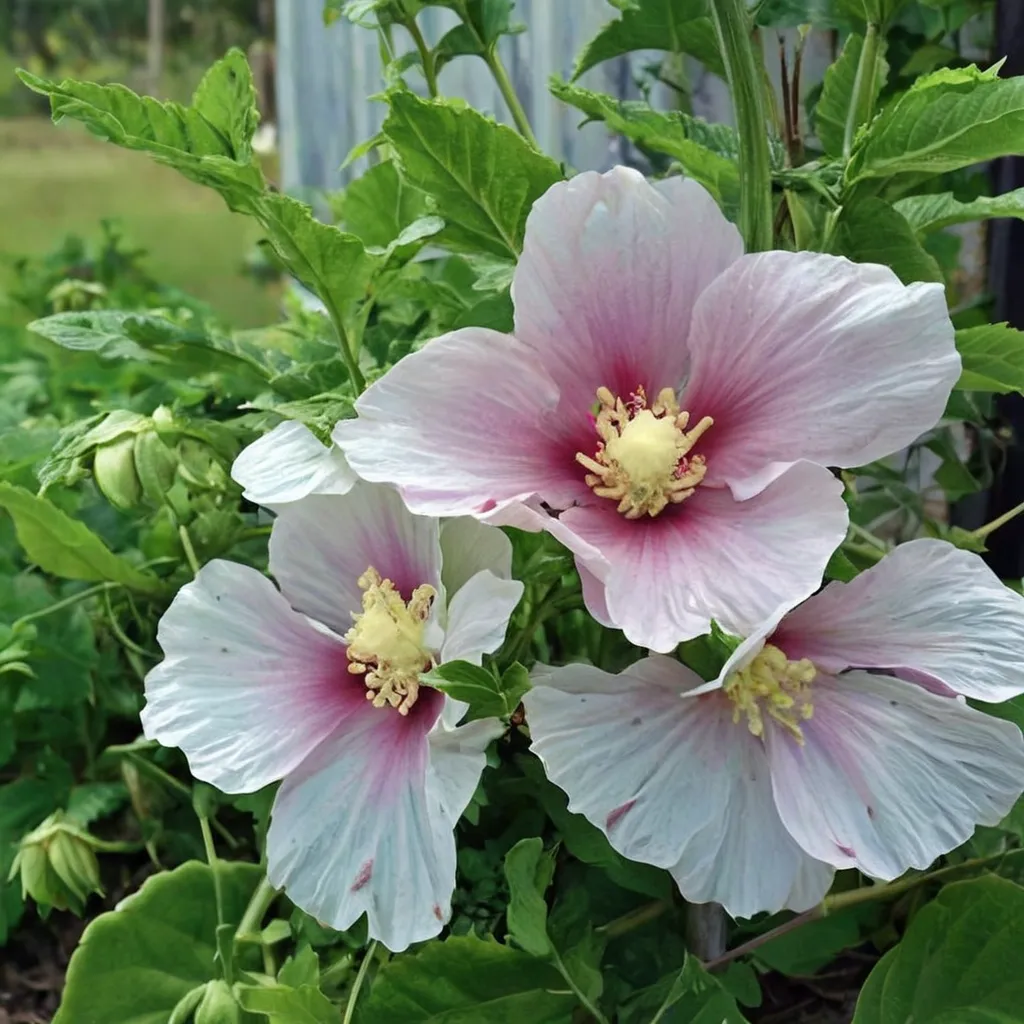
Confederate Rose
Hibiscus paramutabilis
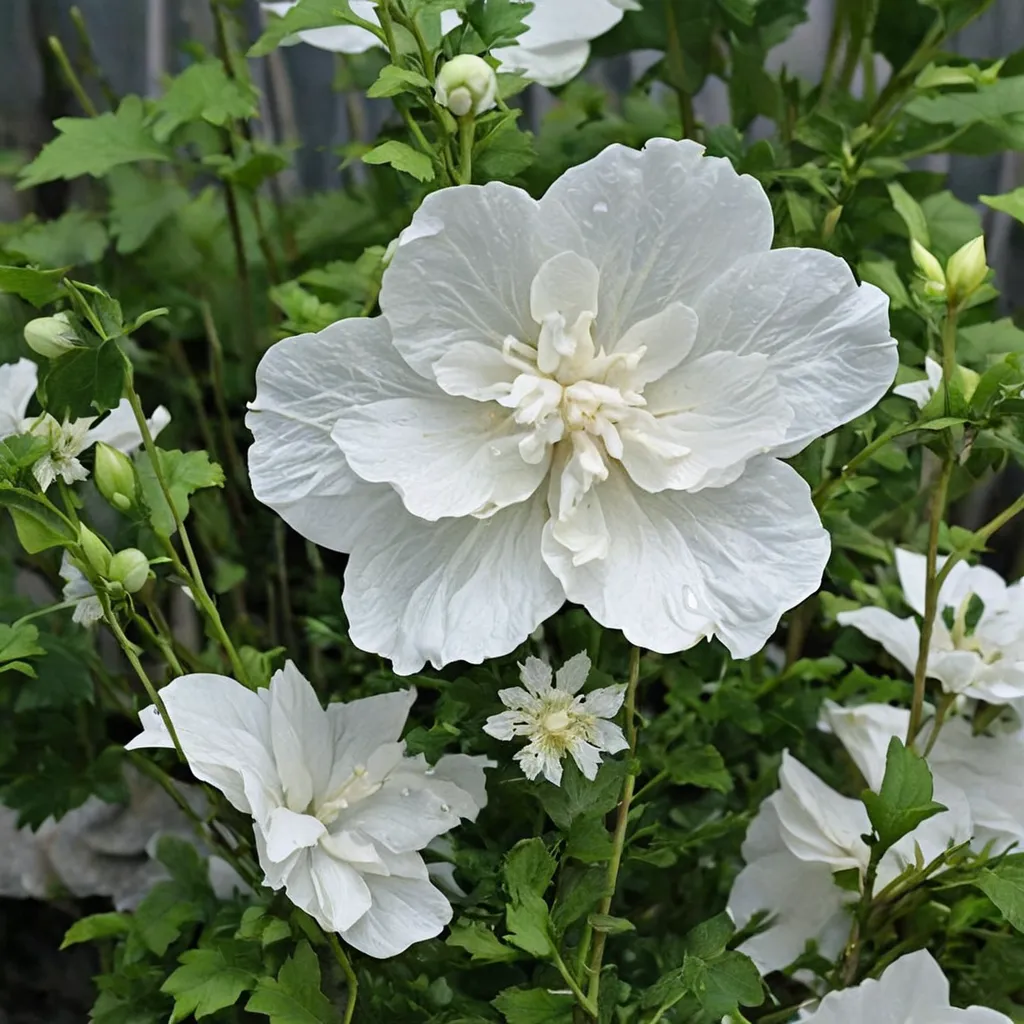
White Chiffon Hibiscus
Hibiscus syriacus 'White Chiffon'
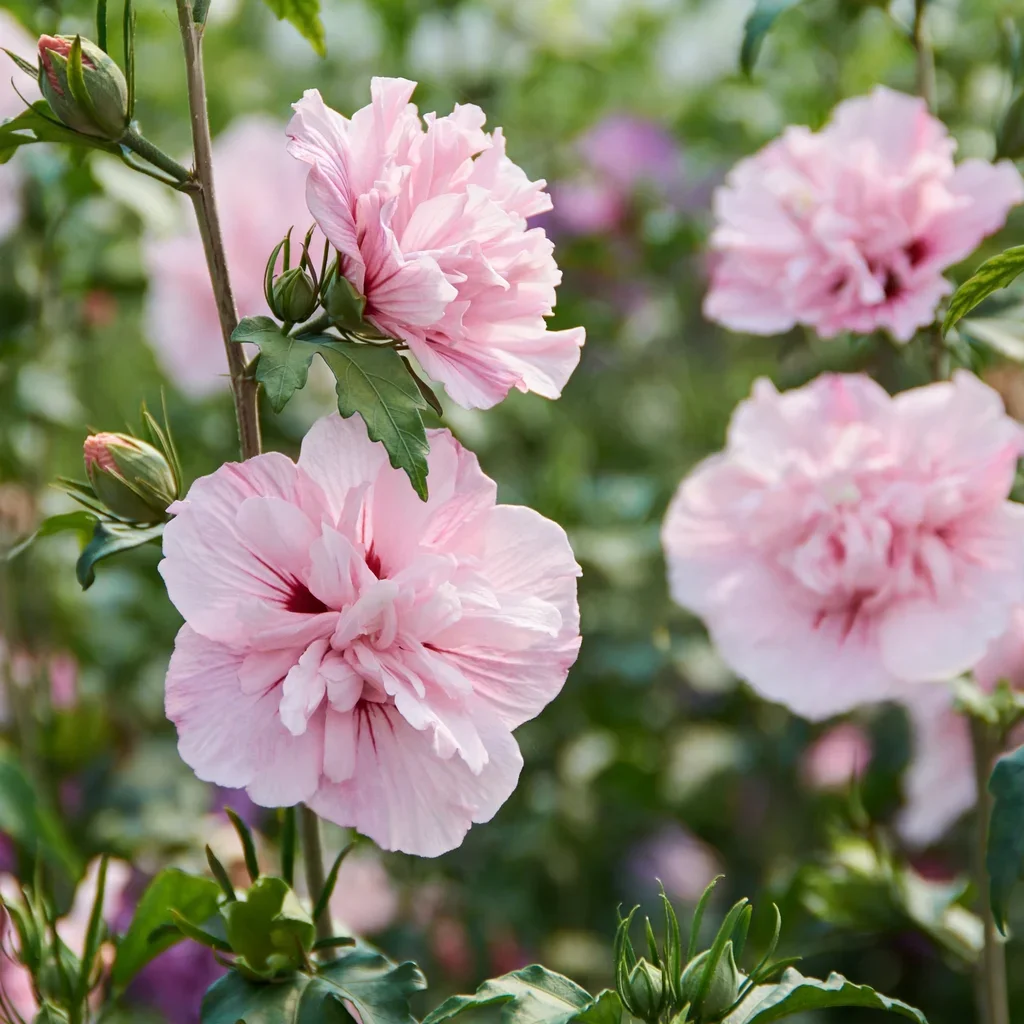
Pink Chiffon Rose of Sharon
Hibiscus syriacus 'Pink Chiffon'
Keep exploring
Explore the genus
Hardy in your zone?
Grow Hakea-leaf Hibiscus with confidence
See it in a design of your actual yard, get zone-matched care reminders, and track it season by season in your garden journal.