The Story
Plant Bio
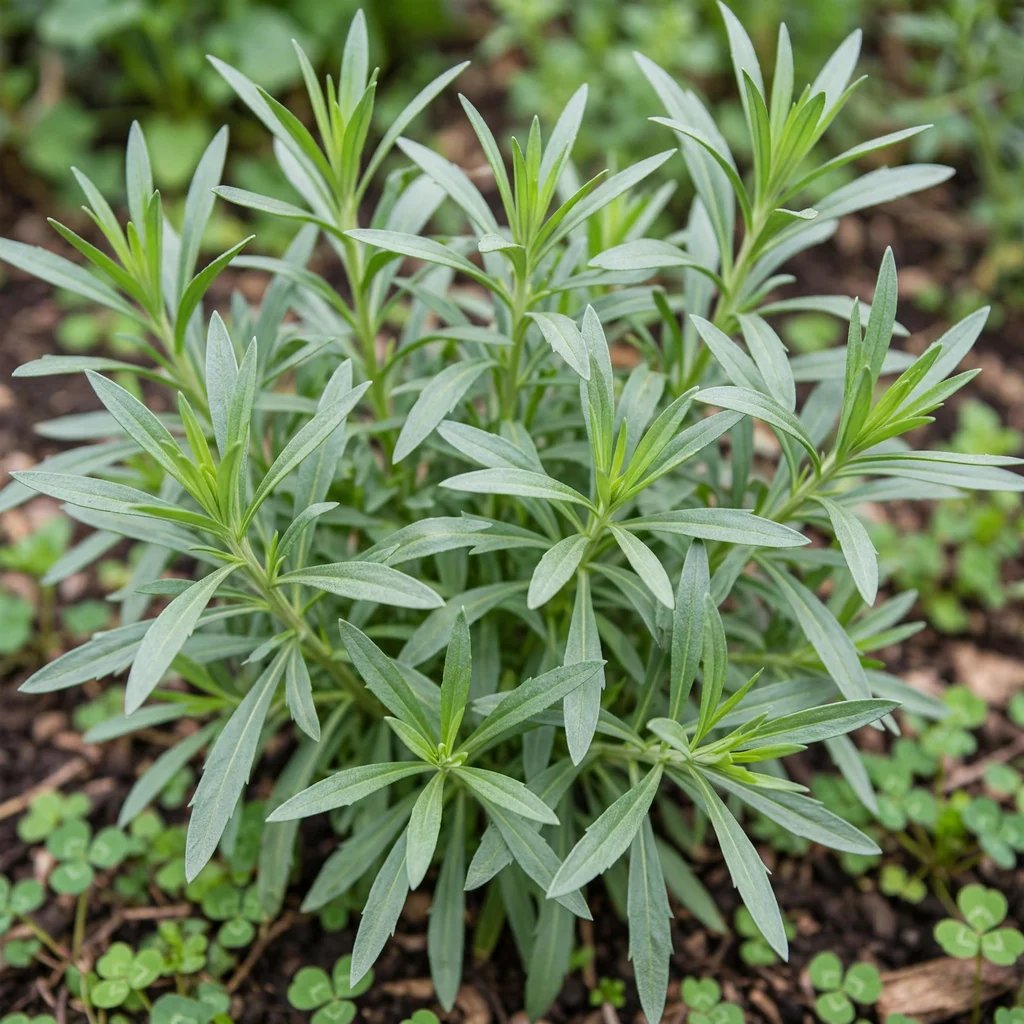
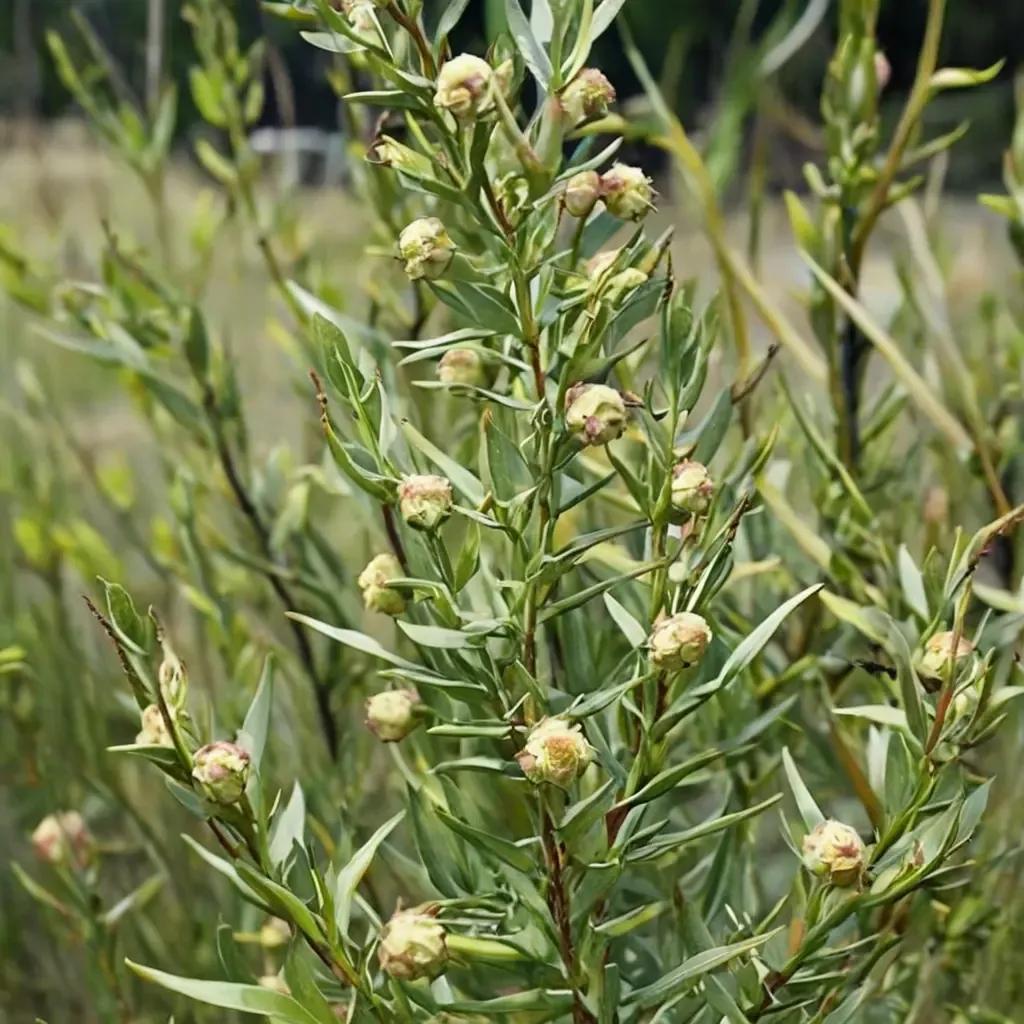
Artemisia dracunculus is an aromatic herbaceous perennial in the aster family native across temperate Europe, Asia, and western North America. It forms spreading clumps of slender, erect stems clothed in narrow green foliage that releases a distinct anise scent when crushed.
'French' is the sterile culinary cultivar grown specifically for its rich, sweet licorice flavor and high concentration of aromatic essential oils. It rarely sets viable seed or open flower heads, requiring vegetative division to maintain its culinary quality.
Uses & Benefits:
Essentials
At a Glance
Plant Type
Perennial
Height
35"
Width
24"
Light
Full Sun, Partial Sun
Zones
4, 5, 6, 7, 8, 9
Water
Low to moderate
Humidity
Low to moderate
Lifespan
Perennial
Native To
Europe, Asia, North America
Toxicity
Toxic to dogs, cats, and horses
Bloom period
Summer – Early fall
In flower about 4 months of the year
Planting
How to Grow
- Select a full-sun site with light, neutral, free-draining soil.
- Space plants 18 to 24 inches apart to promote air circulation around the foliage.
- Water thoroughly at planting, then allow the top inch of soil to dry completely between waterings.
- Cut top growth down to soil level in late autumn after winter dormancy sets in.
Pro Tip
Plant in sharply draining sandy loam or raised beds, as wet winter soil induces fatal root rot.
Keep It Thriving
Care Guide
Do
- Provide full sun to maximize foliage flavor and essential oil concentration.
- Divide established clumps every three to four years in spring to maintain vigor.
- Ensure planting beds have excellent drainage before planting.
Don't
- Do not overwater or plant in heavy clay soils that retain moisture.
- Do not apply heavy applications of high-nitrogen fertilizer, which dilutes foliage flavor.
- Do not attempt propagation from seed.
Seasonal Care Calendar
| Task | Jan | Feb | Mar | Apr | May | Jun | Jul | Aug | Sep | Oct | Nov | Dec |
|---|---|---|---|---|---|---|---|---|---|---|---|---|
| Divide | ||||||||||||
| Fertilize | ||||||||||||
| Harvest | ||||||||||||
| Spring Cleanup | ||||||||||||
| Winter Prep |
Watch Out For
Pests & Diseases
Common Pests
Common Diseases
In the Garden
Landscape Uses & Companions
Landscape Uses
Multiply
Propagation Methods
Good to Know
Common Questions
French Tarragon questions
What zones can French Tarragon grow in?
French Tarragon is hardy in USDA Zones 4–9. Inside that range it survives winter in the ground; outside it, grow it as an annual or a container plant you protect.
Is French Tarragon deer resistant?
Yes — French Tarragon is rated deer-resistant. Deer typically pass it over, though extreme hunger can override any plant's defenses.
When does French Tarragon bloom?
French Tarragon typically blooms in summer through early fall. Exact timing shifts a week or two with your zone — Sow's bloom calendar maps it to your garden.
Does French Tarragon need full sun?
French Tarragon does best in full sun to part shade. In hot climates, afternoon shade keeps blooms fresher longer.
Is French Tarragon drought tolerant?
Yes — once established (usually after the first full season), French Tarragon handles dry spells with minimal watering. Water deeply its first year to build the root system that makes that possible.
More Artemisia to compare
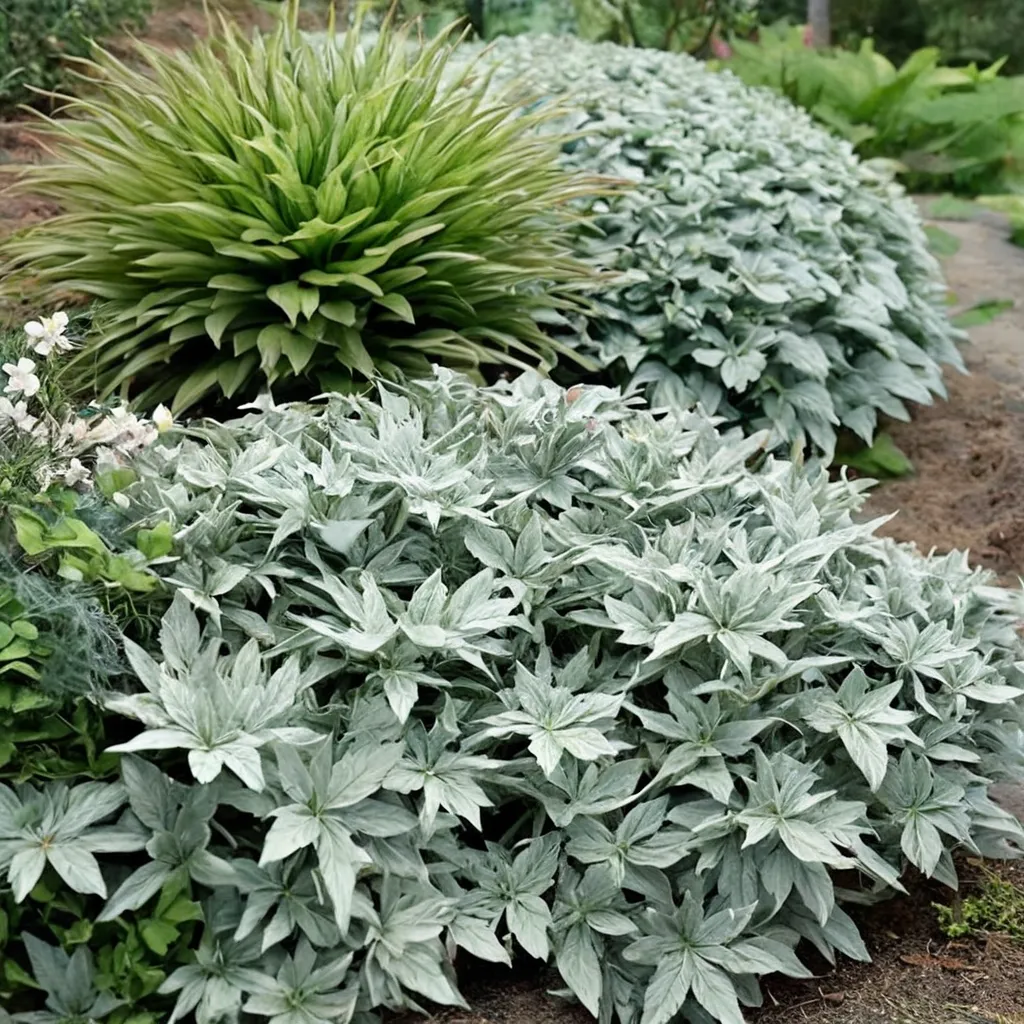
Artemisia Silver Lining
Artemisia x hybrida 'Silver Lining'
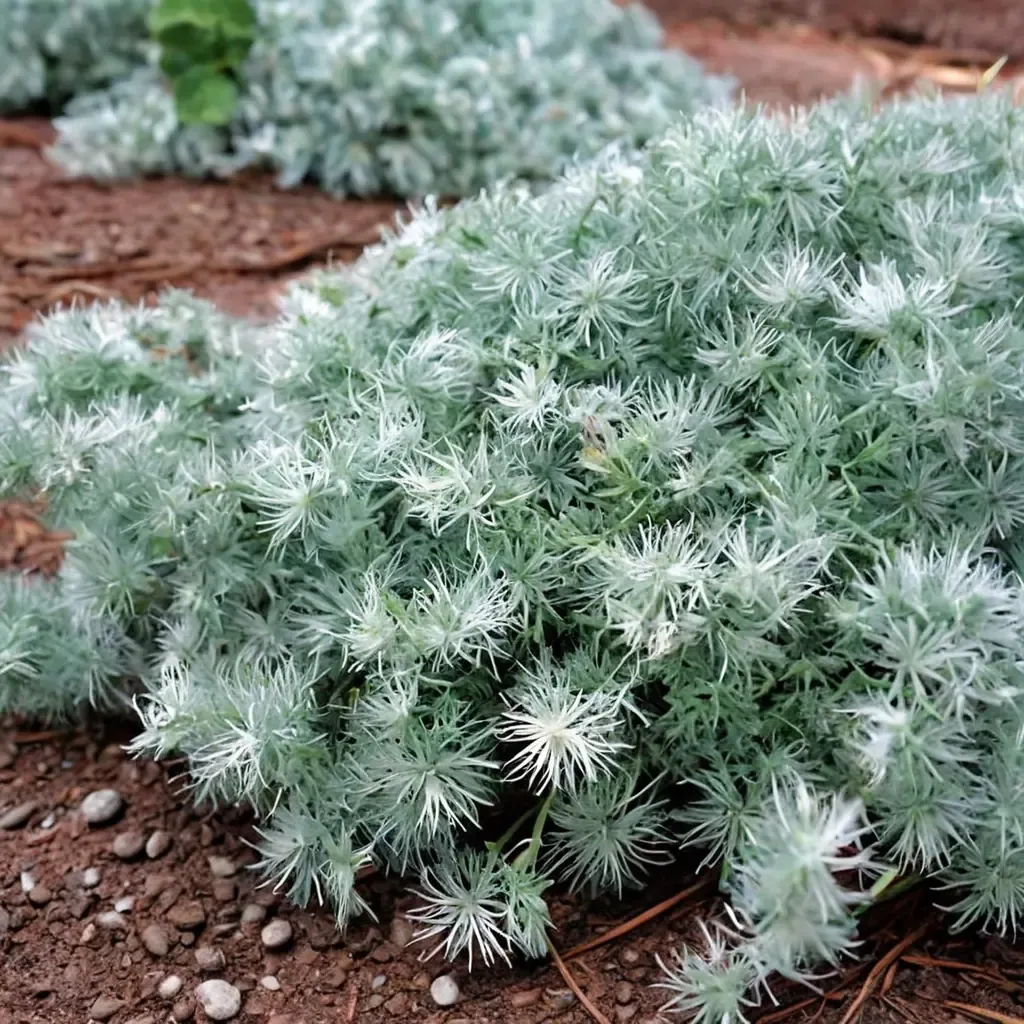
Silver Mound Wormwood
Artemisia schmidtiana 'Silver Mound'
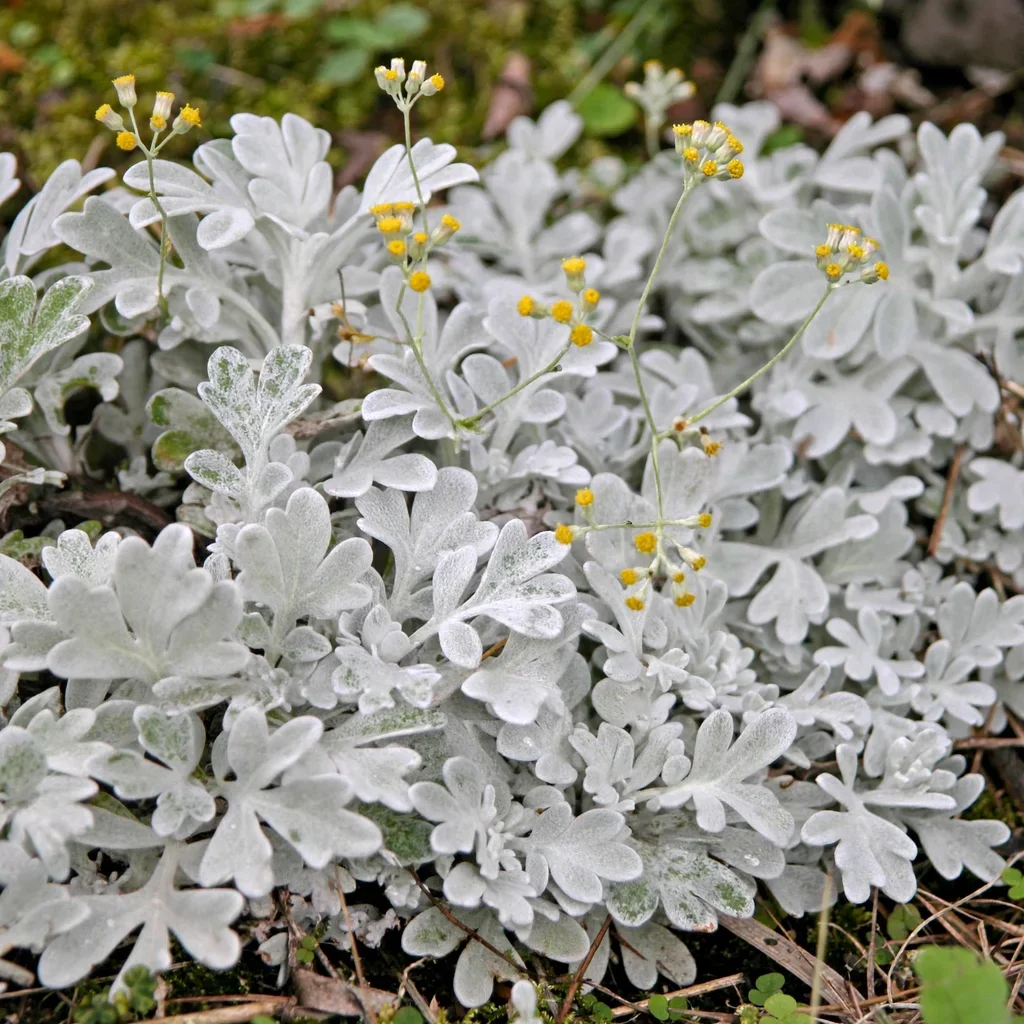
Beach Wormwood
Artemisia stelleriana 'Silver Brocade'
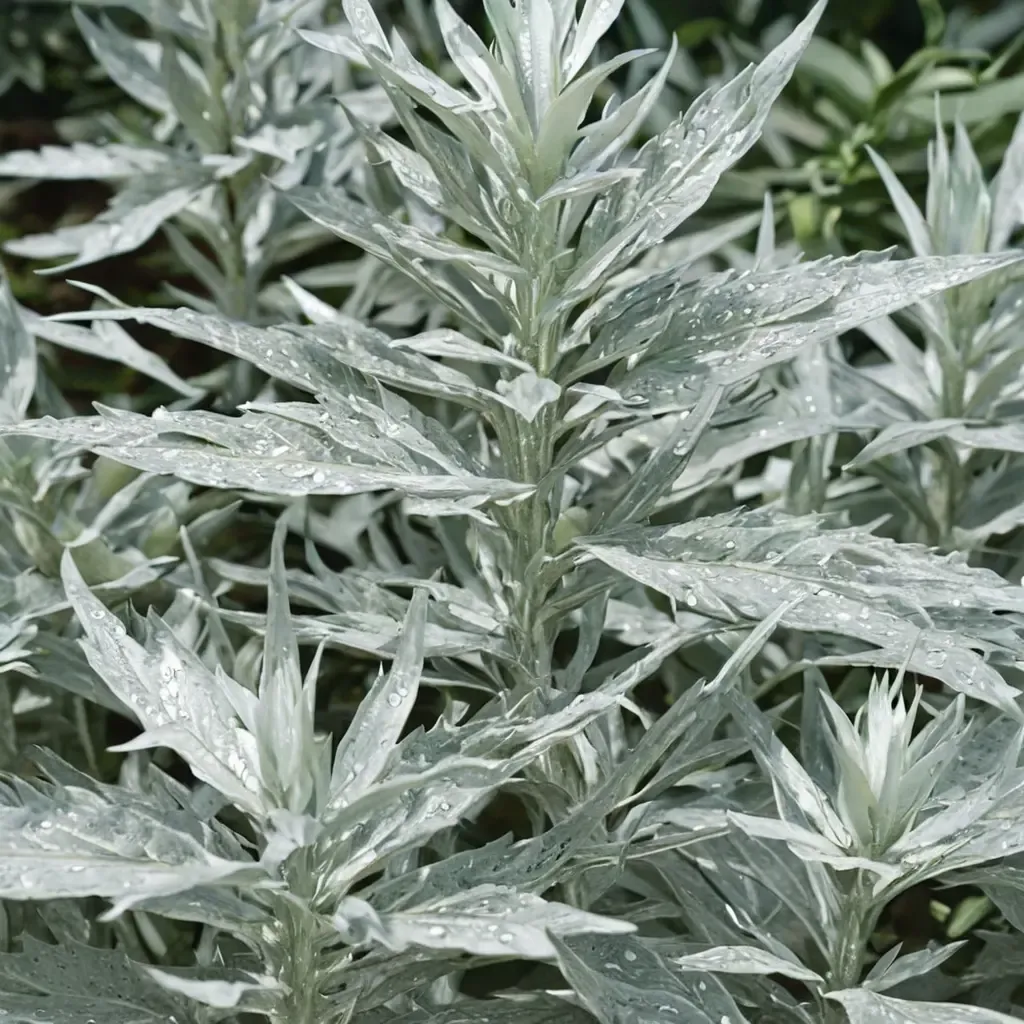
Silver King Artemisia
Artemisia ludoviciana 'Silver King'
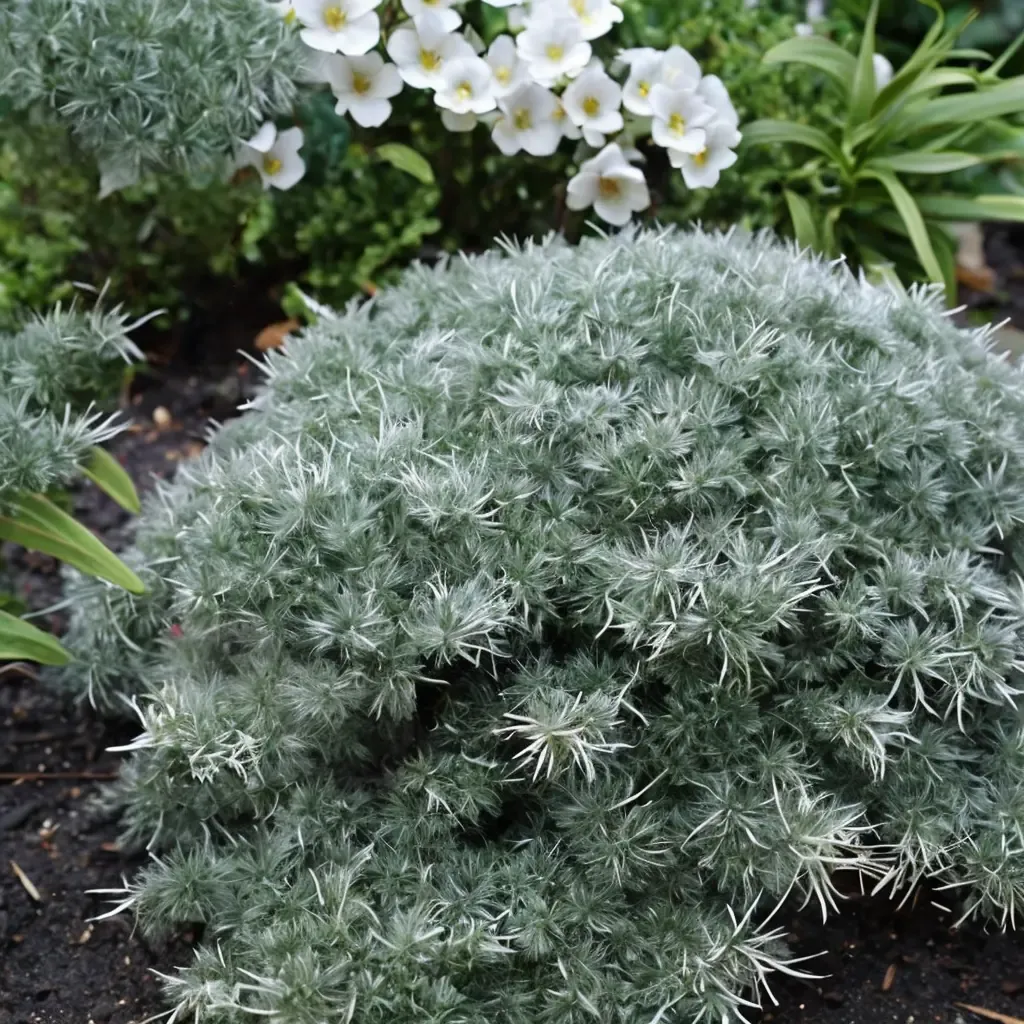
Silver Mound Artemisia
Artemisia schmidtiana 'Nana'
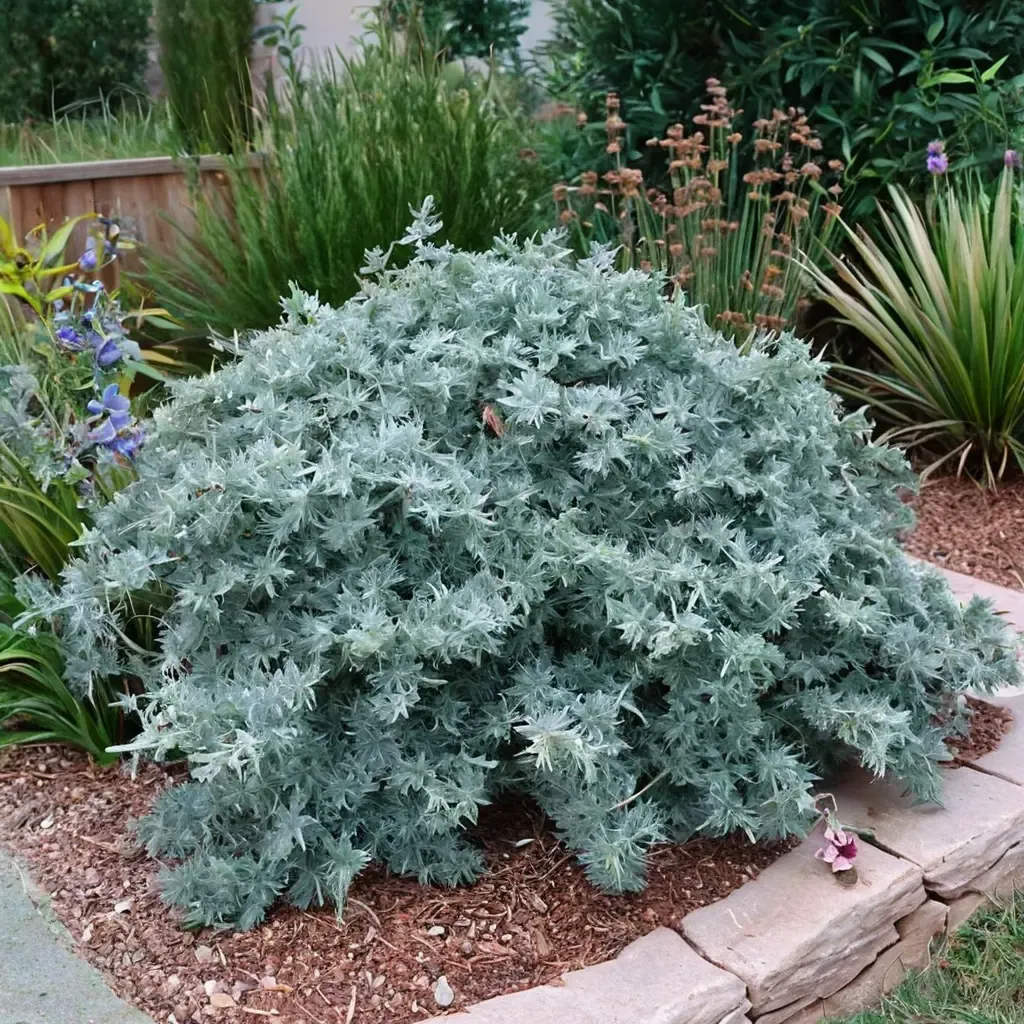
Powis Castle wormwood
Artemisia x hybrida 'Powis Castle'
Keep exploring
Explore the genus
Grow French Tarragon with confidence
See it in a design of your actual yard, get zone-matched care reminders, and track it season by season in your garden journal.