The Story
Plant Bio
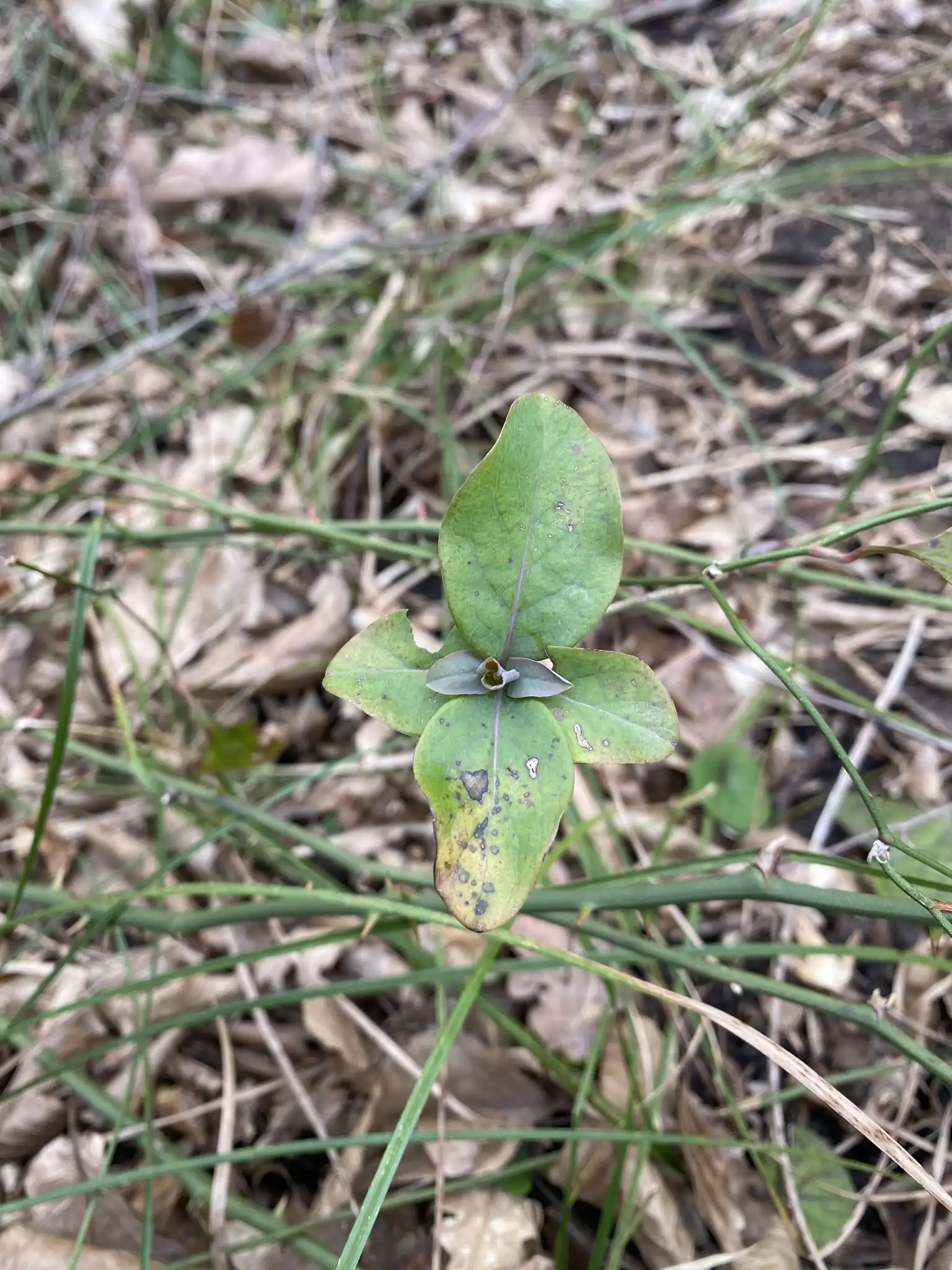
Lonicera caprifolium, the Italian woodbine, is a vigorous deciduous climber that scales supports using a clockwise-twining habit to reach heights of twenty feet. The creamy-white, tubular flowers emerge in summer from the center of distinctive, fused upper leaf pairs that form circular green discs around the stems.
The heavily scented blooms are flushed with pink or dark red on the outside and open at dusk to attract pollinating moths. Following the flowers, small orange-red berries develop in late summer, providing visual interest but containing toxic glycosides that are harmful if ingested.
Uses & Benefits:
Essentials
At a Glance
Plant Type
Vine
Height
236"
Width
118"
Light
Full Sun, Partial Sun
Zones
4, 5, 6, 7, 8
Water
Moderate
Humidity
Moderate
Lifespan
Perennial
Native To
Europe
Toxicity
Toxic to humans and pets if berries are ingested
Bloom period
Summer
In flower about 3 months of the year
Planting
How to Grow
- Select a planting site with moist, well-draining soil where the roots will remain cool and shaded while the upper vines can climb into full sun.
- Install a sturdy trellis, arbor, or wire support system before planting to accommodate the vigorous, twining growth habit.
- Dig a hole twice the width of the root ball, set the plant at its original container depth, and backfill with soil enriched with organic compost.
- Water deeply and regularly during the first growing season to establish a deep, resilient root system.
Pro Tip
Train young twining stems onto supports early to prevent the lower base from becoming bare and woody, and ensure the roots remain shaded while the upper foliage receives full sun.
Keep It Thriving
Care Guide
Do
- Prune immediately after flowering in summer to control size and prevent tangling.
- Apply a balanced organic fertilizer or compost mulch around the root zone in early spring.
- Keep the root zone shaded using low-growing companion plants or a thick layer of organic mulch.
Don't
- Do not prune heavily late in the season, as this removes the buds required for next year's flowers.
- Do not plant in deep, dry shade where the vine will fail to produce flowers.
- Do not allow pets or children to ingest the orange-red berries.
Seasonal Care Calendar
| Task | Jan | Feb | Mar | Apr | May | Jun | Jul | Aug | Sep | Oct | Nov | Dec |
|---|---|---|---|---|---|---|---|---|---|---|---|---|
| Fertilize | ||||||||||||
| Mulch | ||||||||||||
| Pest Check | ||||||||||||
| Prune |
Watch Out For
Pests & Diseases
Common Pests
Common Diseases
In the Garden
Landscape Uses & Companions
Landscape Uses
Multiply
Propagation Methods
Good to Know
Common Questions
Italian Woodbine questions
What zones can Italian Woodbine grow in?
Italian Woodbine is hardy in USDA Zones 4–8. Inside that range it survives winter in the ground; outside it, grow it as an annual or a container plant you protect.
When does Italian Woodbine bloom?
Italian Woodbine typically blooms in summer through summer. Exact timing shifts a week or two with your zone — Sow's bloom calendar maps it to your garden.
Does Italian Woodbine need full sun?
Italian Woodbine does best in full sun to part shade. In hot climates, afternoon shade keeps blooms fresher longer.
Is Italian Woodbine drought tolerant?
Yes — once established (usually after the first full season), Italian Woodbine handles dry spells with minimal watering. Water deeply its first year to build the root system that makes that possible.
More Lonicera to compare
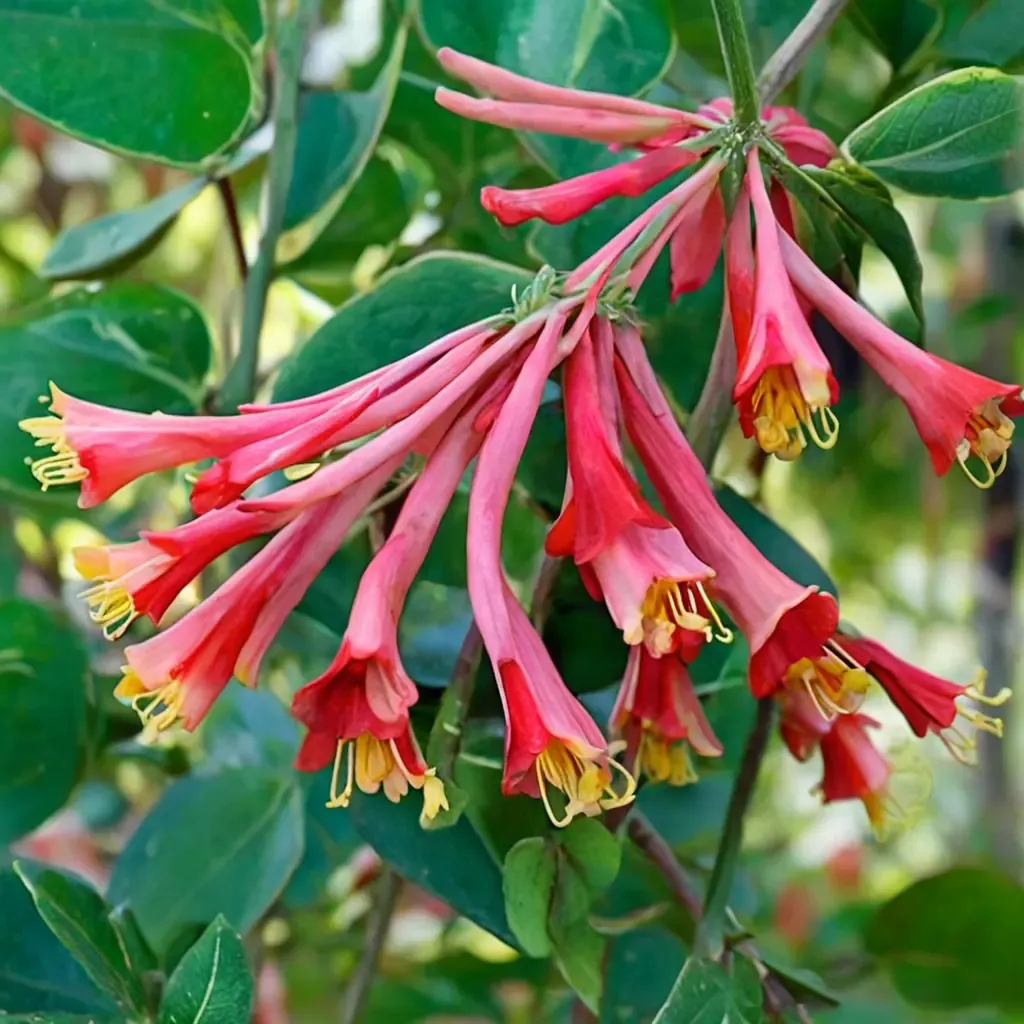
Coral Honeysuckle
Lonicera sempervirens 'Coral Honeysuckle'
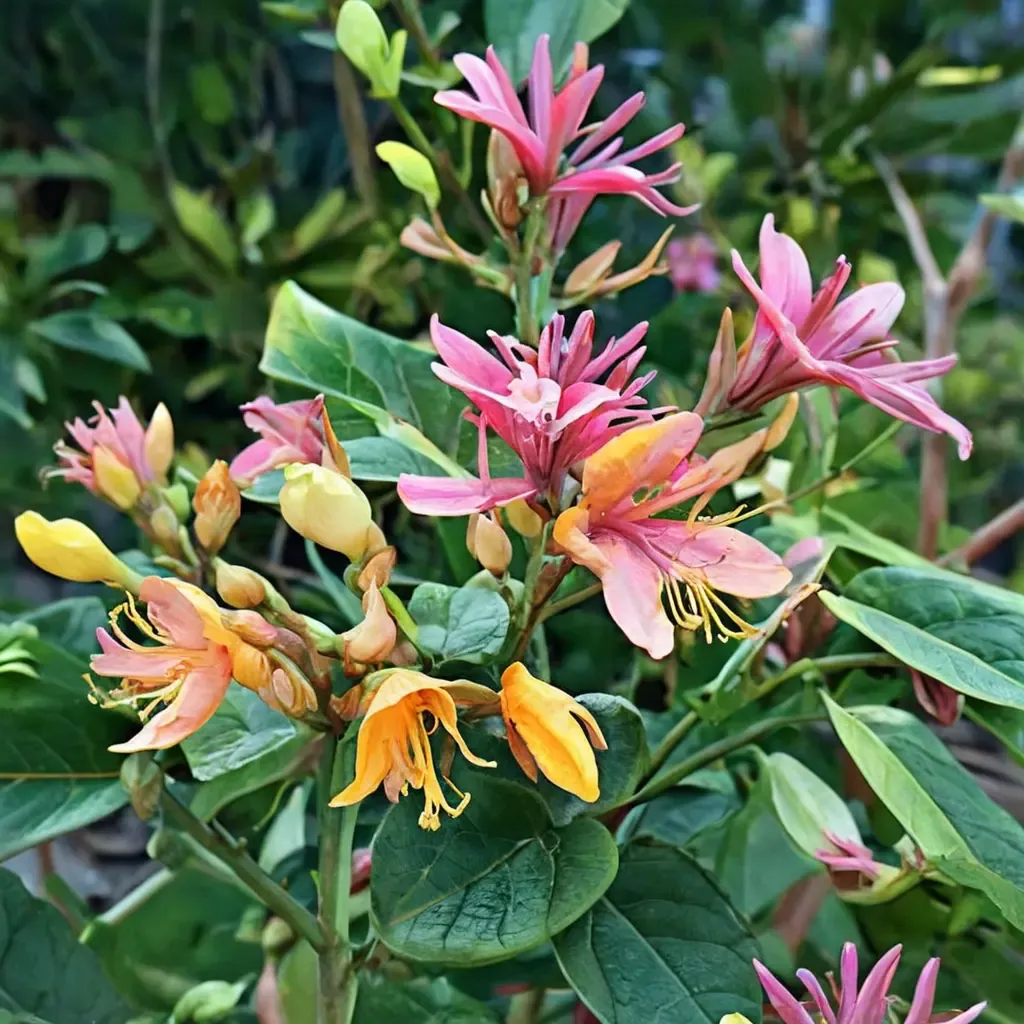
Goldflame Honeysuckle
Lonicera x heckrottii 'Goldflame'
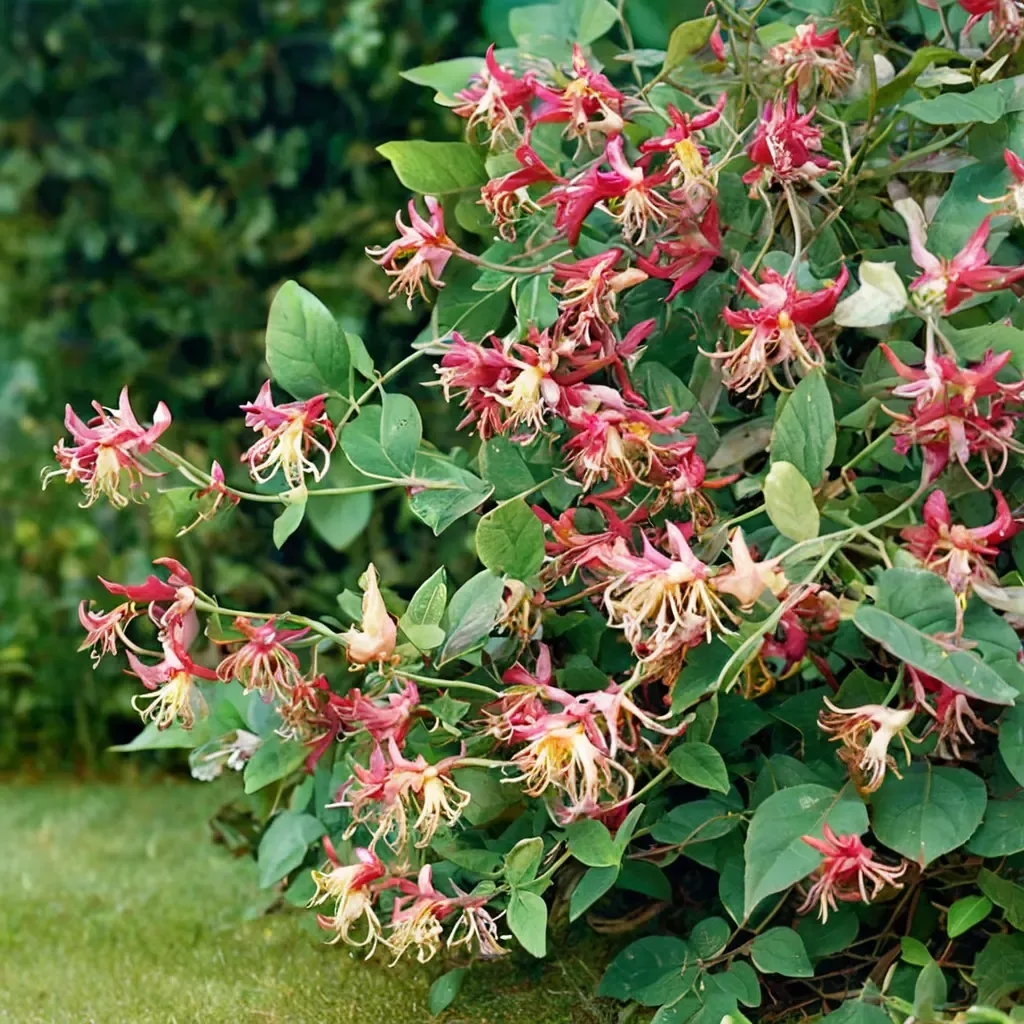
Late Dutch Honeysuckle
Lonicera serotina
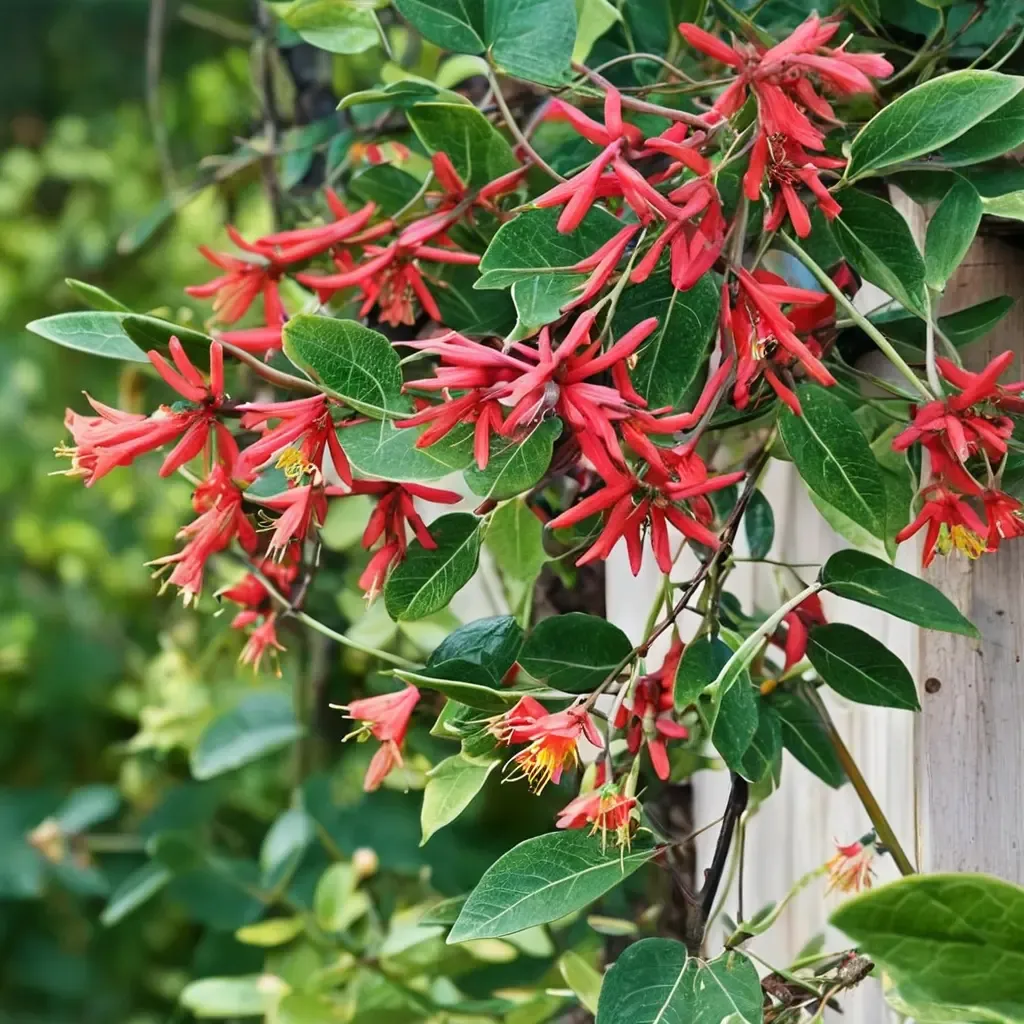
Major Wheeler honeysuckle
Lonicera sempervirens 'Major Wheeler'
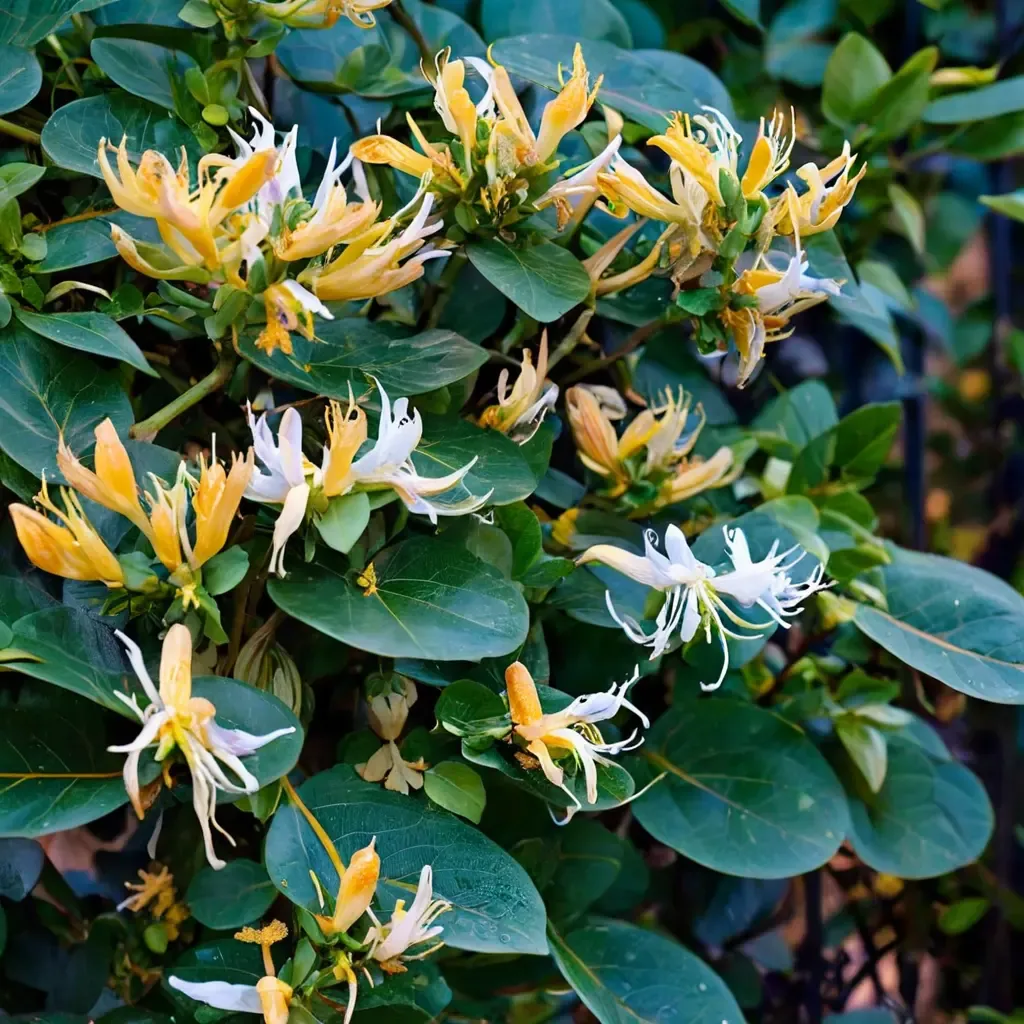
Japanese Honeysuckle
Lonicera japonica
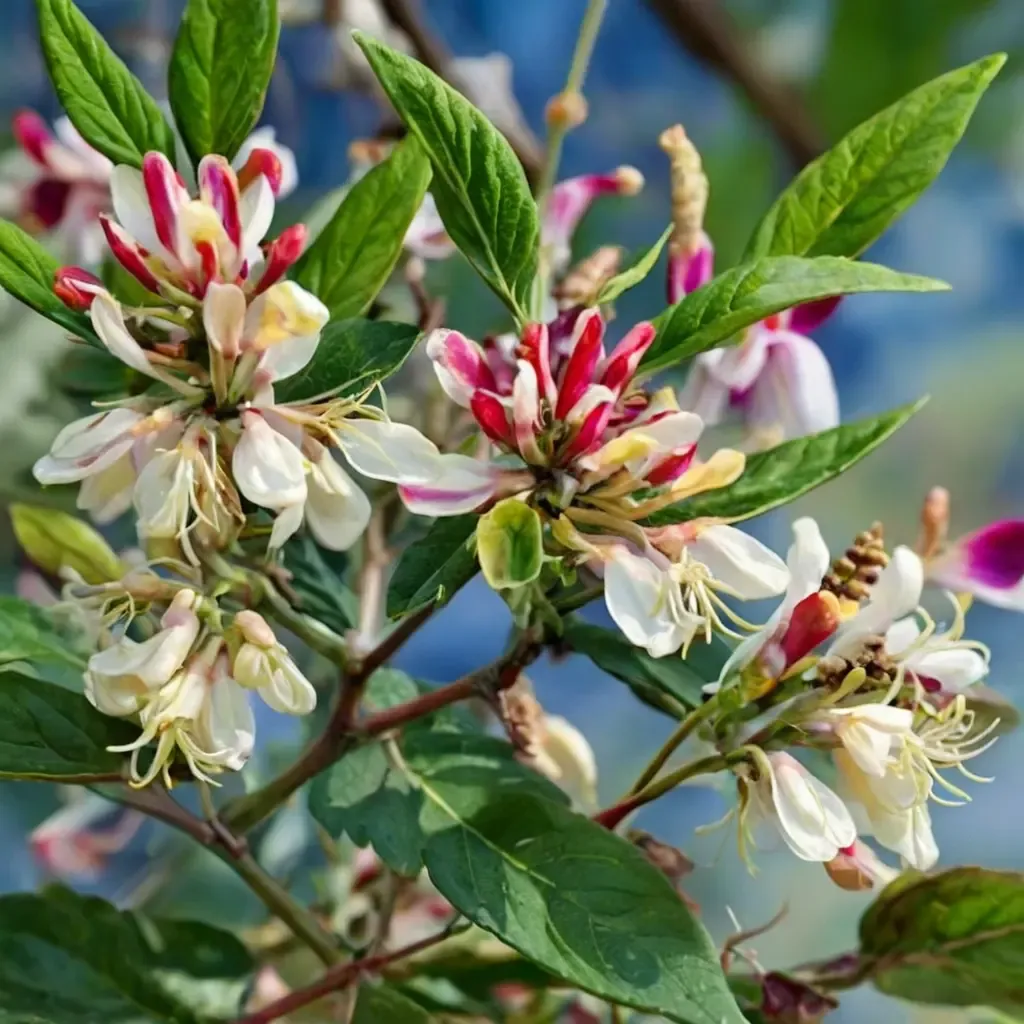
Winter Honeysuckle
Lonicera fragrantissima 'Fragrant Cloud'
Keep exploring
Explore the genus
Hardy in your zone?
Grow Italian Woodbine with confidence
See it in a design of your actual yard, get zone-matched care reminders, and track it season by season in your garden journal.