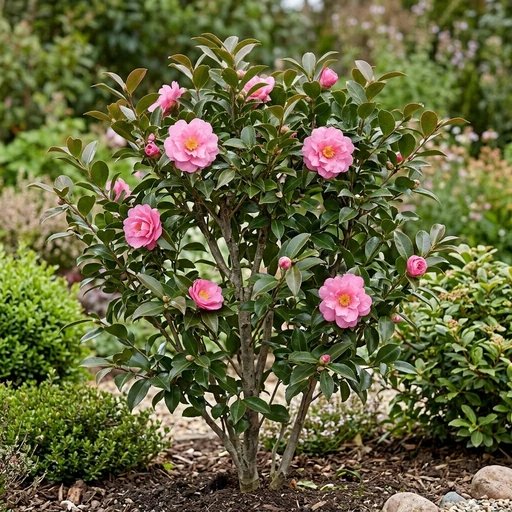
Species
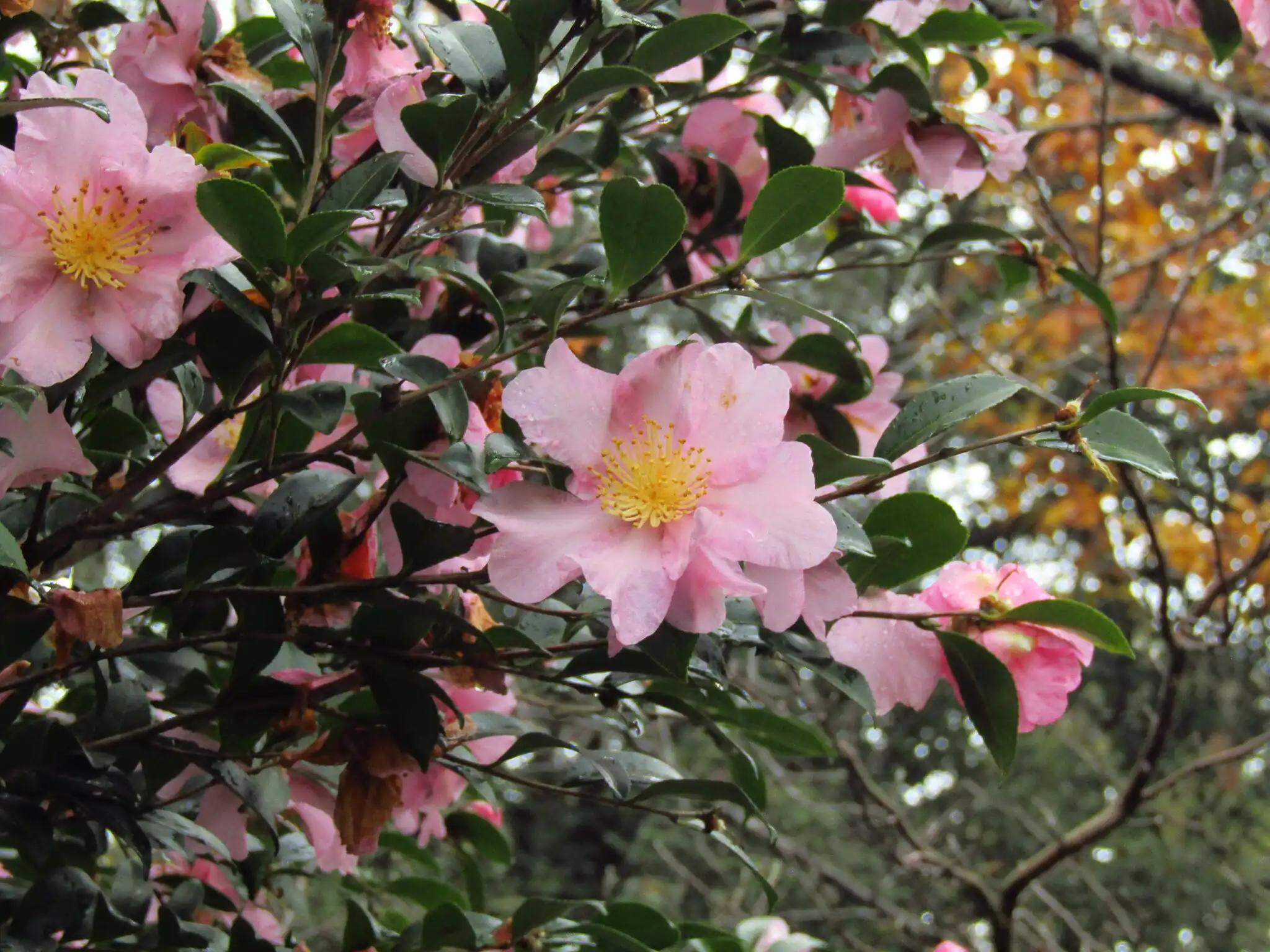 Camellia sasanquaSasanqua Camellia
38 other cultivars
 ‘Setsugekka’Setsugekka Camellia
 ‘Yuletide’Yuletide Camellia
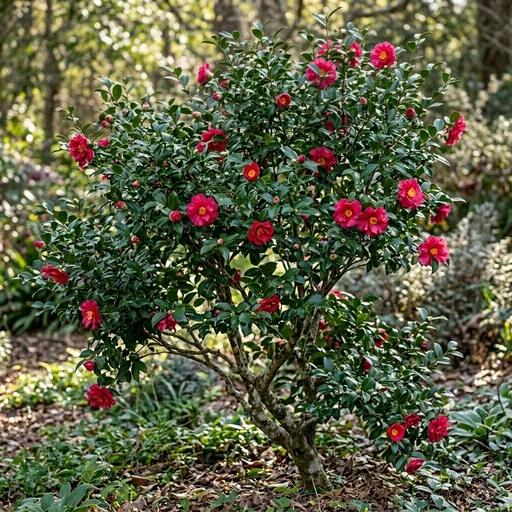 ‘Bonanza’Bonanza Camellia
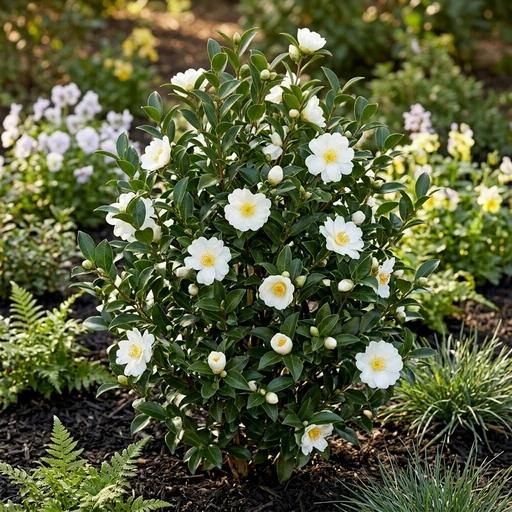 ‘October Magic Ivory’October Magic Ivory Camellia
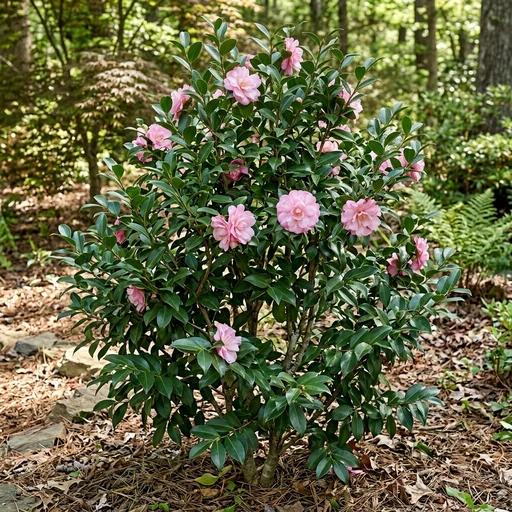 ‘Cotton Candy’Cotton Candy Camellia
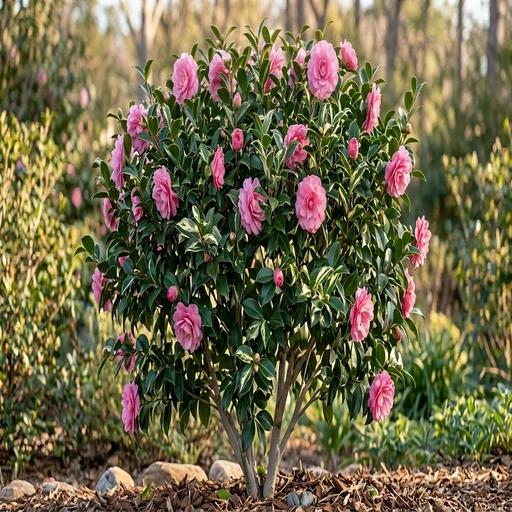 ‘Our Linda’Our Linda Sasanqua Camellia
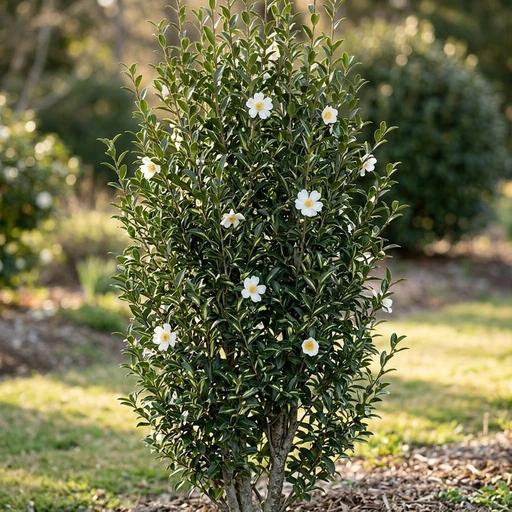 ‘Slim 'N Trim’Slim 'n Trim Camellia
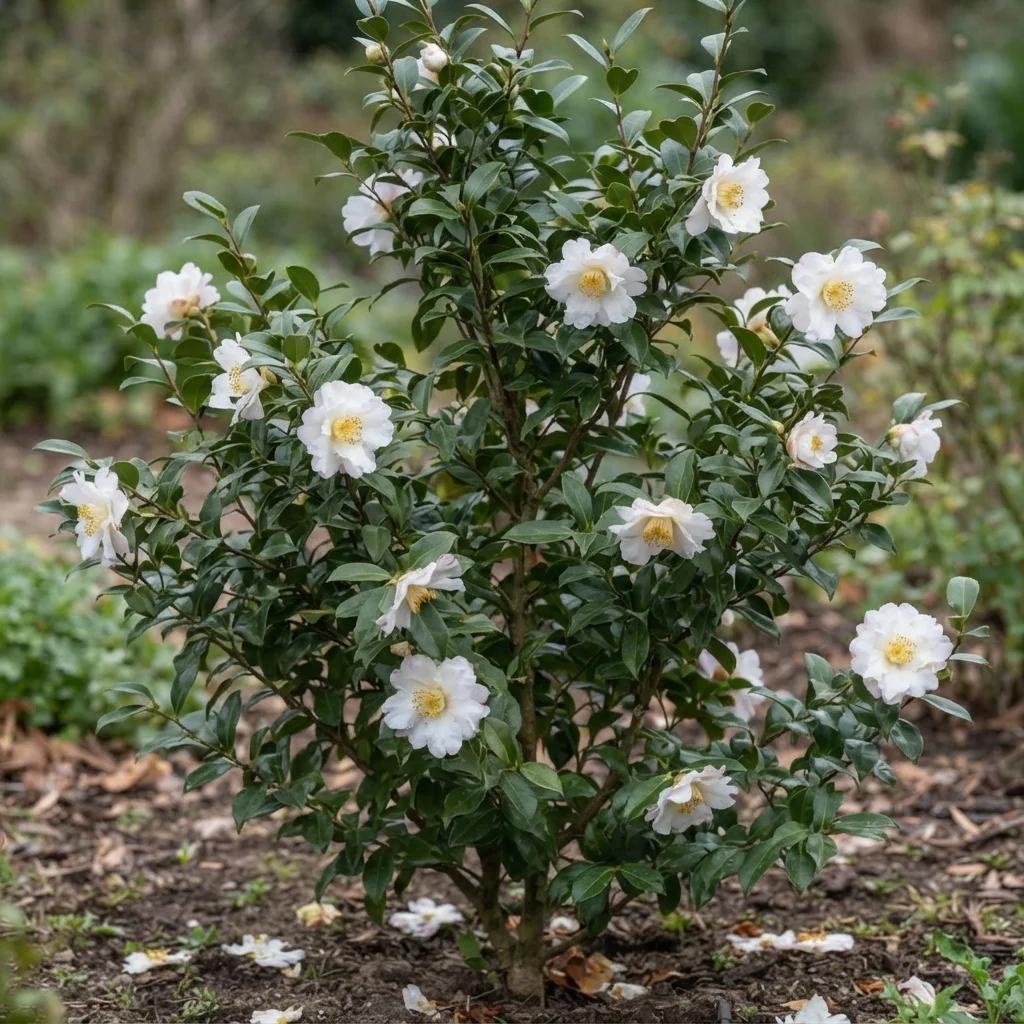 ‘Setsugekka’Sasanqua Camellia
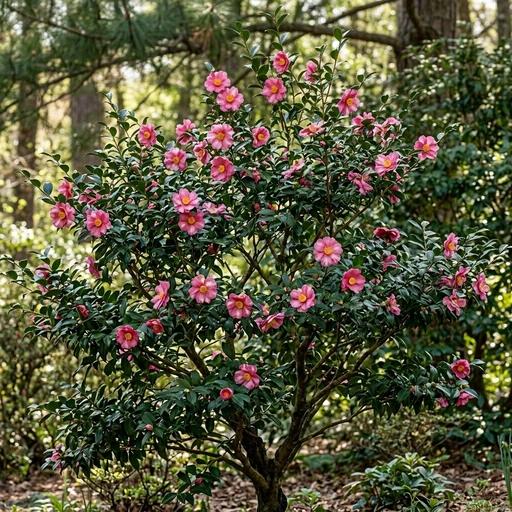 ‘William Lanier Hunt’William Lanier Hunt Sasanqua Camellia
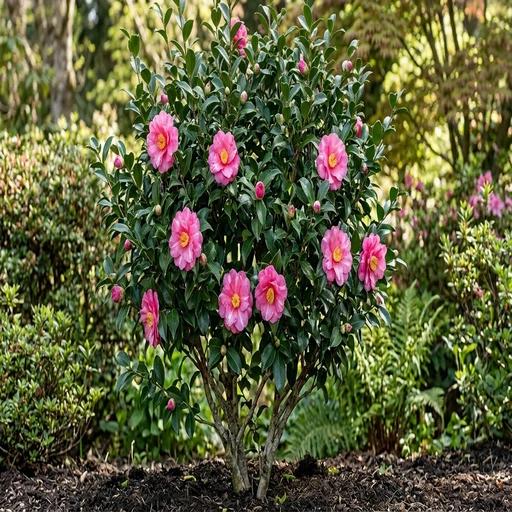 ‘Leslie Ann’Leslie Ann Sasanqua Camellia
 ‘Autumn Rocket’Autumn Rocket Camellia
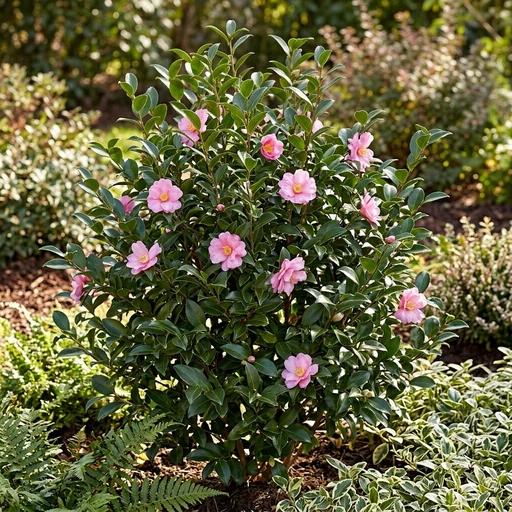 ‘Cleopatra’Cleopatra Camellia
 ‘Sparkling Burgundy’Sparkling Burgundy Camellia
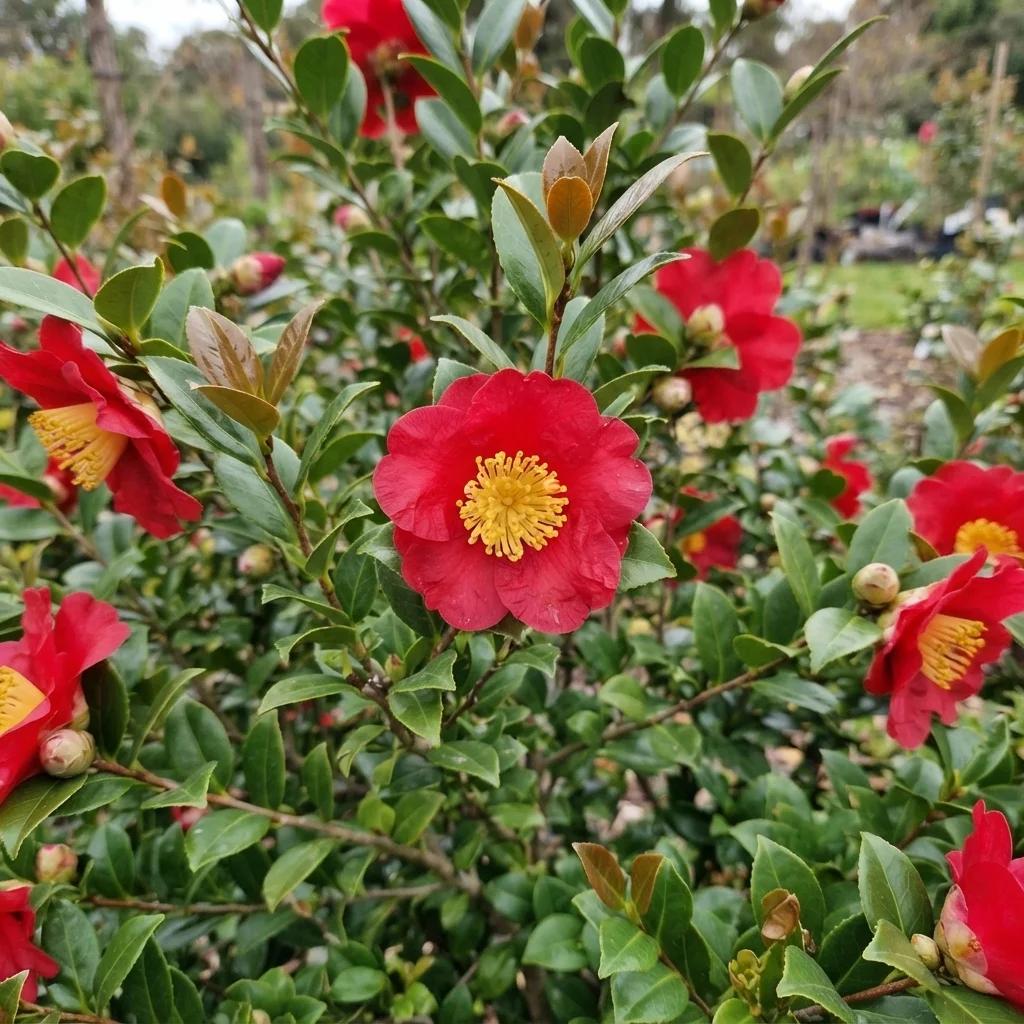 ‘Yuletide’Sasanqua Camellia
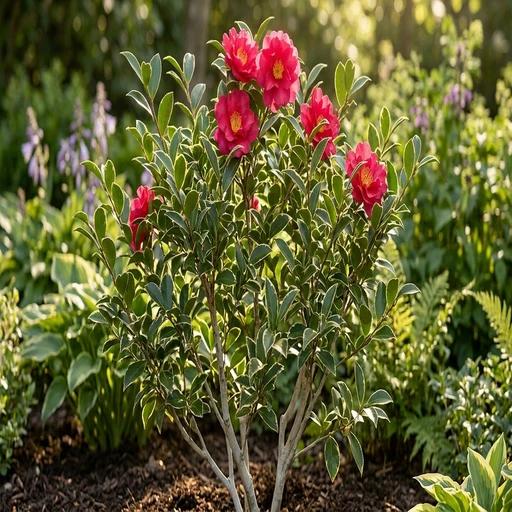 ‘Hot Flash’Hot Flash Camellia
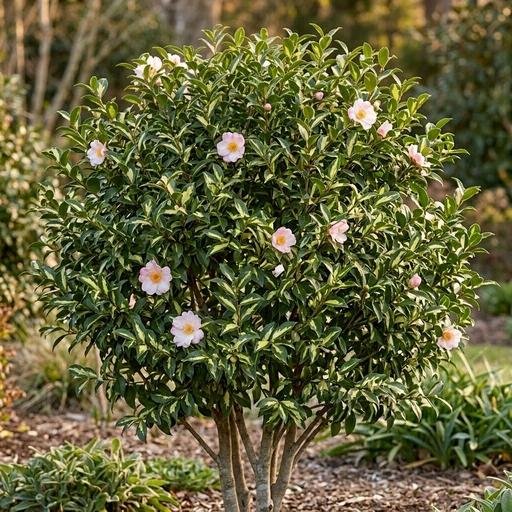 ‘Susy Dirr’Susy Dirr Sasanqua Camellia
 ‘Hana-Jiman’Hana Jiman Camellia
 ‘Mine-No-Yuki’Mine-No-Yuki Camellia
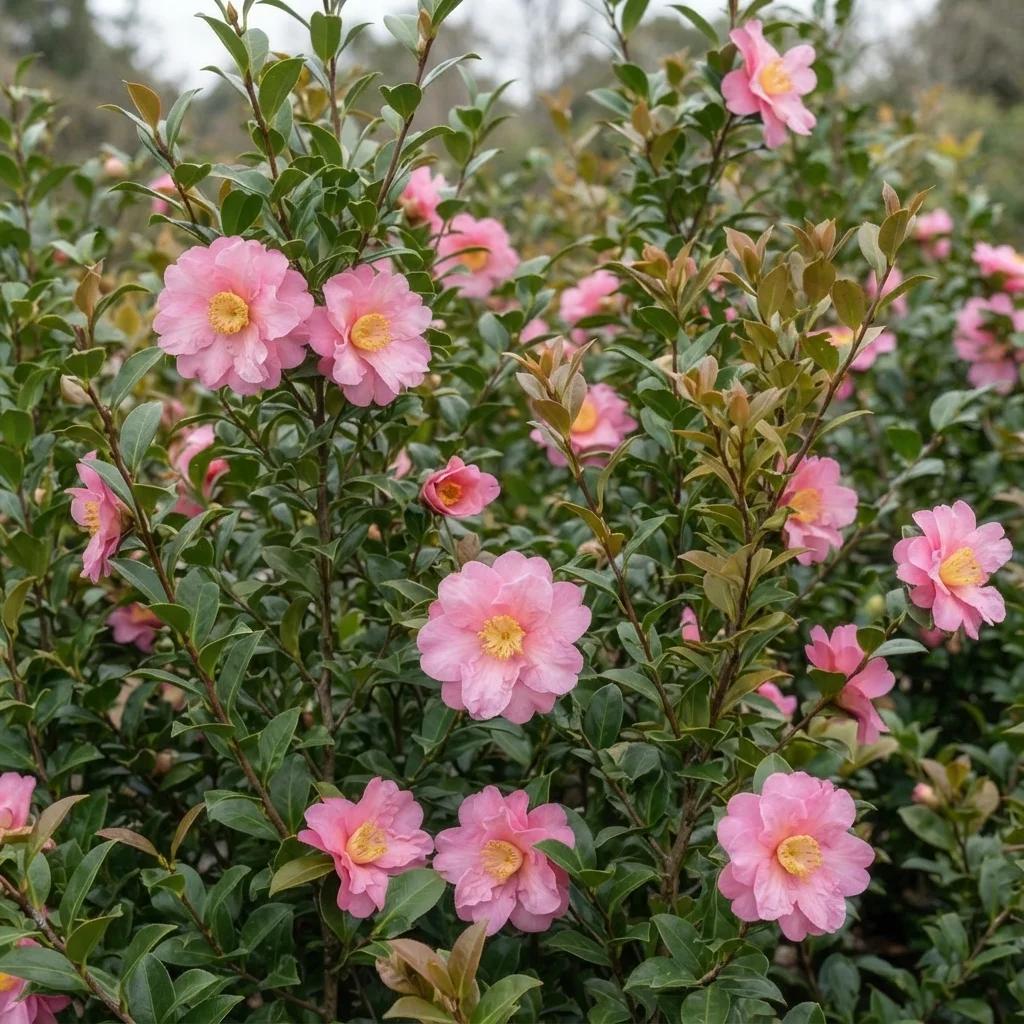 ‘Jennifer Susan’Sasanqua Camellia 'Jennifer Susan'
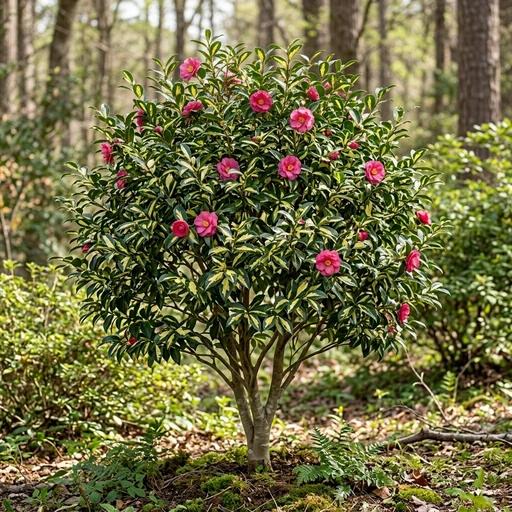 ‘Alabama Beauty’Alabama Beauty Camellia
 ‘Green 94-035’October Magic Bride Camellia
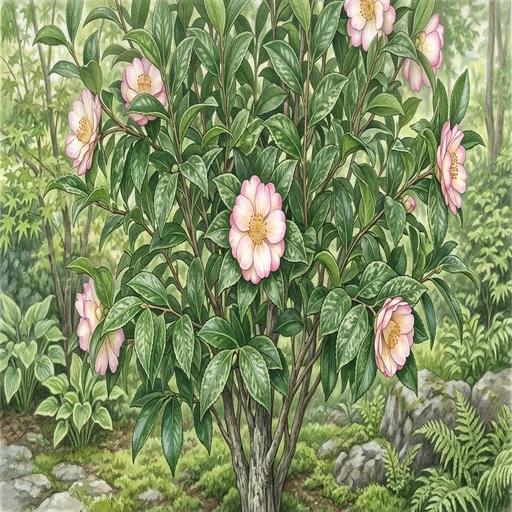 ‘Brandy'S Temper’Brandy's Temper Sasanqua Camellia
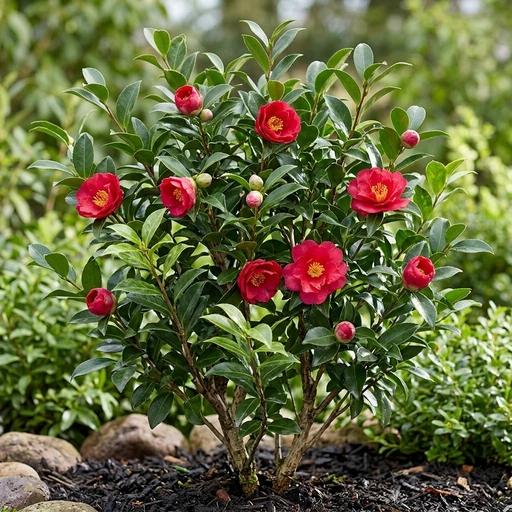 ‘October Magic’October Magic Ruby Camellia
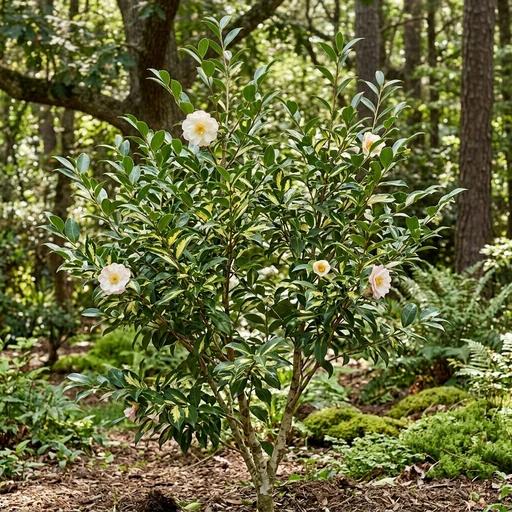 ‘Northern Exposure’Northern Exposure Camellia
 ‘Early Pearly’Sasanqua Camellia
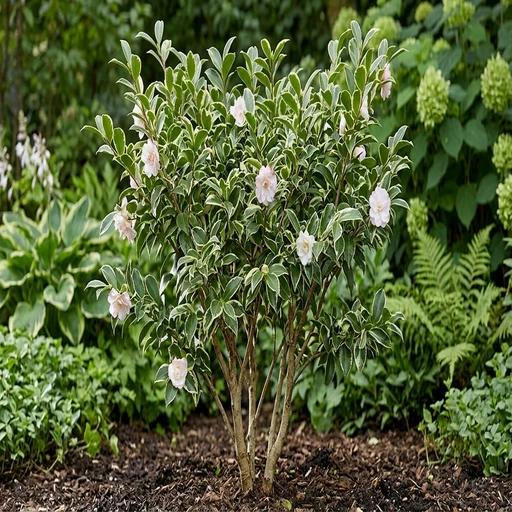 ‘Northern Lights’Northern Lights Sasanqua Camellia
 ‘Paradise Blush’Sasanqua Camellia
 ‘Royal Flush Shi Shi’Royal Flush Shi Shi Camellia
 ‘October Magic Orchid’October Magic Orchid Camellia
 ‘October Magic Inspiration’Sasanqua Camellia
 ‘October Magic White Shi-Shi’October Magic White Shi-Shi Camellia
 ‘October Magic Devotion’Sasanqua Camellia
 ‘October Magic Carpet’October Magic Carpet Camellia
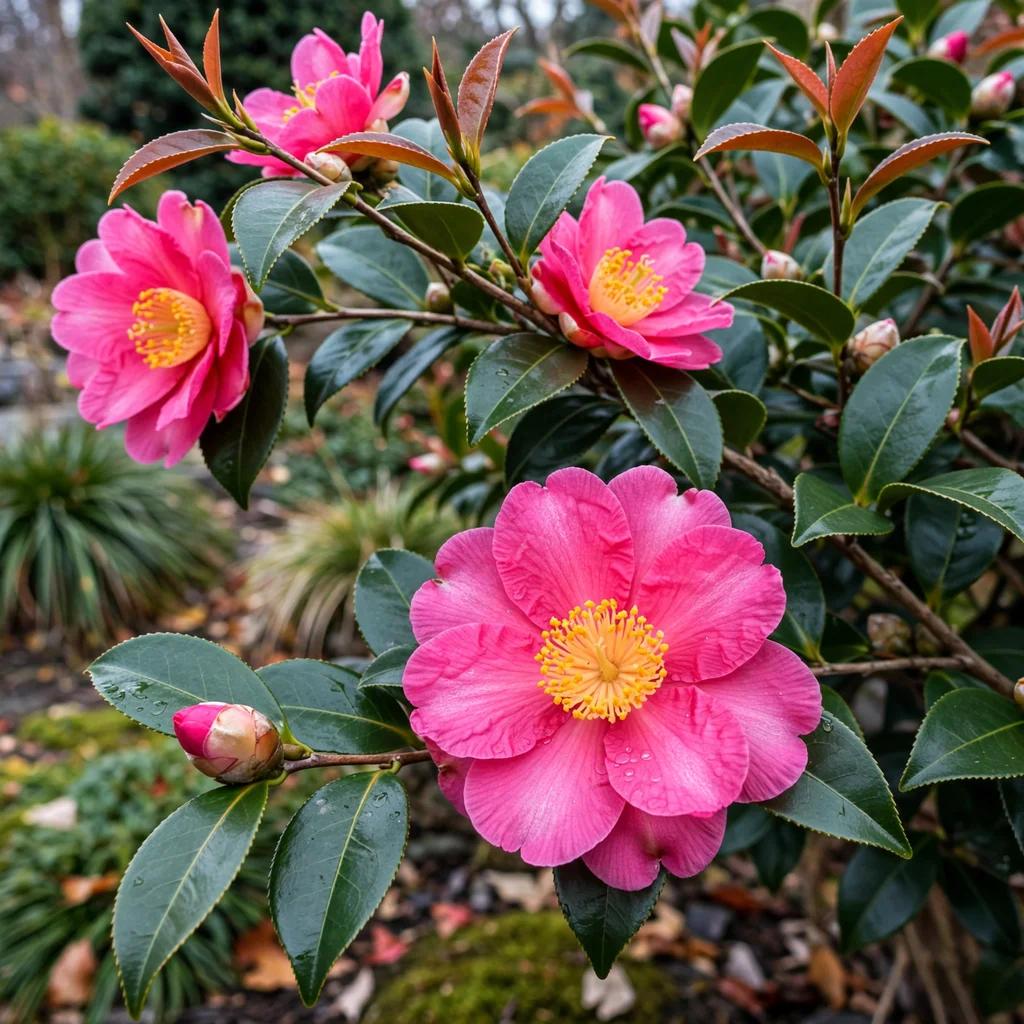 ‘Kanjiro’Sasanqua Camellia
 ‘Christmas Carol’Christmas Carol Camellia
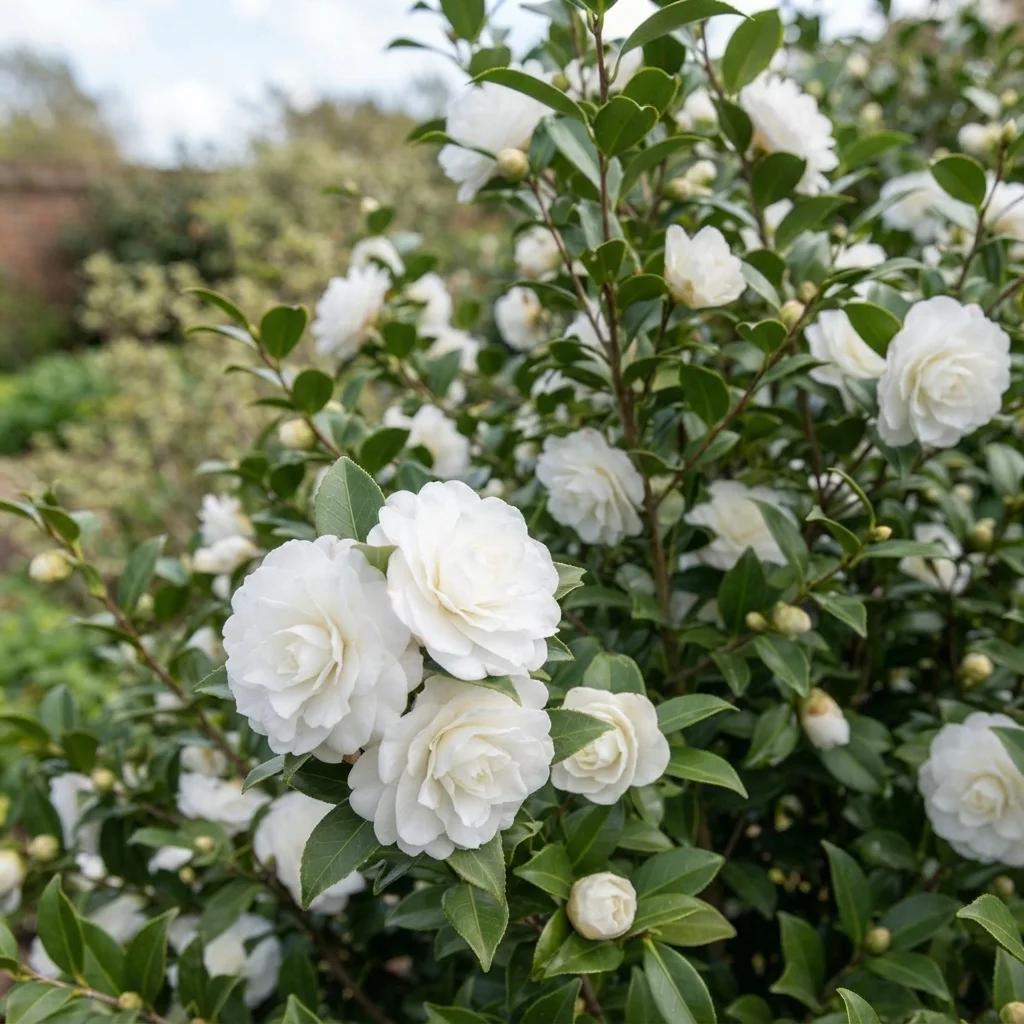 ‘Autumn Moon’Autumn Moon Camellia
 ‘October Magic Dawn’Sasanqua Camellia
 ‘Marge Miller’Sasanqua Camellia
The Story
Plant Bio
Camellia sasanqua is an evergreen shrub with smaller leaves and a more open habit than C. japonica. They are valued for their profuse fall to early winter blooms and greater sun tolerance.
'Pink Snow' is aptly named for its shower of semi-double, light pink flowers that fade to almost white at the edges. It has a vigorous, upright and spreading habit.
Uses & Benefits:
Essentials
At a Glance
Plant Type
Shrub
Height
96"
Width
96"
Light
Full Sun, Partial Sun
Zones
7, 8, 9
Water
Medium
Humidity
Prefers high humidity
Lifespan
50+ years
Native To
Japan
Toxicity
Non-toxic to humans and pets
Bloom period
Mid-fall – Late fall
In flower about 2 months of the year
Planting
How to Grow
- Select a site with acidic, well-drained soil and good sun exposure.
- Dig a hole twice the width of the root ball.
- Plant with the top of the root ball slightly above soil level.
- Backfill with native or amended soil, tamping gently.
- Water deeply to settle the soil and hydrate the roots.
- Apply a 2-3 inch layer of mulch, keeping it away from the stem.
Pro Tip
Plant where the falling petals can create a beautiful 'snowdrift' of pink on the ground for an extended seasonal effect.
Keep It Thriving
Care Guide
Do
- Provide consistent moisture, especially during the first year.
- Fertilize in spring with a formula for acid-loving plants.
- Prune after flowering in winter to maintain shape and density.
- Plant in a location with good air circulation to discourage disease.
Don't
- Do not plant too deep; this is a primary cause of failure.
- Avoid letting the soil become completely bone-dry.
- Don't fertilize late in the season, as this can push tender new growth.
- Never pile mulch up against the main stem of the plant.
Seasonal Care Calendar
| Task | Jan | Feb | Mar | Apr | May | Jun | Jul | Aug | Sep | Oct | Nov | Dec |
|---|---|---|---|---|---|---|---|---|---|---|---|---|
| Fertilize | ||||||||||||
| Mulch | ||||||||||||
| Pest Check | ||||||||||||
| Prune |
Watch Out For
Pests & Diseases
Common Pests
Common Diseases
In the Garden
Landscape Uses & Companions
Landscape Uses
Multiply
Propagation Methods
Good to Know
Common Questions
Pink Snow Sasanqua Camellia questions
What zones can Pink Snow Sasanqua Camellia grow in?
Pink Snow Sasanqua Camellia is hardy in USDA Zones 7–9. Inside that range it survives winter in the ground; outside it, grow it as an annual or a container plant you protect.
Is Pink Snow Sasanqua Camellia deer resistant?
Yes — Pink Snow Sasanqua Camellia is rated deer-resistant. Deer typically pass it over, though extreme hunger can override any plant's defenses.
When does Pink Snow Sasanqua Camellia bloom?
Pink Snow Sasanqua Camellia typically blooms in mid-fall through late fall. Exact timing shifts a week or two with your zone — Sow's bloom calendar maps it to your garden.
Does Pink Snow Sasanqua Camellia need full sun?
Pink Snow Sasanqua Camellia does best in full sun to part shade. In hot climates, afternoon shade keeps blooms fresher longer.
More Camellia to compare
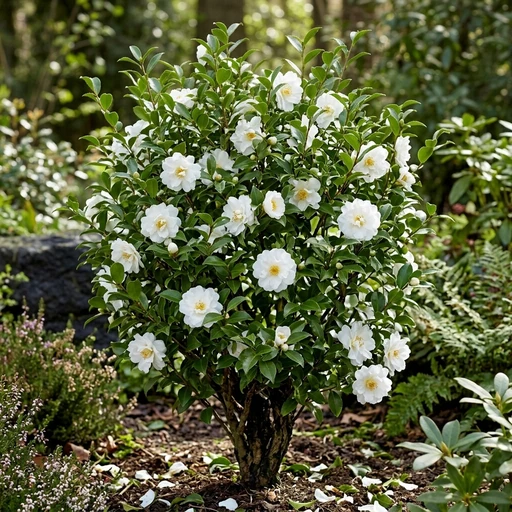
Setsugekka Camellia
Camellia sasanqua 'Setsugekka'
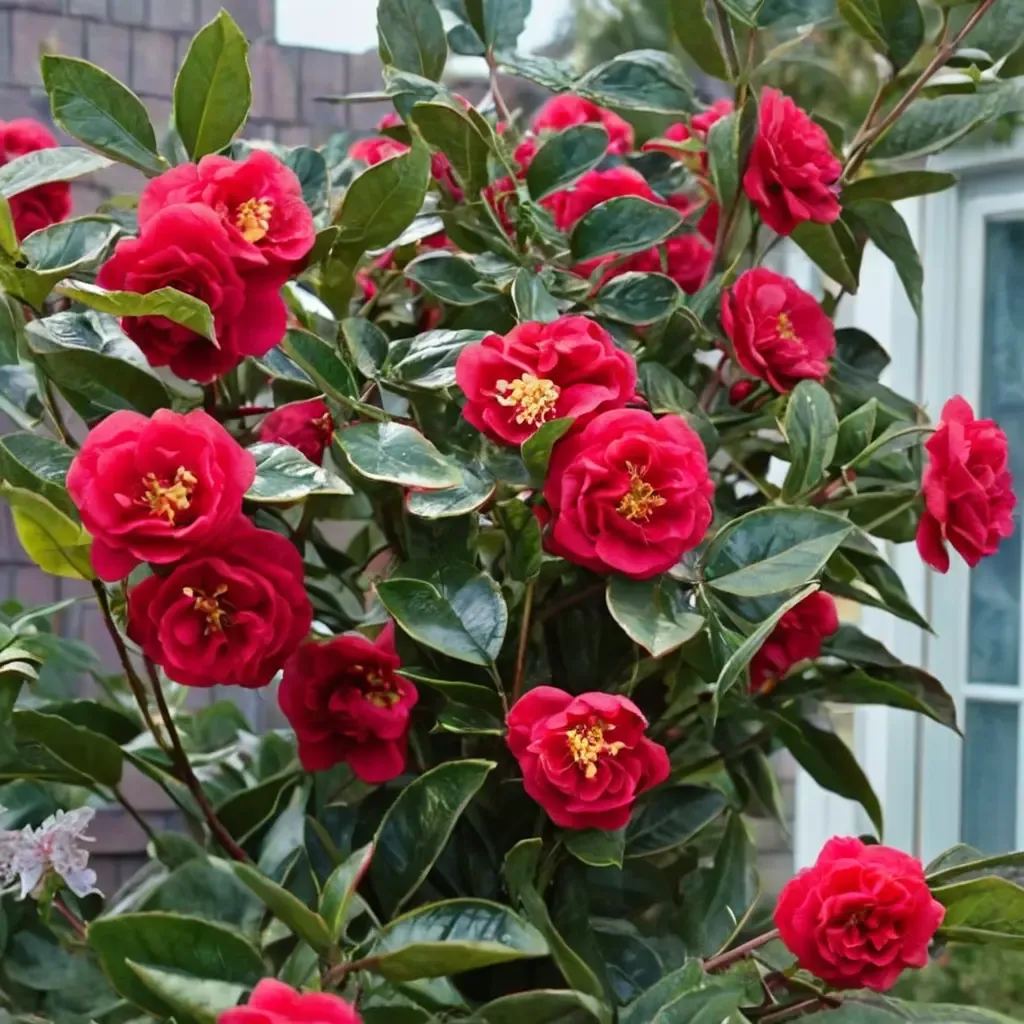
Kramer's Supreme Camellia
Camellia japonica 'Kramer's Supreme'
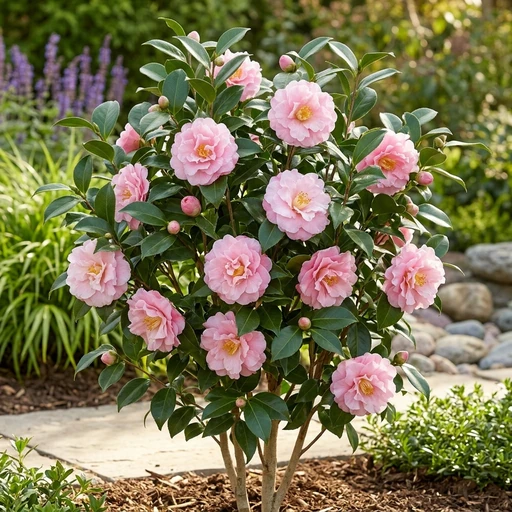
High Fragrance Camellia
Camellia x hybrida 'High Fragrance'
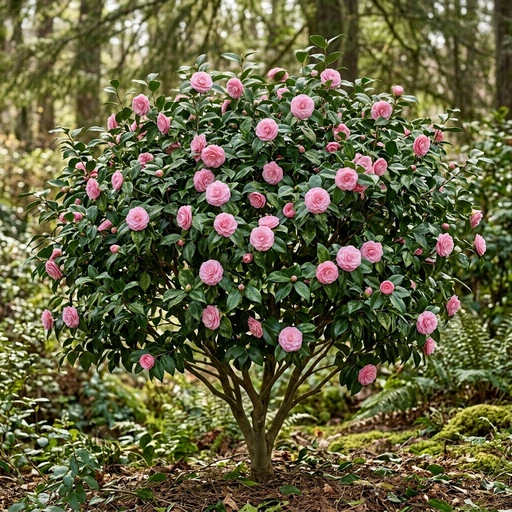
Early Wonder Camellia
Camellia japonica 'Early Wonder'
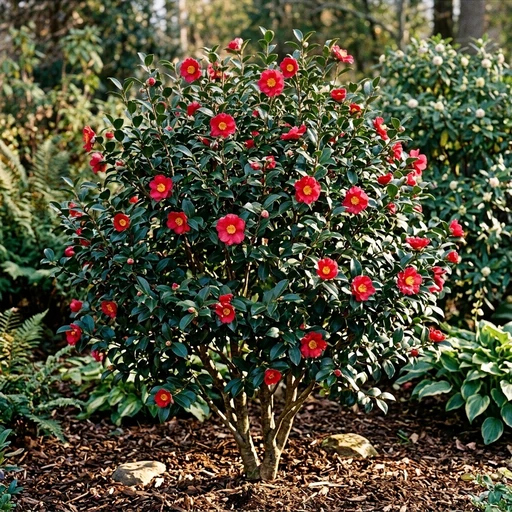
Yuletide Camellia
Camellia sasanqua 'Yuletide'
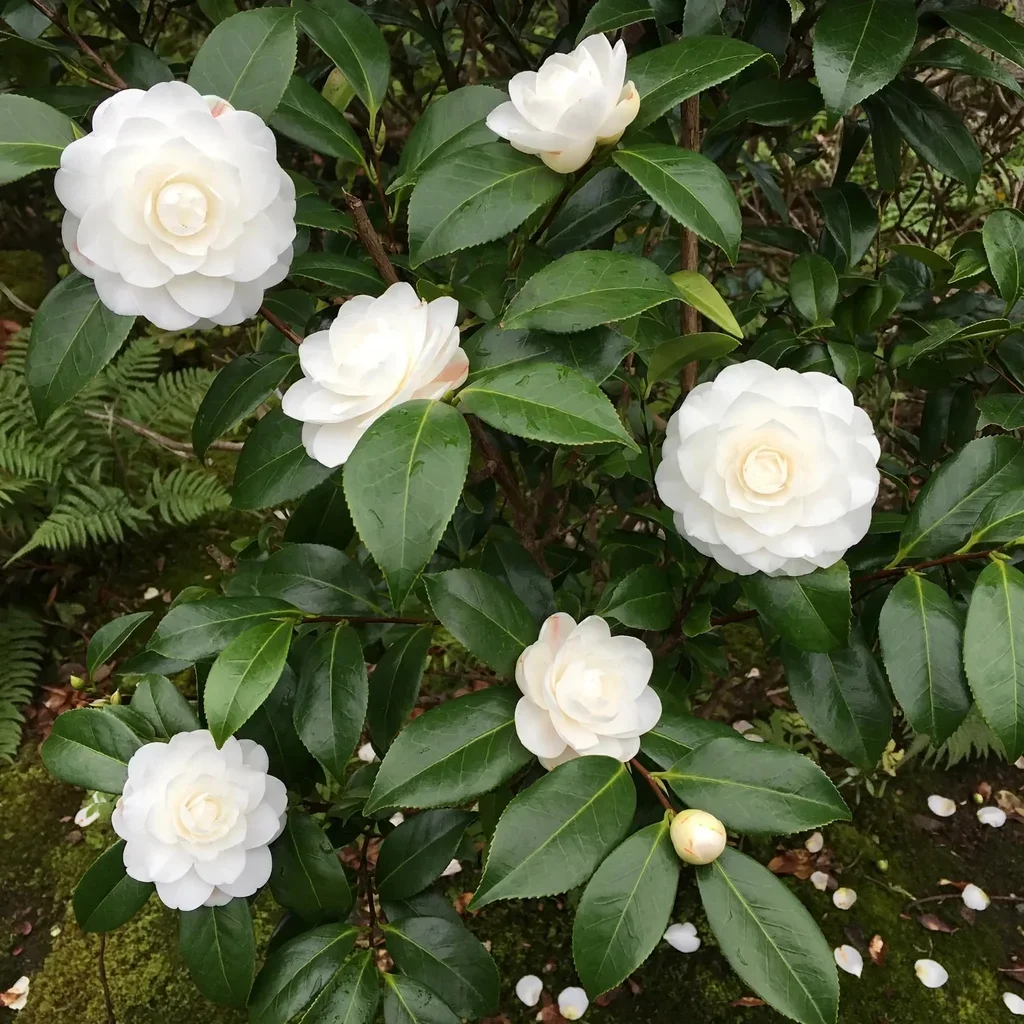
Sea Foam Camellia
Camellia japonica 'Sea Foam'
Keep exploring
Explore the genus
Hardy in your zone?
Grow Pink Snow Sasanqua Camellia with confidence
See it in a design of your actual yard, get zone-matched care reminders, and track it season by season in your garden journal.