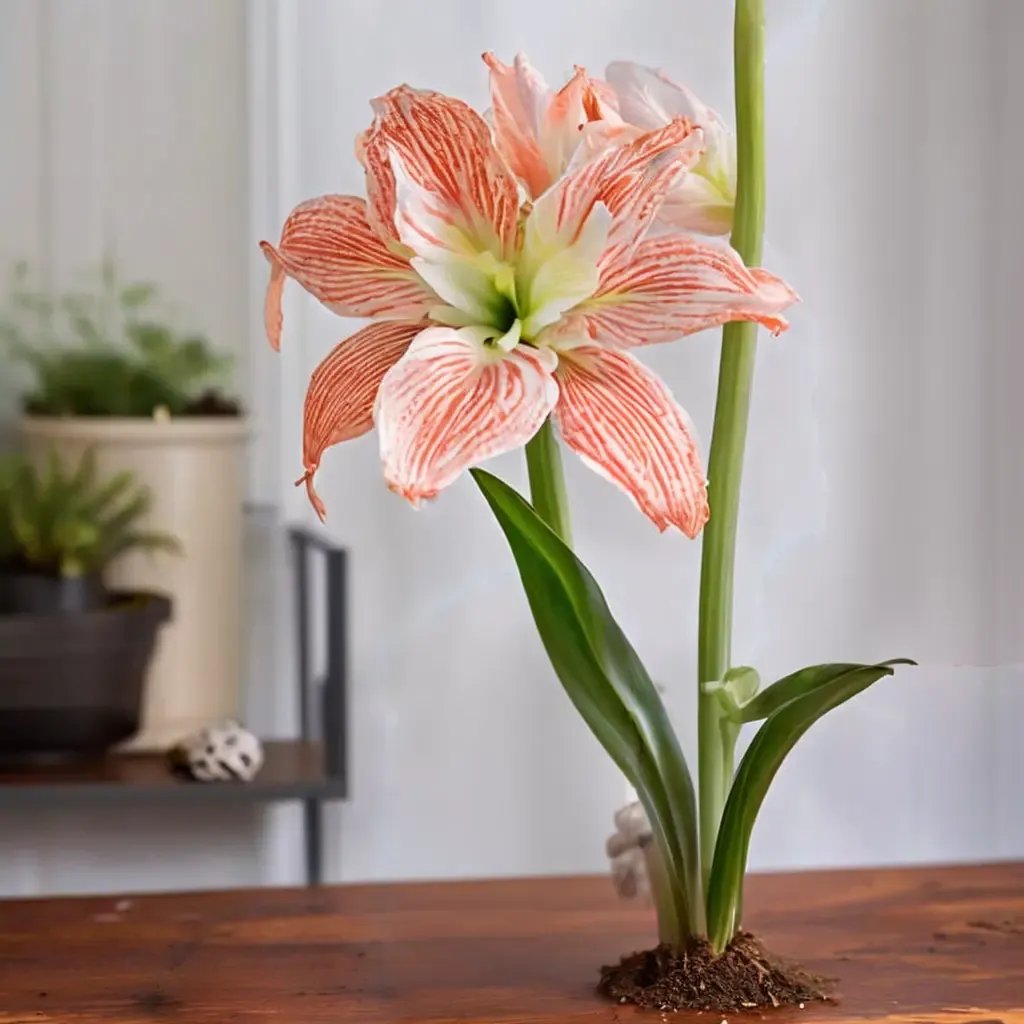
Garden hybrid
 Hippeastrum x hybridaAmaryllis
19 other cultivars
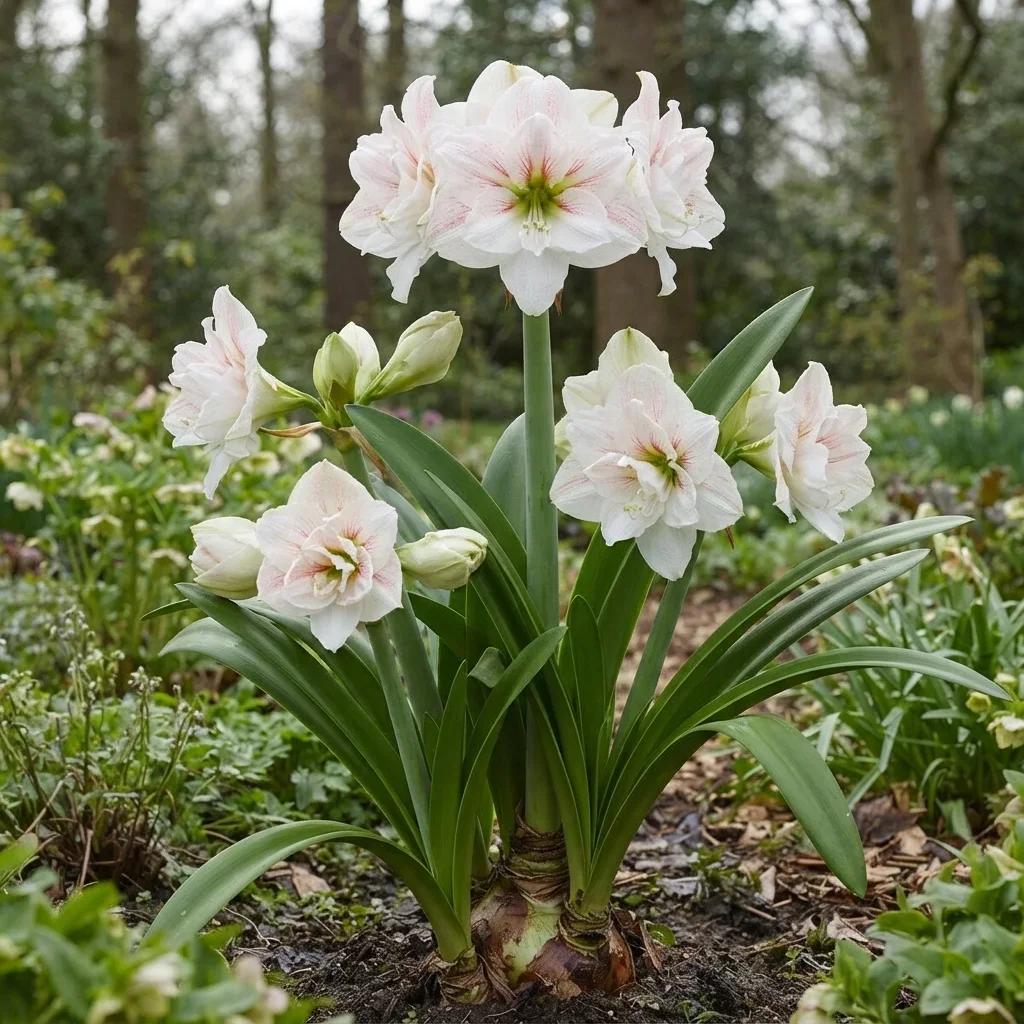 ‘Aquaro’Aquaro Amaryllis
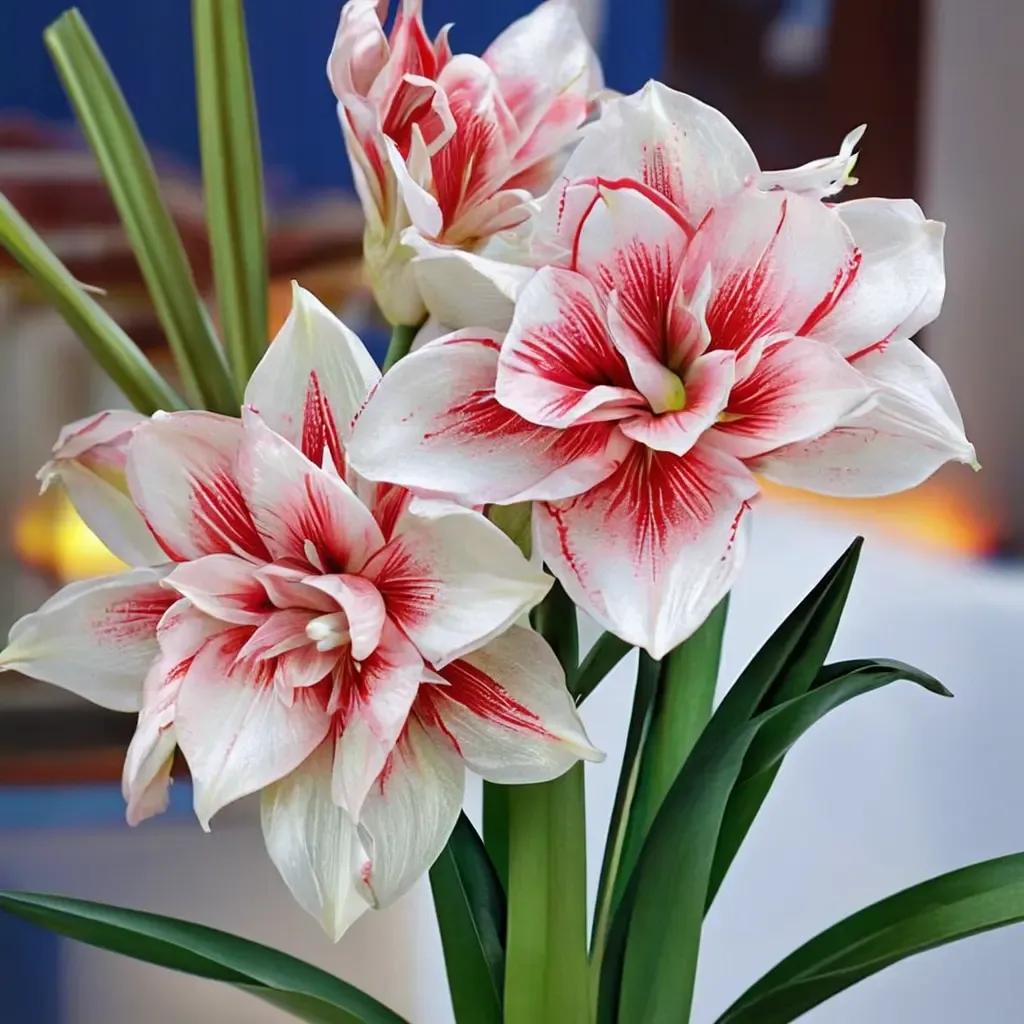 ‘Elvas’Elvas Amaryllis
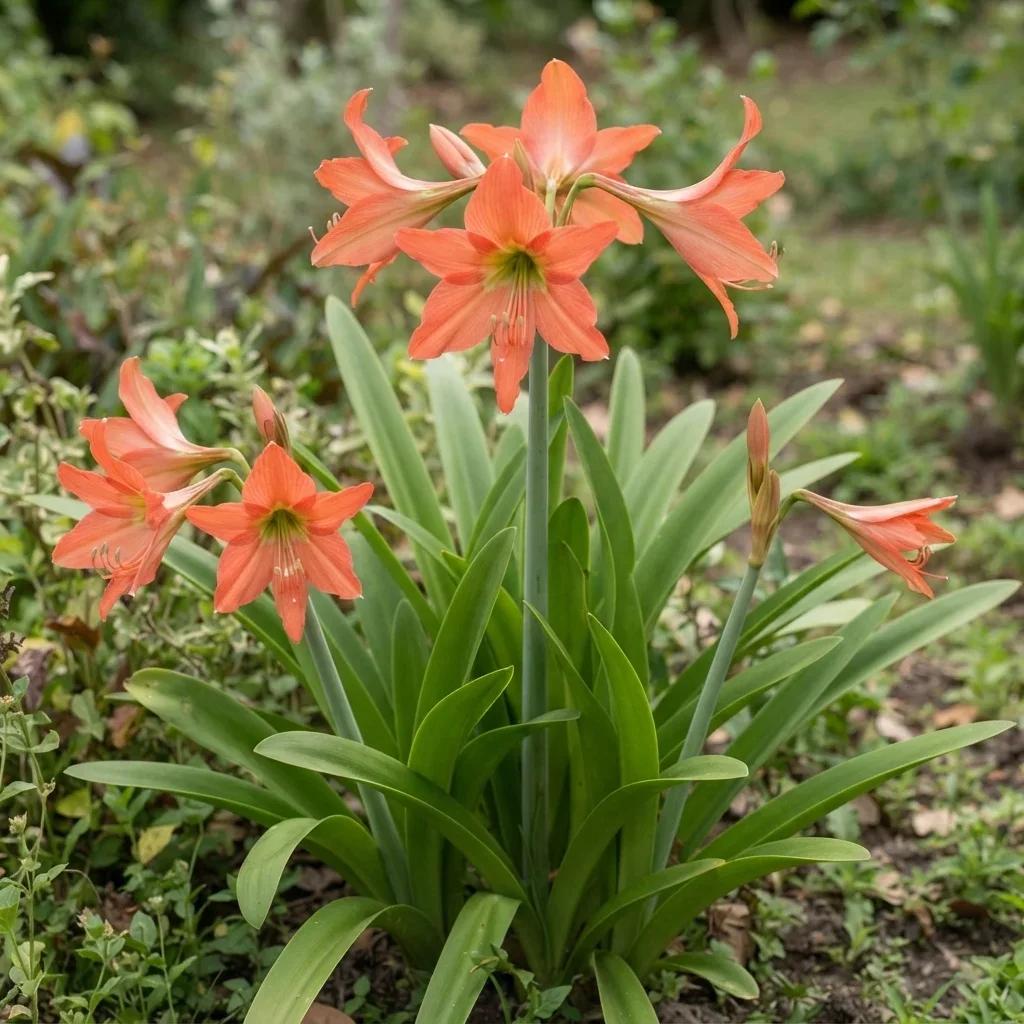 ‘Flamboyant’Flamboyant Amaryllis
 ‘Double Ice Queen’Double Ice Queen Amaryllis
 ‘Double Circus’Double Circus Amaryllis
 ‘Spotted Amadeus’Spotted Amadeus Amaryllis
 ‘Mambo’Mambo Amaryllis
 ‘Red Amazone’Red Amaryllis
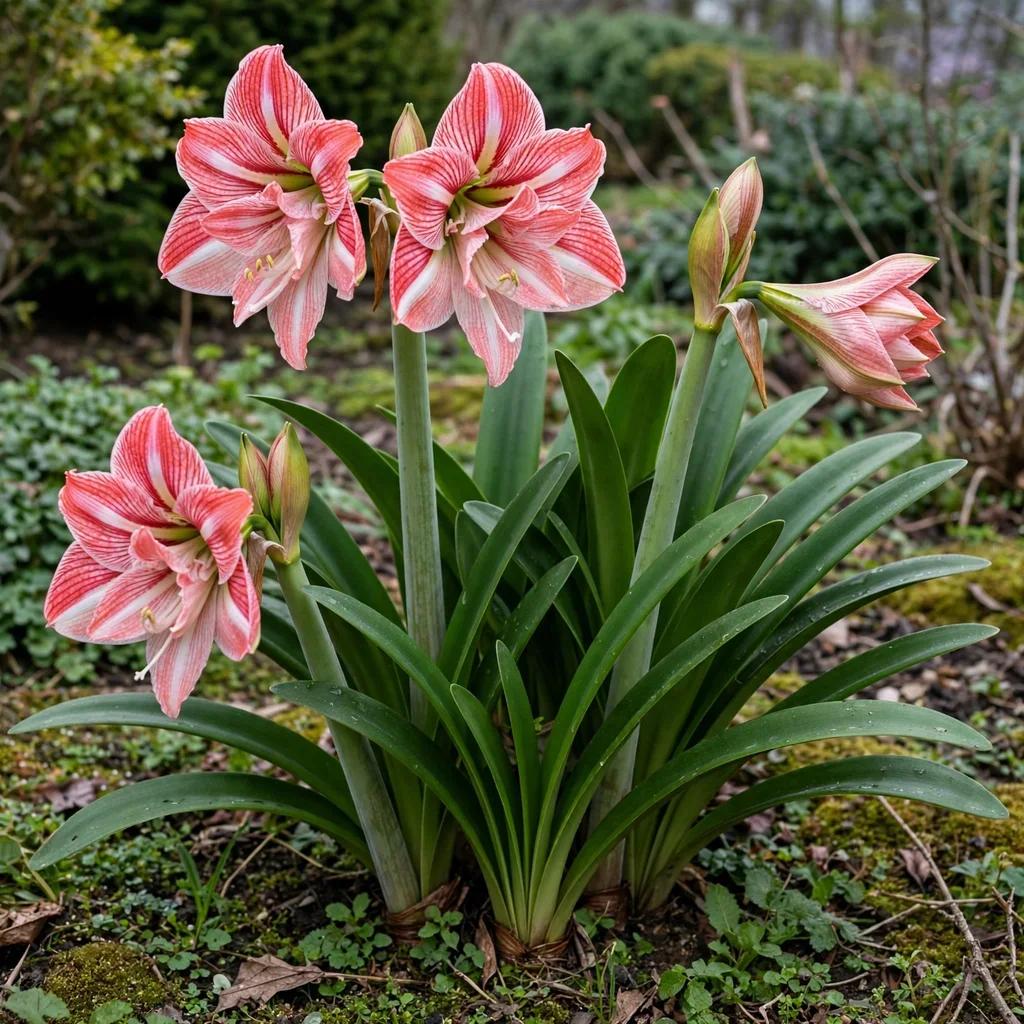 ‘Balance’Amaryllis Balance
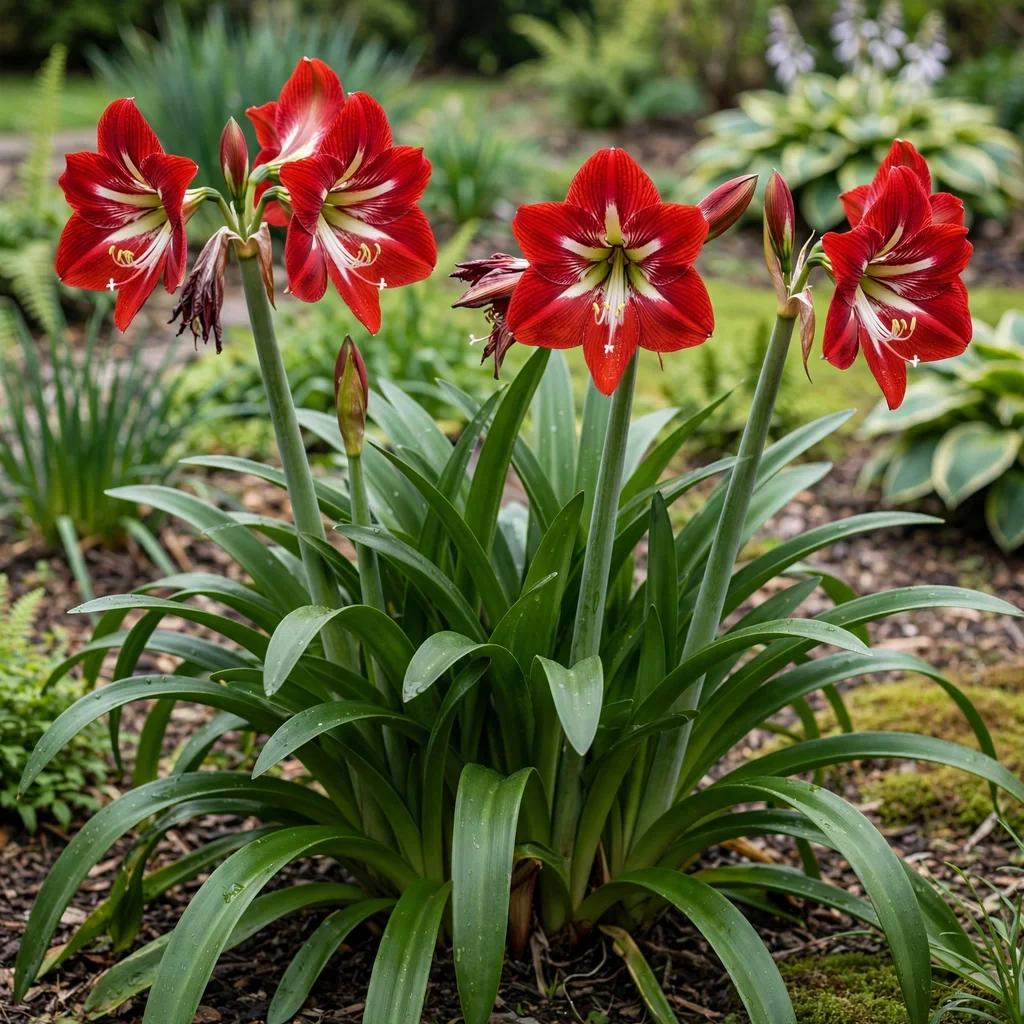 ‘Red Glory’Amaryllis Red Glory
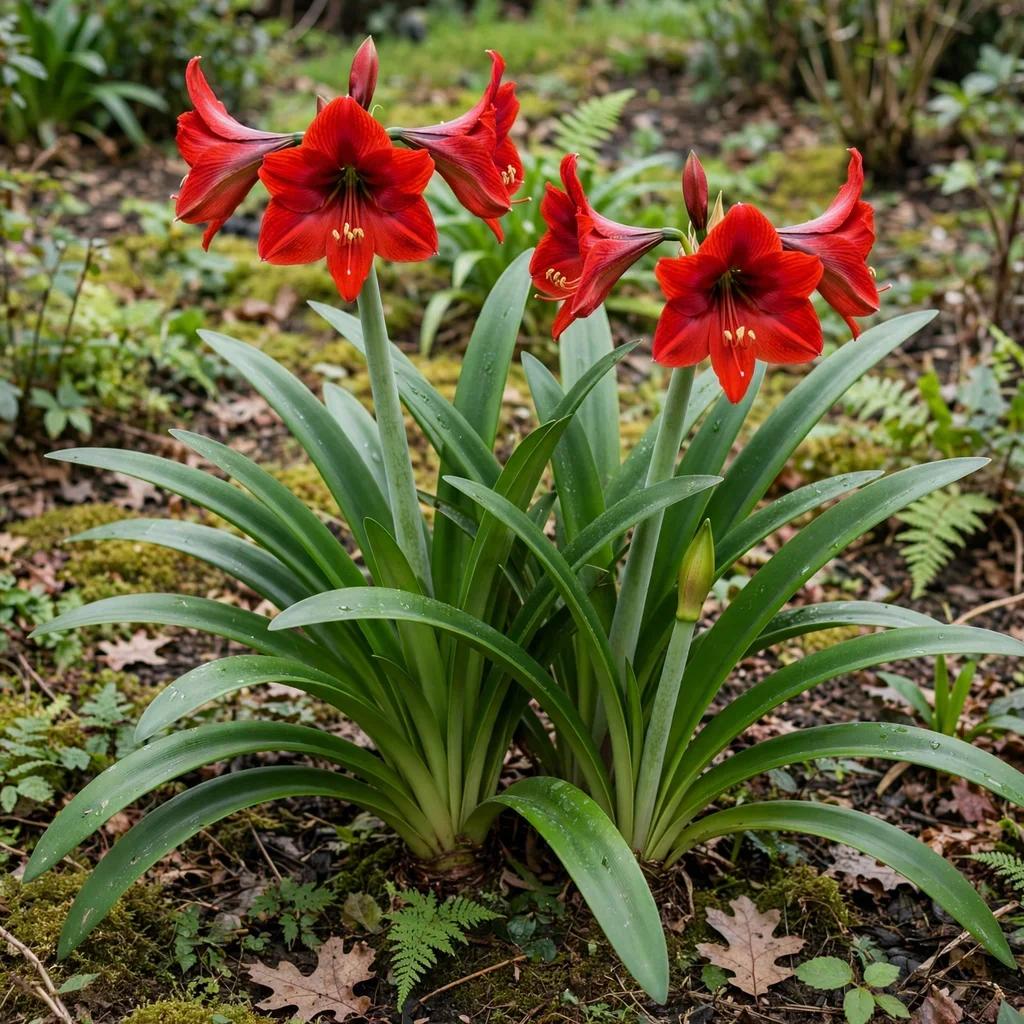 ‘Miss Red’Miss Red Amaryllis
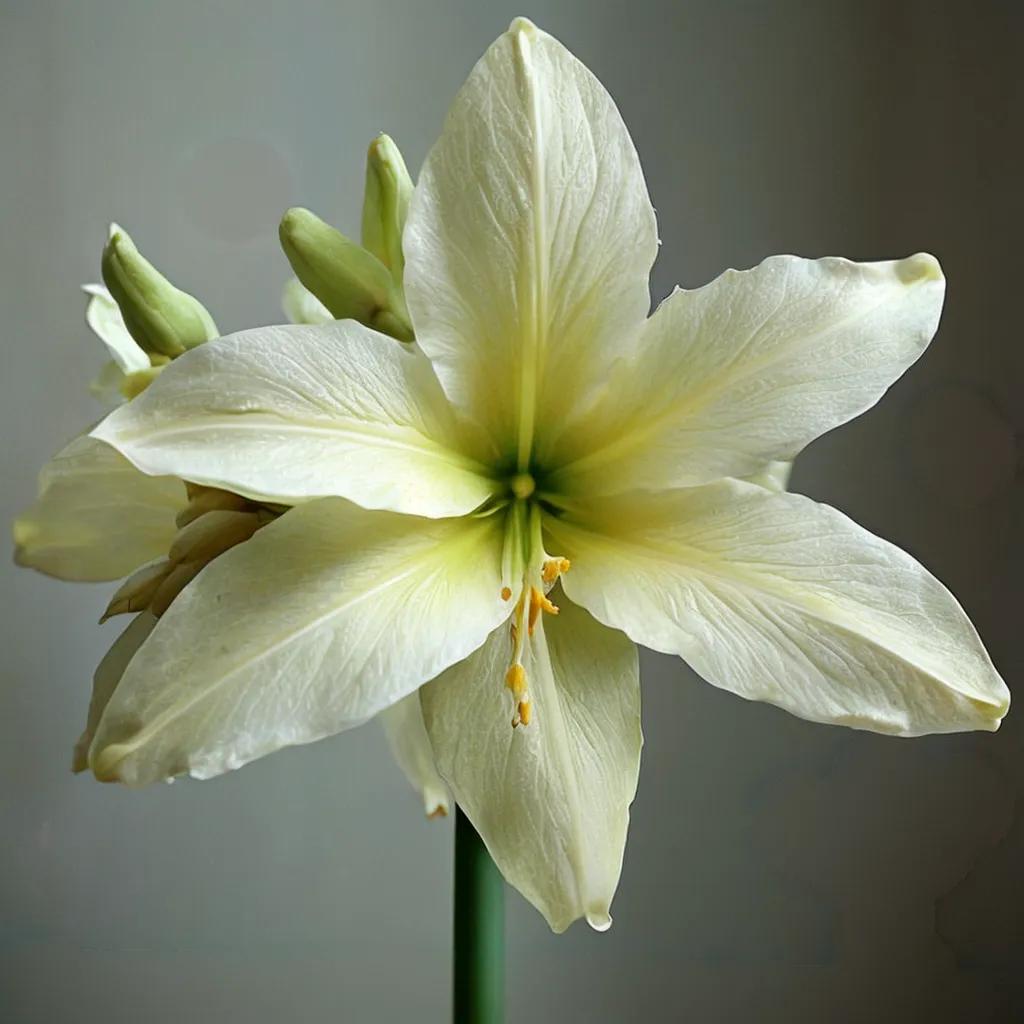 ‘Lemon Lime’Lemon Lime Amaryllis
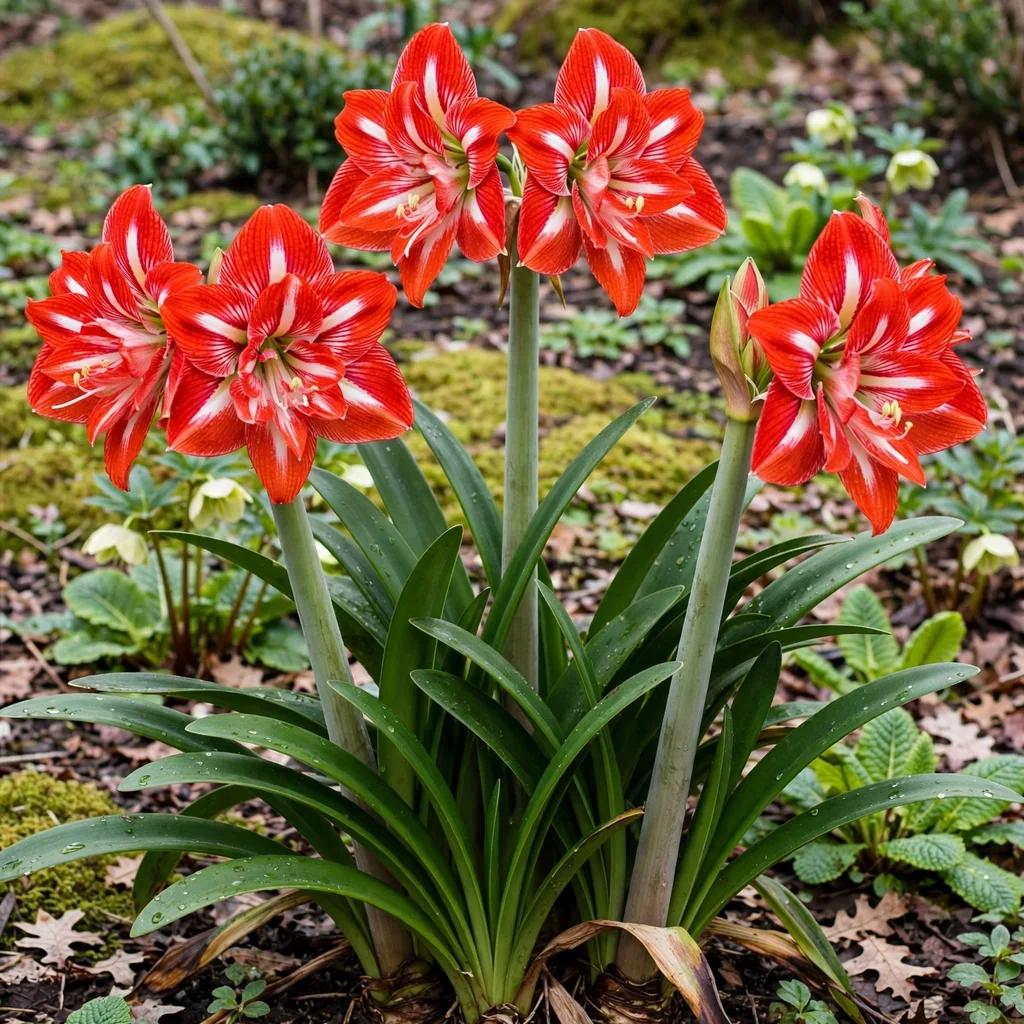 ‘Splash’Splash Amaryllis
 ‘Sunshine Nymph’Sunshine Nymph Amaryllis
 ‘Benito’Benito Amaryllis
 ‘Wild Amazone’Wild Amazon Amaryllis
 ‘Candy Nymph’Candy Nymph Amaryllis
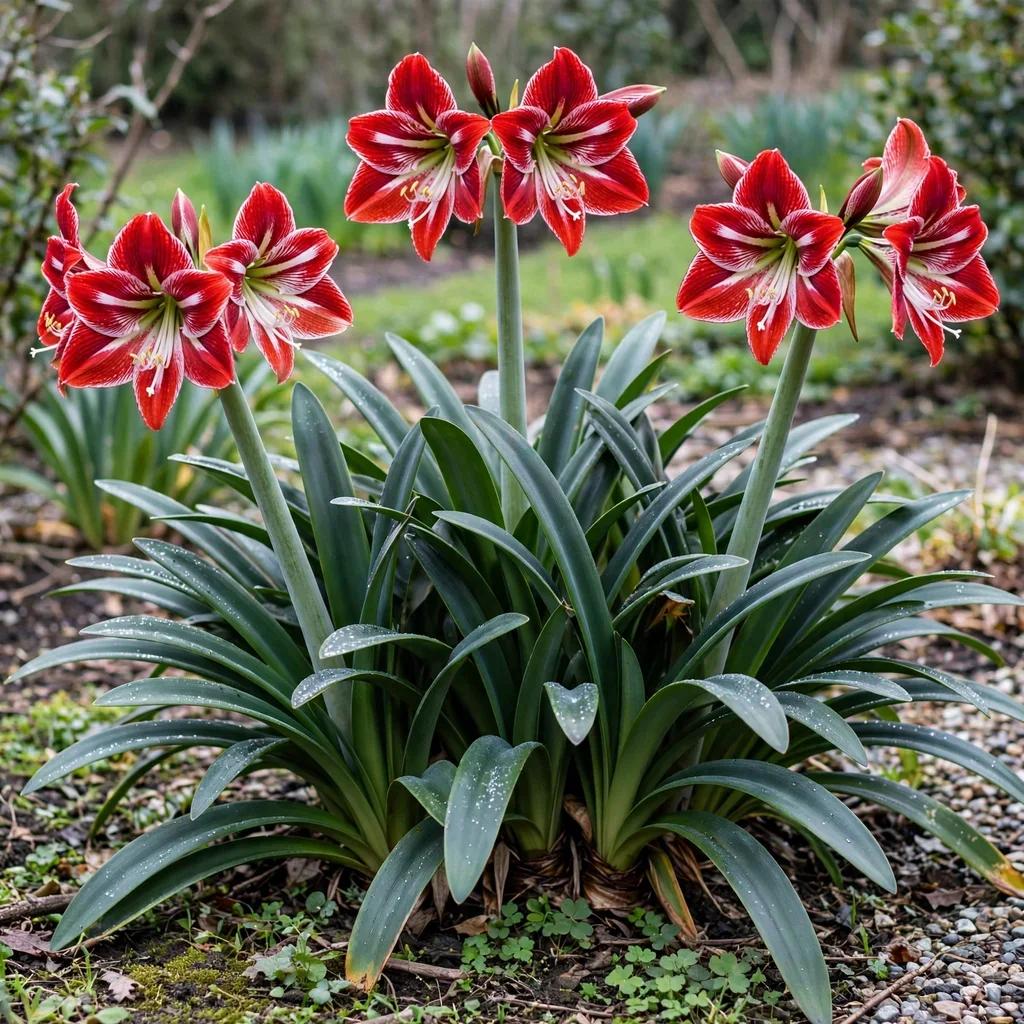 ‘Voodoo’Voodoo Amaryllis
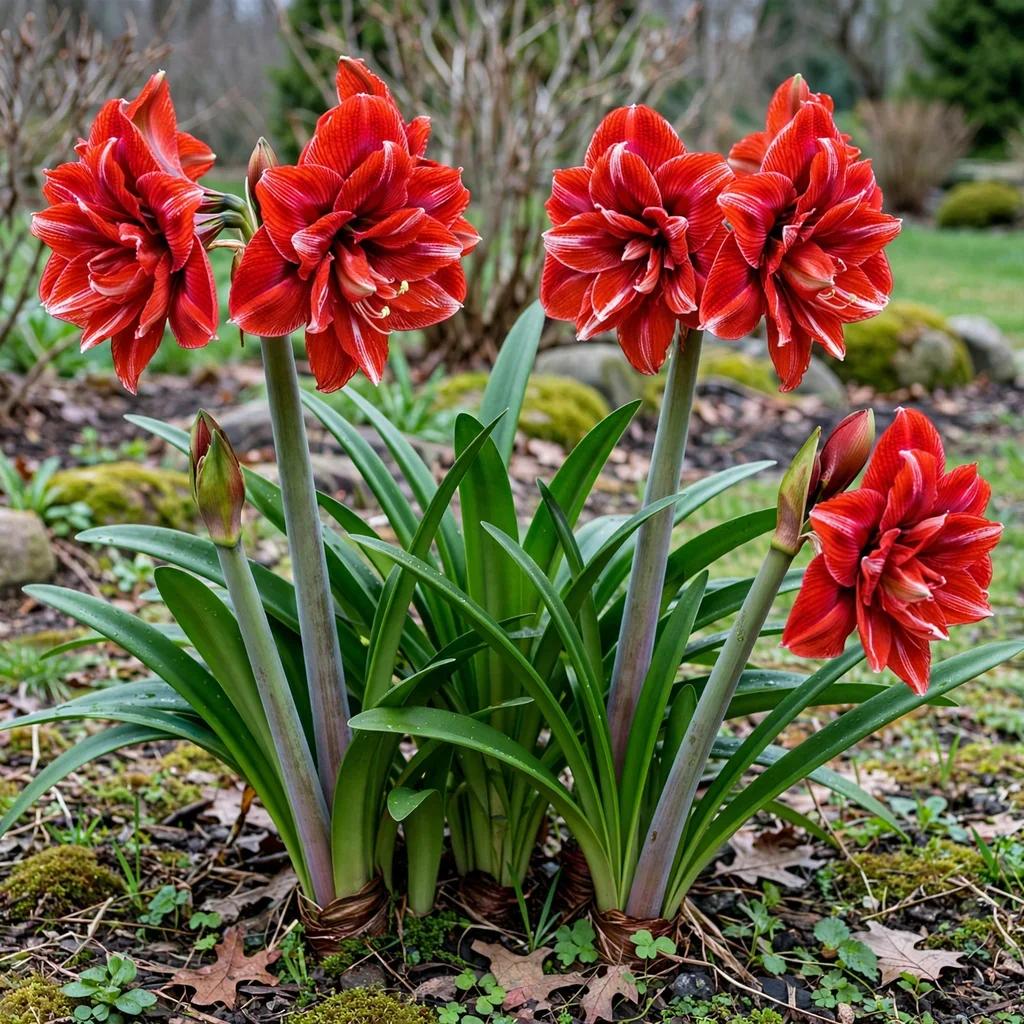 ‘Double King’Double King Amaryllis
The Story
Plant Bio
Hippeastrum 'Giant Amadeus' is a tender bulbous perennial, typically grown as a houseplant for winter bloom. It produces thick, hollow flower scapes topped with huge, showy flowers before the strap-like leaves fully emerge.
This cultivar is a double-flowered type, featuring large, ruffled white petals that are heavily feathered and edged in raspberry red. Each stem can produce multiple impressive blooms.
Uses & Benefits:
Essentials
At a Glance
Plant Type
Bulb Corm Tuber
Height
24"
Width
12"
Light
Full Sun, Partial Sun
Zones
8, 9, 10
Water
Moderate
Humidity
Moderate
Lifespan
Perennial in suitable climates
Native To
South America
Toxicity
Toxic to pets and humans if ingested
Bloom period
Early spring – Mid-spring
In flower about 2 months of the year
Planting
How to Grow
- Tuck bulbs 2-3 inches deep in well-draining soil in a sunny spot.
- Water sparingly until shoots emerge, then keep soil moist but not soggy.
- Mist leaves regularly to increase humidity during active growth.
- Fertilize monthly with a balanced liquid fertilizer during spring and summer.
- Transplant after foliage dies back, usually in fall or early winter.
- Allow bulbs to rest in dry, cool conditions for 8-10 weeks after blooming.
Pro Tip
Use a pot with good drainage and avoid overwatering to prevent bulb rot.
Keep It Thriving
Care Guide
Do
- Water when the top inch of soil feels dry 🌱
- Provide bright, indirect sunlight for optimal growth
- Fertilize monthly during active growth season
- Remove spent flowers to encourage new blooms
- Allow leaves to yellow naturally before resting period
Don't
- Overwater during dormancy ❌
- Expose to direct, harsh sunlight in summer
- Skip resting period after flowering
- Use heavy, poorly draining soil ❌
- Neglect pest monitoring
Seasonal Care Calendar
| Task | Jan | Feb | Mar | Apr | May | Jun | Jul | Aug | Sep | Oct | Nov | Dec |
|---|---|---|---|---|---|---|---|---|---|---|---|---|
| Deadhead | ||||||||||||
| Fertilize | ||||||||||||
| Plant | ||||||||||||
| Winter Prep |
Watch Out For
Pests & Diseases
Common Pests
Common Diseases
In the Garden
Landscape Uses & Companions
Landscape Uses
Multiply
Propagation Methods
Good to Know
Common Questions
Giant Amaryllis questions
What zones can Giant Amaryllis grow in?
Giant Amaryllis is hardy in USDA Zones 8–10. Inside that range it survives winter in the ground; outside it, grow it as an annual or a container plant you protect.
Is Giant Amaryllis deer resistant?
Yes — Giant Amaryllis is rated deer-resistant. Deer typically pass it over, though extreme hunger can override any plant's defenses.
When does Giant Amaryllis bloom?
Giant Amaryllis typically blooms in early spring through mid-spring. Exact timing shifts a week or two with your zone — Sow's bloom calendar maps it to your garden.
Does Giant Amaryllis need full sun?
Giant Amaryllis does best in full sun to part shade. In hot climates, afternoon shade keeps blooms fresher longer.
More Hippeastrum to compare
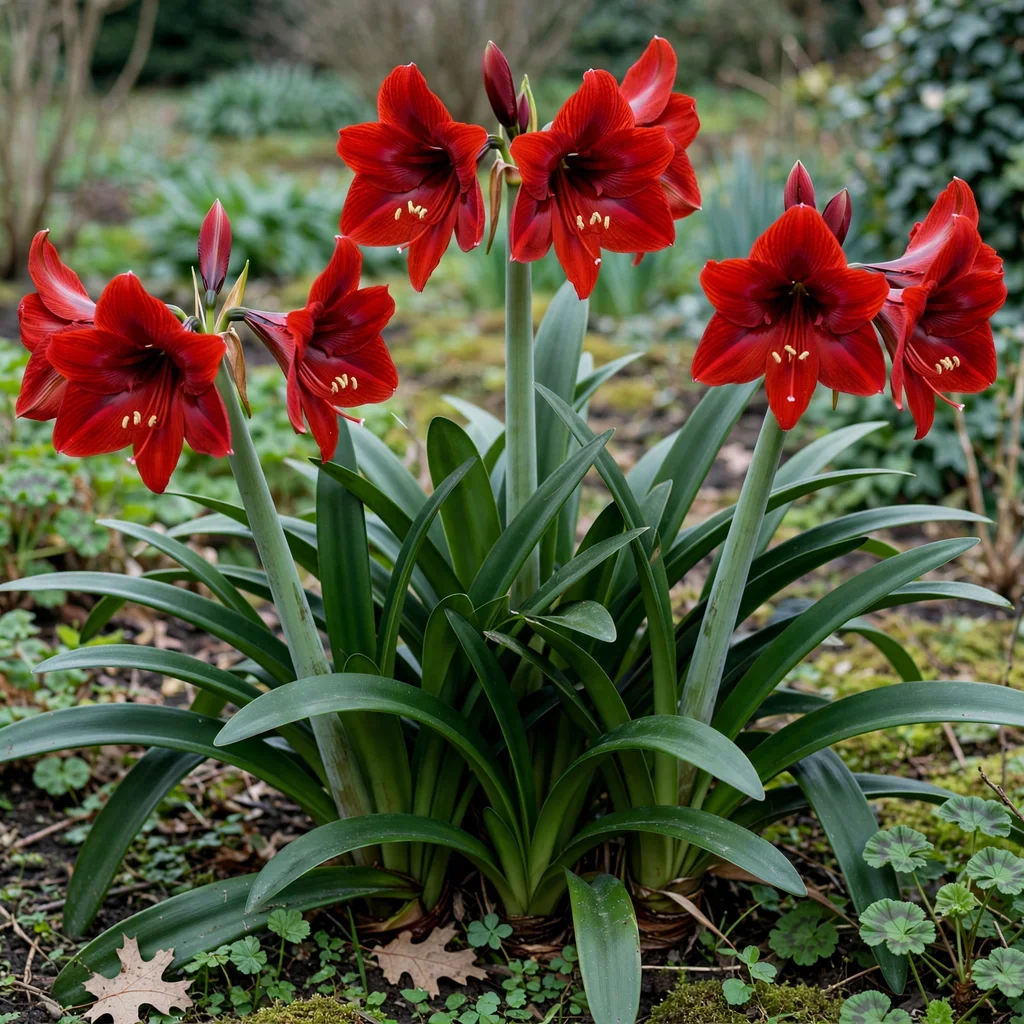
Amaryllis
Hippeastrum x hortorum
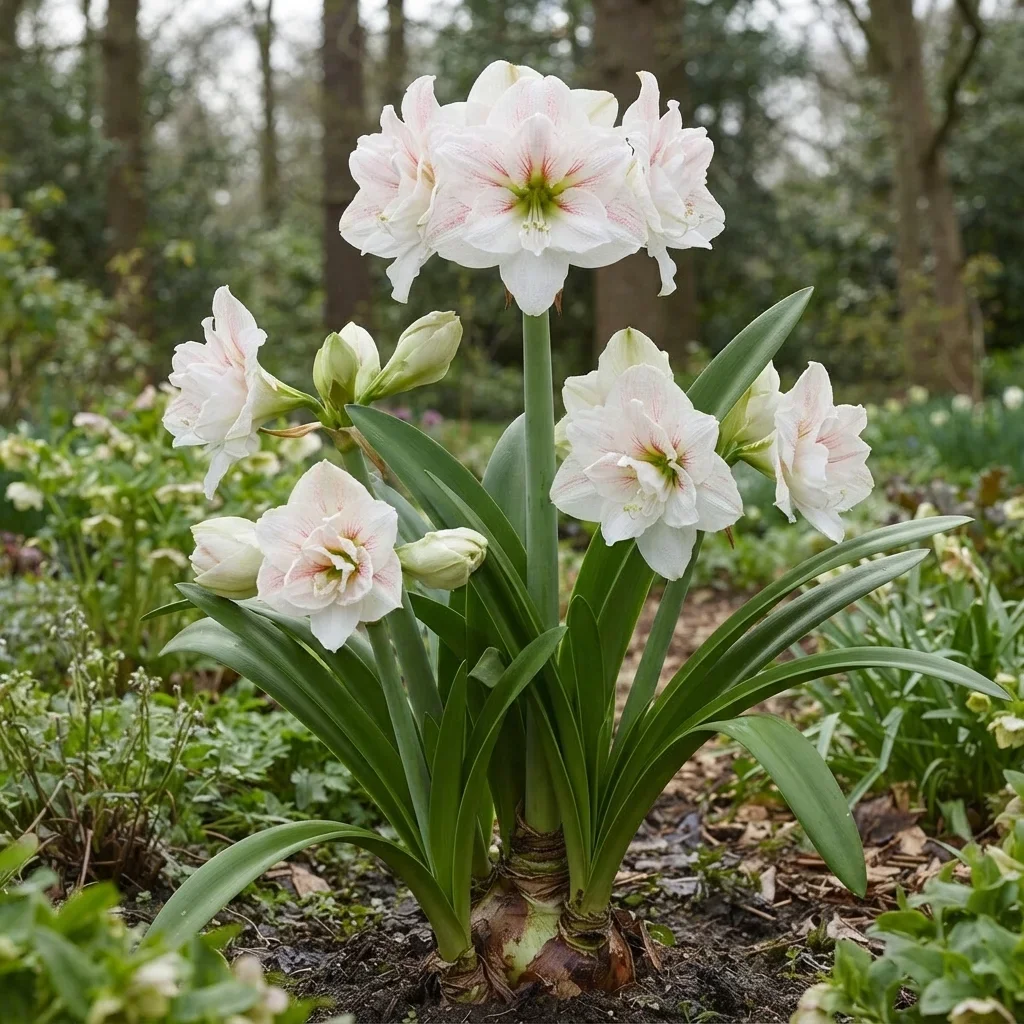
Aquaro Amaryllis
Hippeastrum x hybrida 'Aquaro'
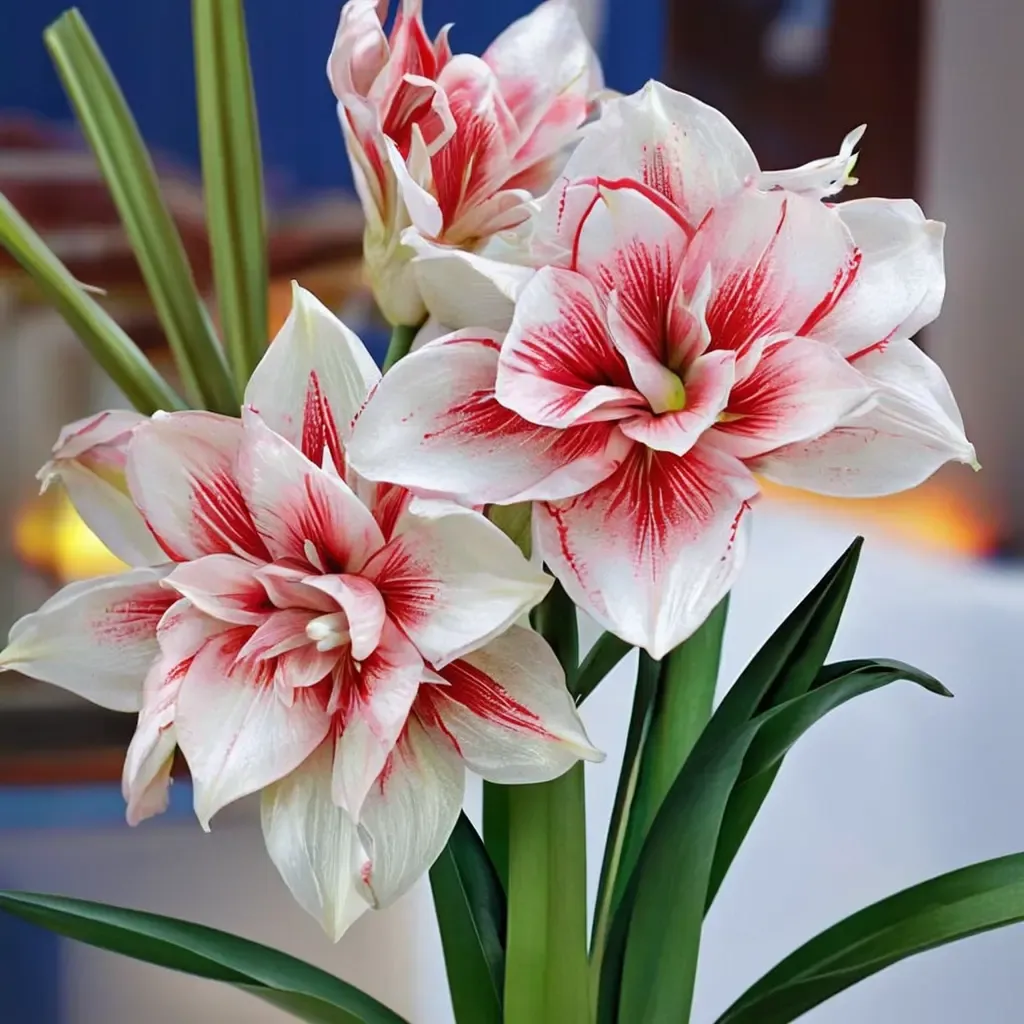
Elvas Amaryllis
Hippeastrum x hybrida 'Elvas'
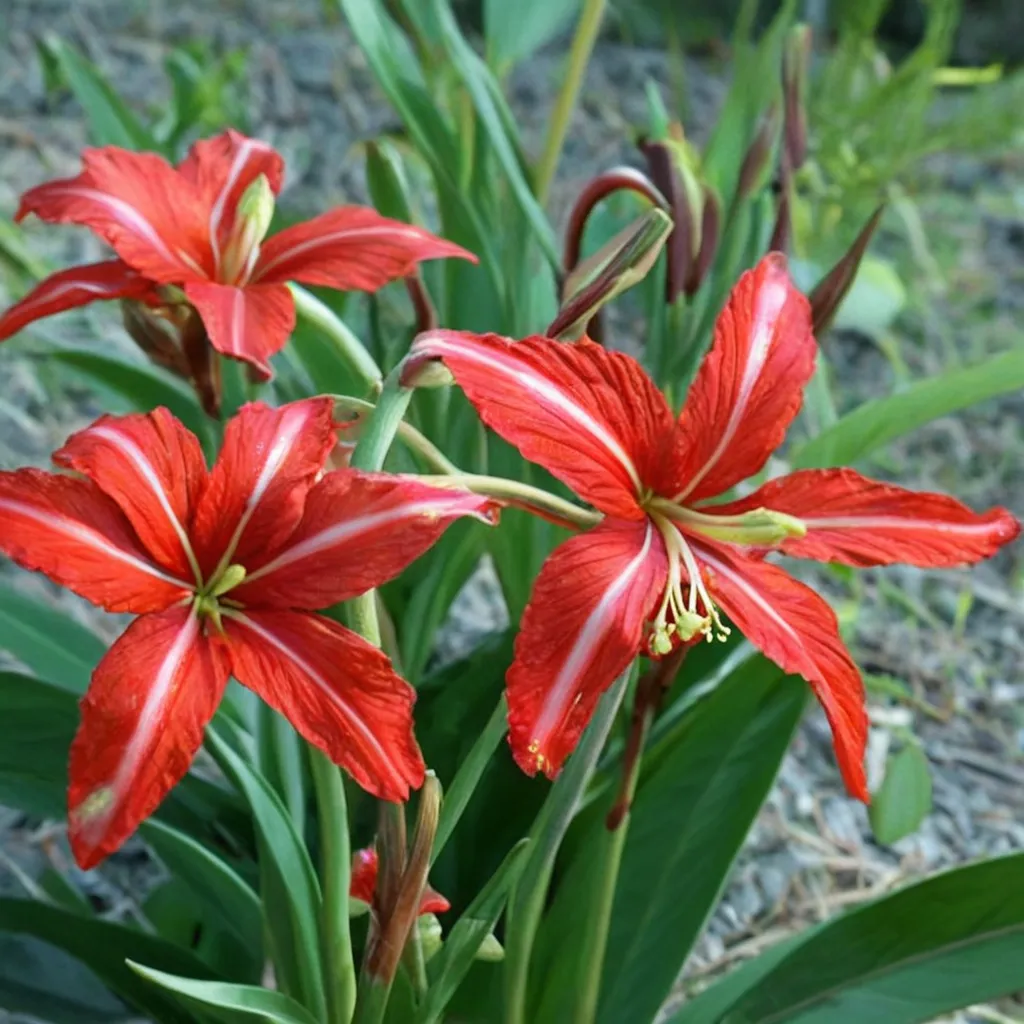
Johnson's Amaryllis
Hippeastrum x johnsonii
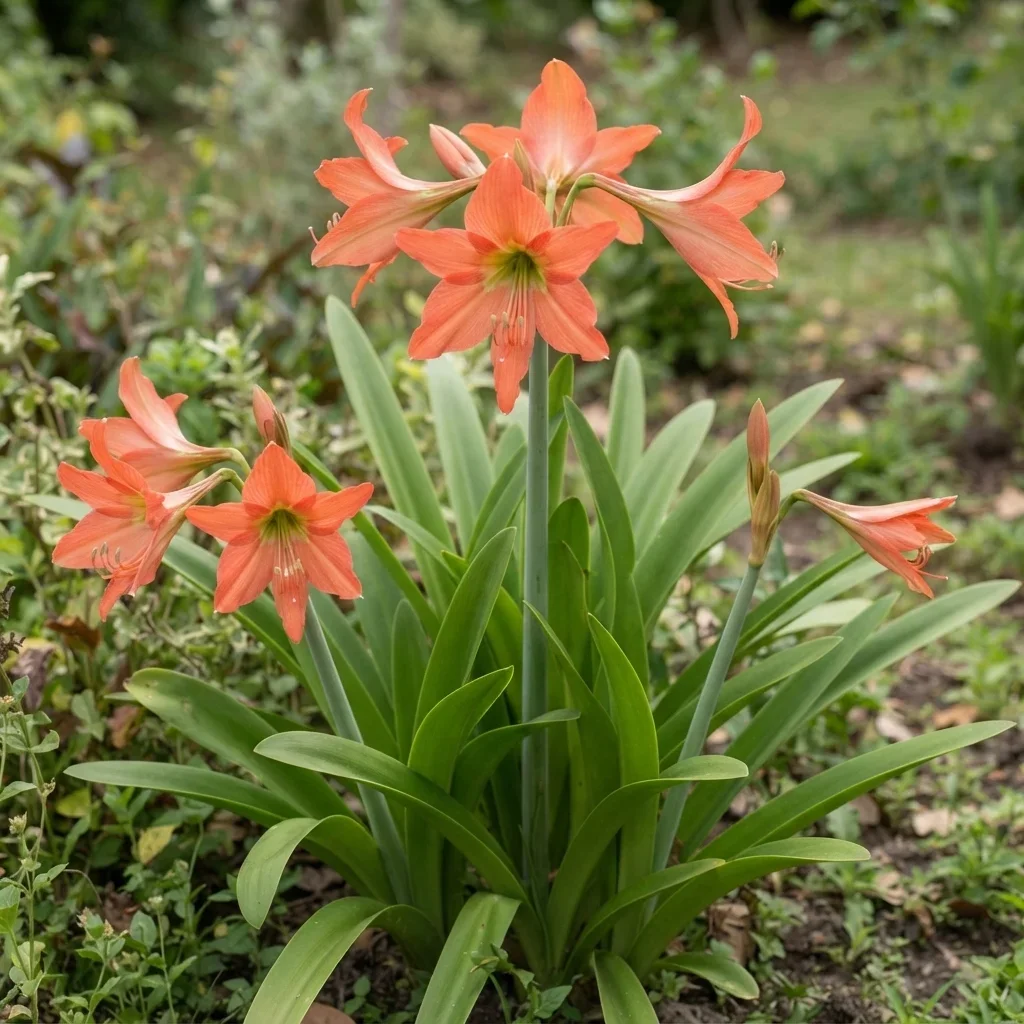
Flamboyant Amaryllis
Hippeastrum x hybrida 'Flamboyant'
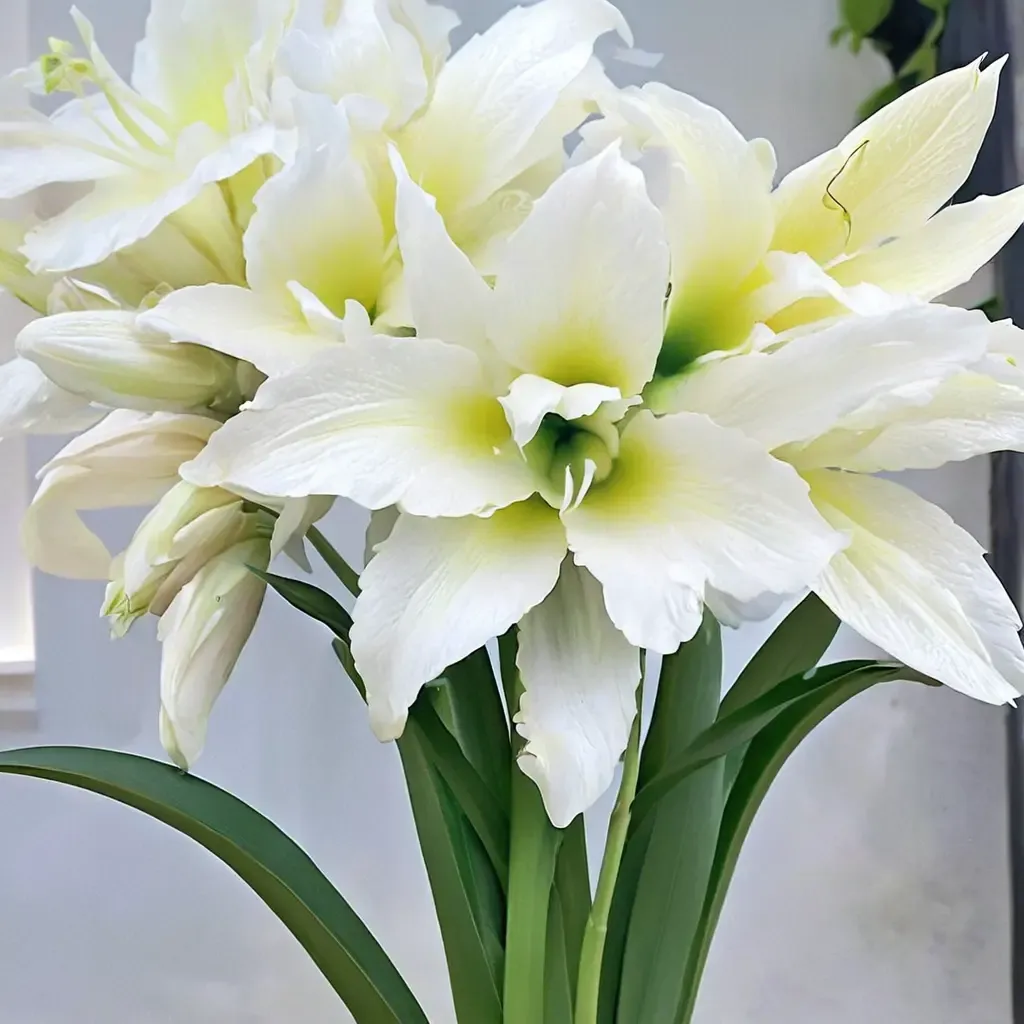
Double Ice Queen Amaryllis
Hippeastrum x hybrida 'Double Ice Queen'
Keep exploring
Explore the genus
Hardy in your zone?
Grow Giant Amaryllis with confidence
See it in a design of your actual yard, get zone-matched care reminders, and track it season by season in your garden journal.