The Story
Plant Bio
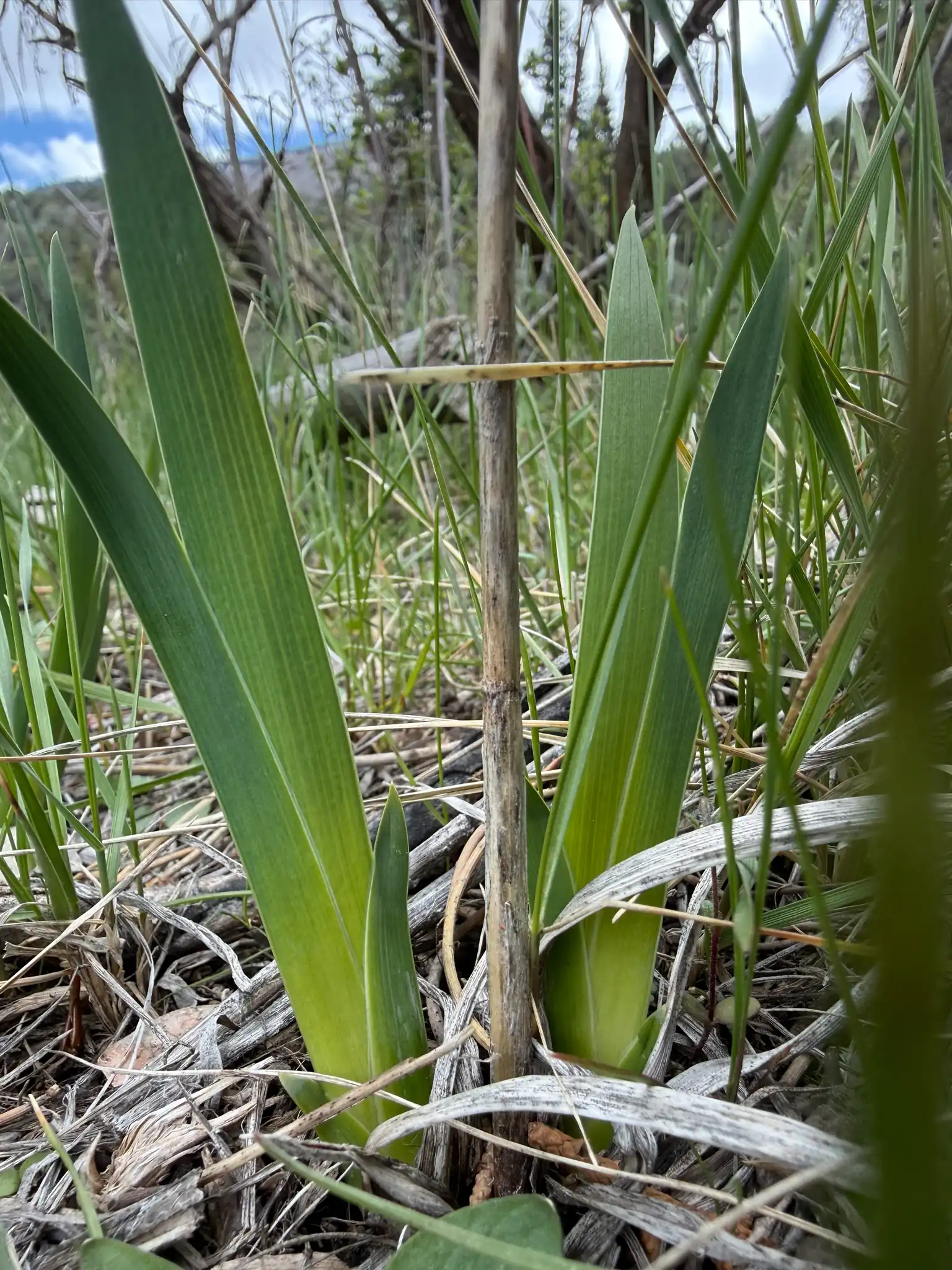
Iris missouriensis is a clump-forming herbaceous perennial native to western North America, growing from creeping, tuberous rhizomes. It produces dense fans of tough, sword-shaped gray-green foliage and erect, leafless stalks that carry pale lavender to violet-blue flowers.
The flowers feature reflexed falls marked with a central dark yellow-orange stripe and diverging blue-purple lines on a white background. The tough, flexible leaves remain upright throughout the growing season, rising above the flower stalks.
Uses & Benefits:
Essentials
At a Glance
Plant Type
Perennial
Height
24"
Width
18"
Light
Full Sun, Partial Sun
Zones
4, 5, 6, 7, 8
Water
Medium to Wet
Humidity
Moderate
Lifespan
Perennial
Native To
Western North America
Toxicity
Toxic if ingested
Bloom period
Spring – Early summer
In flower about 4 months of the year
Planting
How to Grow
- Select a planting site in full sun to partial shade with moist, well-draining soil.
- Plant rhizomes horizontally just below the soil surface, spacing them 12 to 18 inches apart.
- Water deeply and regularly from spring through early summer to keep the soil consistently moist.
- Reduce watering after the post-flowering period to allow the rhizomes a drier summer rest.
Pro Tip
Maintain consistent soil moisture from early spring until six weeks after flowering, then allow the soil to dry out; waterlogging during hot summer dormancy triggers fatal bacterial rhizome rot.
Keep It Thriving
Care Guide
Do
- Cut dead foliage back to ground level in late fall or early spring.
- Divide congested clumps every three to four years in late summer to maintain vigor.
- Apply a light layer of compost mulch or low-nitrogen organic fertilizer in early spring.
Don't
- Do not cut into green, living foliage during the active growing season.
- Avoid heavy nitrogen fertilizers, which cause soft, disease-susceptible leaf growth.
- Do not allow the soil to remain waterlogged during hot summer dormancy.
Seasonal Care Calendar
| Task | Jan | Feb | Mar | Apr | May | Jun | Jul | Aug | Sep | Oct | Nov | Dec |
|---|---|---|---|---|---|---|---|---|---|---|---|---|
| Divide | ||||||||||||
| Fertilize | ||||||||||||
| Pest Check | ||||||||||||
| Propagate | ||||||||||||
| Spring Cleanup |
Watch Out For
Pests & Diseases
Common Pests
Common Diseases
In the Garden
Landscape Uses & Companions
Landscape Uses
Multiply
Propagation Methods
Good to Know
Common Questions
Western Blue Flag questions
What zones can Western Blue Flag grow in?
Western Blue Flag is hardy in USDA Zones 4–8. Inside that range it survives winter in the ground; outside it, grow it as an annual or a container plant you protect.
Is Western Blue Flag deer resistant?
Not reliably. Deer may browse Western Blue Flag, especially tender spring growth — plan on repellents or fencing where pressure is high.
When does Western Blue Flag bloom?
Western Blue Flag typically blooms in spring through early summer. Exact timing shifts a week or two with your zone — Sow's bloom calendar maps it to your garden.
Does Western Blue Flag need full sun?
Western Blue Flag does best in full sun to part shade. In hot climates, afternoon shade keeps blooms fresher longer.
More Iris to compare
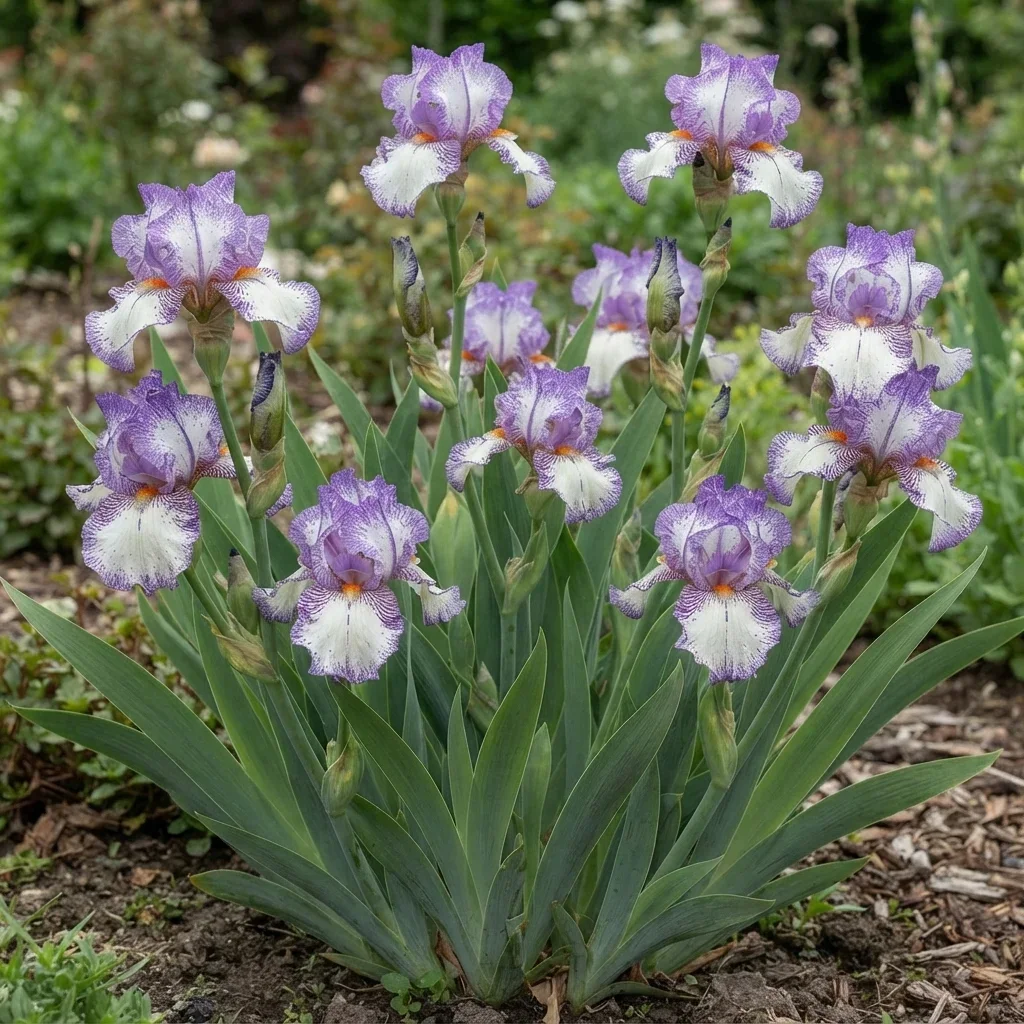
German Iris Bearded Iris
Iris x germanica 'Mix'
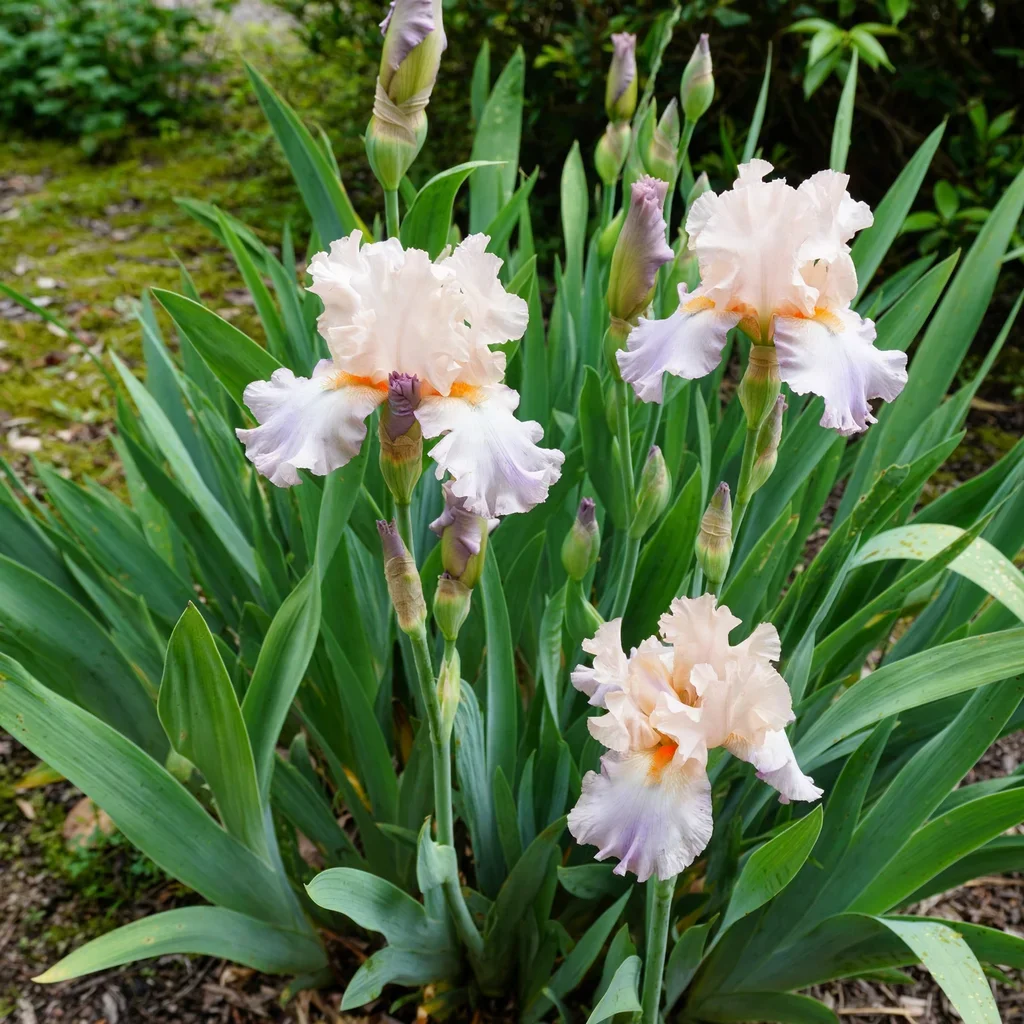
Celebration Song Iris
Iris tenuissima 'Celebration Song'
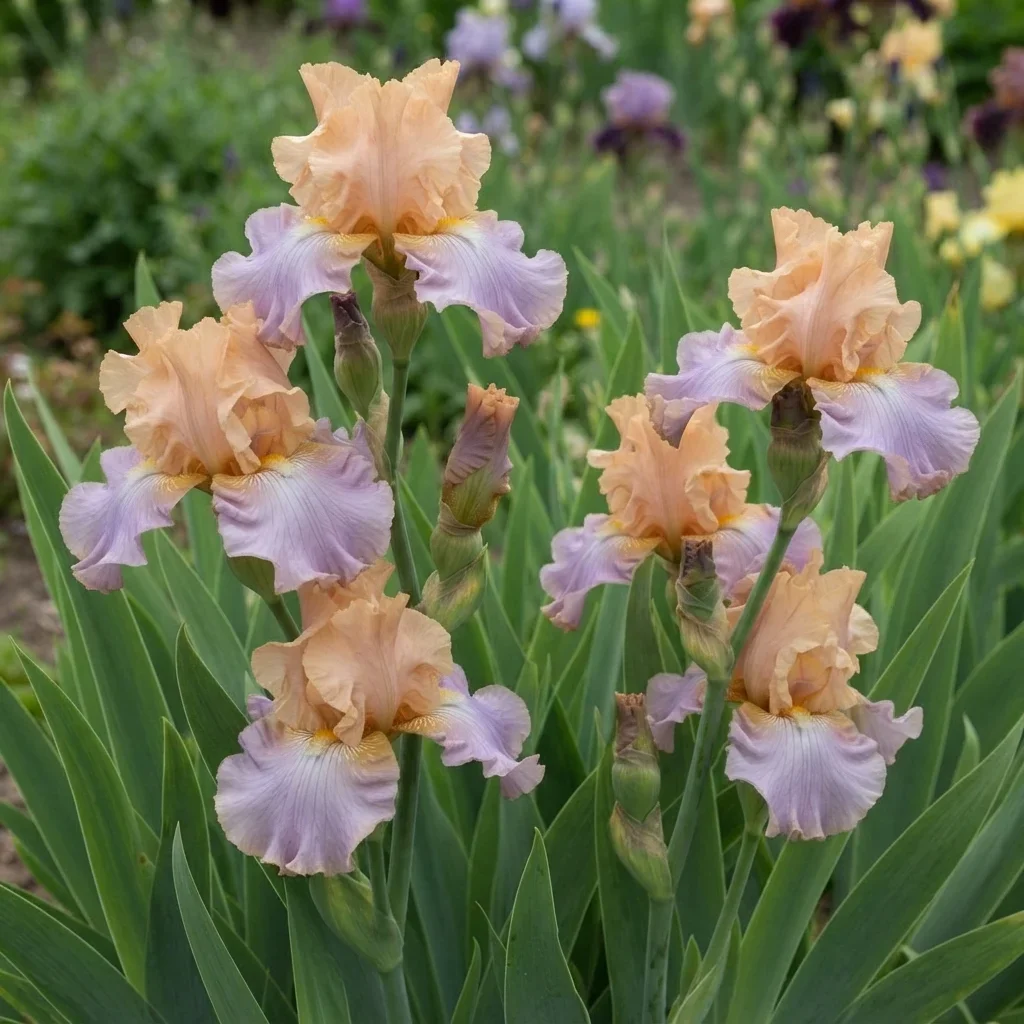
Poem of Ecstasy German Iris
Iris x germanica 'Poem Of Ecstasy'
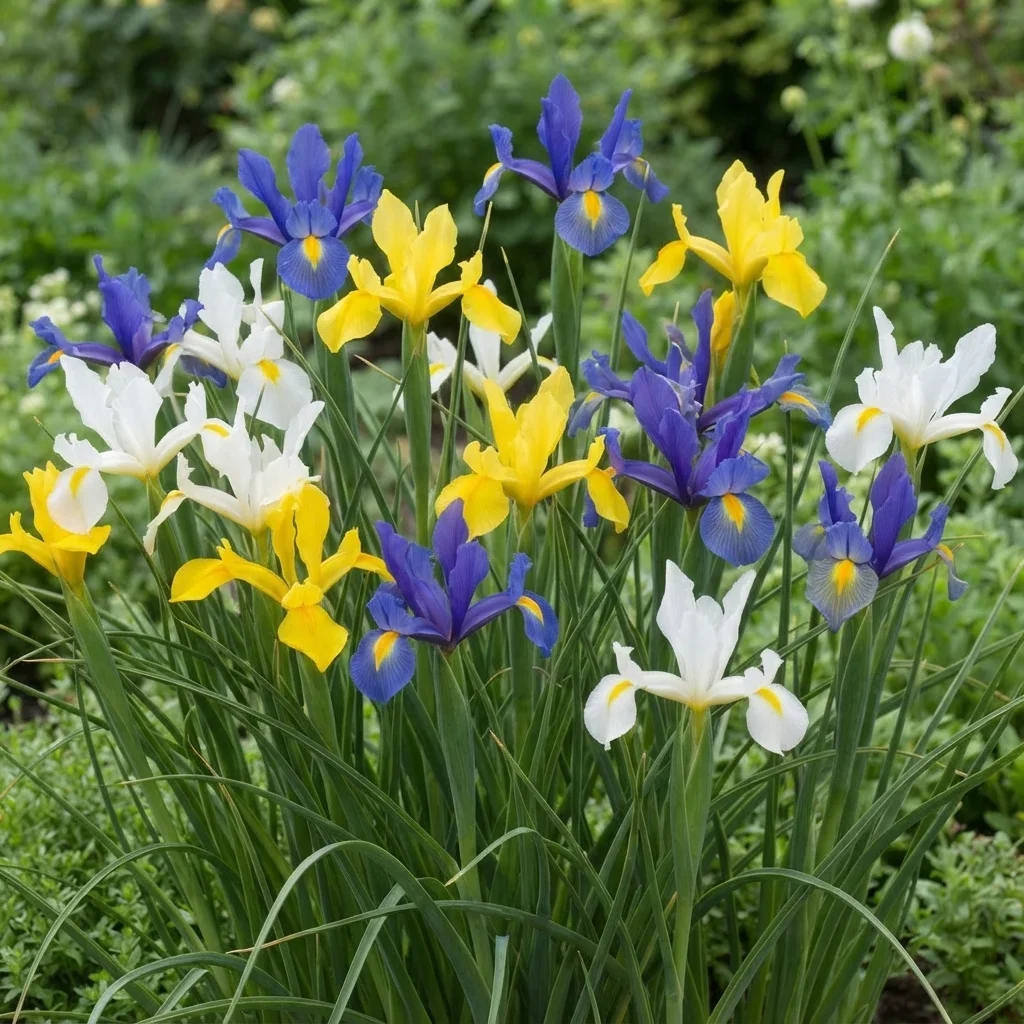
Dutch Iris Mix
Iris x hollandica 'Mix'
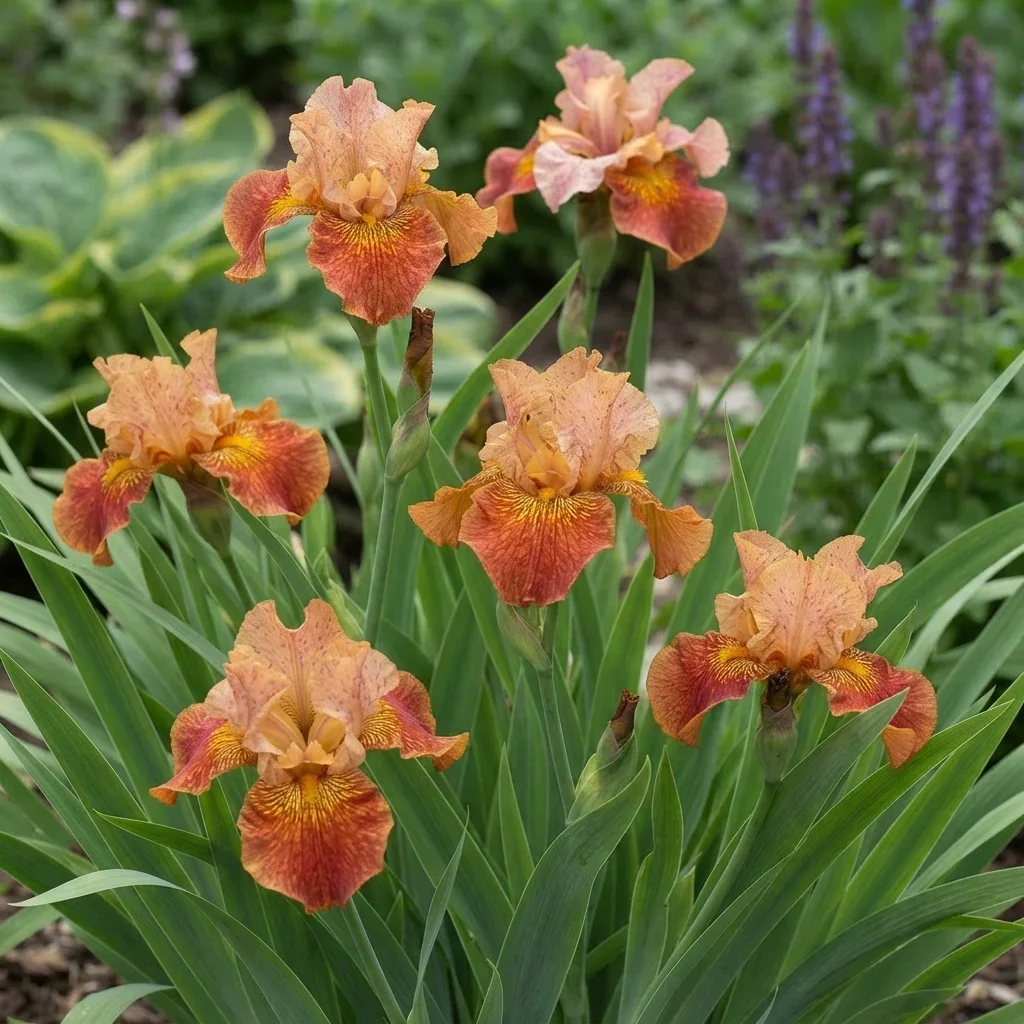
Siberian Iris 'Paprikash'
Iris x hybrida 'Paprikash'
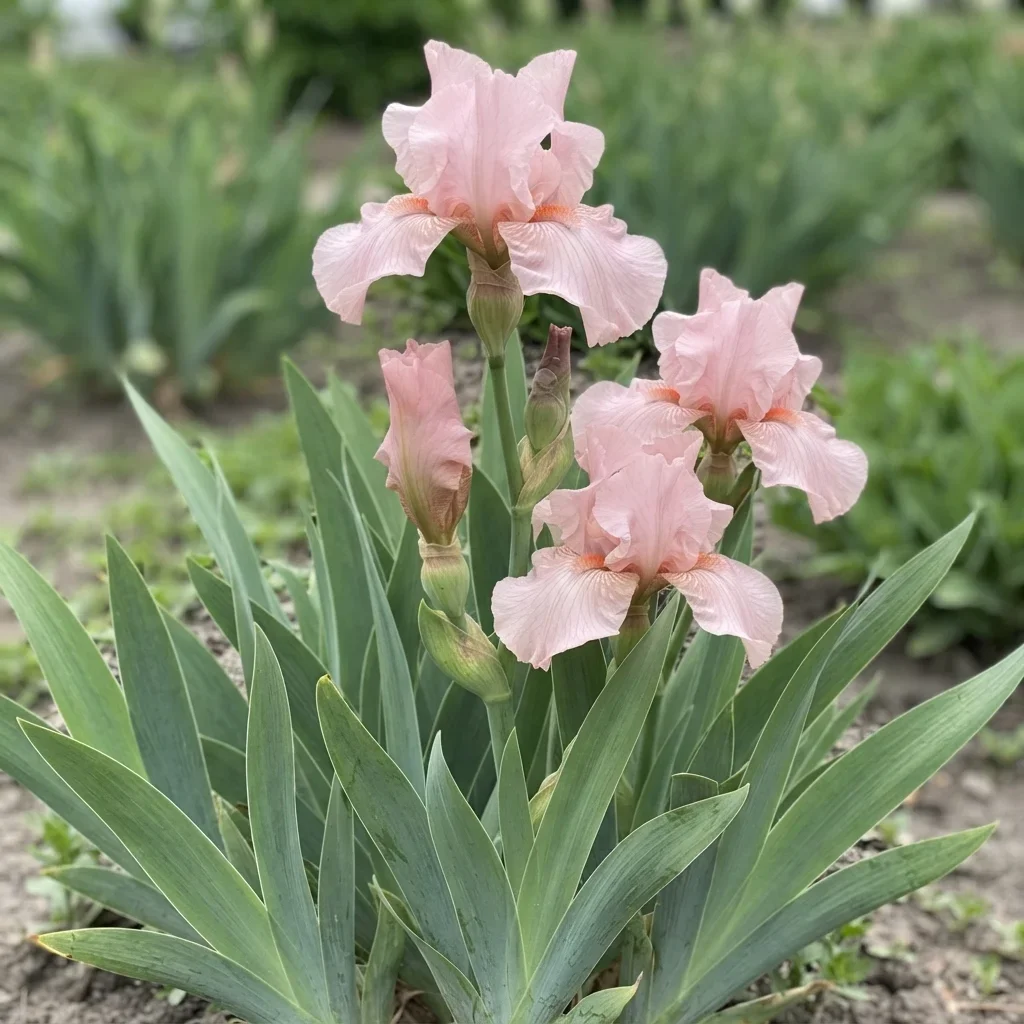
Baboon Bottom Bearded Iris
Iris x germanica 'Baboon Bottom Bearded'
Keep exploring
Explore the genus
Hardy in your zone?
Grow Western Blue Flag with confidence
See it in a design of your actual yard, get zone-matched care reminders, and track it season by season in your garden journal.