The Story
Plant Bio
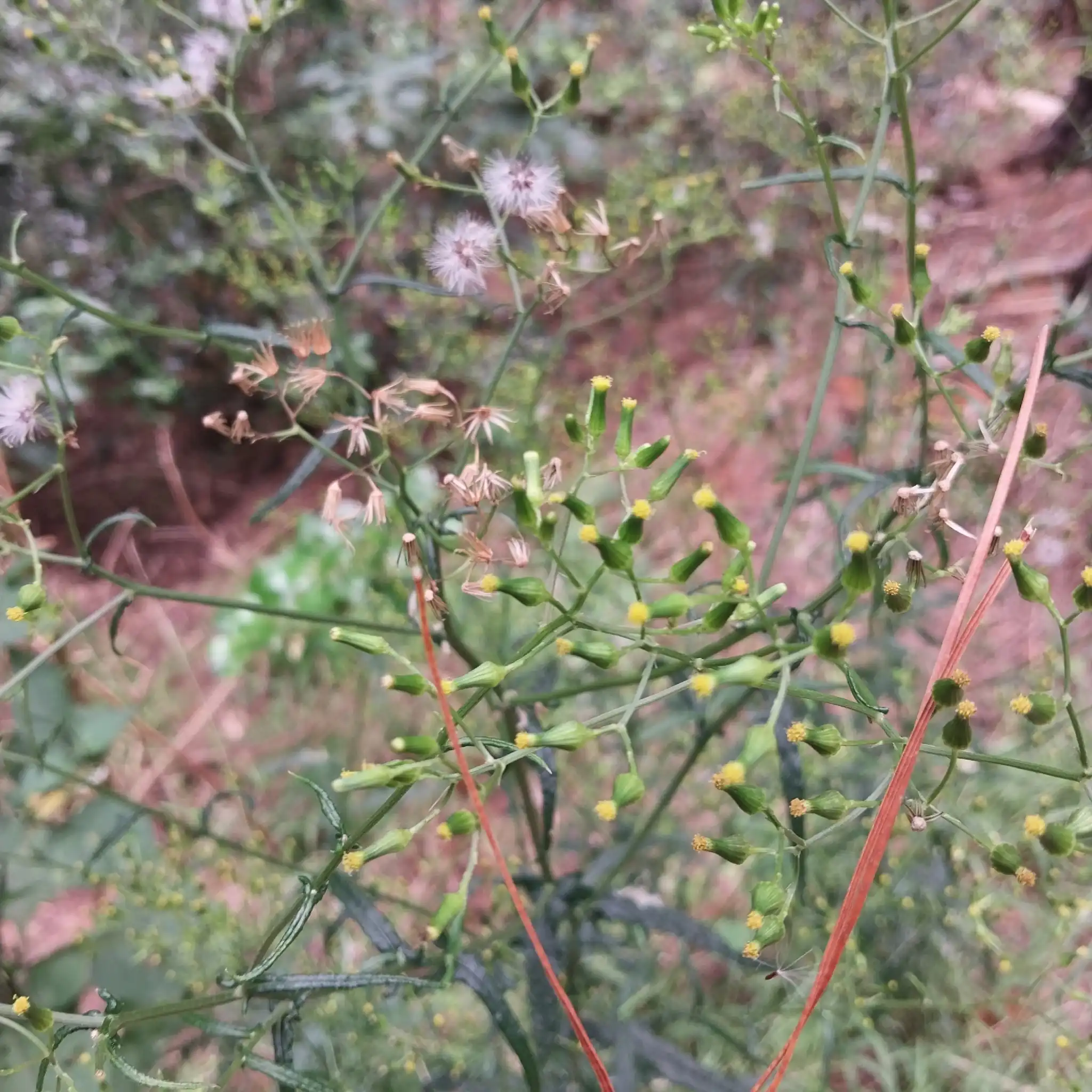
Senecio hispidulus is an erect, short-lived perennial or annual herb native to Australia, characterized by its rough, dark green to yellow-green foliage and ribbed stems. In spring and summer, the plant produces dense clusters of small, cylindrical yellow flower heads at the branch tips.
The upper leaf surfaces are covered in short, stiff hairs that feel rough to the touch, while the undersides bear longer, softer hairs. Exposure to cooler temperatures often causes the upper stems and foliage to develop distinct red or purple coloration.
Uses & Benefits:
Essentials
At a Glance
Plant Type
Perennial
Height
40"
Width
18"
Light
Full Sun, Partial Sun
Zones
8, 9, 10
Water
Low
Humidity
Low
Lifespan
Short-lived perennial
Native To
Australia
Toxicity
Toxic if ingested; skin irritant
Bloom period
Spring – Summer
In flower about 6 months of the year
Planting
How to Grow
- Sow seeds on the surface of a well-draining, sandy seed-starting mix, as they require light to germinate.
- Maintain light moisture without waterlogging, keeping the tray in a warm, bright position.
- Transplant seedlings into individual pots once they are large enough to handle, using a sandy, low-nutrient potting medium.
- Plant out into a full sun or partially shaded garden bed with excellent drainage and minimal organic matter.
Pro Tip
Avoid planting in heavy clay or poorly drained soils, as wet winter conditions will rot the root system of this dry-land colonizer.
Keep It Thriving
Care Guide
Do
- Provide a highly free-draining sandy or gravelly soil to prevent root rot.
- Wear gloves when handling the plant to avoid skin irritation from the stiff, coarse hairs.
Don't
- Do not apply heavy fertilizers, particularly phosphorus-rich formulas, which can disrupt natural growth.
- Avoid overwatering once established, as the plant is adapted to dry, rocky, and disturbed environments.
Seasonal Care Calendar
| Task | Jan | Feb | Mar | Apr | May | Jun | Jul | Aug | Sep | Oct | Nov | Dec |
|---|---|---|---|---|---|---|---|---|---|---|---|---|
| Pest Check | ||||||||||||
| Plant | ||||||||||||
| Propagate | ||||||||||||
| Spring Cleanup |
Watch Out For
Pests & Diseases
Common Pests
Common Diseases
In the Garden
Landscape Uses & Companions
Landscape Uses
Companion Plants
Multiply
Propagation Methods
Good to Know
Common Questions
Hispid Fireweed questions
What zones can Hispid Fireweed grow in?
Hispid Fireweed is hardy in USDA Zones 8–10. Inside that range it survives winter in the ground; outside it, grow it as an annual or a container plant you protect.
When does Hispid Fireweed bloom?
Hispid Fireweed typically blooms in spring through summer. Exact timing shifts a week or two with your zone — Sow's bloom calendar maps it to your garden.
Does Hispid Fireweed need full sun?
Hispid Fireweed does best in full sun to part shade. In hot climates, afternoon shade keeps blooms fresher longer.
Is Hispid Fireweed drought tolerant?
Yes — once established (usually after the first full season), Hispid Fireweed handles dry spells with minimal watering. Water deeply its first year to build the root system that makes that possible.
More Senecio to compare
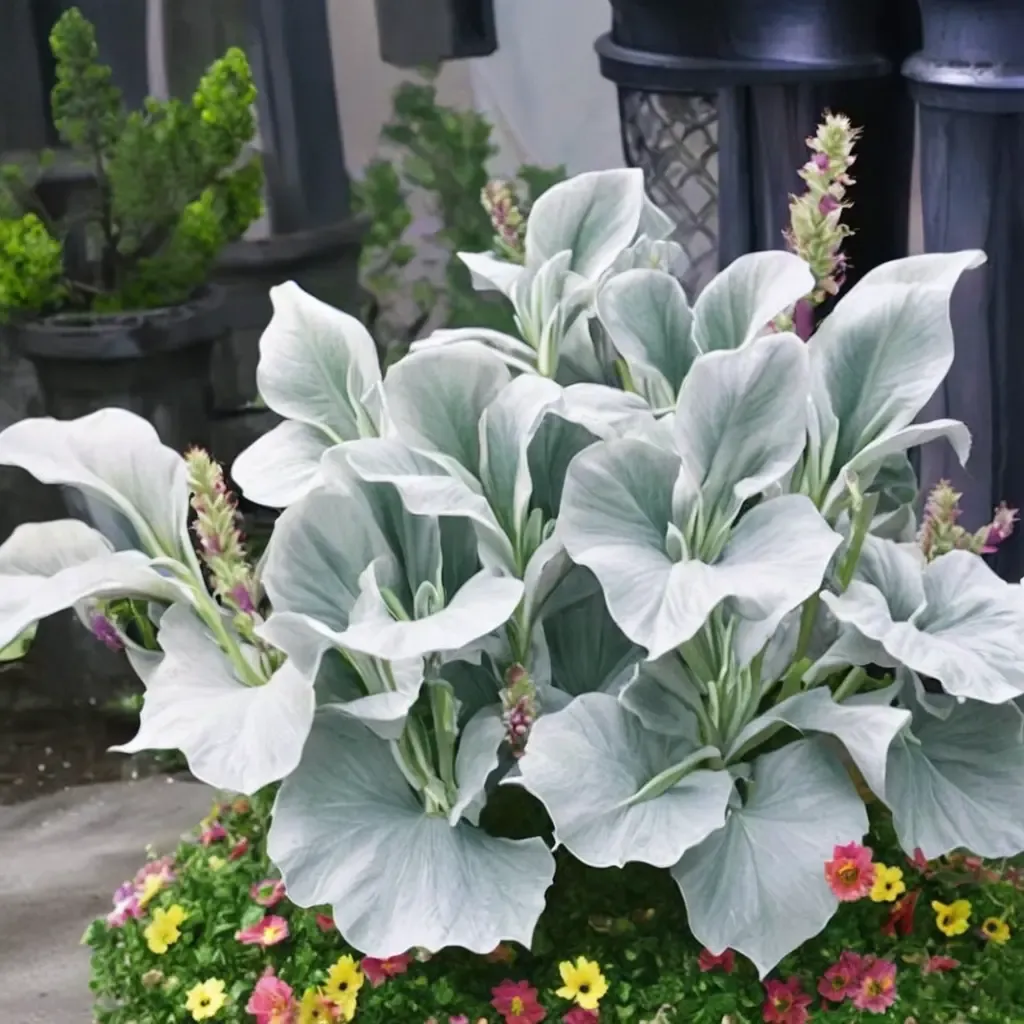
Angel Wings
Senecio candicans 'Angel Wings'
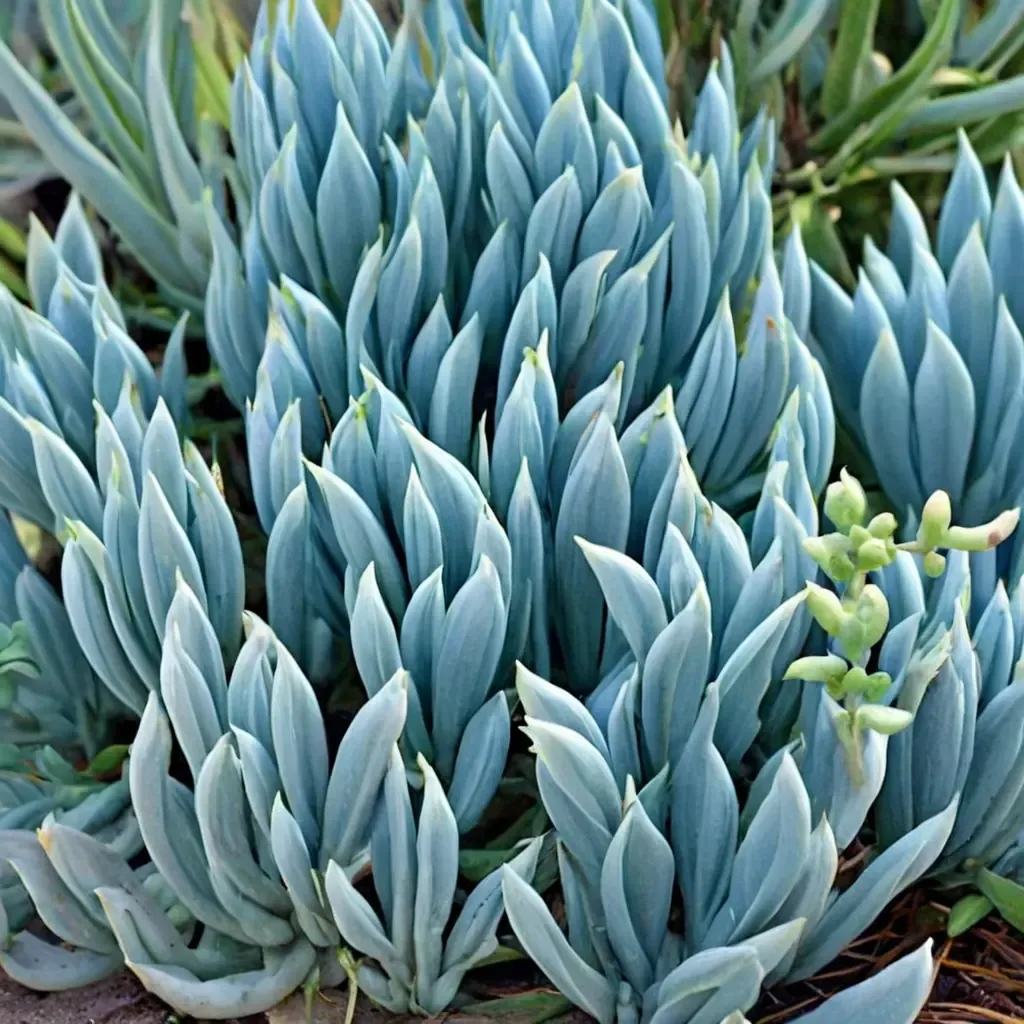
Blue Chalksticks
Senecio mandraliscae
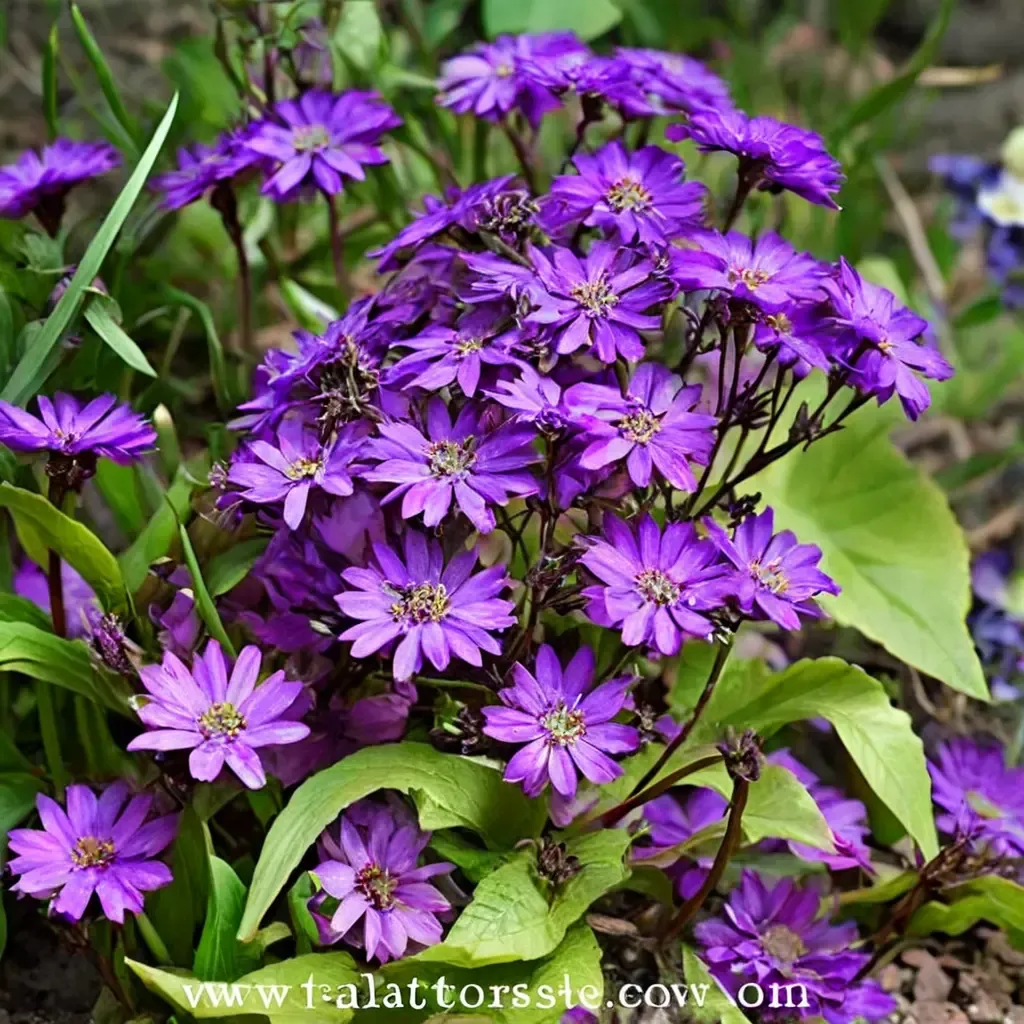
Giovanna's Select Groundsel
Senecio stellata 'Giovanna's Select'
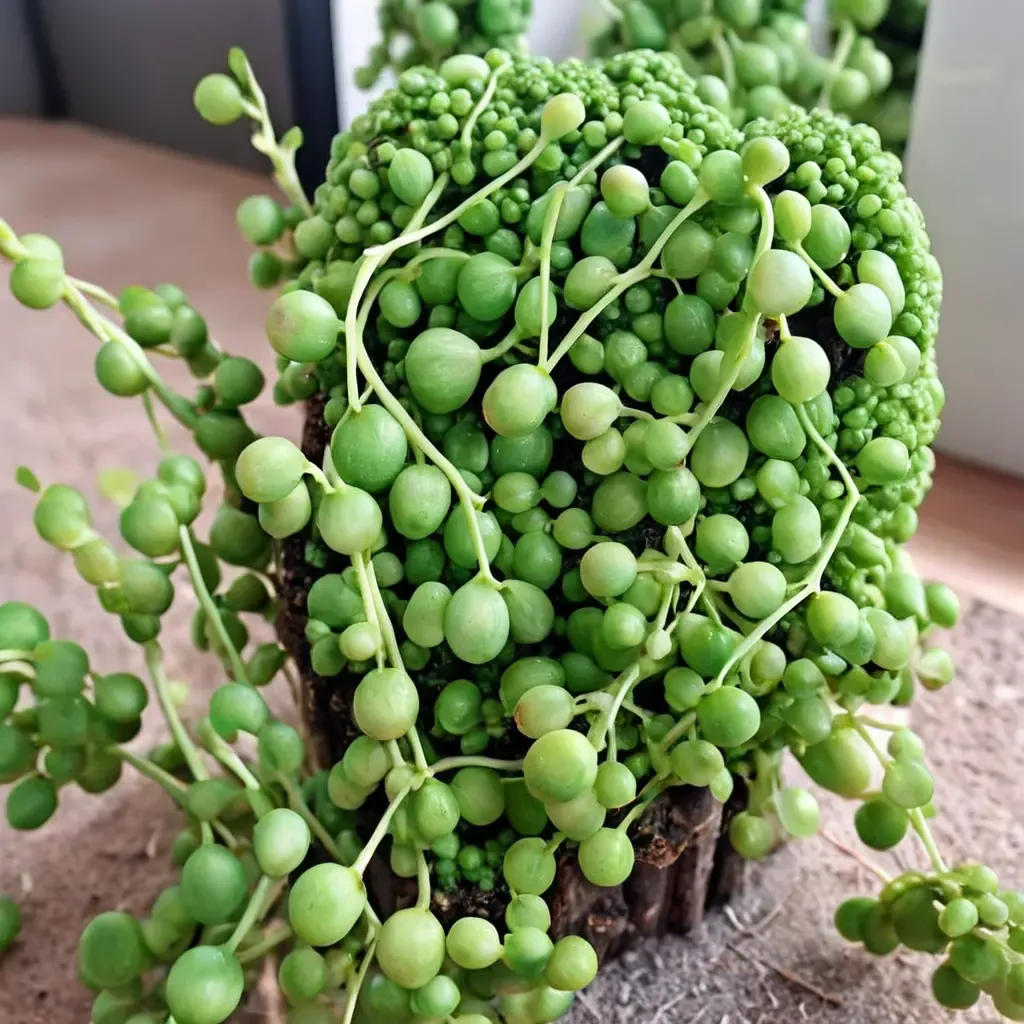
String of Pearls
Senecio rowleyanus
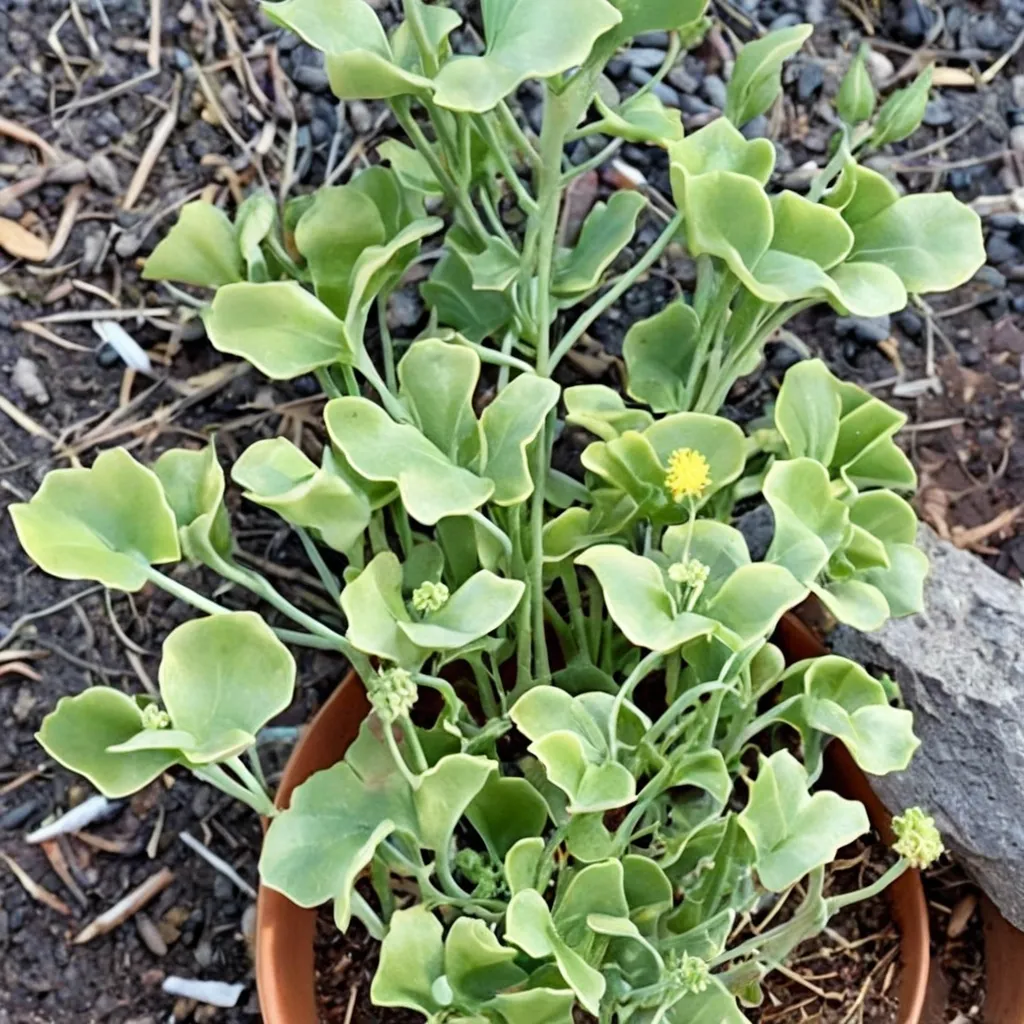
False Nasturtium
Senecio tropaeolifolius

Florist's Cineraria
Senecio stellata
Keep exploring
Explore the genus
Hardy in your zone?
Grow Hispid Fireweed with confidence
See it in a design of your actual yard, get zone-matched care reminders, and track it season by season in your garden journal.