Also known as Tussock Grass · 28 saves
Poa
Poa, the genus most gardeners know as tussock grass. We track 5 varieties; the ones most used by real gardeners.
The 5 most-saved Poa varieties
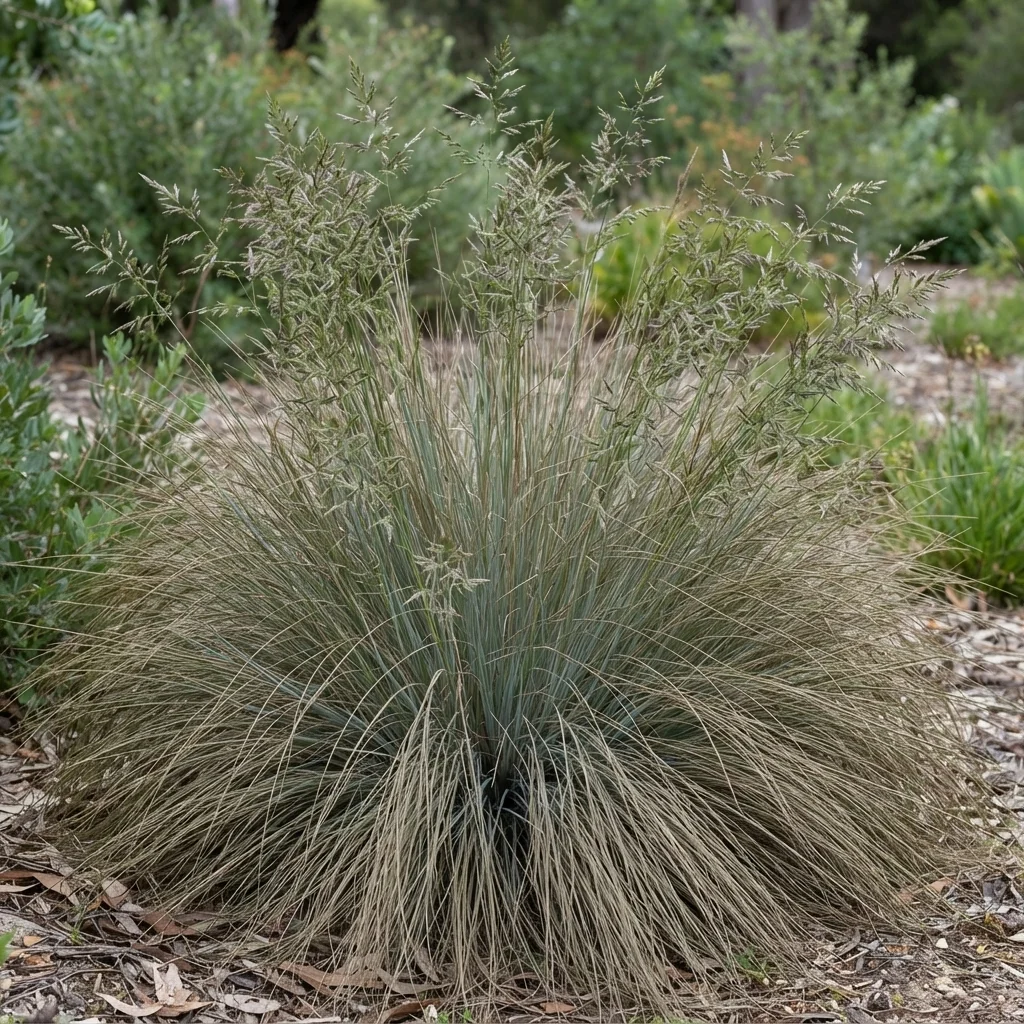
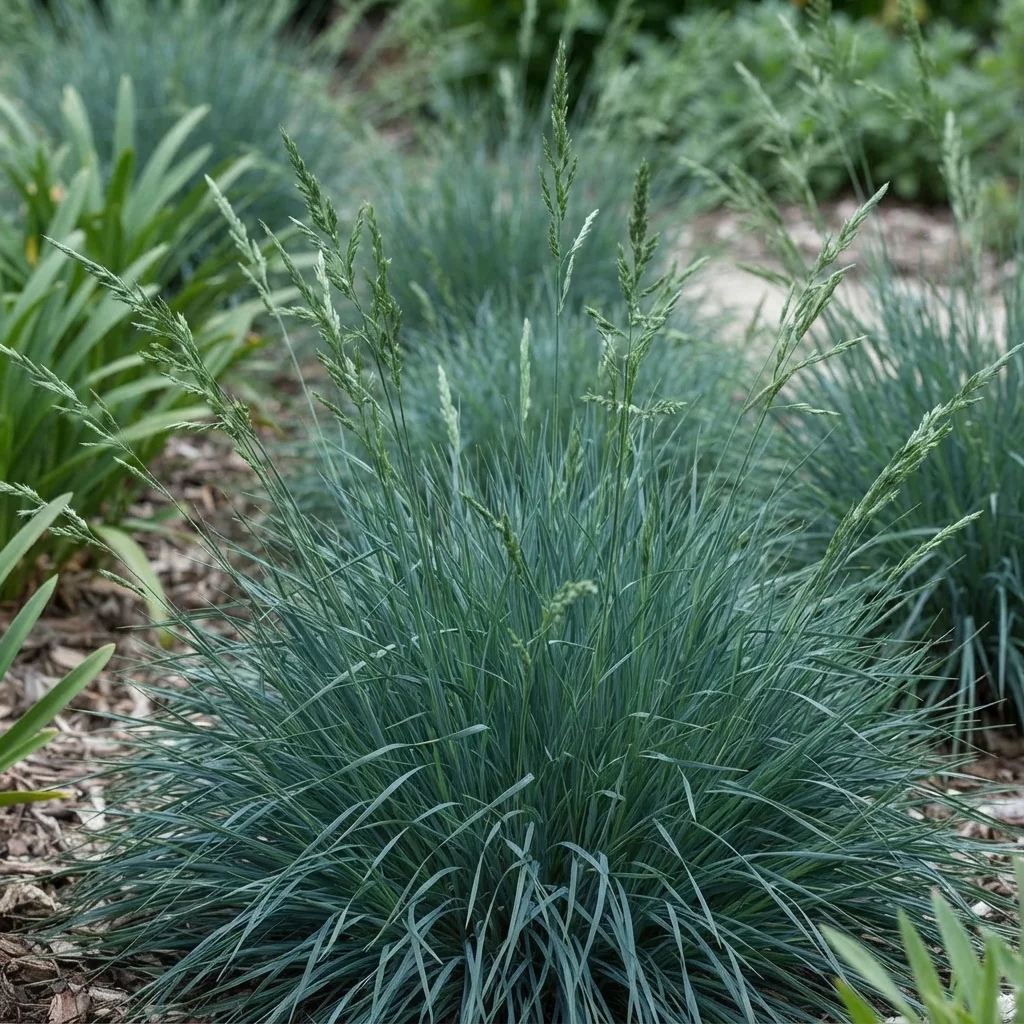
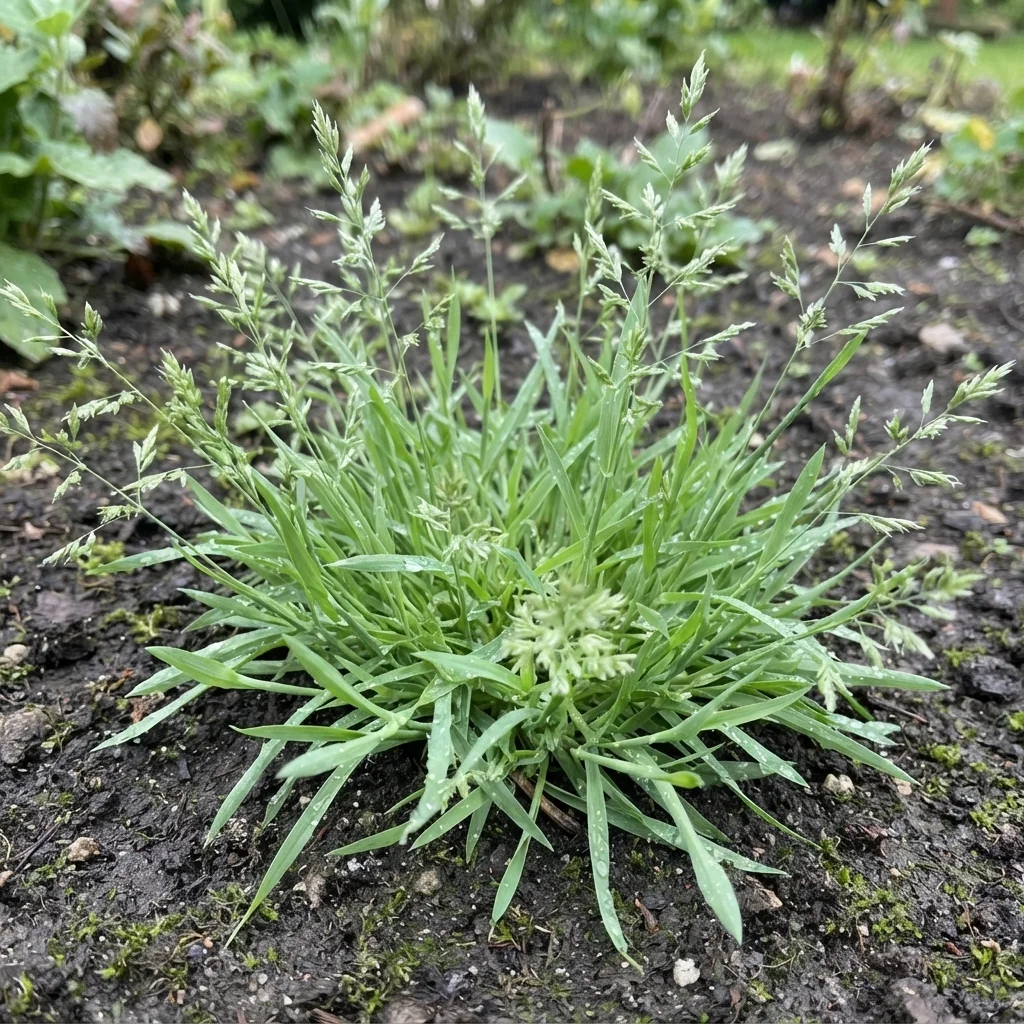
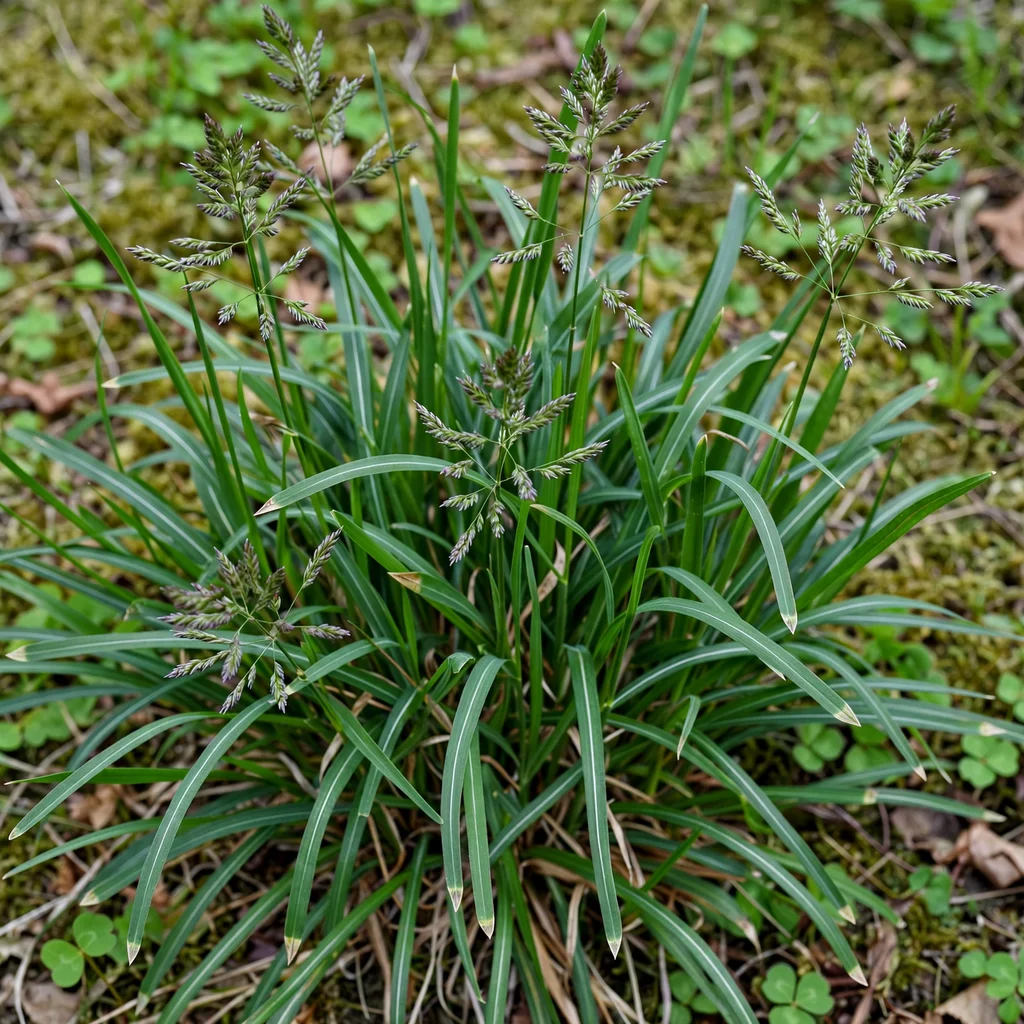
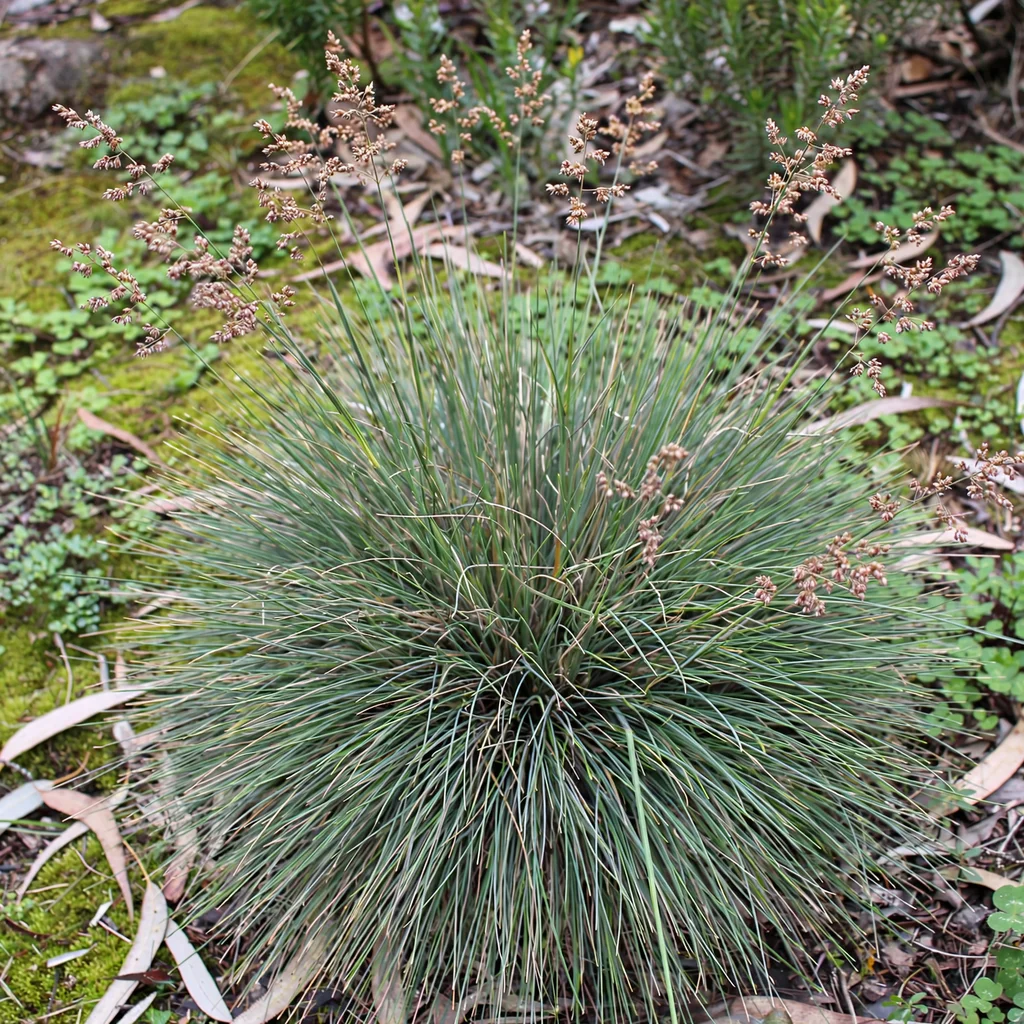
4 species of Poa
Each one is a parent of the varieties above.
Track your Poa in Sow
Save the Poa you grow and get care reminders timed to your zone.
How to grow Poa
Whats common across all Poa varieties in our catalog — drawn from the care records of the 5 most-grown of them.
The Poa year
- Check for PestsJune and July100% of varieties
Inspect the dense foliage for aphids and spider mites during hot, dry periods.
- PruneFebruary and March80% of varieties
Cut back damaged or untidy foliage infrequently, avoiding the old woody base.
- Spring CleanupMarch and April80% of varieties
Comb through the tussock with gloved hands to remove dead, straw-like leaves.
- DivideMarch and October60% of varieties
Divide mature clumps in early spring before active growth begins.
- FertilizeApril and September60% of varieties
Apply balanced slow-release turf fertilizer in spring and fall growth flushes.


Do
- Water regularly during dry spells to maintain the vibrant blue-green foliage color.
- Divide mature clumps in late winter or early spring to propagate and rejuvenate congested plants.
- Mow regularly to maintain a height of two to three inches during active growth.
- Irrigate deeply and infrequently to encourage a deep, drought-resistant root system.
- Aerate the soil annually to relieve compaction and reduce thatch buildup.
Avoid
- Do not shear the foliage back to the ground annually, as this can weaken or kill the tussock.
- Avoid planting in dry, arid climates without providing supplemental irrigation.
- Do not scalp the lawn or remove more than one-third of the leaf blade in a single mowing.
- Do not over-fertilize with high nitrogen during hot summer weather.
What goes wrong with Poa
| Problem | What you'll see | What to do |
|---|---|---|
| Aphids | Clusters of small, soft-bodied insects on new growth causing leaf curling. | Wash off with a strong spray of water or apply insecticidal soap. |
| Spider mites | Fine webbing on foliage and stippled, yellowing leaves in hot, dry weather. | Increase humidity around the plant and spray with insecticidal soap or horticultural oil. |
| Deer | Chewed foliage and ragged leaf tips from grazing. | Protect young plants with physical barriers or apply scent-based repellents. |
| Japanese beetle larvae | White grubs feed on roots, causing patches of turf to wilt, turn brown, and lift easily like loose carpet. | Apply beneficial nematodes, milky spore, or targeted insecticides to the soil. |
| Root rot | Yellowing foliage, wilting, and decaying roots in waterlogged conditions. | Improve soil drainage and avoid overwatering. |
| Dollar spot | Small, straw-colored spots about the size of a silver dollar appear on the turf, often with white mycelium in morning dew. | Maintain adequate nitrogen fertility and irrigate deeply early in the morning. |
| Powdery mildew | A white, powdery fungal growth coats the leaf blades, primarily in shaded or poorly ventilated areas. | Reduce shade, improve air circulation, and apply registered fungicides if necessary. |
Making more Poa
Division
- Dig up a mature tussock in late winter or early spring before new growth begins.
- Use a sharp spade or knife to slice the clump into smaller sections, ensuring each has healthy roots and shoots.
- Trim back the foliage of the divisions by half to reduce transplant stress.
- Replant the divisions immediately into prepared soil and water thoroughly.
Seed
- Prepare a fine, weed-free seedbed in spring or early fall.
- Sow seed evenly at the recommended regional rate and lightly rake into the topsoil.
- Keep the soil surface continuously moist until germination occurs in two to three weeks.
- Mow for the first time when the young grass reaches three inches in height.
Poa questions
How many types of Poa are there?
The Sow catalog tracks 5 distinct Poa varieties. The most popular — ranked by 28 real gardeners — are shown first above.
What zones does Poa grow in?
Across its varieties, Poa covers USDA Zones 4–10. Individual varieties differ — each plant page lists its exact range, and Sow filters the catalog to your zone automatically.
When does Poa bloom?
Most Poa varieties bloom in spring, late spring. Staggering early, mid, and late varieties extends the genus's season in one bed.
Which Poa should I choose?
Start from the most-saved varieties above — popularity across thousands of gardens is a strong signal of reliability — then filter by your zone and sun. In the Sow app you can preview any of them in a photo of your actual yard before you buy.