The Story
Plant Bio
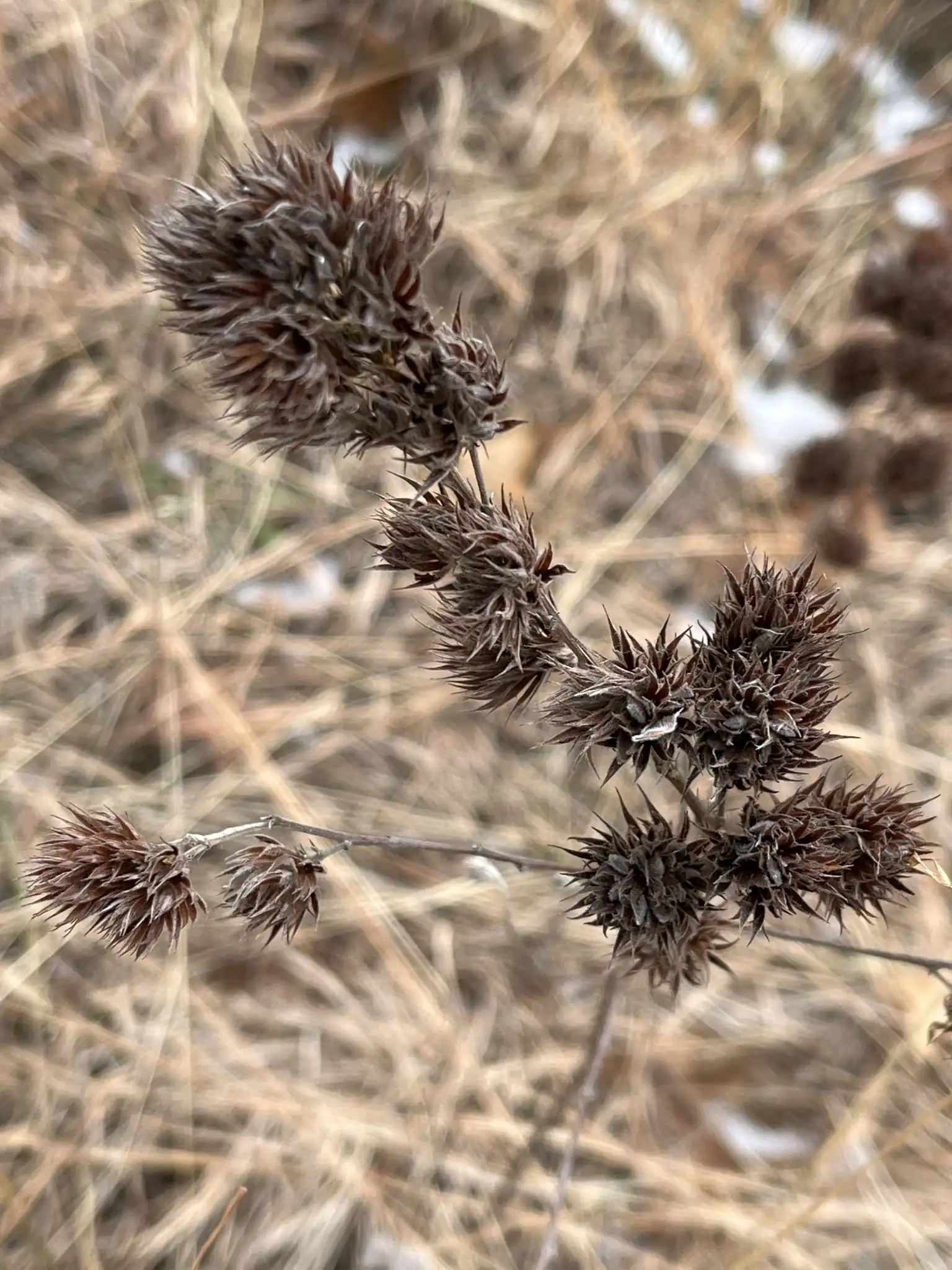
Lespedeza capitata is an upright, narrow-clumping herbaceous perennial native to North America, growing two to four feet tall with rigid stems that persist into winter. Its foliage features trifoliolate leaves covered in fine silvery hairs, topped in late summer by dense, spherical clusters of cream-colored flowers with reddish throats.
Unlike invasive Asian bush clovers, this native species has broader, silvery-haired leaflets and compact round flower heads rather than wedge-shaped leaves. Its nitrogen-fixing taproot allows it to thrive in infertile, dry soils while providing high-protein forage and seed for wildlife.
Uses & Benefits:
Essentials
At a Glance
Plant Type
Perennial
Height
47"
Width
24"
Light
Full Sun
Zones
4, 5, 6, 7, 8
Water
Low
Humidity
Moderate
Lifespan
Perennial
Native To
North America
Toxicity
Non-toxic
Bloom period
Summer – Autumn
In flower about 6 months of the year
Planting
How to Grow
- Select a planting site in full sun with dry to medium-dry, well-draining soil.
- Install container plugs in spring or early fall, keeping the crown level with the surrounding soil.
- Water thoroughly at planting and provide occasional moisture during the first season until established.
- Cut spent stems back to ground level in late winter before new spring growth begins.
Pro Tip
Do not attempt to move or divide established plants; the deep, woody taproot resents root disturbance, so set out young container plugs or stratified seed directly into their final positions.
Keep It Thriving
Care Guide
Do
- Plant in full sun to maintain rigid, upright stem structure.
- Ensure sharp soil drainage to avoid wet roots during winter.
- Protect young, emerging shoots from mammalian browsing using physical cages.
Don't
- Do not apply nitrogen fertilizer, as the plant fixes its own atmospheric nitrogen.
- Do not plant in heavy, poorly drained clay soils where standing water accumulates.
- Do not attempt to dig up or transplant mature wild or established garden specimens.
Seasonal Care Calendar
| Task | Jan | Feb | Mar | Apr | May | Jun | Jul | Aug | Sep | Oct | Nov | Dec |
|---|---|---|---|---|---|---|---|---|---|---|---|---|
| Pest Check | ||||||||||||
| Plant | ||||||||||||
| Propagate | ||||||||||||
| Spring Cleanup |
Watch Out For
Pests & Diseases
Common Pests
Common Diseases
In the Garden
Landscape Uses & Companions
Landscape Uses
Multiply
Propagation Methods
Good to Know
Common Questions
Round-Headed Bush Clover questions
What zones can Round-Headed Bush Clover grow in?
Round-Headed Bush Clover is hardy in USDA Zones 4–8. Inside that range it survives winter in the ground; outside it, grow it as an annual or a container plant you protect.
Is Round-Headed Bush Clover deer resistant?
Not reliably. Deer may browse Round-Headed Bush Clover, especially tender spring growth — plan on repellents or fencing where pressure is high.
When does Round-Headed Bush Clover bloom?
Round-Headed Bush Clover typically blooms in summer through autumn. Exact timing shifts a week or two with your zone — Sow's bloom calendar maps it to your garden.
Does Round-Headed Bush Clover need full sun?
Round-Headed Bush Clover does best in full sun (6+ hours).
Is Round-Headed Bush Clover drought tolerant?
Yes — once established (usually after the first full season), Round-Headed Bush Clover handles dry spells with minimal watering. Water deeply its first year to build the root system that makes that possible.
More Lespedeza to compare
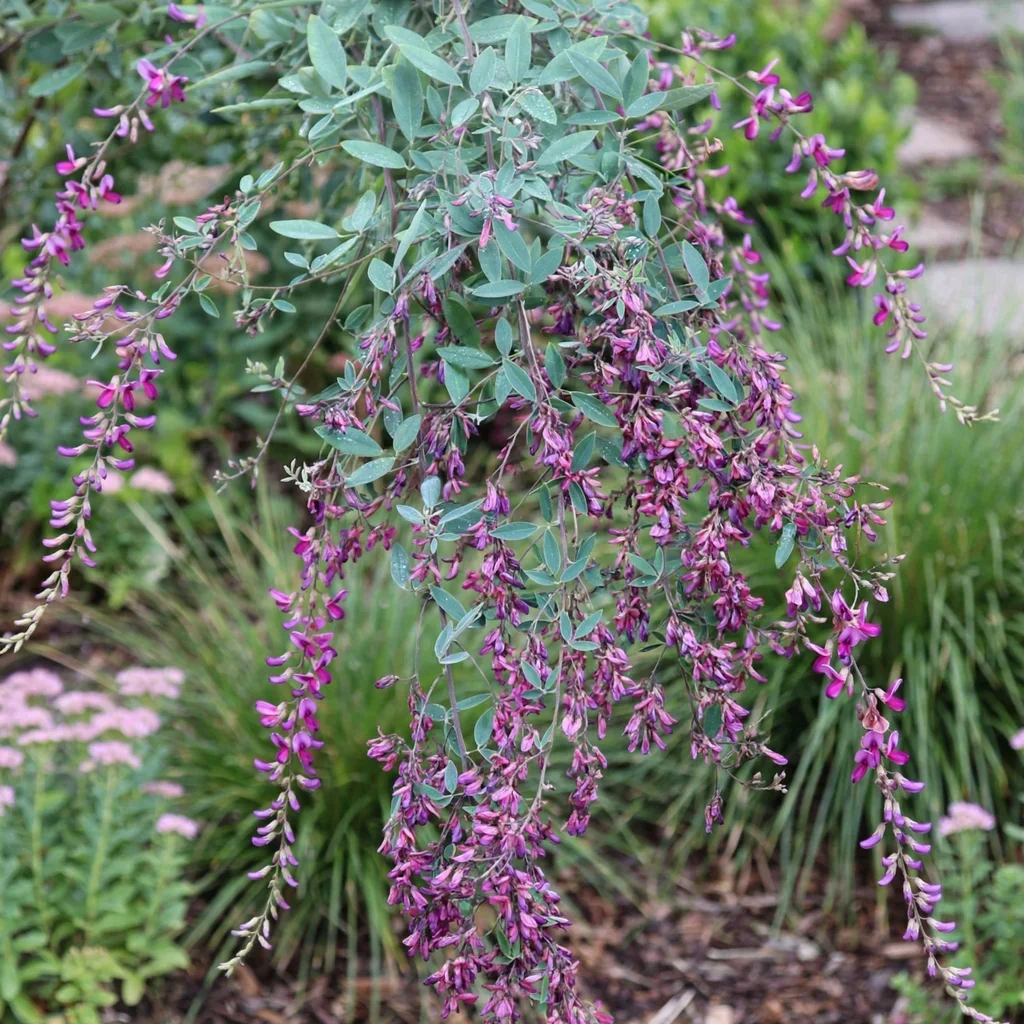
Gibraltar Lespedeza
Lespedeza thunbergii 'Gibraltar'
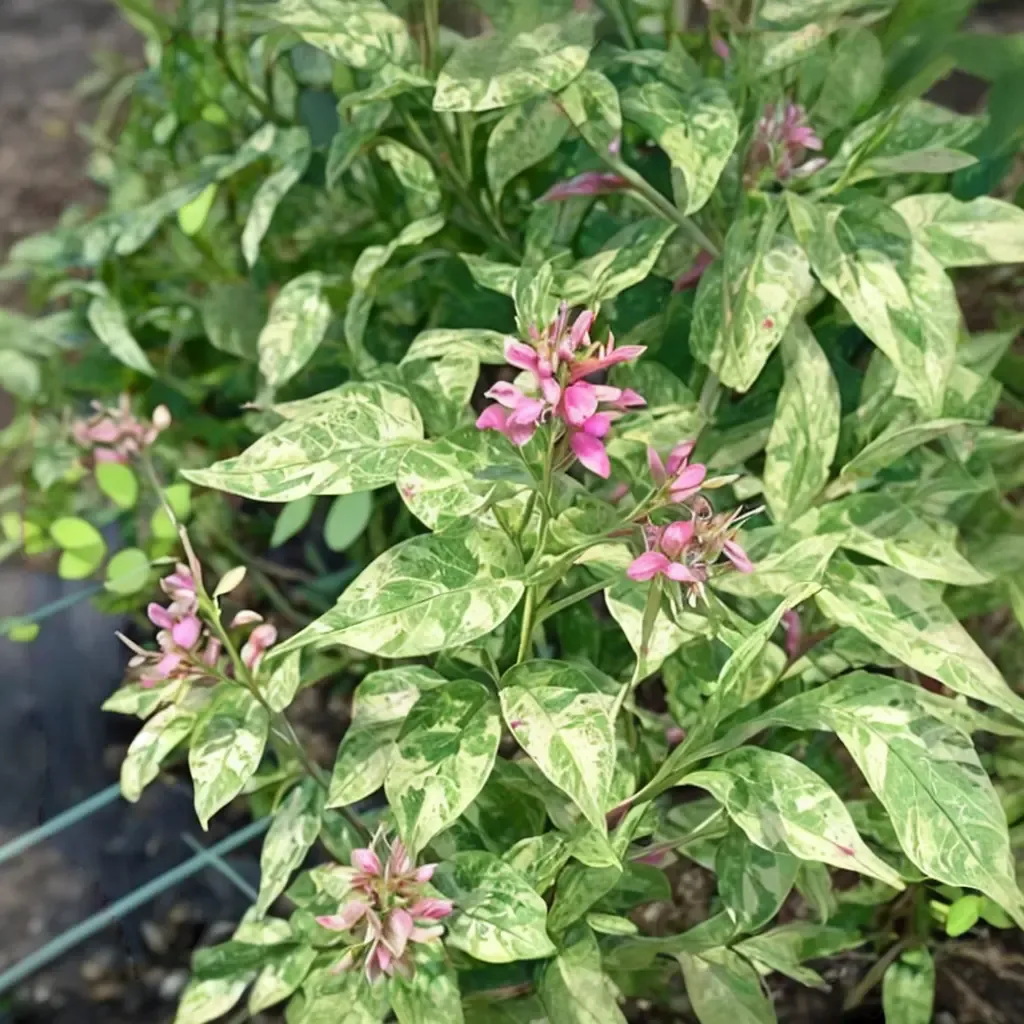
'Spilt Milk' Bushclover
Lespedeza thunbergii 'Spilt Milk'
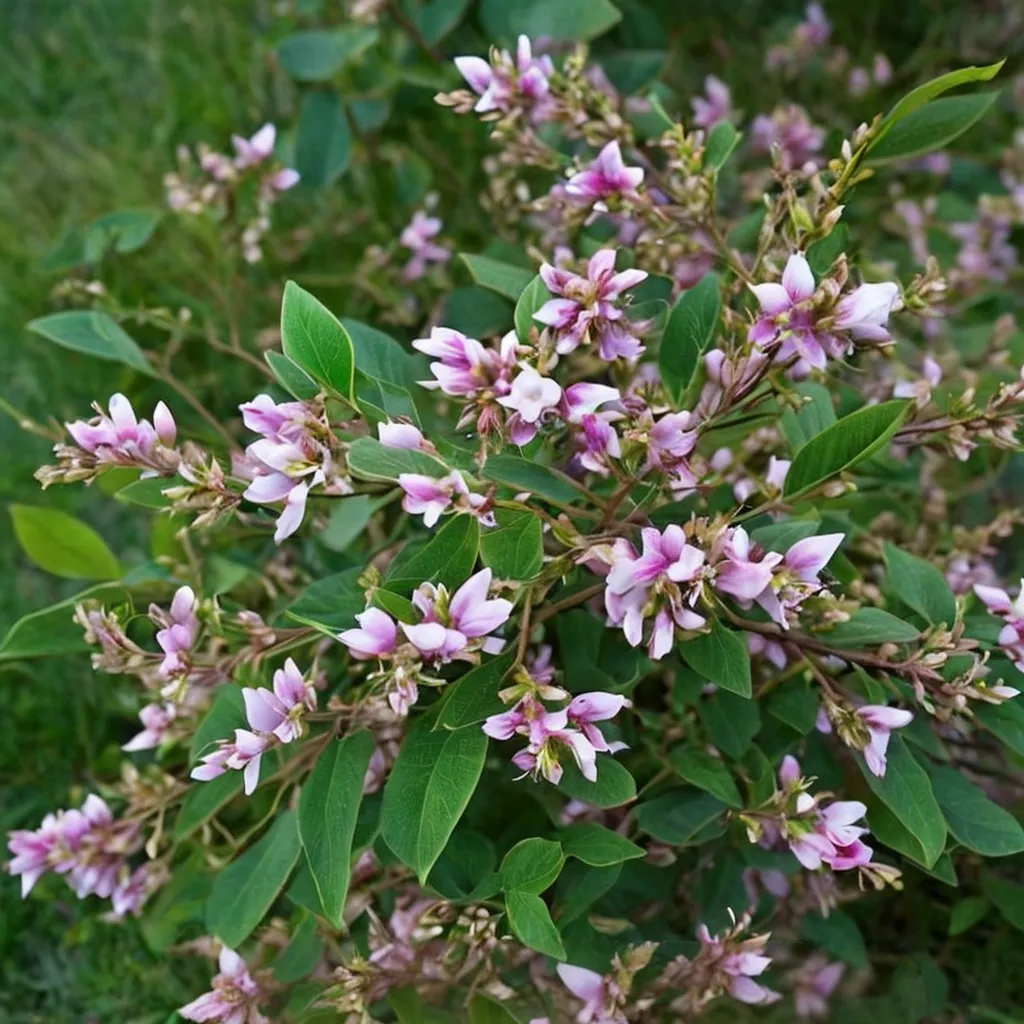
Edo Shibori Bush Clover
Lespedeza thunbergii 'Edo Shibori'
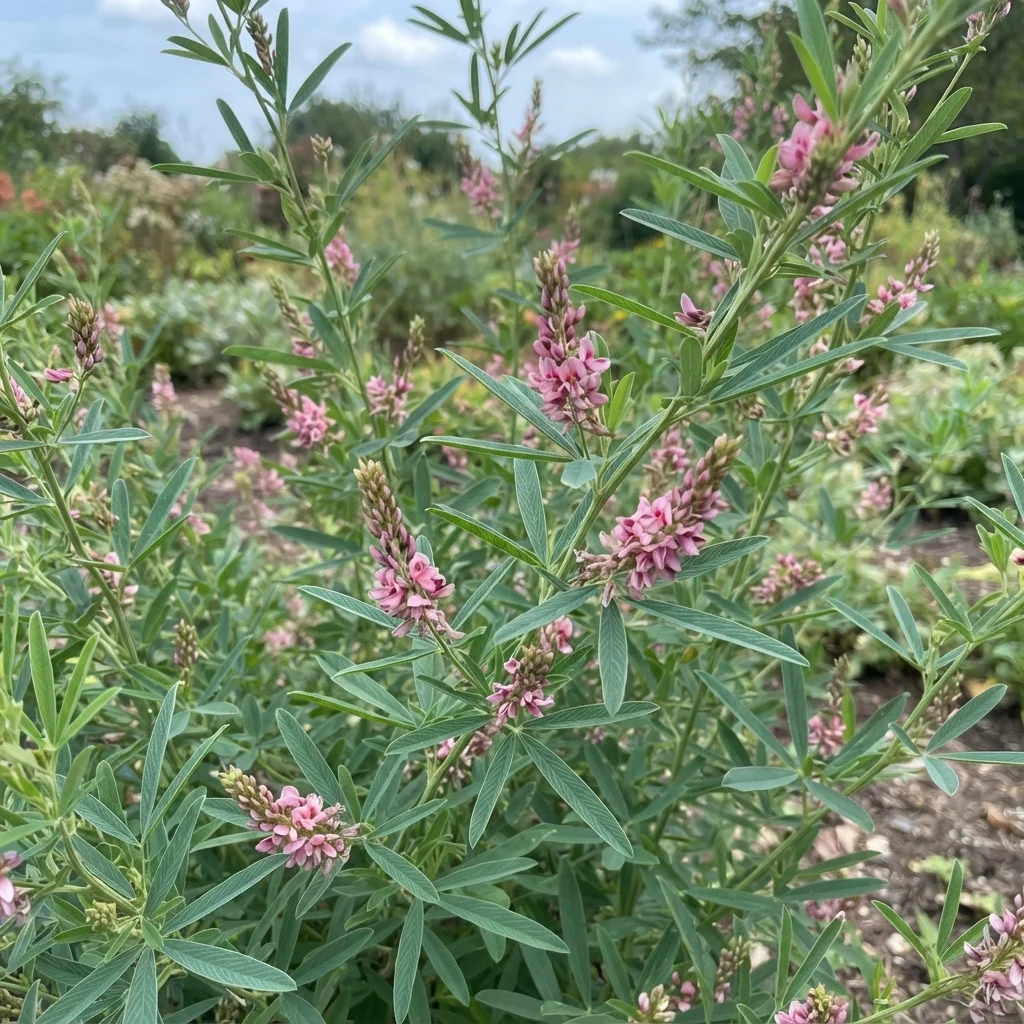
Slender Bush-Clover
Lespedeza virginica
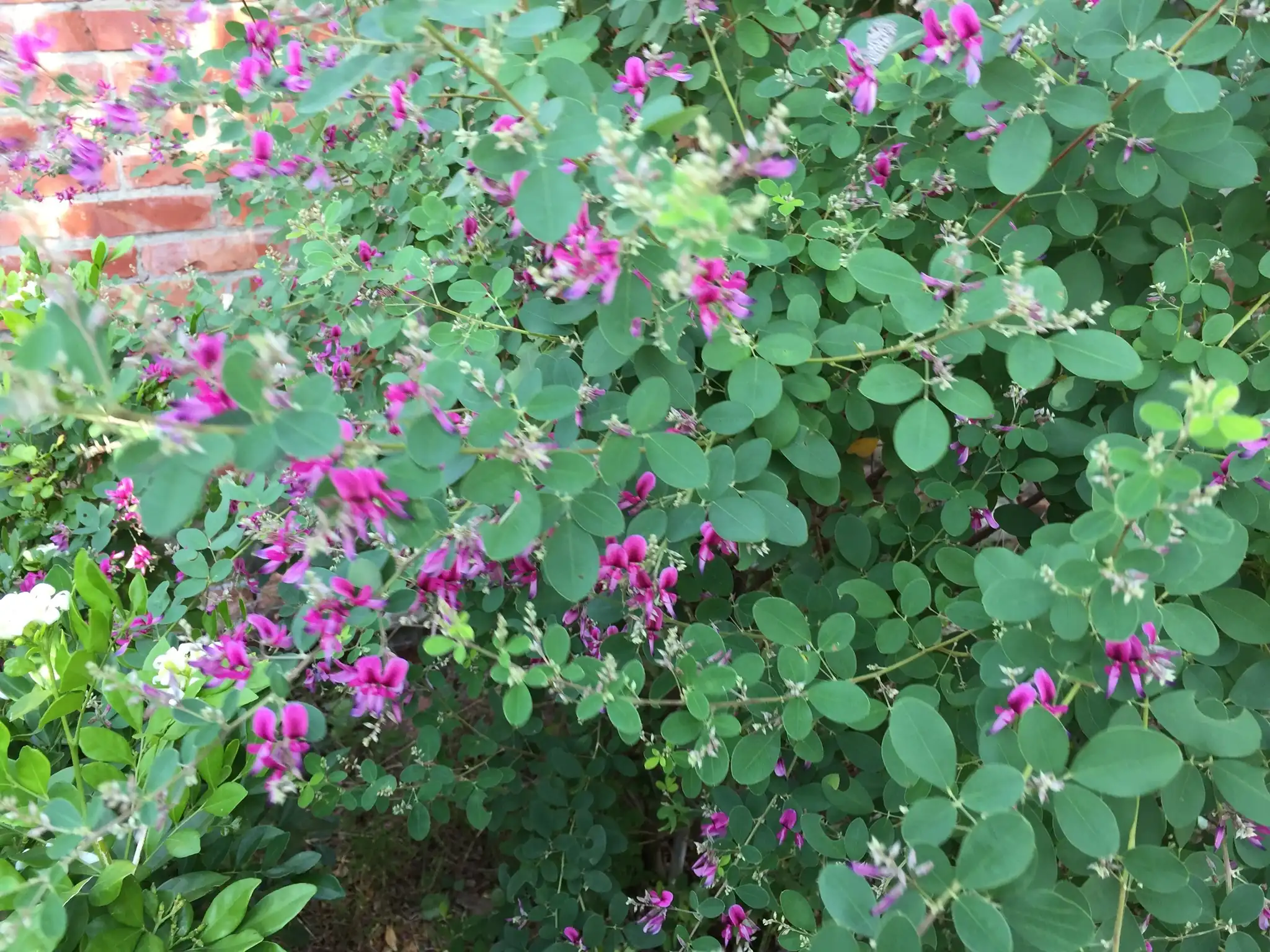
Thunberg's Bush Clover
Lespedeza thunbergii
Keep exploring
Explore the genus
Hardy in your zone?
Grow Round-Headed Bush Clover with confidence
See it in a design of your actual yard, get zone-matched care reminders, and track it season by season in your garden journal.