
The Story
Plant Bio
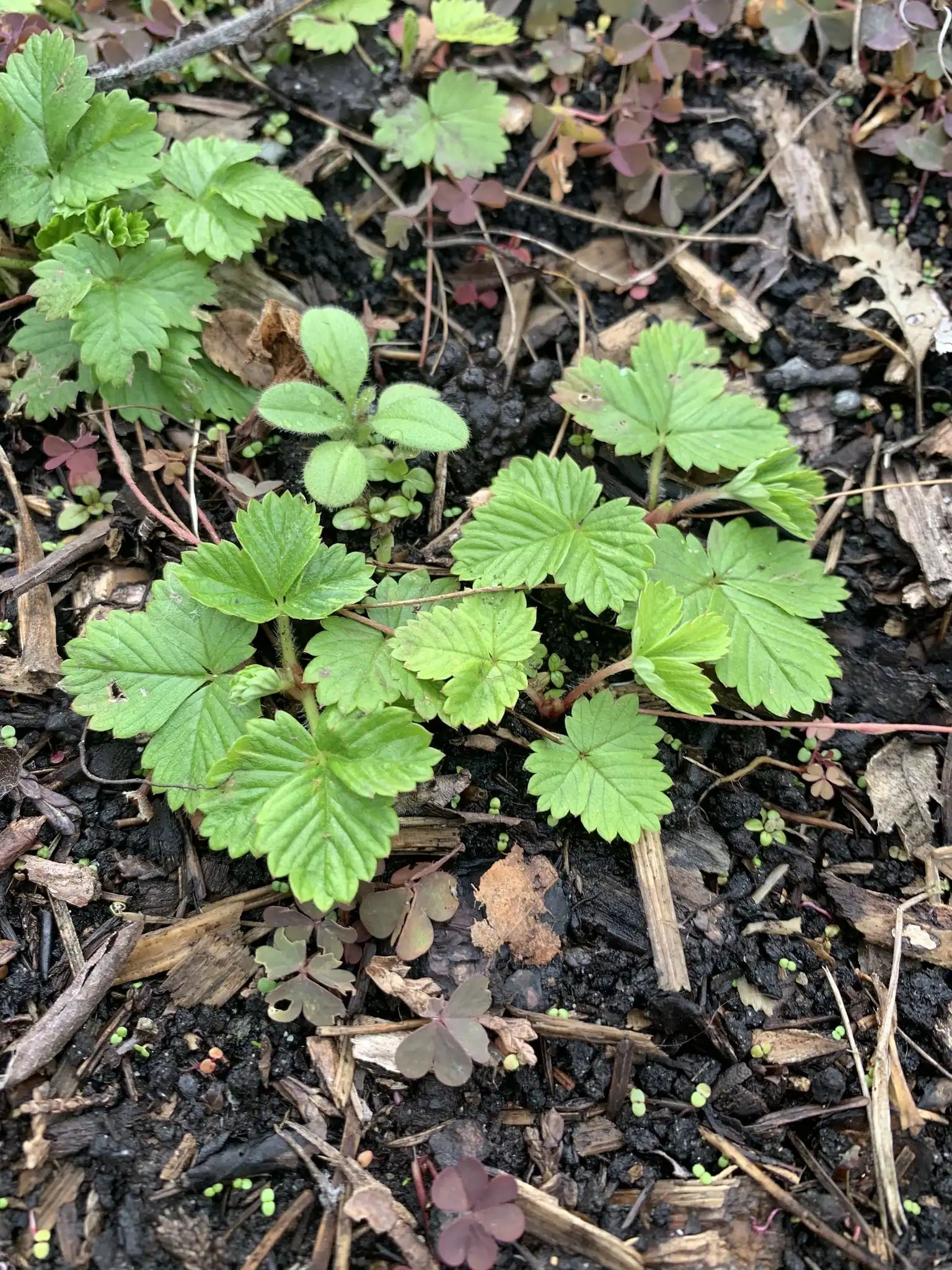
Fragaria vesca, the woodland or alpine strawberry, is a low-spreading perennial found right across the temperate northern hemisphere, including North America. It makes tufts three to nine inches high with three-part toothed leaves, spreading by runners. White yellow-centred flowers open from May to August, followed by small, intensely flavoured red fruit.
The fruit is a fraction of the size of a garden strawberry but far more aromatic, and the plant fruits over months rather than in one flush. It spreads by runners and self-seeds where fruit is left unpicked, which makes it a good informal ground cover and worth confining if you want it to stay in a defined bed.
Uses & Benefits:
Essentials
At a Glance
Plant Type
Fruit Vegetable
Height
8"
Width
12"
Light
Full Sun, Partial Sun
Zones
4, 5, 6, 7, 8, 9
Water
Medium
Humidity
Average
Lifespan
Perennial
Native To
Temperate northern hemisphere, including North America
Toxicity
Edible
Marketplace
Where to Buy
Shipping costs Year-round shipping Free shipping
Planting
How to Grow
- Plant in spring in full sun to part shade.
- Choose humus-rich, fertile, well-drained soil.
- Space plants about a foot apart to knit together.
- Keep the soil evenly moist through fruiting.
- Peg down runners to fill gaps, or remove them to contain it.
- Replace the planting every three or four years.
Pro Tip
Pick the fruit as it ripens; unharvested berries are how this plant seeds itself into the rest of the border.
Keep It Thriving
Care Guide
Do
- Give it fertile, humus-rich soil 🌱
- Keep the soil evenly moist while fruiting 💧
- Peg runners down to fill gaps 🌿
- Pick fruit promptly as it ripens 🍓
Don't
- Let it dry out during fruiting ❌
- Leave ripe fruit to seed itself around ❌
- Keep the same plants going indefinitely ❌
Seasonal Care Calendar
| Task | Jan | Feb | Mar | Apr | May | Jun | Jul | Aug | Sep | Oct | Nov | Dec |
|---|---|---|---|---|---|---|---|---|---|---|---|---|
| Harvest | ||||||||||||
| Renew |
Watch Out For
Pests & Diseases
Common Pests
Common Diseases
In the Garden
Landscape Uses & Companions
Landscape Uses
Multiply
Propagation Methods
Good to Know
Common Questions
Strawberry questions
What zones can Strawberry grow in?
Strawberry is hardy in USDA Zones 4–9. Inside that range it survives winter in the ground; outside it, grow it as an annual or a container plant you protect.
Is Strawberry deer resistant?
Not reliably. Deer may browse Strawberry, especially tender spring growth — plan on repellents or fencing where pressure is high.
When does Strawberry bloom?
Strawberry typically blooms in late spring through summer through early summer. Exact timing shifts a week or two with your zone — Sow's bloom calendar maps it to your garden.
Does Strawberry need full sun?
Strawberry does best in full sun to part shade. In hot climates, afternoon shade keeps blooms fresher longer.
More Fragaria to compare
Wild Strawberry
Fragaria virginiana
Delizz Strawberry
Fragaria x ananassa 'Delizz'
Elan Strawberry
Fragaria x ananassa 'Elan'
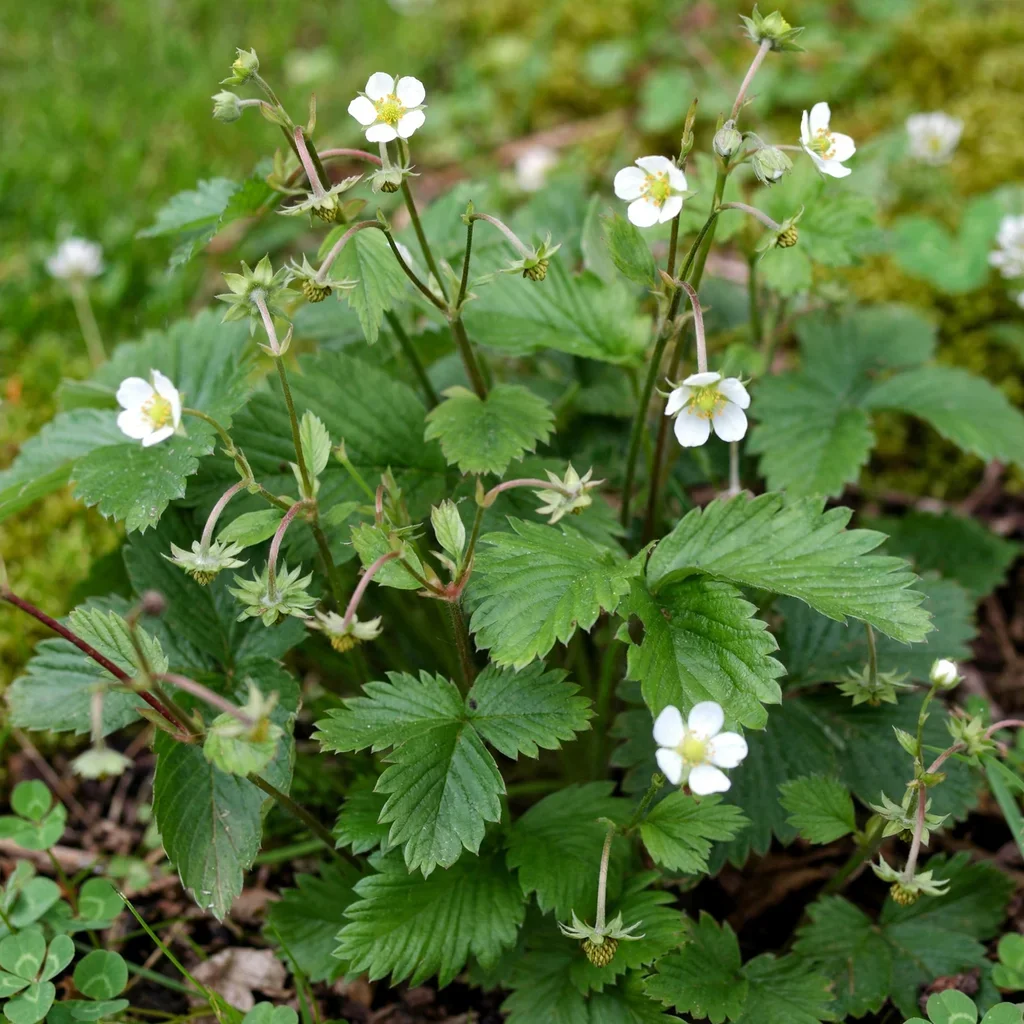
Improved Rugen Strawberry
Fragaria vesca 'Improved Rugen'
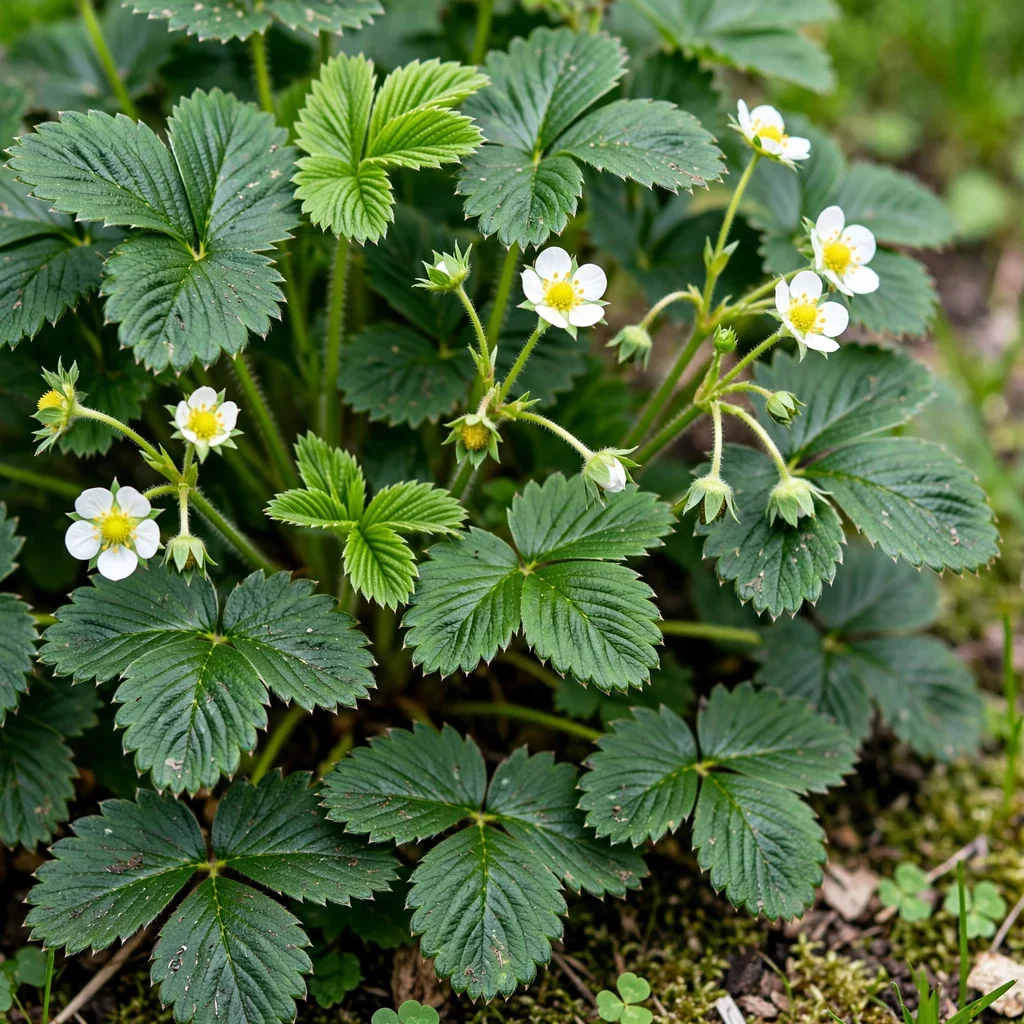
Mara des Bois Strawberry
Fragaria x ananassa 'Mara des Bois'
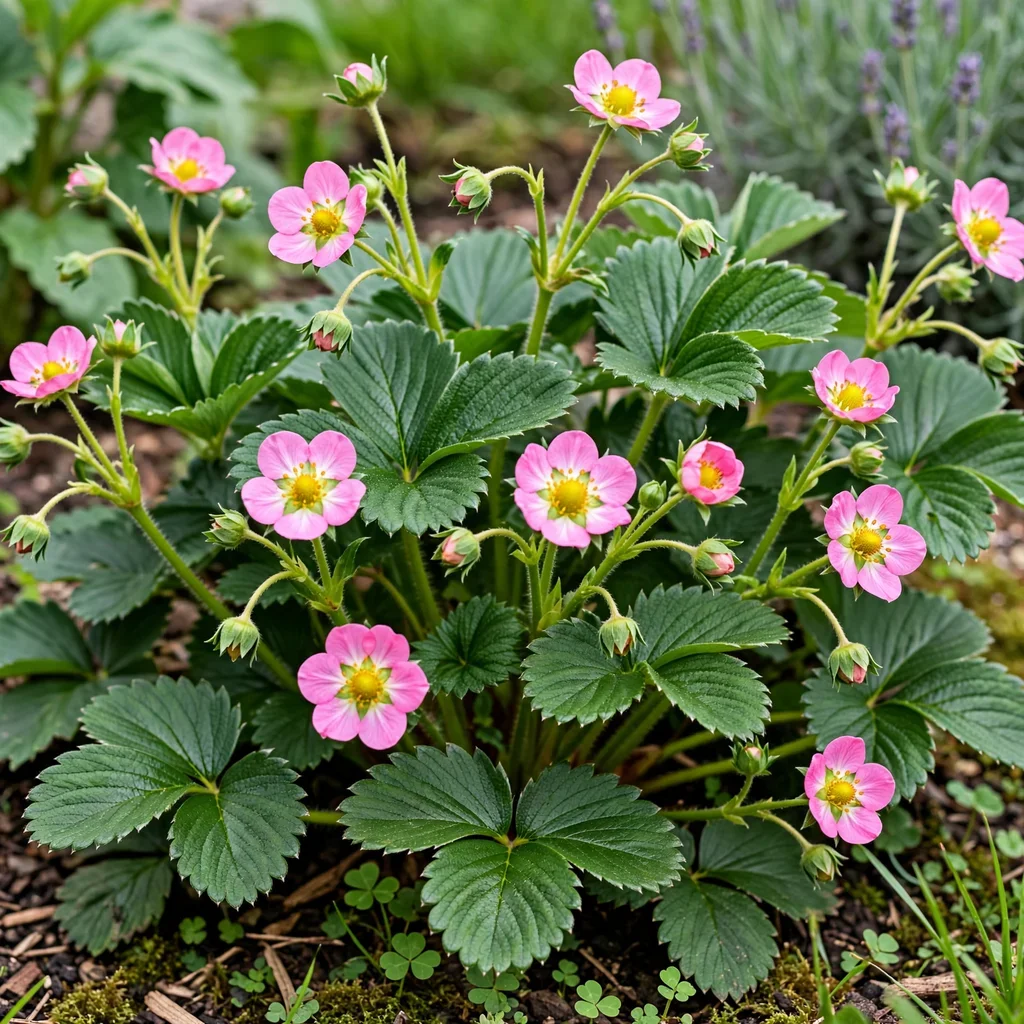
Gasana Everbearing Strawberry
Fragaria x ananassa 'Gasana Everbearing'
Keep exploring
Explore the genus
Grow Strawberry with confidence
See it in a design of your actual yard, get zone-matched care reminders, and track it season by season in your garden journal.