

The Story
Plant Bio
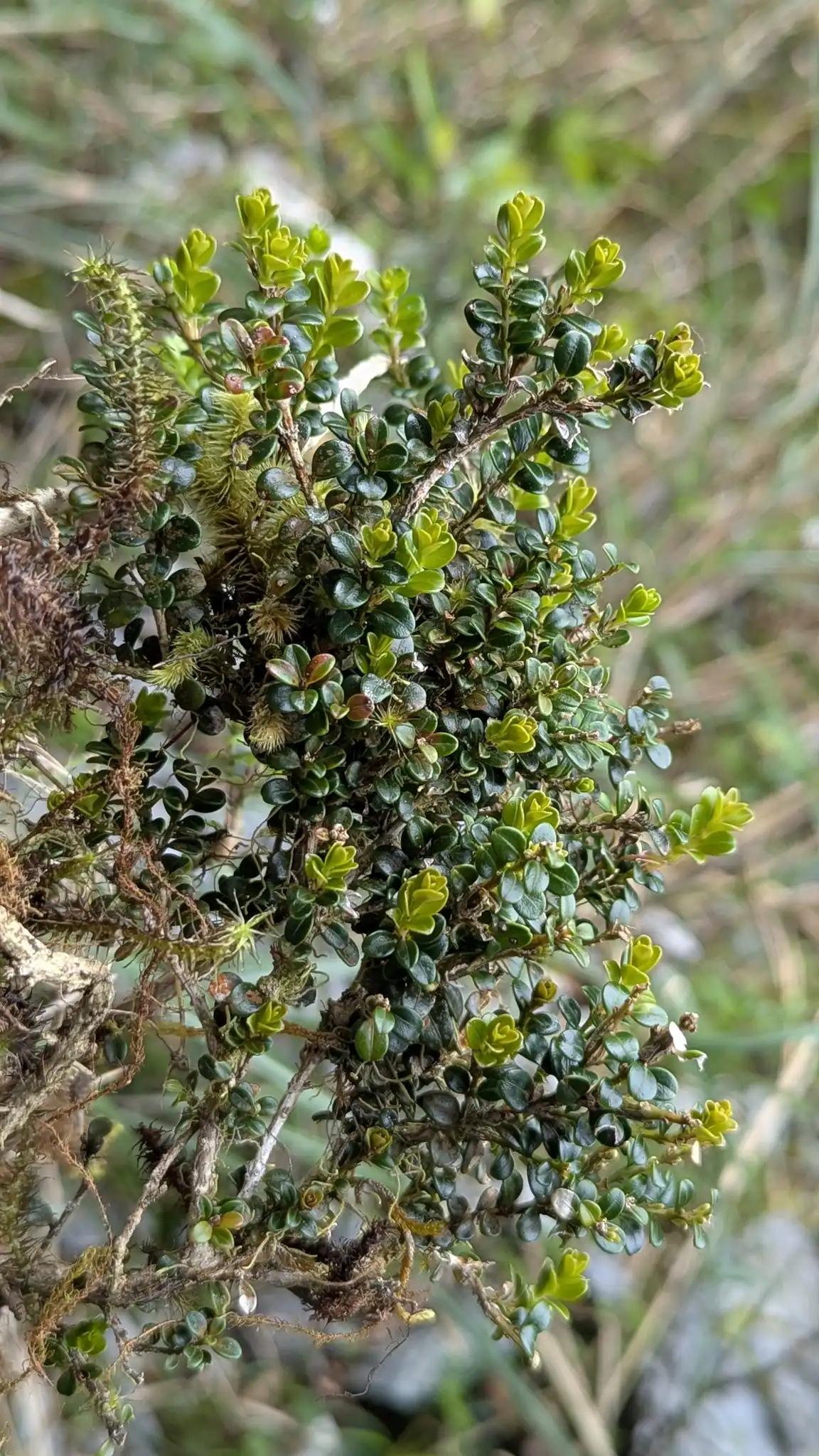
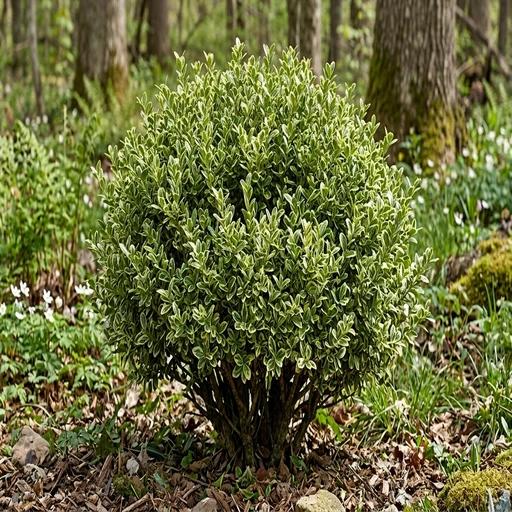
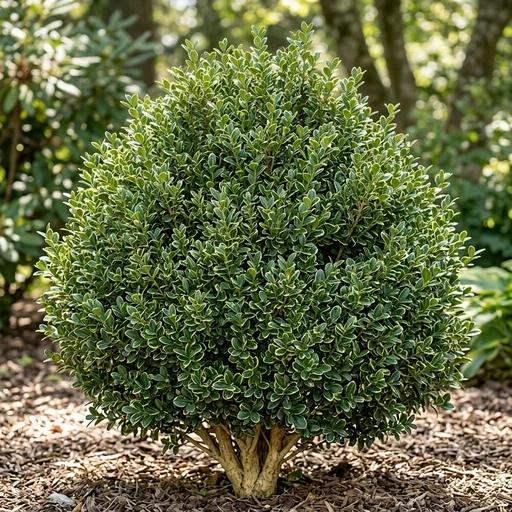
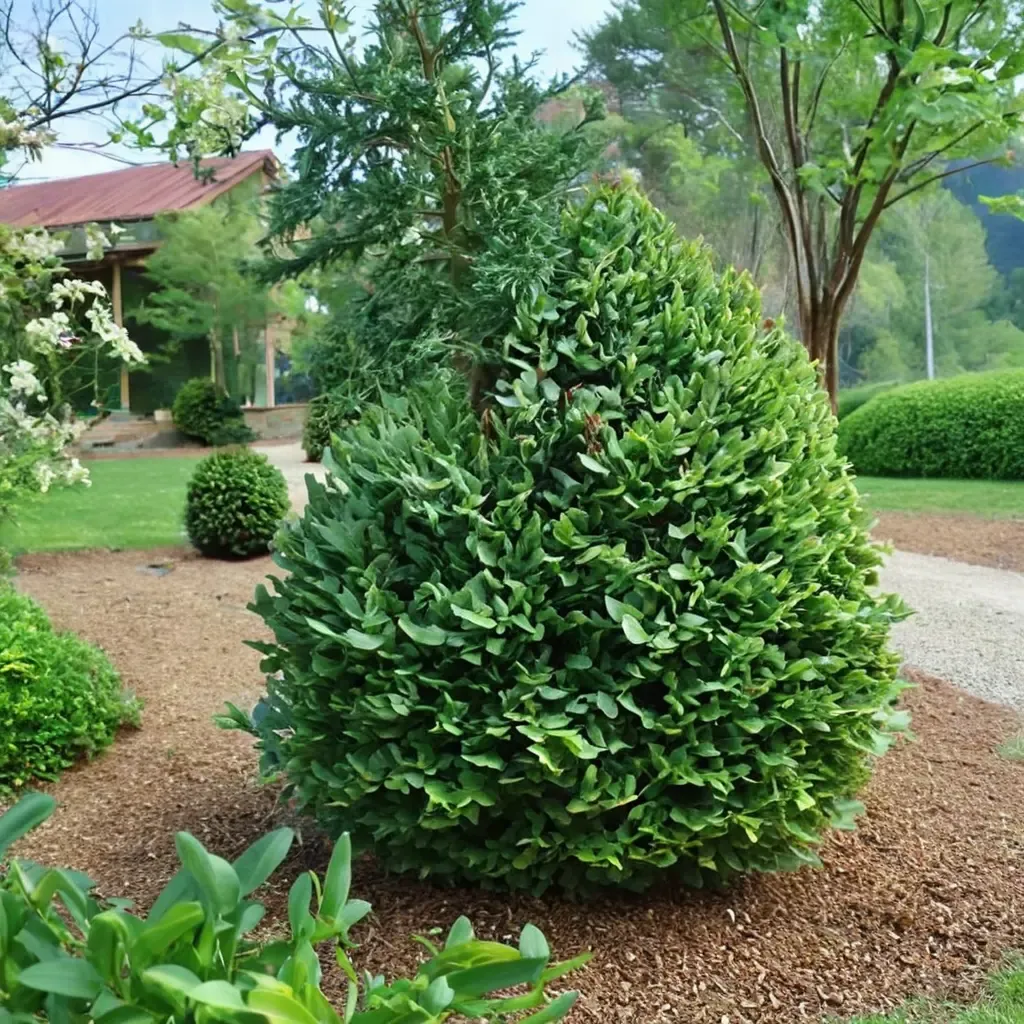
Buxus microphylla var. koreana is a slow-growing, dense, multi-branched evergreen shrub known for its small, oval leaves and tolerance for shearing. It is one of the hardiest boxwood species.
'Wilson', commonly sold as Wintergreen, is prized for its excellent cold hardiness and its ability to retain its rich green foliage color throughout winter, unlike many other boxwoods that bronze.
Uses & Benefits:
Essentials
At a Glance
Plant Type
Shrub
Height
36"
Width
48"
Light
Full Sun, Partial Sun
Zones
4, 5, 6, 7, 8, 9
Water
Medium
Humidity
Average
Lifespan
Long-lived evergreen shrub
Native To
Korea
Toxicity
Mildly toxic if ingested, can cause stomach upset.
Bloom period
Late spring
In flower about 1 month of the year
Planting
How to Grow
- Select a location with at least 4 hours of sun and well-drained soil.
- Dig a hole twice as wide and just as deep as the root ball.
- Amend heavy clay soil with compost to improve drainage.
- Place the plant in the hole, ensuring the root flare is at soil level.
- Backfill the hole, gently firming the soil around the roots.
- Water thoroughly after planting and apply a 2-inch layer of mulch.
Pro Tip
Ensure excellent drainage and good air circulation to prevent common boxwood blight and root rot issues.
Keep It Thriving
Care Guide
Do
- Provide consistent moisture, especially during establishment.
- Mulch to conserve water and regulate soil temperature.
- Test soil pH and amend if necessary for optimal health.
- Prune after the first flush of spring growth.
Don't
- Do not plant in waterlogged or poorly drained soil.
- Do not allow mulch to touch the stems, which can cause rot.
- Do not prune late in the season, as this can encourage tender new growth.
- Avoid overhead watering to reduce disease risk.
Seasonal Care Calendar
| Task | Jan | Feb | Mar | Apr | May | Jun | Jul | Aug | Sep | Oct | Nov | Dec |
|---|---|---|---|---|---|---|---|---|---|---|---|---|
| Fertilize | ||||||||||||
| Pest Check | ||||||||||||
| Prune |
Watch Out For
Pests & Diseases
Common Pests
Common Diseases
In the Garden
Landscape Uses & Companions
Landscape Uses
Companion Plants
Multiply
Propagation Methods
Good to Know
Common Questions
Wilson Wintergreen Boxwood questions
What zones can Wilson Wintergreen Boxwood grow in?
Wilson Wintergreen Boxwood is hardy in USDA Zones 4–9. Inside that range it survives winter in the ground; outside it, grow it as an annual or a container plant you protect.
Is Wilson Wintergreen Boxwood deer resistant?
Yes — Wilson Wintergreen Boxwood is rated deer-resistant. Deer typically pass it over, though extreme hunger can override any plant's defenses.
When does Wilson Wintergreen Boxwood bloom?
Wilson Wintergreen Boxwood typically blooms in late spring through late spring. Exact timing shifts a week or two with your zone — Sow's bloom calendar maps it to your garden.
Does Wilson Wintergreen Boxwood need full sun?
Wilson Wintergreen Boxwood does best in full sun to part shade. In hot climates, afternoon shade keeps blooms fresher longer.
More Buxus to compare
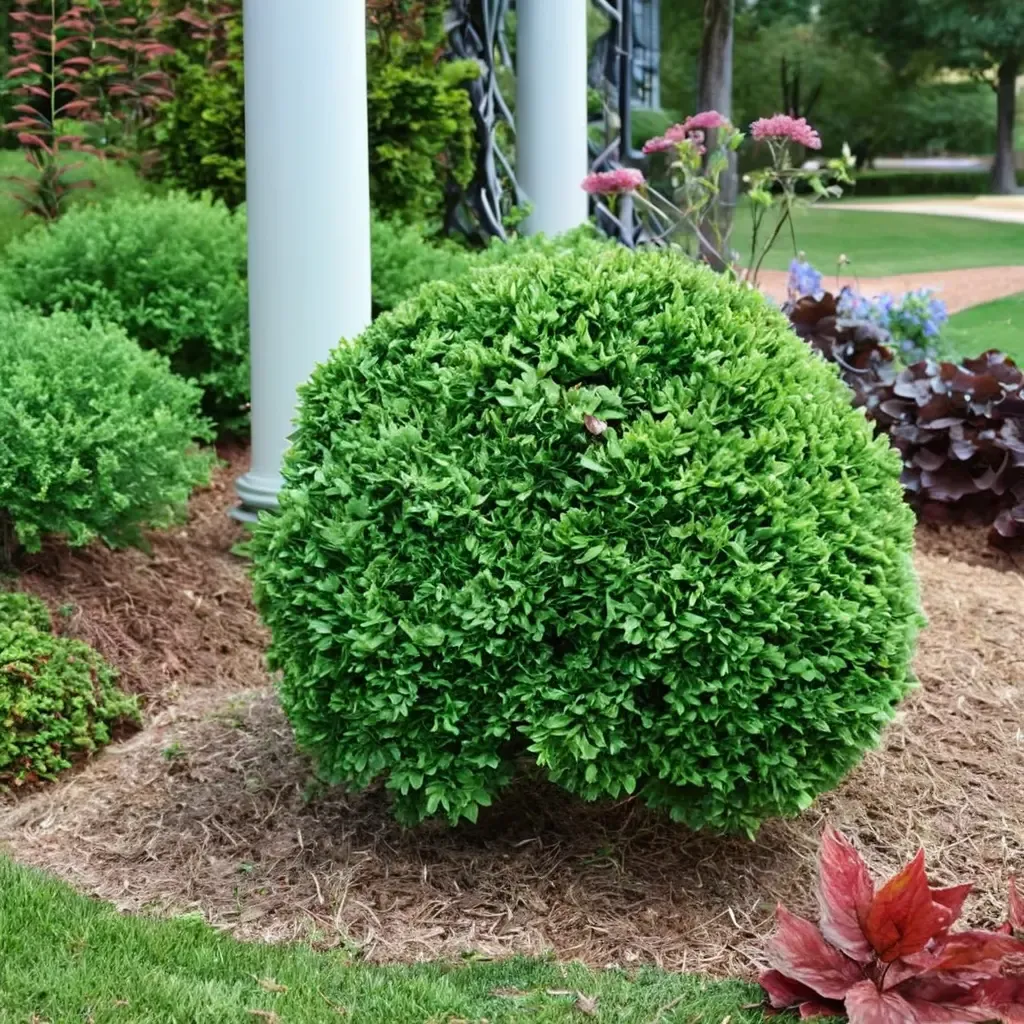
Green Velvet Boxwood
Buxus sempervirens 'Green Velvet'
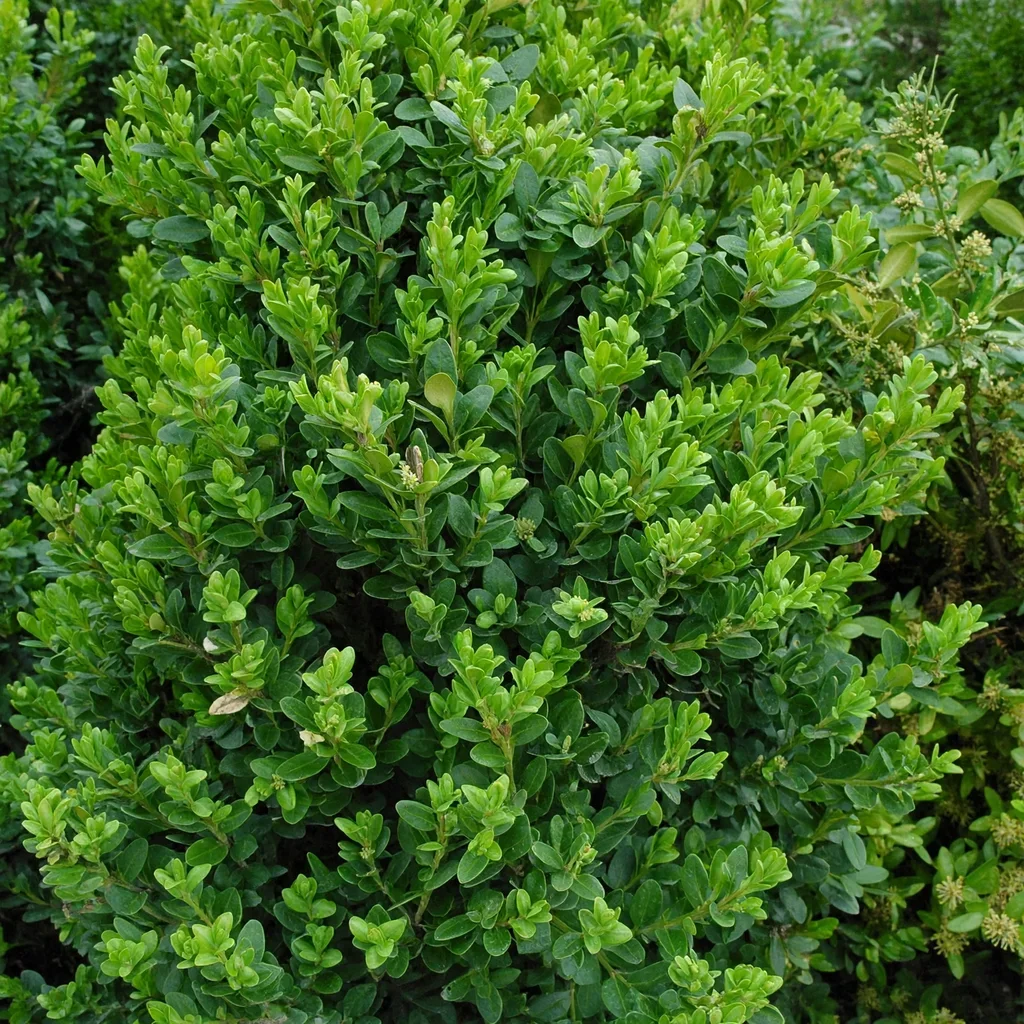
Green Mountain Boxwood
Buxus sempervirens 'Green Mountain'
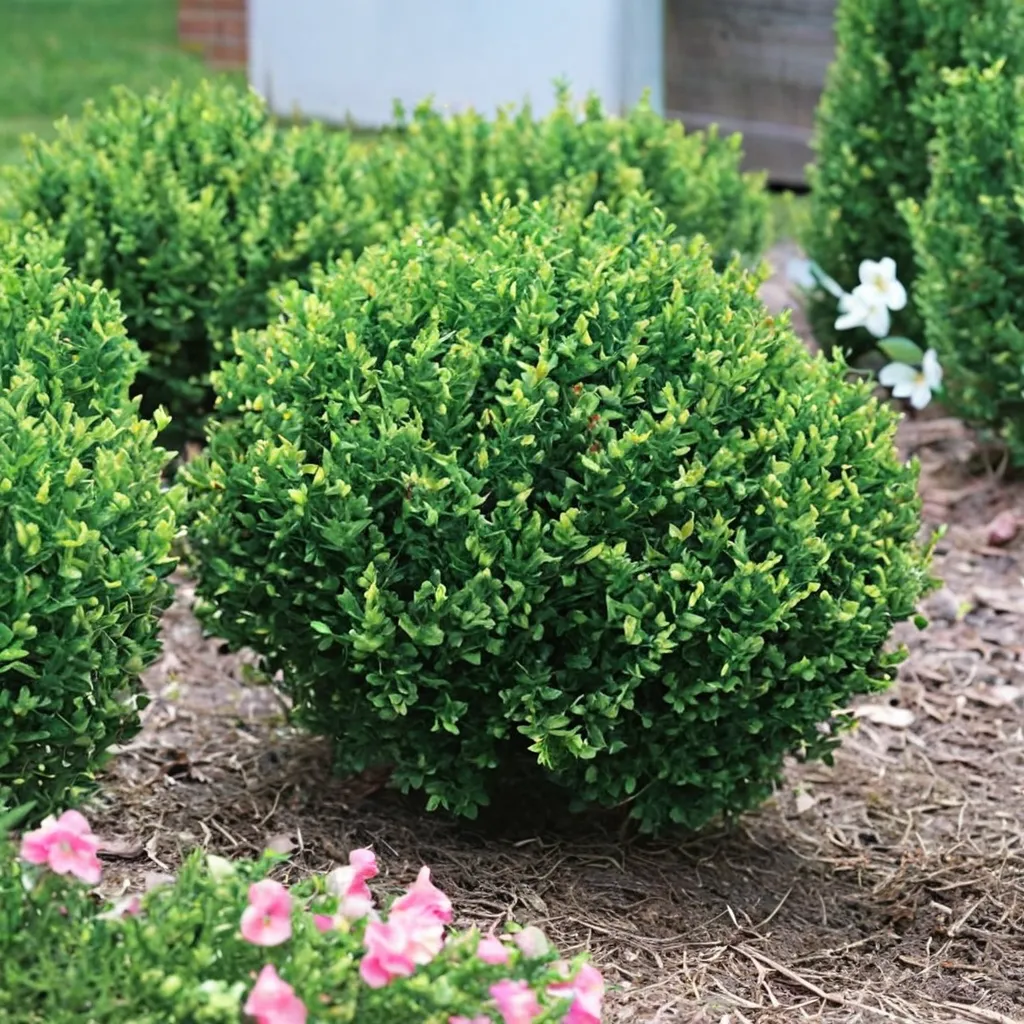
Boxwood Sprinter
Buxus x hybrida 'Sprinter'
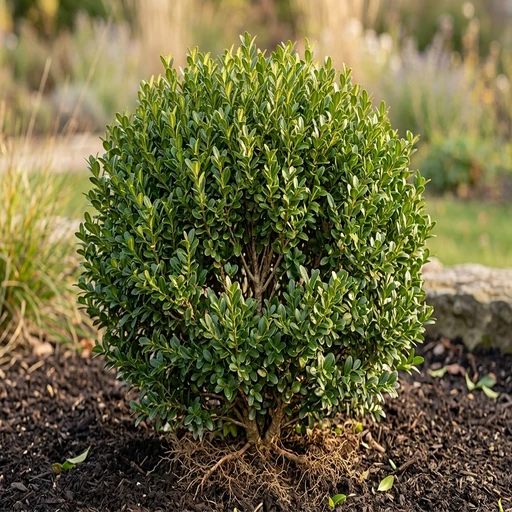
Winter Gem Boxwood
Buxus microphylla 'Winter Gem'
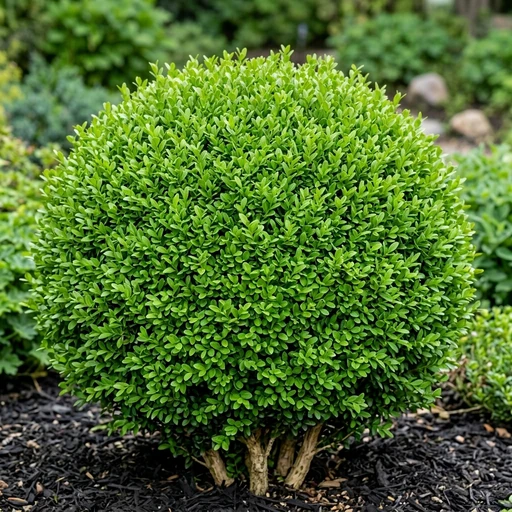
Wintergreen Boxwood
Buxus microphylla 'Wintergreen'
Common Boxwood
Buxus sempervirens
Keep exploring
Explore the genus
Grow Wilson Wintergreen Boxwood with confidence
See it in a design of your actual yard, get zone-matched care reminders, and track it season by season in your garden journal.