The Story
Plant Bio
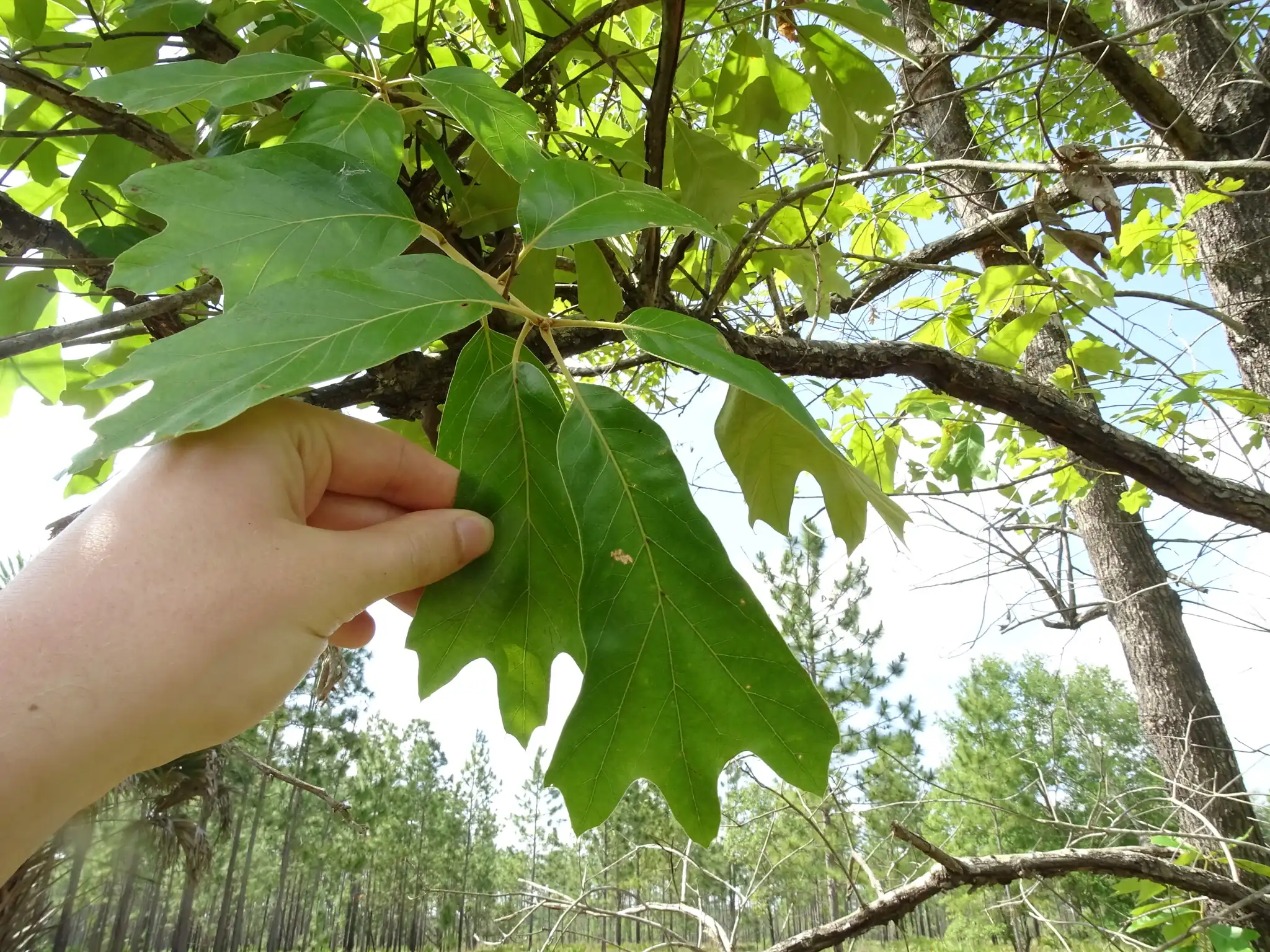
Quercus falcata is a large, deciduous tree in the red oak group, native to the southeastern United States. It is characterized by its distinctive bristle-tipped, falcate (sickle-shaped) leaves and a rounded, open crown.
The leaves are highly variable but often have a distinctive bell-shaped base and 3-7 deep, bristle-tipped lobes. It is highly adapted to the poor, dry, sandy or clay soils of the Southeast.
Uses & Benefits:
Essentials
At a Glance
Plant Type
Tree
Height
840"
Width
600"
Light
Full Sun
Zones
6, 7, 8, 9
Water
Low to medium
Humidity
Tolerates high humidity
Lifespan
Very long-lived, 150+ years
Native To
Southeastern United States
Toxicity
Acorns are toxic to horses and cattle if eaten in quantity
Bloom period
Mid-spring
In flower about 1 month of the year
Marketplace
Where to Buy
Shipping costs Year-round shipping Free shipping
Planting
How to Grow
- Select a site in full sun with well-drained soil.
- Dig a wide, shallow hole, no deeper than the root ball.
- Carefully place the tree, ensuring the root flare is above ground level.
- Backfill with the original soil. Do not add amendments.
- Water thoroughly to settle the soil around the roots.
- Mulch a wide area, but keep mulch away from the trunk.
Pro Tip
Plant from a smaller container-grown specimen, as its deep taproot makes transplanting larger trees difficult.
Keep It Thriving
Care Guide
Do
- Give it plenty of room to grow to its mature size.
- Protect the young trunk from mechanical damage (mowers, string trimmers).
- Allow fallen leaves to remain as natural mulch.
Don't
- Don't plant in poorly drained or wet soils.
- Avoid overwatering once established.
- Don't try to transplant mature specimens.
Seasonal Care Calendar
| Task | Jan | Feb | Mar | Apr | May | Jun | Jul | Aug | Sep | Oct | Nov | Dec |
|---|---|---|---|---|---|---|---|---|---|---|---|---|
| Plant | ||||||||||||
| Prune |
Watch Out For
Pests & Diseases
Common Pests
Common Diseases
In the Garden
Landscape Uses & Companions
Landscape Uses
Multiply
Propagation Methods
Good to Know
Common Questions
Southern Red Oak questions
What zones can Southern Red Oak grow in?
Southern Red Oak is hardy in USDA Zones 6–9. Inside that range it survives winter in the ground; outside it, grow it as an annual or a container plant you protect.
Is Southern Red Oak deer resistant?
Yes — Southern Red Oak is rated deer-resistant. Deer typically pass it over, though extreme hunger can override any plant's defenses.
When does Southern Red Oak bloom?
Southern Red Oak typically blooms in mid-spring through mid-spring. Exact timing shifts a week or two with your zone — Sow's bloom calendar maps it to your garden.
Does Southern Red Oak need full sun?
Southern Red Oak does best in full sun (6+ hours).
Is Southern Red Oak drought tolerant?
Yes — once established (usually after the first full season), Southern Red Oak handles dry spells with minimal watering. Water deeply its first year to build the root system that makes that possible.
More Quercus to compare
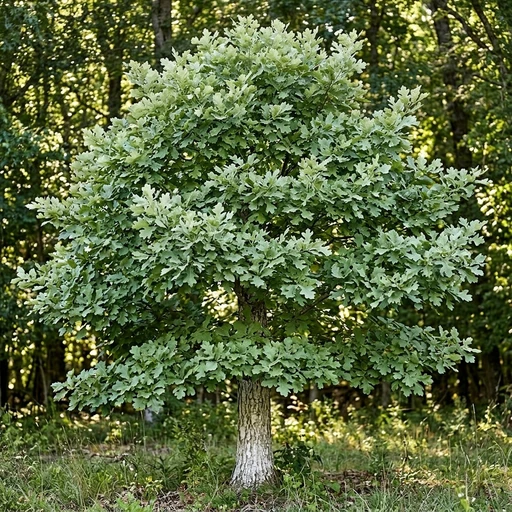
White Oak
Quercus alba
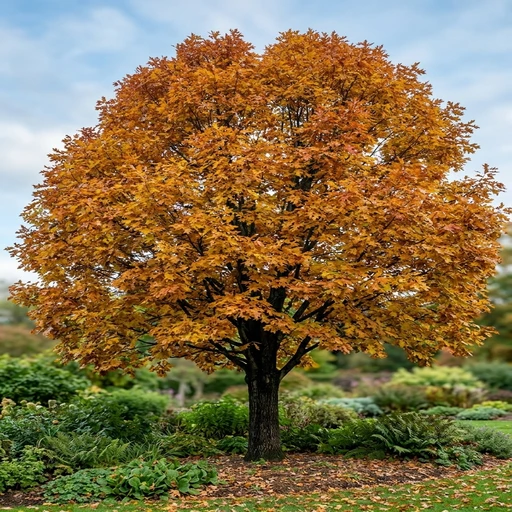
Black Oak
Quercus velutina
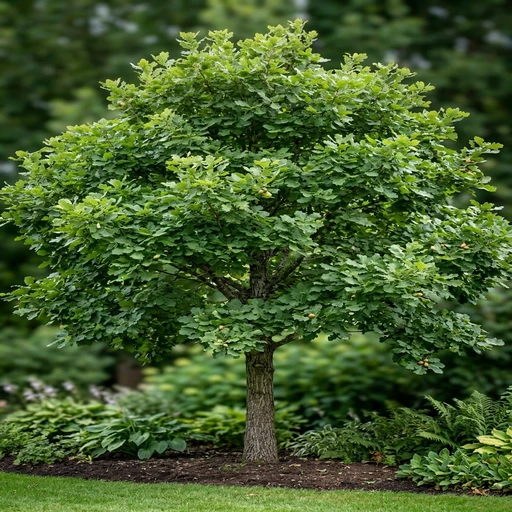
English Oak
Quercus robur
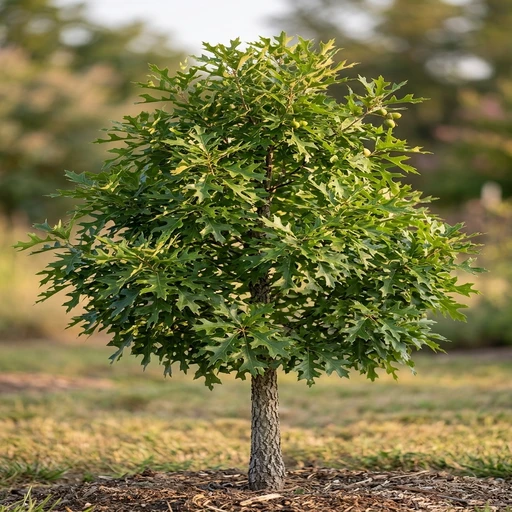
Nuttall Oak
Quercus texana
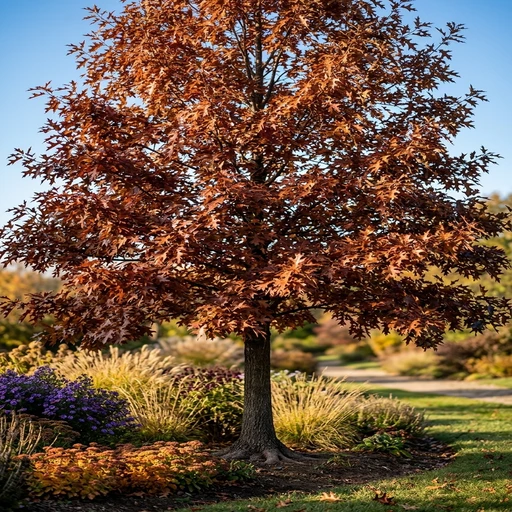
Pin Oak
Quercus palustris
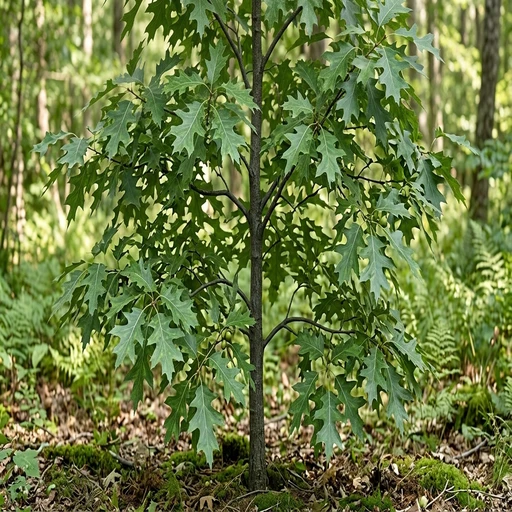
Scarlet Oak
Quercus coccinea
Keep exploring
Explore the genus
Hardy in your zone?
Grow Southern Red Oak with confidence
See it in a design of your actual yard, get zone-matched care reminders, and track it season by season in your garden journal.