The Story
Plant Bio
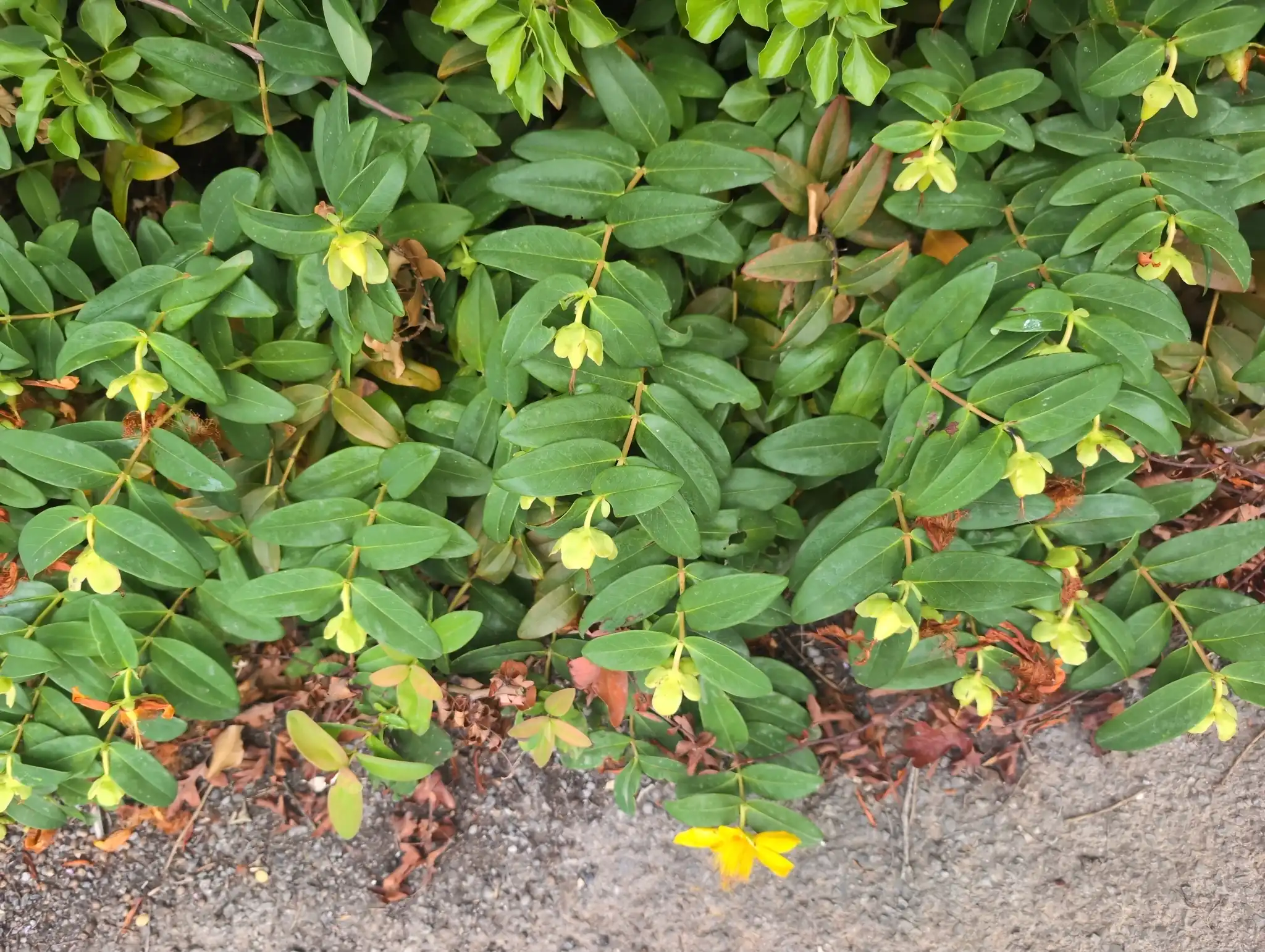
Hypericum calycinum, rose of Sharon or Aaron's beard, is a low spreading semi-evergreen shrub from southeastern Europe and Turkey, twelve to eighteen inches high. Blue-green leaves three to four inches long turn purplish in autumn, and large golden cup-shaped flowers two to three inches across, with a prominent boss of stamens, open through summer.
It spreads by underground runners and makes a genuinely tough groundcover for dry banks, poor soil and root-filled ground under trees — conditions that defeat most flowering plants. That same vigour means it colonises a border if given the chance. Shear the whole planting to the ground every few springs to keep it dense and flowering.
Uses & Benefits:
Essentials
At a Glance
Plant Type
Groundcover
Height
15"
Width
24"
Light
Full Sun, Partial Sun
Zones
4, 5, 6, 7, 8, 9
Water
Low
Humidity
Moderate
Lifespan
Perennial
Native To
Southeastern Europe and Turkey
Toxicity
Highly toxic if eaten
Marketplace
Where to Buy
Shipping costs Year-round shipping Free shipping
Planting
How to Grow
- Plant in full sun or partial shade in any drained soil.
- Use it on banks, slopes and dry shade under trees.
- Space plants a foot apart to knit together.
- Shear the whole planting to the ground every few springs.
- Contain the runners at the edge of a border.
- Keep it away from grazing animals.
Pro Tip
Mow or shear the whole planting to the ground every second or third spring — it regrows dense and flowers better for it.
Keep It Thriving
Care Guide
Do
- Use it on dry banks and under trees ⛰️
- Shear it hard every few springs ✂️
- Contain the running edge 🚧
- Plant it in poor soil without feeding 🌱
Don't
- Let it run through a mixed border ❌
- Plant it near pasture ❌
- Feed or over-water it ❌
Seasonal Care Calendar
| Task | Jan | Feb | Mar | Apr | May | Jun | Jul | Aug | Sep | Oct | Nov | Dec |
|---|---|---|---|---|---|---|---|---|---|---|---|---|
| Enjoy | ||||||||||||
| Shear |
Watch Out For
Pests & Diseases
Common Pests
Common Diseases
In the Garden
Landscape Uses & Companions
Landscape Uses
Companion Plants
Multiply
Propagation Methods
Good to Know
Common Questions
St. John's Wort questions
What zones can St. John's Wort grow in?
St. John's Wort is hardy in USDA Zones 4–9. Inside that range it survives winter in the ground; outside it, grow it as an annual or a container plant you protect.
Is St. John's Wort deer resistant?
Yes — St. John's Wort is rated deer-resistant. Deer typically pass it over, though extreme hunger can override any plant's defenses.
When does St. John's Wort bloom?
St. John's Wort typically blooms in summer through late fall. Exact timing shifts a week or two with your zone — Sow's bloom calendar maps it to your garden.
Does St. John's Wort need full sun?
St. John's Wort does best in full sun to part shade. In hot climates, afternoon shade keeps blooms fresher longer.
Is St. John's Wort drought tolerant?
Yes — once established (usually after the first full season), St. John's Wort handles dry spells with minimal watering. Water deeply its first year to build the root system that makes that possible.
More Hypericum to compare
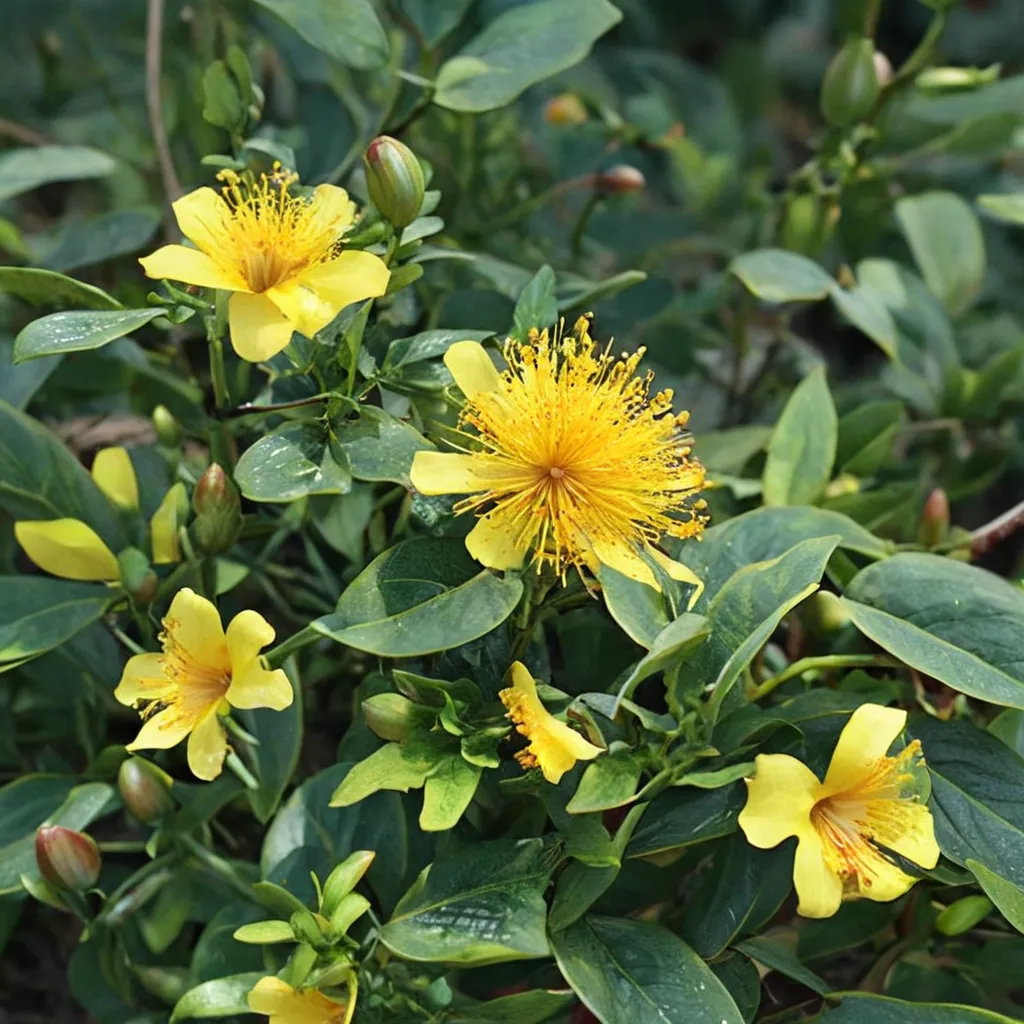
Hypericum frondosum Goldmound
Hypericum frondosum
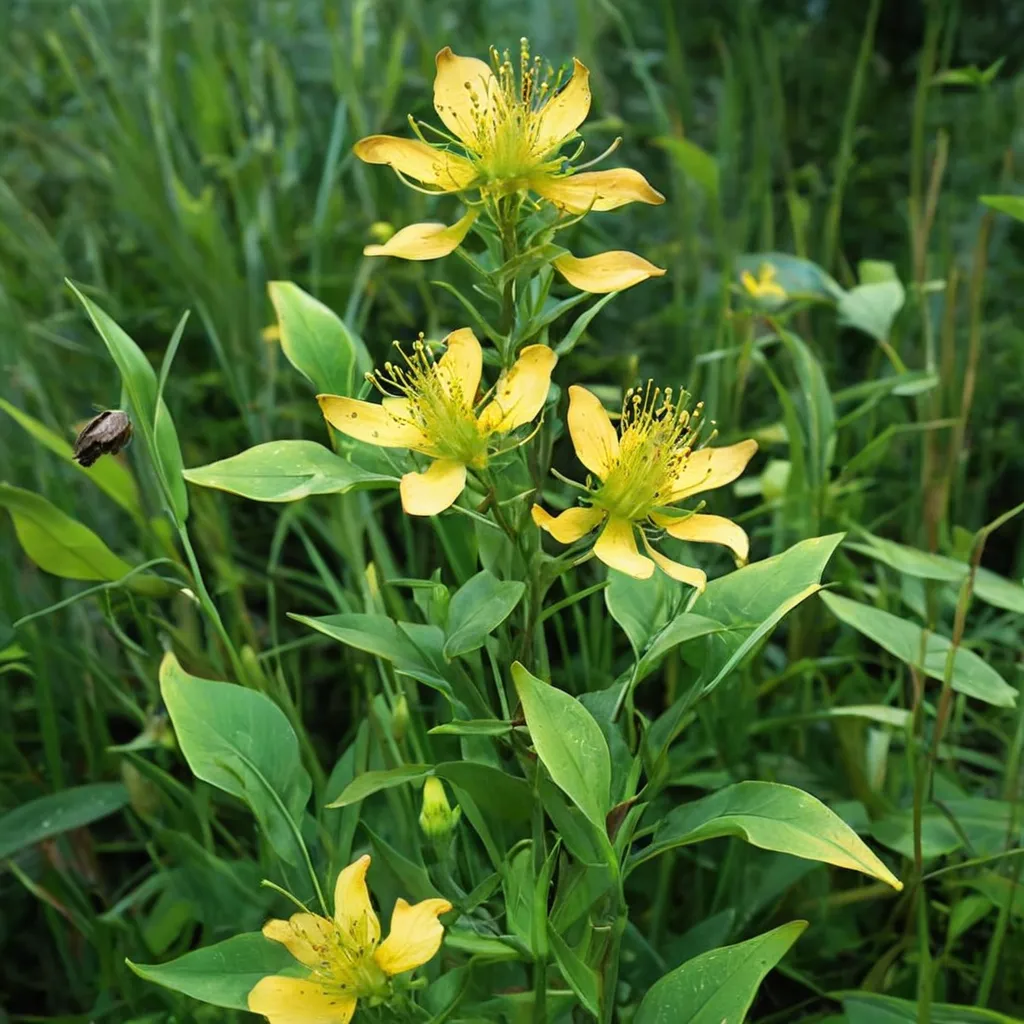
Great St. John's Wort
Hypericum ascyron
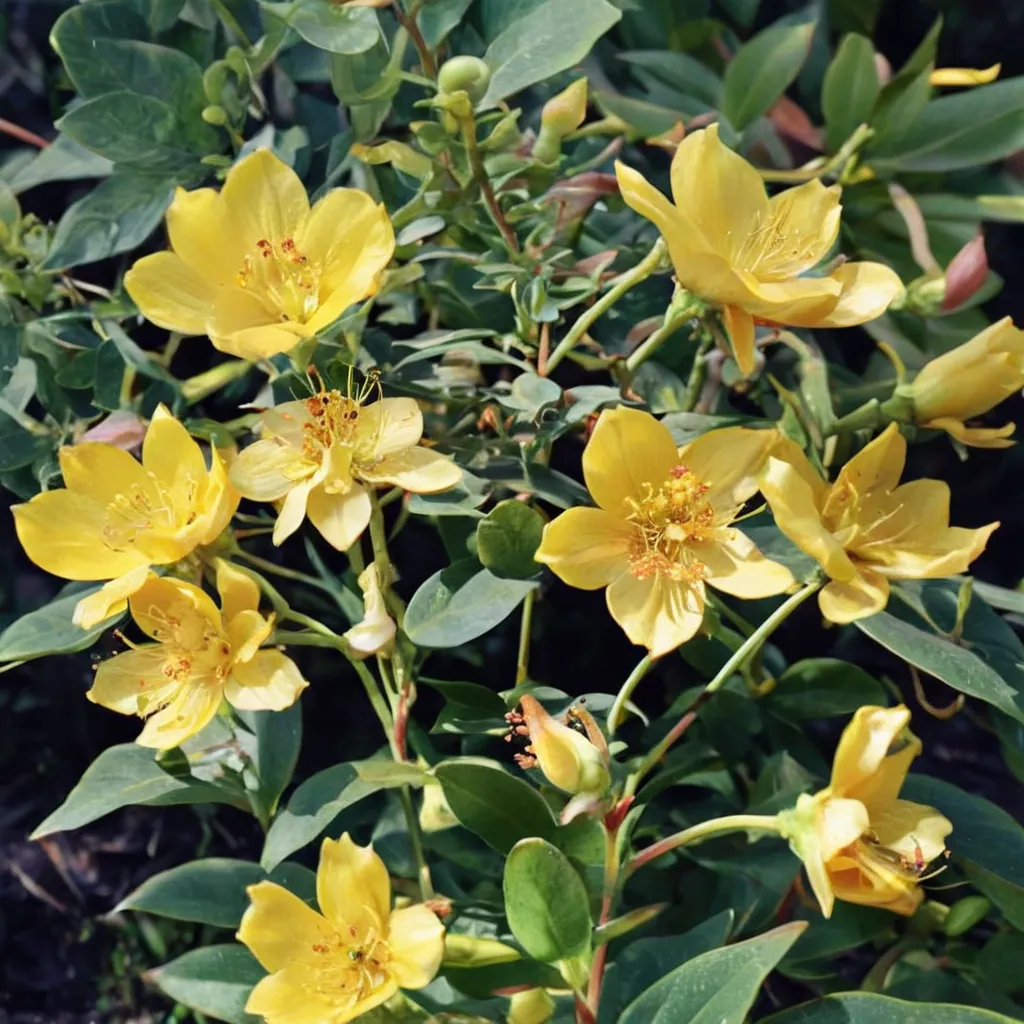
Variegated Hypericum
Hypericum patulum 'Hidcote Variegated'
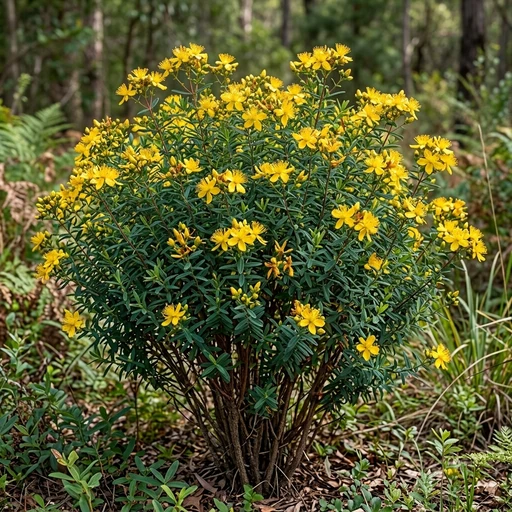
Shrubby St. Johnswort
Hypericum prolificum
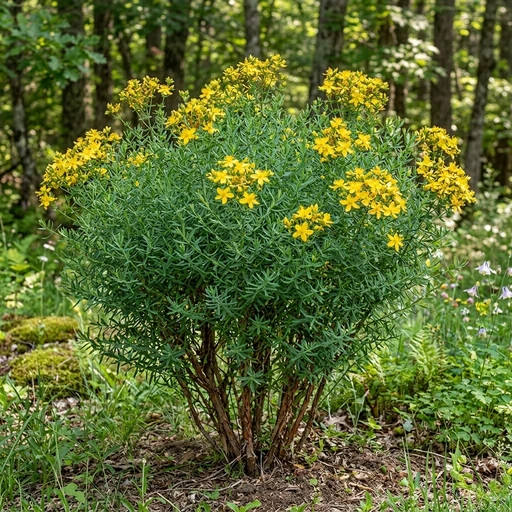
Gemo St. Johnswort
Hypericum kalmianum 'Gemo'
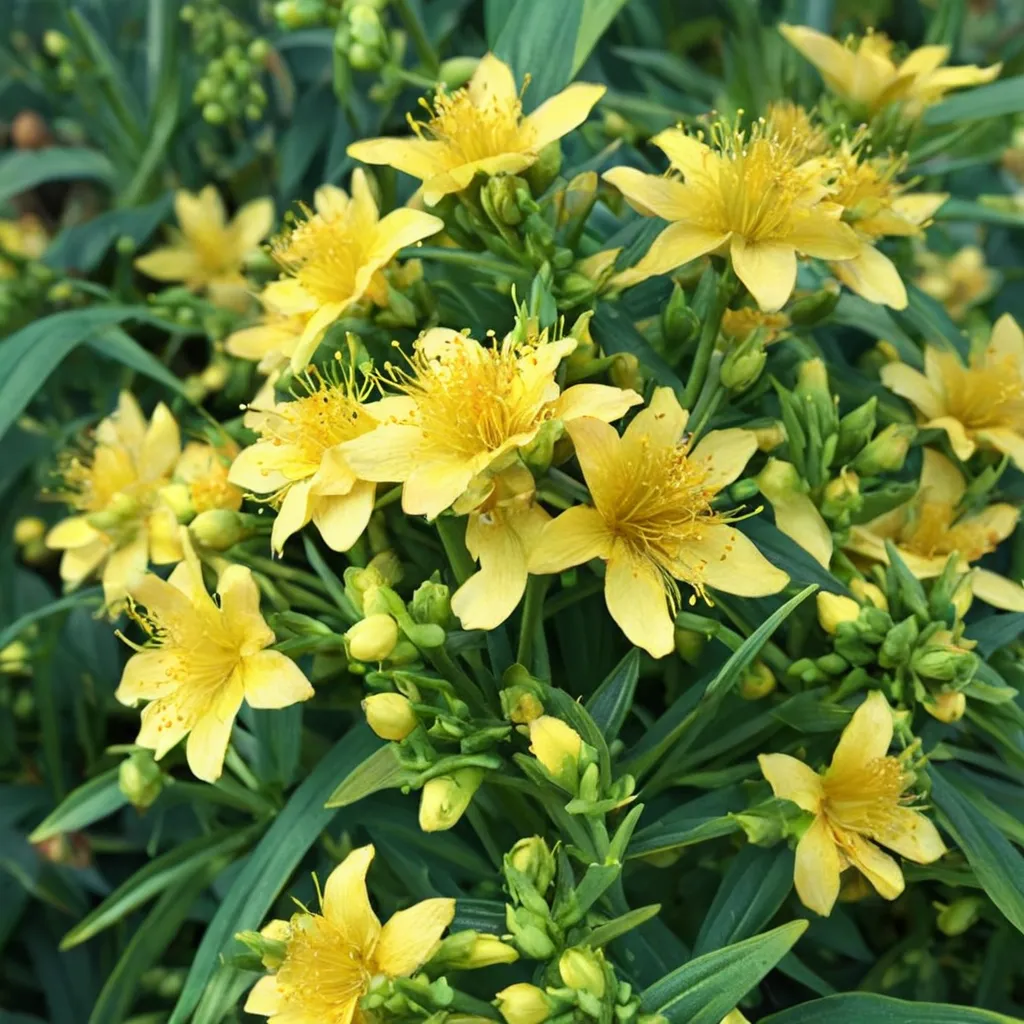
Sunny Boulevard Kalm's St. John's Wort
Hypericum perforatum 'Sunny Boulevard'
Keep exploring
Explore the genus
Grow St. John's Wort with confidence
See it in a design of your actual yard, get zone-matched care reminders, and track it season by season in your garden journal.