
The Story
Plant Bio
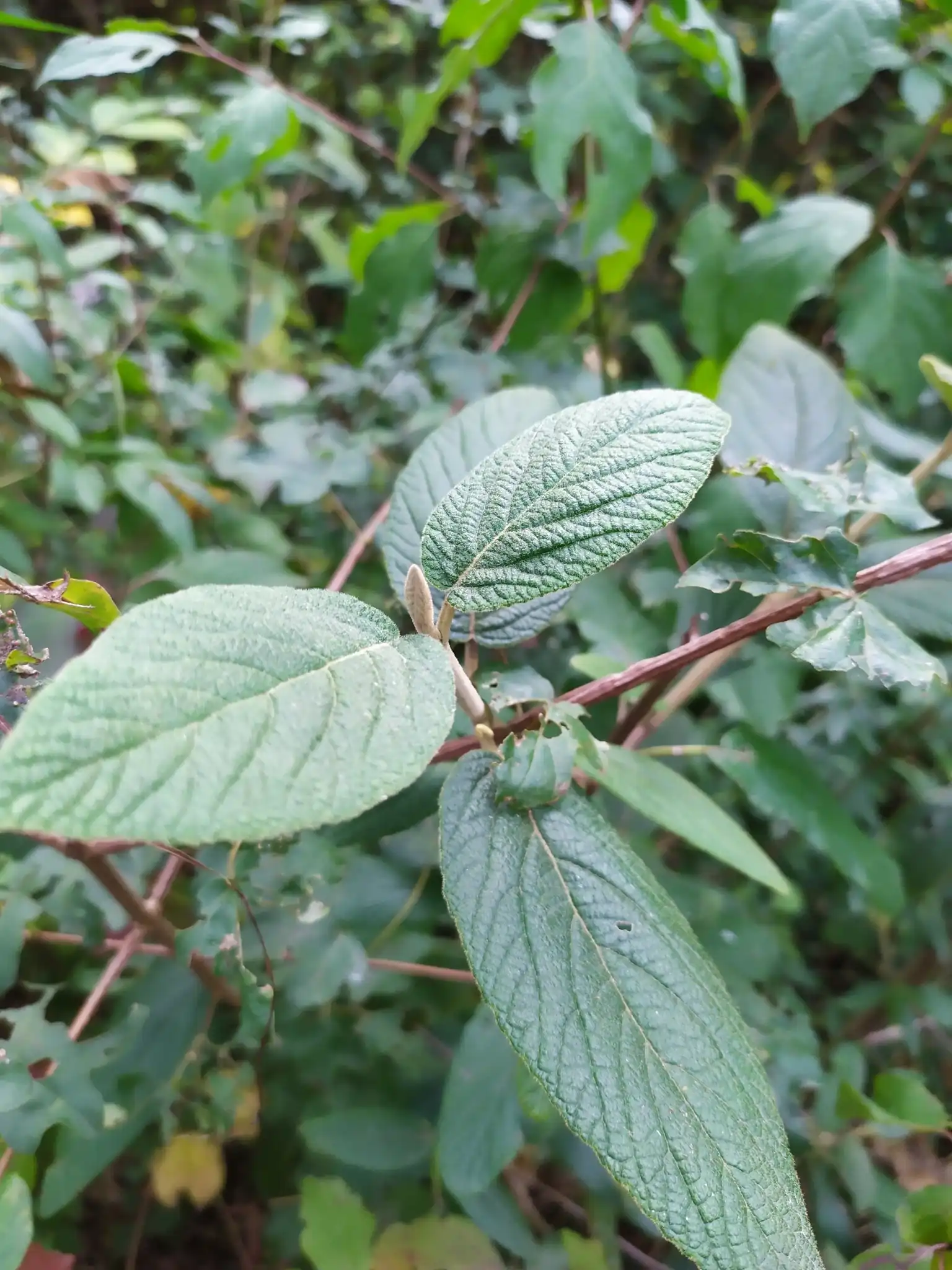
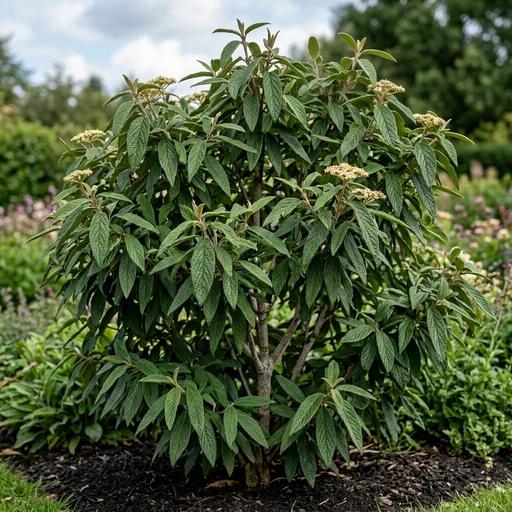
Viburnum x rhytidophylloides, lantanaphyllum viburnum, is a large upright semi-evergreen shrub of hybrid Eurasian parentage, eight to ten feet in both directions. Heavily wrinkled leathery leaves hang on through mild winters, multi-stemmed growth emerges green-white and turns orange-brown, and flat clusters of small creamy flowers open in spring.
It is semi-evergreen rather than reliably evergreen: in a hard winter the leaves hang limp and rolled, which looks alarming and is simply how the plant conserves moisture in cold. It needs a second, different viburnum flowering nearby to set the red-to-black fruit, so a single specimen will flower well and fruit hardly at all.
Uses & Benefits:
Essentials
At a Glance
Plant Type
Shrub
Height
108"
Width
108"
Light
Full Sun, Partial Sun, Shade
Zones
5, 6, 7, 8
Water
Moderate
Humidity
Moderate
Lifespan
Perennial
Native To
Garden hybrid of Eurasian species
Toxicity
Fruit is not edible raw
Planting
How to Grow
- Plant a second viburnum nearby for cross-pollination.
- Allow eight to ten feet of width at maturity.
- Choose sun or partial shade with shelter from wind.
- Give it moist, well-drained soil.
- Water deeply through the first two summers.
- Prune lightly after flowering if needed.
Pro Tip
Winter leaves that hang limp and rolled are conserving moisture, not dying — they lift again as soon as it warms.
Keep It Thriving
Care Guide
Do
- Plant a pollination partner nearby 🌿
- Shelter it from drying winter wind 🌬️
- Allow it ten feet of width 📏
- Prune lightly after flowering ✂️
Don't
- Expect fruit from a single plant ❌
- Panic at rolled winter foliage ❌
- Site it in an exposed windy corner ❌
Seasonal Care Calendar
| Task | Jan | Feb | Mar | Apr | May | Jun | Jul | Aug | Sep | Oct | Nov | Dec |
|---|---|---|---|---|---|---|---|---|---|---|---|---|
| Inspect | ||||||||||||
| Prune |
Watch Out For
Pests & Diseases
Common Pests
Common Diseases
In the Garden
Landscape Uses & Companions
Landscape Uses
Multiply
Propagation Methods
Good to Know
Common Questions
Leatherleaf Viburnum questions
What zones can Leatherleaf Viburnum grow in?
Leatherleaf Viburnum is hardy in USDA Zones 5–8. Inside that range it survives winter in the ground; outside it, grow it as an annual or a container plant you protect.
Is Leatherleaf Viburnum deer resistant?
Yes — Leatherleaf Viburnum is rated deer-resistant. Deer typically pass it over, though extreme hunger can override any plant's defenses.
When does Leatherleaf Viburnum bloom?
Leatherleaf Viburnum typically blooms in mid spring through late spring. Exact timing shifts a week or two with your zone — Sow's bloom calendar maps it to your garden.
Does Leatherleaf Viburnum need full sun?
Leatherleaf Viburnum does best in full sun to part shade. In hot climates, afternoon shade keeps blooms fresher longer.
Is Leatherleaf Viburnum drought tolerant?
Yes — once established (usually after the first full season), Leatherleaf Viburnum handles dry spells with minimal watering. Water deeply its first year to build the root system that makes that possible.
More Viburnum to compare
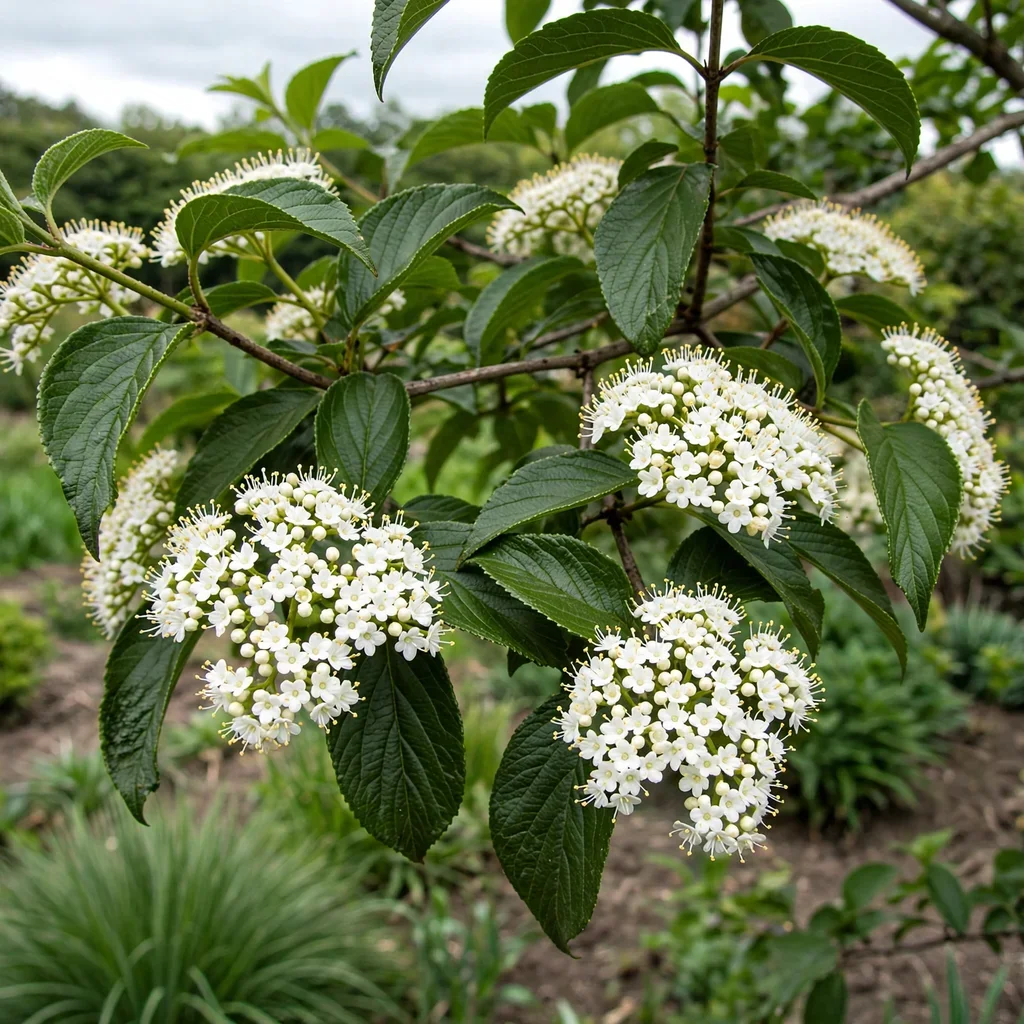
Nannyberry
Viburnum lentago
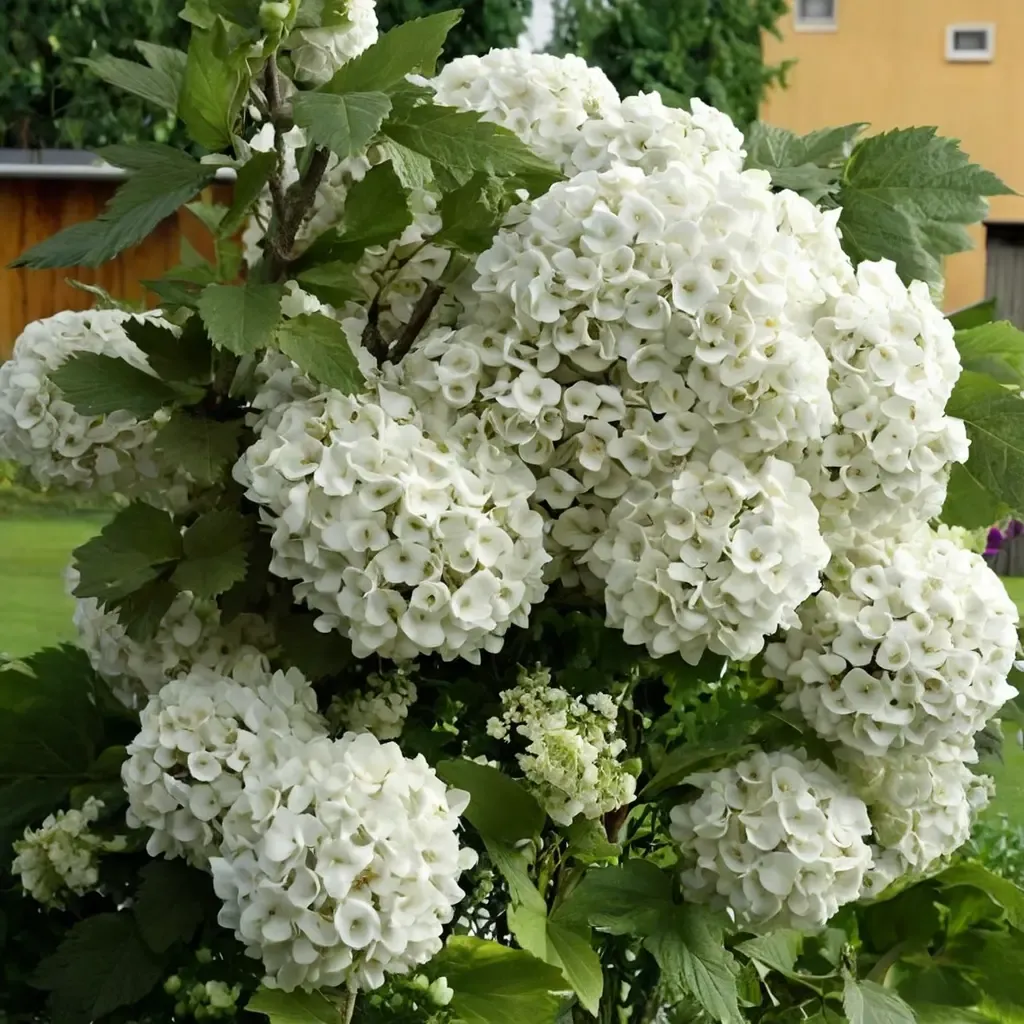
Snowball Viburnum
Viburnum opulus 'Sterile'
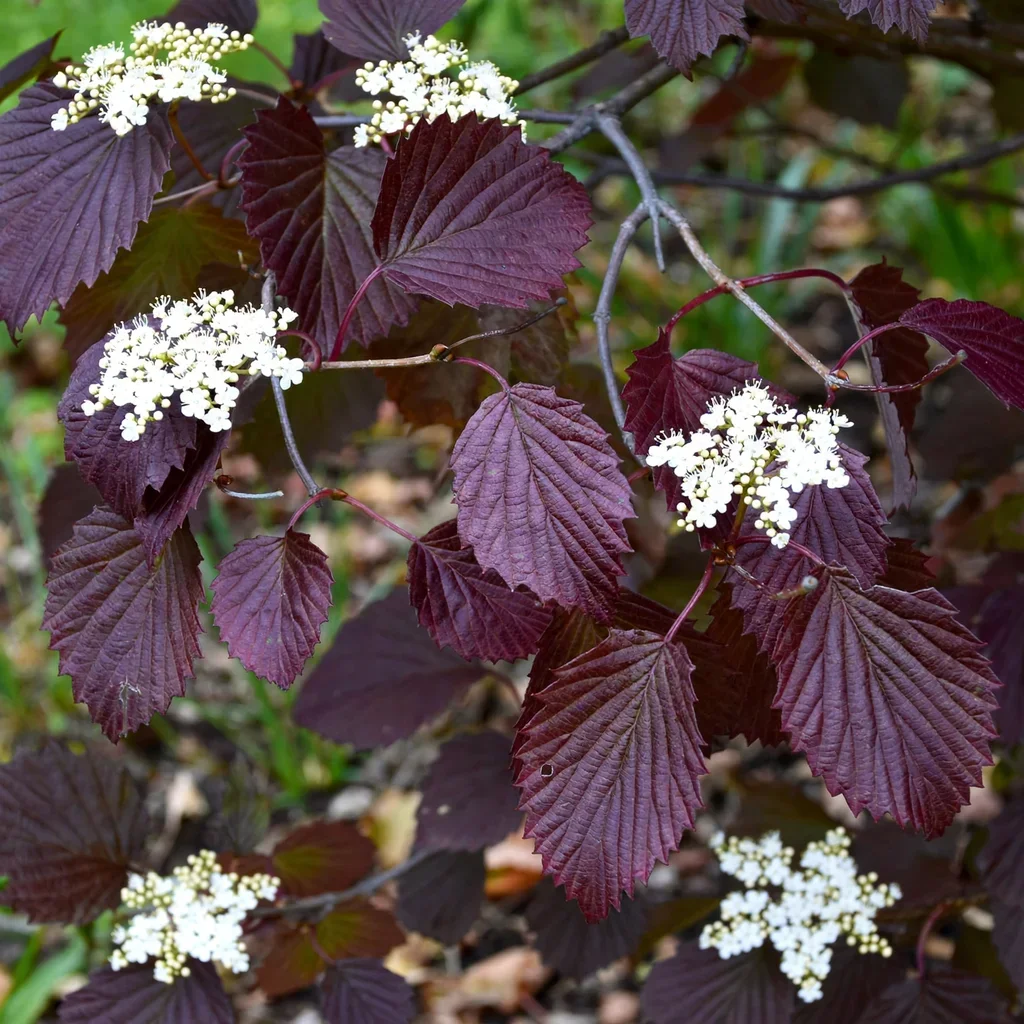
Autumn Jazz Arrowwood
Viburnum dentatum 'Autumn Jazz'
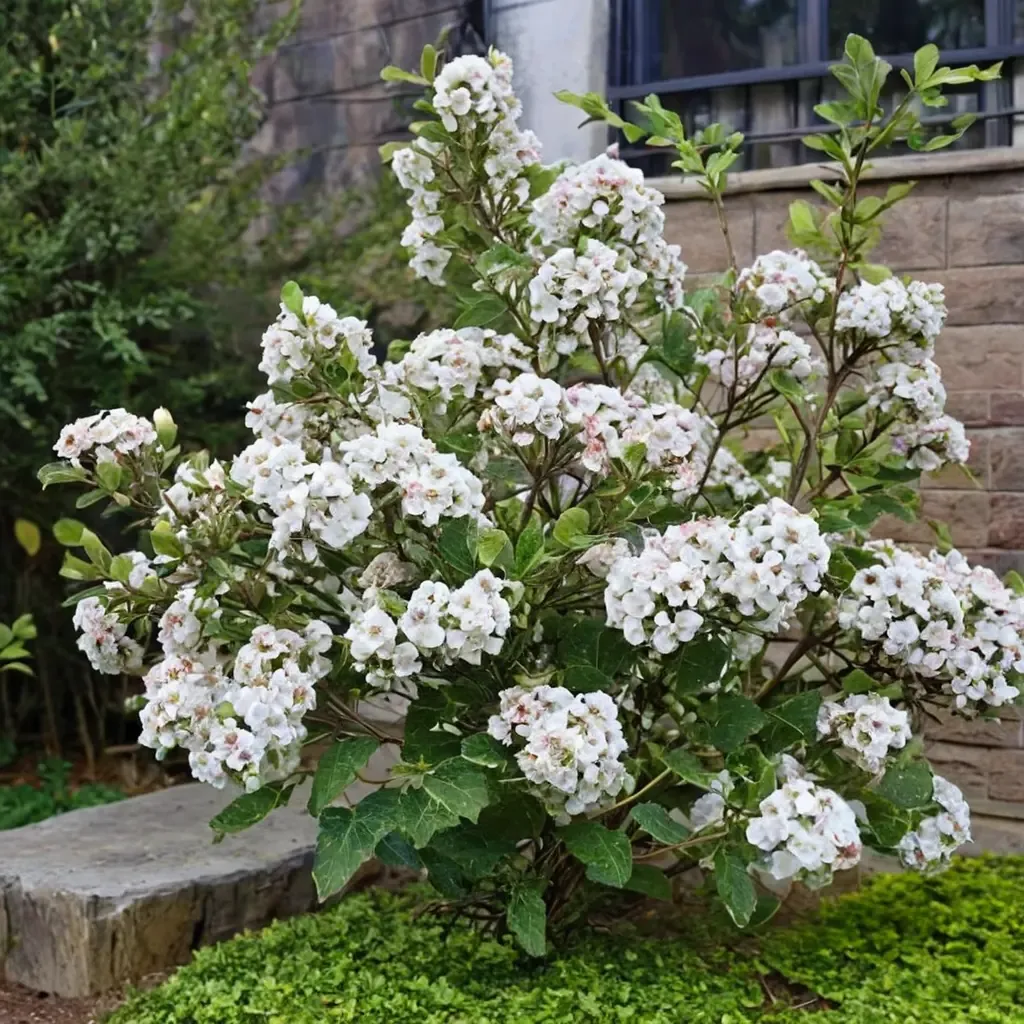
Korean spice viburnum
Viburnum carlesii
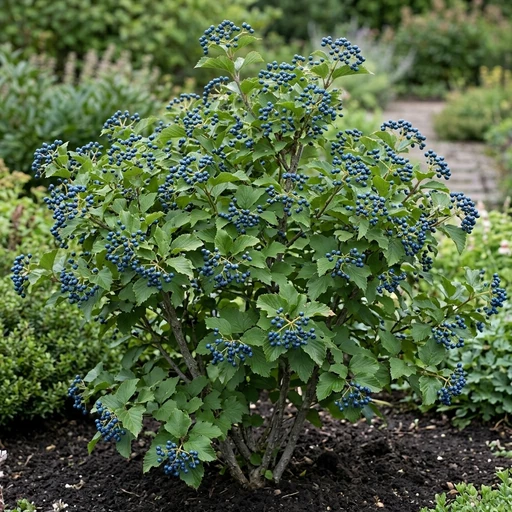
Blue Muffin Viburnum
Viburnum dentatum 'Christom'
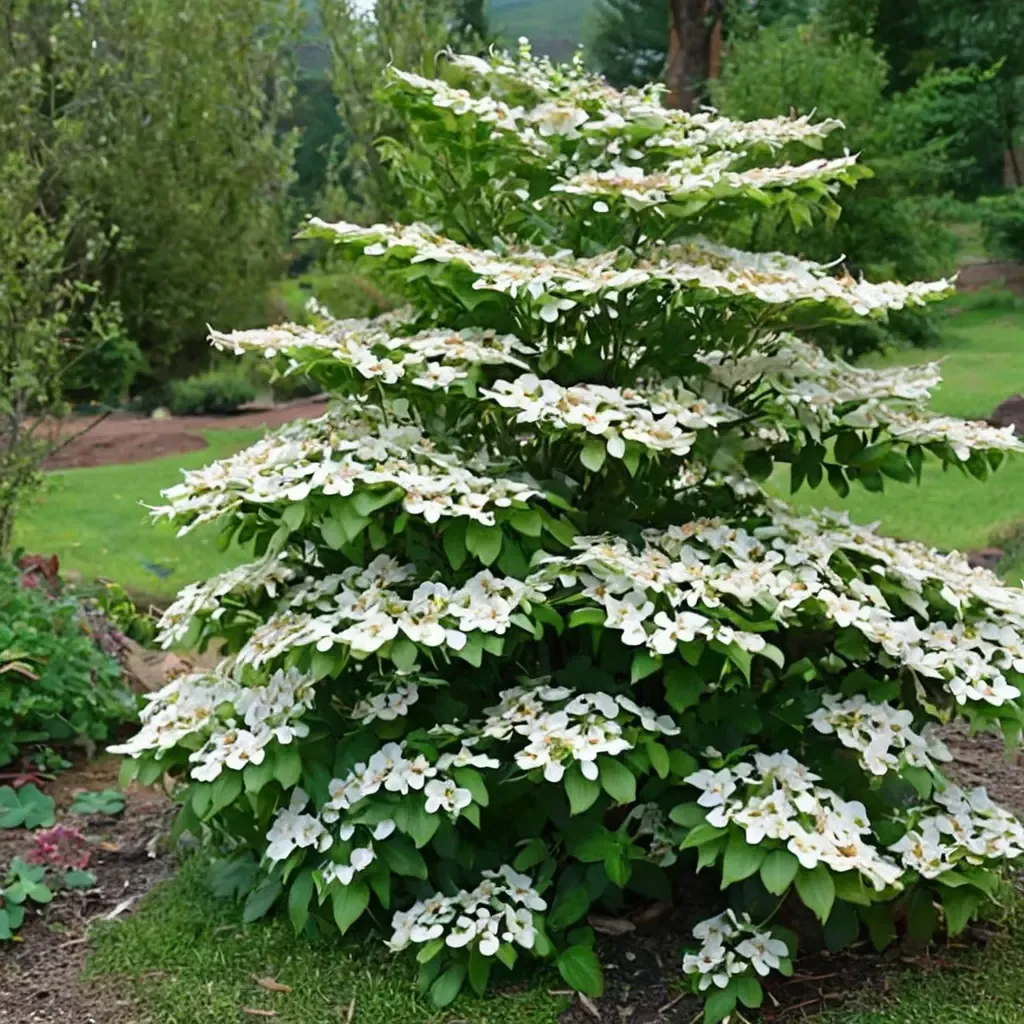
Mariesii Japanese Snowball
Viburnum plicatum 'Mariesii'
Keep exploring
Explore the genus
Hardy in your zone?
Grow Leatherleaf Viburnum with confidence
See it in a design of your actual yard, get zone-matched care reminders, and track it season by season in your garden journal.