
Garden hybrid
This is a garden hybrid, bred from more than one wild species, so it has no single species page of its own.
10 other cultivars
 ‘Natchez’Natchez Crape Myrtle
 ‘Muskogee’Muskogee Crape Myrtle
 ‘Tuscarora’Tuscarora Crape Myrtle
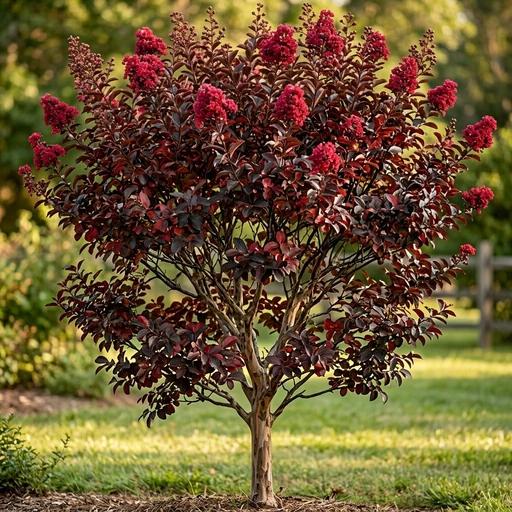 ‘Arapaho’Arapaho Crape Myrtle
 ‘Miami’Miami Crape Myrtle
 ‘Biloxi’Biloxi Crape Myrtle
 ‘Sioux’Sioux Crape Myrtle
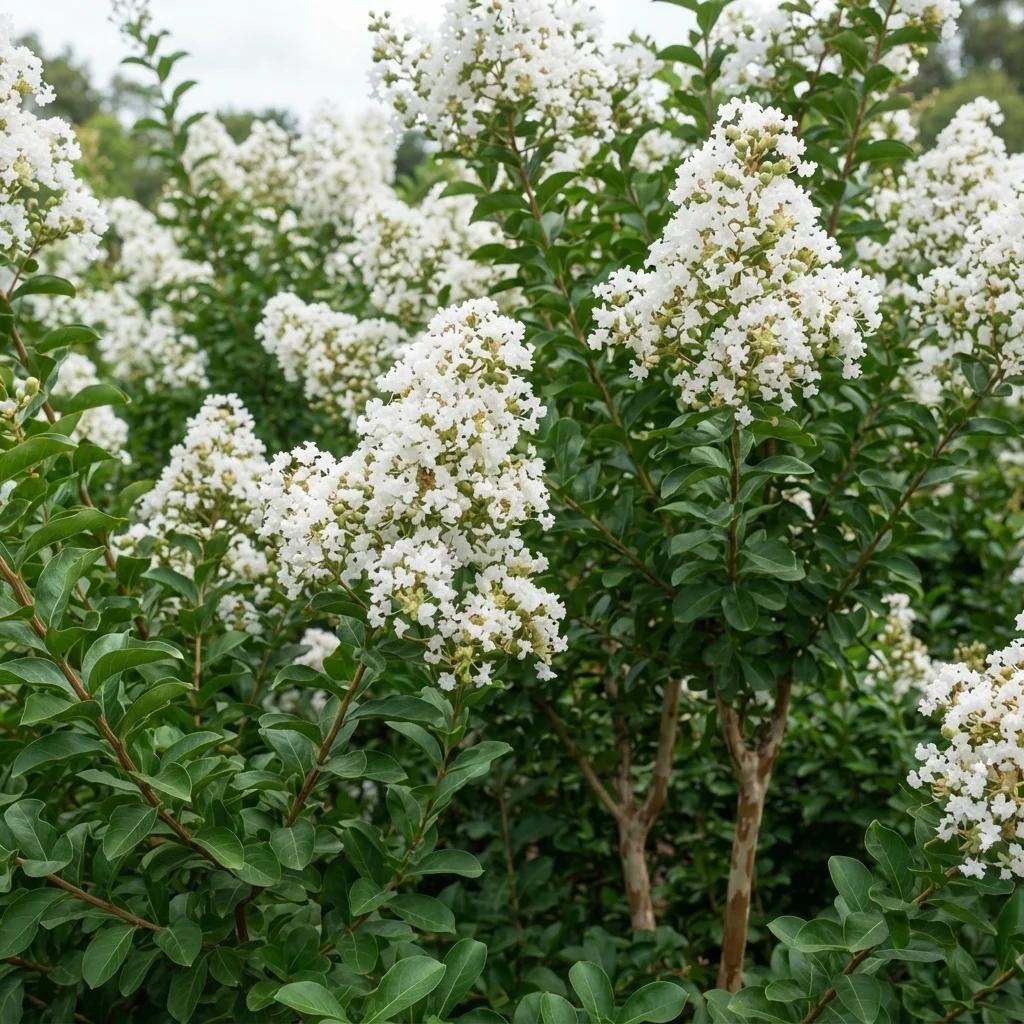 ‘Natchez’Natchez Crape Myrtle
 ‘Tuskegee’Tuskegee Crape Myrtle
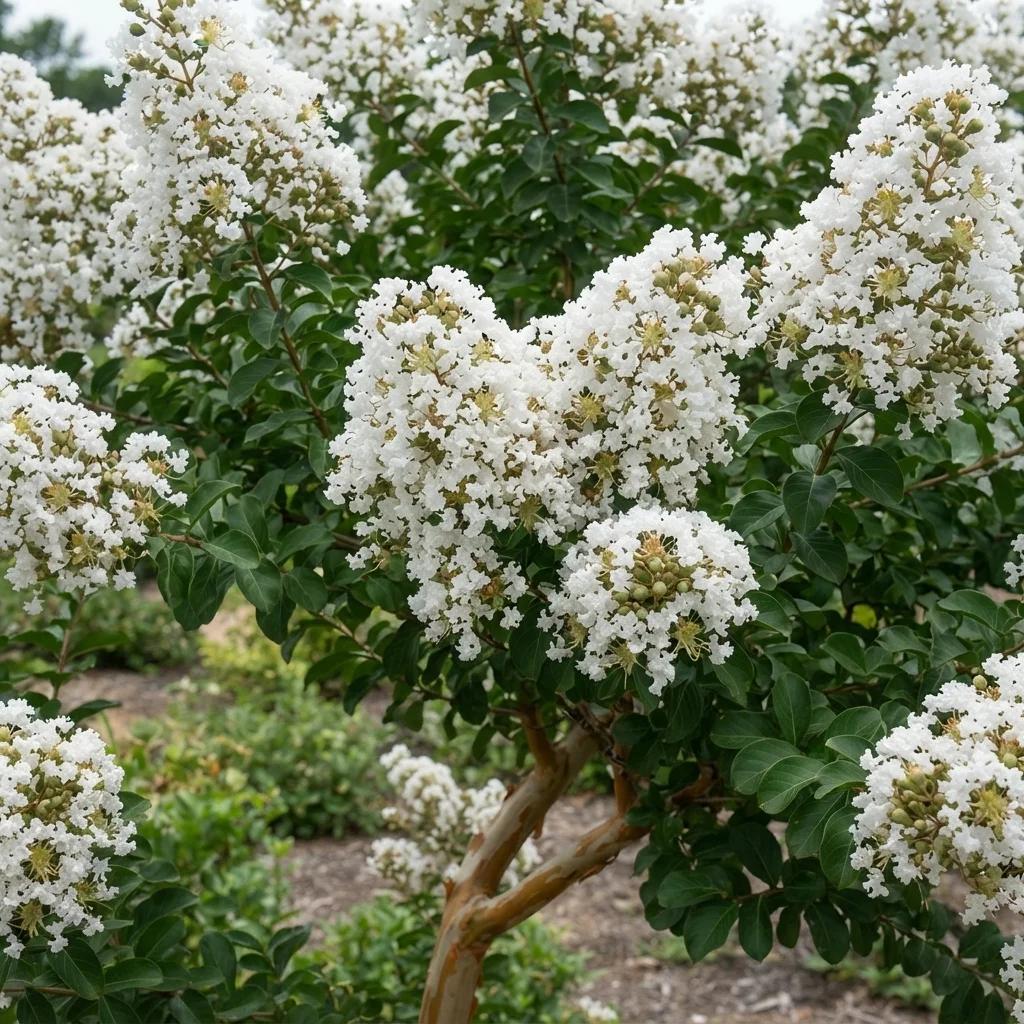 ‘Sarah's Favorite’Crape Myrtle 'Sarah's Favorite'
The Story
Plant Bio
Lagerstroemia is a genus of deciduous small trees and shrubs native to warm-temperate and tropical Asia, prized for their papery summer blossoms and decorative bark. Flowers form large terminal trusses on current season growth, followed by vivid foliage coloration in fall and annual bark shedding that reveals smooth inner layers.
'Choctaw' is a hybrid growing up to eighteen feet tall with an arching canopy and broad terminal panicles of bright pink flowers. It exhibits strong powdery mildew resistance, smooth cinnamon-brown exfoliating bark, and striking bronze to maroon fall foliage.
Uses & Benefits:
Bred from more than one wild species, so it has no species page of its own.
Essentials
At a Glance
Plant Type
Tree
Height
216"
Width
240"
Light
Full Sun
Zones
7, 8, 9, 10
Water
Low to Moderate
Humidity
High
Lifespan
Perennial
Native To
Asia (parents)
Toxicity
Non-toxic
Bloom period
Summer – Autumn
In flower about 6 months of the year
Planting
How to Grow
- Plant in a full-sun site with well-drained soil, setting the root ball level with or slightly above the surrounding grade.
- Water deeply twice weekly during the first growing season until the root system establishes fully.
- Apply a light layer of organic mulch around the root zone, keeping it several inches clear of the primary trunks.
- Prune lightly in late winter while dormant, focusing strictly on dead wood, basal suckers, and crossing interior branches.
Pro Tip
Avoid topping or lopping back major limbs in winter; selective clearing of internal crossing twigs preserves the natural trunk architecture and prevents heavy, weak sucker growth.
Keep It Thriving
Care Guide
Do
- Plant in full sun to maximize blooming and foliage disease resistance
- Mulch around the base to retain soil moisture during summer dry spells
- Prune selectively in late winter to maintain clear trunk structure
Don't
- Do not top branches severely, which ruins the bark structure and induces weak stems
- Do not over-fertilize with high-nitrogen feeds, which reduces cold hardiness and flowering
- Do not plant in soggy or poorly drained soil prone to standing water
Seasonal Care Calendar
| Task | Jan | Feb | Mar | Apr | May | Jun | Jul | Aug | Sep | Oct | Nov | Dec |
|---|---|---|---|---|---|---|---|---|---|---|---|---|
| Fertilize | ||||||||||||
| Mulch | ||||||||||||
| Pest Check | ||||||||||||
| Prune |
Watch Out For
Pests & Diseases
Common Pests
Common Diseases
In the Garden
Landscape Uses & Companions
Landscape Uses
Companion Plants
Multiply
Propagation Methods
Good to Know
Common Questions
Crape Myrtle 'Choctaw' questions
What zones can Crape Myrtle 'Choctaw' grow in?
Crape Myrtle 'Choctaw' is hardy in USDA Zones 7–10. Inside that range it survives winter in the ground; outside it, grow it as an annual or a container plant you protect.
When does Crape Myrtle 'Choctaw' bloom?
Crape Myrtle 'Choctaw' typically blooms in summer through autumn. Exact timing shifts a week or two with your zone — Sow's bloom calendar maps it to your garden.
Does Crape Myrtle 'Choctaw' need full sun?
Crape Myrtle 'Choctaw' does best in full sun (6+ hours).
Is Crape Myrtle 'Choctaw' drought tolerant?
Yes — once established (usually after the first full season), Crape Myrtle 'Choctaw' handles dry spells with minimal watering. Water deeply its first year to build the root system that makes that possible.
More Lagerstroemia to compare
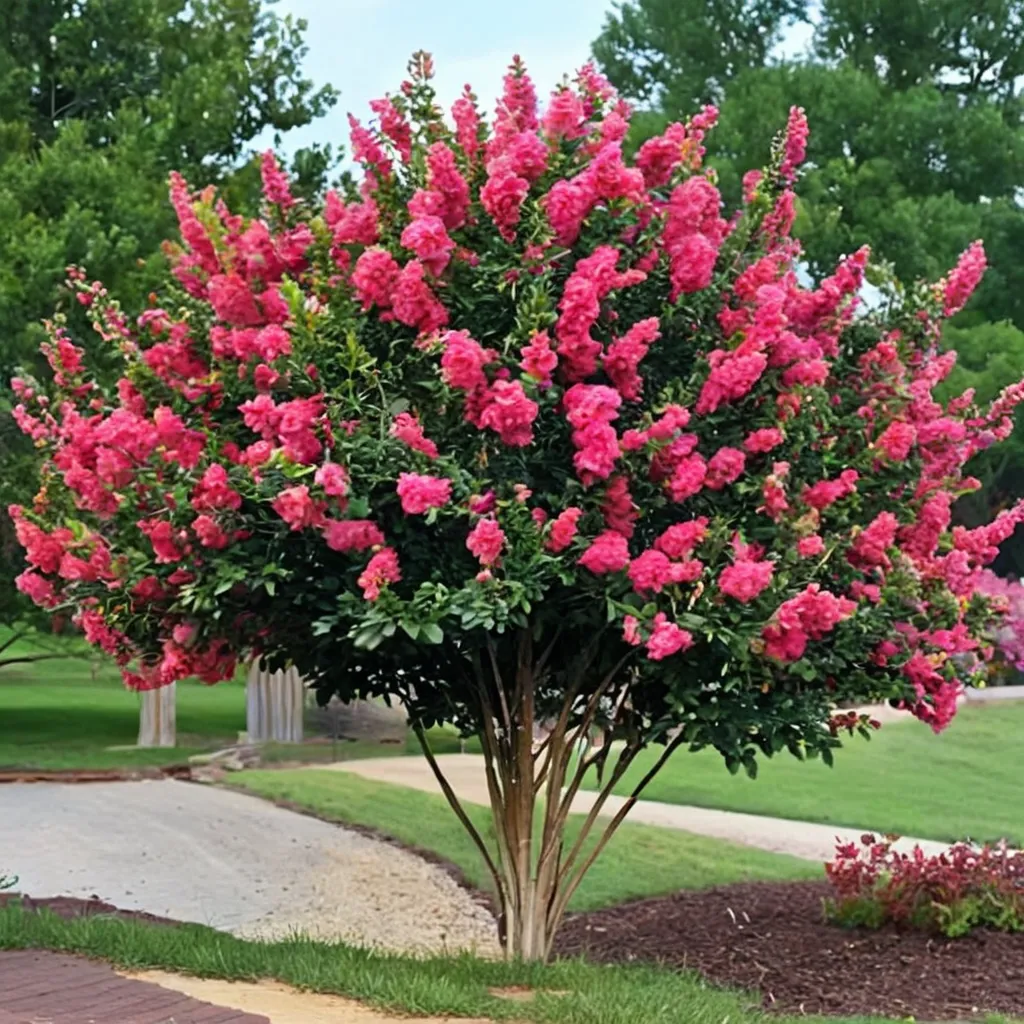
Indian Crapemyrtle
Lagerstroemia indica 'Tonto'
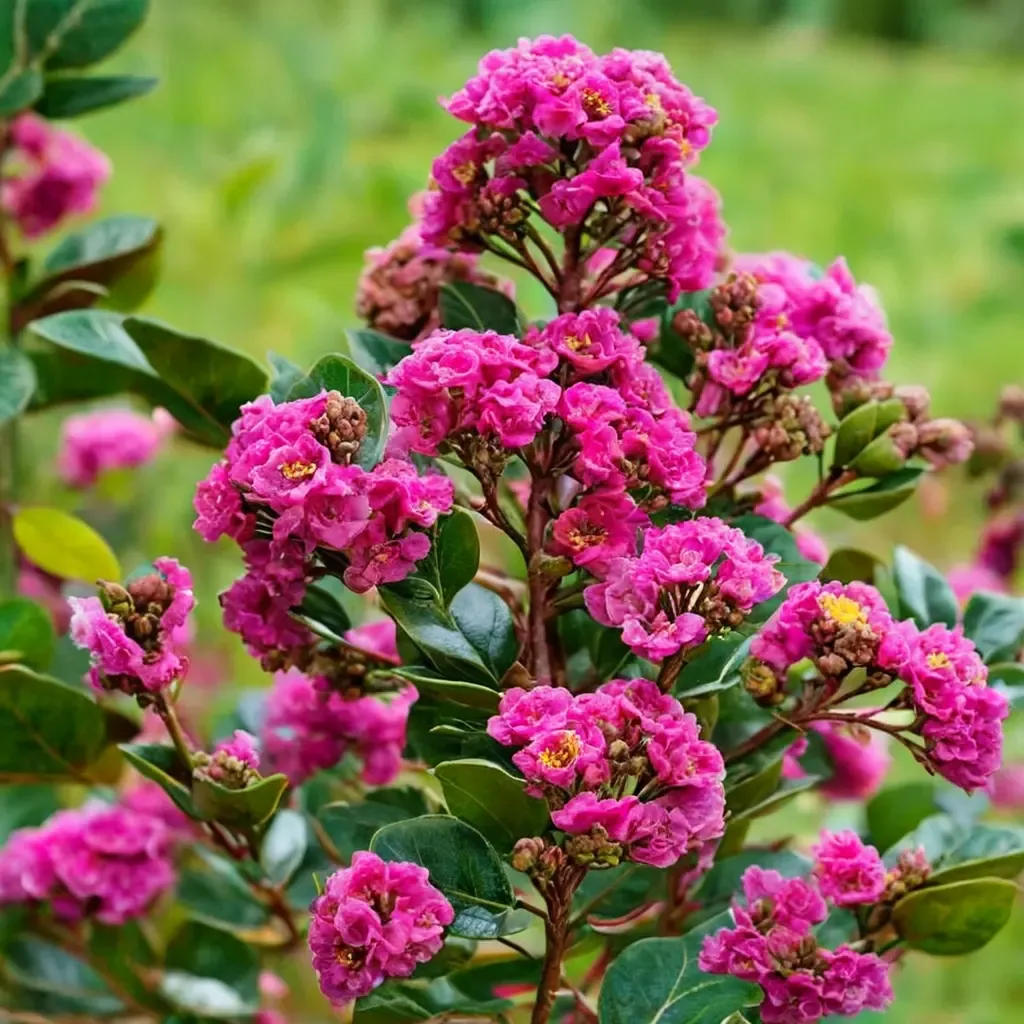
Northern Belle Crape Myrtle
Lagerstroemia indica 'Northern Belle'
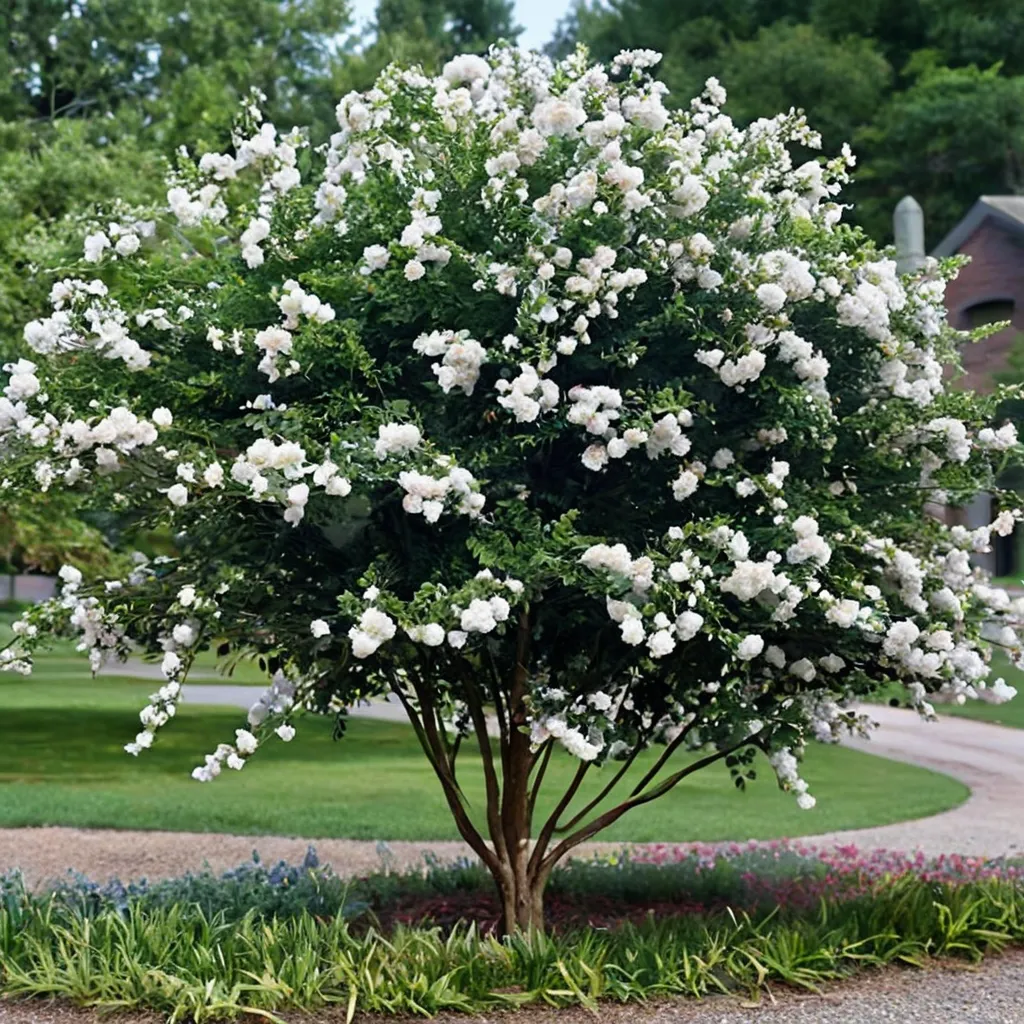
Acoma Crepe Myrtle
Lagerstroemia indica 'Acoma'
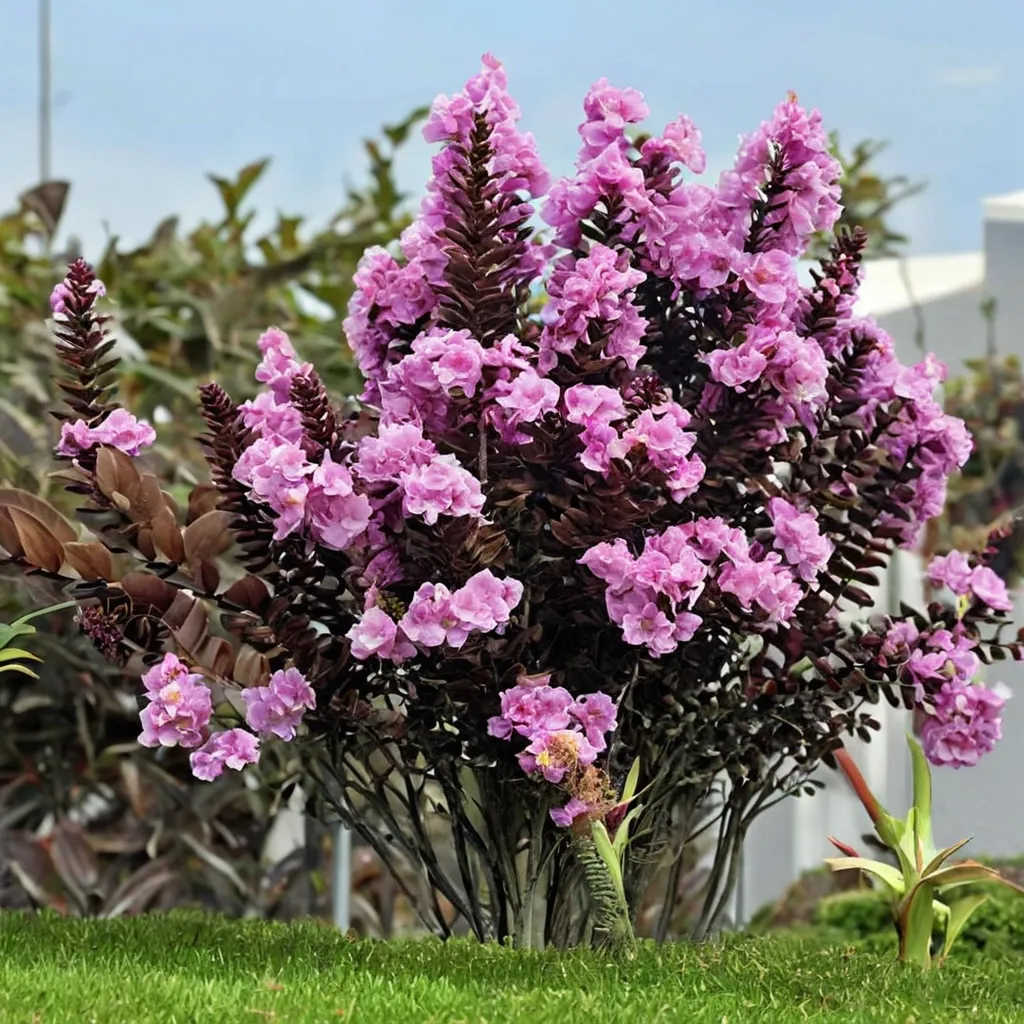
Crape Myrtle Delta Eclipse
Lagerstroemia indica 'Delta Eclipse'
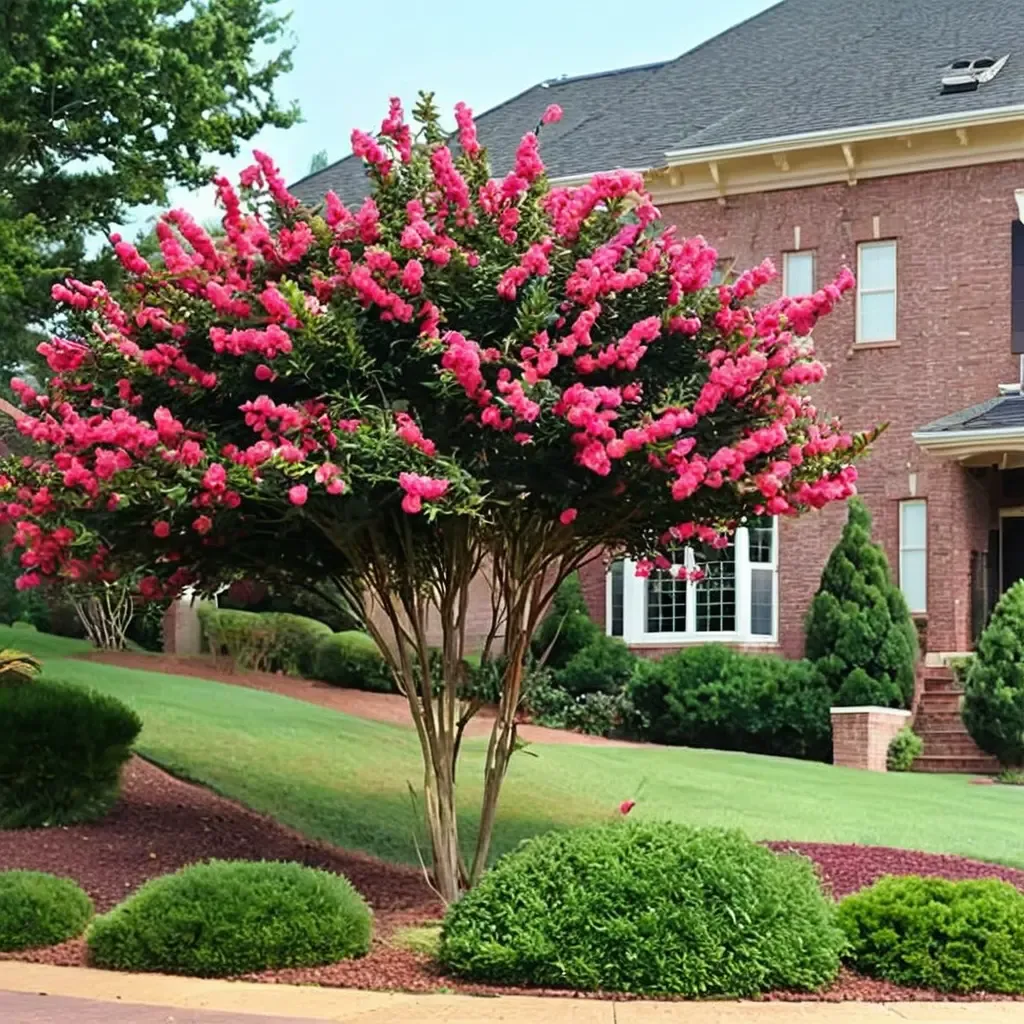
Tonto Crape Myrtle
Lagerstroemia indica 'Tonto Hardy'
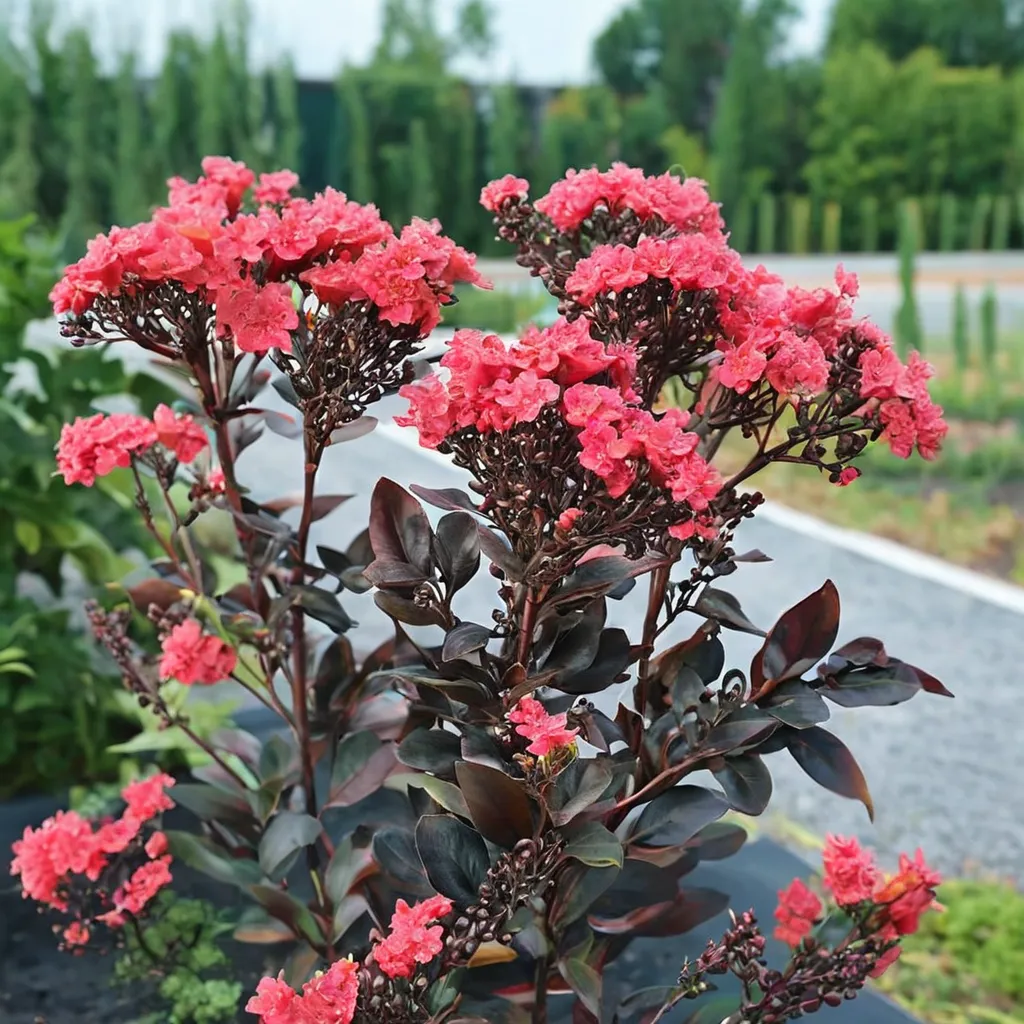
Center Stage Pink Crape Myrtle
Lagerstroemia indica 'Center Stage Pink'
Keep exploring
Explore the genus
Hardy in your zone?
Grow Crape Myrtle 'Choctaw' with confidence
See it in a design of your actual yard, get zone-matched care reminders, and track it season by season in your garden journal.