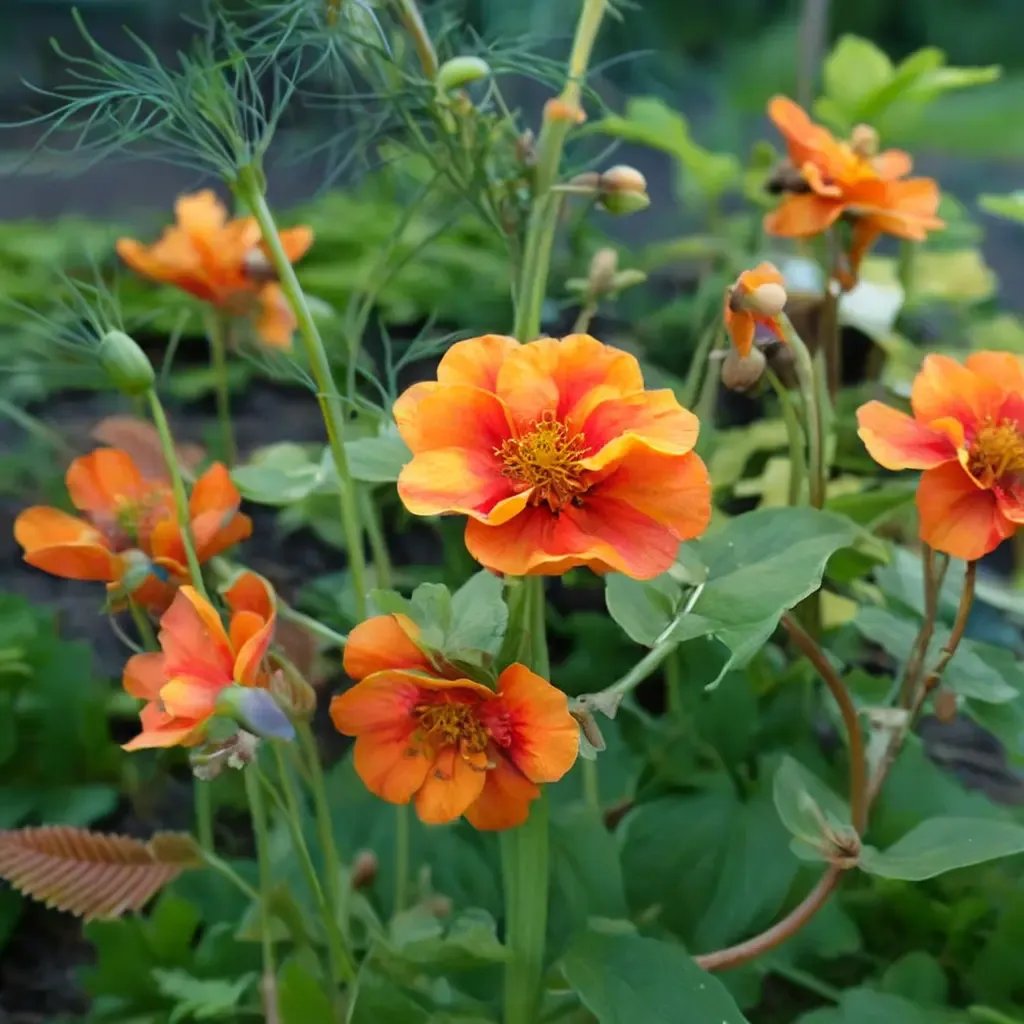
Garden hybrid
This is a garden hybrid, bred from more than one wild species, so it has no single species page of its own.
1 other cultivar

The Story
Plant Bio
Geum is a genus of clump-forming herbaceous perennials in the rose family, characterized by basal rosettes of pinnate foliage and wiry flowering stems. These plants thrive in cool-temperate climates, requiring consistently moist but sharply drained soils to prevent crown rot during winter dormancy.
'Prinses Juliana' is a historical Dutch cultivar distinguished by its semi-double, ruffled flowers of a rich fiery orange with prominent golden-yellow stamens. The blooms emerge in loose cymes from late spring through late summer on upright stems reaching up to 24 inches above the bright green foliage mound.
Uses & Benefits:
Bred from more than one wild species, so it has no species page of its own.
Essentials
At a Glance
Plant Type
Perennial
Height
24"
Width
24"
Light
Full Sun, Partial Sun
Zones
4, 5, 6, 7, 8
Water
Medium
Humidity
Low
Lifespan
Perennial
Native To
Europe
Toxicity
Mildly toxic if ingested
Bloom period
Late spring – Late summer
In flower about 4 months of the year
Planting
How to Grow
- Select a planting site with full sun to partial shade, ensuring afternoon shade in hot summer regions.
- Amend heavy clay or sandy soils with organic matter to create a fertile, humus-rich loam.
- Plant the crown level with the soil surface, ensuring the drainage is excellent to prevent winter waterlogging.
- Water regularly to keep the soil evenly moist, avoiding complete drying out during the active growing season.
Pro Tip
Avoid over-potting or planting in heavy, unamended clay, as winter wetness in poorly drained soil invariably induces fatal root rot.
Keep It Thriving
Care Guide
Do
- Deadhead spent flower stems down to the basal foliage to encourage sporadic rebloom.
- Divide established clumps every two to four years in spring to maintain plant vigor.
- Apply a light top-dressing of compost or a balanced organic fertilizer once a year in spring.
Don't
- Do not plant in low-lying areas or heavy clay where water collects during winter.
- Do not cut back into old, leafless woody parts of the crown when tidying the plant.
- Do not divide the clumps annually, as they flower best when allowed to form a tight, congested crown.
Seasonal Care Calendar
| Task | Jan | Feb | Mar | Apr | May | Jun | Jul | Aug | Sep | Oct | Nov | Dec |
|---|---|---|---|---|---|---|---|---|---|---|---|---|
| Deadhead | ||||||||||||
| Divide | ||||||||||||
| Fertilize | ||||||||||||
| Pest Check | ||||||||||||
| Winter Prep |
Watch Out For
Pests & Diseases
Common Pests
Common Diseases
In the Garden
Landscape Uses & Companions
Landscape Uses
Companion Plants
Multiply
Propagation Methods
Good to Know
Common Questions
Prinses Juliana Geum questions
What zones can Prinses Juliana Geum grow in?
Prinses Juliana Geum is hardy in USDA Zones 4–8. Inside that range it survives winter in the ground; outside it, grow it as an annual or a container plant you protect.
Is Prinses Juliana Geum deer resistant?
Not reliably. Deer may browse Prinses Juliana Geum, especially tender spring growth — plan on repellents or fencing where pressure is high.
When does Prinses Juliana Geum bloom?
Prinses Juliana Geum typically blooms in late spring through late summer. Exact timing shifts a week or two with your zone — Sow's bloom calendar maps it to your garden.
Does Prinses Juliana Geum need full sun?
Prinses Juliana Geum does best in full sun to part shade. In hot climates, afternoon shade keeps blooms fresher longer.
More Geum to compare
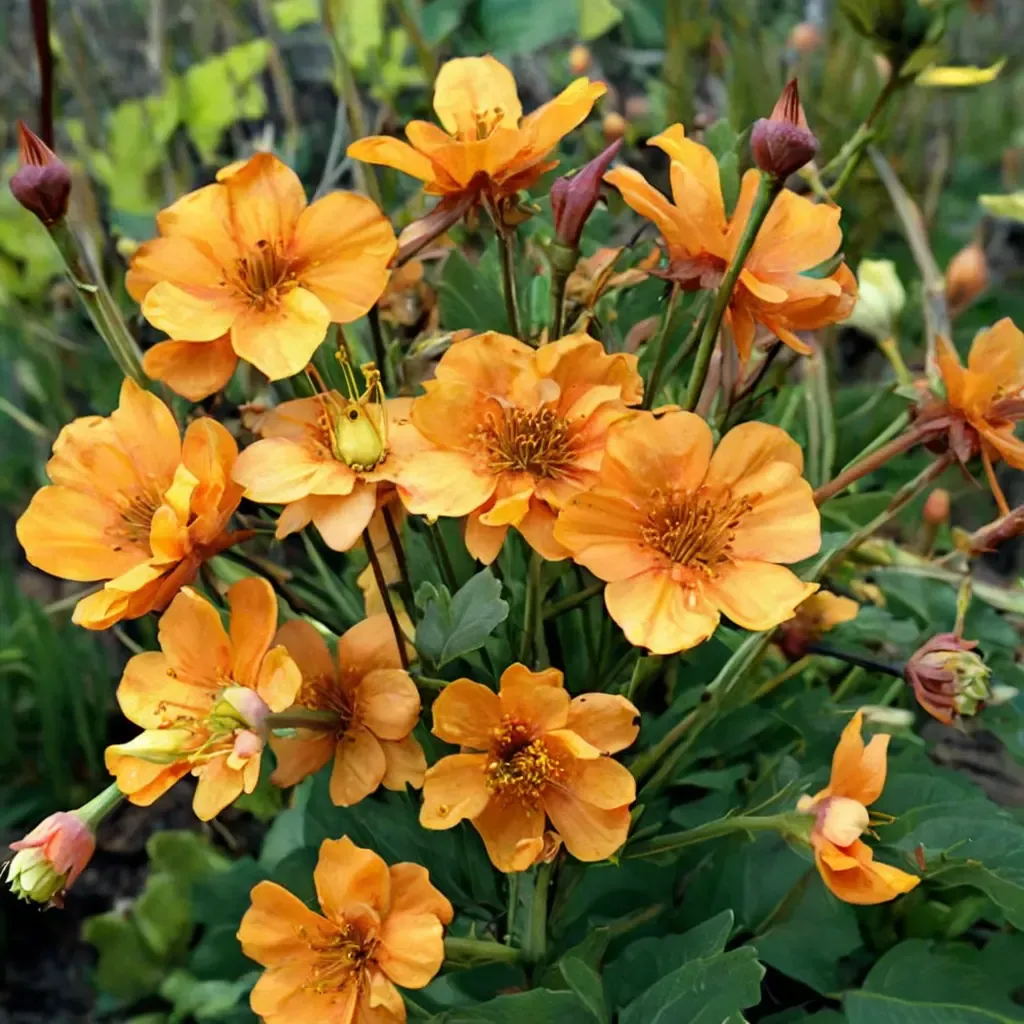
Fireball Avens
Geum rivale 'Fireball'
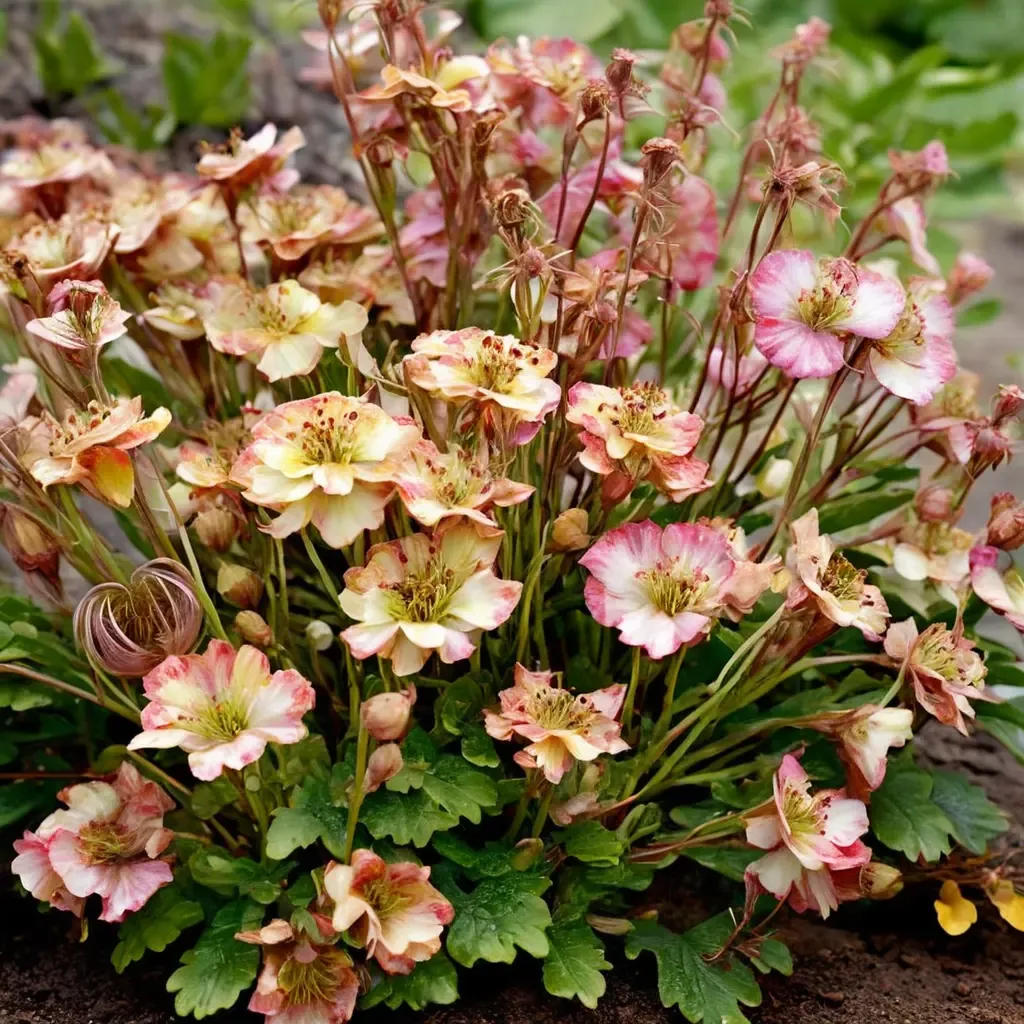
Pretticoats Peach Avens
Geum coccineum 'Pretticoats Peach'
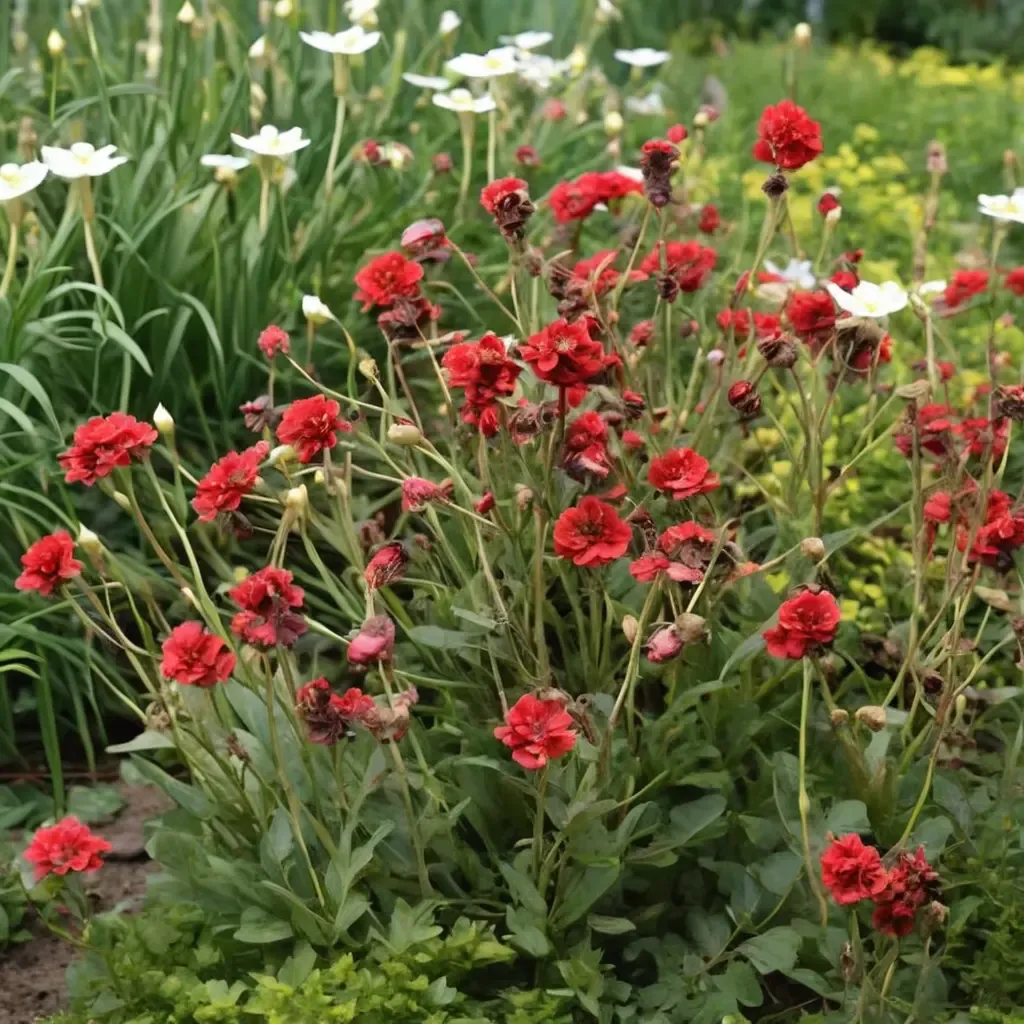
Blazing Sunset Geum
Geum quellyon 'Blazing Sunset'
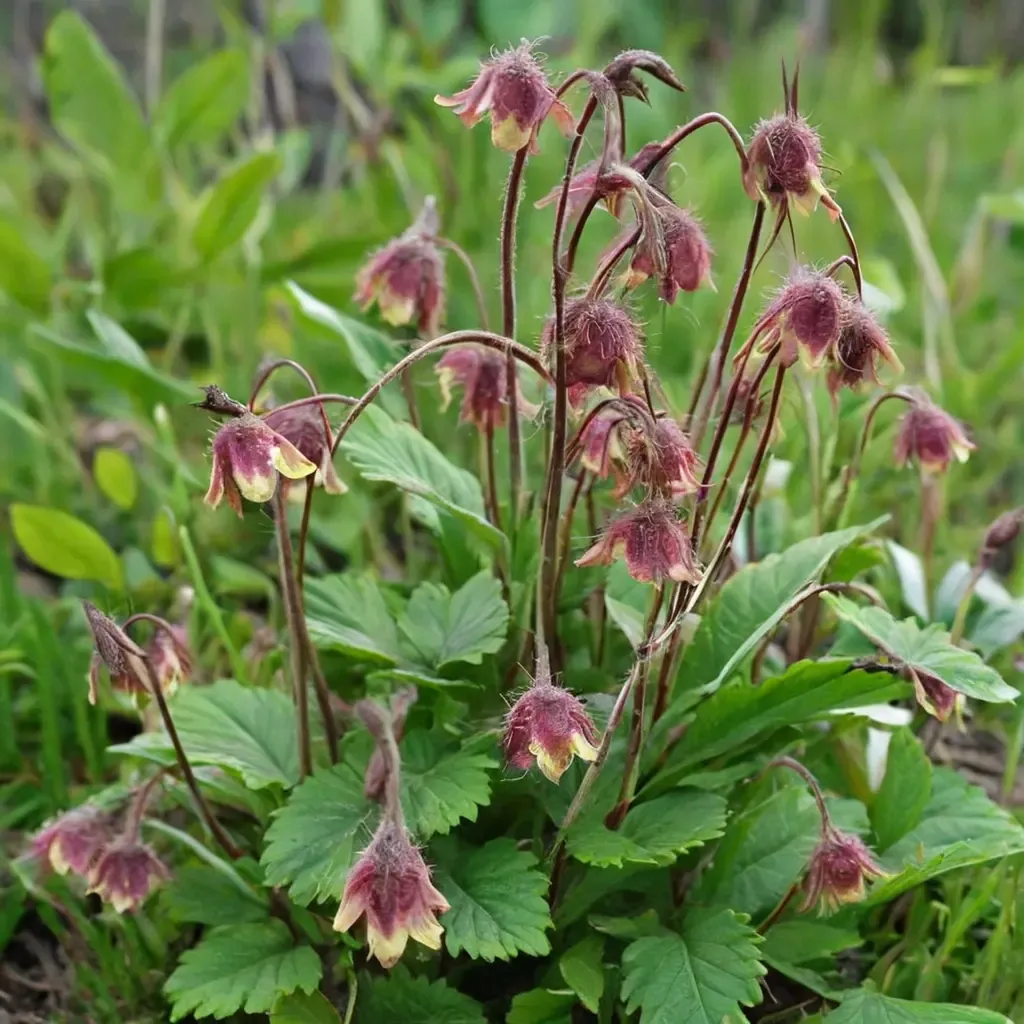
Water Avens
Geum rivale
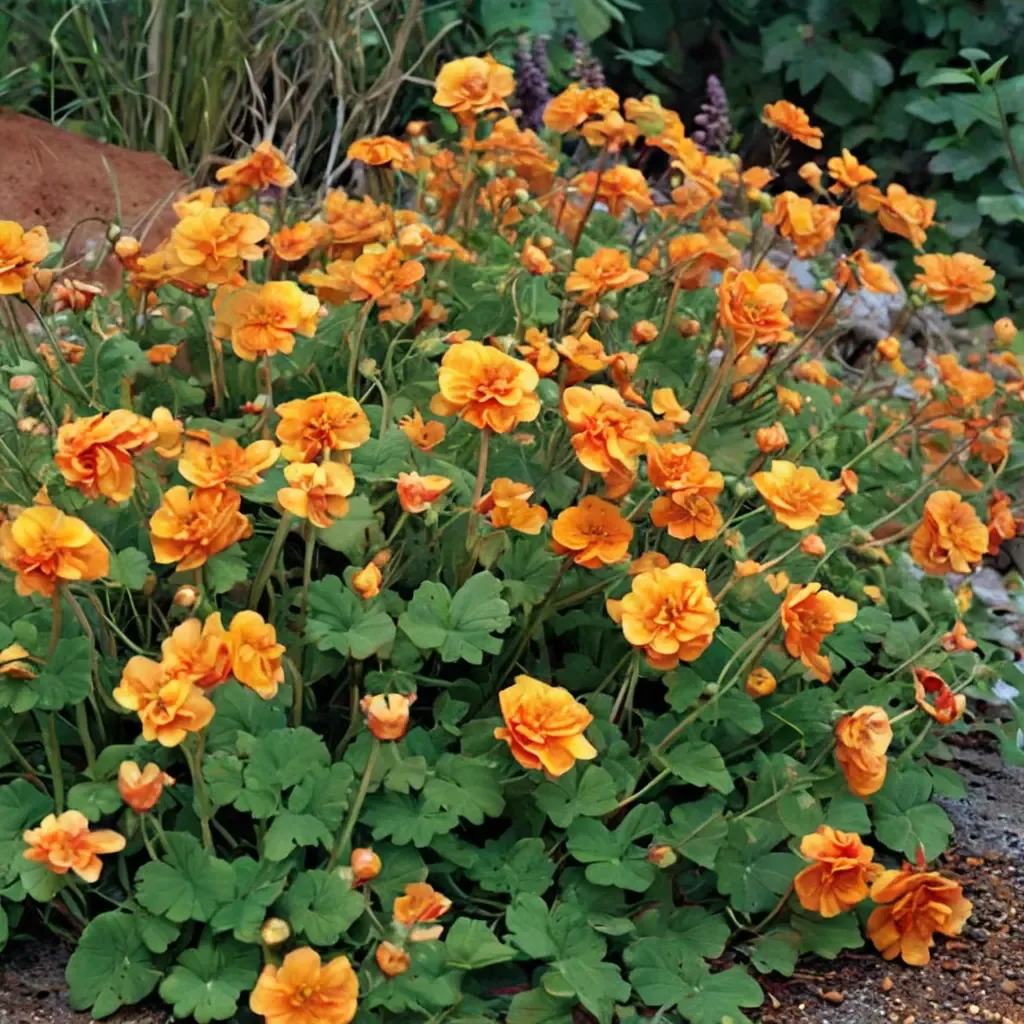
Fire Storm Avens
Geum x hybrida 'Fire Storm'
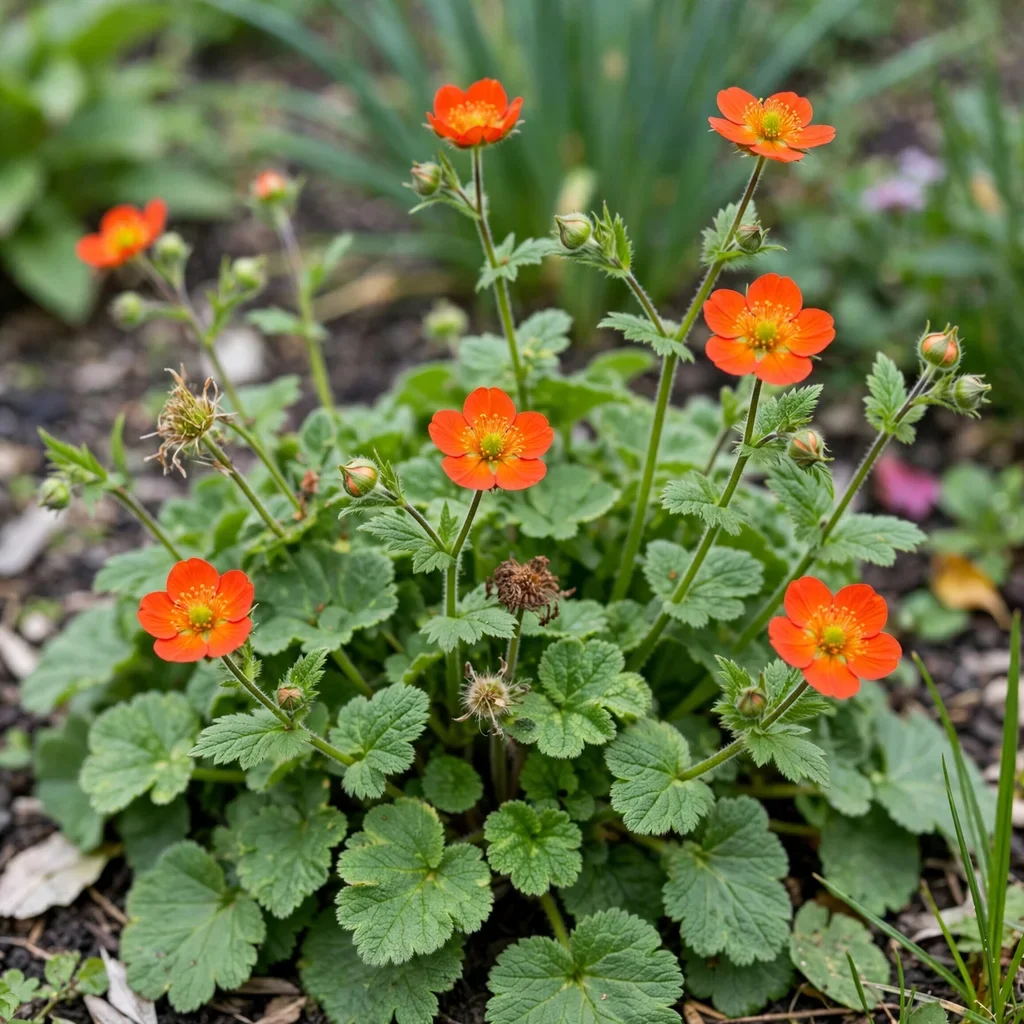
Koi Avens
Geum coccineum 'Koi'
Keep exploring
Explore the genus
Hardy in your zone?
Grow Prinses Juliana Geum with confidence
See it in a design of your actual yard, get zone-matched care reminders, and track it season by season in your garden journal.