The Story
Plant Bio
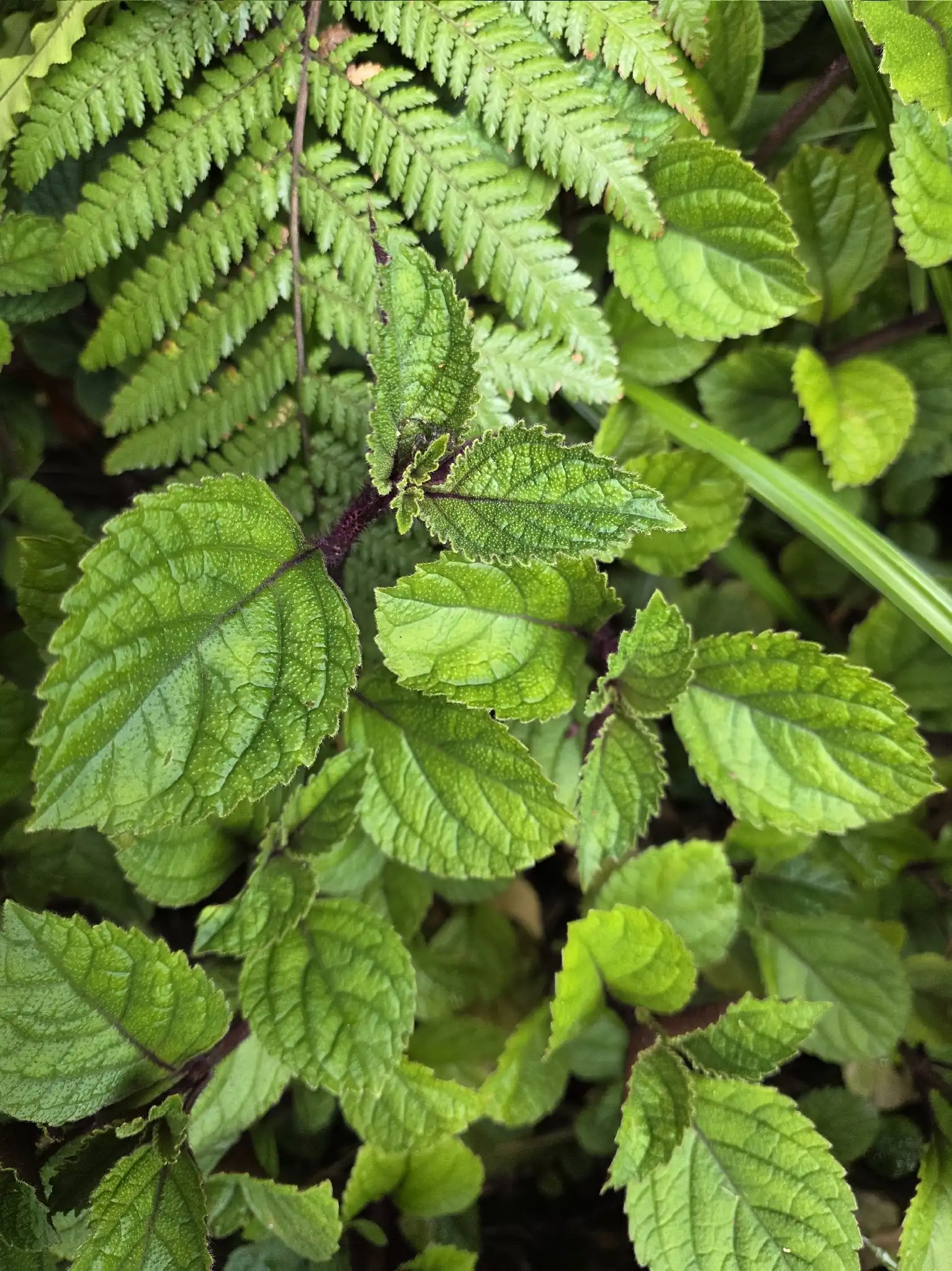
Plectranthus ciliatus is a creeping, semi-succulent perennial herb native to South Africa and Eswatini, forming a low groundcover of trailing stems that root readily at the nodes. The stems are covered in prominent maroon hairs, carrying broad green leaves with dark purple undersides and margins lined with fine, eyelash-like hairs.
The foliage is dotted beneath with orange glands, providing a strong contrast to the terminal racemes of white flowers speckled with purple. These blooms appear from late summer through winter, offering late-season interest in mild climates or indoor settings.
Uses & Benefits:
Essentials
At a Glance
Plant Type
Perennial
Height
24"
Width
48"
Light
Partial Sun, Shade
Zones
9, 10
Water
Consistent moisture
Humidity
High
Lifespan
Perennial
Native To
South Africa and Eswatini
Toxicity
Non-toxic (hairs may cause mild mechanical irritation)
Bloom period
Late summer – Winter
In flower about 7 months of the year
Planting
How to Grow
- Select a planting site in partial to full shade with rich, well-draining loam or compost-amended soil.
- Space plants 36 to 48 inches apart to allow the trailing stems room to spread and root at the nodes.
- Water thoroughly after planting to settle the soil around the roots and establish consistent moisture.
- Apply a light layer of organic mulch to help retain soil moisture and keep the root zone cool.
Pro Tip
Avoid treating this species as a drought-tolerant succulent; it requires consistent moisture and rich, organic soil in partial to full shade to prevent leaf scorch.
Keep It Thriving
Care Guide
Do
- Pinch back stem tips during the early growing season to encourage a bushier, more compact habit.
- Maintain consistent soil moisture, especially during active growth in the summer months.
- Bring container-grown plants indoors before temperatures drop below 41 degrees Fahrenheit.
Don't
- Do not plant in heavy, poorly drained clay soils that hold excess water and trigger root rot.
- Do not prune hard into old, leafless woody stems, as they will fail to reshoot.
- Do not expose the plant to harsh, direct midday sun, which causes leaf scorch and decline.
Seasonal Care Calendar
| Task | Jan | Feb | Mar | Apr | May | Jun | Jul | Aug | Sep | Oct | Nov | Dec |
|---|---|---|---|---|---|---|---|---|---|---|---|---|
| Fertilize | ||||||||||||
| Pest Check | ||||||||||||
| Propagate | ||||||||||||
| Prune | ||||||||||||
| Winter Prep |
Watch Out For
Pests & Diseases
Common Pests
Common Diseases
In the Garden
Landscape Uses & Companions
Landscape Uses
Multiply
Propagation Methods
Good to Know
Common Questions
Eyelash Spur Flower questions
What zones can Eyelash Spur Flower grow in?
Eyelash Spur Flower is hardy in USDA Zones 9–10. Inside that range it survives winter in the ground; outside it, grow it as an annual or a container plant you protect.
Is Eyelash Spur Flower deer resistant?
Not reliably. Deer may browse Eyelash Spur Flower, especially tender spring growth — plan on repellents or fencing where pressure is high.
When does Eyelash Spur Flower bloom?
Eyelash Spur Flower typically blooms in late summer through winter. Exact timing shifts a week or two with your zone — Sow's bloom calendar maps it to your garden.
Does Eyelash Spur Flower need full sun?
Eyelash Spur Flower does best in part shade.
More Plectranthus to compare
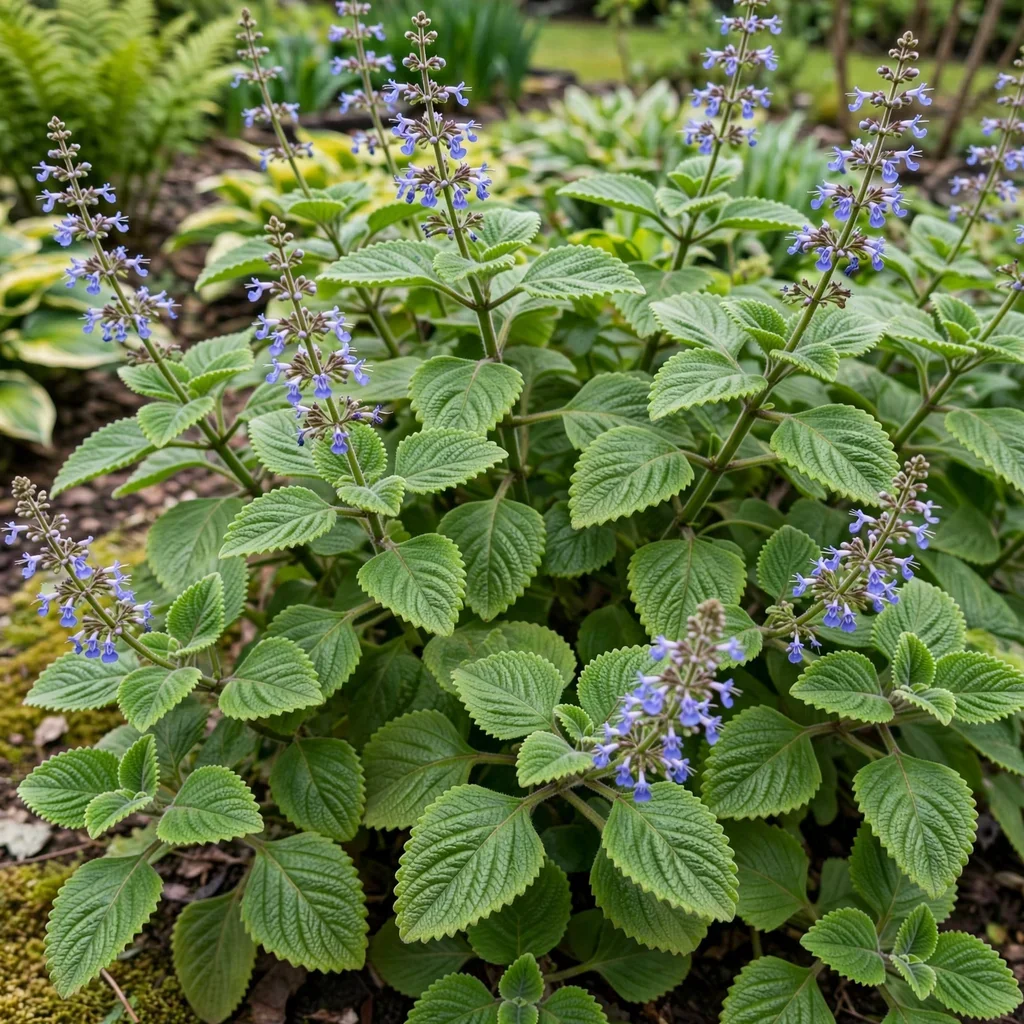
Swedish Ivy
Plectranthus ecklonii
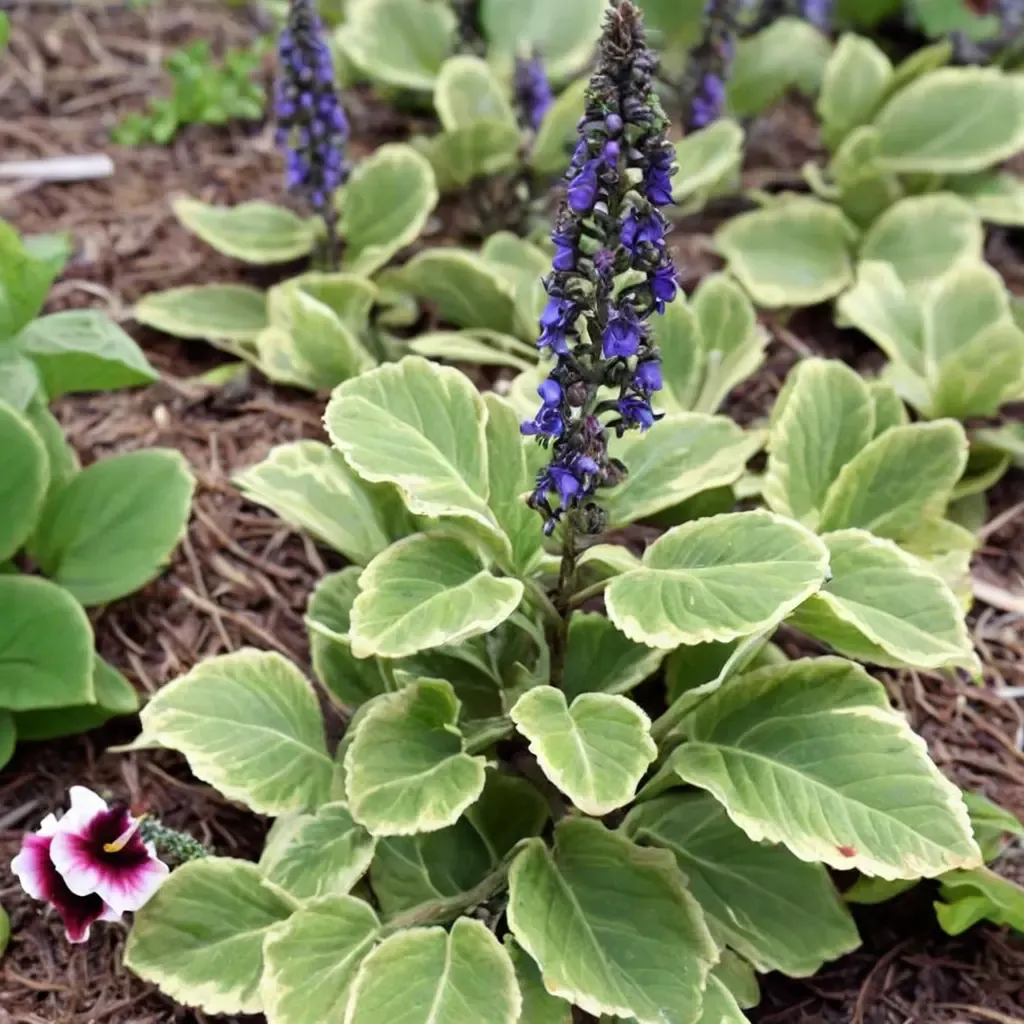
Danish Oil Plant
Plectranthus barbatus 'grandis'
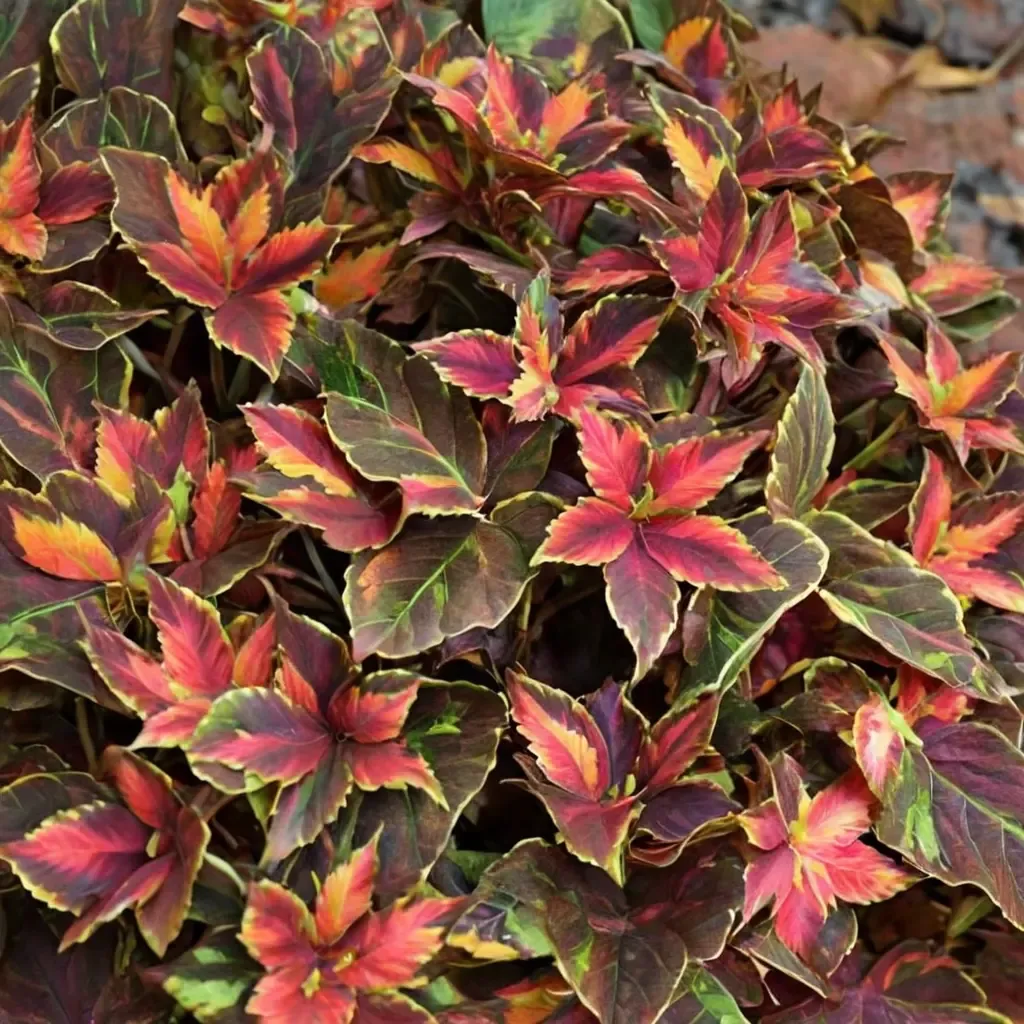
Coleus 'Festive Dance'
Plectranthus scutellarioides 'Festive Dance'
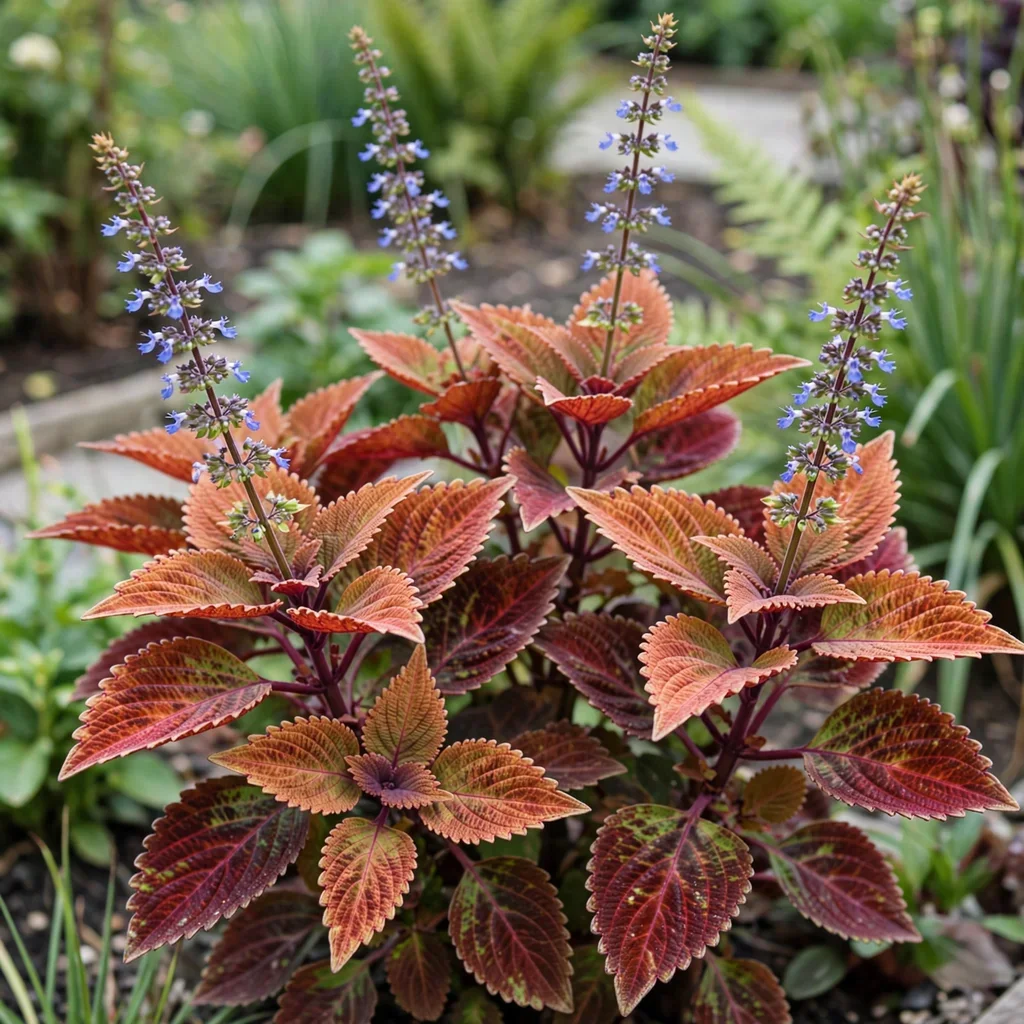
Coleus Indian Summer
Plectranthus scutellarioides 'Indian Summer'
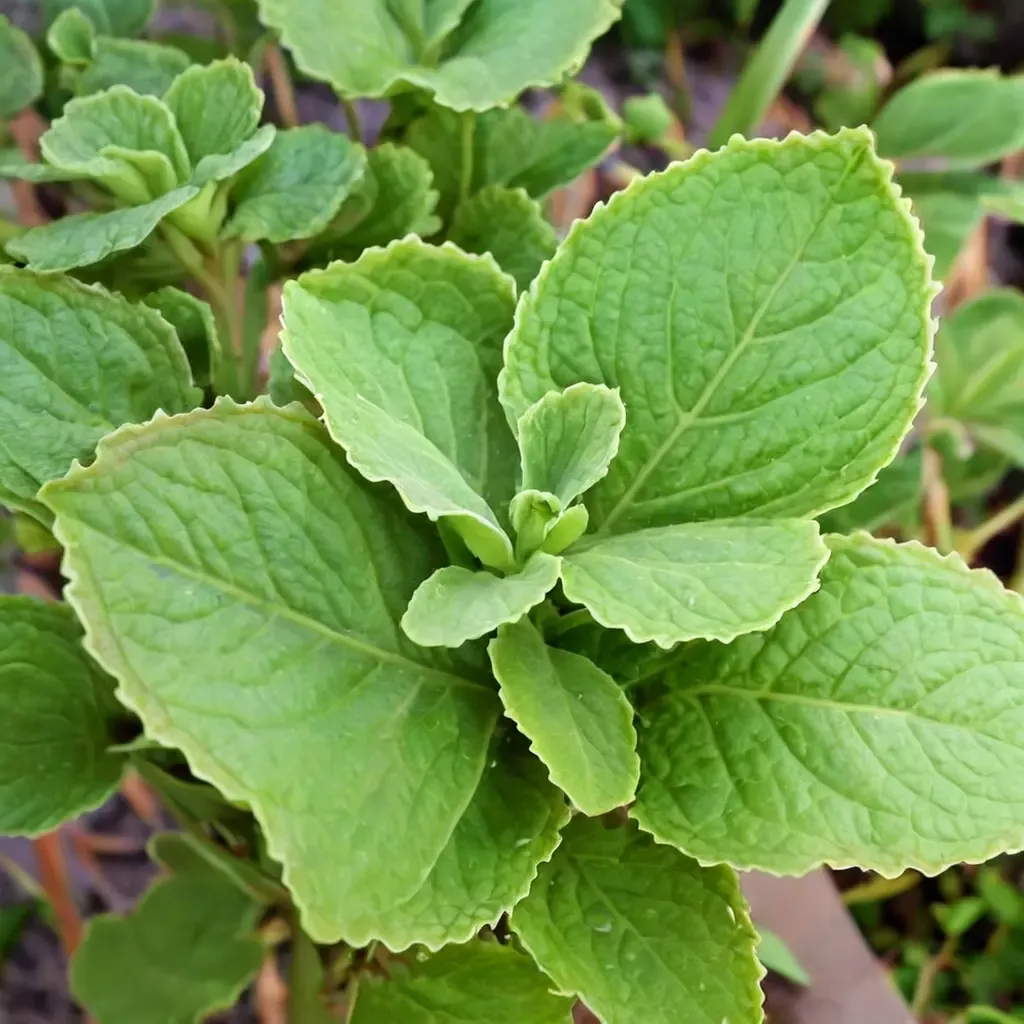
Cuban Oregano Mexican Mint
Plectranthus amboinicus
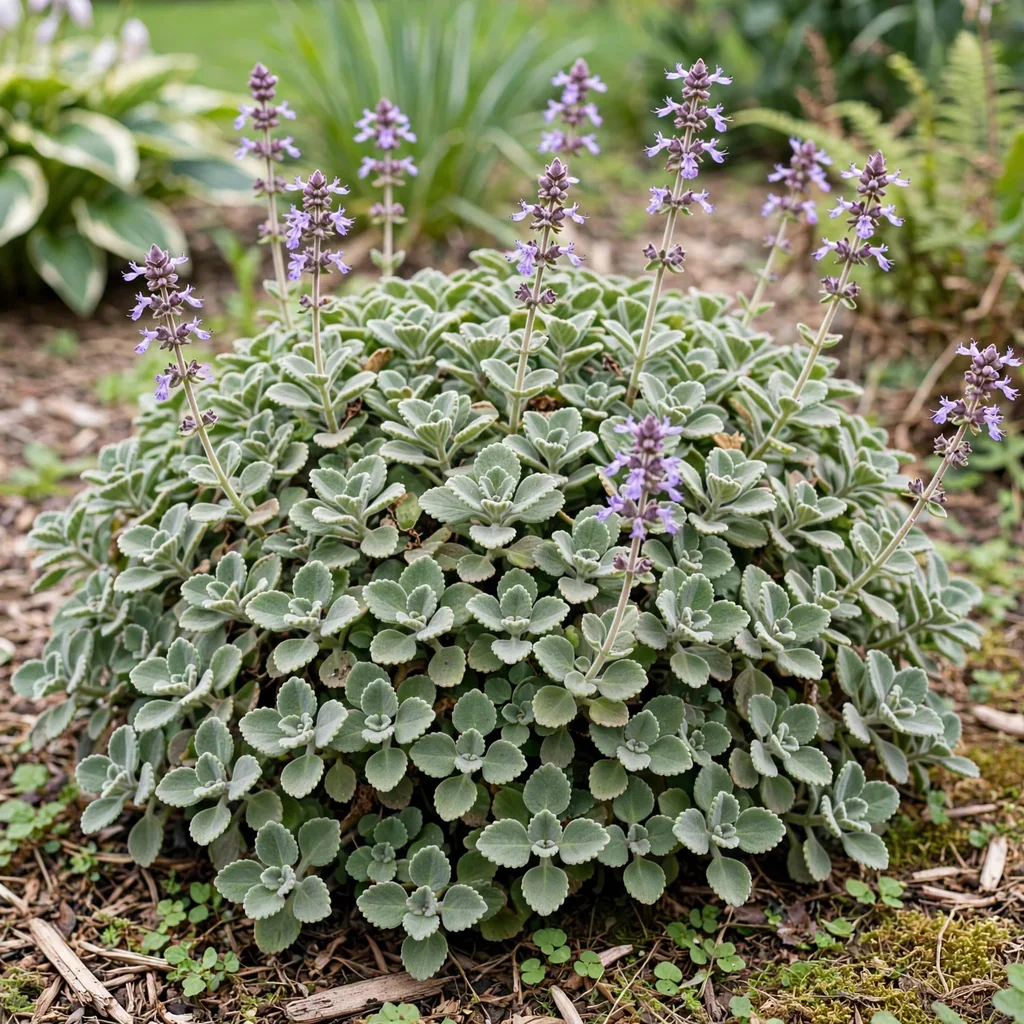
Lobster Flower
Plectranthus neochilus
Keep exploring
Explore the genus
Hardy in your zone?
Grow Eyelash Spur Flower with confidence
See it in a design of your actual yard, get zone-matched care reminders, and track it season by season in your garden journal.