The Story
Plant Bio
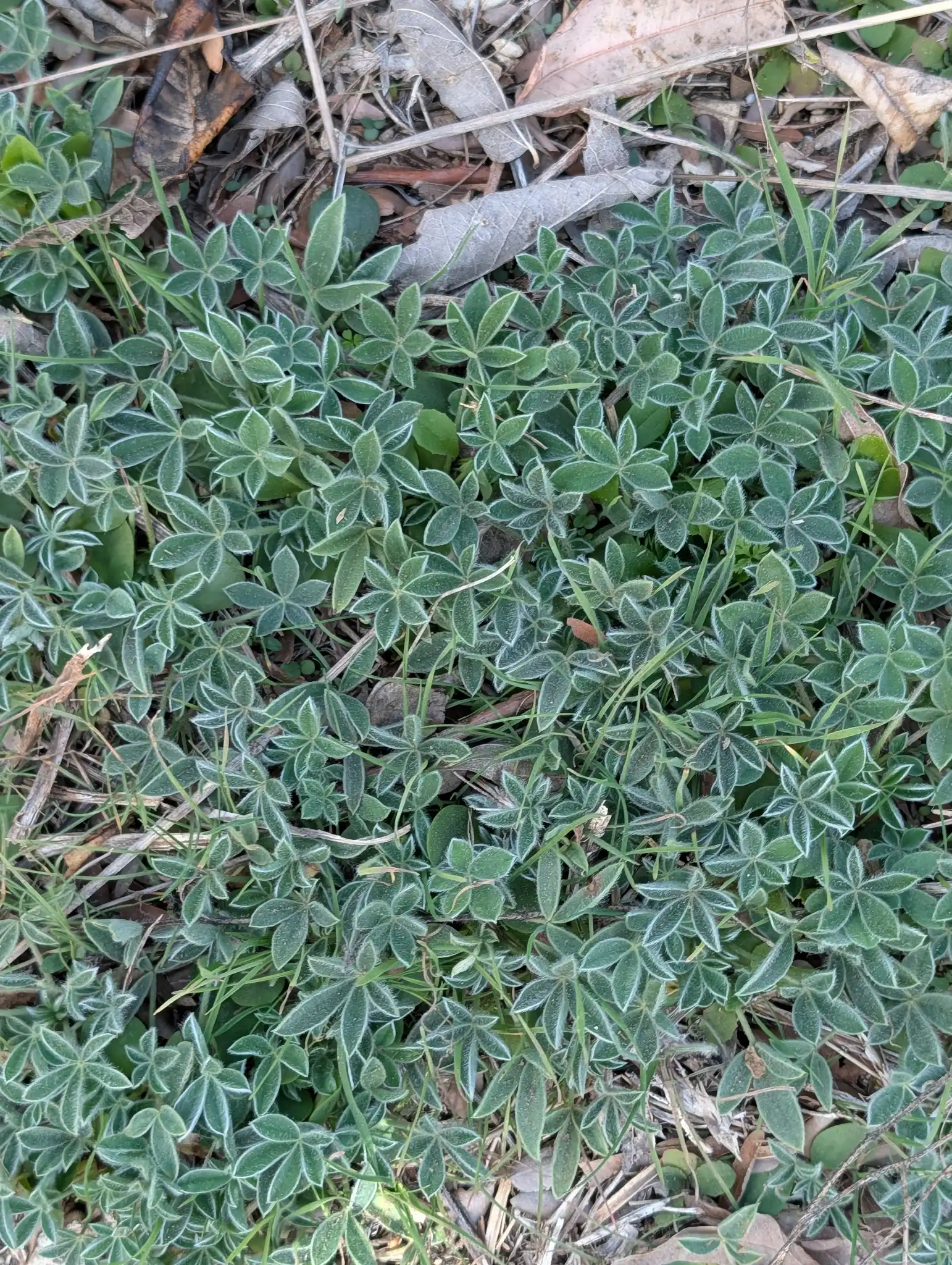
Lupinus texensis is an upright, branching winter annual native to Texas and surrounding southern regions. It forms a low-growing, leafy rosette of palmately compound foliage during the cool season before bolting into dense terminal flower spikes.
The pea-like flowers are a deep blue, distinguished by a white center banner spot that ages to a reddish hue. The foliage is covered in fine hairs, giving the light green leaves a soft, silvery-pubescent texture.
Uses & Benefits:
Essentials
At a Glance
Plant Type
Annual
Height
24"
Width
18"
Light
Full Sun
Zones
4, 5, 6, 7, 8
Water
Low
Humidity
Low to moderate
Lifespan
Annual
Native To
North America
Toxicity
Toxic if ingested
Bloom period
Spring – Late spring
In flower about 3 months of the year
Planting
How to Grow
- Select a site in full sun with highly drained sandy loam or limestone-based soil.
- Scarify the hard seed coats by nicking them or treating them before sowing in the fall.
- Press seeds lightly into the soil surface, ensuring good soil contact without burying them deeply.
- Water sparingly once established, as the root system is highly sensitive to excess moisture.
Pro Tip
Sow seeds in the fall rather than spring; the plant requires a cool winter period to develop a robust root system and rosette before flowering.
Keep It Thriving
Care Guide
Do
- Sow seeds in fall to align with the natural winter rosette growth cycle.
- Ensure the planting site has excellent drainage to prevent root rot.
- Scarify seeds to break dormancy before planting.
Don't
- Do not apply nitrogen-rich fertilizers, which suppress flowering and promote excessive foliage.
- Do not overwater or plant in heavy, poorly drained clay soils.
- Do not prune into old, leafless wood.
Seasonal Care Calendar
| Task | Jan | Feb | Mar | Apr | May | Jun | Jul | Aug | Sep | Oct | Nov | Dec |
|---|---|---|---|---|---|---|---|---|---|---|---|---|
| Deadhead | ||||||||||||
| Pest Check | ||||||||||||
| Plant | ||||||||||||
| Propagate |
Watch Out For
Pests & Diseases
Common Pests
Common Diseases
In the Garden
Landscape Uses & Companions
Landscape Uses
Companion Plants
Multiply
Propagation Methods
Good to Know
Common Questions
Texas Bluebonnet questions
What zones can Texas Bluebonnet grow in?
Texas Bluebonnet is hardy in USDA Zones 4–8. Inside that range it survives winter in the ground; outside it, grow it as an annual or a container plant you protect.
Is Texas Bluebonnet deer resistant?
Not reliably. Deer may browse Texas Bluebonnet, especially tender spring growth — plan on repellents or fencing where pressure is high.
When does Texas Bluebonnet bloom?
Texas Bluebonnet typically blooms in spring through late spring. Exact timing shifts a week or two with your zone — Sow's bloom calendar maps it to your garden.
Does Texas Bluebonnet need full sun?
Texas Bluebonnet does best in full sun (6+ hours).
Is Texas Bluebonnet drought tolerant?
Yes — once established (usually after the first full season), Texas Bluebonnet handles dry spells with minimal watering. Water deeply its first year to build the root system that makes that possible.
More Lupinus to compare
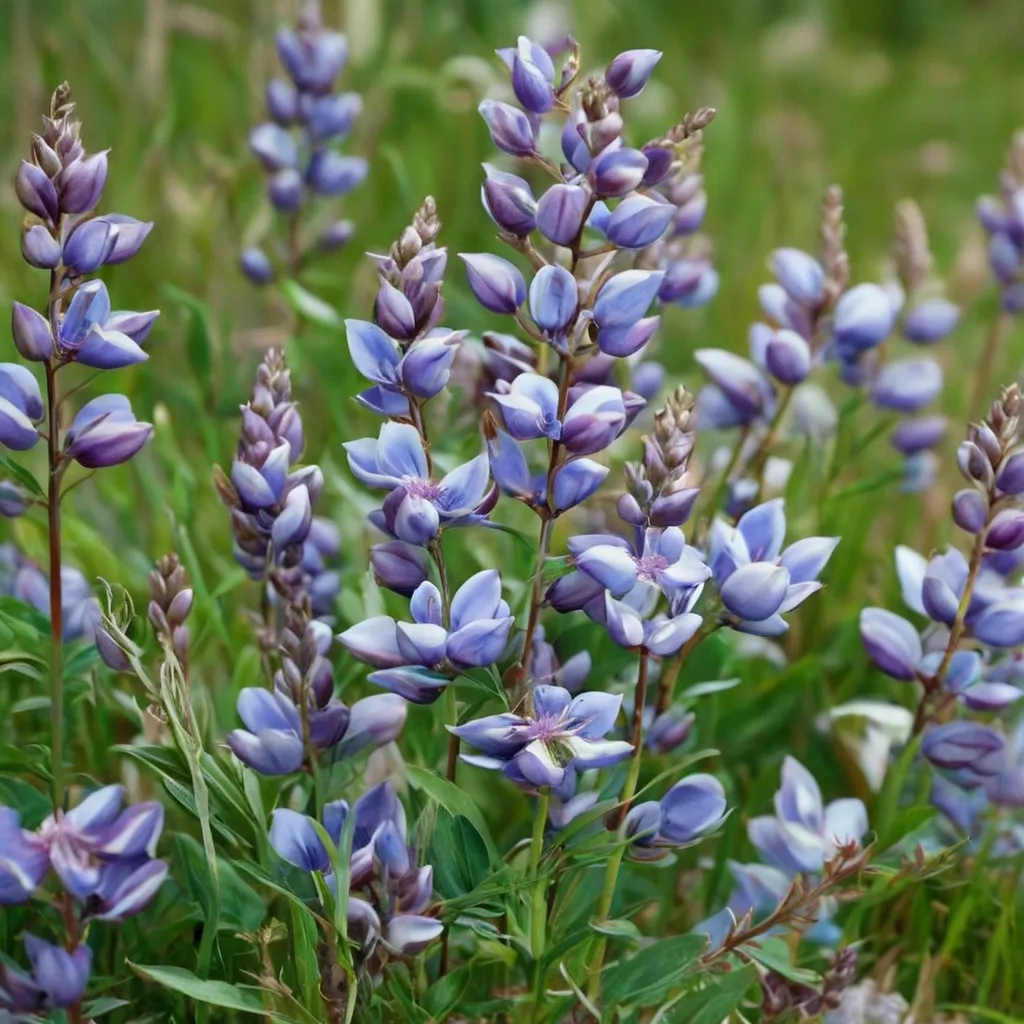
Wild Lupine
Lupinus perennis
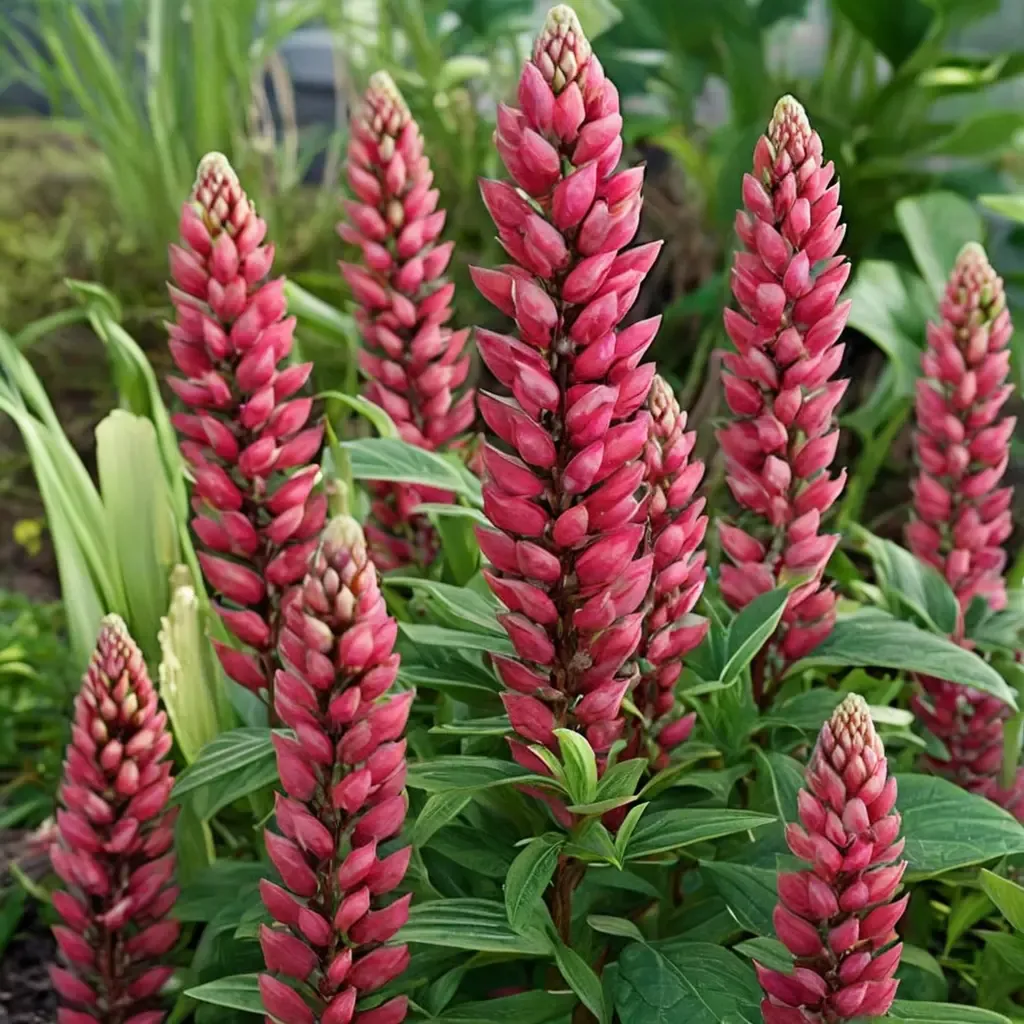
Red Popsicle Lupine
Lupinus polyphyllus 'Red Popsicle'
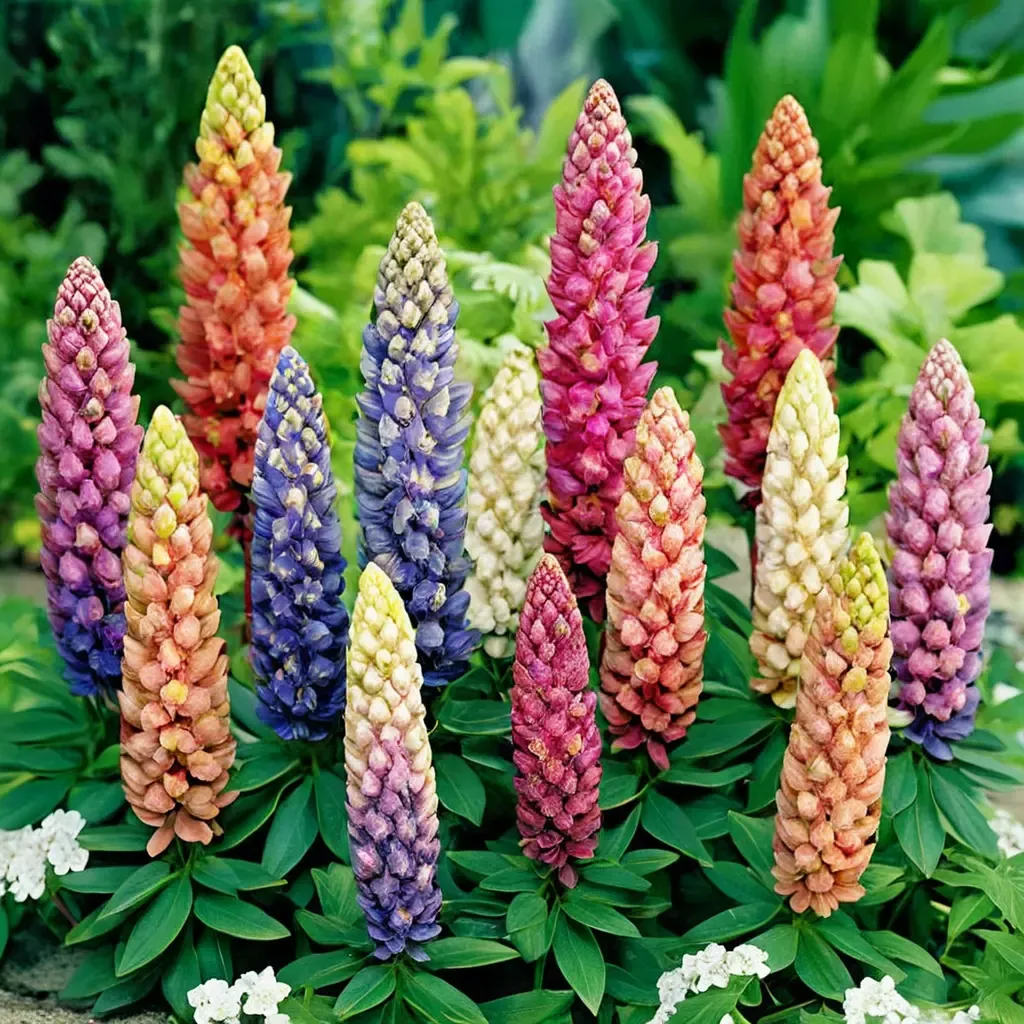
Dwarf Mix Lupine
Lupinus polyphyllus 'Dwarf Mix'
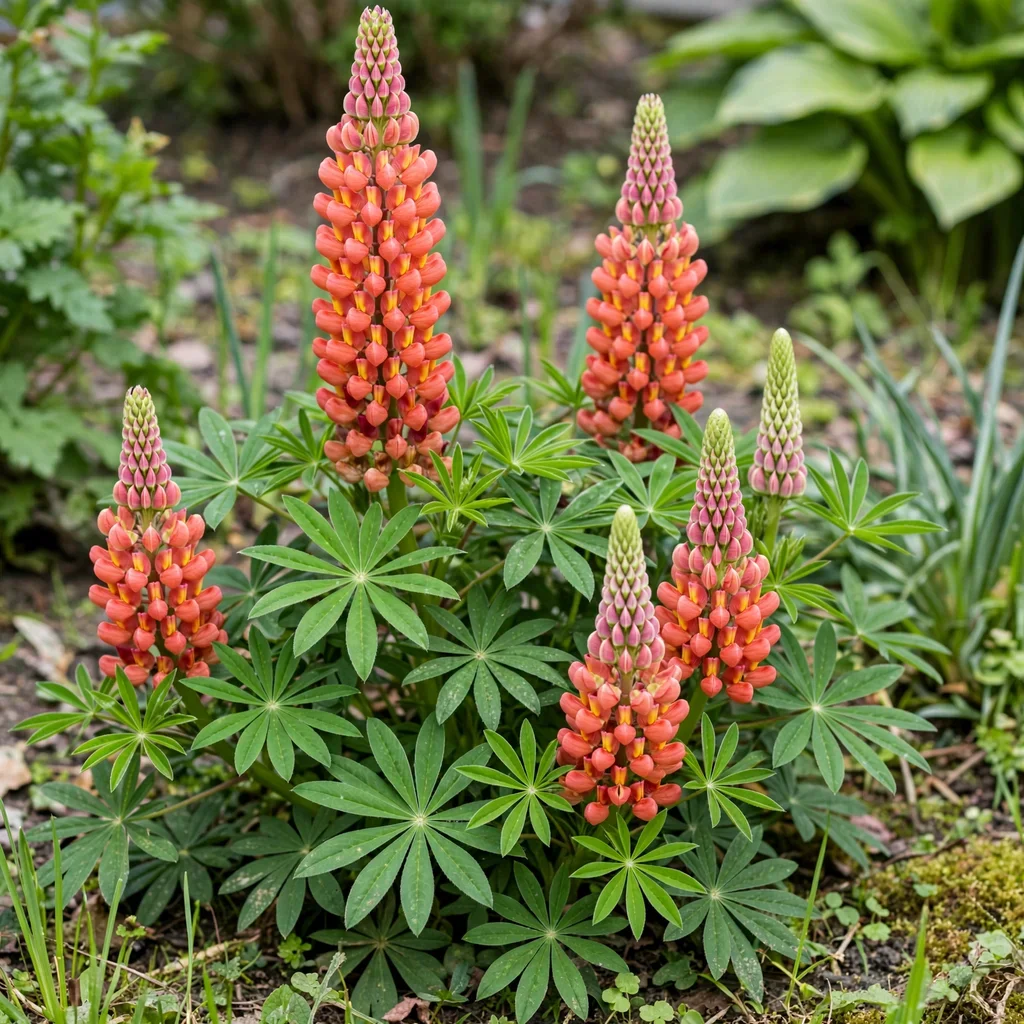
Garden Lupine
Lupinus polyphyllus 'Towering Inferno'
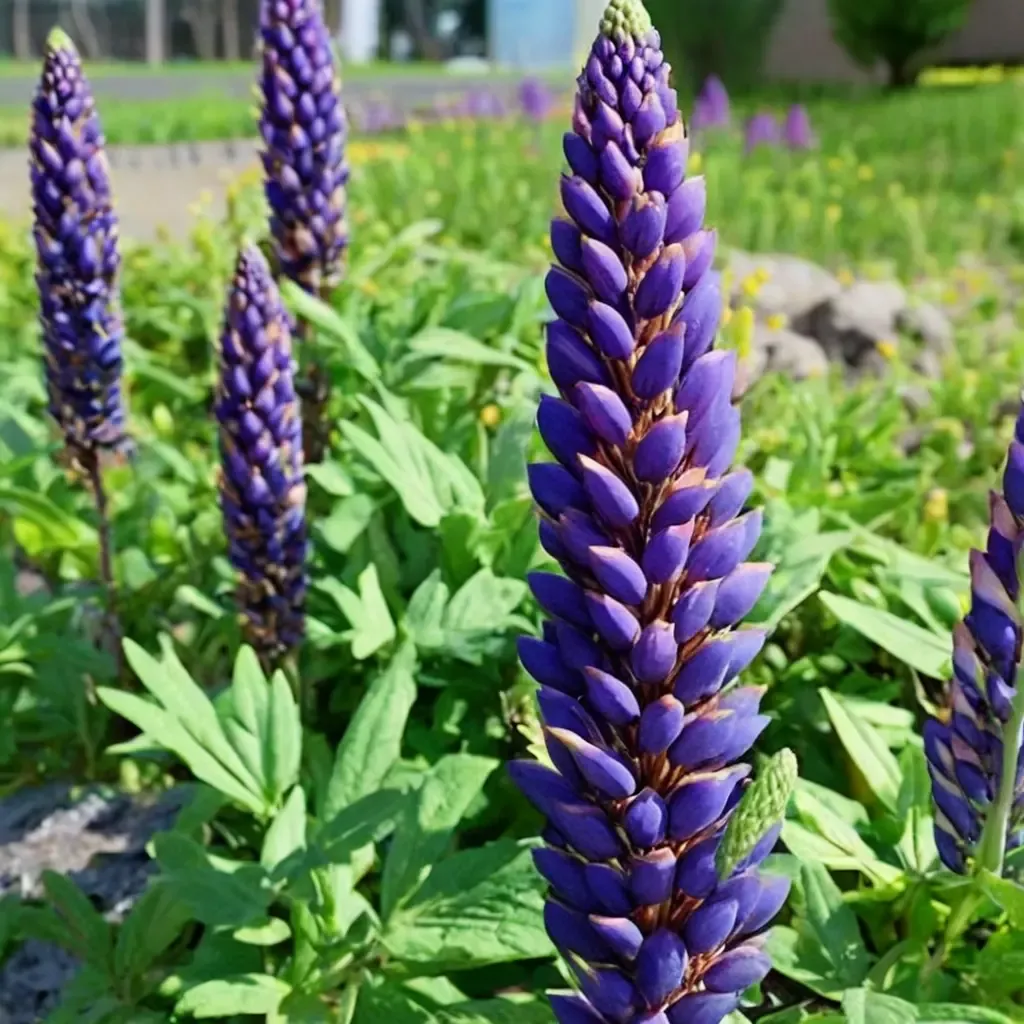
Magic Lantern lupine
Lupinus polyphyllus 'Magic Lantern'
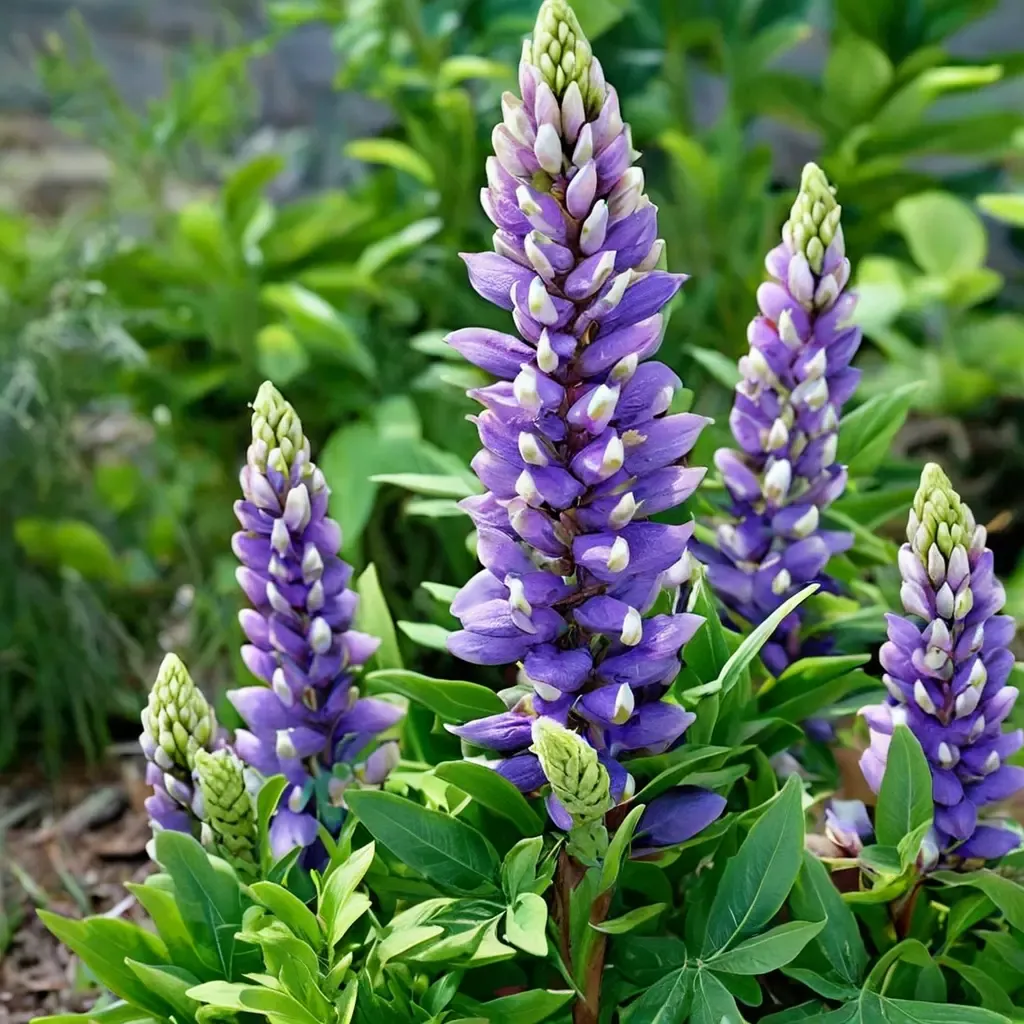
Gallery Blue Lupine
Lupinus polyphyllus 'Gallery Blue'
Keep exploring
Explore the genus
Hardy in your zone?
Grow Texas Bluebonnet with confidence
See it in a design of your actual yard, get zone-matched care reminders, and track it season by season in your garden journal.