Also known as Indian Paintbrush · 8 saves
Castilleja
Castilleja, the genus most gardeners know as indian paintbrush. We track 3 varieties; the ones most used by real gardeners.
The 3 most-saved Castilleja varieties
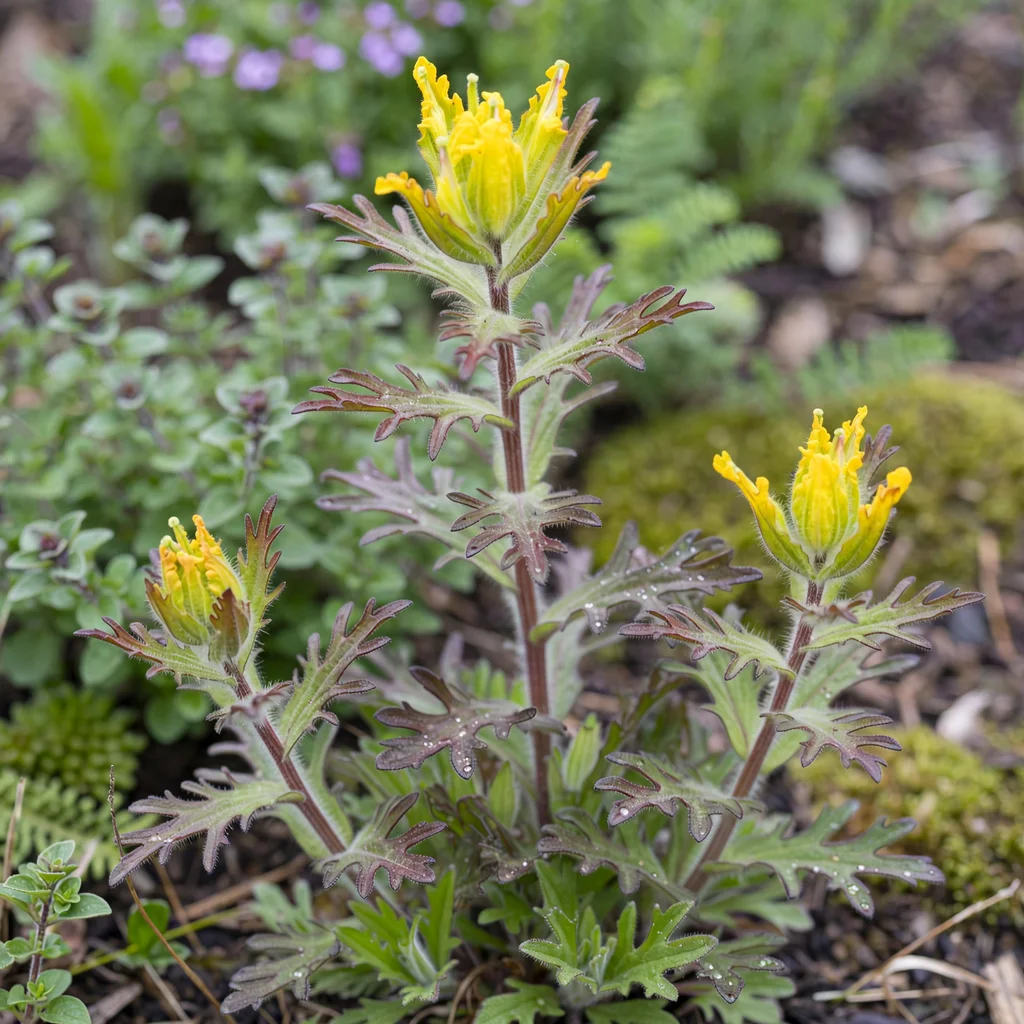
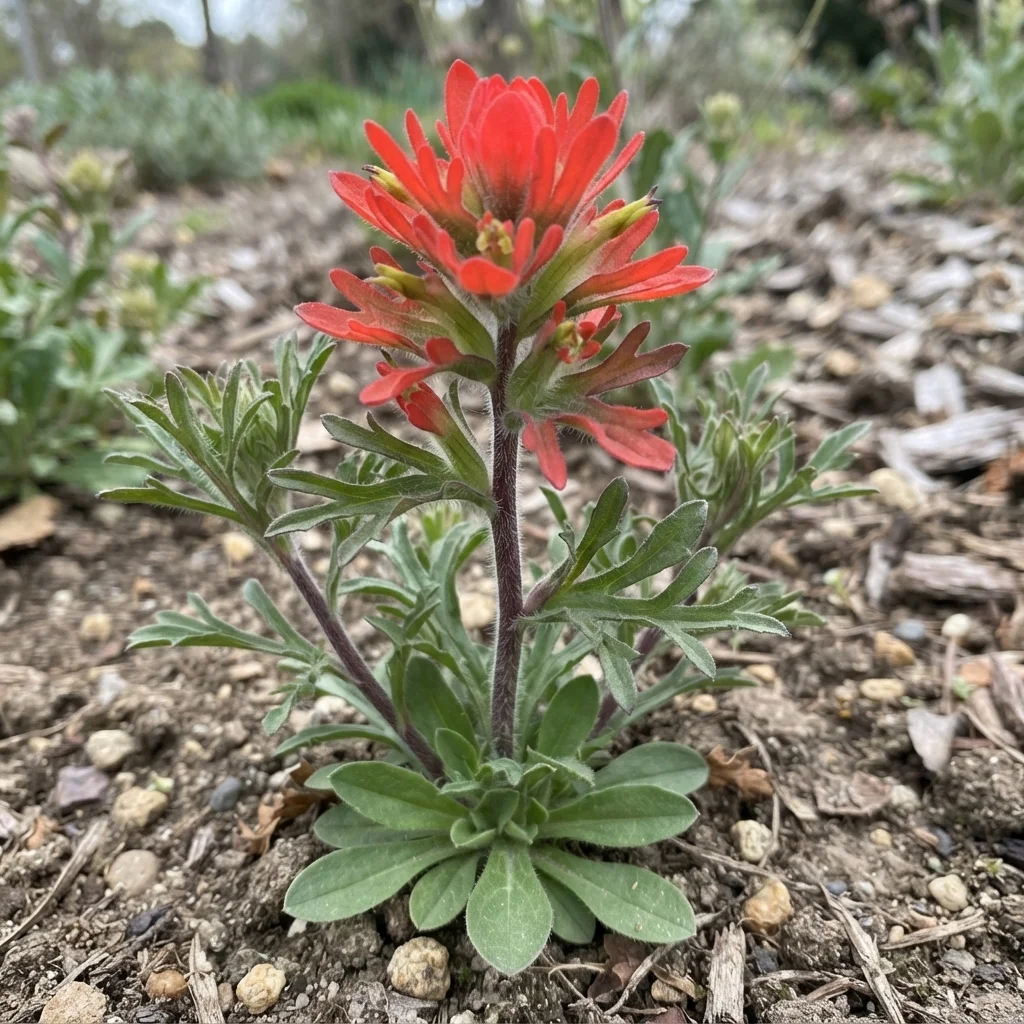
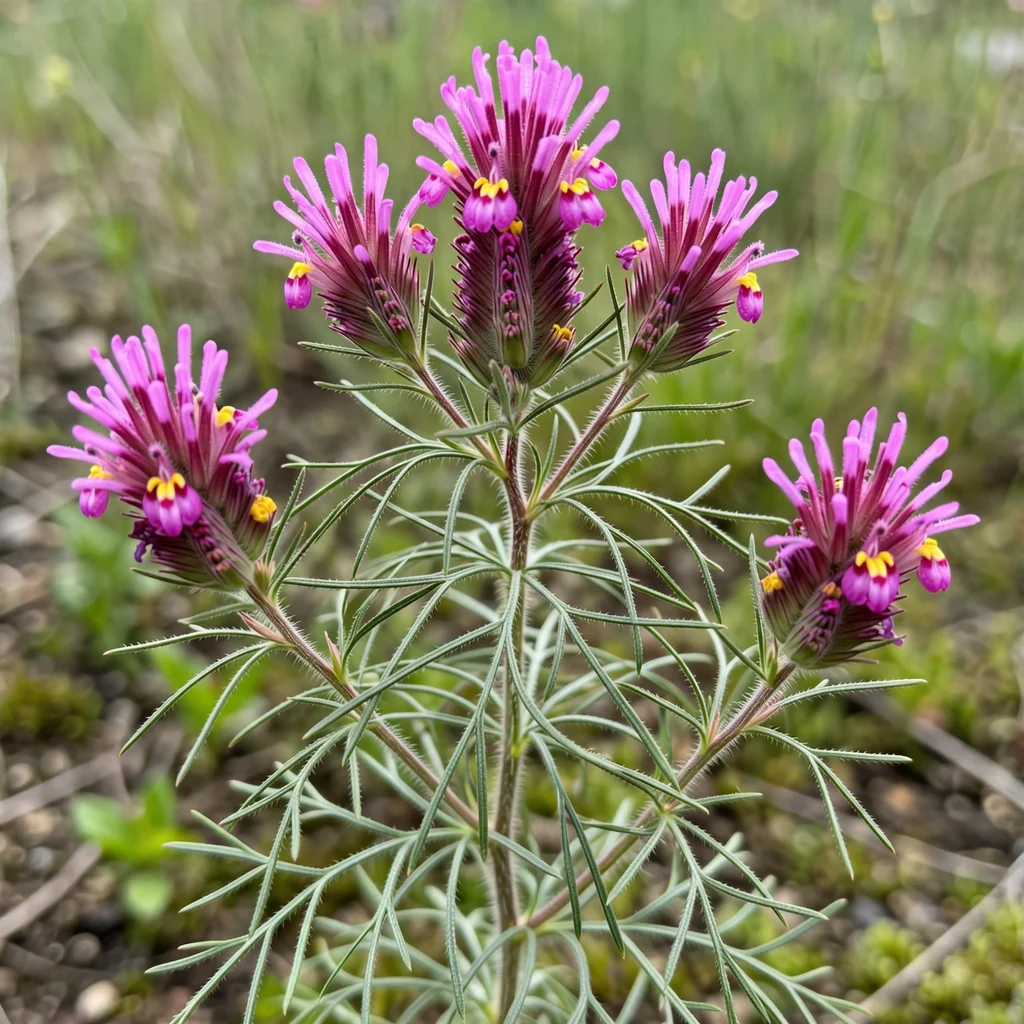
3 species of Castilleja
Each one is a parent of the varieties above.
Track your Castilleja in Sow
Save the Castilleja you grow and get care reminders timed to your zone.
How to grow Castilleja
Whats common across all Castilleja varieties in our catalog — drawn from the care records of the 3 most-grown of them.
The Castilleja year
- PlantMarch, April, October and November100% of varieties
Direct-sow seed in late fall alongside host plants to allow winter cold stratification.
- PropagateOctober and November100% of varieties
Broadcast saved seed over suitable dry meadow or rock garden sites.
- Check for PestsMay and June100% of varieties
Inspect flower clusters for aphids and monitor stems for signs of powdery mildew.
- Spring CleanupMarch100% of varieties
Allow mature seed heads to shatter completely before clearing dry, spent stems.


Do
- Direct-sow seed alongside established host plants.
- Ensure sharp soil drainage to prevent root rot.
- Allow plants to drop seed naturally for return flushes next spring.
- Plant in combination with native host grasses
- Provide exceptional soil drainage
Avoid
- Do not apply nitrogen fertilizers, which disrupt host-parasite dynamics.
- Do not attempt to grow seedlings in isolated containers.
- Do not overwater established spring plants.
- Do not apply fertilizer
What goes wrong with Castilleja
| Problem | What you'll see | What to do |
|---|---|---|
| Deer and rabbits | Grazed stem tips and stripped flower spikes. | Use physical wire cages around emerging seedling patches if browsing pressure is severe. |
| Aphids | Distorted soft growth and sticky honeydew on stems. | Rinse small colonies with a gentle stream of water and foster native predatory insects. |
| Spider mites | Fine webbing and stippled foliage during hot, dry spells. | Maintain natural garden biodiversity and avoid dusty overhead conditions. |
| Deer and voles | Chewed foliage and severed stems near the soil line | Erect mesh protective cages around young plants until established. |
| Root rot | Wilting and yellowing stems caused by soggy, saturated soil. | Ensure planting sites offer high soil drainage and withhold summer irrigation. |
| Powdery mildew | White powdery patches on foliage during damp spring weather. | Sow seeds in open, sunny sites with ample air circulation. |
Making more Castilleja
Direct Seed
- Collect dry seed heads in late spring after flowering completes.
- Store seeds in a cool, dry location through late summer.
- Broadcast seeds over coarse soil containing established host grasses in early fall.
- Press seeds gently into the soil surface without burying them deep.
Seed
- Collect dry seed capsules from mature plants in late summer.
- Sow seeds into containers alongside established host grass seedlings.
- Provide outdoor cold stratification through the winter months.
- Transplant host-and-paintbrush plug combinations together in early spring.
Castilleja questions
How many types of Castilleja are there?
The Sow catalog tracks 3 distinct Castilleja varieties. The most popular — ranked by 8 real gardeners — are shown first above.
What zones does Castilleja grow in?
Across its varieties, Castilleja covers USDA Zones 4–10. Individual varieties differ — each plant page lists its exact range, and Sow filters the catalog to your zone automatically.
When does Castilleja bloom?
Most Castilleja varieties bloom from spring to summer.
Which Castilleja should I choose?
Start from the most-saved varieties above — popularity across thousands of gardens is a strong signal of reliability — then filter by your zone and sun. In the Sow app you can preview any of them in a photo of your actual yard before you buy.