The Story
Plant Bio
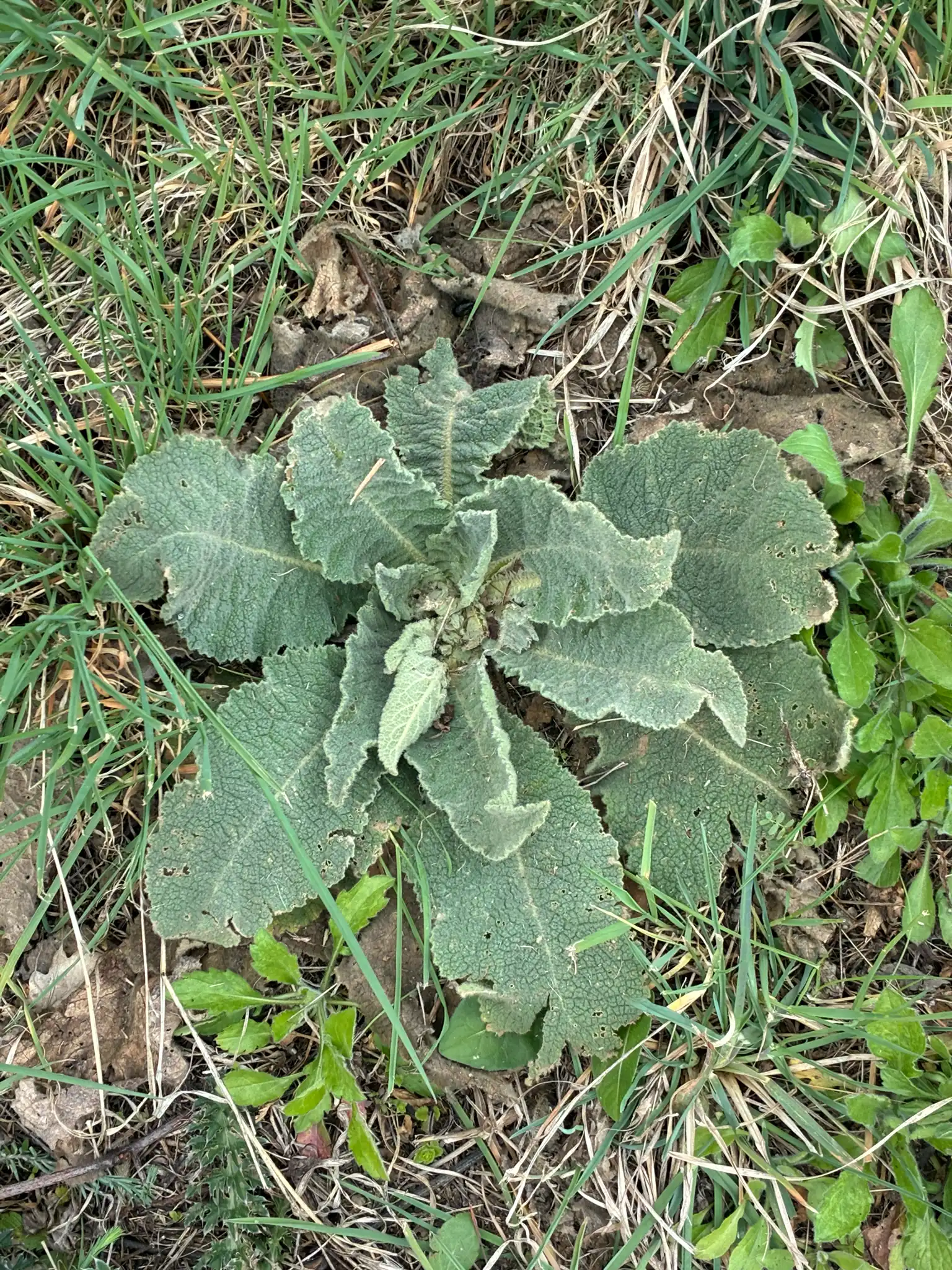
Verbascum phlomoides is a stiffly upright biennial that spends its first year forming a dense, ball-shaped basal rosette of thick, gray-green leaves covered in woolly hairs. In the second year, the plant produces a single, towering architectural spike packed with bright yellow flowers, dying completely after setting seed.
The coarse foliage is heavily felted with protective stellate hairs that deter browsing pests, while the upper leaves clasp the stem directly without petioles. The dense flowering spike opens sequentially from the bottom up over several months, attracting a wide range of native bees.
Uses & Benefits:
Essentials
At a Glance
Plant Type
Perennial
Height
59"
Width
24"
Light
Full Sun
Zones
6, 7, 8, 9
Water
Low
Humidity
Moderate
Lifespan
Biennial
Native To
Europe and temperate Asia
Toxicity
Skin Irritant
Bloom period
Summer – Fall
In flower about 6 months of the year
Planting
How to Grow
- Select a planting site in full sun with excellent drainage, as wet winter soils will rot the taproot.
- Sow seeds directly onto the soil surface in spring or summer, pressing them lightly into the earth without covering them, as they require light to germinate.
- Water sparingly during the first season to encourage the development of a deep, drought-resistant taproot.
- Leave the low-growing evergreen rosette undisturbed through the winter, allowing it to gather energy for the second-year bloom.
Pro Tip
Avoid amending the soil with organic matter or applying fertilizer, as rich conditions force rapid, weak stem elongation that causes the heavy flower spike to flop and require staking.
Keep It Thriving
Care Guide
Do
- Plant in poor, gravelly, or sandy soils to maintain a sturdy, self-supporting growth habit.
- Cut the spent flower stalk down to ground level immediately after blooming to prevent aggressive self-seeding.
- Wear gloves when handling the foliage to prevent mechanical skin irritation from the dense woolly hairs.
Don't
- Do not fertilize or plant in highly organic, rich garden beds.
- Do not water overhead or crowd plants, as poor air circulation combined with humidity invites powdery mildew.
- Do not attempt to prune or cut back into old leafless tissue, as the biennial stem will not regenerate.
Seasonal Care Calendar
| Task | Jan | Feb | Mar | Apr | May | Jun | Jul | Aug | Sep | Oct | Nov | Dec |
|---|---|---|---|---|---|---|---|---|---|---|---|---|
| Deadhead | ||||||||||||
| Pest Check | ||||||||||||
| Plant | ||||||||||||
| Winter Prep |
Watch Out For
Pests & Diseases
Common Pests
Common Diseases
In the Garden
Landscape Uses & Companions
Landscape Uses
Companion Plants
Multiply
Propagation Methods
Good to Know
Common Questions
Orange Mullein questions
What zones can Orange Mullein grow in?
Orange Mullein is hardy in USDA Zones 6–9. Inside that range it survives winter in the ground; outside it, grow it as an annual or a container plant you protect.
Is Orange Mullein deer resistant?
Yes — Orange Mullein is rated deer-resistant. Deer typically pass it over, though extreme hunger can override any plant's defenses.
When does Orange Mullein bloom?
Orange Mullein typically blooms in summer through fall. Exact timing shifts a week or two with your zone — Sow's bloom calendar maps it to your garden.
Does Orange Mullein need full sun?
Orange Mullein does best in full sun (6+ hours).
Is Orange Mullein drought tolerant?
Yes — once established (usually after the first full season), Orange Mullein handles dry spells with minimal watering. Water deeply its first year to build the root system that makes that possible.
More Verbascum to compare
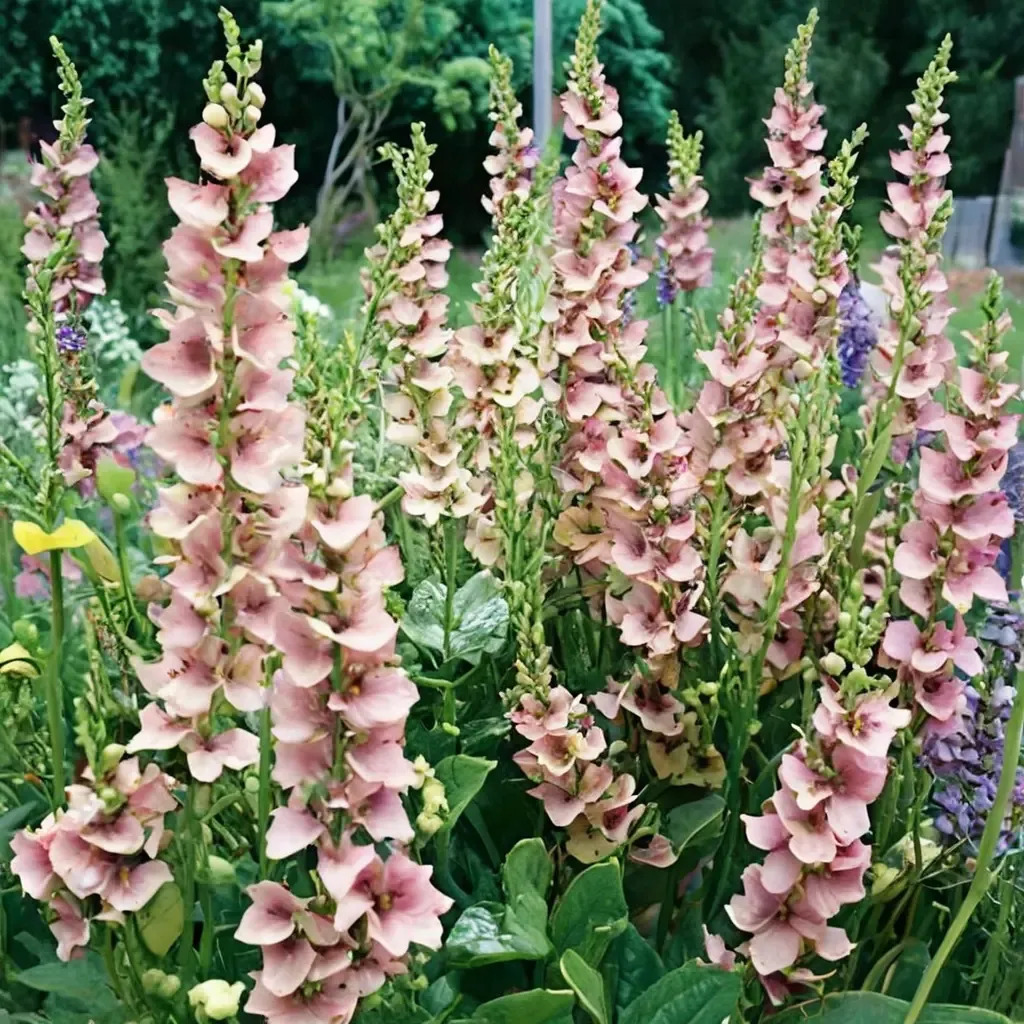
Southern Charm Mullein
Verbascum x hybridum 'Southern Charm'
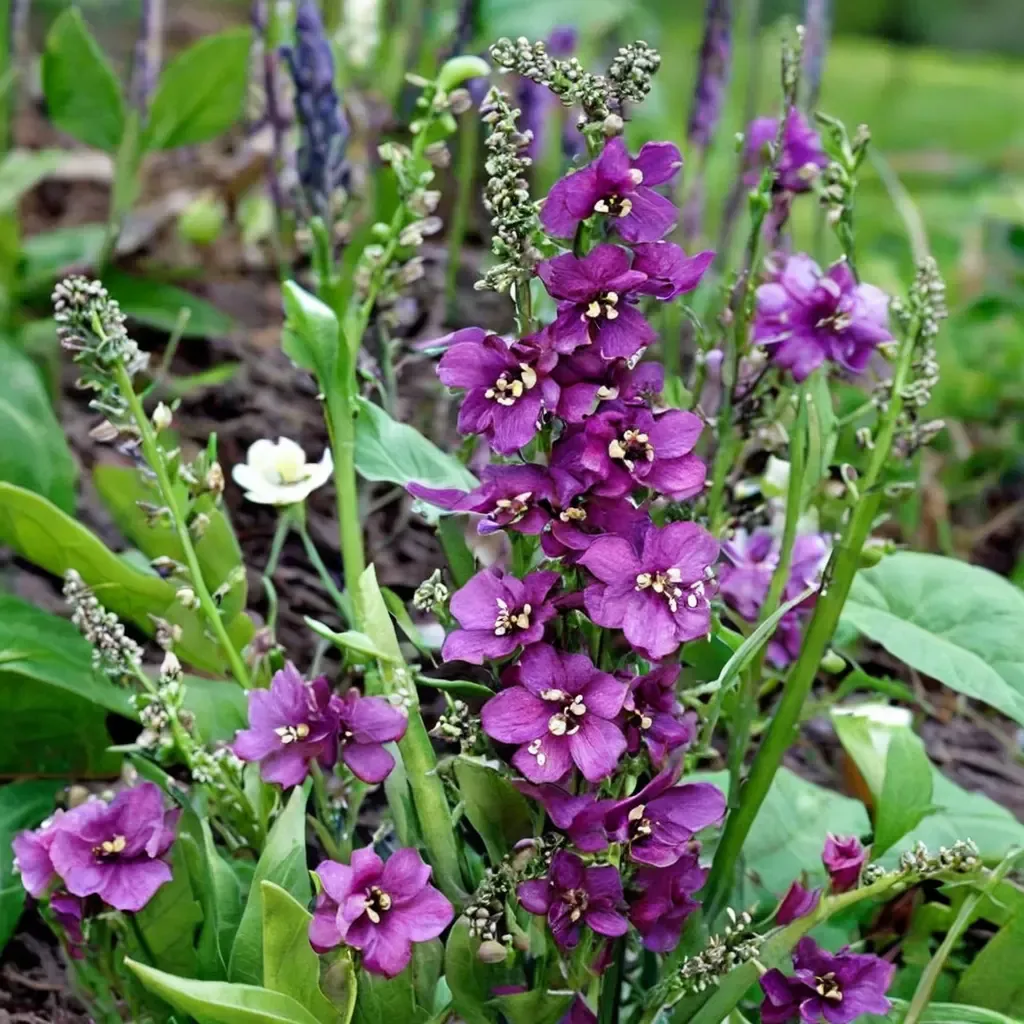
Violetta Purple Mullein
Verbascum phoeniceum 'Violetta'
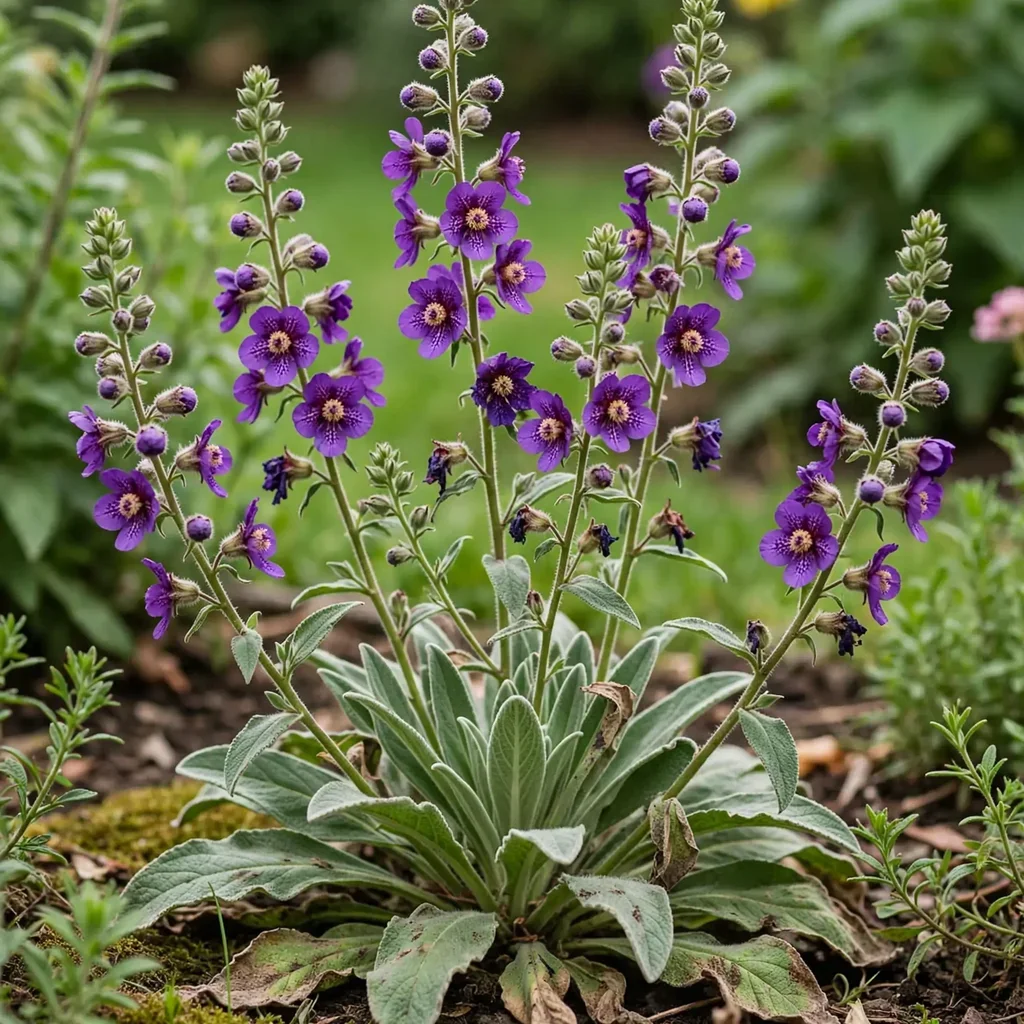
Purple Mullein
Verbascum phoeniceum
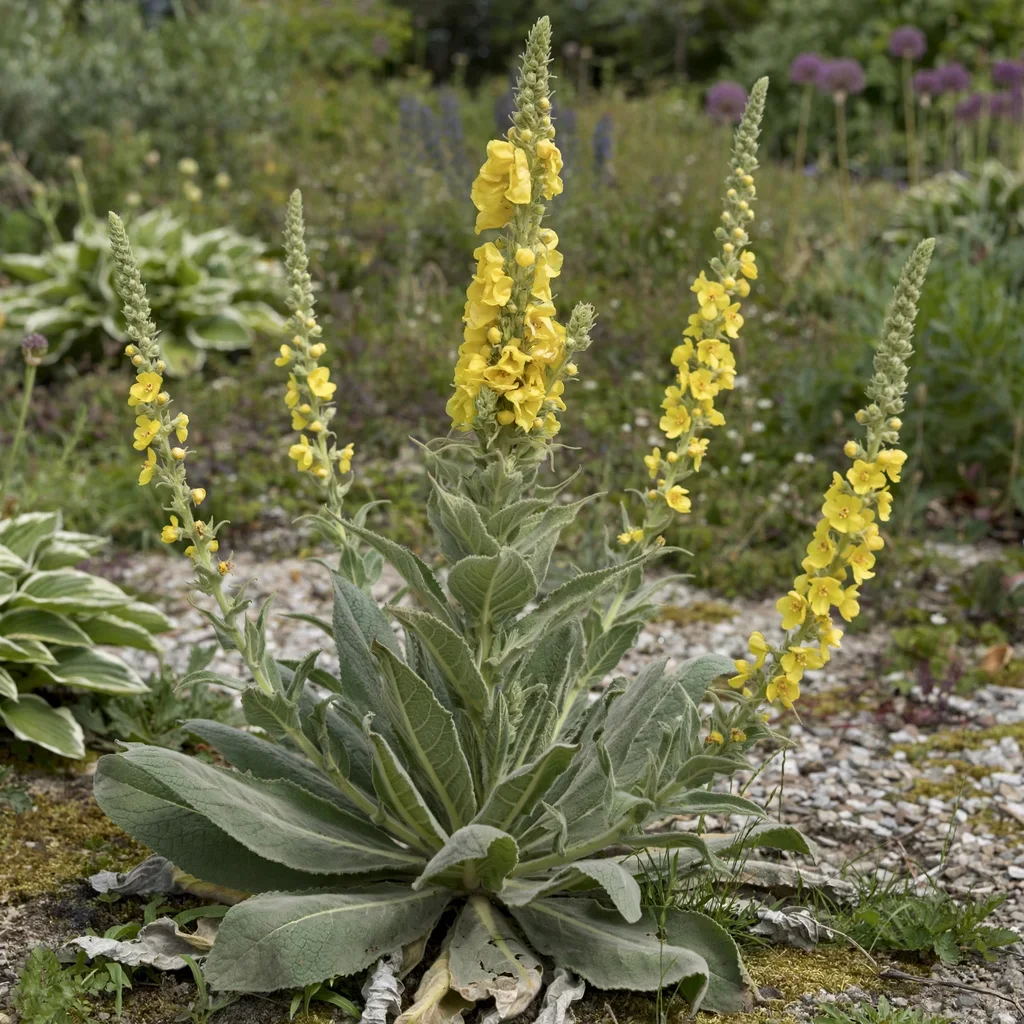
Cotswold King Mullein
Verbascum x hybridum 'Cotswold King'
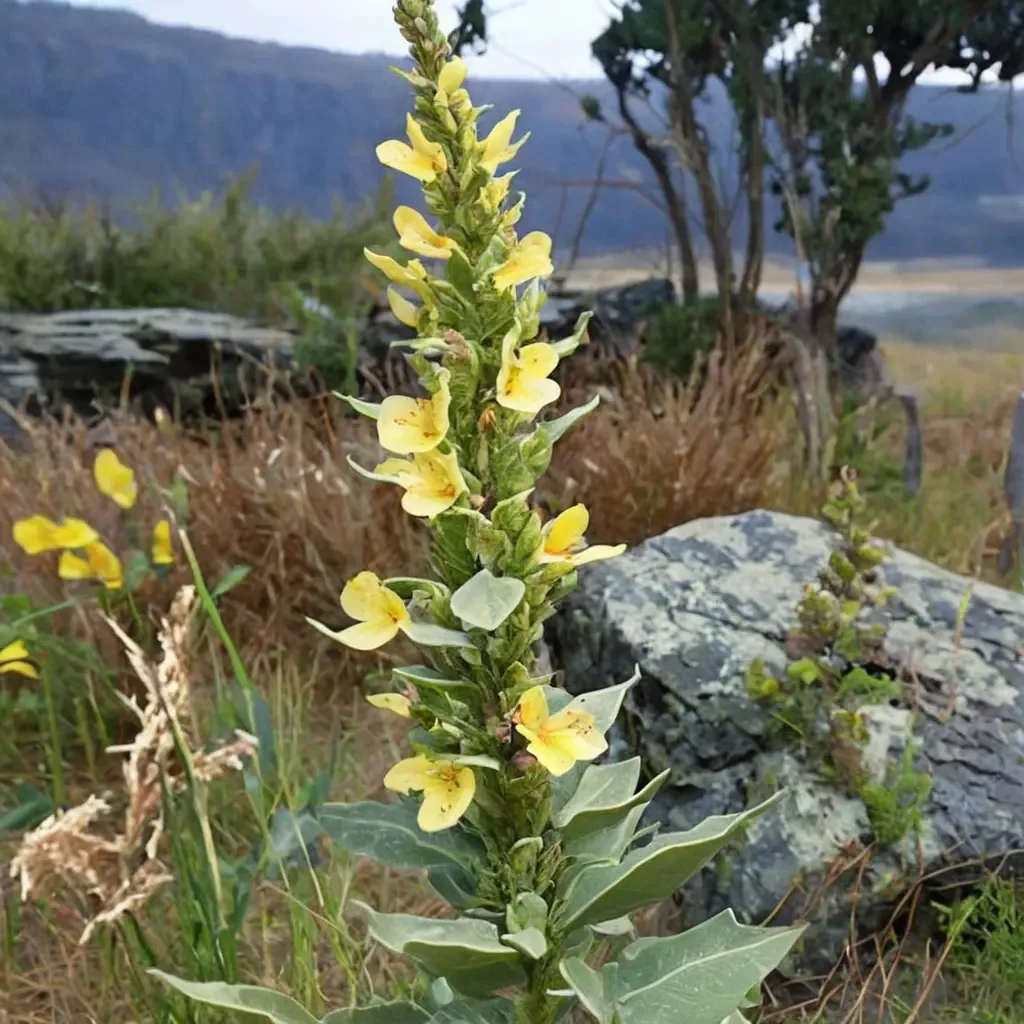
Common Mullein
Verbascum thapsus
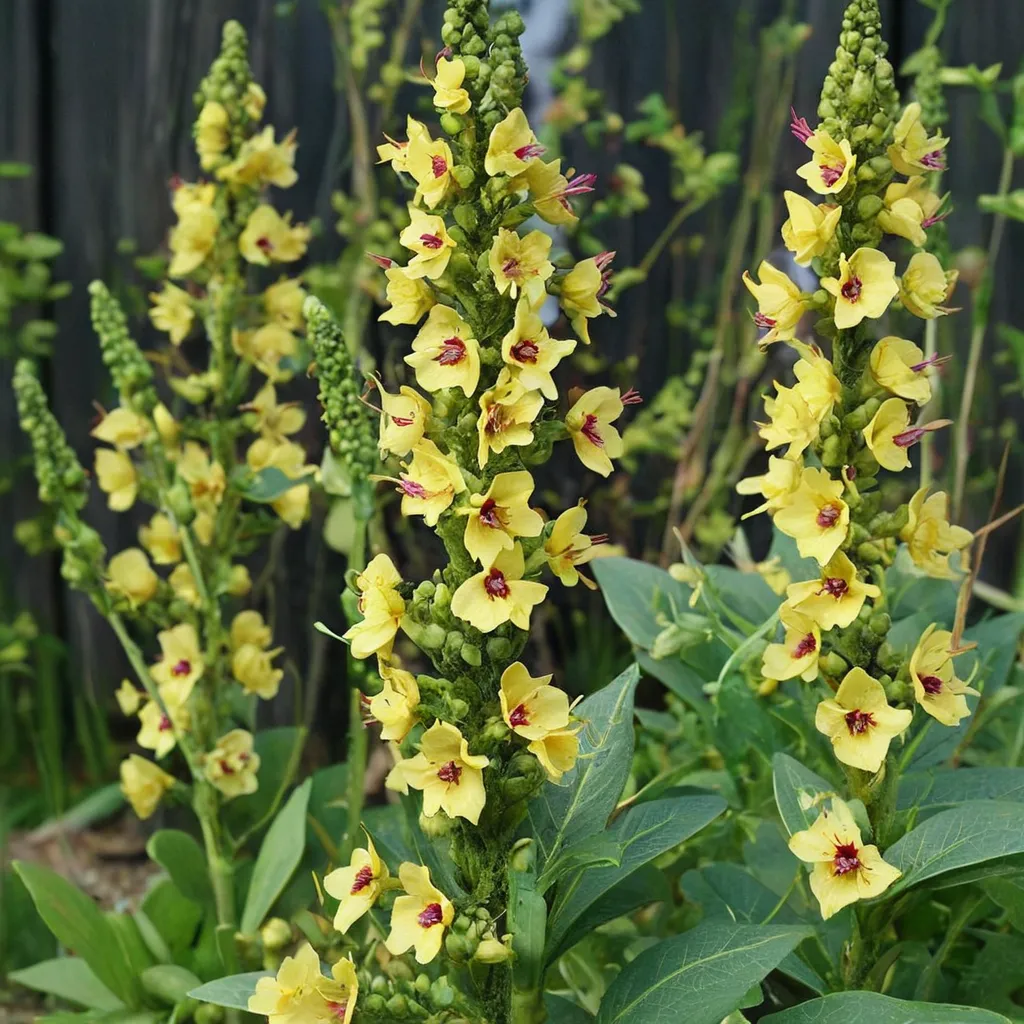
Black Mullein
Verbascum nigrum
Keep exploring
Explore the genus
Hardy in your zone?
Grow Orange Mullein with confidence
See it in a design of your actual yard, get zone-matched care reminders, and track it season by season in your garden journal.