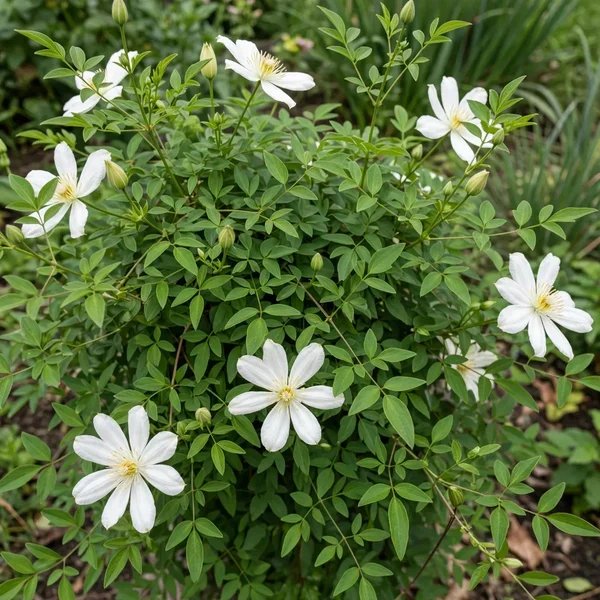
Species
 Clematis x durandiiDurand's Clematis
18 other cultivars
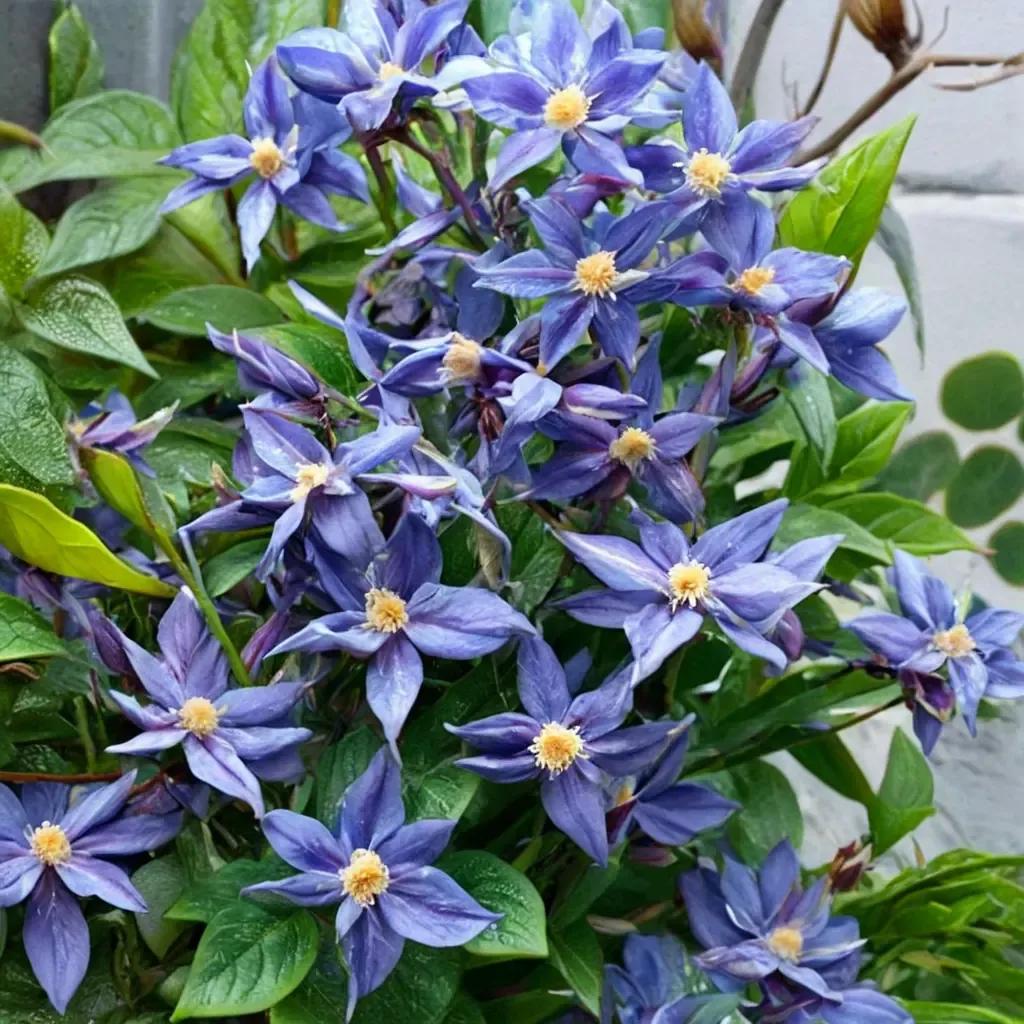 ‘Tsukiko’Tsukiko Clematis
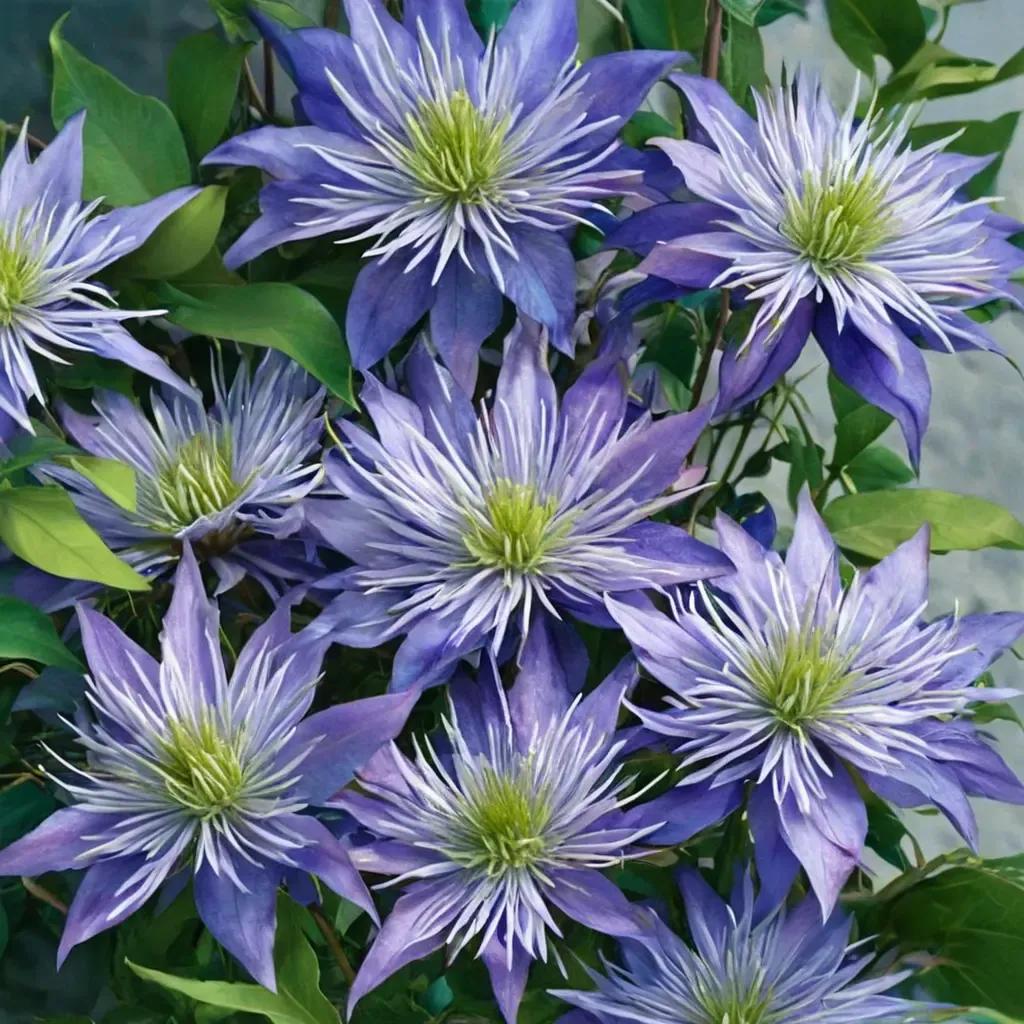 ‘Crystal Fountain’Crystal Fountain Clematis
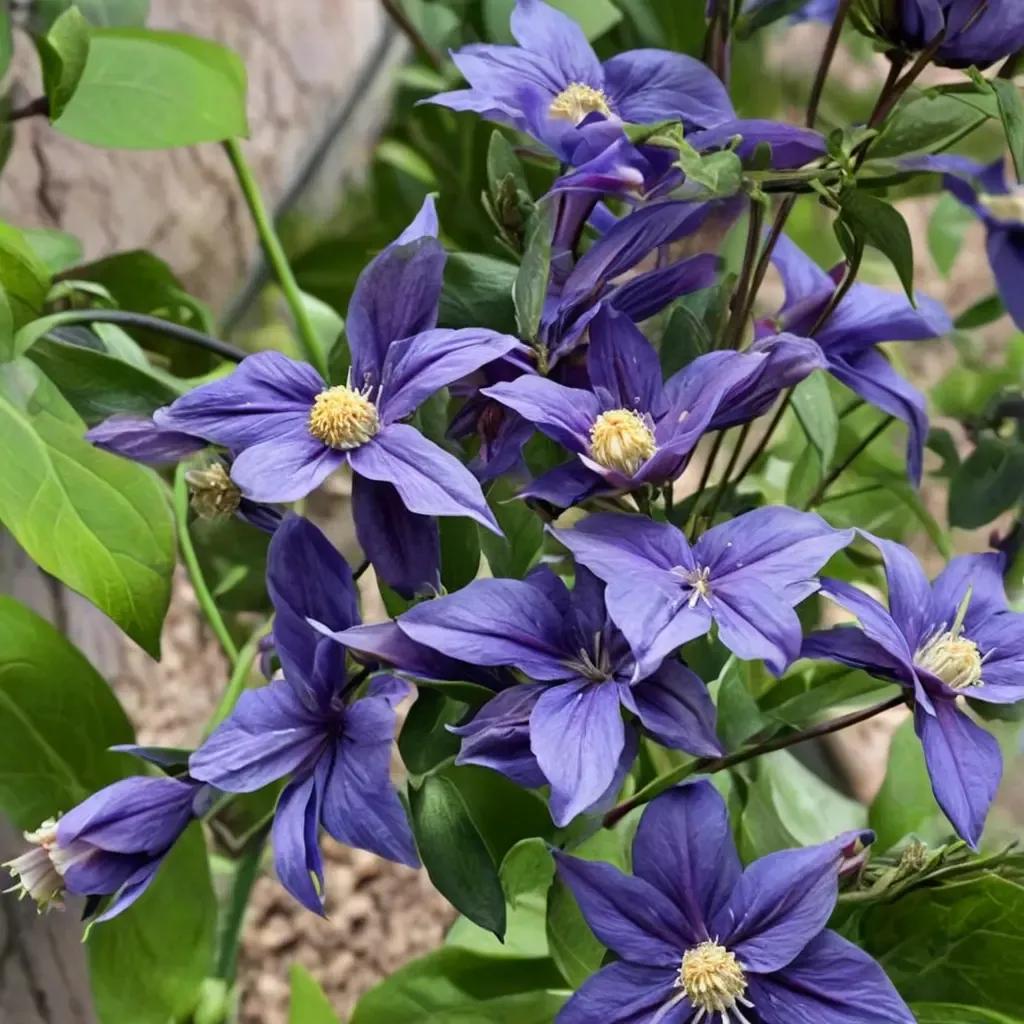 ‘Taiga’Taiga Clematis
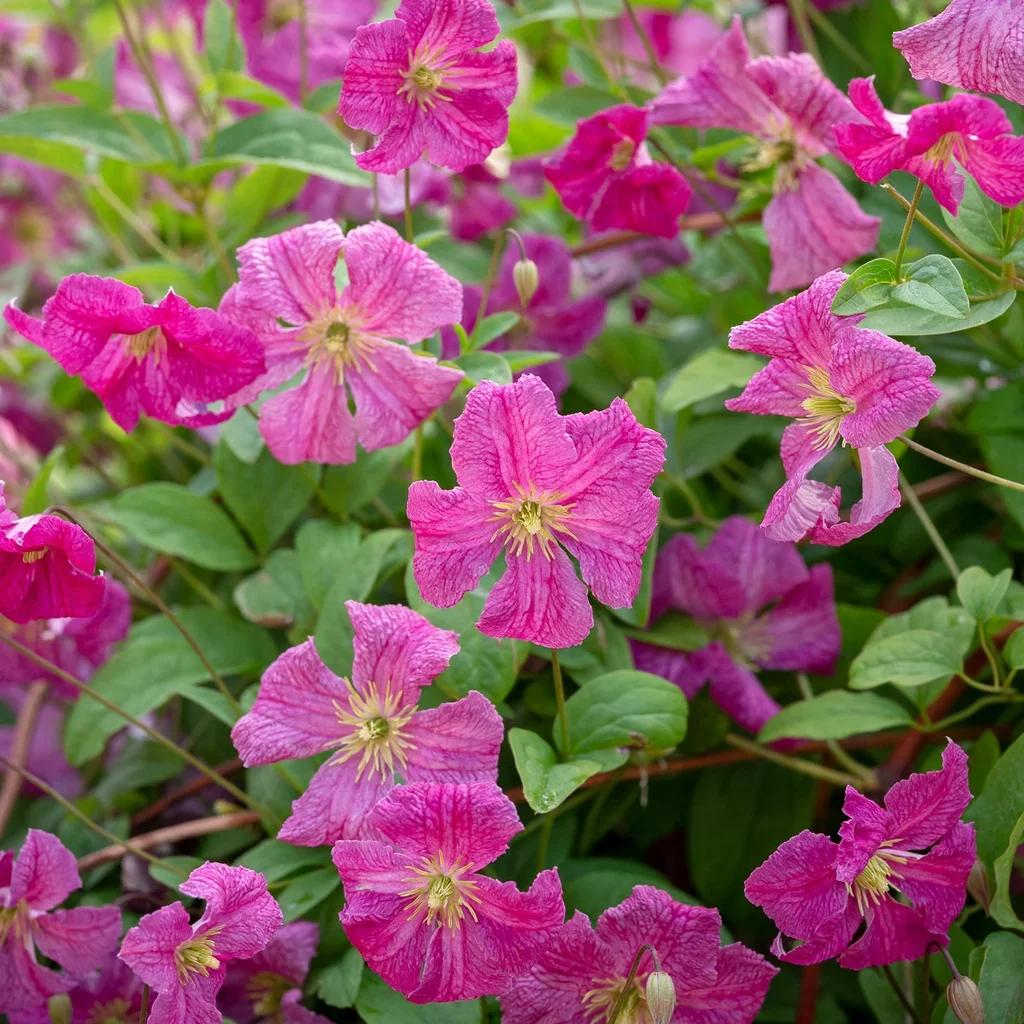 ‘Pink Beauty’Clematis Pink Beauty
 ‘Gravetye Beauty’Gravetye Beauty Clematis
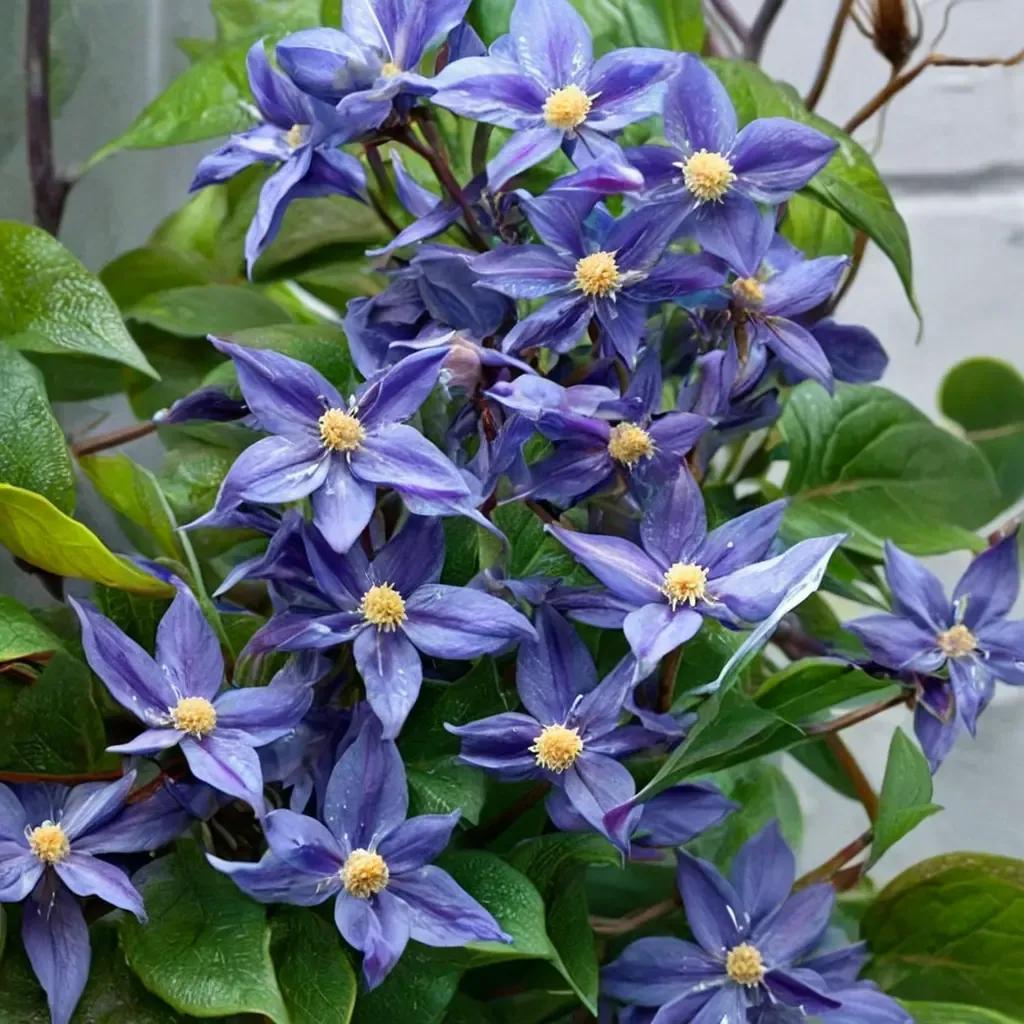 ‘Moonglow’Moonglow Clematis
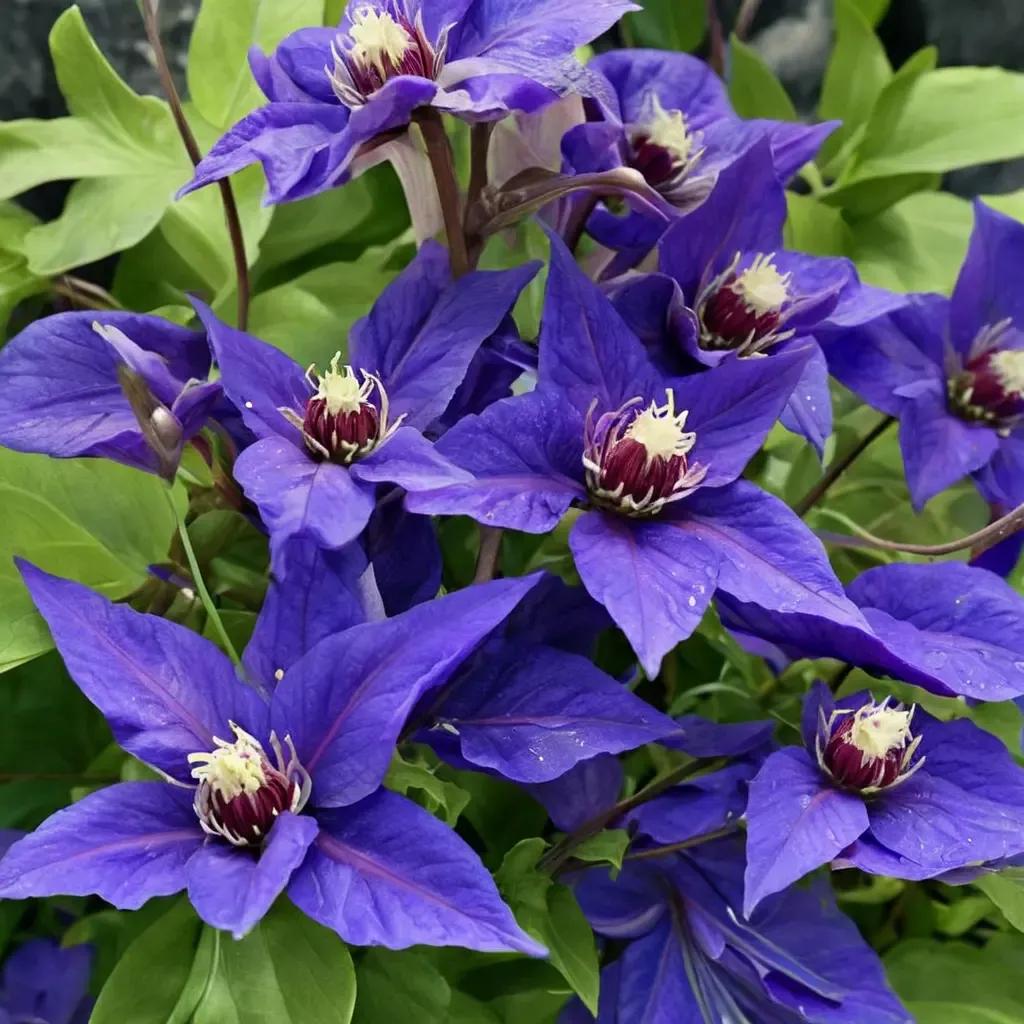 ‘Danielle Vancouver’Clematis 'Vancouver Danielle'
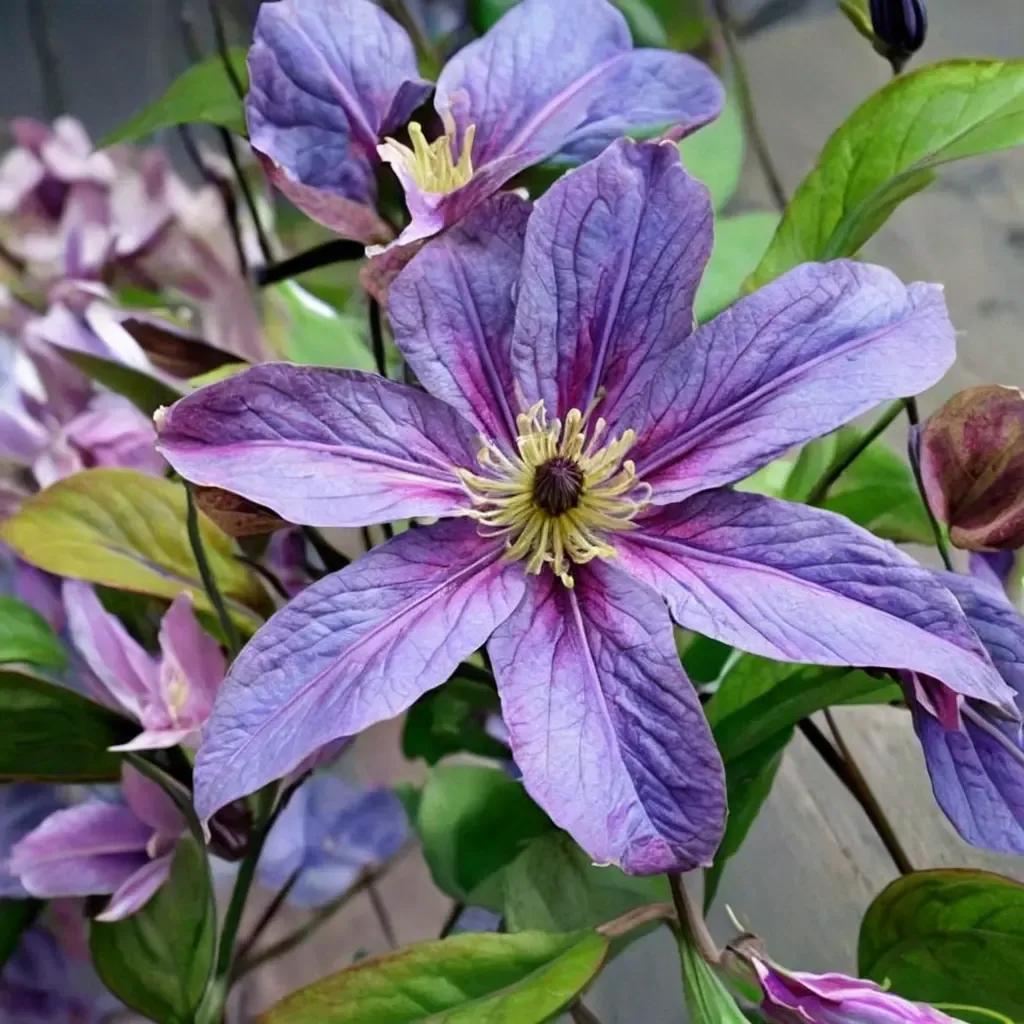 ‘I Am Happy’I Am Happy clematis
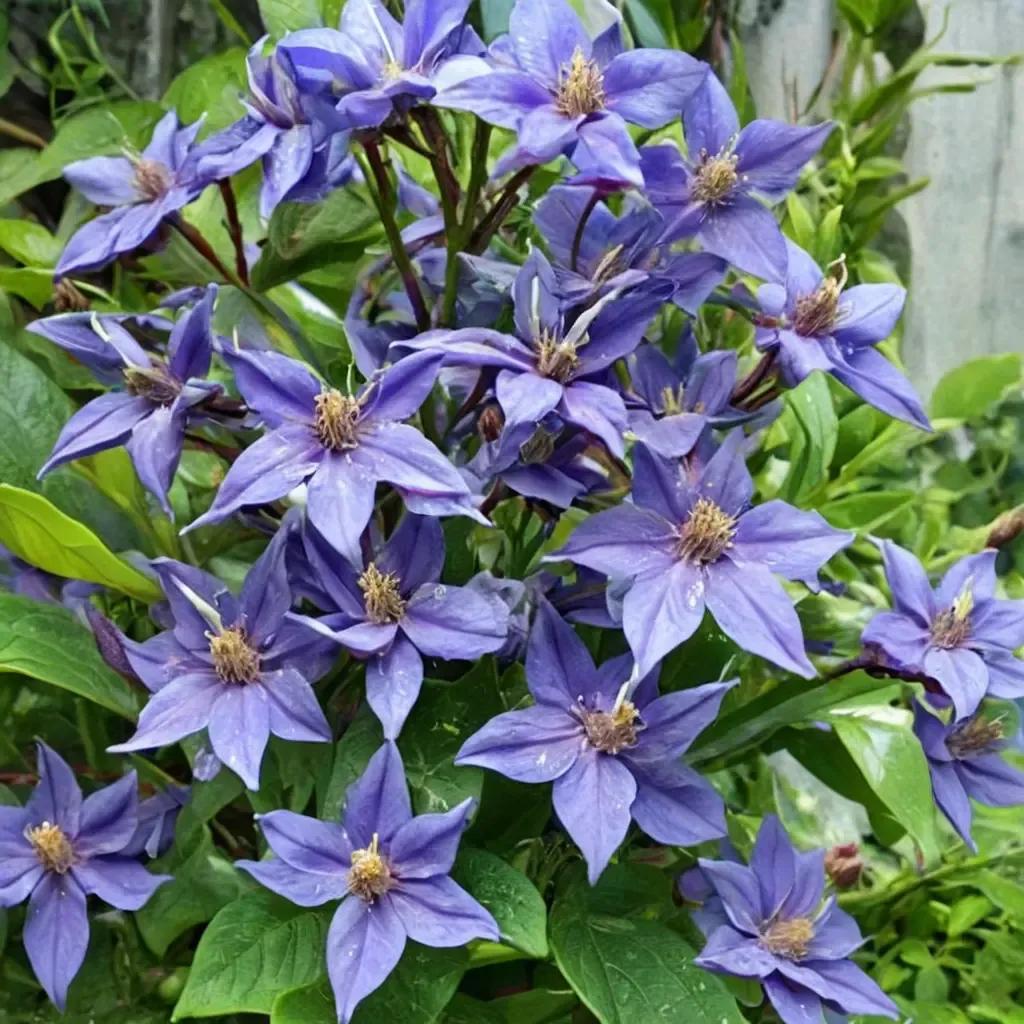 ‘Eyres' Gift’Eyres' Gift Clematis
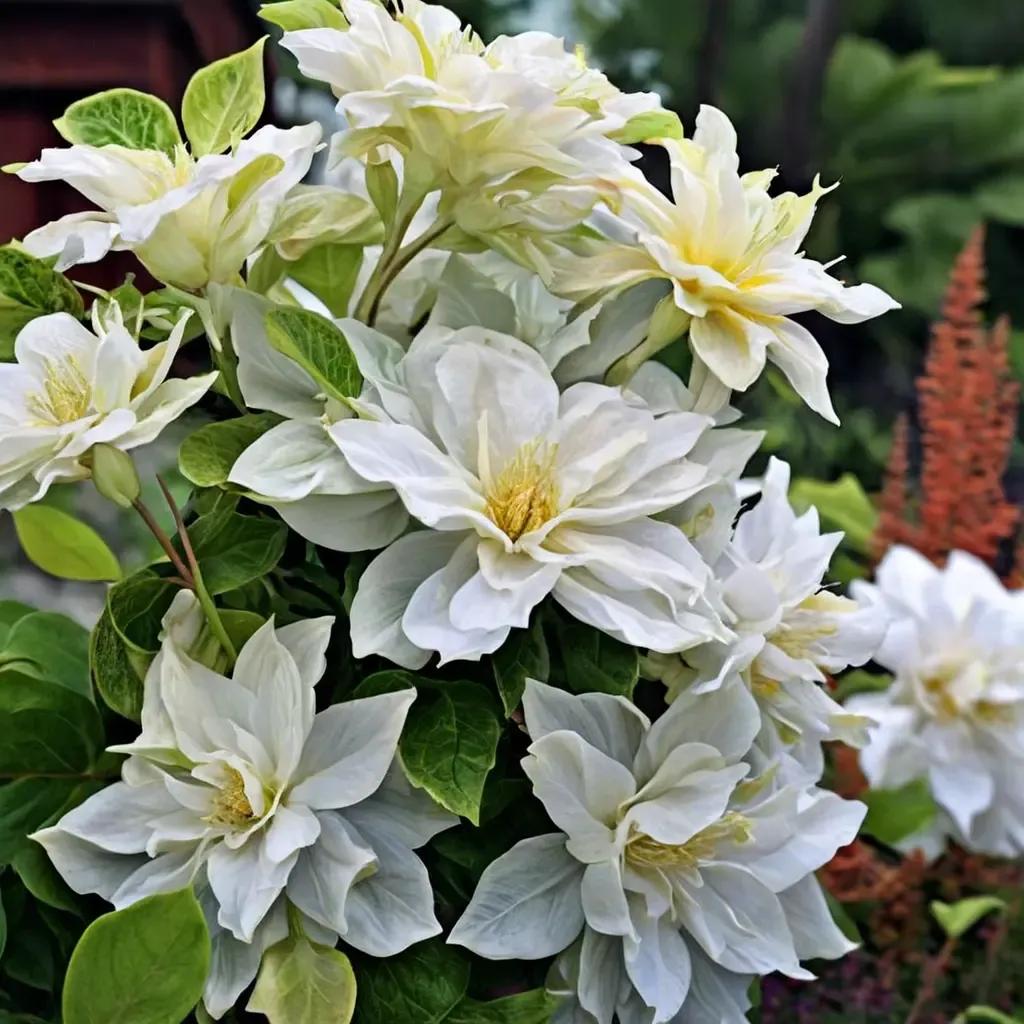 ‘Maria Sklodowska Curie’Maria Sklodowska Curie clematis
 ‘Memory of the Heart’Memory of the Heart Clematis
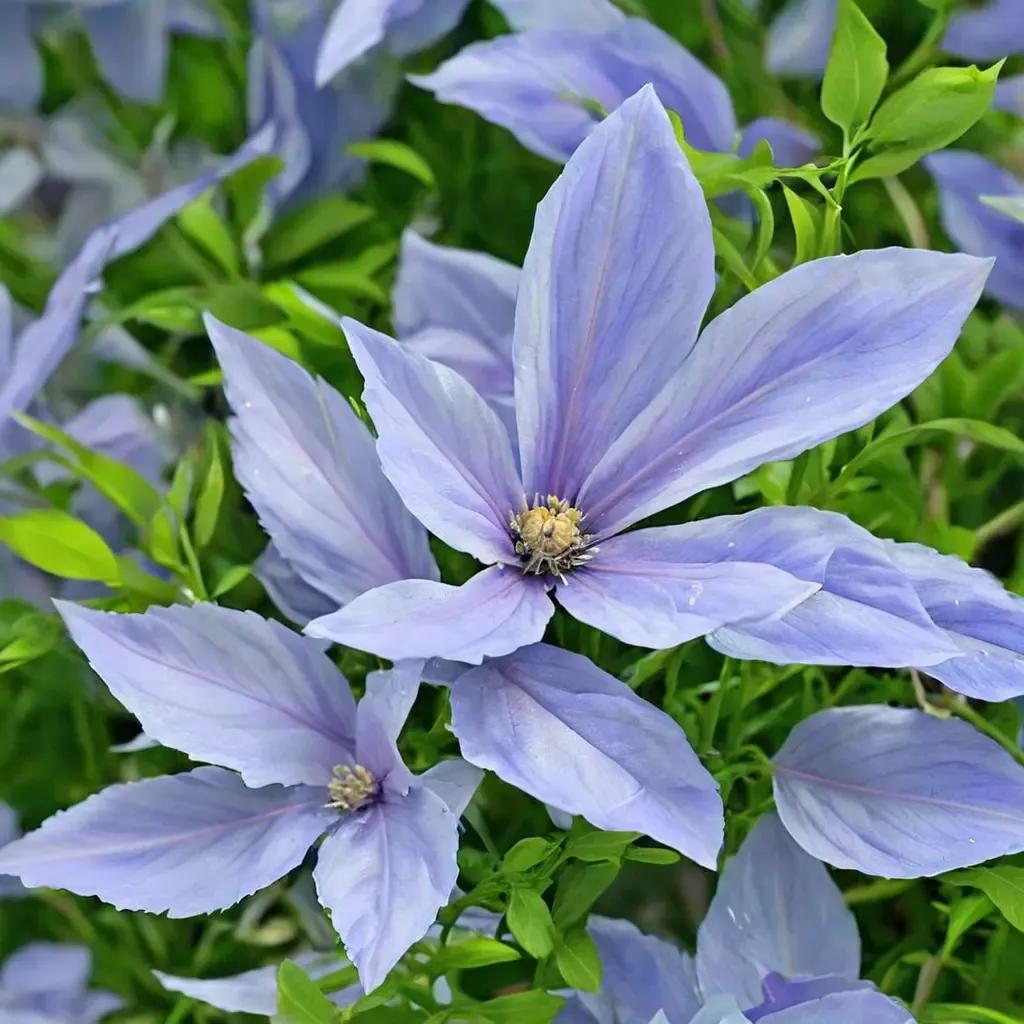 ‘Sugar Sweet Blue’Sugar Sweet Blue Clematis
 ‘Silmakivi’Silmakivi Clematis
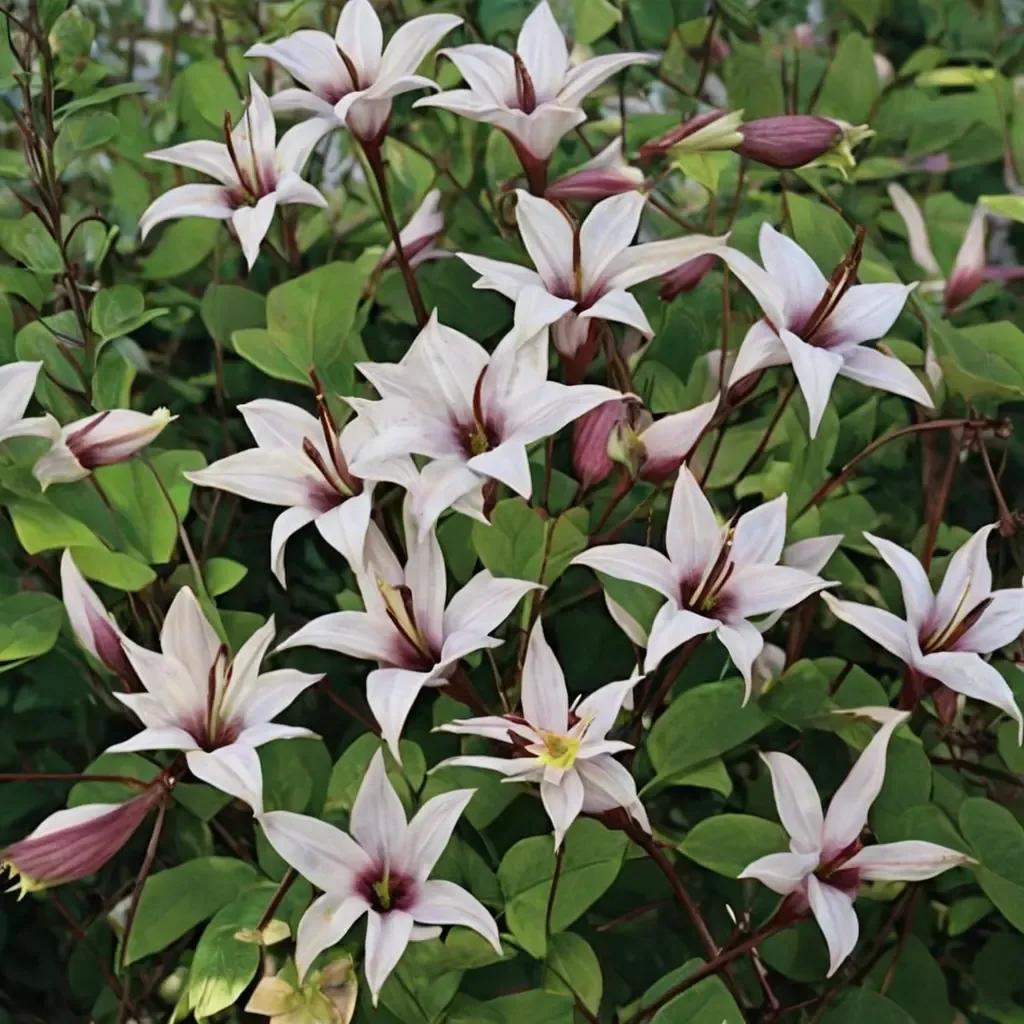 ‘Princess Kate’Princess Kate Clematis
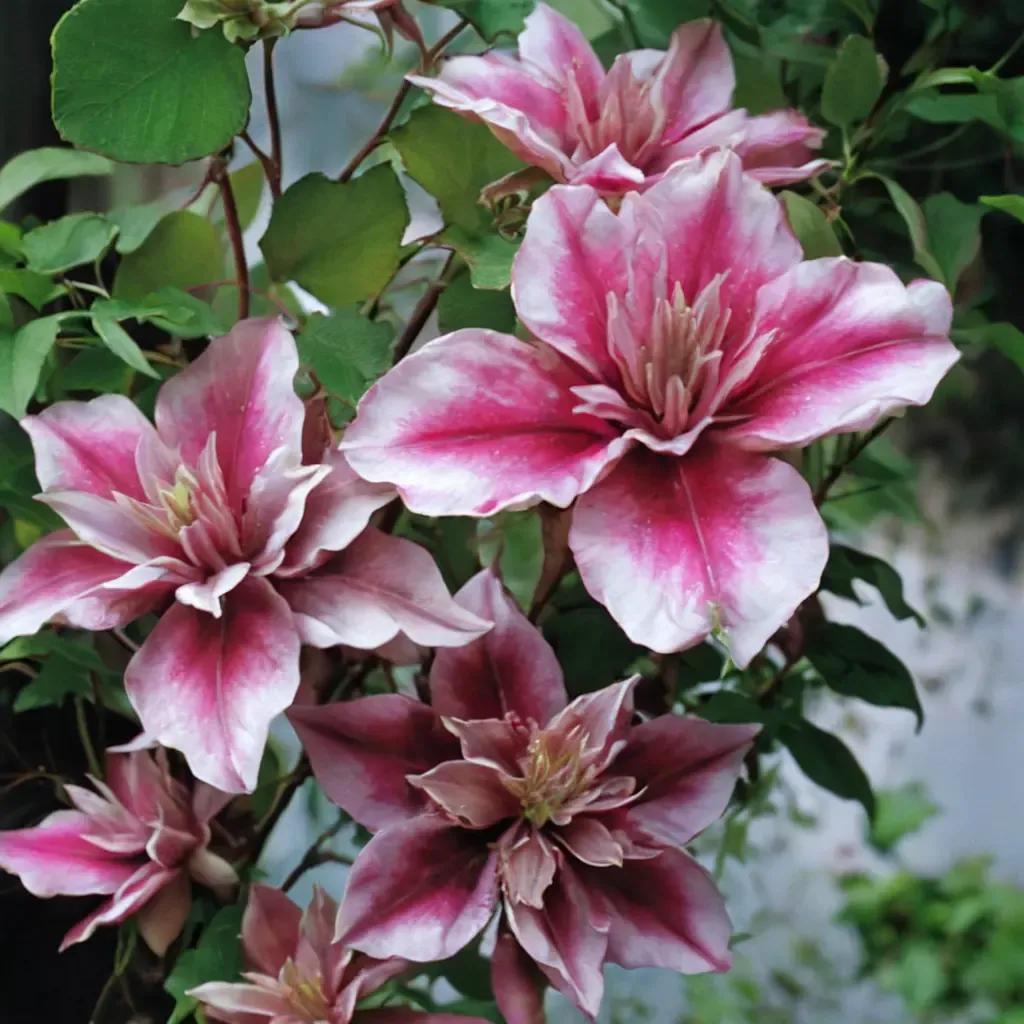 ‘Patricia Ann Fretwell’Patricia Ann Fretwell clematis
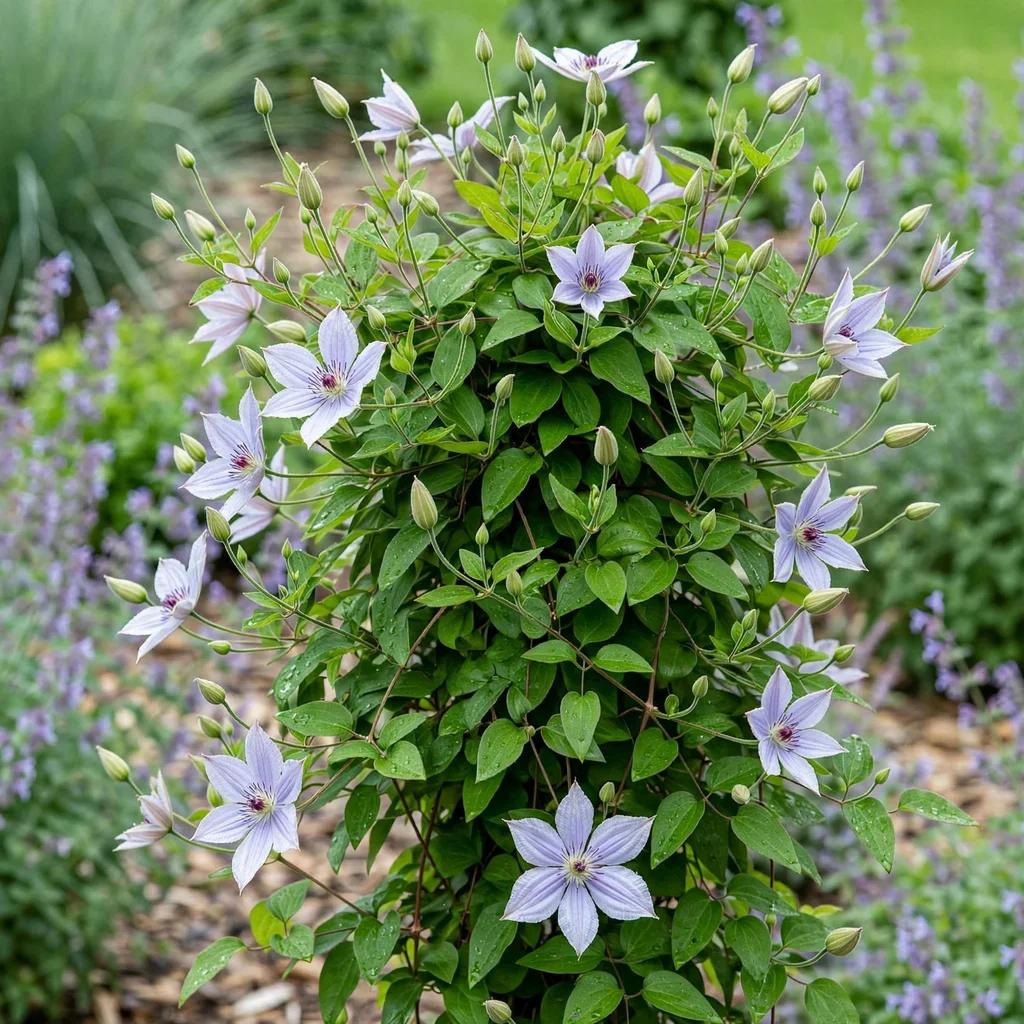 ‘Skyfall’Skyfall Clematis
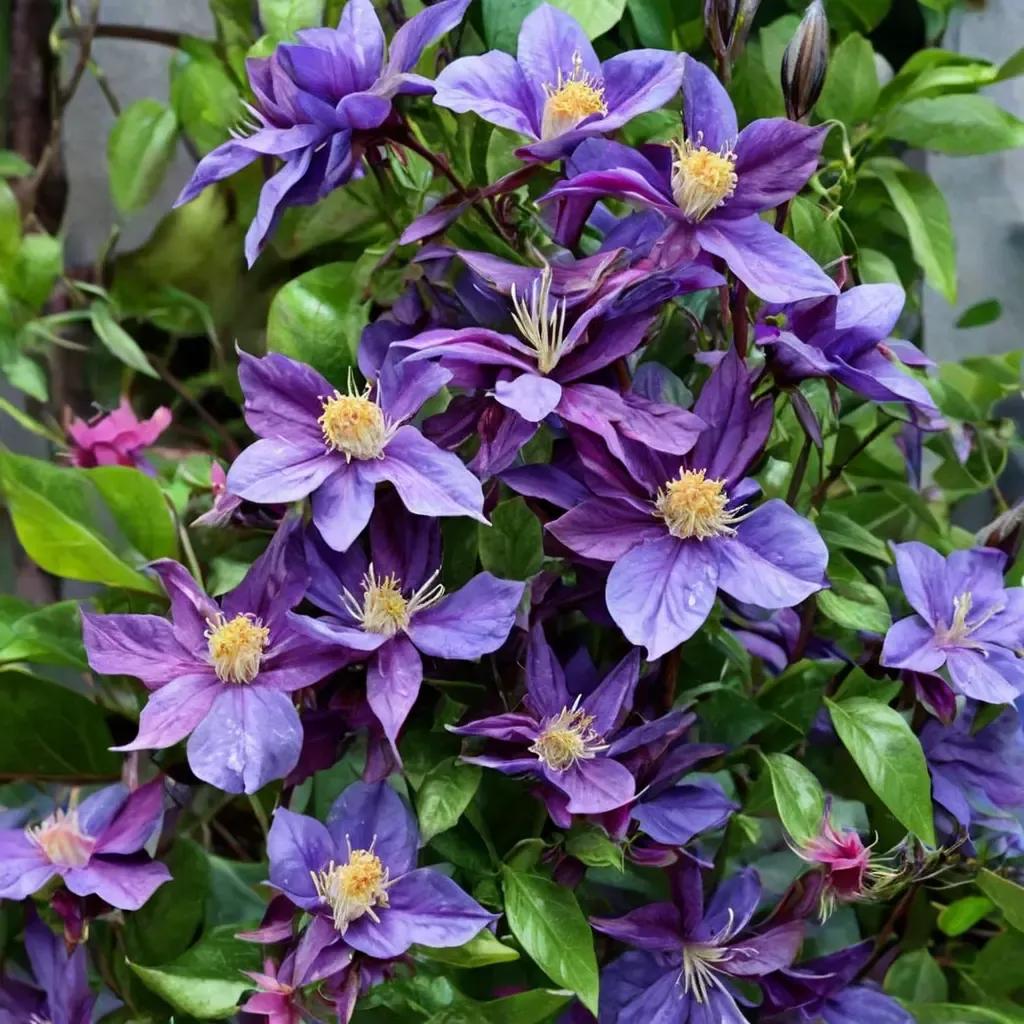 ‘Flamenco Dancer’Flamenco Dancer Clematis
 ‘Ilka’Ilka Clematis
The Story
Plant Bio
Clematis x durandii 'White Arabella' is a compact climbing plant known for its handsome, white flowers that bloom in late summer.
This cultivar is particularly distinguished by its ability to thrive in partial shade and its excellent performance in containers or small gardens.
Uses & Benefits:
Essentials
At a Glance
Plant Type
Vine
Height
60"
Width
36"
Light
Partial Sun
Zones
5, 6, 7, 8
Water
Moderate
Humidity
Average
Lifespan
Perennial
Native To
Cultivated hybrid
Toxicity
Non-toxic to humans and pets
Bloom period
Late summer – Early fall
In flower about 2 months of the year
Planting
How to Grow
- Select a sunny spot with well-draining soil for planting.
- Tuck young vines into the soil, ensuring roots are well covered.
- Mist cuttings regularly to maintain humidity and encourage rooting.
- Train the vine on a trellis or support structure as it grows.
- Water consistently during the first growing season for strong establishment.
- Apply a balanced fertilizer in early spring to promote vigorous growth.
Pro Tip
Use a sturdy support to guide the vine’s growth and prevent damage from wind.
Keep It Thriving
Care Guide
Do
- Tuck in new growth with a gentle prune each spring 🌱
- Water deeply during dry spells to keep soil moist
- Apply organic compost annually to enrich soil
- Support the vine on a sturdy trellis or arbor
- Monitor for pests and treat promptly
Don't
- Don’t let the soil become waterlogged ❌
- Avoid over-pruning in late summer
- Don’t plant too deeply, roots should be just below soil level
- Refrain from neglecting support structures
- Avoid using chemical fertilizers excessively
Seasonal Care Calendar
| Task | Jan | Feb | Mar | Apr | May | Jun | Jul | Aug | Sep | Oct | Nov | Dec |
|---|---|---|---|---|---|---|---|---|---|---|---|---|
| Fertilize | ||||||||||||
| Mulch | ||||||||||||
| Prune |
Watch Out For
Pests & Diseases
Common Pests
Common Diseases
In the Garden
Landscape Uses & Companions
Landscape Uses
Companion Plants
Multiply
Propagation Methods
Good to Know
Common Questions
White Arabella Clematis questions
What zones can White Arabella Clematis grow in?
White Arabella Clematis is hardy in USDA Zones 5–8. Inside that range it survives winter in the ground; outside it, grow it as an annual or a container plant you protect.
Is White Arabella Clematis deer resistant?
Yes — White Arabella Clematis is rated deer-resistant. Deer typically pass it over, though extreme hunger can override any plant's defenses.
When does White Arabella Clematis bloom?
White Arabella Clematis typically blooms in late summer through early fall. Exact timing shifts a week or two with your zone — Sow's bloom calendar maps it to your garden.
Does White Arabella Clematis need full sun?
White Arabella Clematis does best in part shade.
Is White Arabella Clematis drought tolerant?
Yes — once established (usually after the first full season), White Arabella Clematis handles dry spells with minimal watering. Water deeply its first year to build the root system that makes that possible.
More Clematis to compare
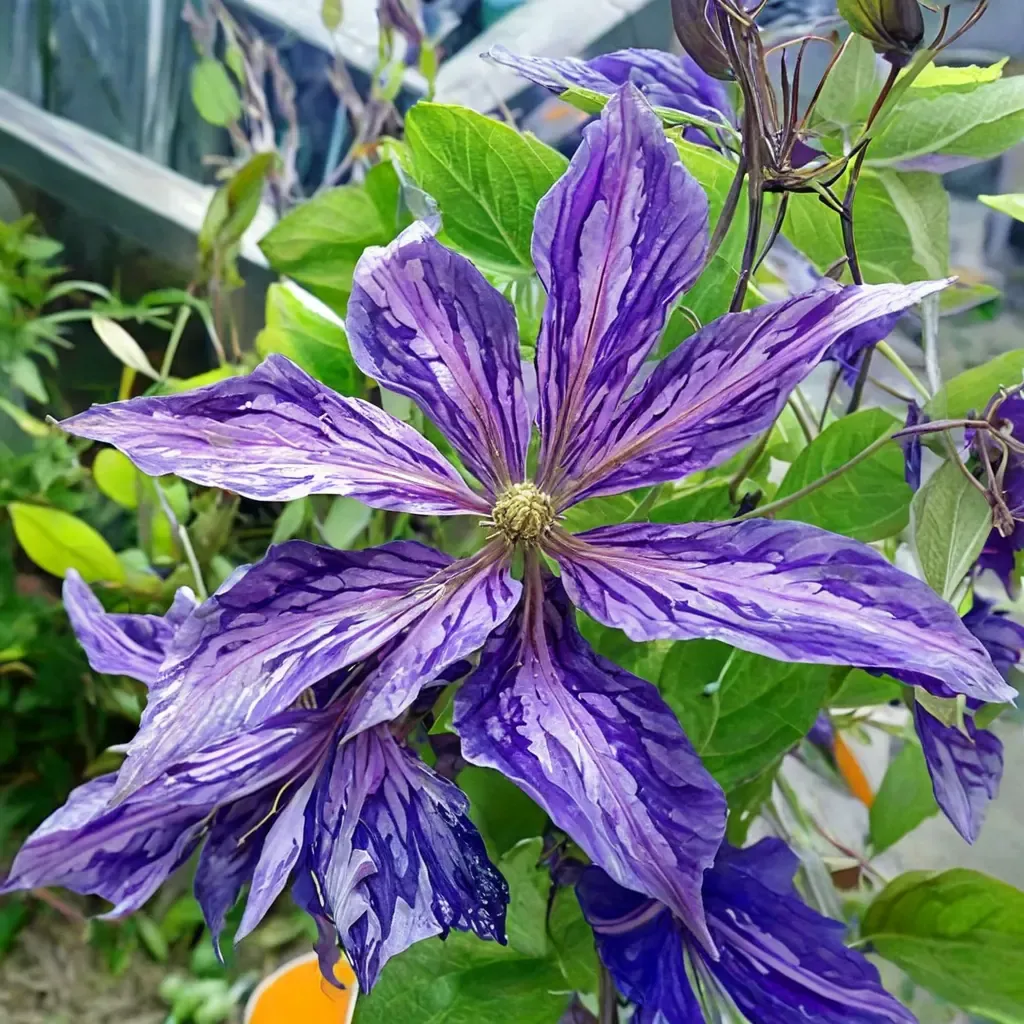
Tie Dye Clematis
Clematis viticella 'Tie Dye'
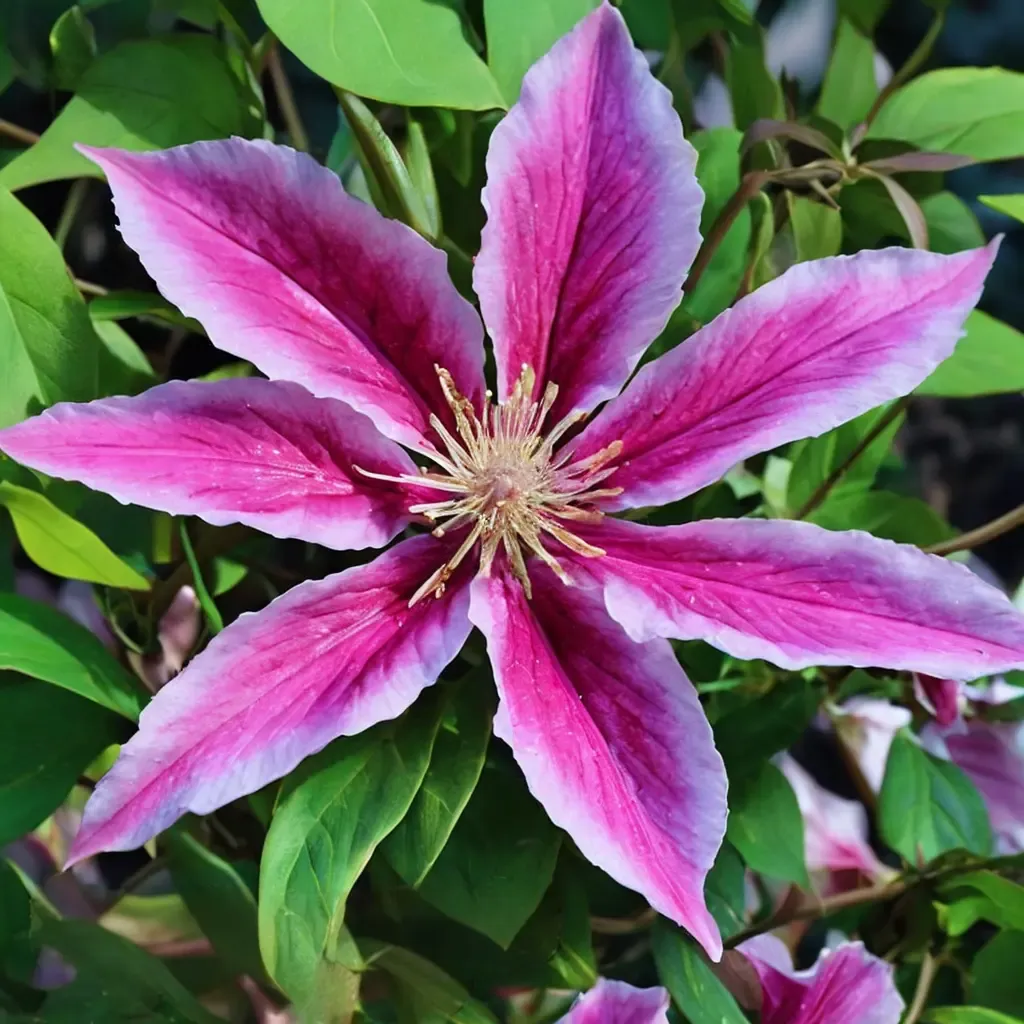
Dr. Ruppel Clematis
Clematis x jackmanii 'Dr Ruppel'
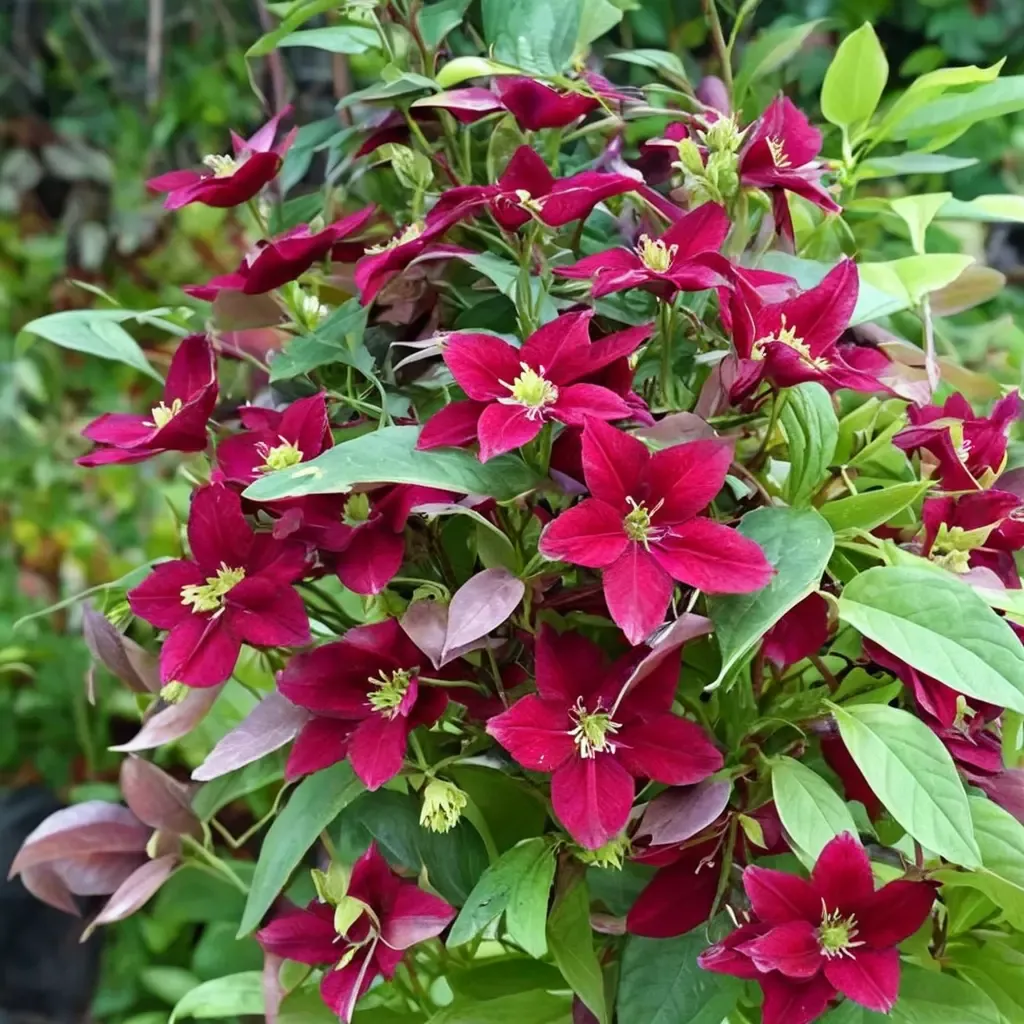
Burning Love Clematis
Clematis x cartmanii 'Burning Love'
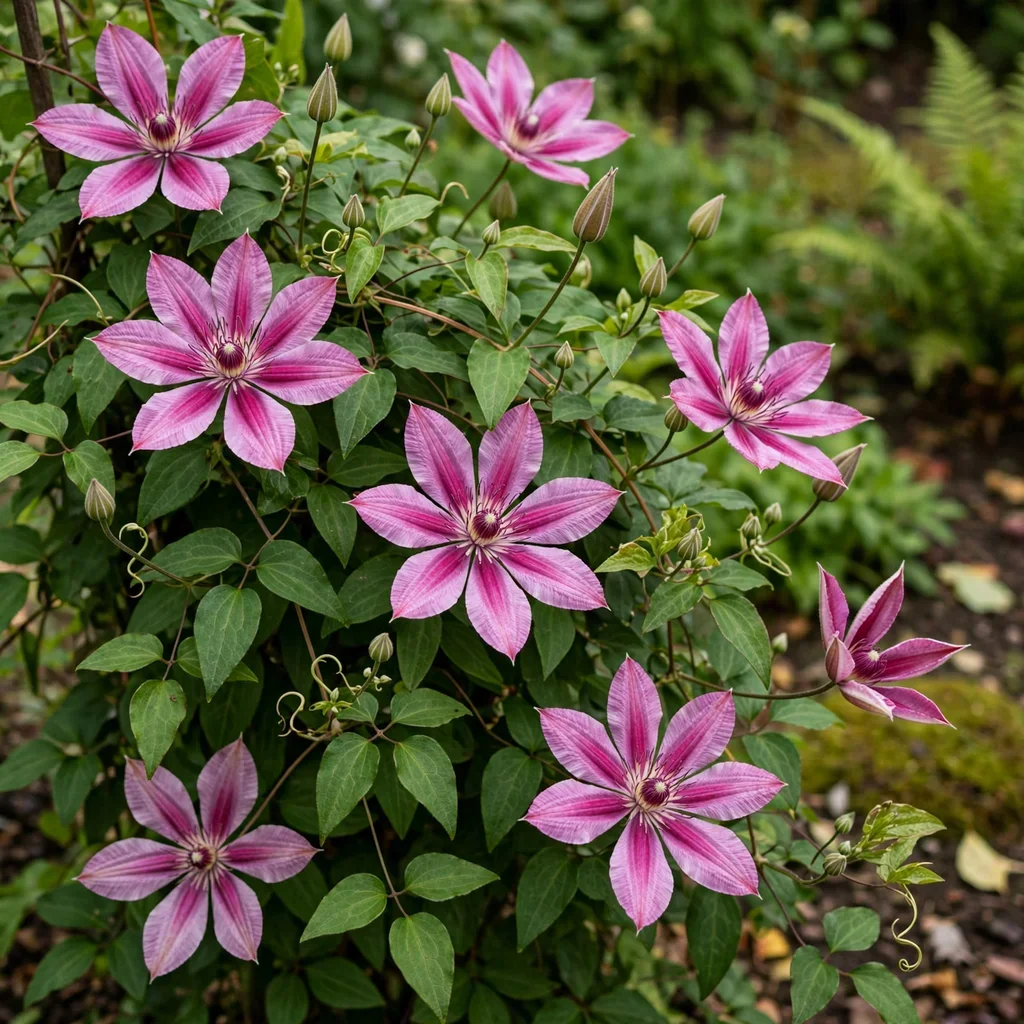
Yuan Clematis
Clematis viticella 'Yuan'
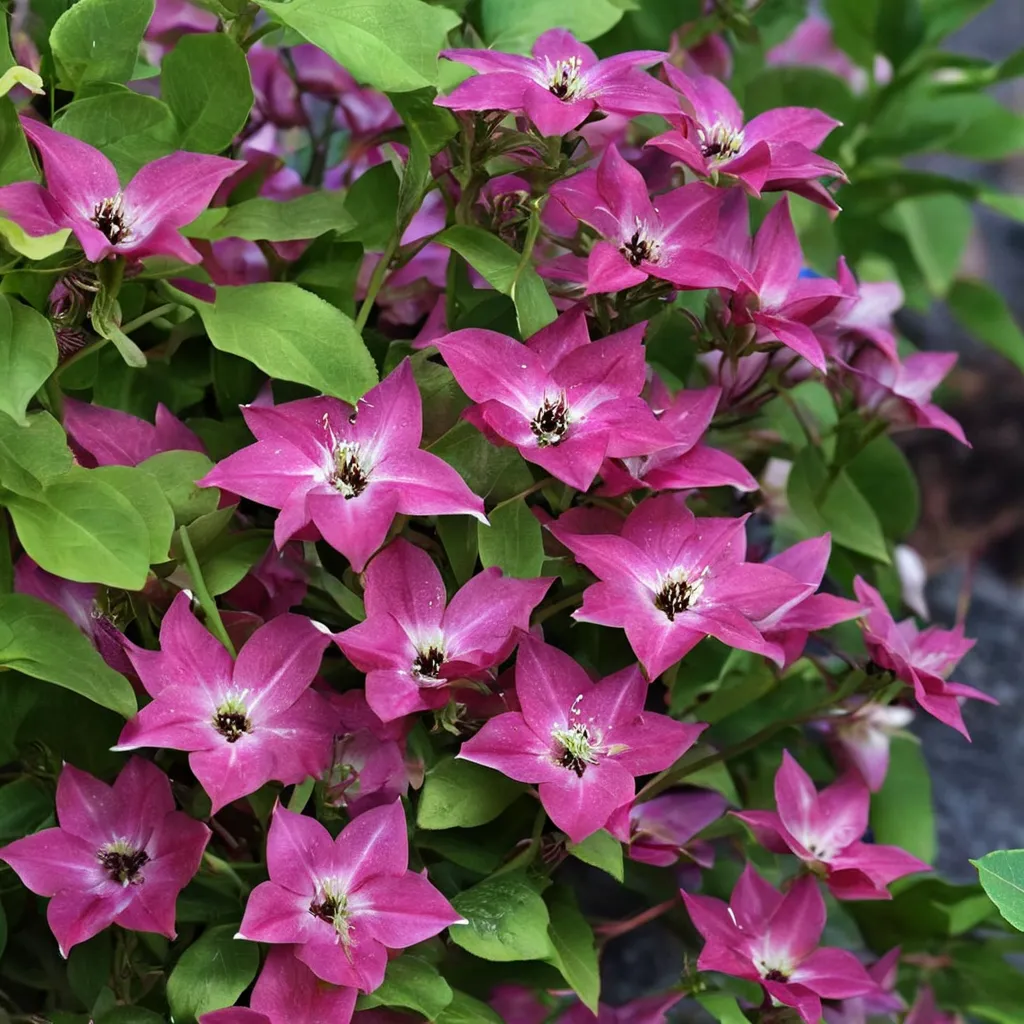
Viva Polonia Clematis
Clematis x hybrida 'Viva Polonia'
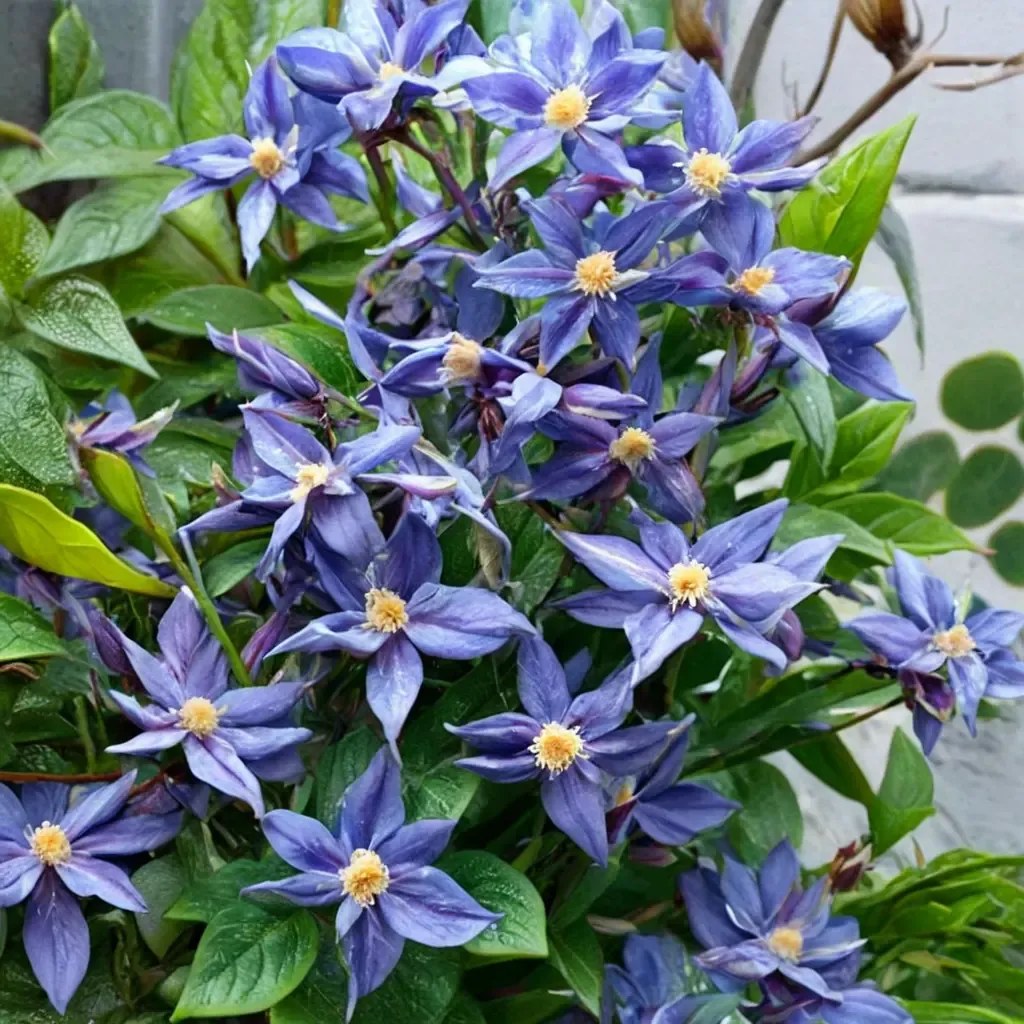
Tsukiko Clematis
Clematis x durandii 'Tsukiko'
Keep exploring
Explore the genus
Hardy in your zone?
Grow White Arabella Clematis with confidence
See it in a design of your actual yard, get zone-matched care reminders, and track it season by season in your garden journal.