The Story
Plant Bio
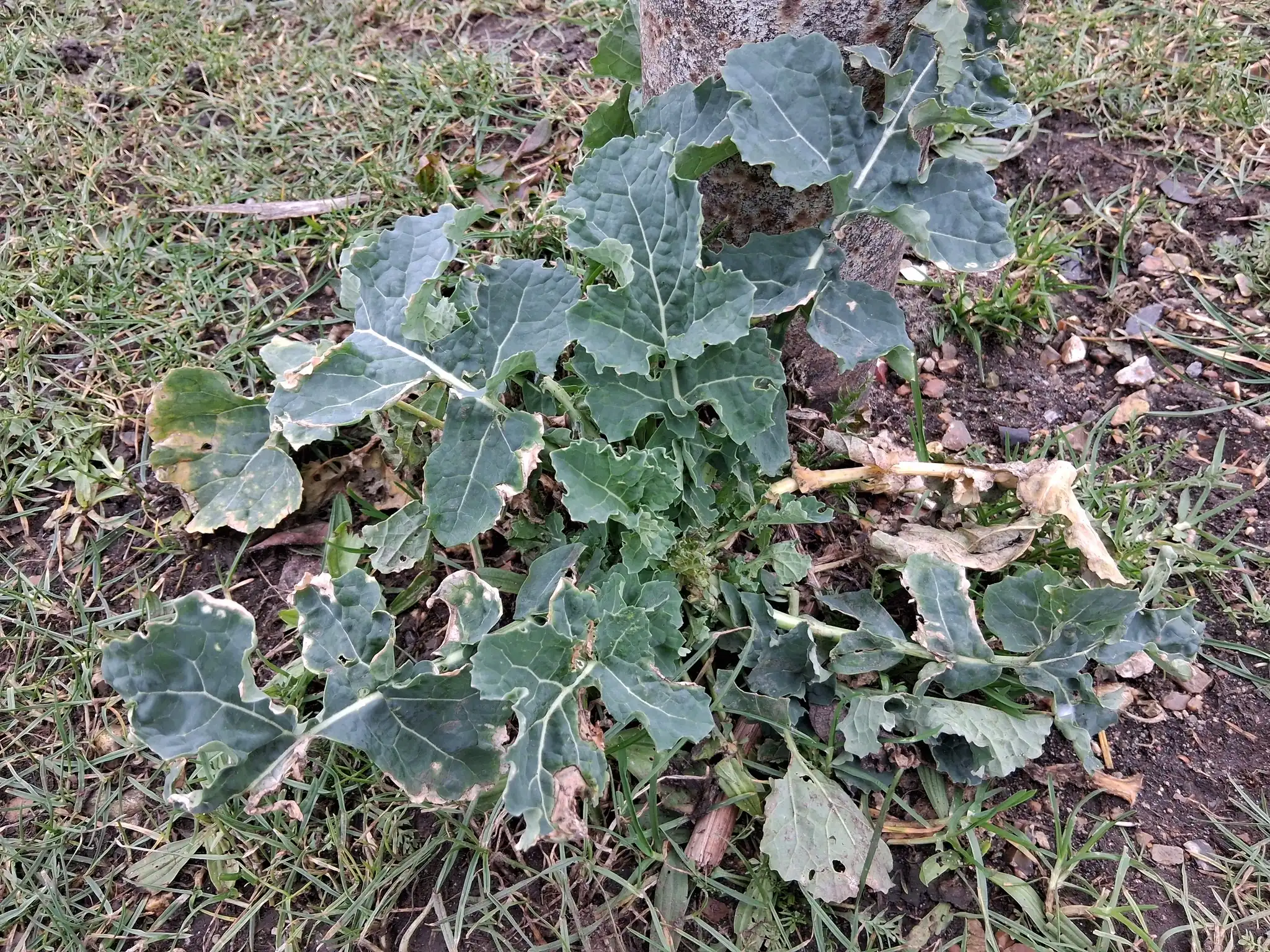
Brassica napus is an upright, herbaceous annual or biennial featuring glaucous, waxy blue-green foliage and a stout, branched stem. In spring and summer, terminal racemes of bright yellow flowers rise above the deeply lobed lower leaves and clasping upper leaves.
The species is widely cultivated as an agricultural oilseed and cover crop, valued for its rapid vegetative growth and vibrant blue-green new foliage. It frequently escapes cultivation to establish in disturbed soils and roadsides, displaying a robust, self-seeding habit.
Uses & Benefits:
Essentials
At a Glance
Plant Type
Annual
Height
48"
Width
24"
Light
Full Sun
Zones
4, 5, 6, 7, 8, 9, 10
Water
Consistent moisture
Humidity
Moderate
Lifespan
Annual or biennial
Native To
Europe
Toxicity
Toxic to livestock in high quantities
Bloom period
Spring – Summer
In flower about 6 months of the year
Planting
How to Grow
- Sow seeds directly into organically rich, well-drained loam in a location receiving full sun.
- Maintain consistent soil moisture during early vegetative development, ensuring the site does not waterlog.
- Thin seedlings to allow adequate airflow, which reduces susceptibility to powdery mildew in humid conditions.
- Apply a balanced organic fertilizer moderately during early growth stages if soil nutrients are deficient.
Pro Tip
Avoid planting in the same plot year after year; a three- to four-year crop rotation is essential to prevent the buildup of soil-borne pathogens like clubroot and blackleg.
Keep It Thriving
Care Guide
Do
- Rotate crops annually to disrupt pest and disease lifecycles.
- Provide consistent moisture to support optimal seed and pod development.
- Sow seeds directly into the ground rather than transplanting mature specimens.
Don't
- Do not over-fertilize with nitrogen, which promotes excessive foliage at the expense of flowers.
- Do not allow the soil to become waterlogged, as the root system is highly intolerant of standing water.
- Do not plant in areas with poor air circulation where high humidity can foster fungal diseases.
Seasonal Care Calendar
| Task | Jan | Feb | Mar | Apr | May | Jun | Jul | Aug | Sep | Oct | Nov | Dec |
|---|---|---|---|---|---|---|---|---|---|---|---|---|
| Fertilize | ||||||||||||
| Harvest | ||||||||||||
| Pest Check | ||||||||||||
| Plant |
Watch Out For
Pests & Diseases
Common Pests
Common Diseases
In the Garden
Landscape Uses & Companions
Landscape Uses
Companion Plants
Multiply
Propagation Methods
Good to Know
Common Questions
Canola questions
What zones can Canola grow in?
Canola is hardy in USDA Zones 4–10. Inside that range it survives winter in the ground; outside it, grow it as an annual or a container plant you protect.
When does Canola bloom?
Canola typically blooms in spring through summer. Exact timing shifts a week or two with your zone — Sow's bloom calendar maps it to your garden.
Does Canola need full sun?
Canola does best in full sun (6+ hours).
More Brassica to compare
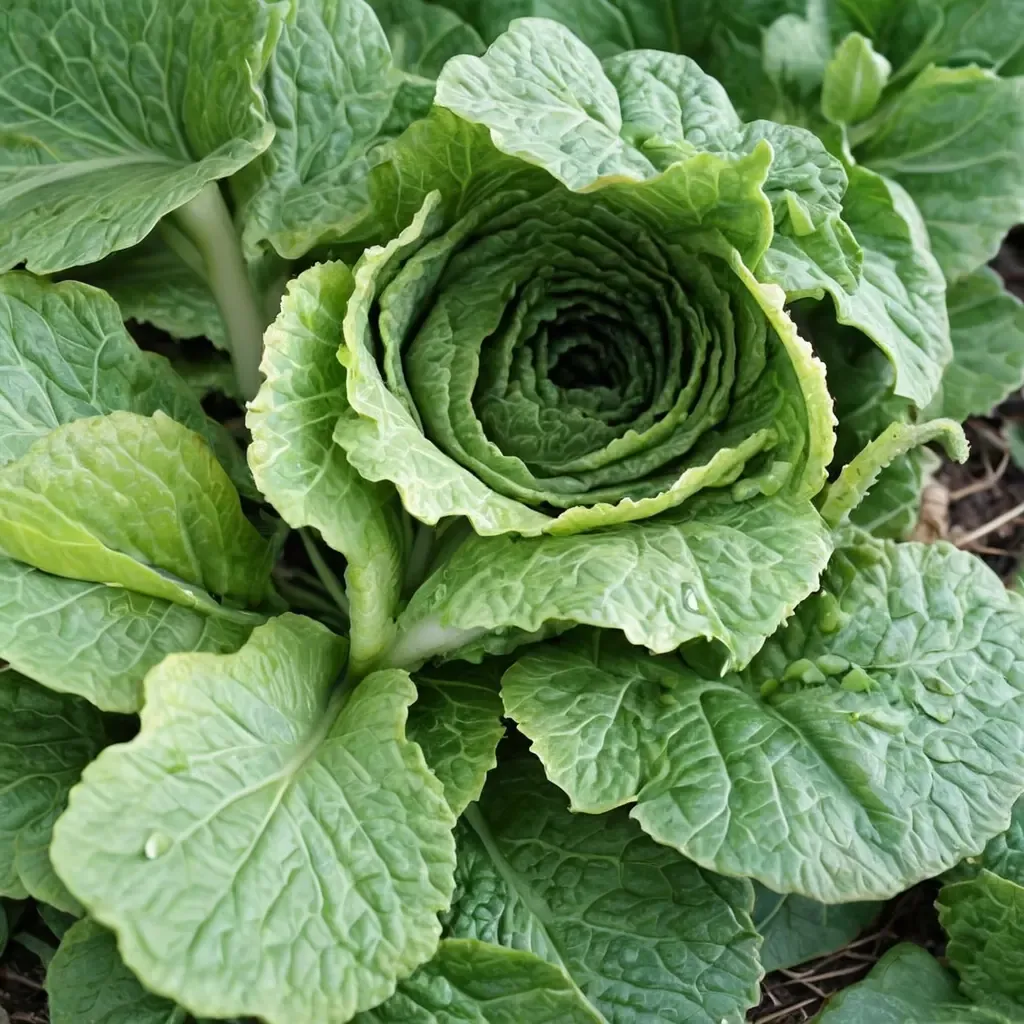
Chinese Cabbage
Brassica rapa 'Chinese Cabbage'
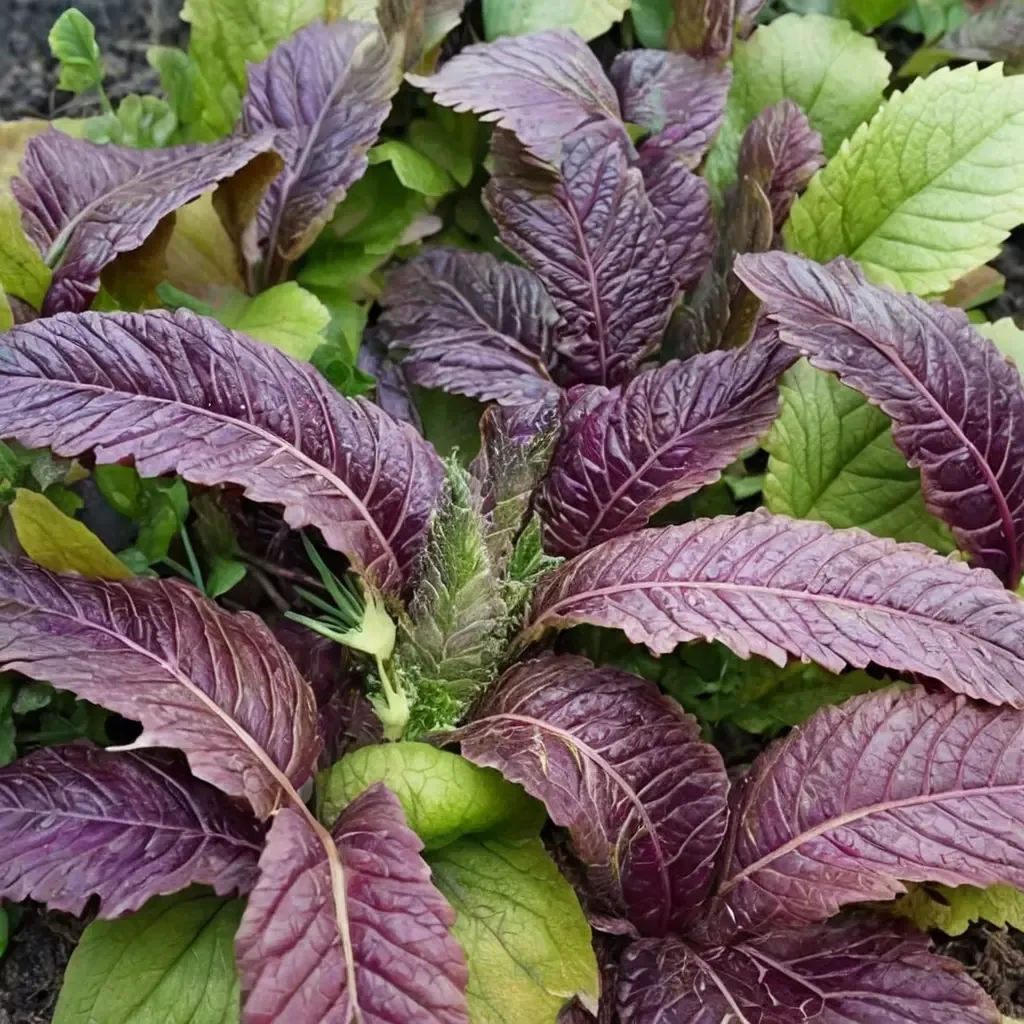
Osaka Purple Mustard
Brassica juncea 'Osaka Purple'
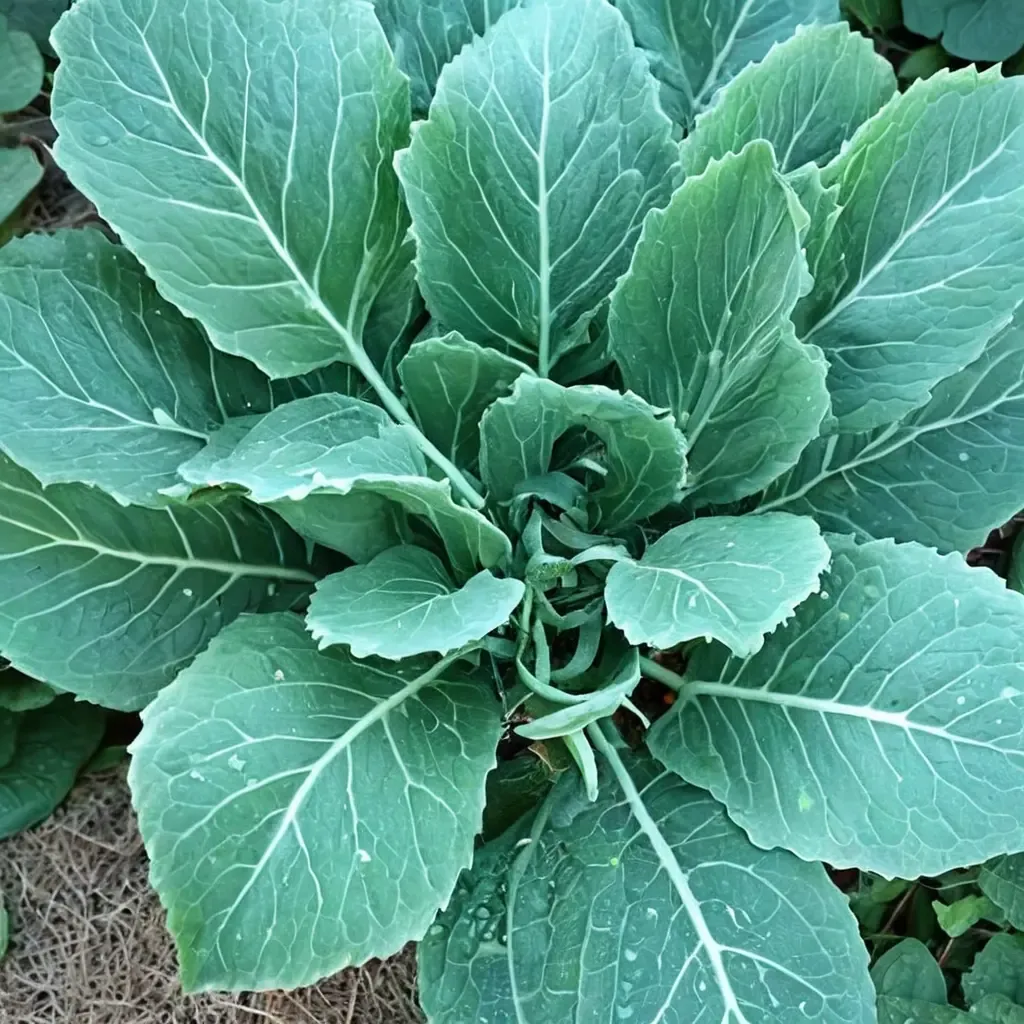
Vates Champion Collard Greens
Brassica oleracea 'Vates Champion'
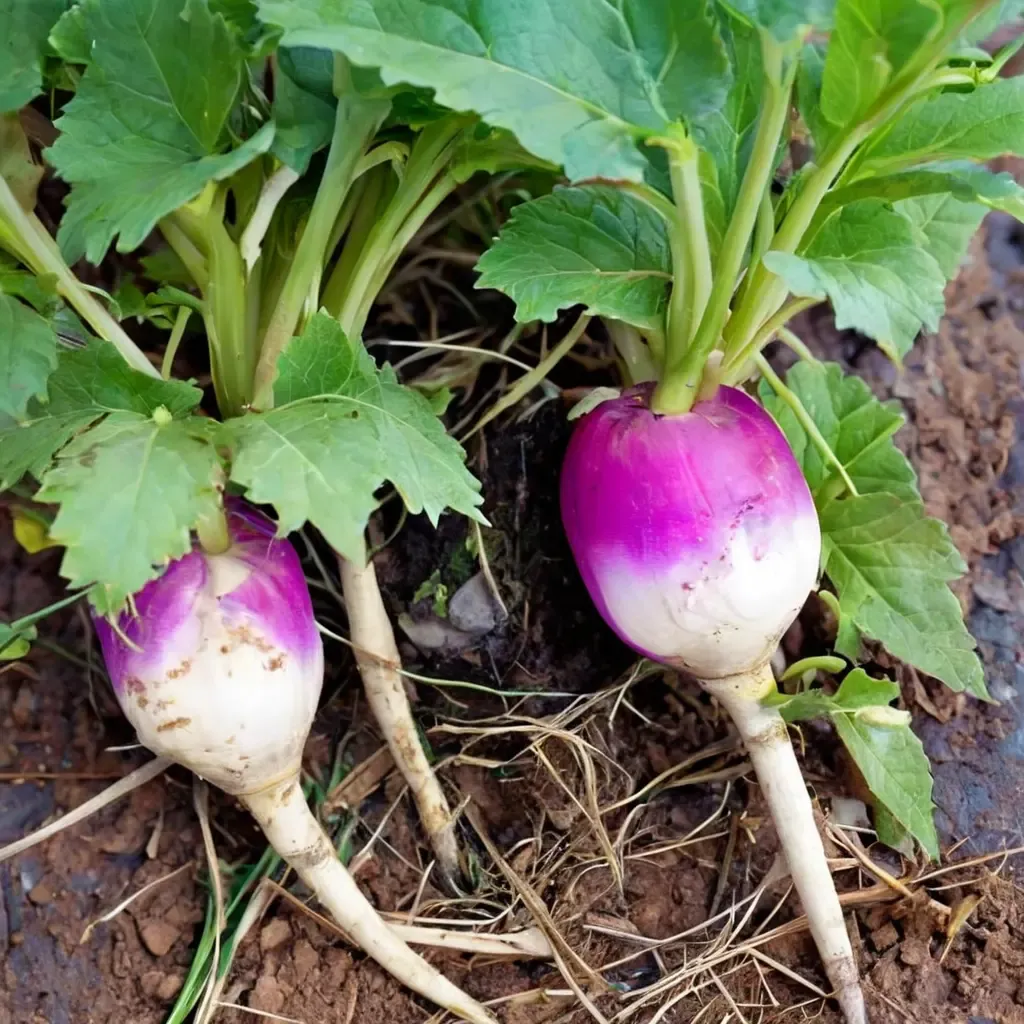
Purple Top Turnip
Brassica rapa 'Purple Top'
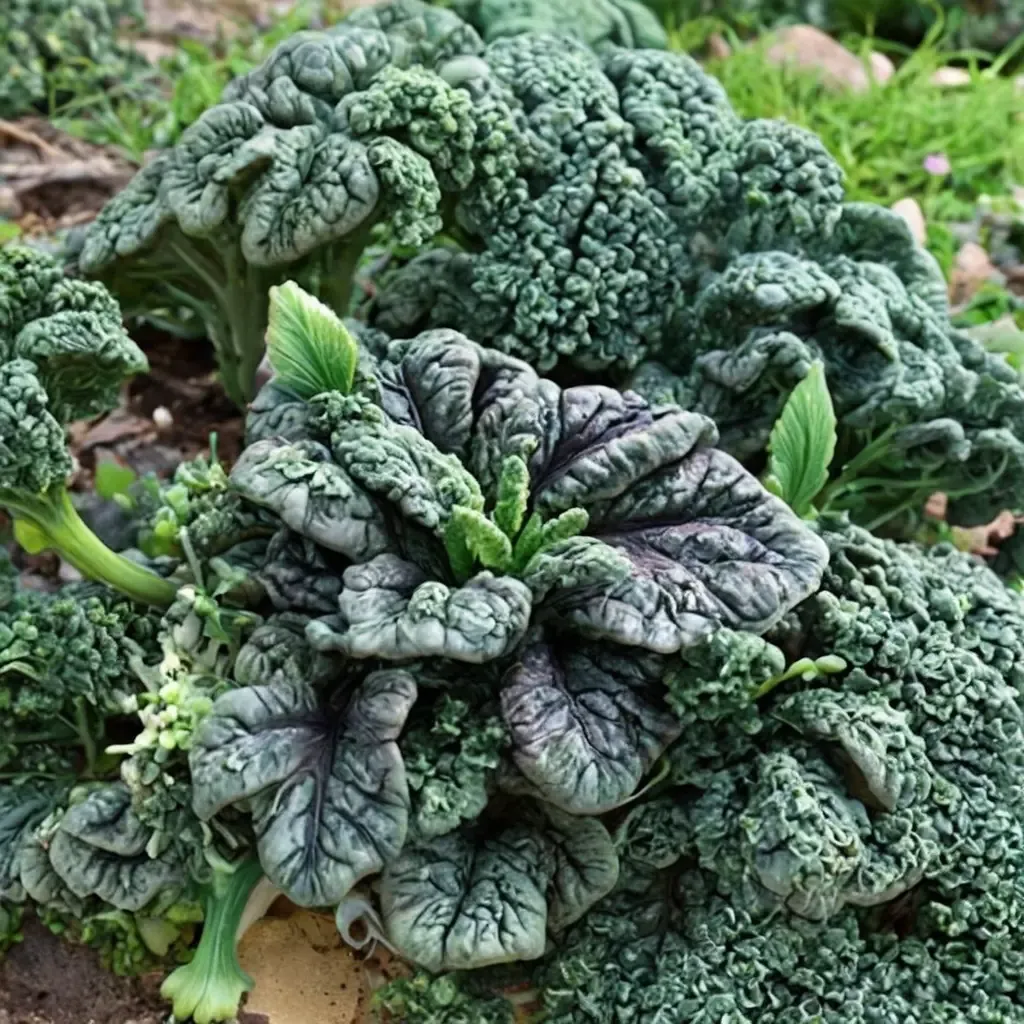
Darkibor Kale
Brassica oleracea 'Darkibor'
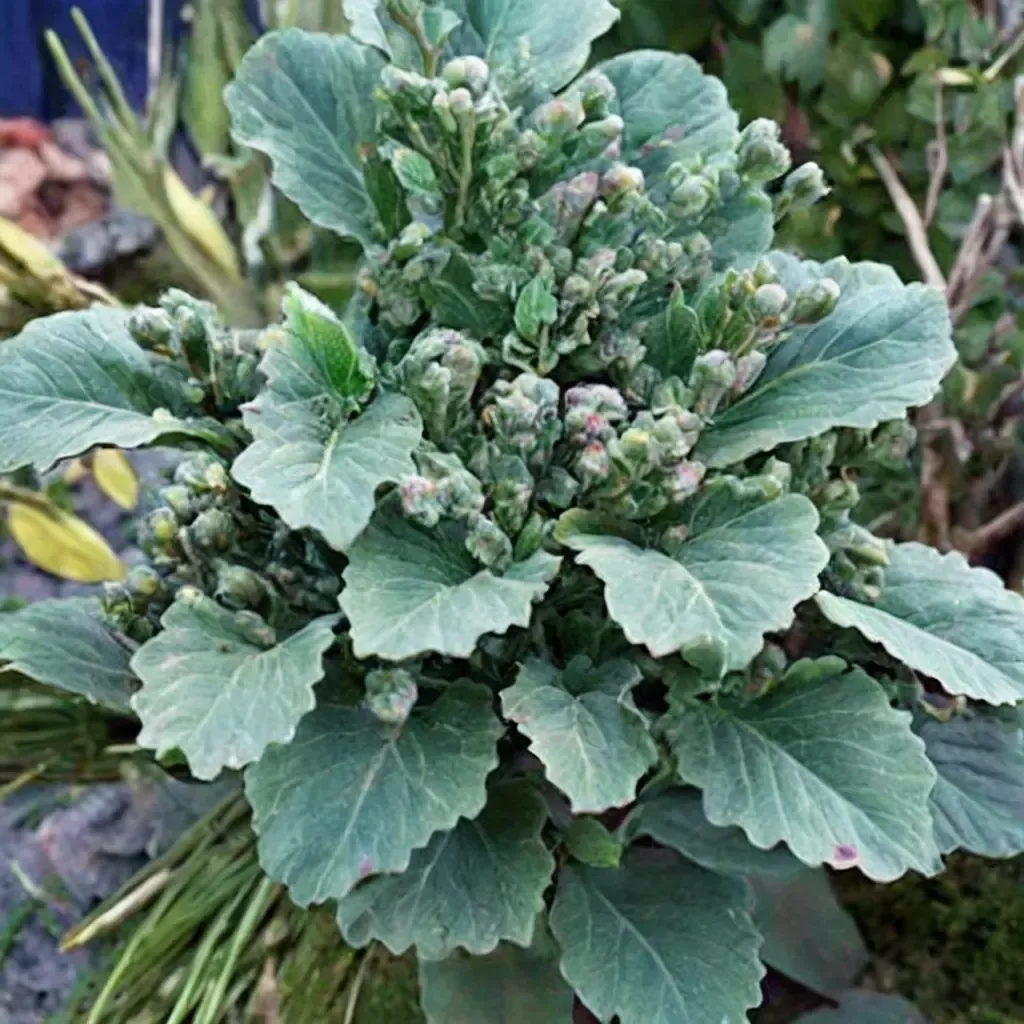
Ornamental Kale
Brassica oleracea 'Richmond's Pride'
Keep exploring
Explore the genus
Grow Canola with confidence
See it in a design of your actual yard, get zone-matched care reminders, and track it season by season in your garden journal.