
Species
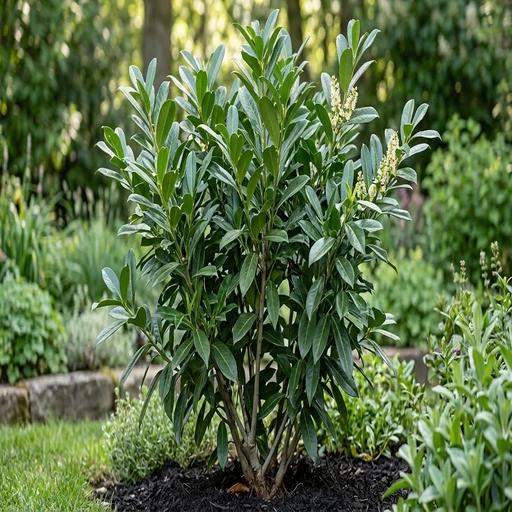 Prunus laurocerasusCherry Laurel
13 other cultivars
 ‘Schipkaensis’Schipka Cherry Laurel
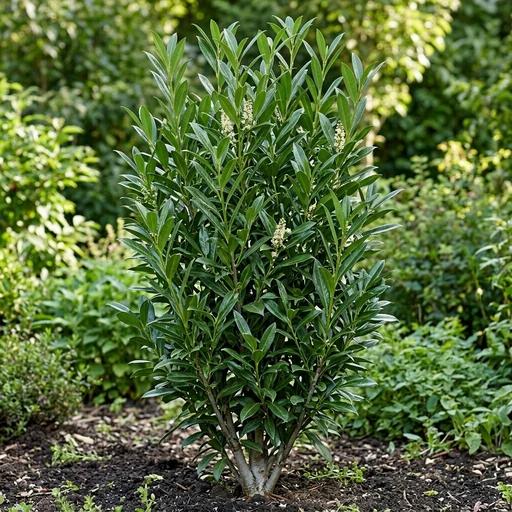 ‘Skinny Skip’Genolia Cherry Laurel
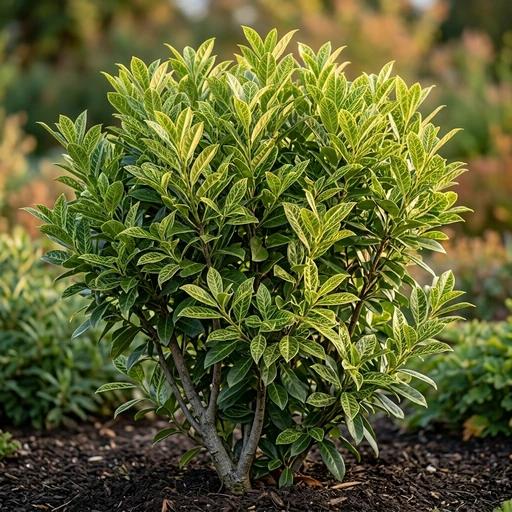 ‘Greenfinity’Greenfinity Cherry Laurel
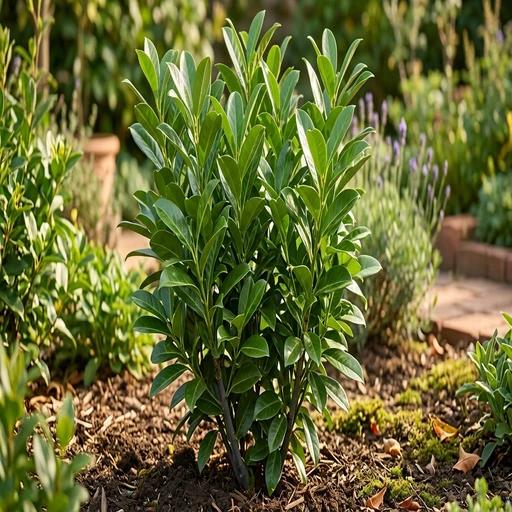 ‘Green Goblet’Green Goblet Cherry Laurel
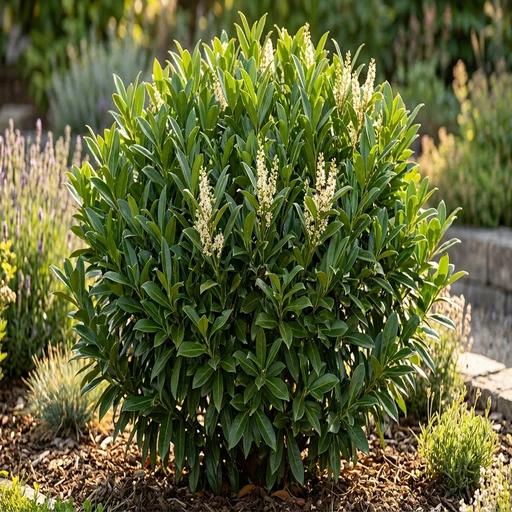 ‘Nana’Dwarf English Laurel
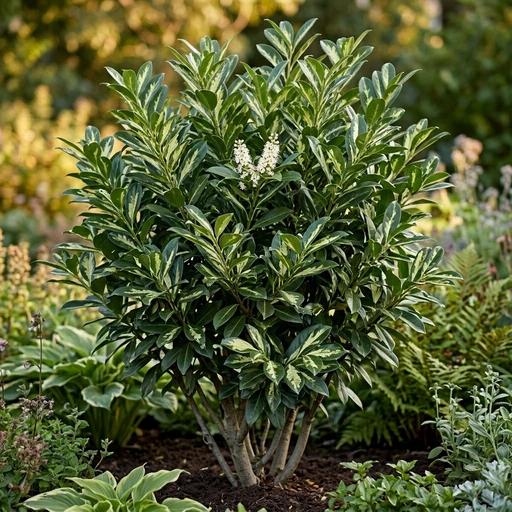 ‘Majestic Jade’Majestic Jade English Laurel
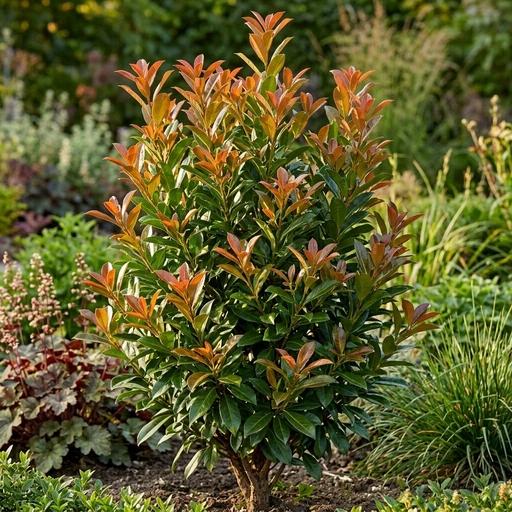 ‘Volcano’Volcano Cherry Laurel
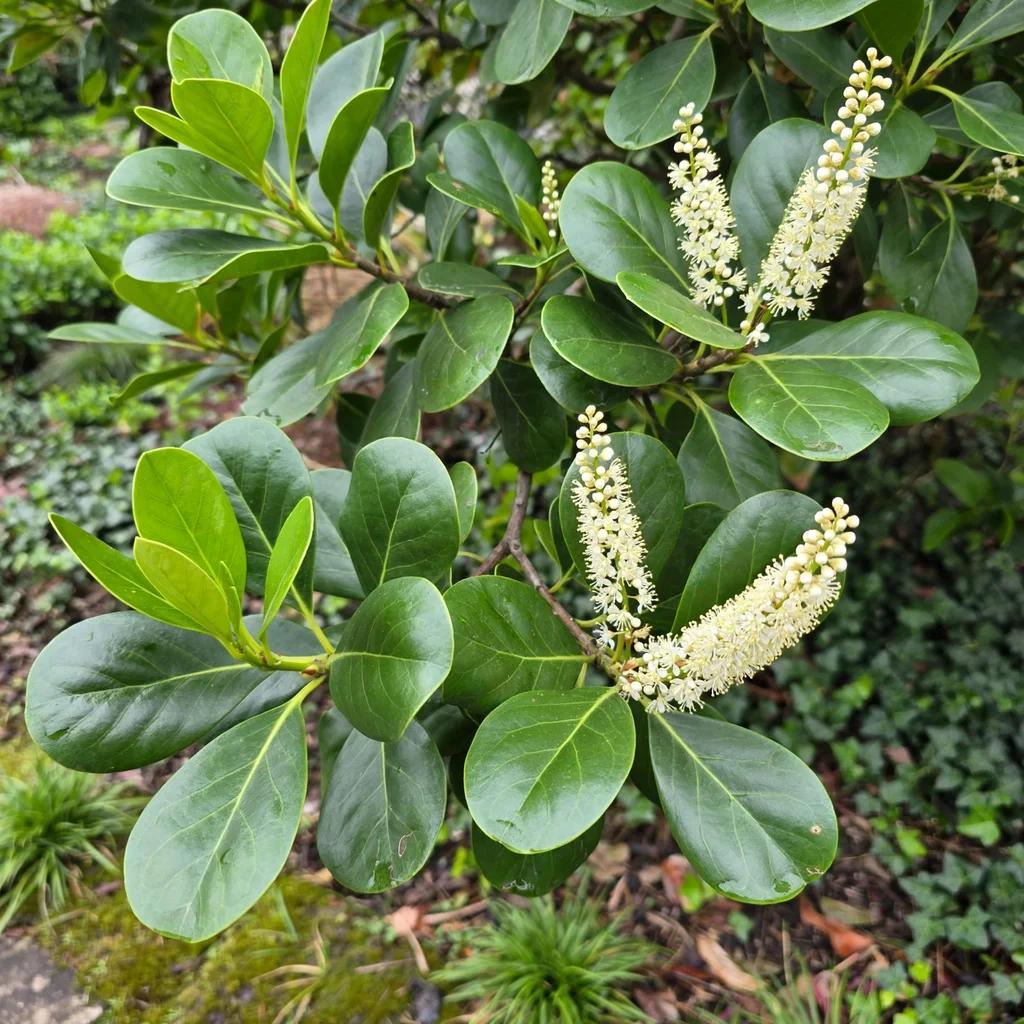 ‘Rotundifolia’Cherry Laurel
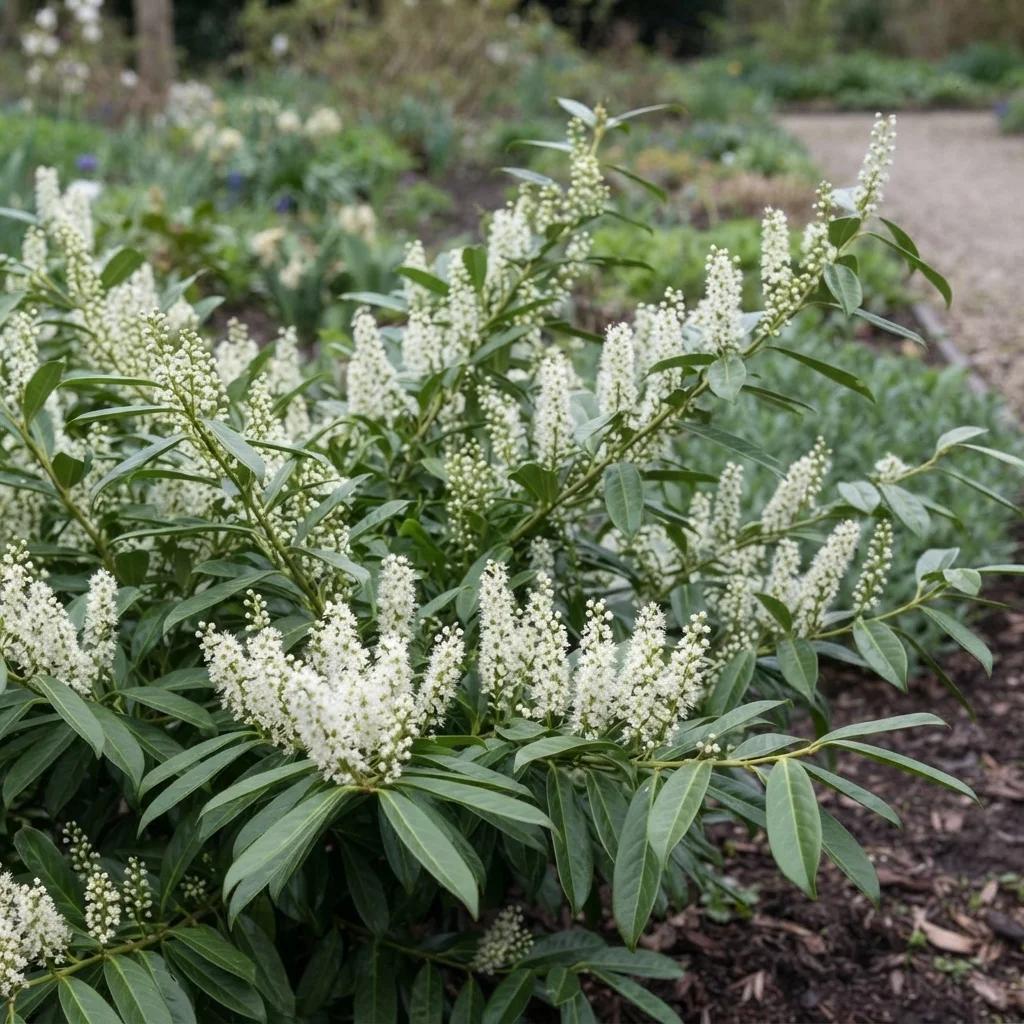 ‘Zabeliana’Zabel's Cherry Laurel
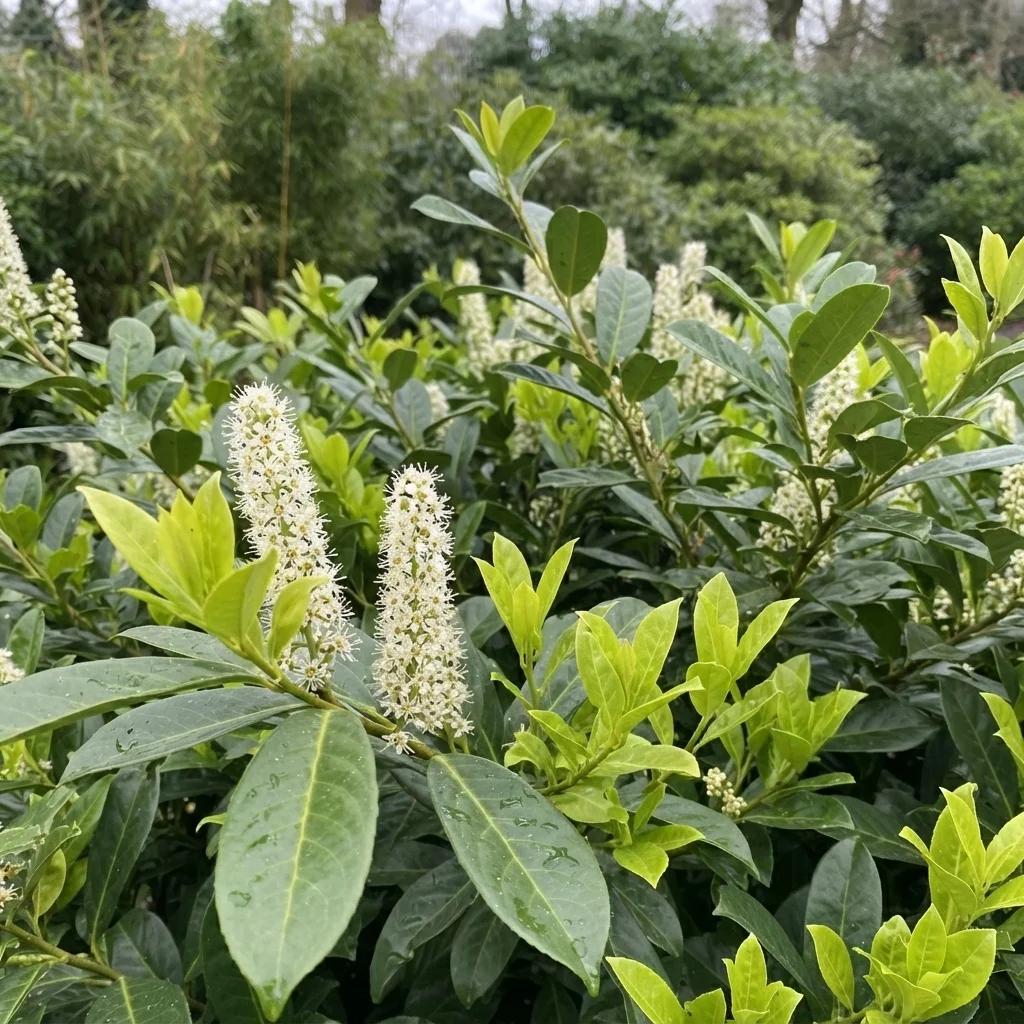 ‘Supreme’Cherry Laurel
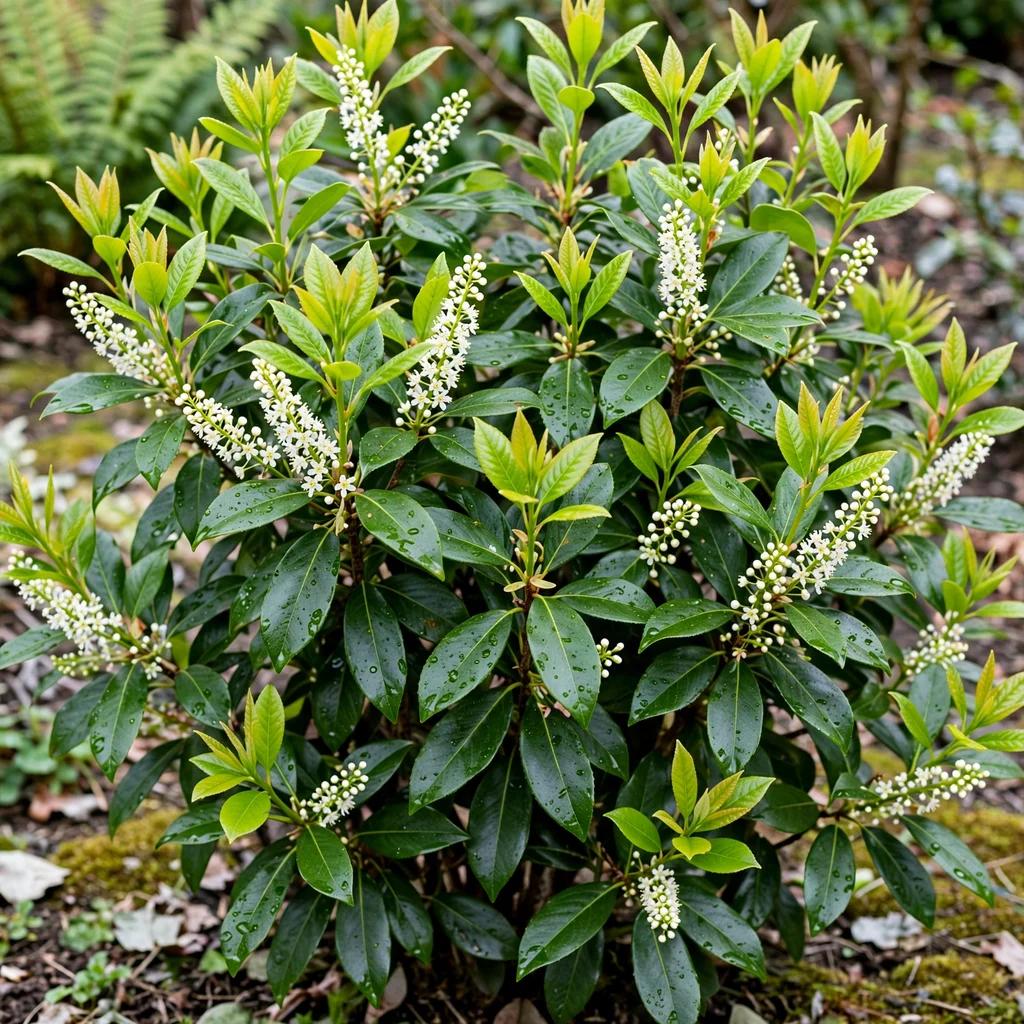 ‘Novita’Cherry Laurel
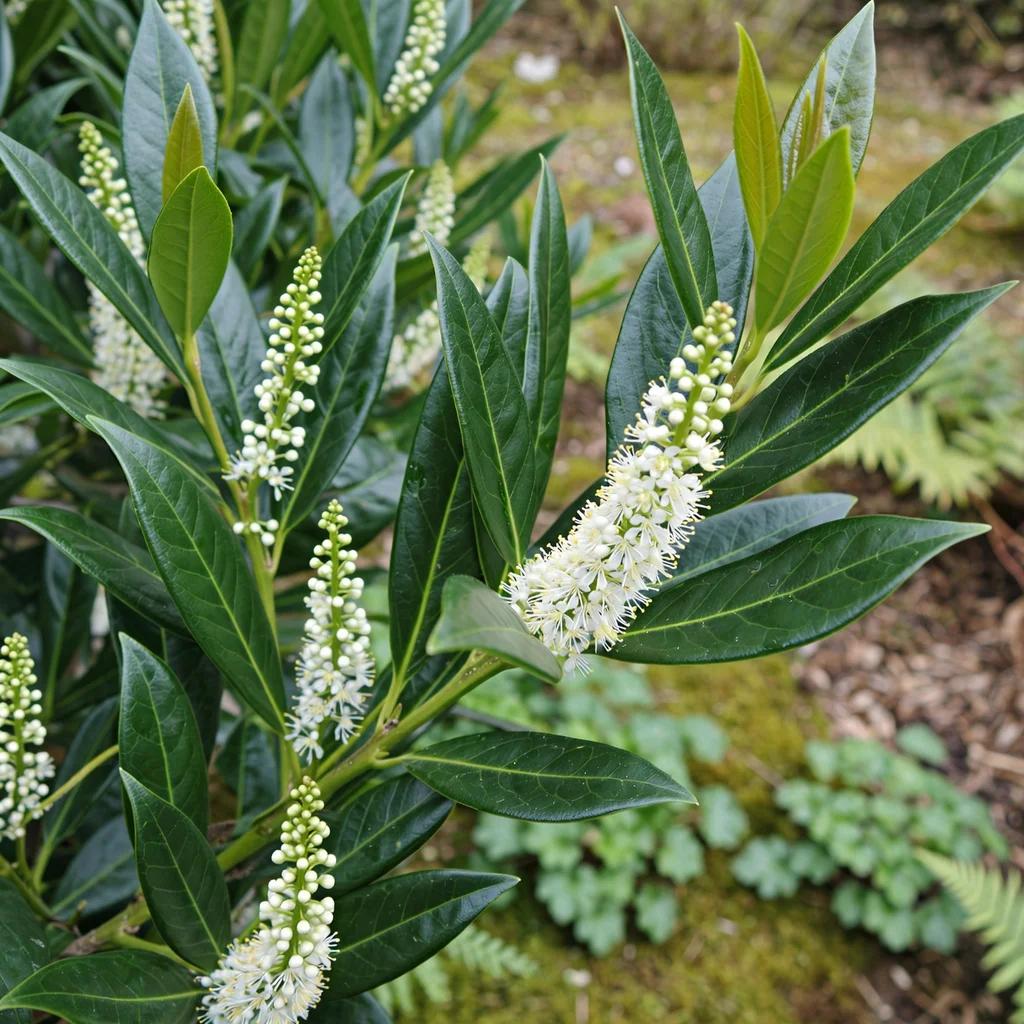 ‘Otto Luyken’Cherry Laurel
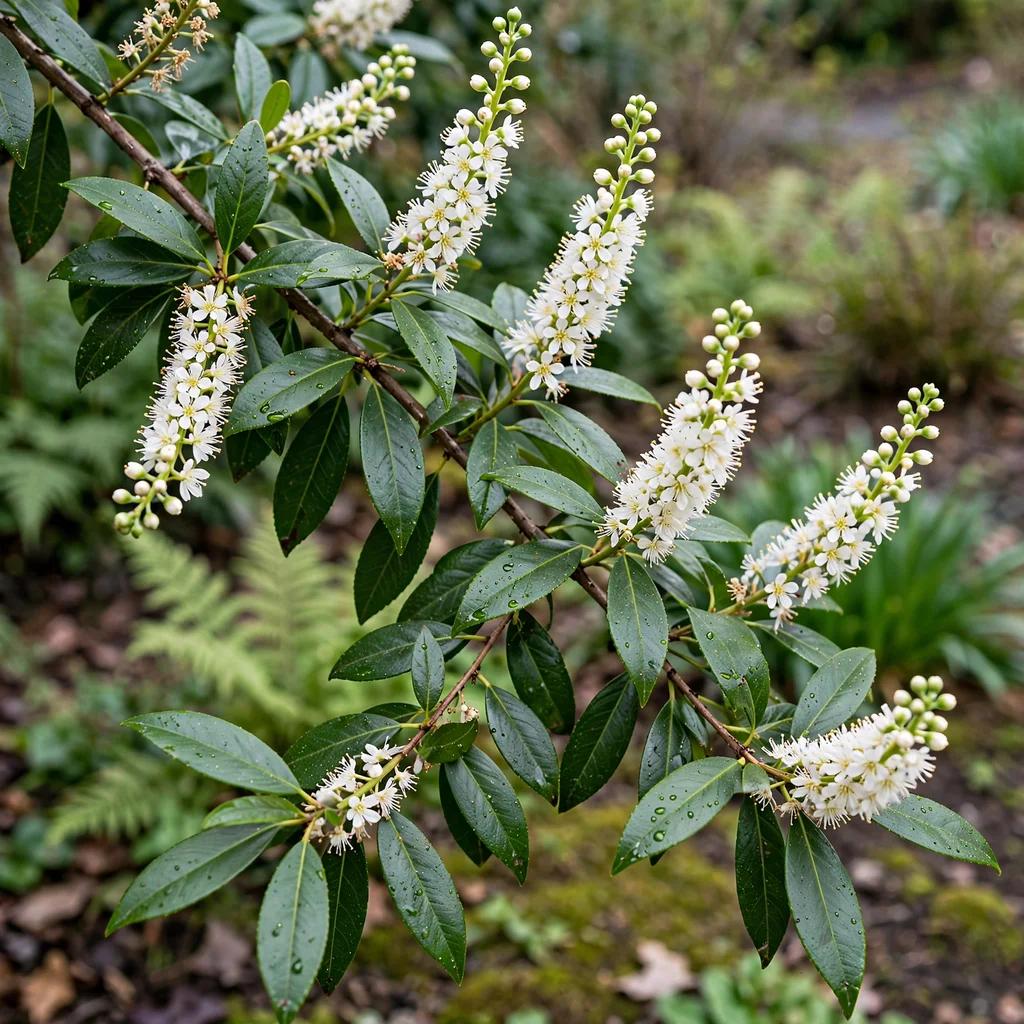 ‘West Coast Skip’Skip Laurel
The Story
Plant Bio
Prunus laurocerasus is a dense, broadleaf evergreen shrub valued for its glossy, dark green leaves and fragrant spring flowers. It is a tough, adaptable plant often used for hedging and screening.
'Chestnut Hill' is a compact, spreading cultivar selected for its superior cold hardiness and resistance to shot-hole disease. It maintains a dense, mounded form with little pruning.
Uses & Benefits:
Essentials
At a Glance
Plant Type
Shrub
Height
48"
Width
60"
Light
Full Sun, Partial Sun, Shade
Zones
6, 7, 8, 9
Water
Moderate
Humidity
Adaptable
Lifespan
Long-lived shrub
Native To
Cultivar of a species from SW Asia/SE Europe
Toxicity
All parts, except the flesh of the fruit, are toxic if ingested
Bloom period
Mid-spring – Late spring
In flower about 2 months of the year
Planting
How to Grow
- Select a site with well-drained soil in sun or shade
- Dig a hole two to three times wider than the root ball
- Place the plant so the top of the root ball is level with the soil surface
- Backfill with soil, firming it gently
- Water deeply after planting to settle the soil
- Mulch to conserve moisture, keeping it away from the stem
Pro Tip
Plant in well-drained soil; cherry laurels are intolerant of 'wet feet' which can lead to root rot.
Keep It Thriving
Care Guide
Do
- Water regularly during the first year to establish a strong root system
- Prune after the spring bloom to shape the plant
- Provide good air circulation to minimize disease risk
Don't
- Do not plant in waterlogged or poorly drained soil
- Avoid late-season pruning, which can encourage tender new growth before winter
- Do not ingest any part of the plant; leaves and seeds are toxic
Seasonal Care Calendar
| Task | Jan | Feb | Mar | Apr | May | Jun | Jul | Aug | Sep | Oct | Nov | Dec |
|---|---|---|---|---|---|---|---|---|---|---|---|---|
| Fertilize | ||||||||||||
| Plant | ||||||||||||
| Prune |
Watch Out For
Pests & Diseases
Common Pests
Common Diseases
In the Garden
Landscape Uses & Companions
Landscape Uses
Companion Plants
Multiply
Propagation Methods
Good to Know
Common Questions
Chestnut Hill Cherry Laurel questions
What zones can Chestnut Hill Cherry Laurel grow in?
Chestnut Hill Cherry Laurel is hardy in USDA Zones 6–9. Inside that range it survives winter in the ground; outside it, grow it as an annual or a container plant you protect.
Is Chestnut Hill Cherry Laurel deer resistant?
Yes — Chestnut Hill Cherry Laurel is rated deer-resistant. Deer typically pass it over, though extreme hunger can override any plant's defenses.
When does Chestnut Hill Cherry Laurel bloom?
Chestnut Hill Cherry Laurel typically blooms in mid-spring through late spring. Exact timing shifts a week or two with your zone — Sow's bloom calendar maps it to your garden.
Does Chestnut Hill Cherry Laurel need full sun?
Chestnut Hill Cherry Laurel does best in full sun to part shade. In hot climates, afternoon shade keeps blooms fresher longer.
Is Chestnut Hill Cherry Laurel drought tolerant?
Yes — once established (usually after the first full season), Chestnut Hill Cherry Laurel handles dry spells with minimal watering. Water deeply its first year to build the root system that makes that possible.
More Prunus to compare
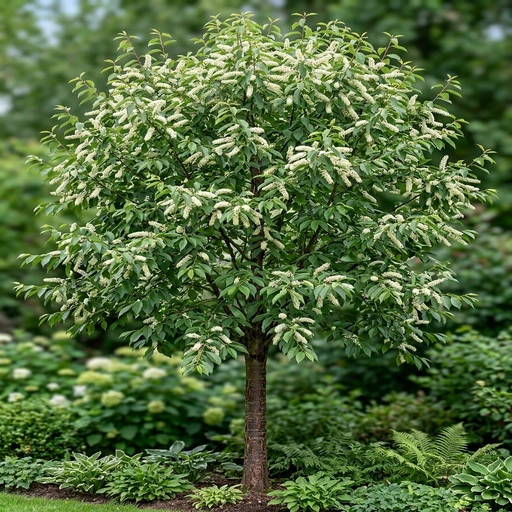
Black Cherry
Prunus serotina
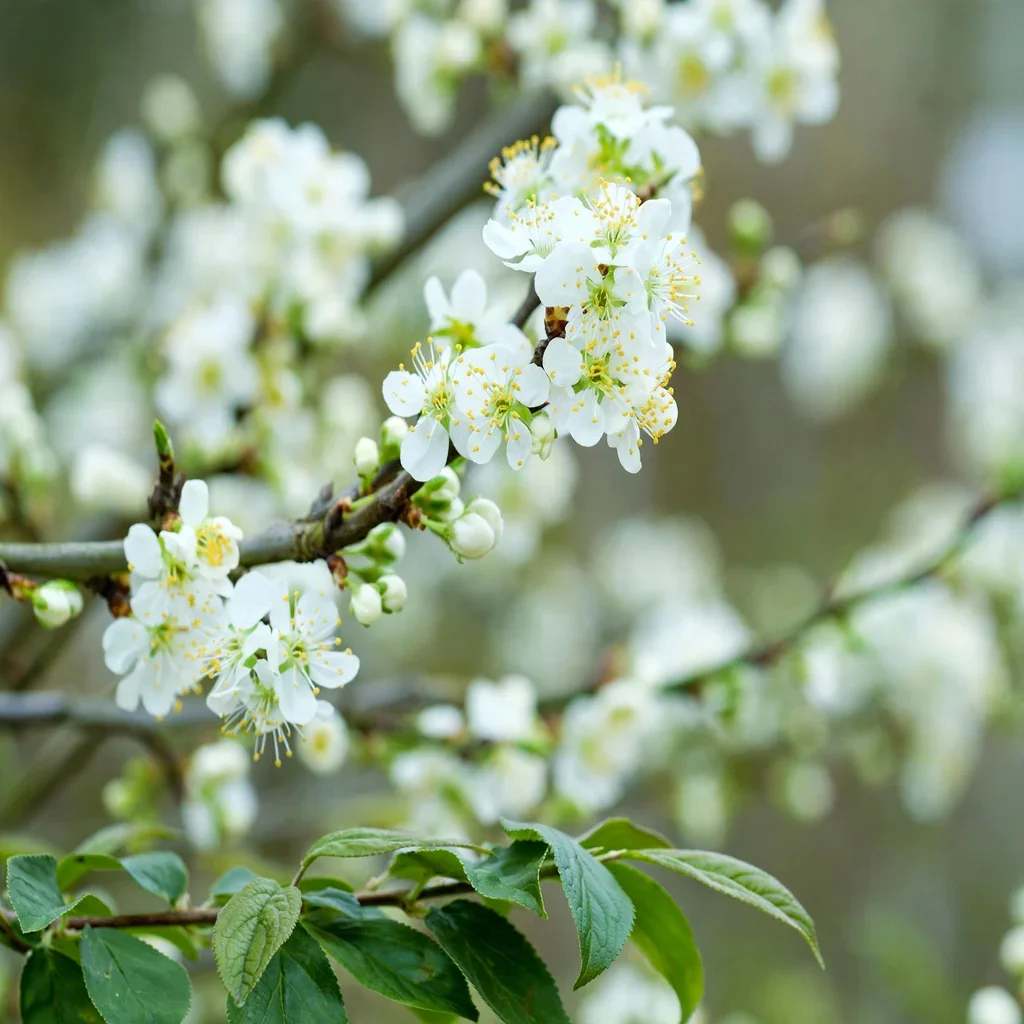
Sugar Plum
Prunus domestica 'Sugar Plum'
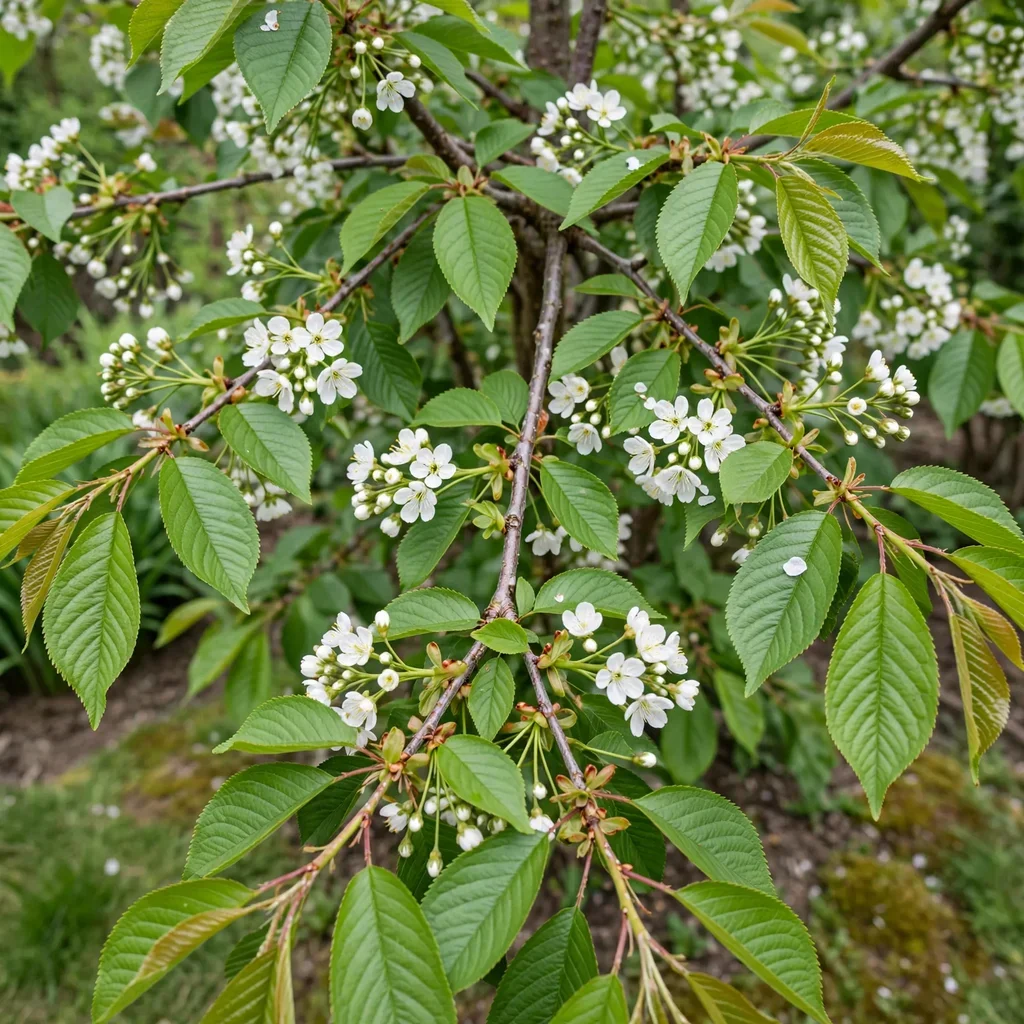
Sweet Cherry
Prunus avium 'Mix'
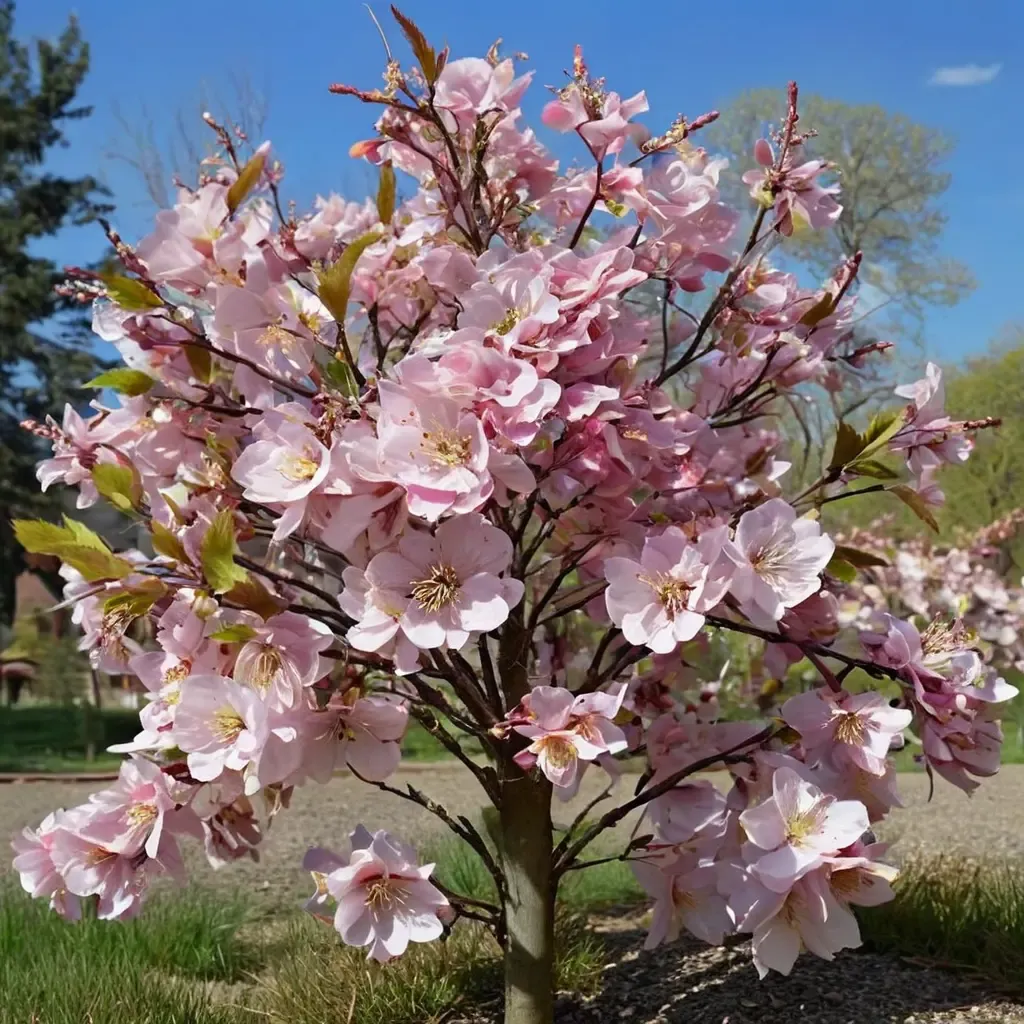
Japanese Flowering Cherry
Prunus serrulata
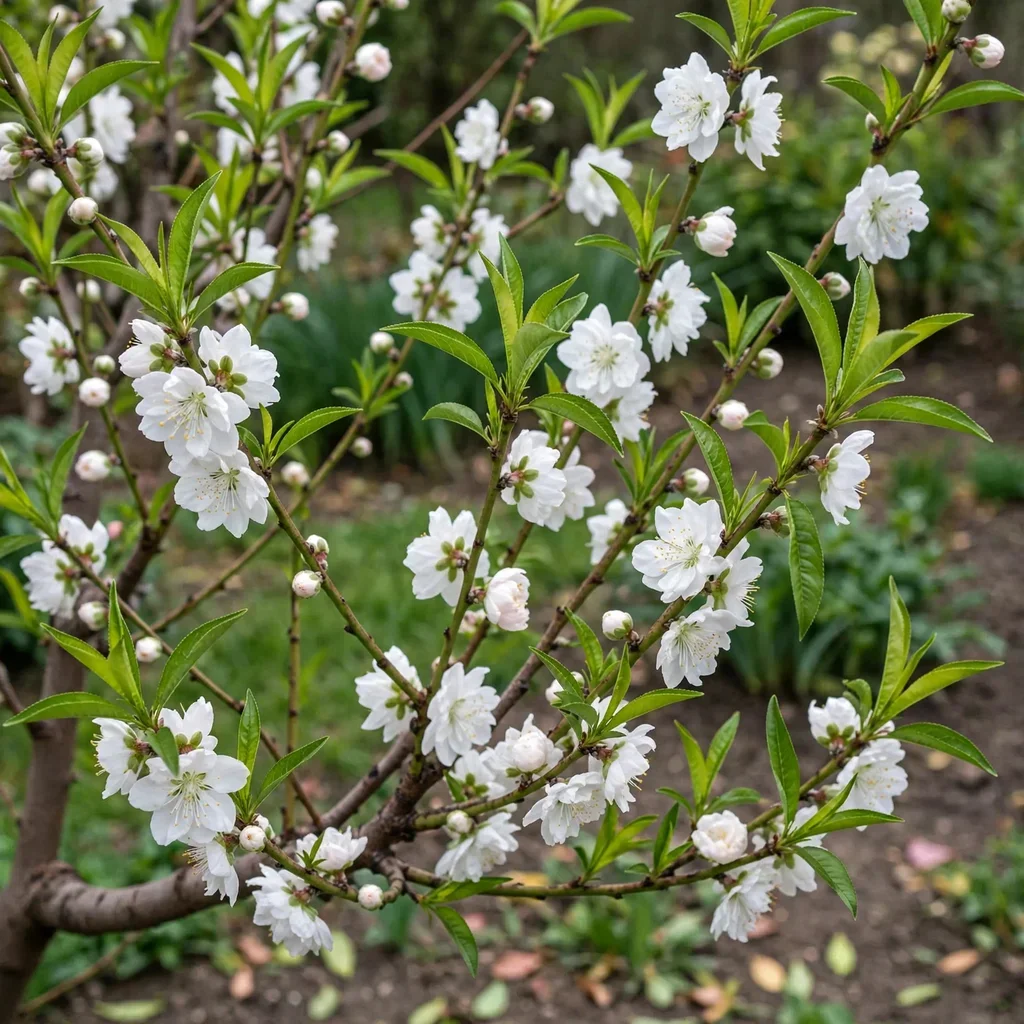
Feiching Tao White Peach
Prunus persica 'Feiching Tao White'
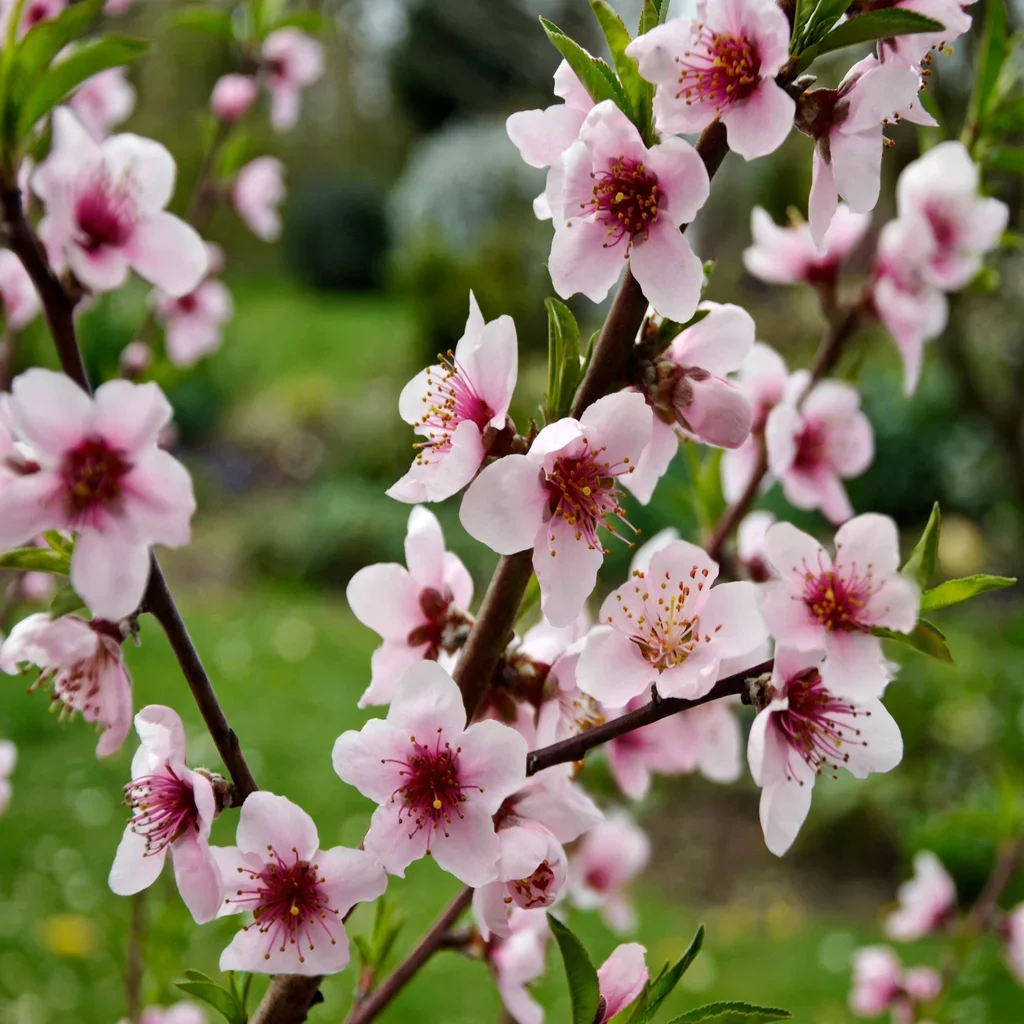
Hale Haven Peach
Prunus persica 'Hale Haven'
Keep exploring
Explore the genus
Hardy in your zone?
Grow Chestnut Hill Cherry Laurel with confidence
See it in a design of your actual yard, get zone-matched care reminders, and track it season by season in your garden journal.