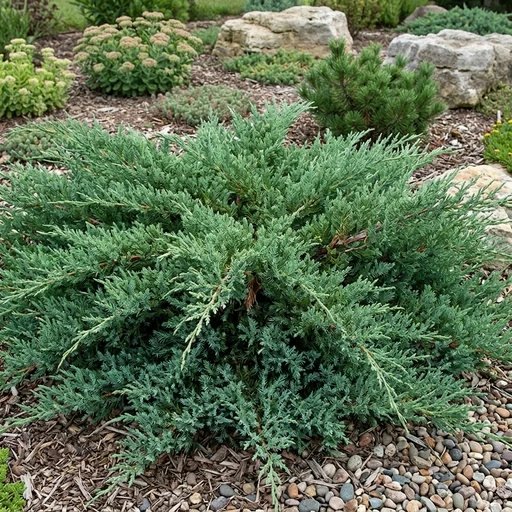
Species
 Juniperus horizontalisCreeping Juniper
11 other cultivars
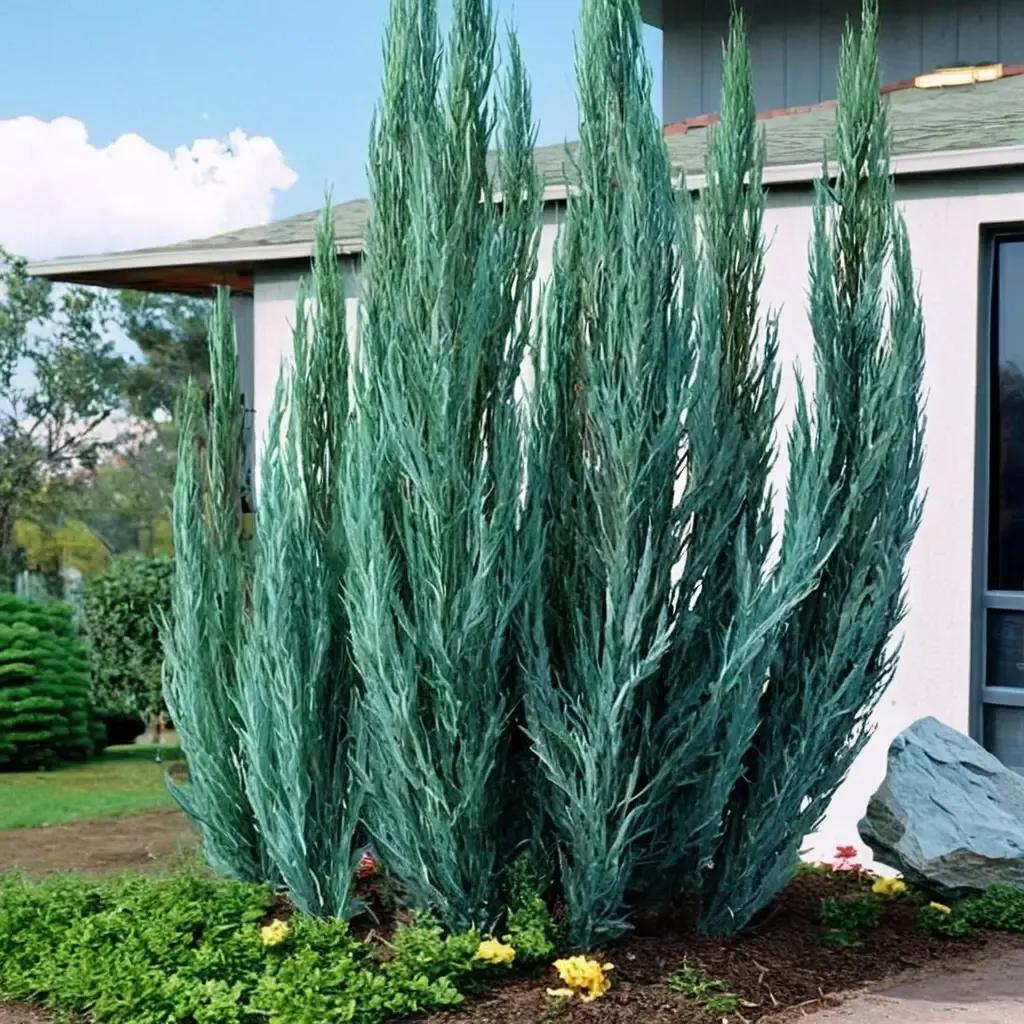 ‘Skyrocket’Skyrocket Juniper
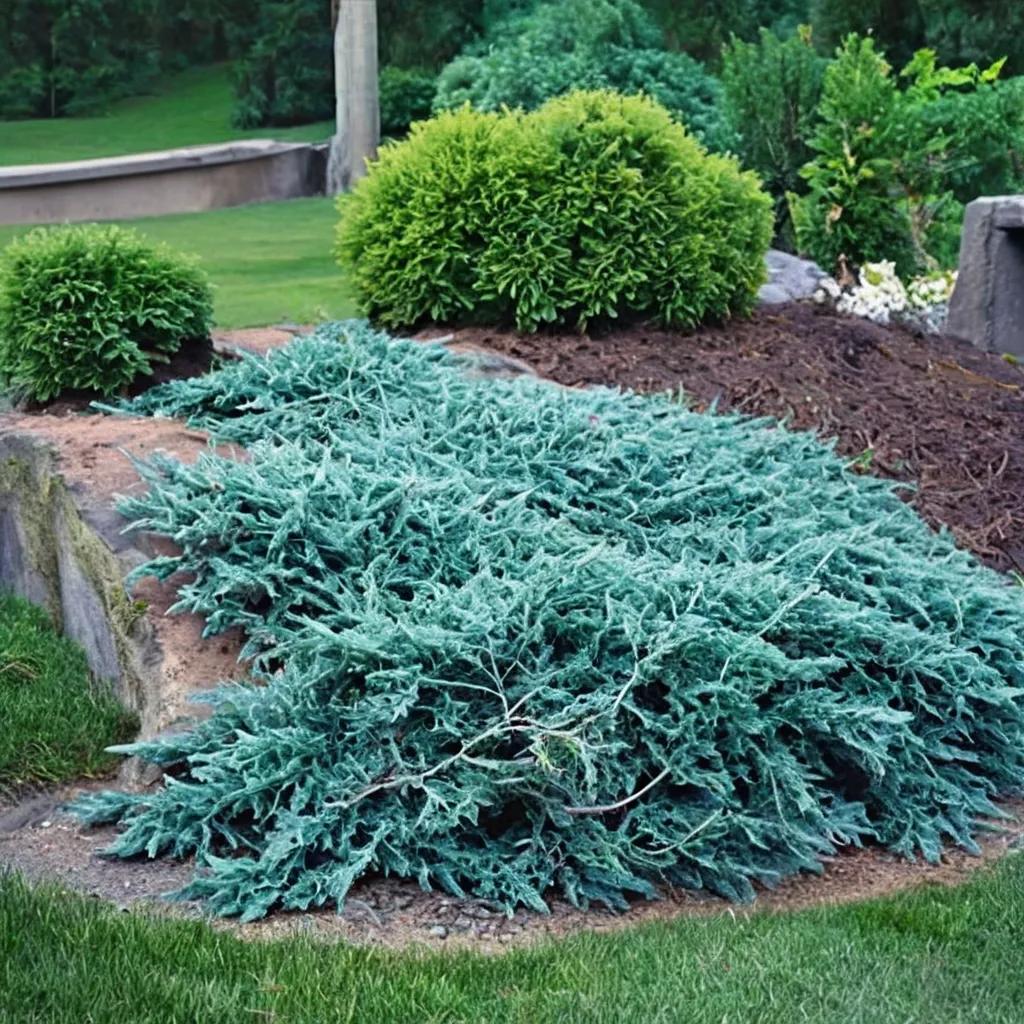 ‘Blue Rug’Blue Rug Juniper
 ‘Wiltonii’Wiltonii Blue Rug Juniper
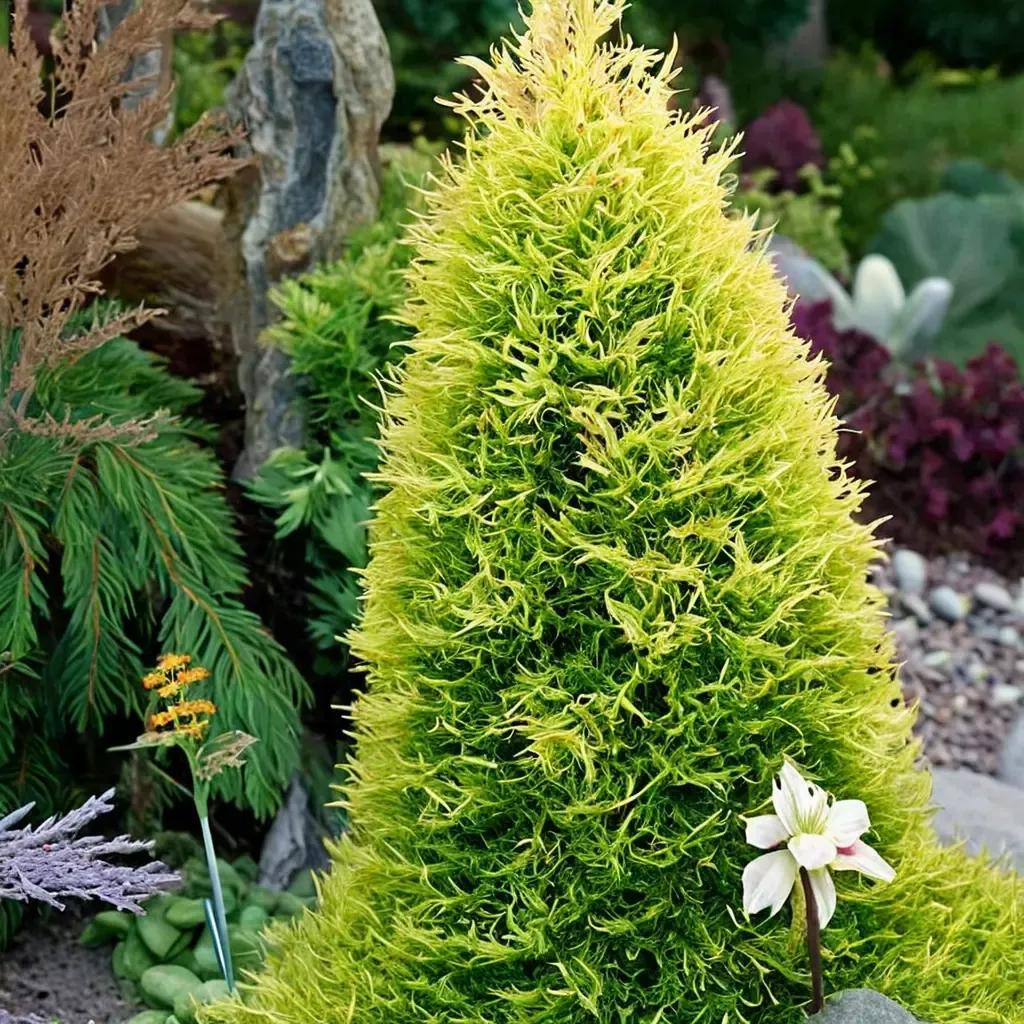 ‘Gold Cone’Gold Cone Juniper
 ‘Blue Pacific Shore’Blue Pacific Juniper
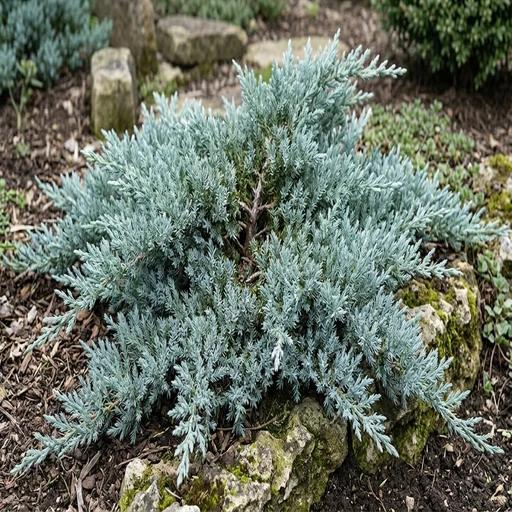 ‘Hughes’Hughes Creeping Juniper
 ‘Blue Chip’Blue Chip Juniper
 ‘Bar Harbor’Bar Harbor Juniper
 ‘Plumosa Compacta’Compact Andorra Juniper
 ‘Plumosa Compacta Youngstown’Youngstown Andorra Juniper
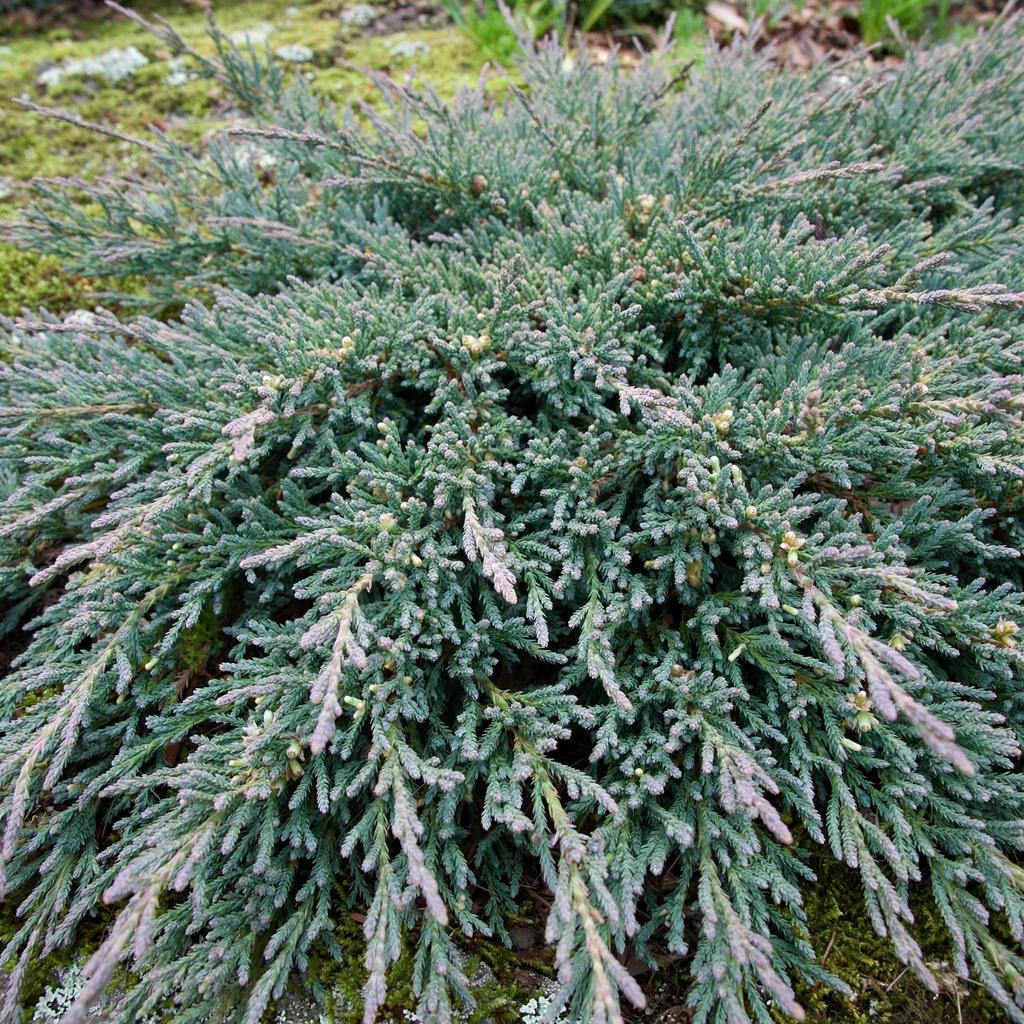 ‘pancake’Creeping Juniper
The Story
Plant Bio
Juniperus horizontalis, or creeping juniper, is a prostrate, evergreen conifer native to North America, valued for its low-growing, spreading habit and extreme tolerance of difficult growing conditions.
'Plumosa', the Andorra Juniper, is noted for its feathery, soft-textured foliage and a slightly mounding, spreading form. Its gray-green summer foliage transforms to a distinctive purplish-bronze color in winter.
Uses & Benefits:
Essentials
At a Glance
Plant Type
Groundcover
Height
18"
Width
120"
Light
Full Sun
Zones
4, 5, 6, 7, 8, 9
Water
Low
Humidity
Low to high
Lifespan
Very long-lived
Native To
North America
Toxicity
Mildly toxic if ingested
Bloom period
Early spring
In flower about 1 month of the year
Planting
How to Grow
- Select a site that receives at least 6 hours of direct sun daily.
- Ensure the soil is well-drained; amend if necessary.
- Dig a hole as deep as the root ball and twice as wide.
- Gently tease apart the roots before placing in the hole.
- Position the plant so the top of the root ball is level with the soil.
- Backfill, water thoroughly, and mulch to prevent weeds.
Pro Tip
Ensure perfect drainage; junipers abhor wet feet and will quickly succumb to root rot in soggy soil.
Keep It Thriving
Care Guide
Do
- Provide full sun for the densest growth and best color.
- Water regularly during the first year, then only during extended drought.
- Allow good air circulation between plants to prevent fungal diseases.
- Use as a groundcover on slopes to help control soil erosion.
Don't
- Do not plant in shade or poorly drained locations.
- Avoid overhead watering, which can encourage fungal blights.
- Don't bury the crown of the plant when planting or mulching.
- Avoid heavy fertilization; junipers thrive in lean soils.
Seasonal Care Calendar
| Task | Jan | Feb | Mar | Apr | May | Jun | Jul | Aug | Sep | Oct | Nov | Dec |
|---|---|---|---|---|---|---|---|---|---|---|---|---|
| Pest Check | ||||||||||||
| Plant | ||||||||||||
| Prune |
Watch Out For
Pests & Diseases
Common Pests
Common Diseases
In the Garden
Landscape Uses & Companions
Landscape Uses
Multiply
Propagation Methods
Good to Know
Common Questions
Andorra Juniper questions
What zones can Andorra Juniper grow in?
Andorra Juniper is hardy in USDA Zones 4–9. Inside that range it survives winter in the ground; outside it, grow it as an annual or a container plant you protect.
Is Andorra Juniper deer resistant?
Yes — Andorra Juniper is rated deer-resistant. Deer typically pass it over, though extreme hunger can override any plant's defenses.
When does Andorra Juniper bloom?
Andorra Juniper typically blooms in early spring through early spring. Exact timing shifts a week or two with your zone — Sow's bloom calendar maps it to your garden.
Does Andorra Juniper need full sun?
Andorra Juniper does best in full sun (6+ hours).
Is Andorra Juniper drought tolerant?
Yes — once established (usually after the first full season), Andorra Juniper handles dry spells with minimal watering. Water deeply its first year to build the root system that makes that possible.
More Juniperus to compare
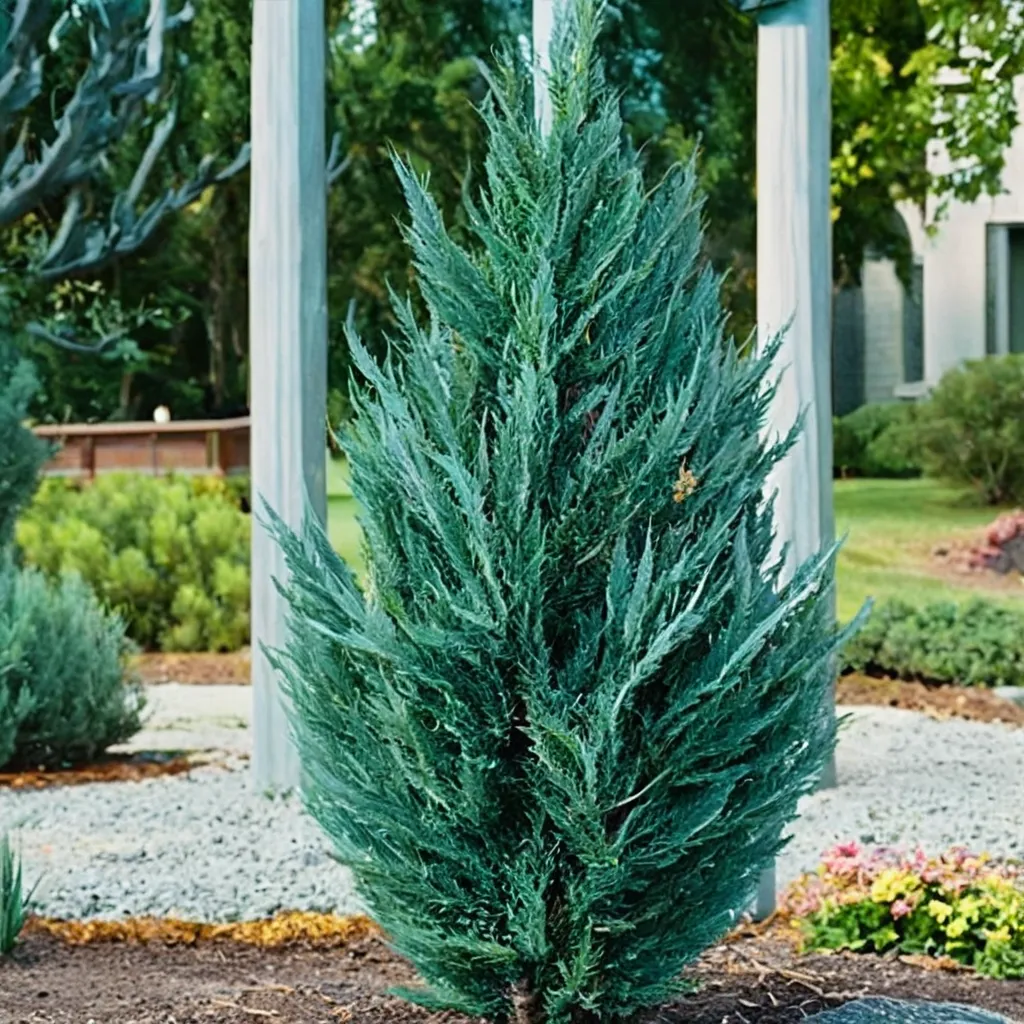
Blue Point Juniper
Juniperus chinensis 'Blue Point'
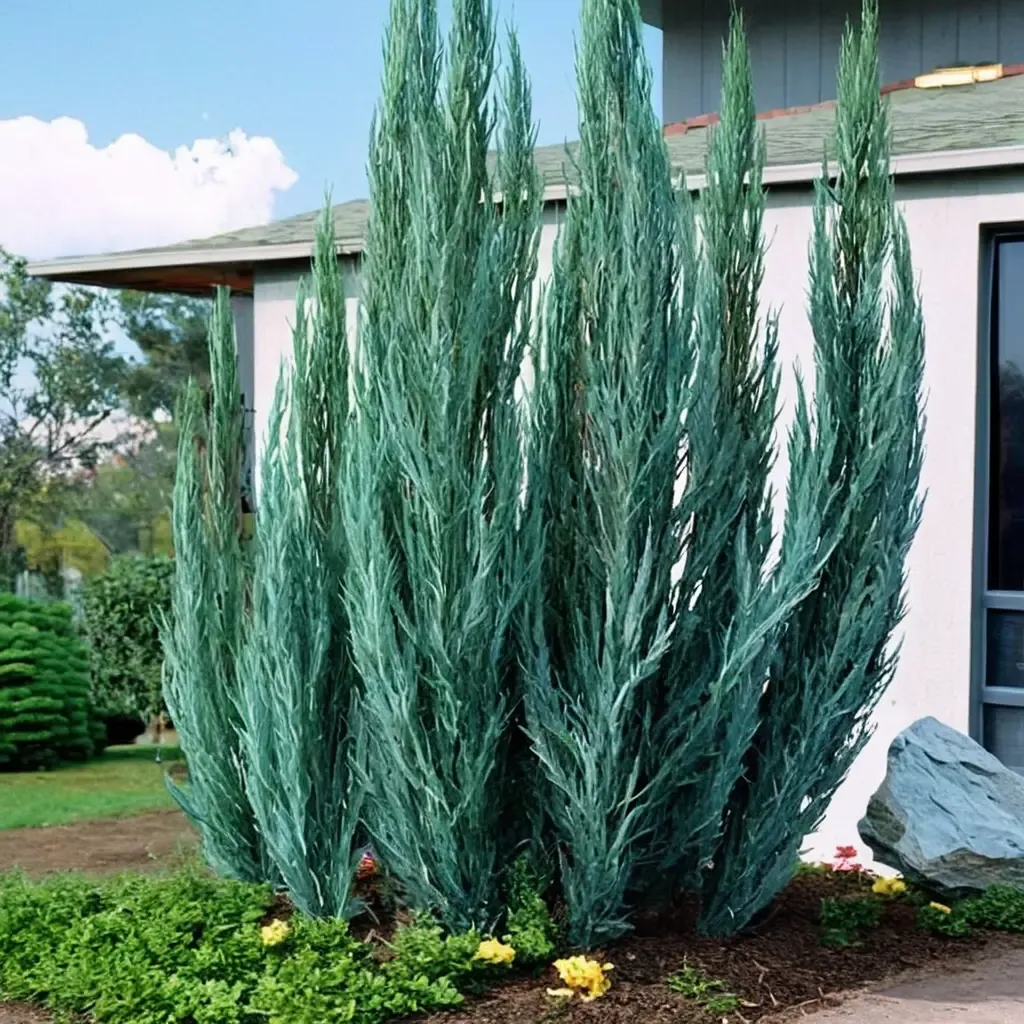
Skyrocket Juniper
Juniperus horizontalis 'Skyrocket'
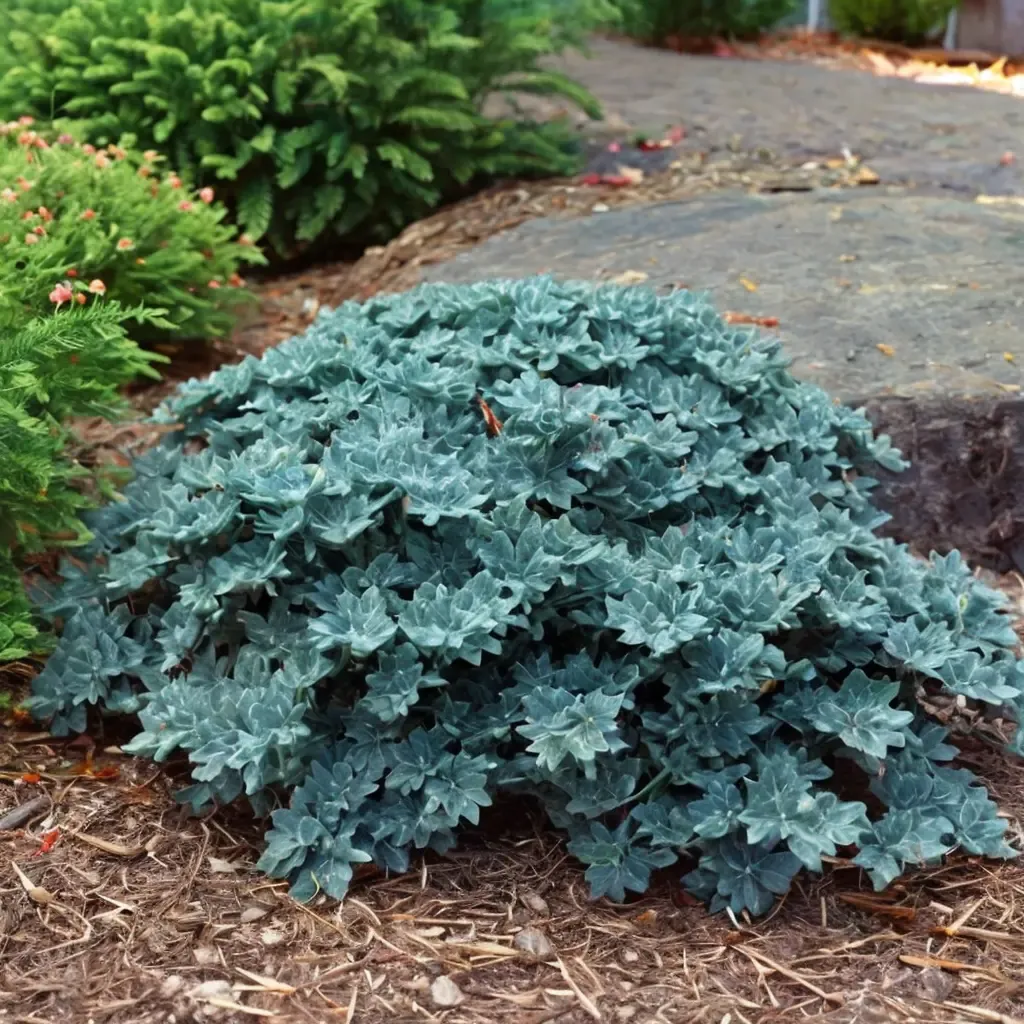
Blue Star Juniper
Juniperus squamata 'Blue Star'
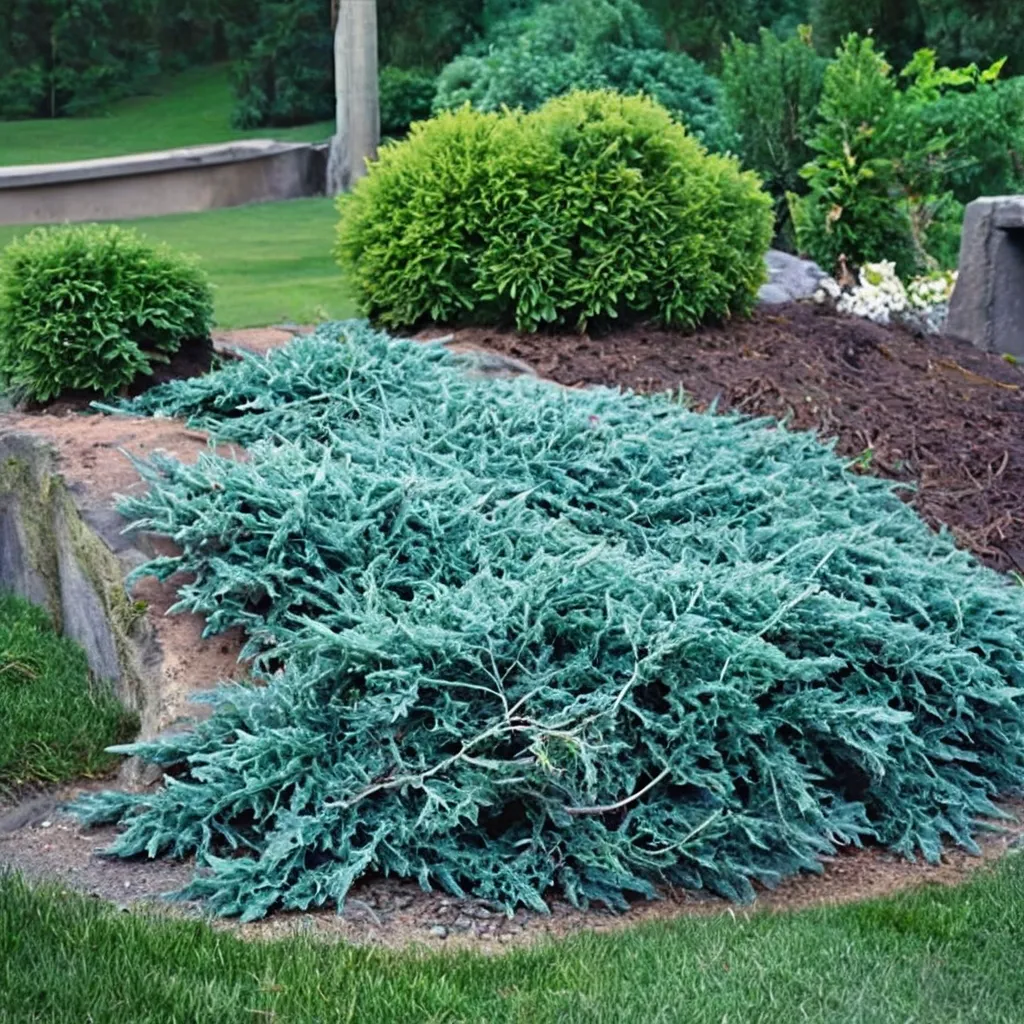
Blue Rug Juniper
Juniperus horizontalis 'Blue Rug'
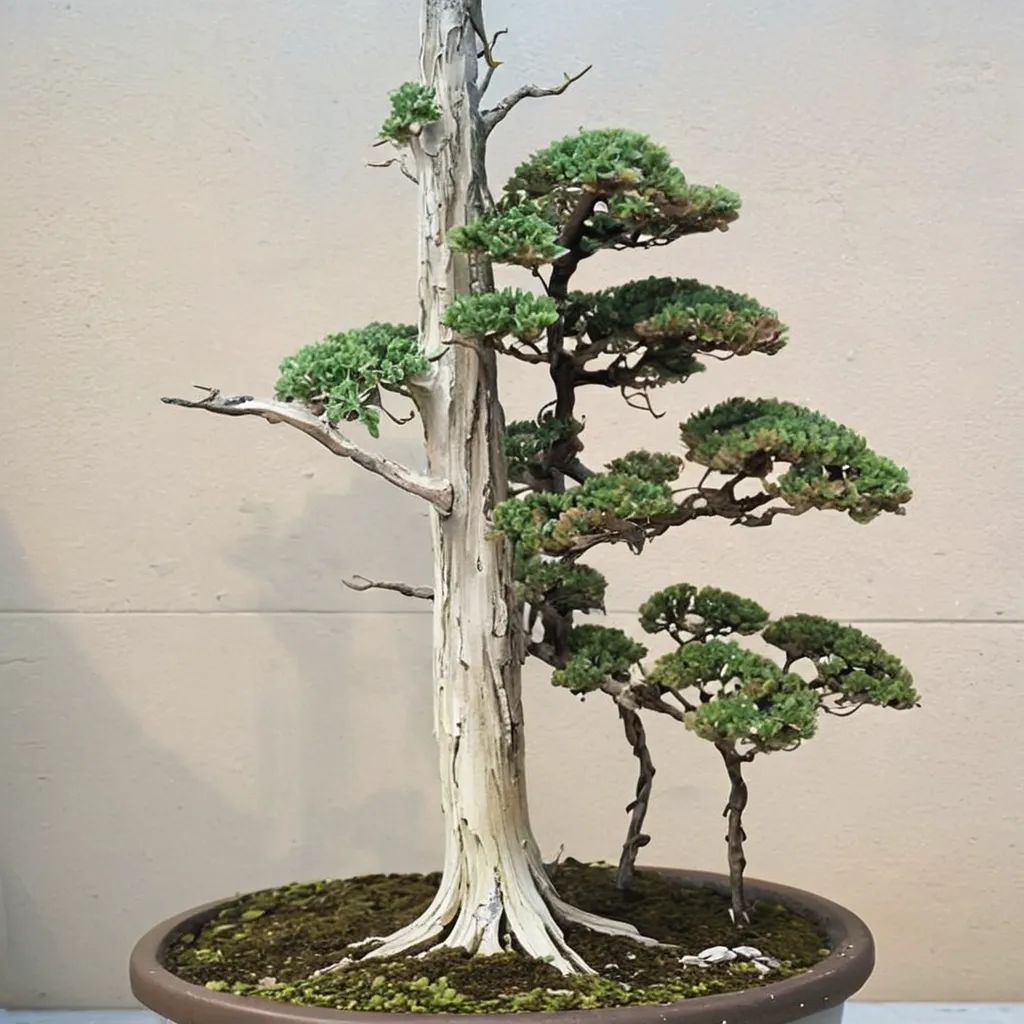
Foemina Chinese Juniper
Juniperus chinensis 'Foemina'
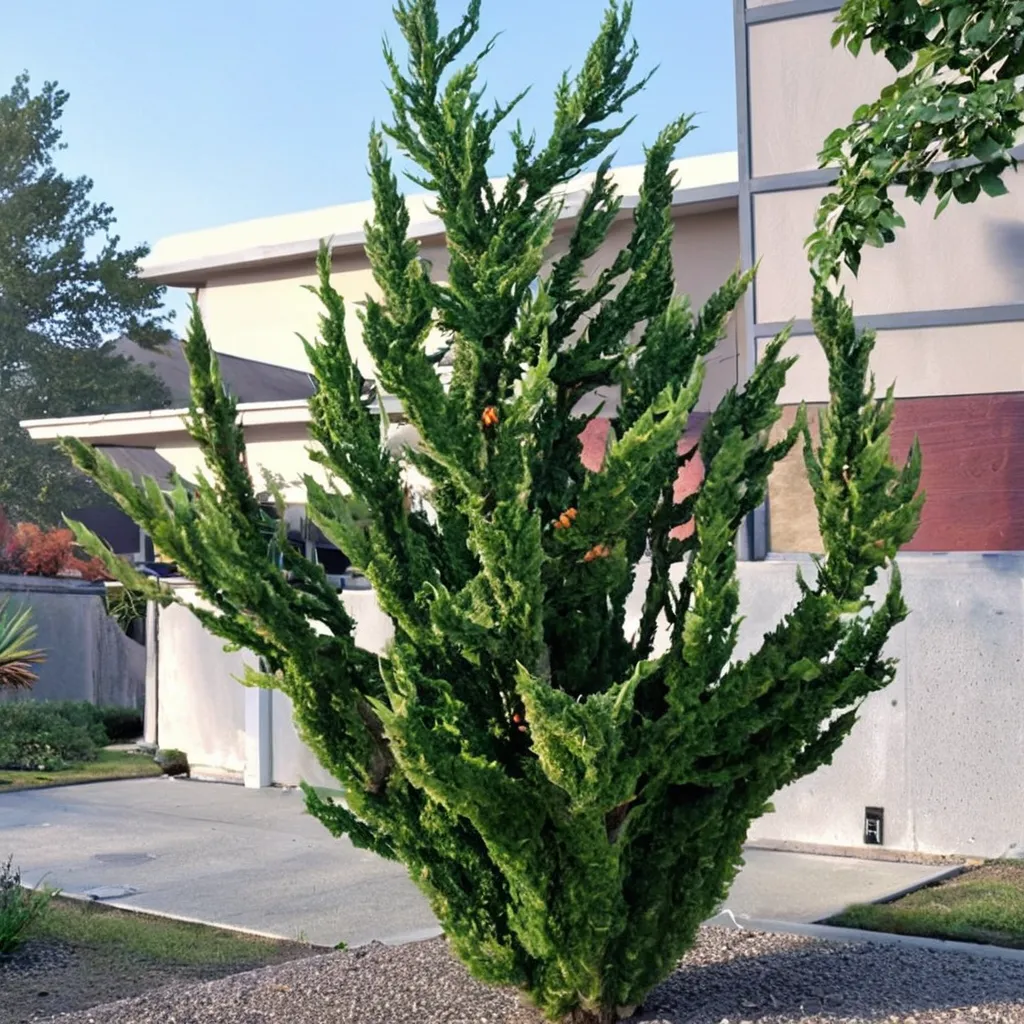
Hollywood Juniper
Juniperus chinensis 'Kaizuka'
Keep exploring
Explore the genus
Grow Andorra Juniper with confidence
See it in a design of your actual yard, get zone-matched care reminders, and track it season by season in your garden journal.