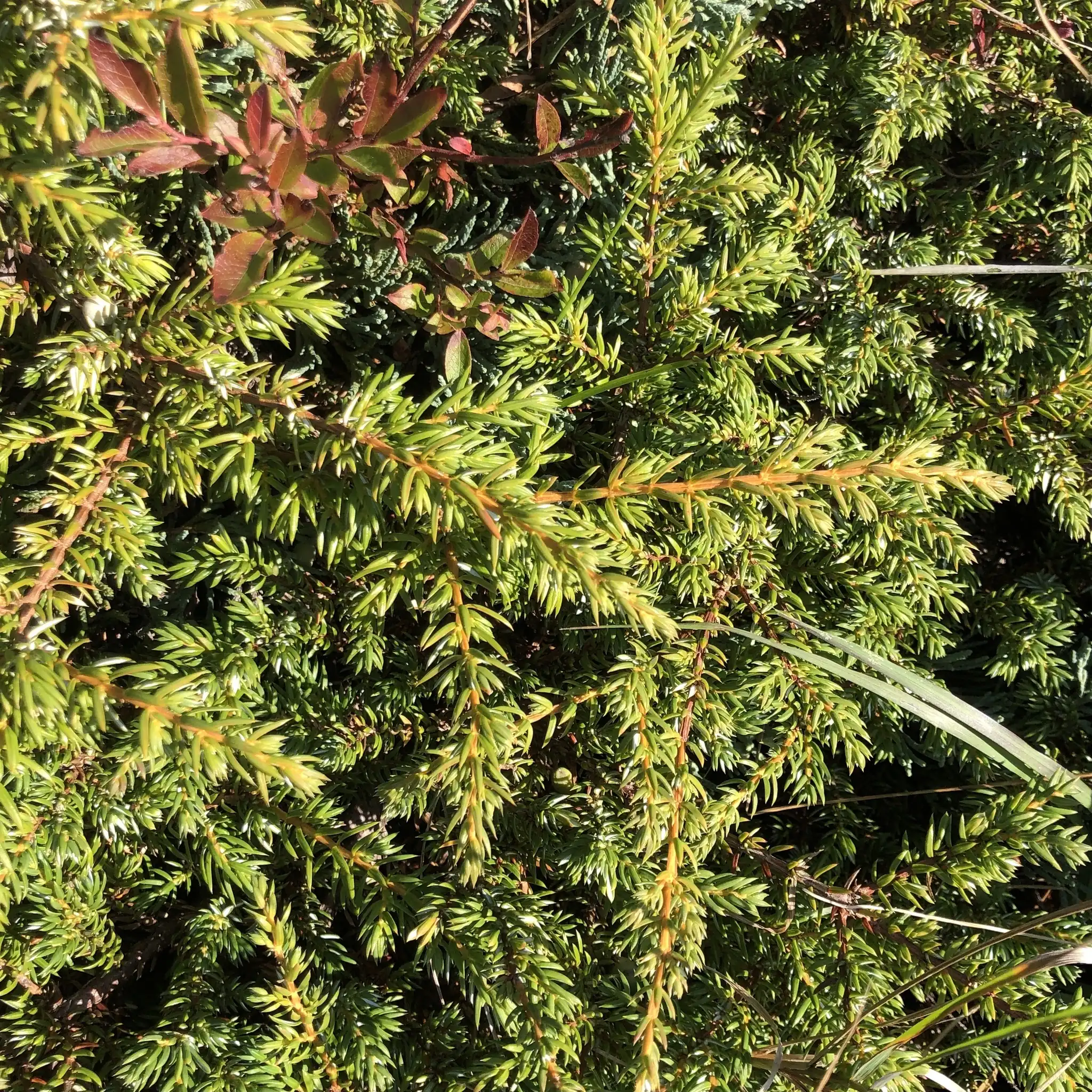
12 named cultivars
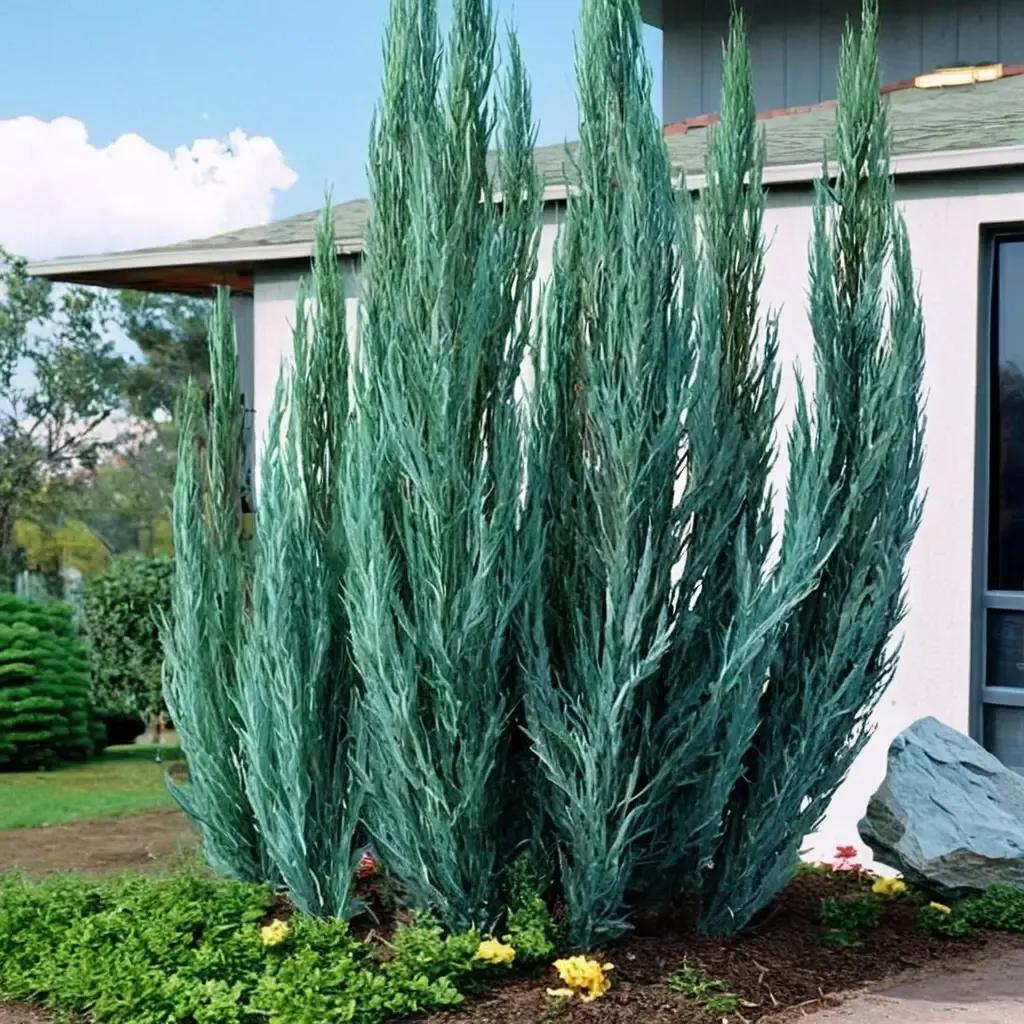 ‘Skyrocket’Skyrocket Juniper
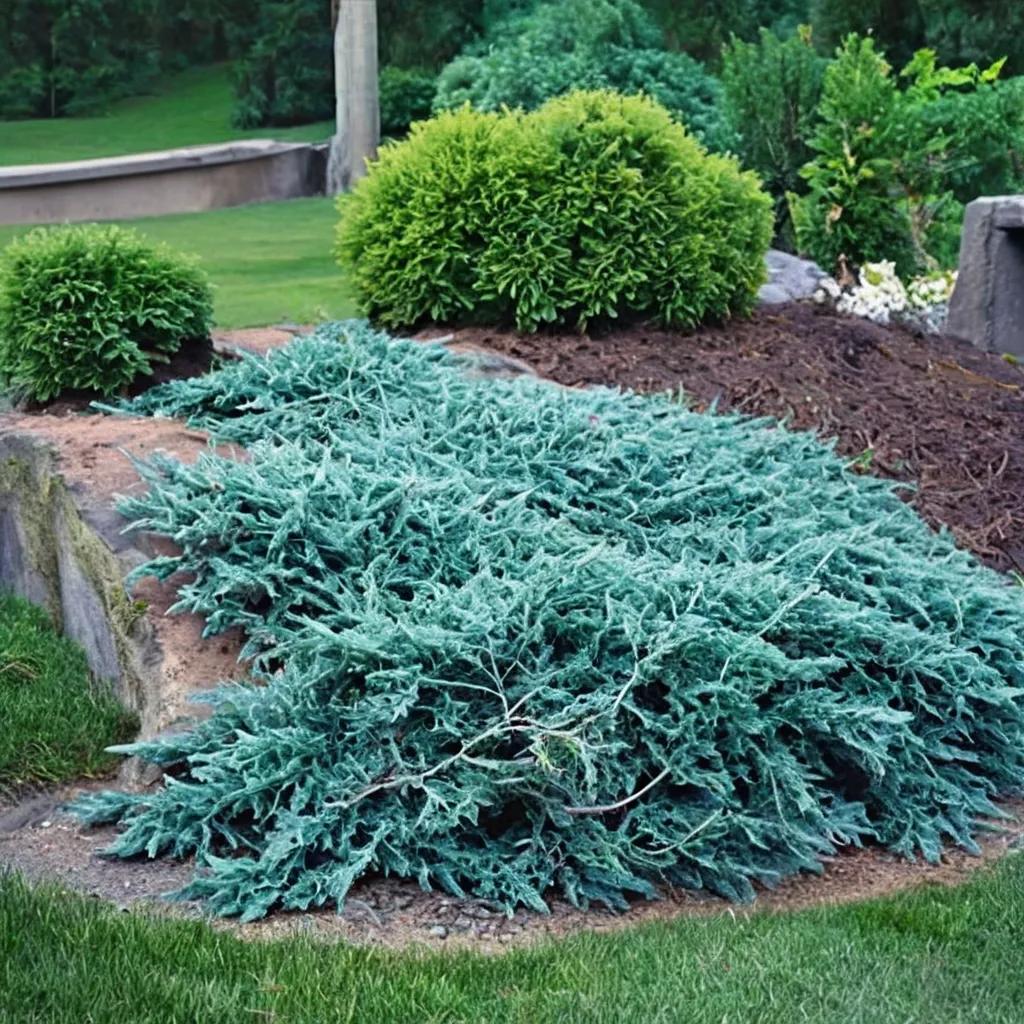 ‘Blue Rug’Blue Rug Juniper
 ‘Wiltonii’Wiltonii Blue Rug Juniper
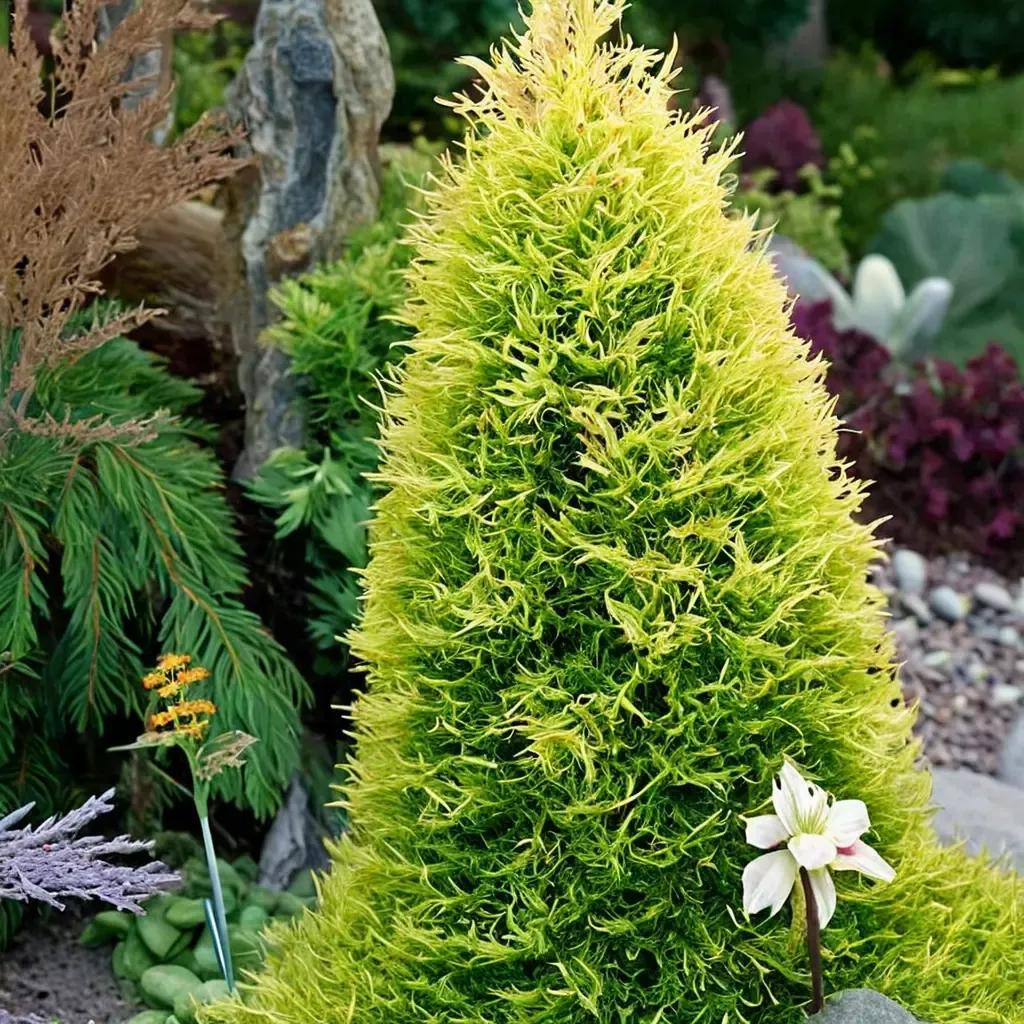 ‘Gold Cone’Gold Cone Juniper
 ‘Blue Pacific Shore’Blue Pacific Juniper
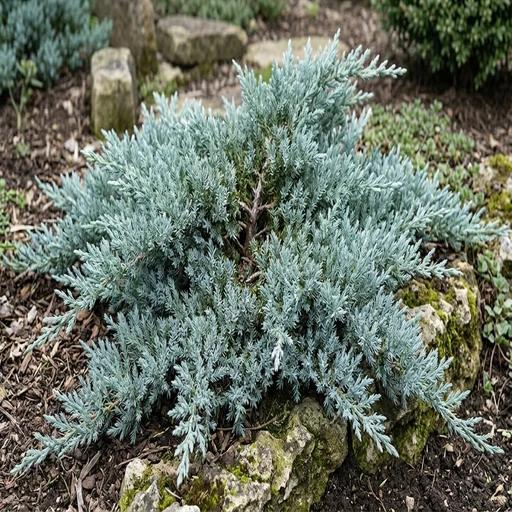 ‘Hughes’Hughes Creeping Juniper
 ‘Blue Chip’Blue Chip Juniper
 ‘Bar Harbor’Bar Harbor Juniper
 ‘Plumosa Compacta’Compact Andorra Juniper
 ‘Plumosa Compacta Youngstown’Youngstown Andorra Juniper
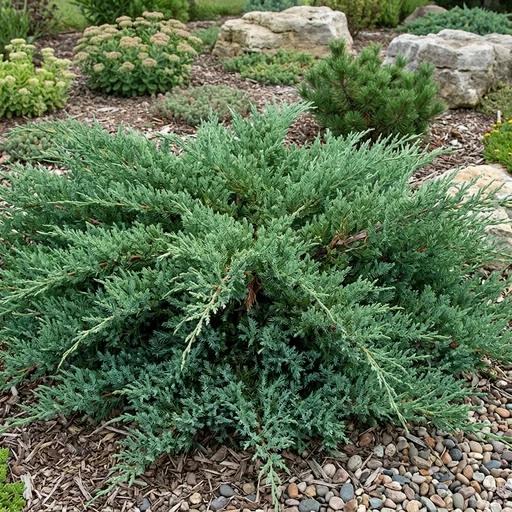 ‘Plumosa’Andorra Juniper
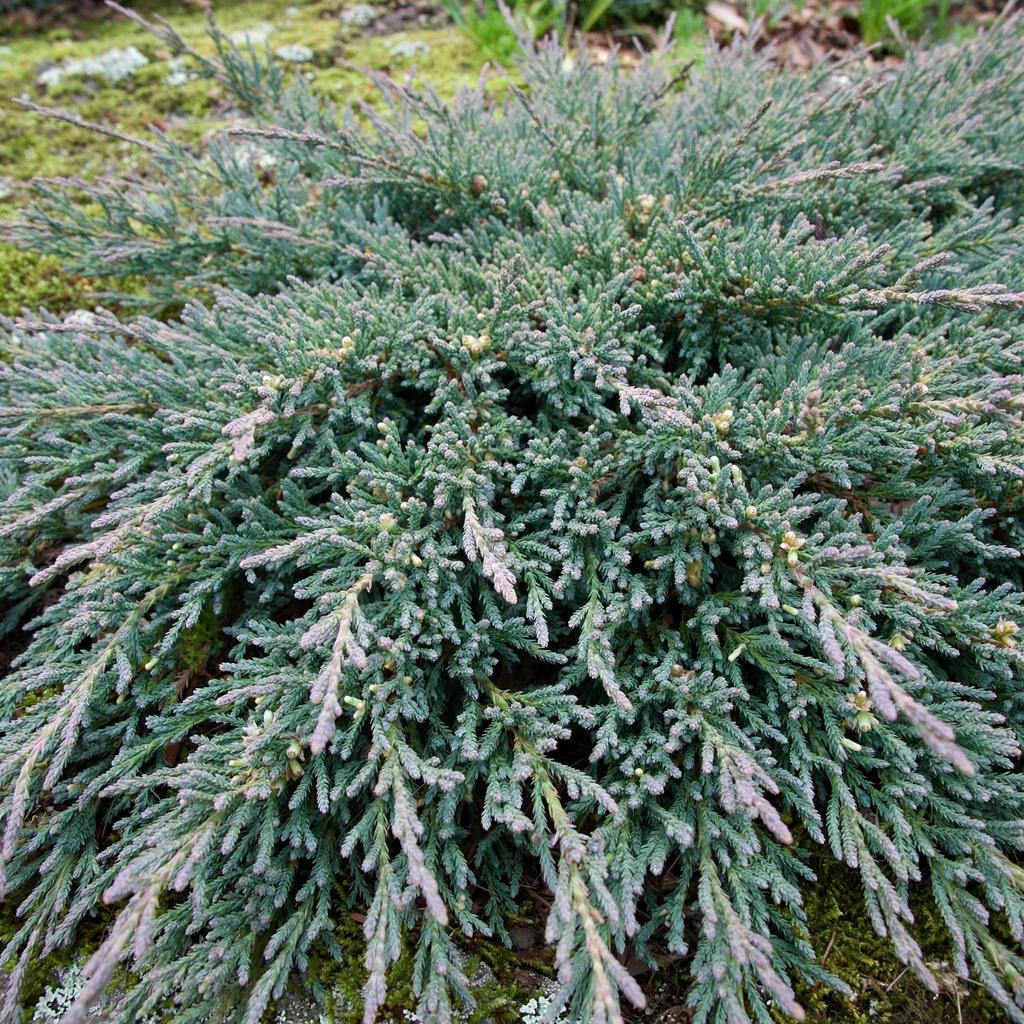 ‘pancake’Creeping Juniper
The Story
Plant Bio
Juniperus horizontalis, the creeping juniper, is a low needled evergreen shrub native across northern North America and much of Canada. It rarely exceeds 6 to 18 in tall but spreads 4 to 10 ft, laying flat mats of trailing branches over rock and gravel. Foliage is green to blue-green through summer and often takes a purple cast in winter.
It is one of the few evergreens that will hold a dry sunny bank or drape a rock wall without irrigation once rooted. Cones are blue, berry-like and carried on recurved stalks in the second year after pollination, though many named clones never set them. Growth is by long ground-hugging leaders rather than by thickening upwards.
Uses & Benefits:
Essentials
At a Glance
Plant Type
Shrub
Height
14"
Width
84"
Light
Full Sun
Zones
4, 5, 6, 7, 8, 9
Water
Low once established
Humidity
Tolerates dry air; dislikes stagnant damp
Lifespan
Long-lived; over 30 years
Native To
Northern North America and Canada
Toxicity
Not classed as poisonous; foliage can irritate skin
Planting
How to Grow
- Pick an open site in full sun with sharp drainage.
- Space plants 4 to 6 ft apart to allow for the spread.
- Plant slightly proud of the surrounding grade on heavy soil.
- Mulch with gravel rather than bark to keep stems dry.
- Water weekly in the first season, then only in drought.
- Trim wayward leaders back to a side branch inside living foliage.
Pro Tip
Gravel mulch instead of bark keeps the trailing stems dry underneath and greatly reduces branch dieback on flat plantings.
Keep It Thriving
Care Guide
Do
- Use it to hold a dry bank or spill over a wall 🪨
- Keep the crown clear of fallen leaves each autumn 🍁
- Space generously so mats meet rather than pile up 📏
- Prune back to a live side shoot inside the foliage ✂️
Don't
- Do not plant it where soil stays wet or shaded ❌
- Do not walk on the mats; crushed stems do not recover ❌
- Do not let bark mulch pile up over the trailing stems ❌
Seasonal Care Calendar
| Task | Jan | Feb | Mar | Apr | May | Jun | Jul | Aug | Sep | Oct | Nov | Dec |
|---|---|---|---|---|---|---|---|---|---|---|---|---|
| Check For Bagworms | ||||||||||||
| Prune Dead Tips |
Watch Out For
Pests & Diseases
Common Pests
Common Diseases
In the Garden
Landscape Uses & Companions
Landscape Uses
Multiply
Propagation Methods
Good to Know
Common Questions
Creeping Juniper questions
What zones can Creeping Juniper grow in?
Creeping Juniper is hardy in USDA Zones 4–9. Inside that range it survives winter in the ground; outside it, grow it as an annual or a container plant you protect.
Is Creeping Juniper deer resistant?
Yes — Creeping Juniper is rated deer-resistant. Deer typically pass it over, though extreme hunger can override any plant's defenses.
When does Creeping Juniper bloom?
Creeping Juniper typically blooms in spring to summer, insignificant. Exact timing shifts a week or two with your zone — Sow's bloom calendar maps it to your garden.
Does Creeping Juniper need full sun?
Creeping Juniper does best in full sun (6+ hours).
Is Creeping Juniper drought tolerant?
Yes — once established (usually after the first full season), Creeping Juniper handles dry spells with minimal watering. Water deeply its first year to build the root system that makes that possible.
More Juniperus to compare
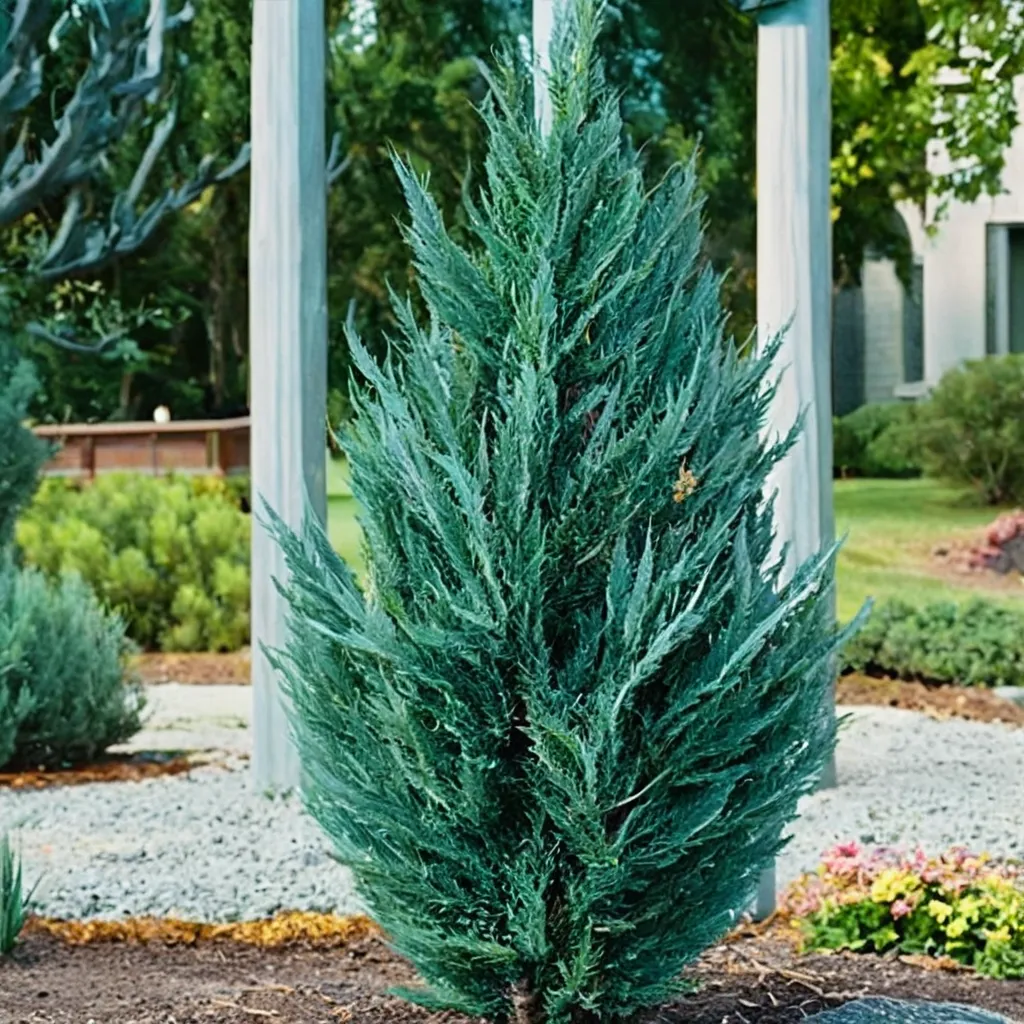
Blue Point Juniper
Juniperus chinensis 'Blue Point'
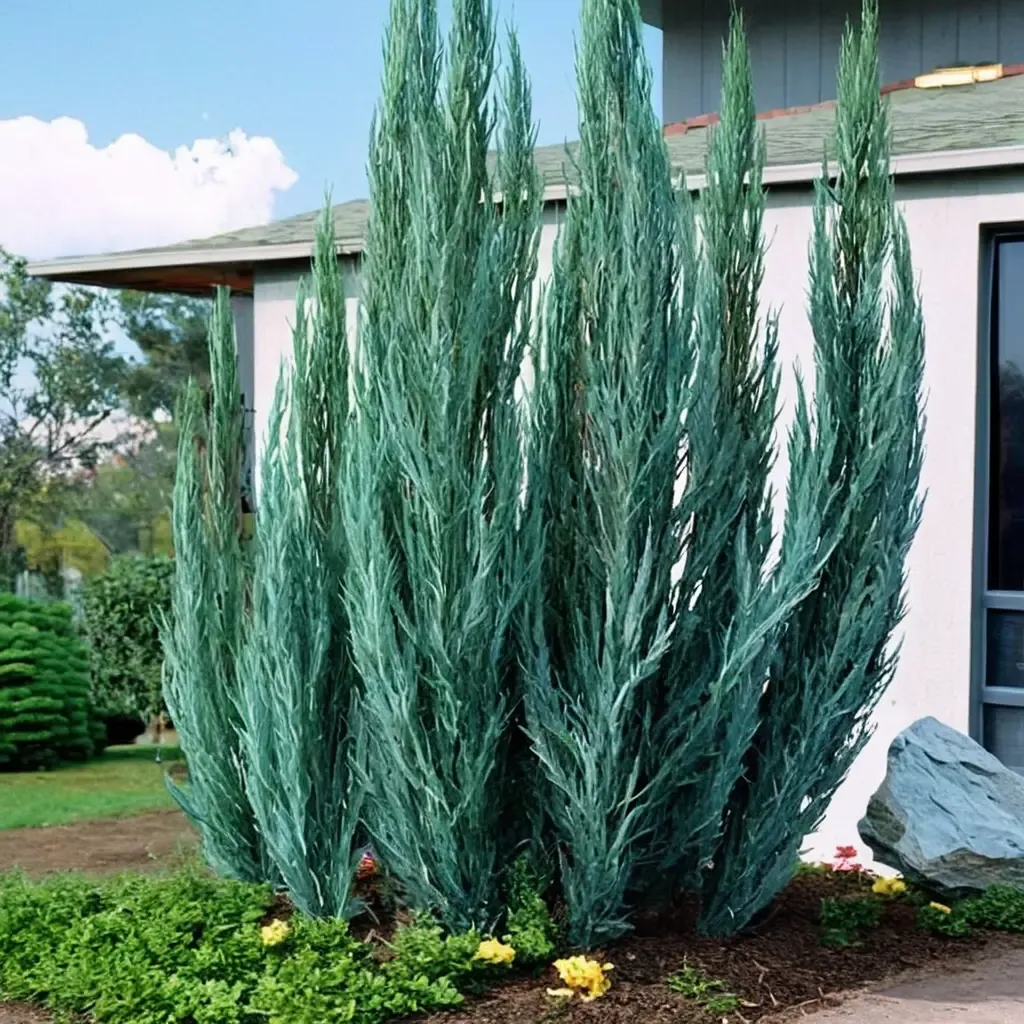
Skyrocket Juniper
Juniperus horizontalis 'Skyrocket'
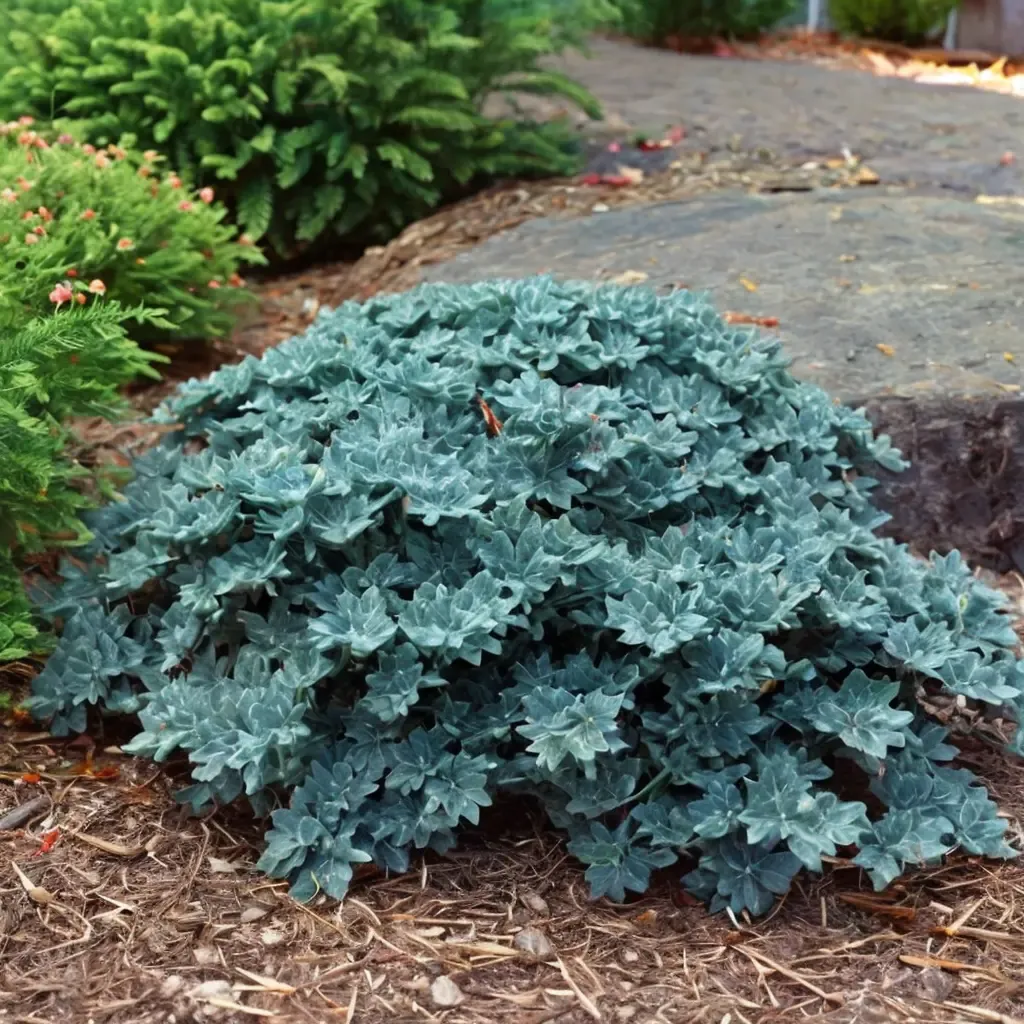
Blue Star Juniper
Juniperus squamata 'Blue Star'
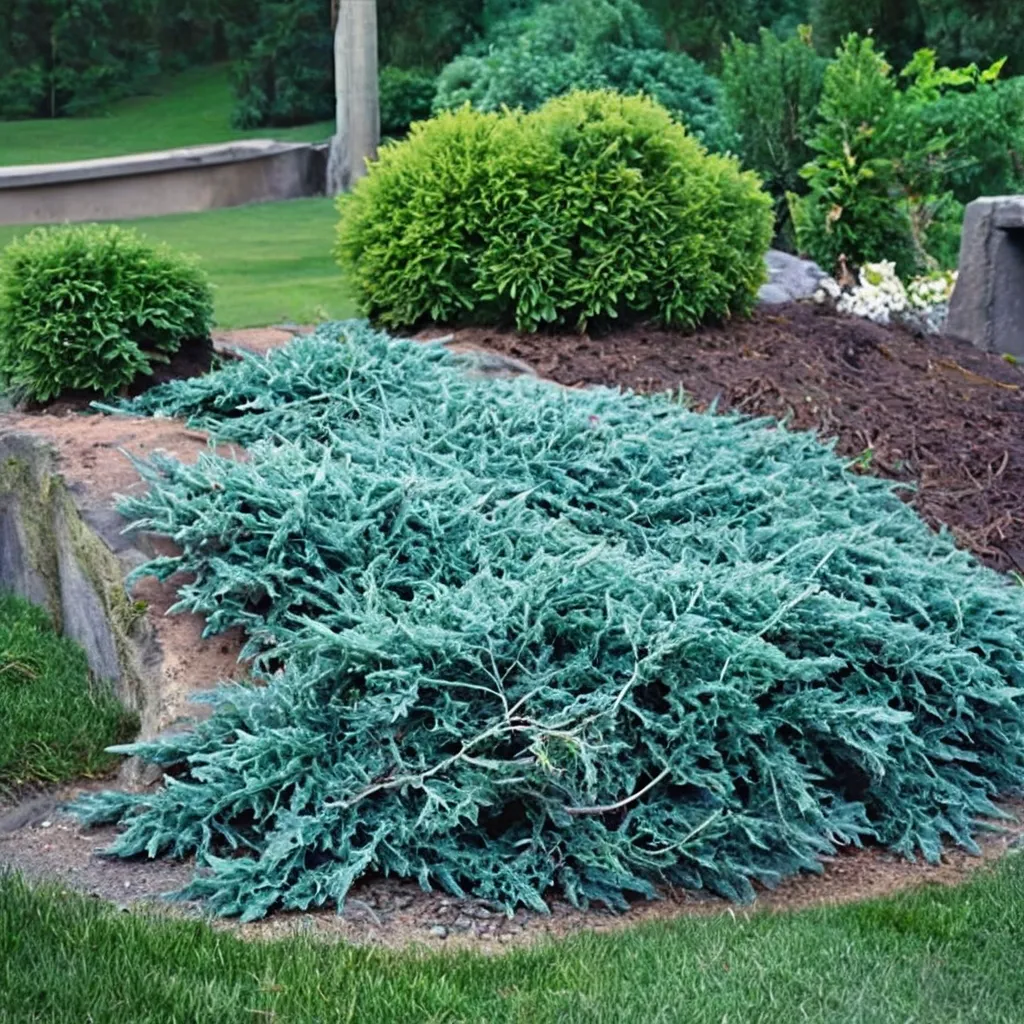
Blue Rug Juniper
Juniperus horizontalis 'Blue Rug'
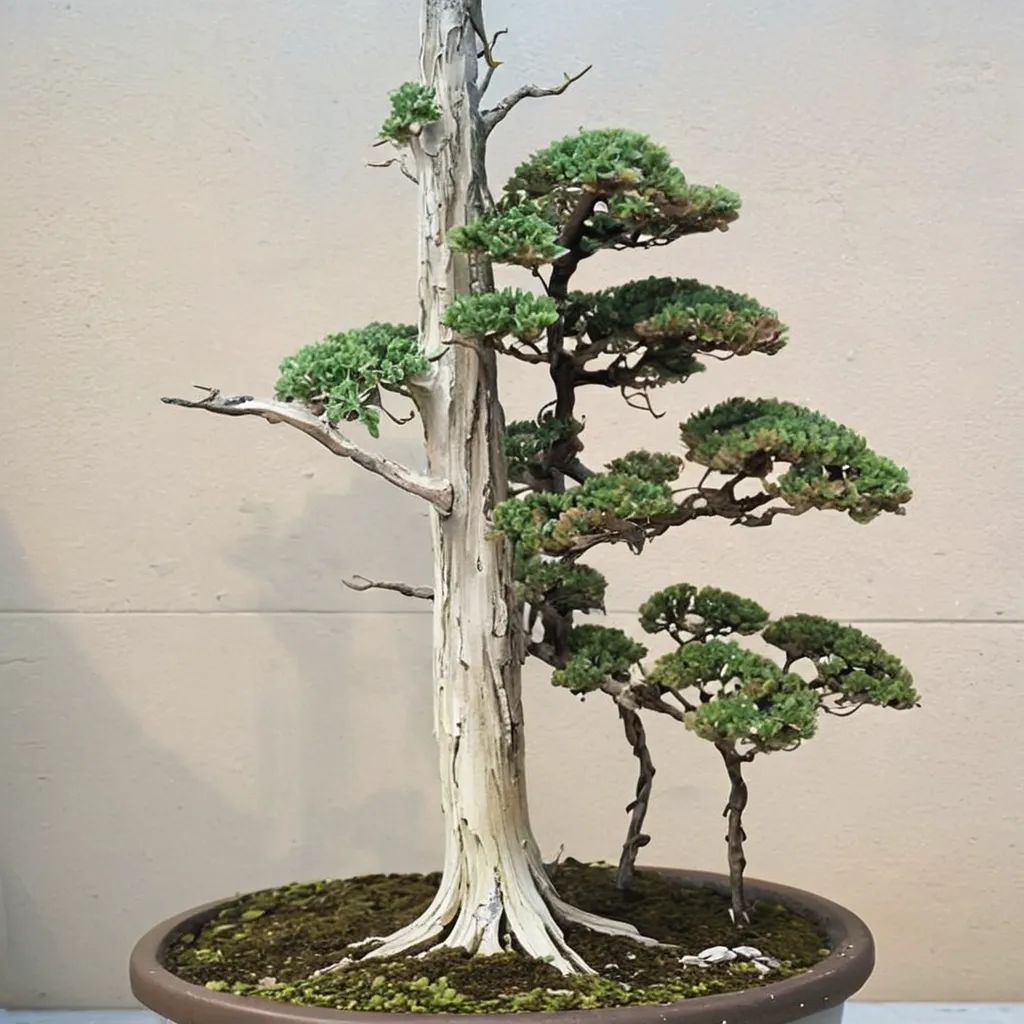
Foemina Chinese Juniper
Juniperus chinensis 'Foemina'
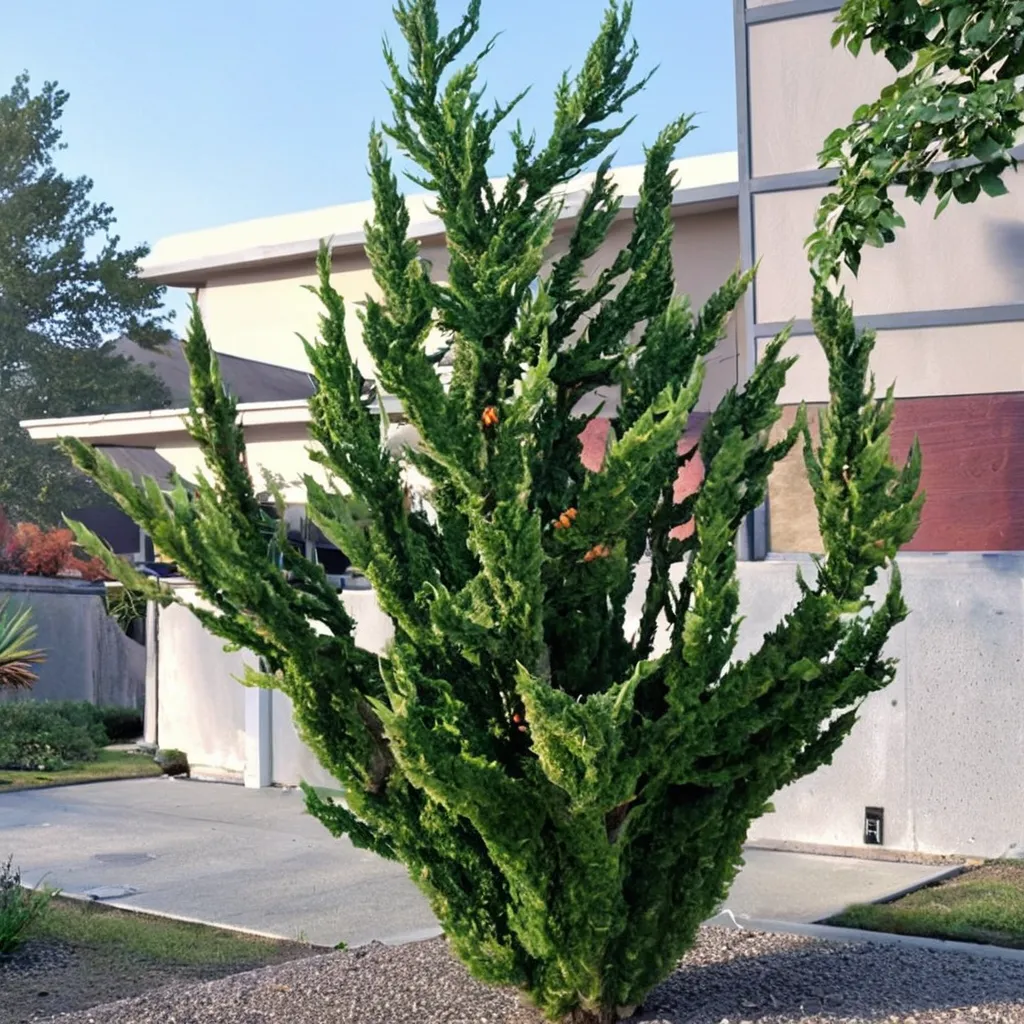
Hollywood Juniper
Juniperus chinensis 'Kaizuka'
Keep exploring
Explore the genus
Grow Creeping Juniper with confidence
See it in a design of your actual yard, get zone-matched care reminders, and track it season by season in your garden journal.