Almost every plant tracker on the app store is really a houseplant tracker. They assume a fixed watering interval, a stable indoor temperature, and a collection you can count on two hands. Take them outside and the model falls apart: it is raining, it is August, half the garden is dormant, and a calendar reminder telling you to water is worse than no reminder at all.
Sow tracks outdoor gardens. It knows which of your spaces gets sun, what you planted in each, what your local forecast is doing this week, and what a given plant needs in this specific month — so the task list reflects the garden you actually have.
Track by space, not by pot
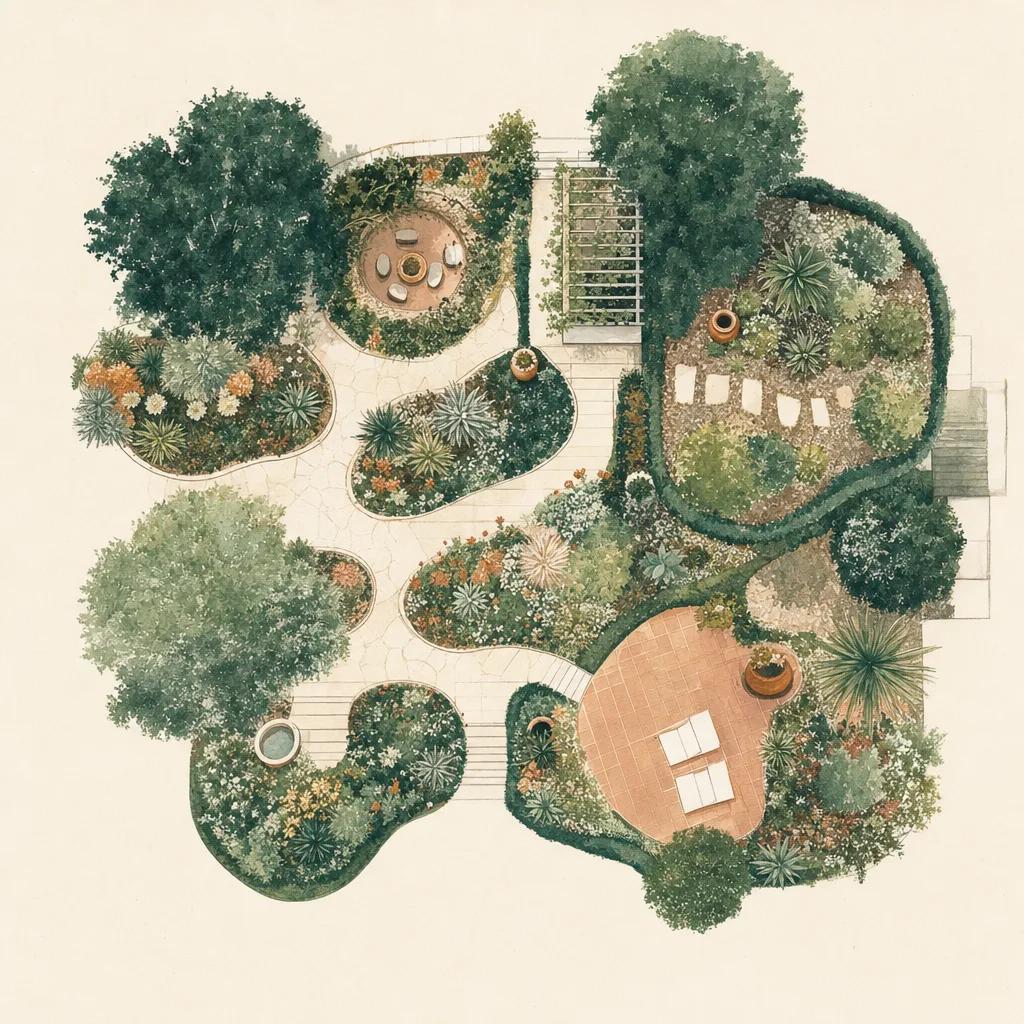
Outdoor gardens are organised by place: the front bed, the side border, the patio containers, the vegetable patch. Sow lets you set up each space, add the plants growing in it, and track them together — because "what needs doing in the back border this week" is the question you actually ask.
Care that watches the weather
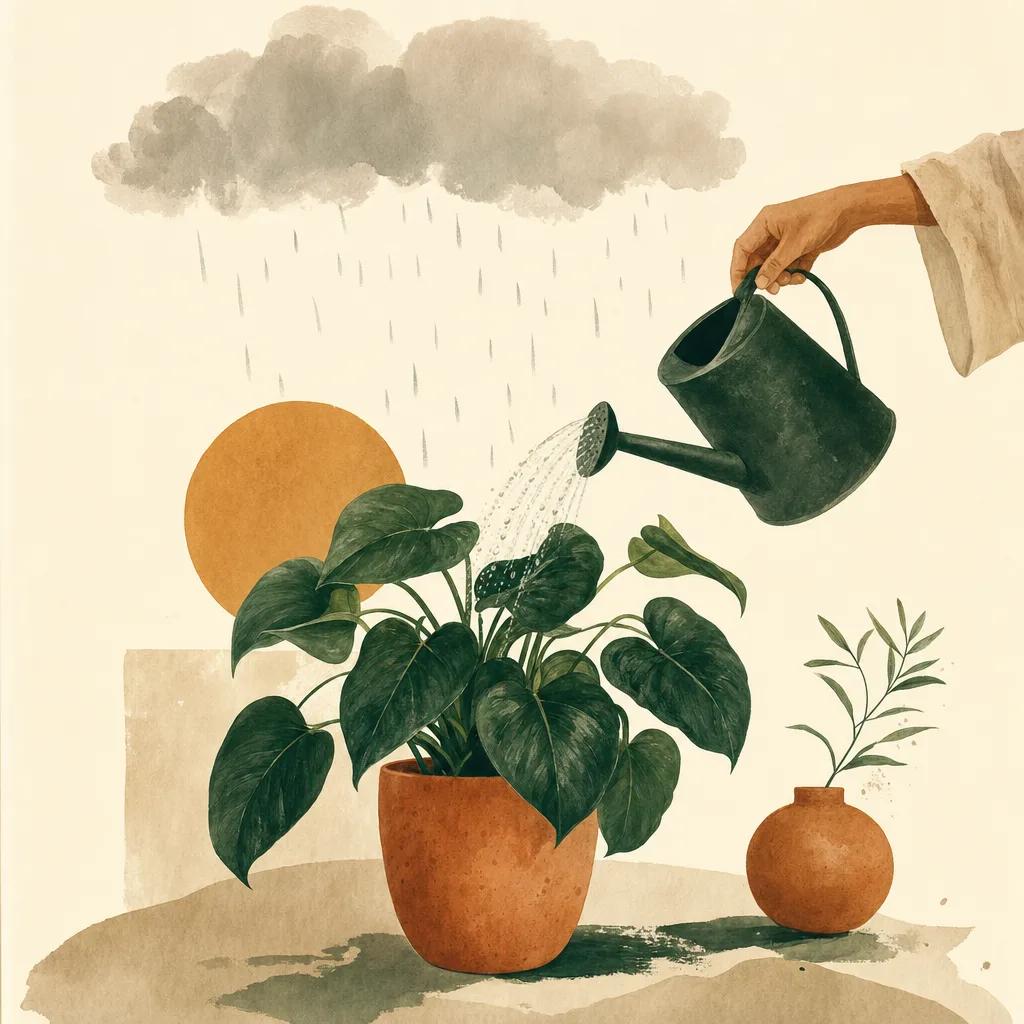
If it rained two inches on Tuesday, you should not be told to water on Wednesday. Sow builds each week from your real local forecast and rainfall, so watering tasks stand down when nature handles it and frost warnings arrive before the frost does. Fixed-interval reminders cannot do this — they are not looking out of the window.
A history that compounds
The value of a garden tracker is not this week — it is year three, when you can look back and see exactly when the peonies opened last spring, which corner never thrived, and what you replaced it with. Sow keeps a timeline of photos, plantings, and care for every space, so the record gets more valuable the longer you use it.