The short answer: plant what is rated for your USDA hardiness zone — the standardized measure of your area's average coldest winter temperature. Perennials, shrubs and trees rated for your zone (or colder) will survive winter; anything rated warmer is an annual or a gamble. Your zone comes from your zip code, and Sow detects it automatically the moment you set your location.
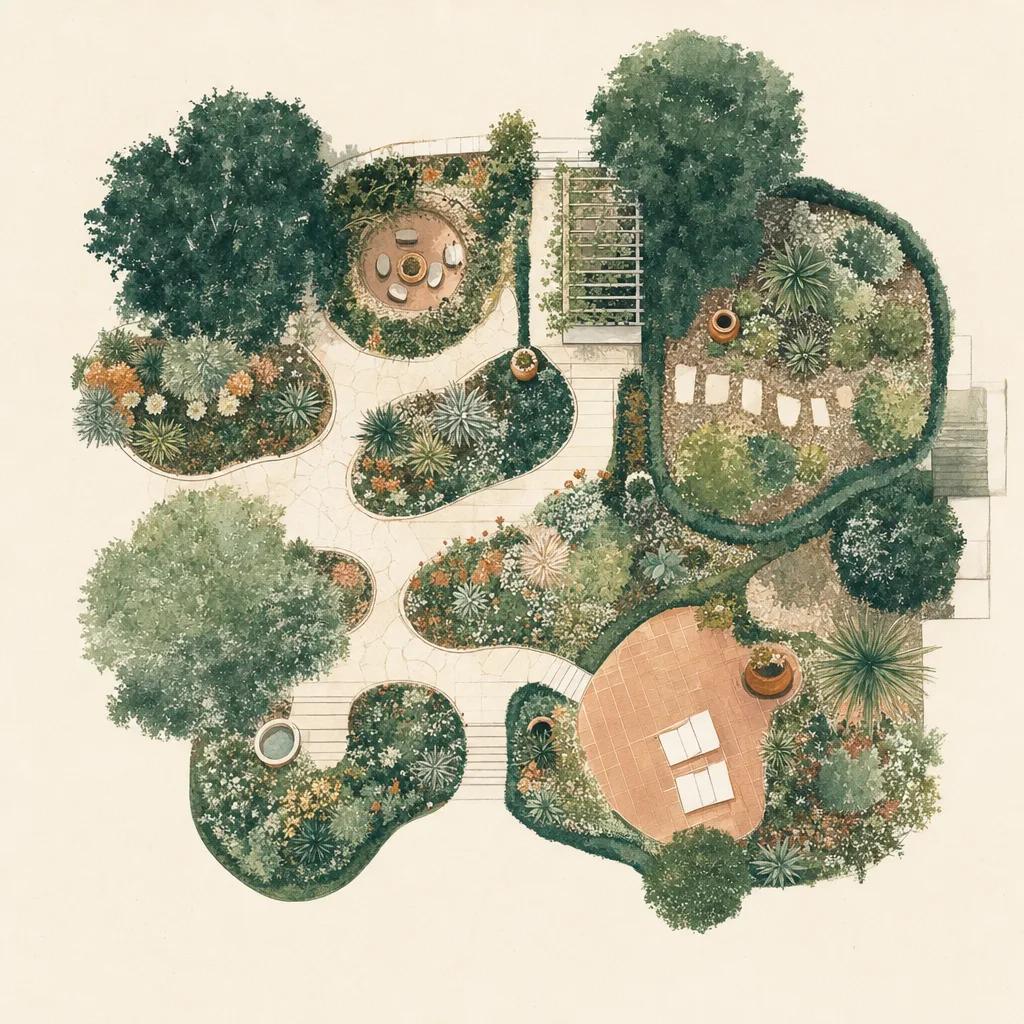
Zone is the first filter, not the whole answer. Within your zone, the right plant for a spot also depends on sun exposure, soil moisture, mature size and what you want the plant to do. Sow layers all of those filters over a 10,000+ plant library so "what can I plant here?" becomes a browsable list instead of a research project.
What USDA hardiness zones actually mean
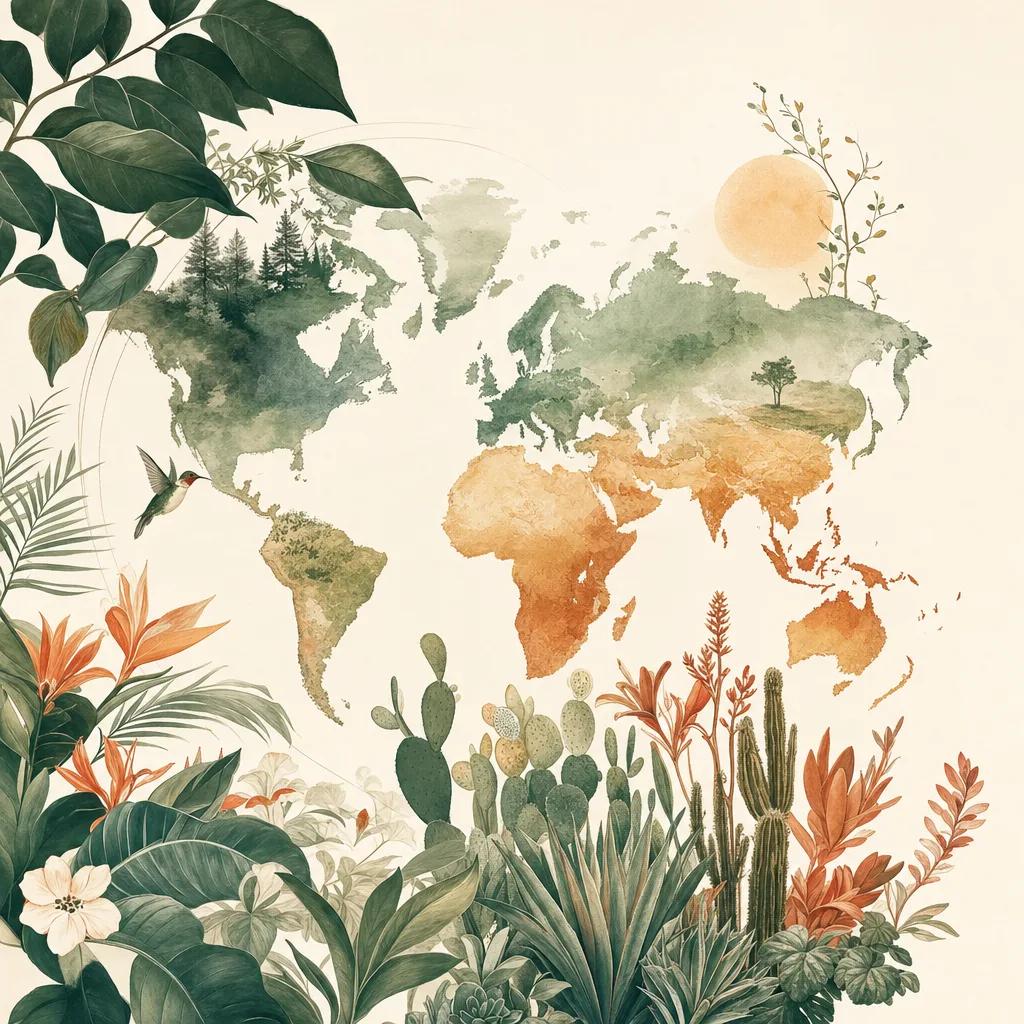
The USDA map divides North America into zones by average annual minimum winter temperature, in 10°F bands (each split into a and b half-zones of 5°F). A plant "hardy to zone 5" survives winters that average -20°F at their coldest. If you are in zone 7, you can grow plants rated for zones 7 and colder (6, 5, 4...) as perennials; zone 8+ plants will likely die over winter.
Zones changed in the 2023 USDA update — about half of the U.S. shifted a half-zone warmer — so if you learned your zone years ago, it is worth rechecking.
Beyond zone: sun, space and purpose
Two zone-7 yards can support completely different plants depending on sunlight. Full sun means 6+ hours; part shade 3–6; full shade under 3. Add mature size (that cute one-gallon shrub may want 8 feet), moisture, and purpose — privacy screening, pollinator support, four-season structure — and the honest plant list narrows fast. Sow's filters handle every one of these dimensions, including traits like Native, Butterfly Host and Pet Safe.
Microclimates: your yard is not one zone
South-facing walls, wind-exposed corners and low frost pockets can behave a half-zone warmer or colder than the map says. Mapping your yard in Sow — including its solar overlays — helps you notice these patterns and place borderline plants where they will actually make it.