Ranked by real gardeners
The Best Ornamental Grasses in Zone 6
Movement, texture, and winter structure no perennial can match. These are the grasses gardeners plant for the way they catch light and wind, ranked by how many actually grow them. Every variety here is proven hardy in Zone 6, able to take winter lows near -10°F — and the ranking is recomputed for this zone, so it reflects what actually thrives in your climate rather than a national list with a zone label added.
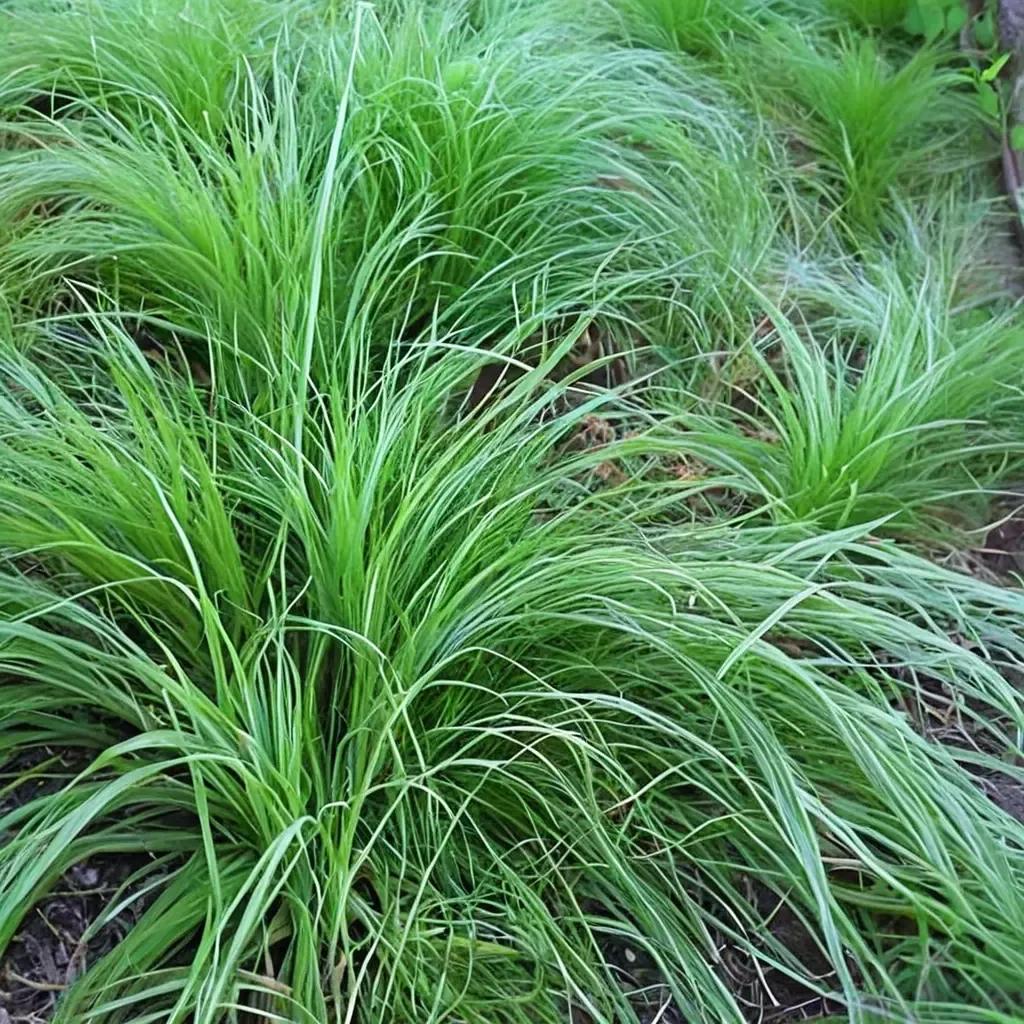
Sedge
The most-saved genus here, with 88 varieties in the full catalog. Sedges offer an exceptional range of textures for weaving through difficult sites.
Zones 4–8All 88 varieties →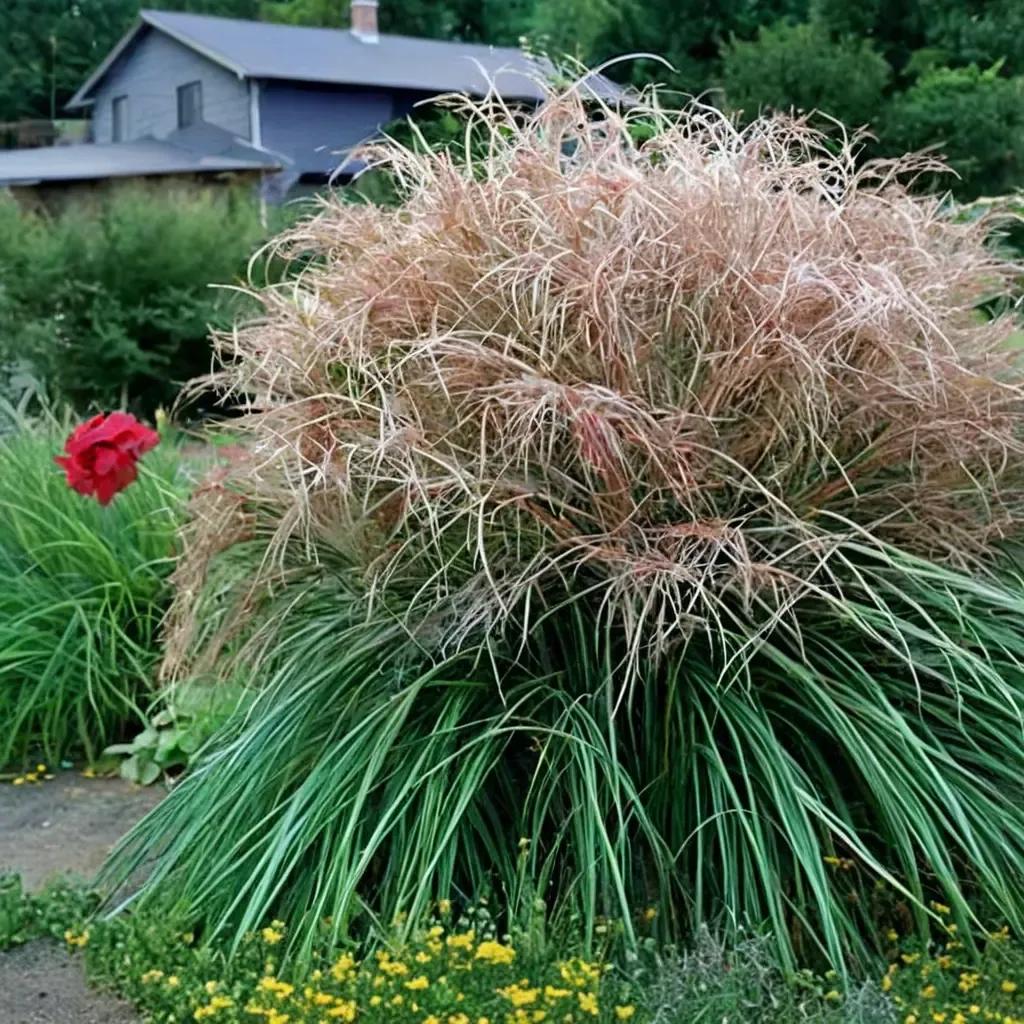
Silver Grass
The full catalog includes 28 varieties. Tall fountains and silvery plumes provide movement and winter presence; choose sterile types.
Zones 4–9All 28 varieties →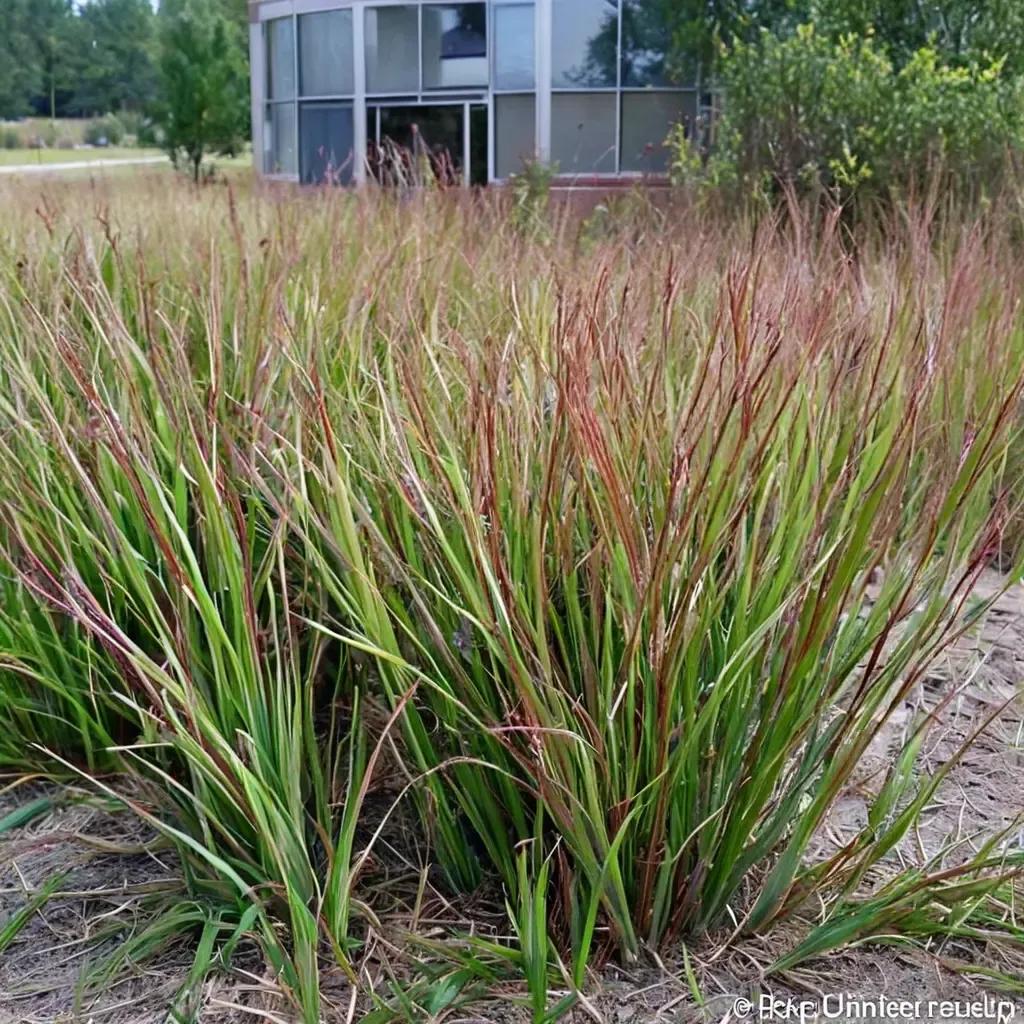
Switchgrass
Choose from 16 varieties across the full catalog. Upright native clumps carry airy seed heads and strong autumn color.
Zones 4–9All 16 varieties →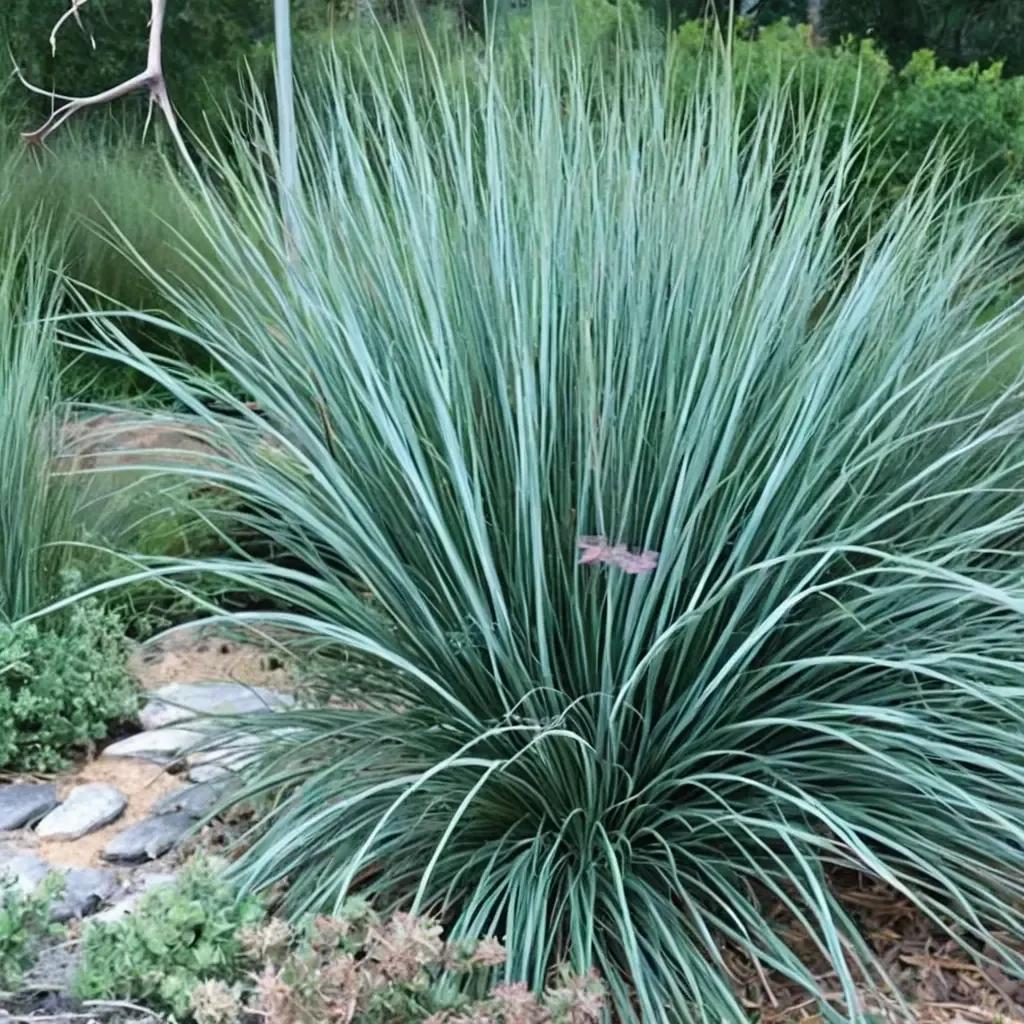
Little Bluestem
Catalog-wide, this genus spans 12 varieties. Blue-green prairie blades turn copper and hold sparkling seed heads into winter.
Zones 4–9All 12 varieties →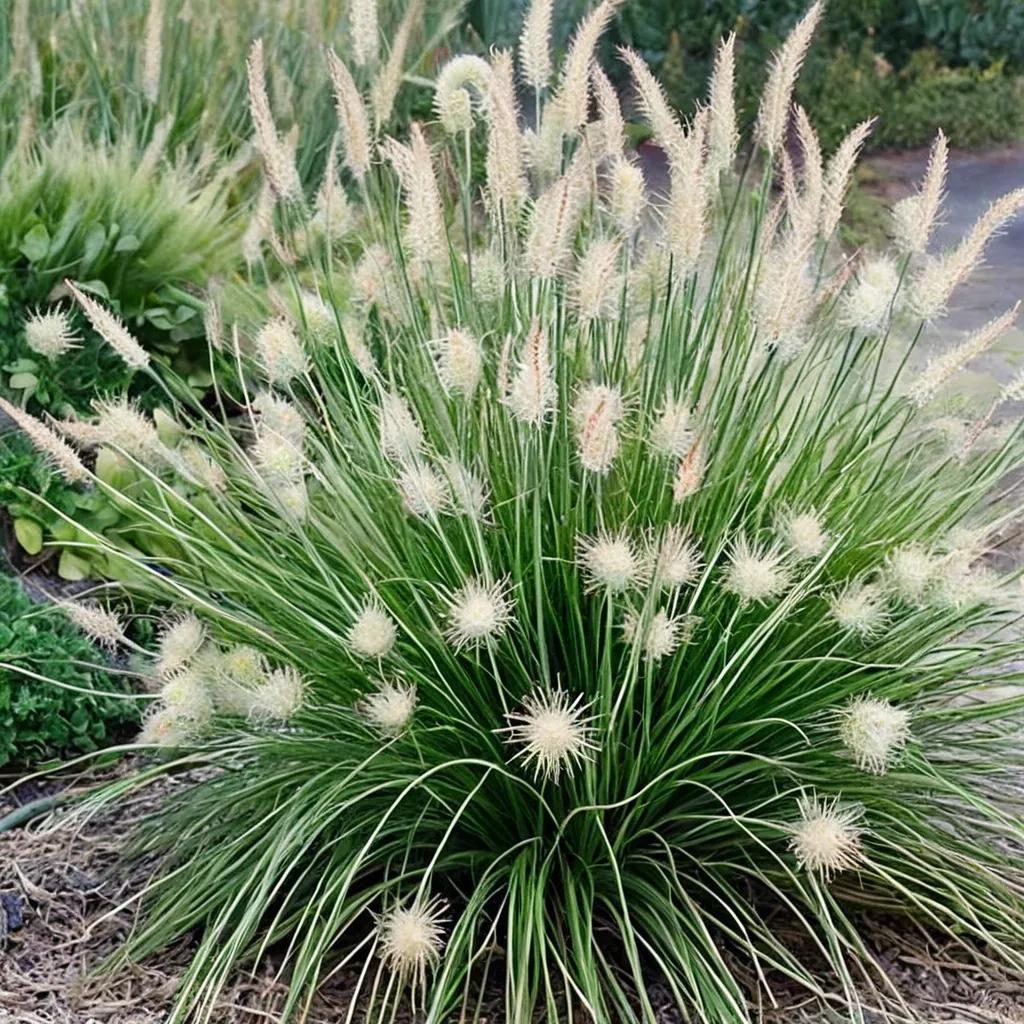
Fountain Grass
This genus has 24 varieties in the full catalog. Arching blades and bottlebrush plumes create a soft, fountain-shaped accent.
Zones 4–9All 24 varieties →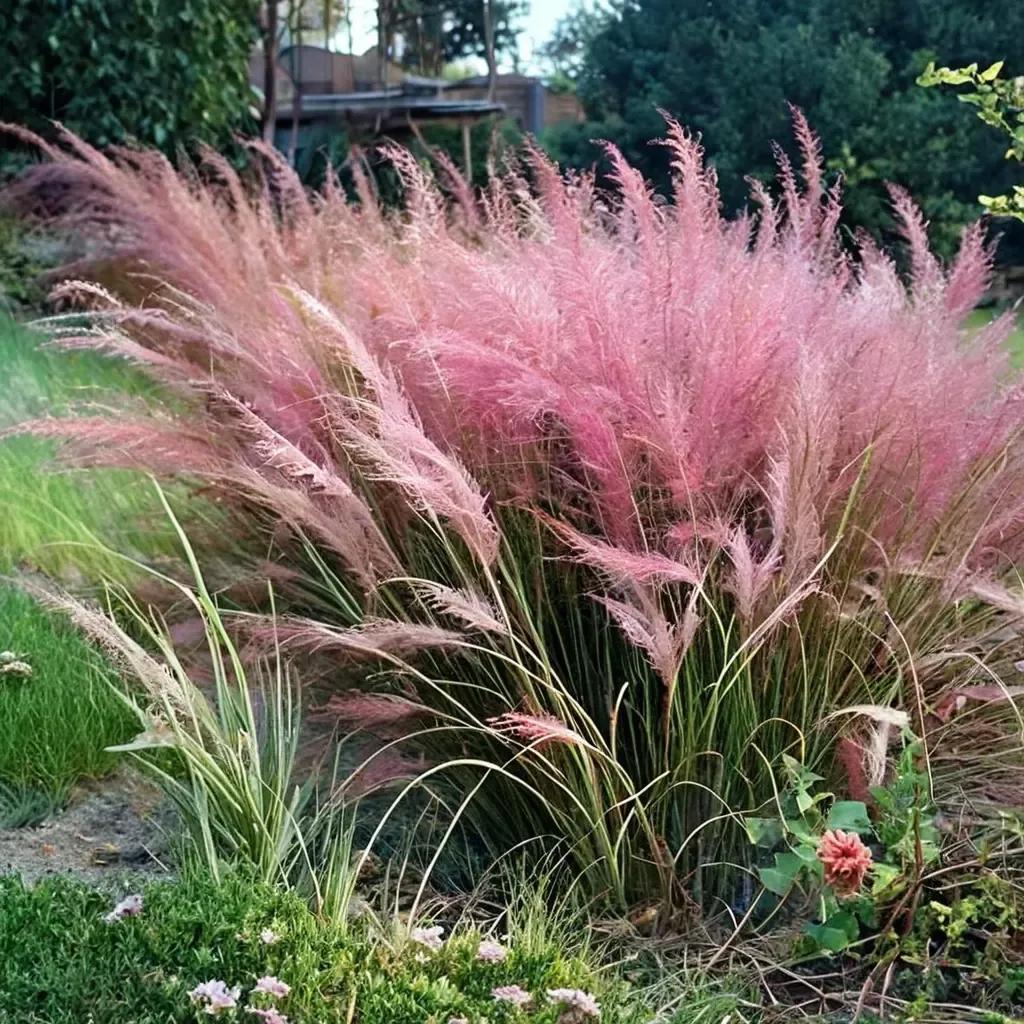
Muhly Grass
The full catalog includes 13 varieties. Airy pink or cream seed heads create a luminous cloud above fine foliage.
Zones 5–10All 13 varieties →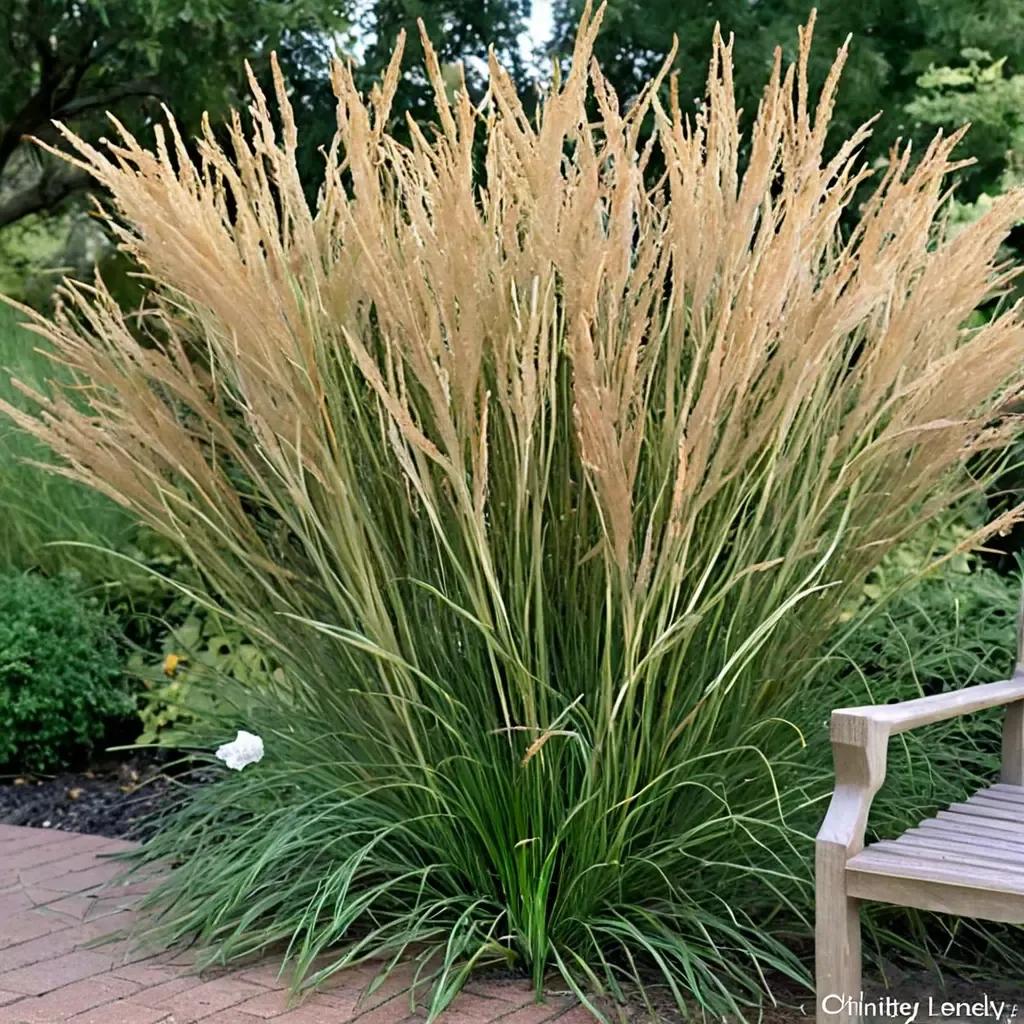
Feather Reed Grass
Choose from 11 varieties across the full catalog. Early, upright plumes provide structure without the bulk of larger grasses.
Zones 4–9All 11 varieties →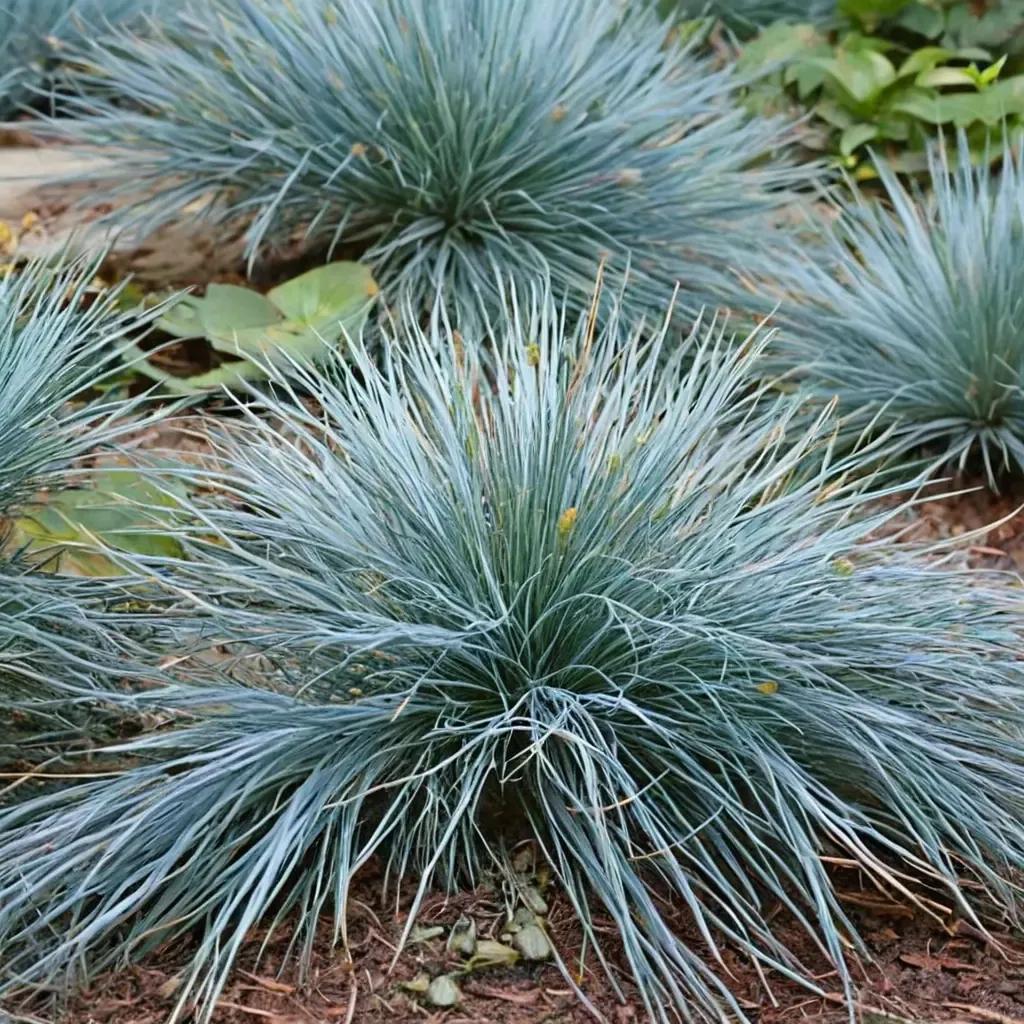
Fescue
Catalog-wide, this genus spans 6 varieties. Compact blue or green tufts sharpen an edge and stay effective beyond bloom season.
Zones 4–8All 6 varieties →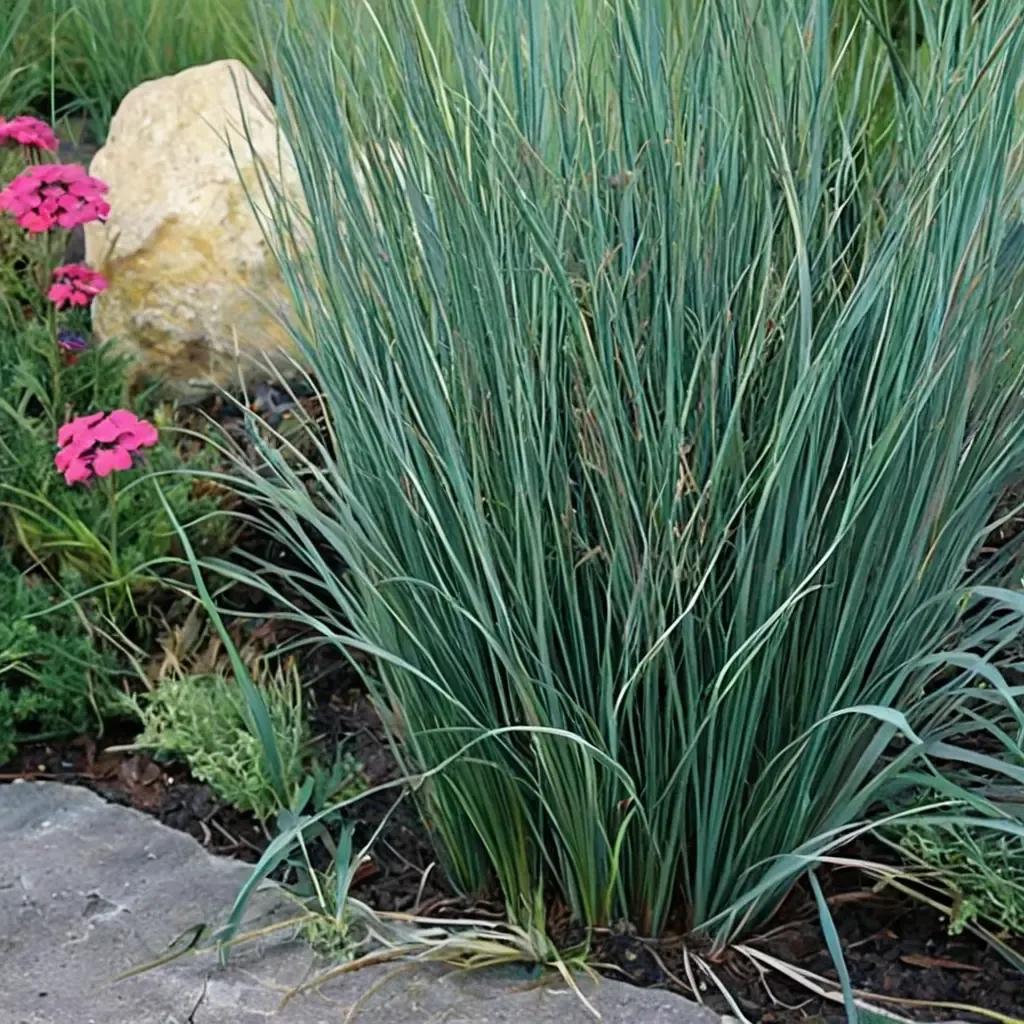
Rush
This genus has 13 varieties in the full catalog. Upright or curling stems add clean geometry to rain gardens and wet edges.
Zones 4–9All 13 varieties →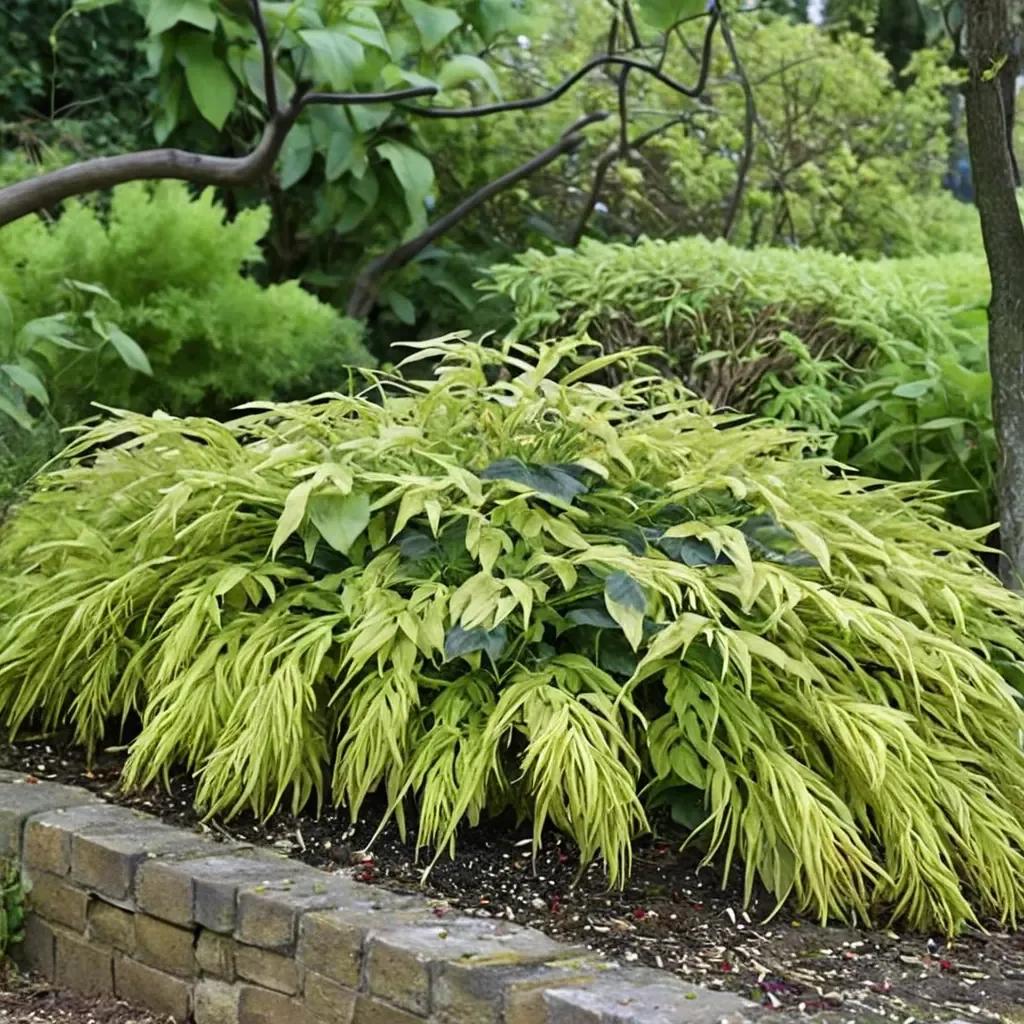
Japanese Forest Grass
The full catalog includes 7 varieties. Cascading blades flow down a slope or edge like a shaded waterfall.
Zones 5–9All 7 varieties →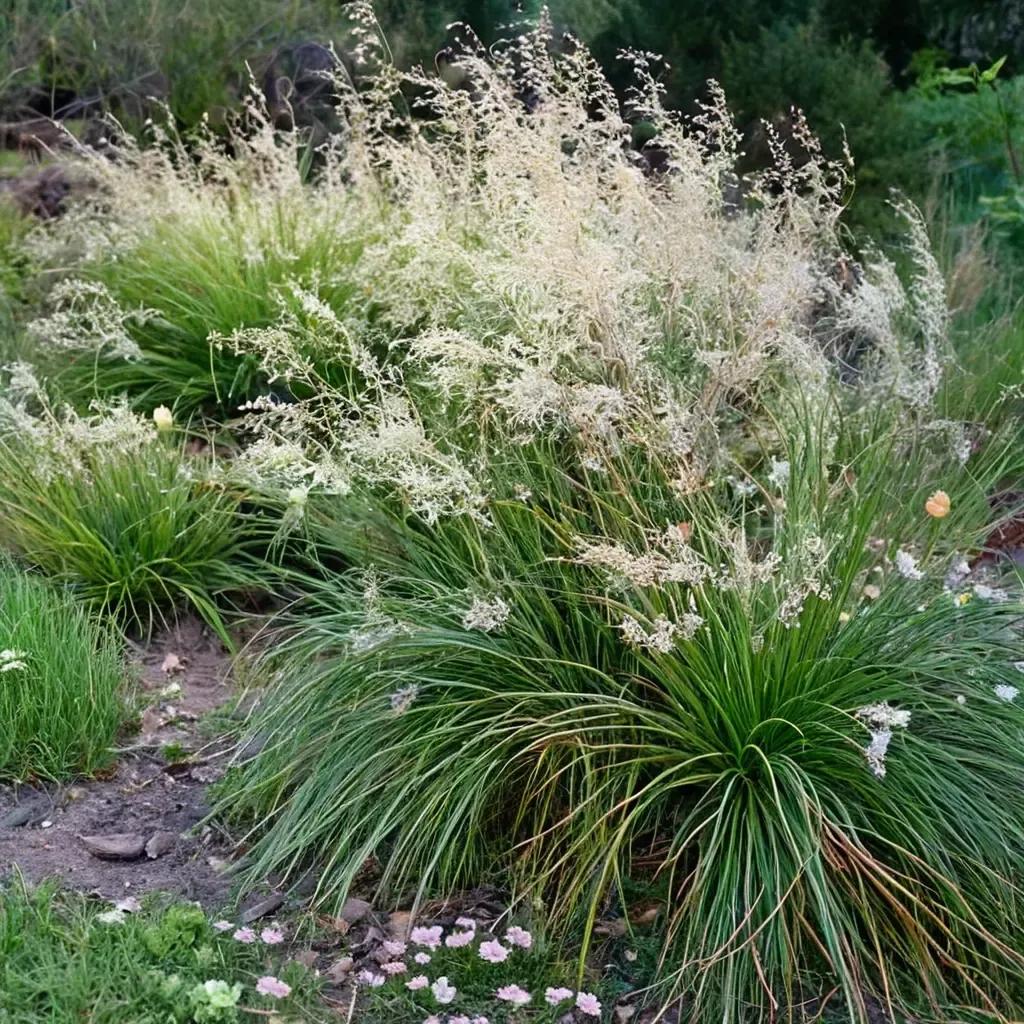
Hair Grass
Choose from 3 varieties across the full catalog. A haze of fine flower stems catches backlight above a compact tuft.
Zones 4–9All 3 varieties →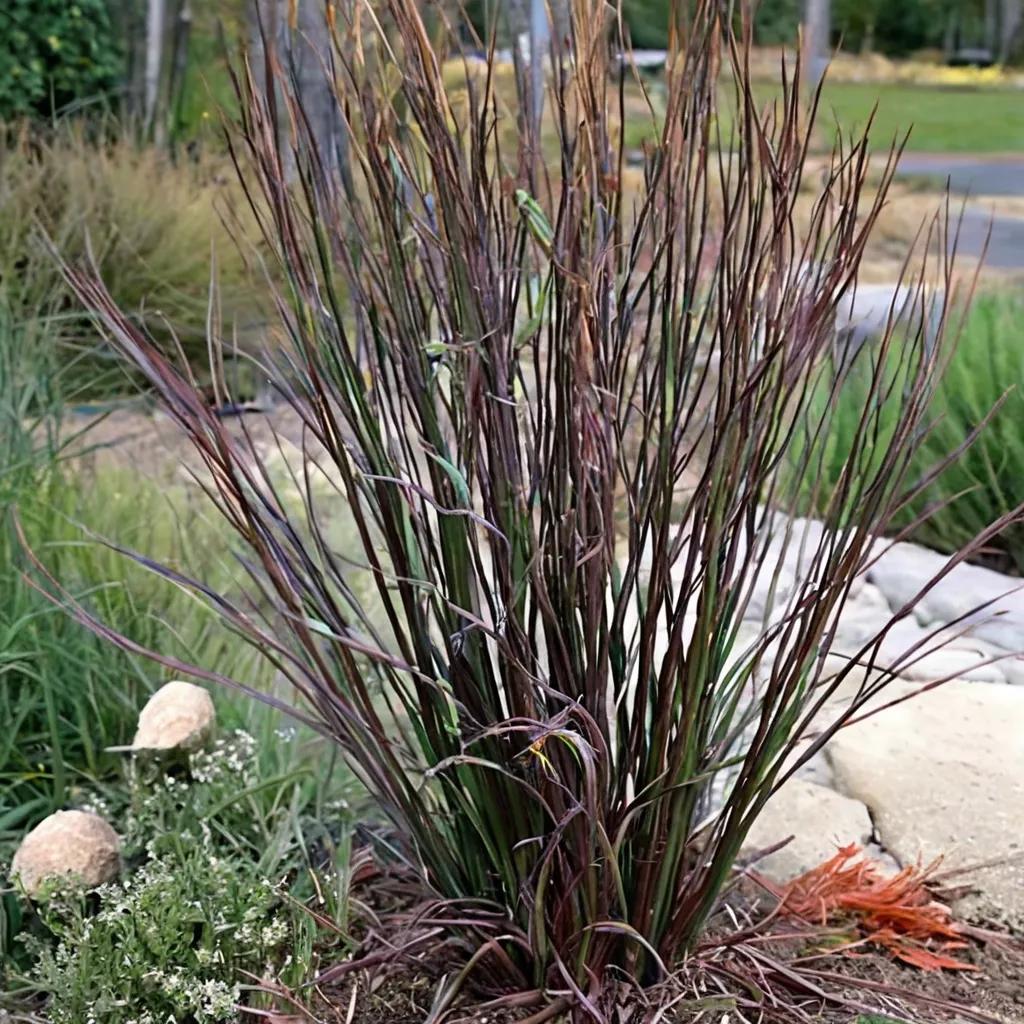
Bluestem Grass
Catalog-wide, this genus spans 8 varieties. Tall blue-green blades turn coppery and hold their shape into winter.
Zones 4–9All 8 varieties →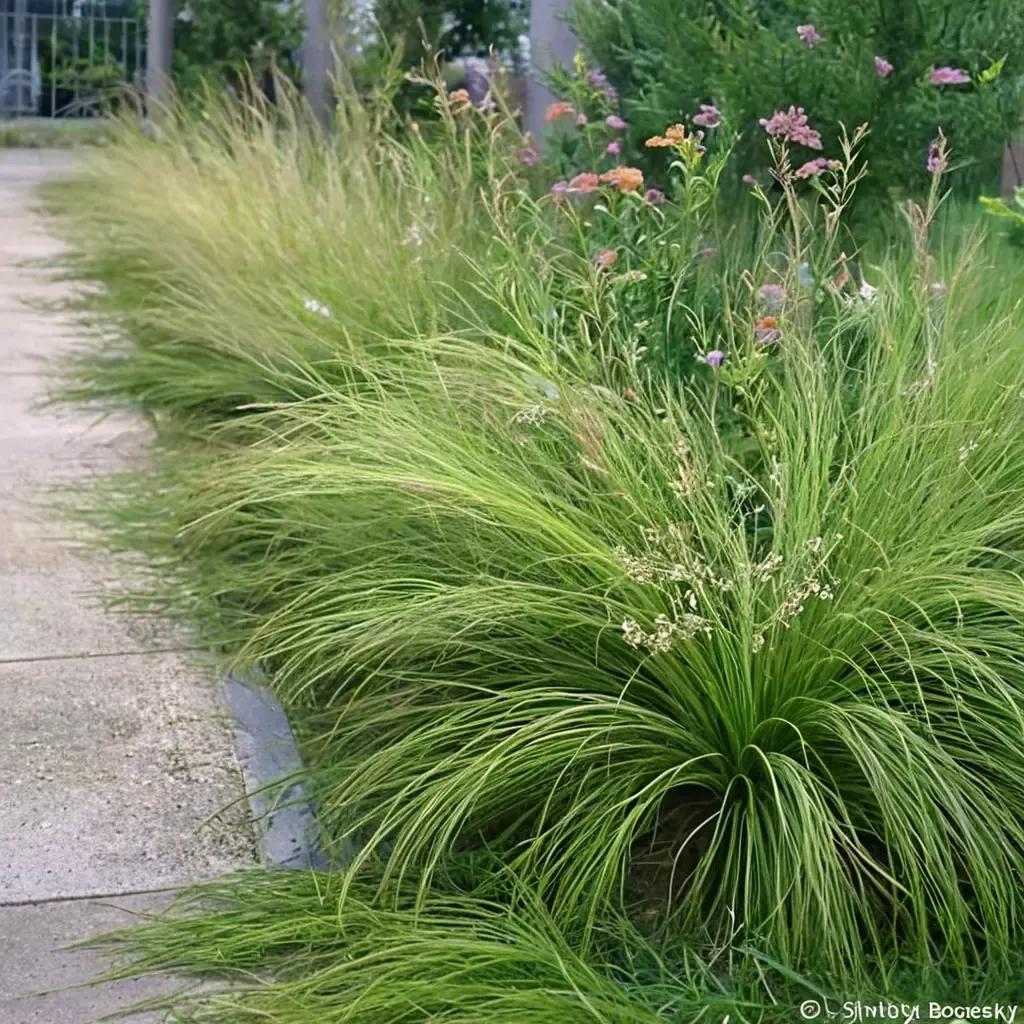
Dropseed
This genus has 3 varieties in the full catalog. Fine leaves and fragrant seed panicles form an exceptionally graceful native clump.
Zones 4–9All 3 varieties →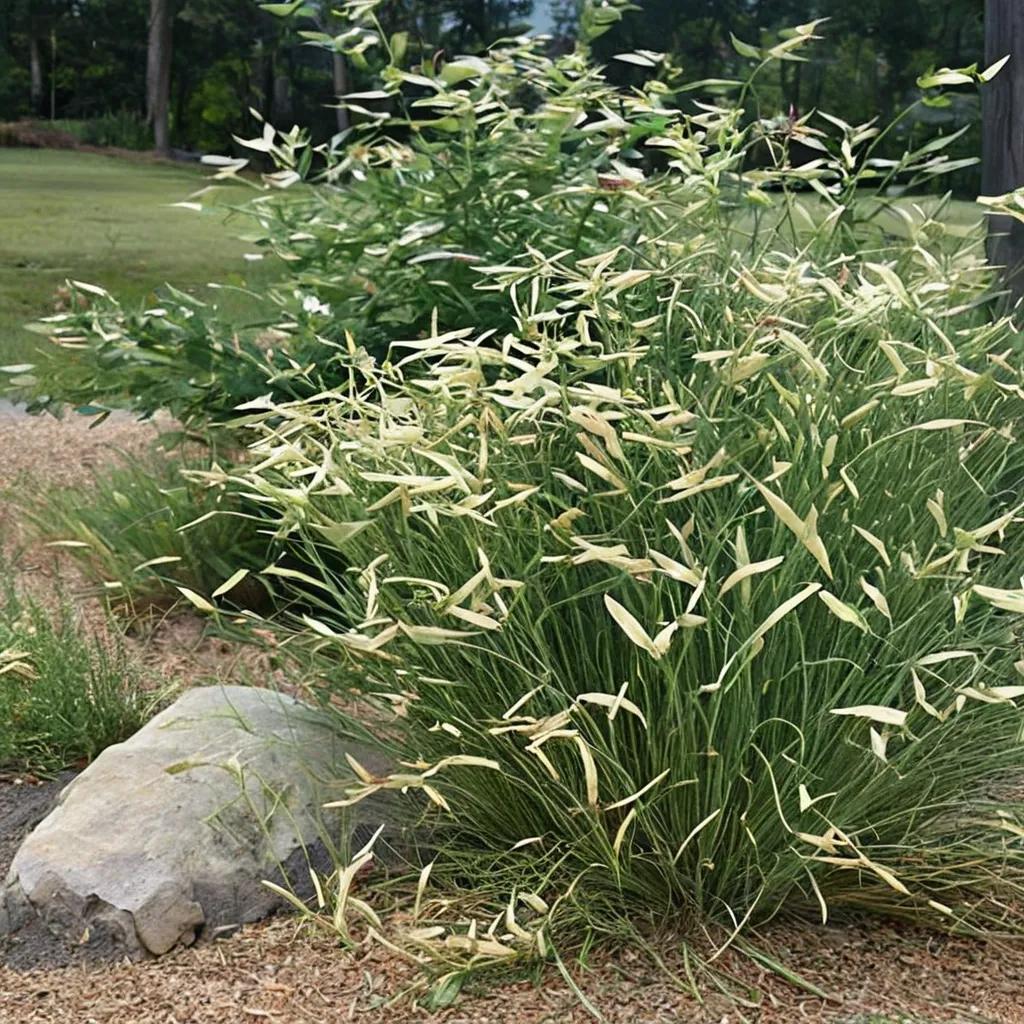
Grama Grass
The full catalog includes 4 varieties. Horizontal seed heads hover like tiny flags above this compact prairie grass.
Zones 4–10All 4 varieties →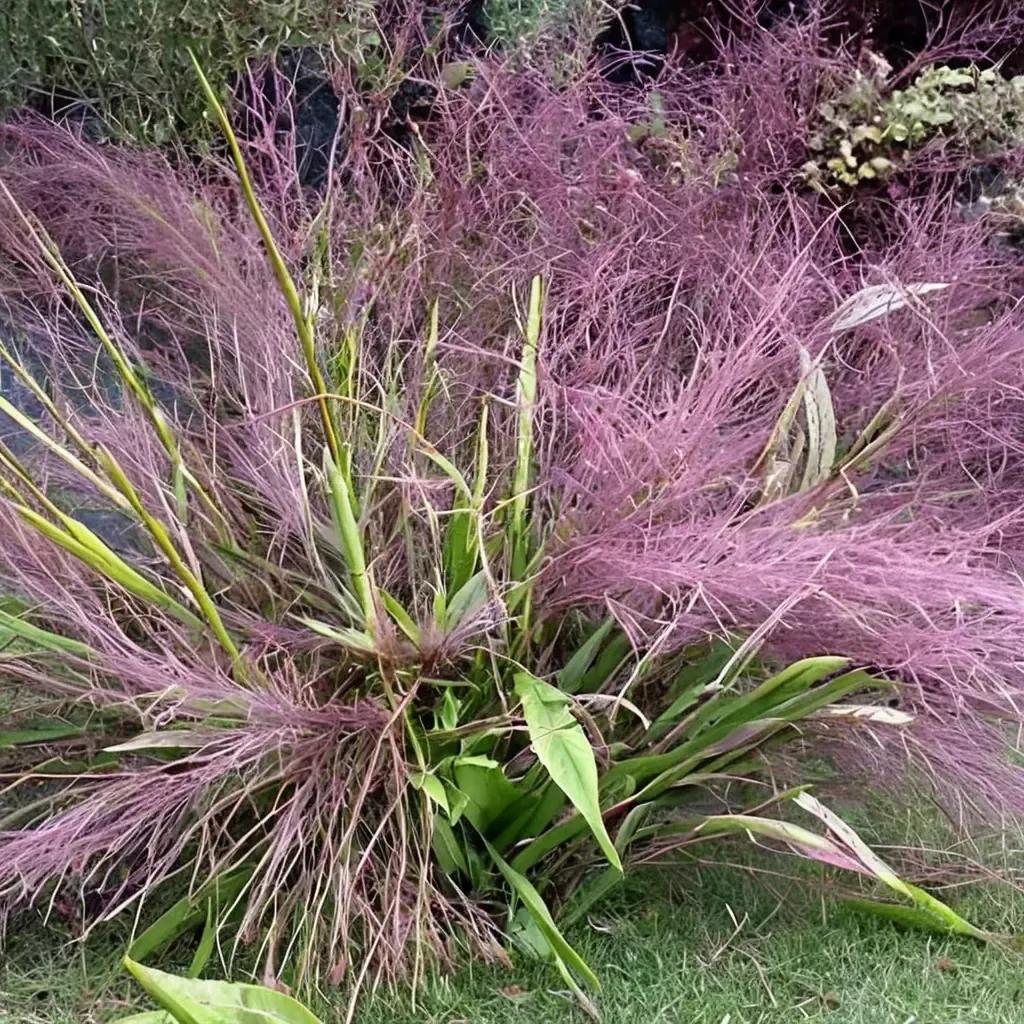
Lovegrass
Choose from 4 varieties across the full catalog. Fine-textured flower clouds lend movement without hiding neighboring plants.
Zones 5–10All 4 varieties →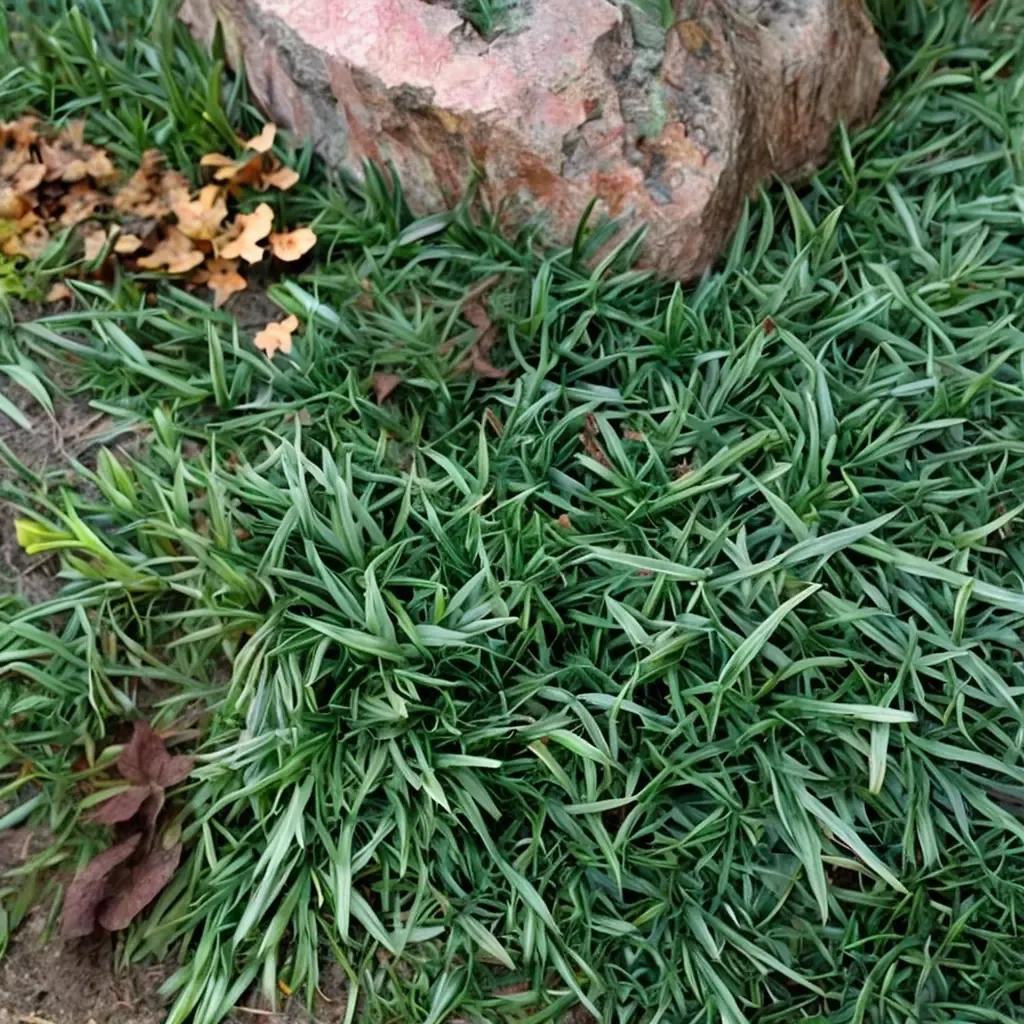
Mondo Grass
Catalog-wide, this genus spans 24 varieties. Dark, grassy foliage creates a compact evergreen line in sun or shade.
Zones 6–10All 24 varieties → 17
17Imperata
Japanese Blood Grass
This genus has 2 varieties in the full catalog. Upright blades flushed red create a vivid accent, where noninvasive selections are required.
Zones 5–9All 2 varieties →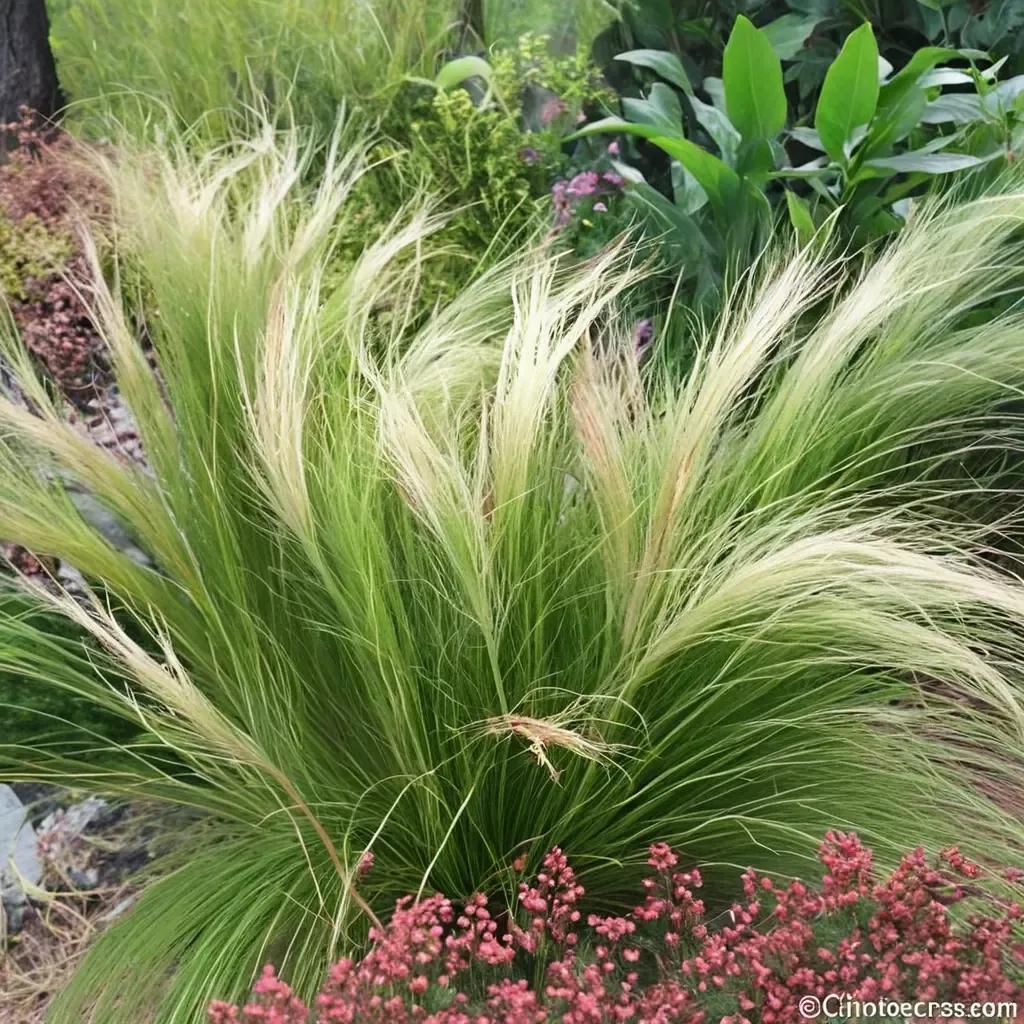 18
18Nassella
Needlegrass
The full catalog includes 3 varieties. Exceptionally fine blades ripple in the slightest breeze; check regional invasiveness first.
Zones 5–8All 3 varieties →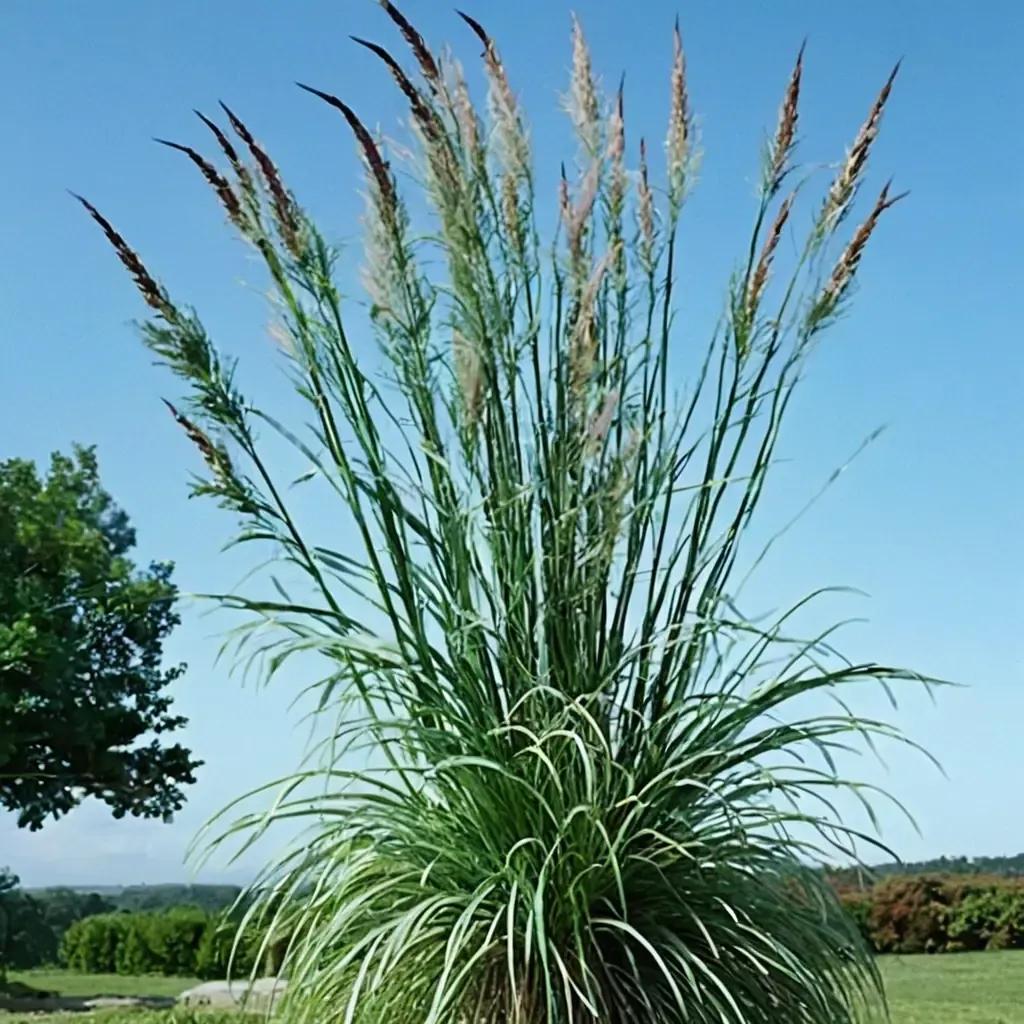
Plume Grass
Choose from 1 variety across the full catalog. Its representative is notable for being dry-spell tolerant and usually passed over by deer.
Zones 5–10All 1 variety →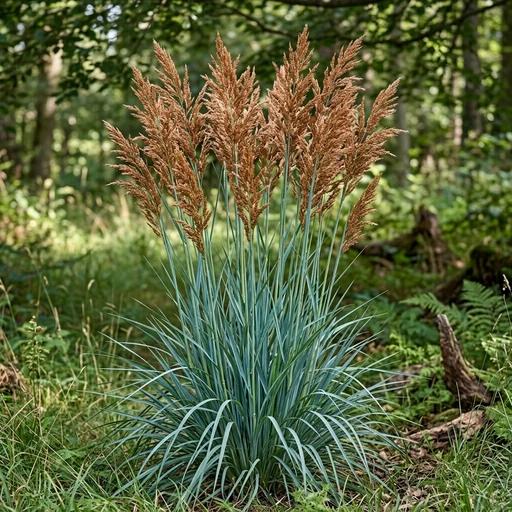
Indiangrass
Catalog-wide, this genus spans 3 varieties. Its representative is notable for being North American native and dry-spell tolerant.
Zones 4–9All 3 varieties →
About this list
How was this the best ornamental grasses in zone 6 list ranked?
By how many gardeners actually saved and planted each one in Sow — 16k saves across this list. Each entry is a genus, shown by its most-saved variety, so no single plant appears twice. Nobody paid to appear here, and no nursery sponsors the order.
Are all of these hardy in Zone 6?
Yes — every plant on this list is rated for Zone 6. Plants that could not survive a Zone 6 winter were excluded before ranking.
When do I cut back ornamental grasses?
Late winter, before new growth — the standing foliage is winter interest and wildlife cover. Cut cool-season grasses earlier than warm-season ones.
Keep exploring
See these in your own yard before you buy
Snap a photo of your space and Sow places any of these in it at true mature size — so you know it fits before the nursery run.