Also known as Amaranth · 53 saves
Amaranthus
Amaranthus, the genus most gardeners know as amaranth. We track 10 varieties; the ones most used by real gardeners.
The 10 most-saved Amaranthus varieties
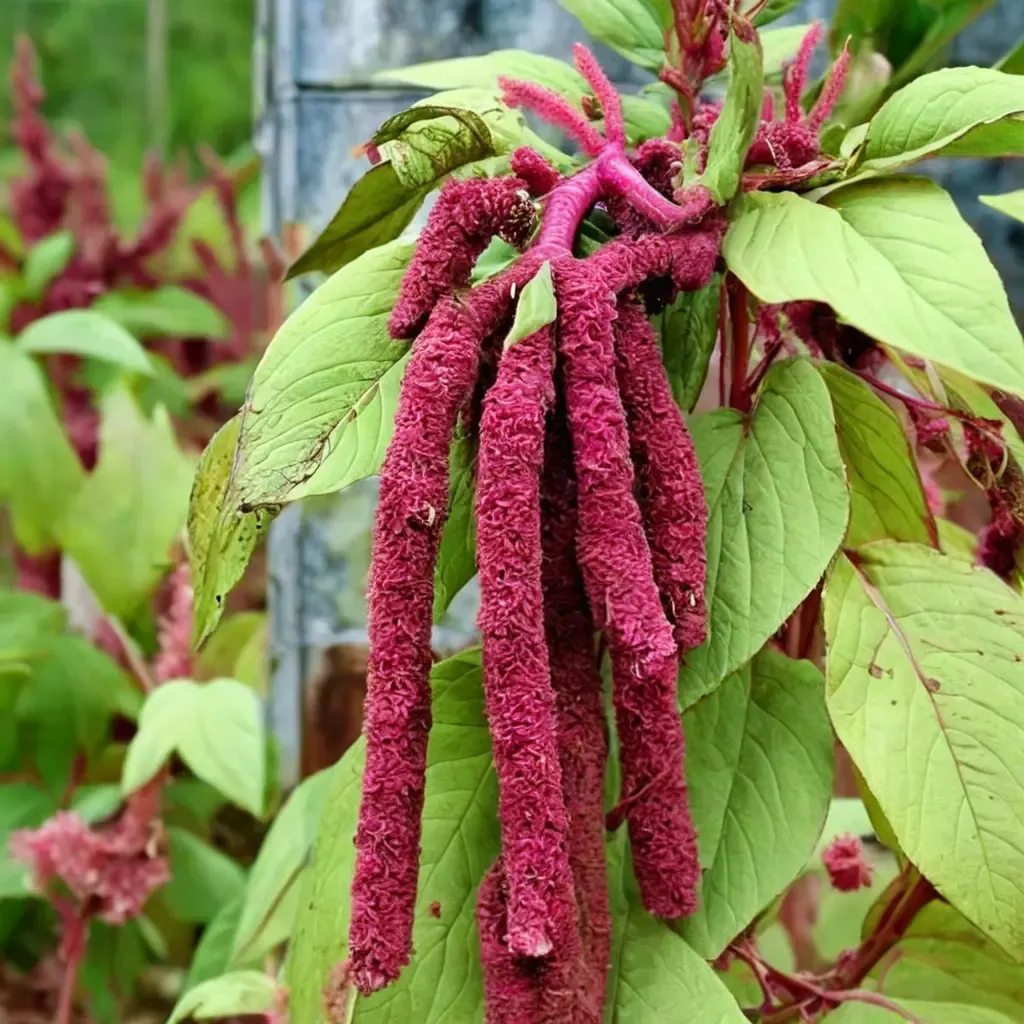
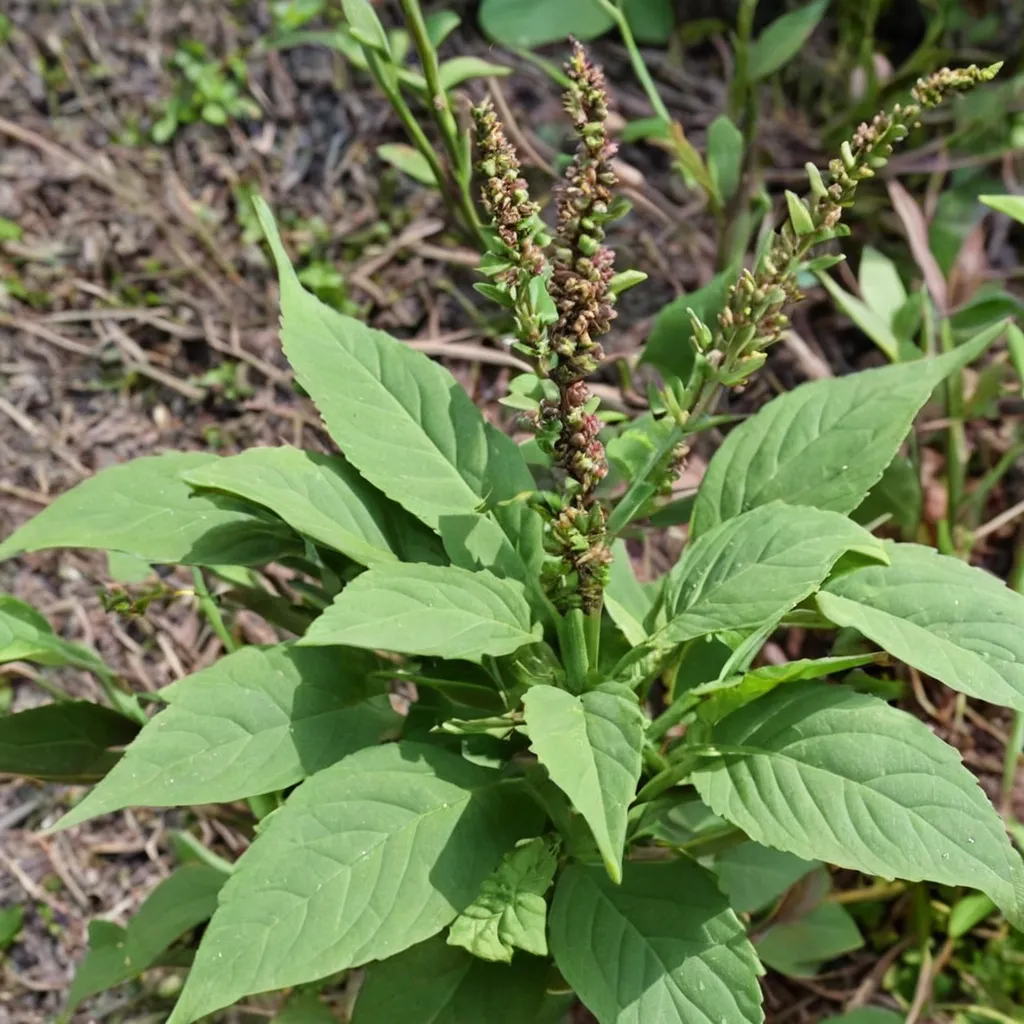
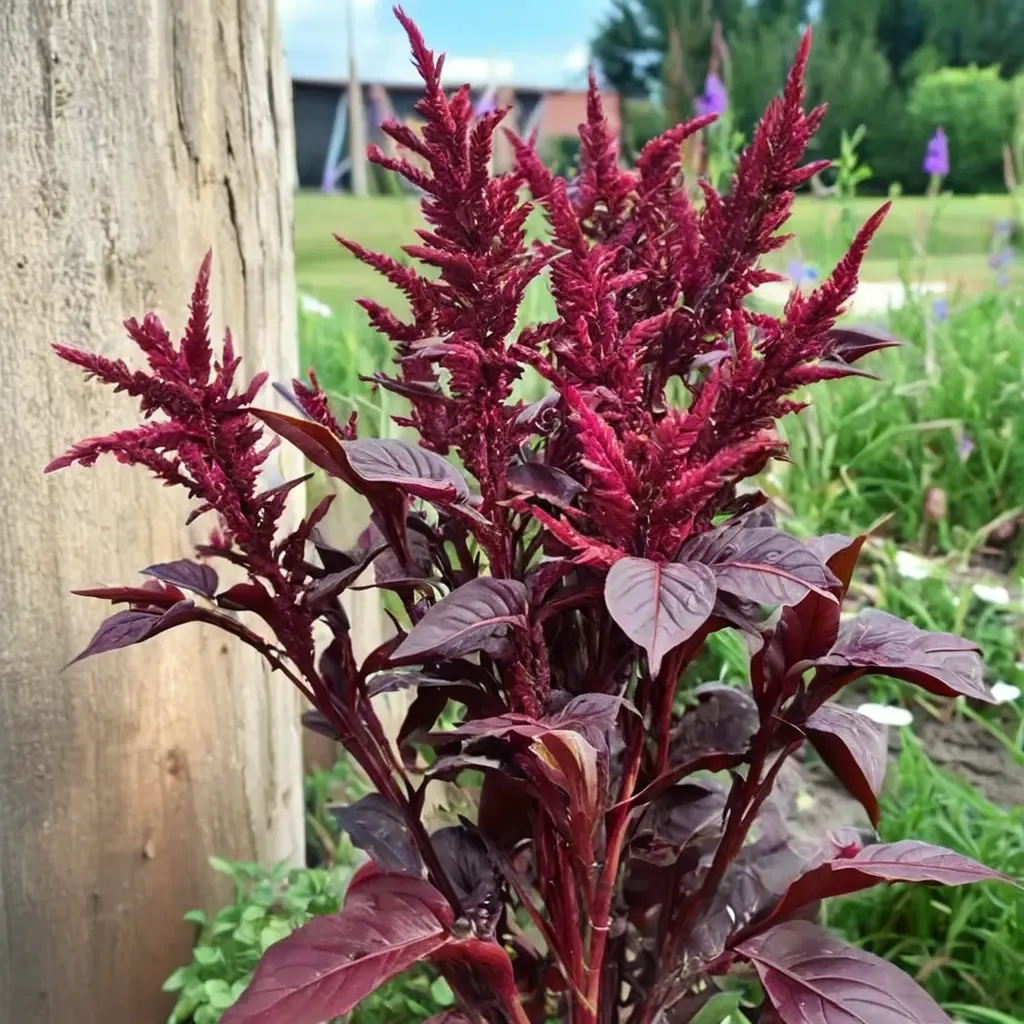
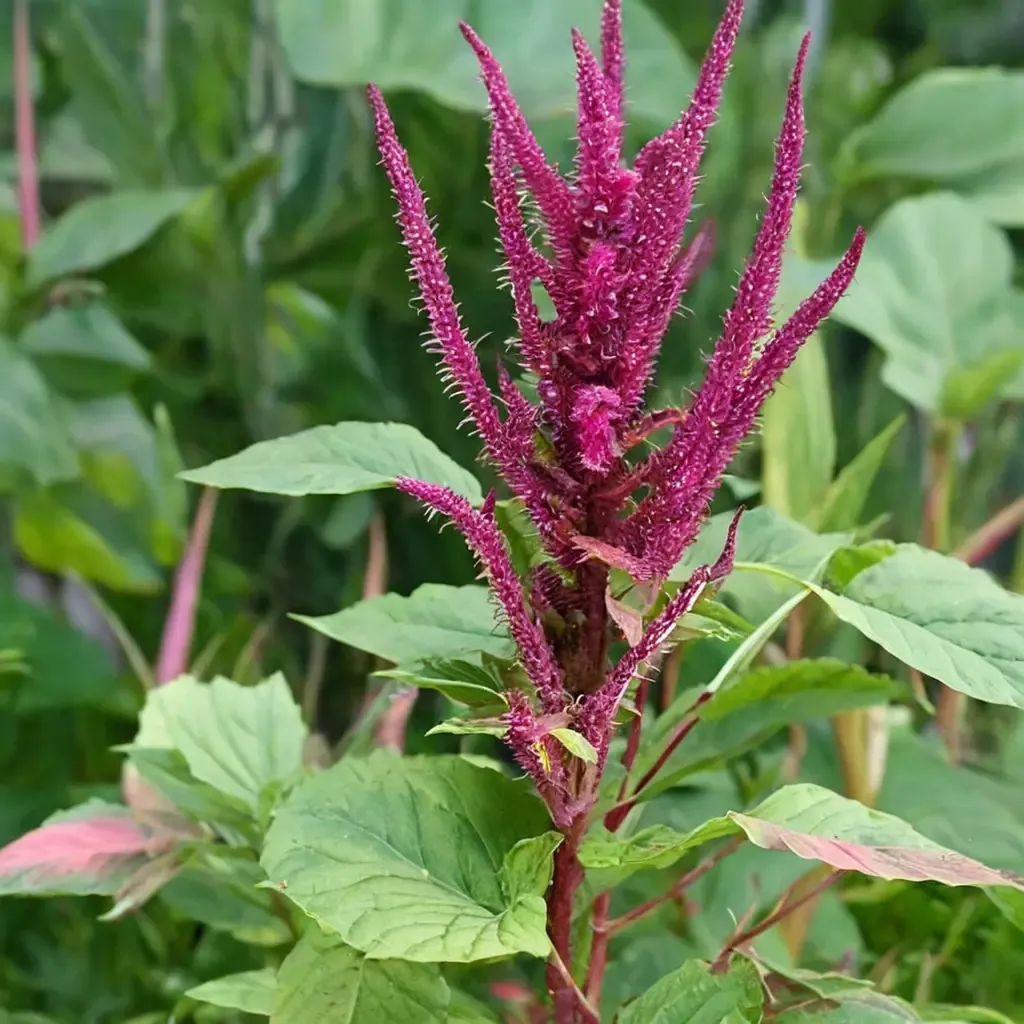
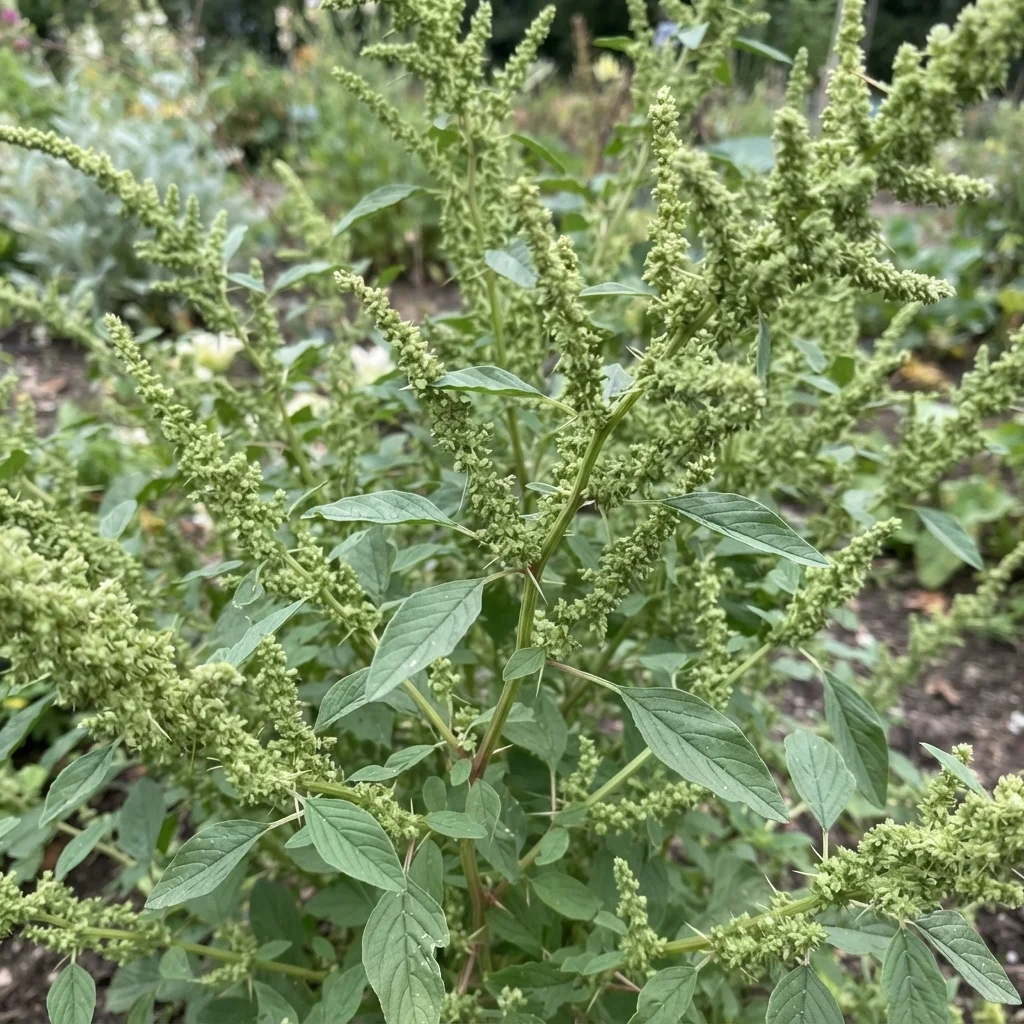
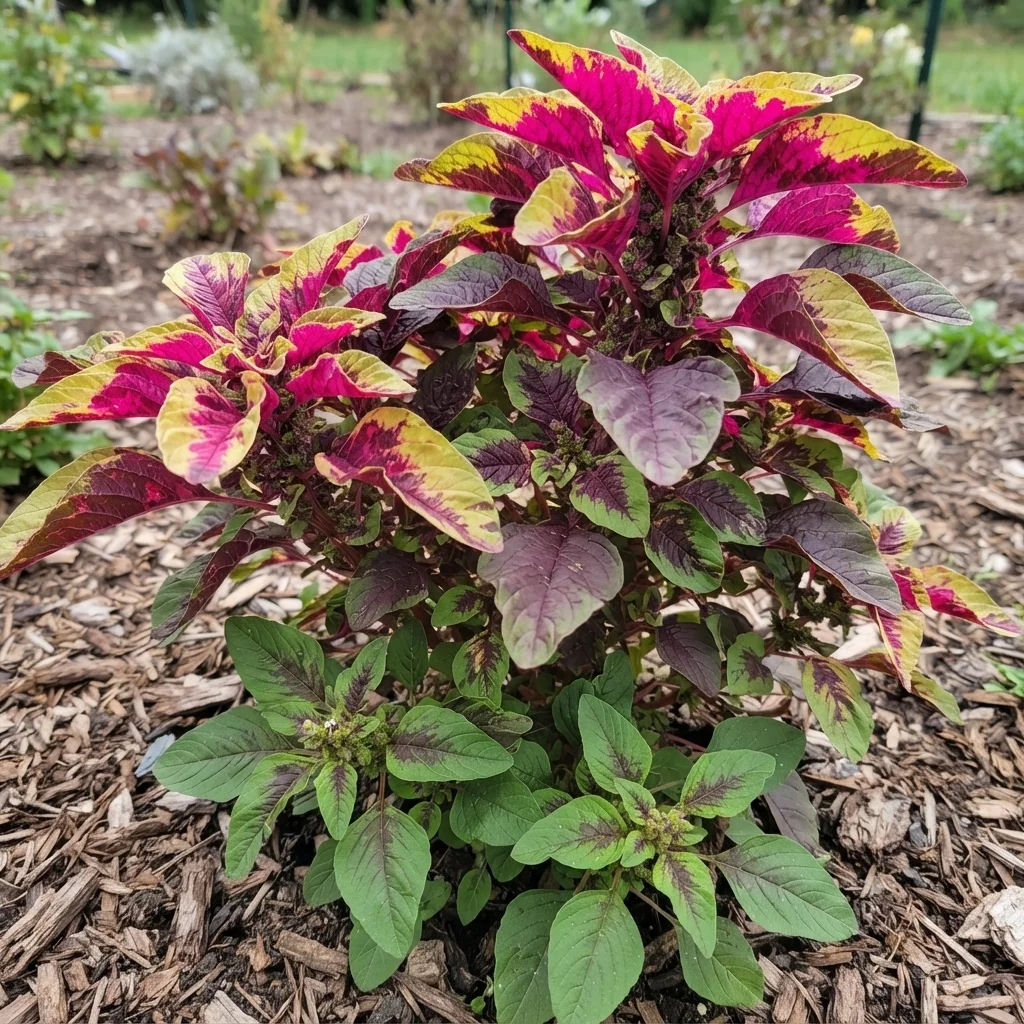
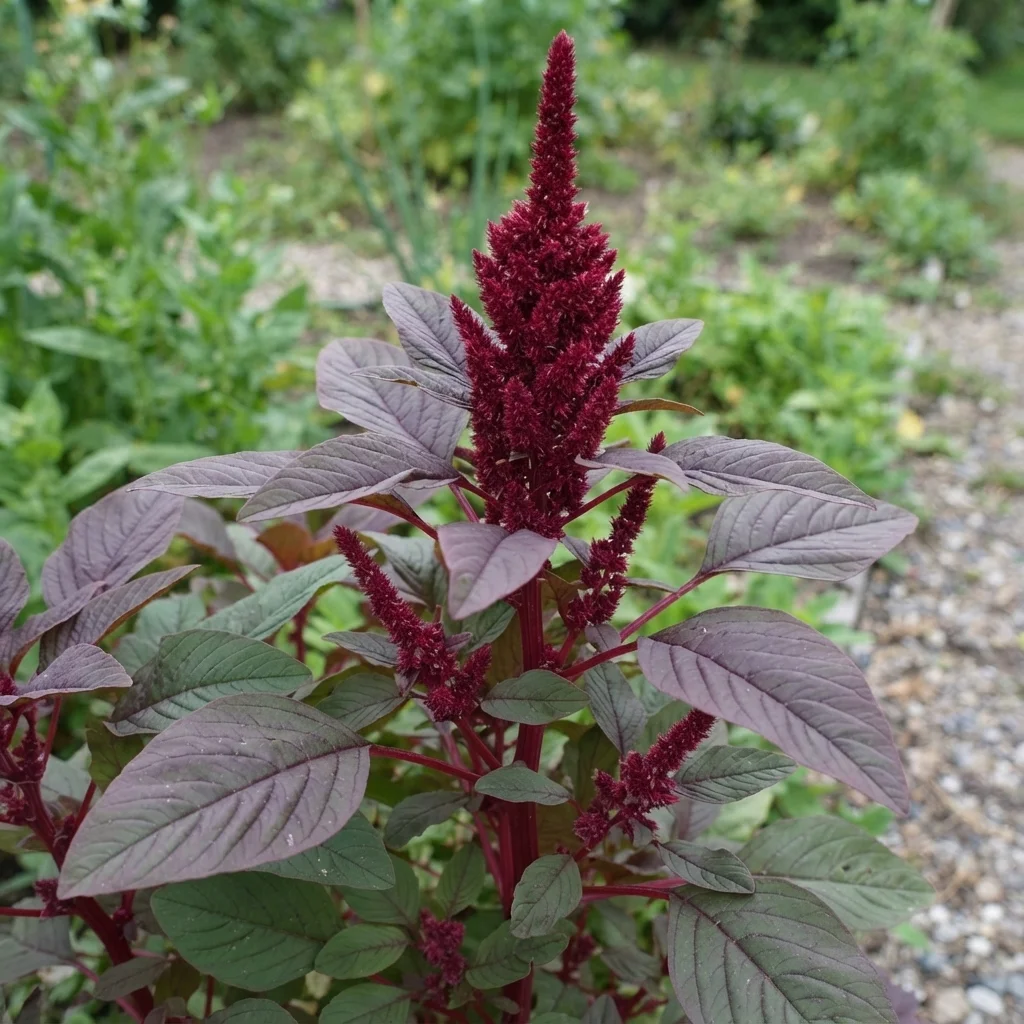
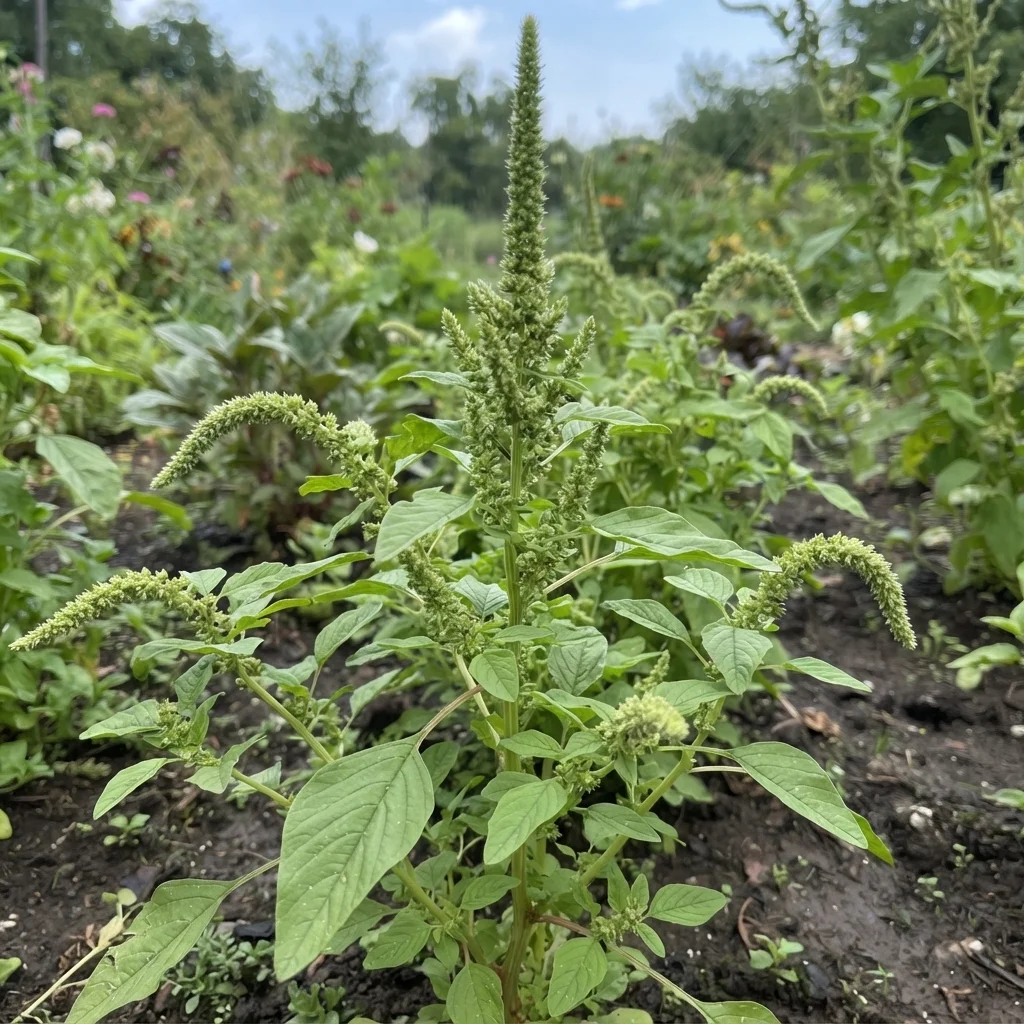
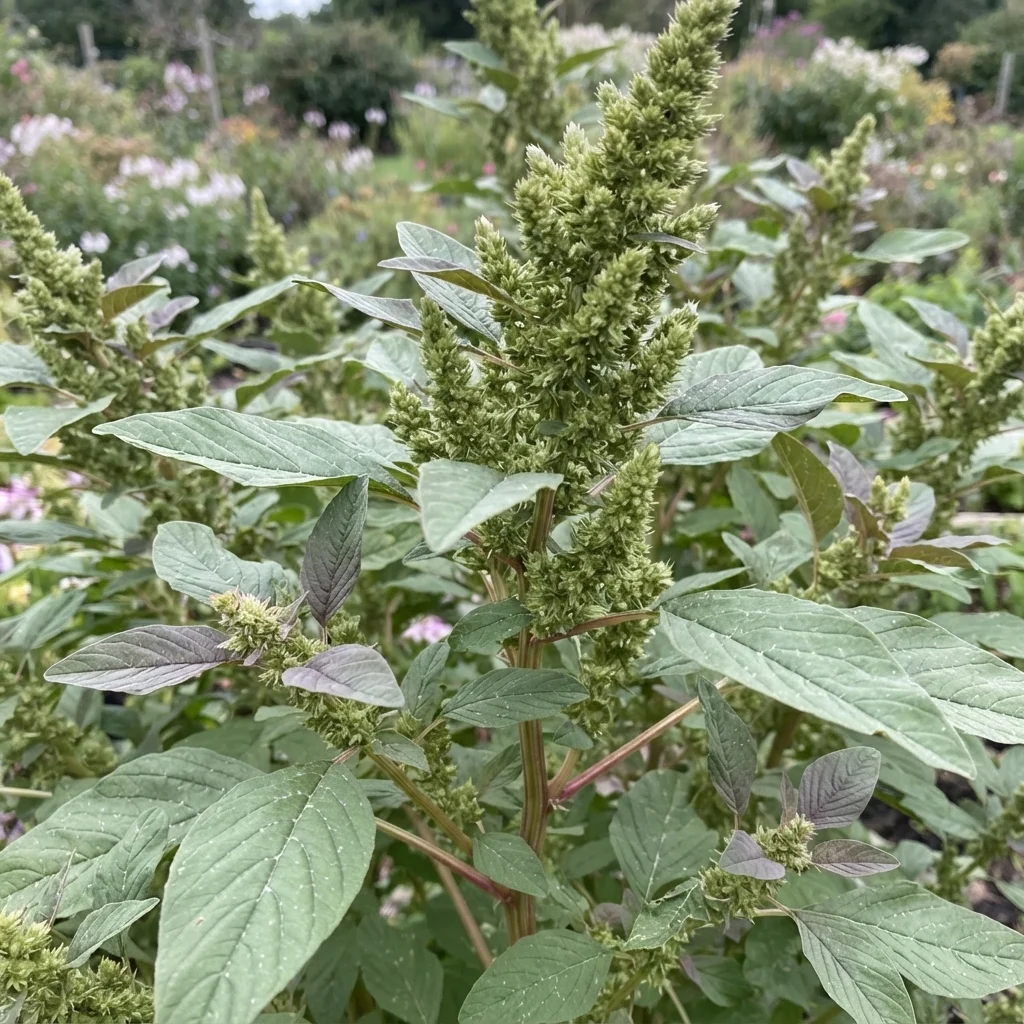
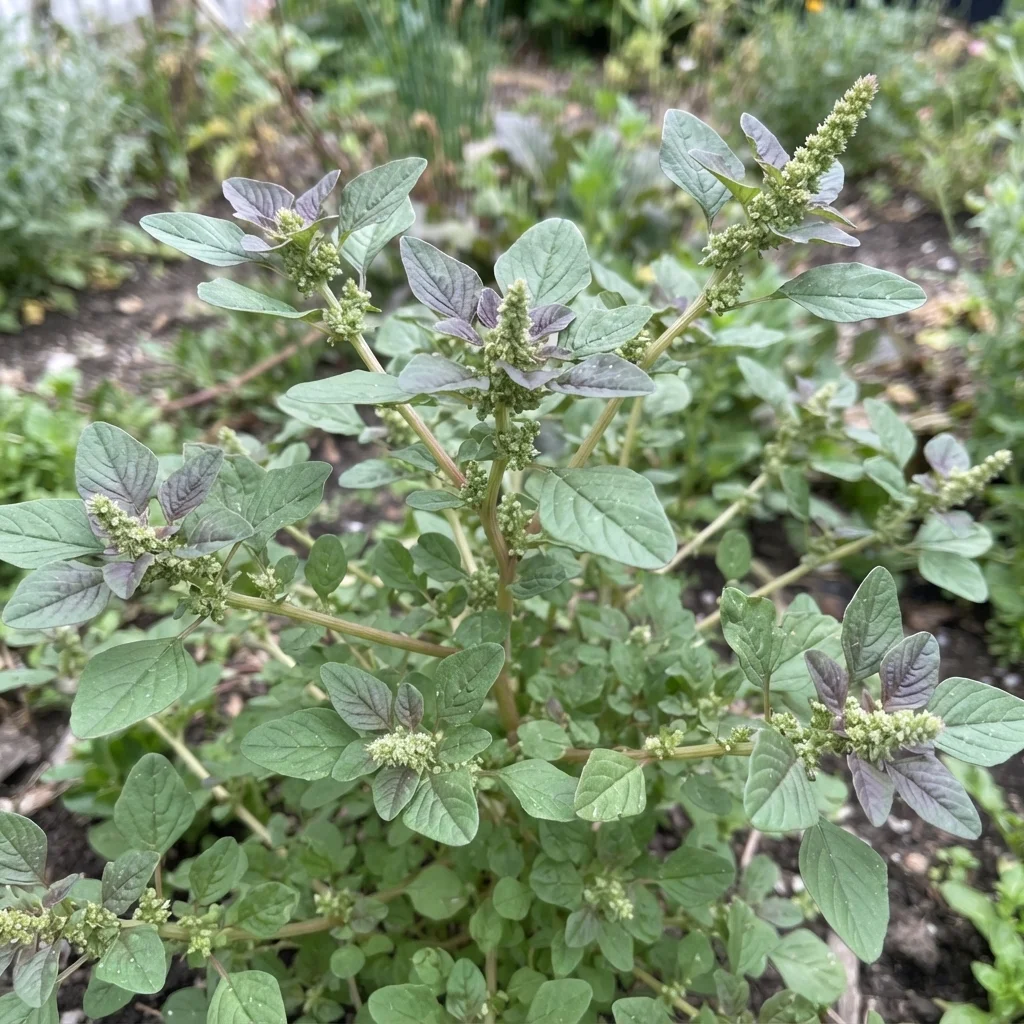
8 species of Amaranthus
Each one is a parent of the varieties above.
Track your Amaranthus in Sow
Save the Amaranthus you grow and get care reminders timed to your zone.
How to grow Amaranthus
Whats common across all Amaranthus varieties in our catalog — drawn from the care records of the 10 most-grown of them.
The Amaranthus year
- PlantMay and June80% of varieties
Sow seeds directly into warm, well-drained soil in a full sun location.
- Check for PestsJune–August70% of varieties
Inspect stems and leaves for stem borers, armyworms, and aphids.
- HarvestJune–October70% of varieties
Harvest young leaves and stems continuously for best flavor.
- Spring CleanupMarch and April30% of varieties
Clear away dead debris from the previous season's plants to reduce disease carryover.
- PruneJuly–September30% of varieties
Cut off flower spikes immediately upon formation to prevent aggressive self-seeding.
- FertilizeJune and August30% of varieties
Apply balanced liquid feed if harvesting leaves frequently.
- StakeJuly and August30% of varieties
Stake tall plants early to support heavy, weeping flower spikes


Do
- Provide full sun for optimal growth
- Water regularly to keep soil moist 🌱
- Thin seedlings to prevent overcrowding
- Wear heavy leather gloves when handling the plant to protect against the sharp, rigid nodal spines.
- Grow in full sun and well-drained soil to ensure strong, upright growth.
Avoid
- Avoid overwatering to prevent root rot ❌
- Do not apply high-nitrogen fertilizers, as this encourages excessive, weak vegetative growth.
- Do not allow livestock to graze heavily on the foliage, as it can accumulate toxic levels of nitrates and oxalates.
- Do not plant near pastures or cultivated fields where it can easily escape and become an invasive weed.
What goes wrong with Amaranthus
| Problem | What you'll see | What to do |
|---|---|---|
| Aphids | Sticky residue and distorted leaves | Use insecticidal soap or neem oil |
| Japanese beetles | Skeletonized leaves where beetles feed on the foliage between the veins. | Handpick beetles in the early morning and drop them into soapy water. |
| Spider mites | Cause fine stippling and webbing on leaf undersides, especially in hot, dry weather. | Apply a miticide or increase ambient moisture around the foliage. |
| Flea Beetles | Small holes in leaves, check for tiny jumping insects | Use row covers and apply insecticidal soap |
| Root rot | Wilting, yellowing leaves and mushy, blackened roots under wet soil conditions. | Ensure excellent soil drainage and avoid over-watering. |
| Powdery mildew | White, powdery fungal patches on the surfaces of leaves and stems. | Space plants adequately to improve air circulation and water at the soil level. |
| Downy Mildew | Yellow patches on upper leaf surfaces, fuzzy growth underneath | Improve air circulation and apply organic fungicide |
Making more Amaranthus
Seed
- Collect seeds from dry, mature terminal spikes in late summer or fall.
- Sow seeds directly onto the surface of prepared, warm soil in spring after frost danger.
- Press seeds lightly into the soil surface, as they require light and warmth to germinate.
- Keep the soil lightly moist until rapid germination occurs within a few days.
Seeds
- Tuck seeds into moist soil in spring.
- Germinate in 7–14 days at 65–75°F.
- Thin seedlings to 12 inches apart.
- Transplant after 4–6 weeks if needed.
Amaranthus questions
How many types of Amaranthus are there?
The Sow catalog tracks 10 distinct Amaranthus varieties. The most popular — ranked by 53 real gardeners — are shown first above.
What zones does Amaranthus grow in?
Across its varieties, Amaranthus covers USDA Zones 4–10. Individual varieties differ — each plant page lists its exact range, and Sow filters the catalog to your zone automatically.
When does Amaranthus bloom?
Most Amaranthus varieties bloom in late summer, mid-summer, summer. Staggering early, mid, and late varieties extends the genus's season in one bed.
Which Amaranthus should I choose?
Start from the most-saved varieties above — popularity across thousands of gardens is a strong signal of reliability — then filter by your zone and sun. In the Sow app you can preview any of them in a photo of your actual yard before you buy.