The Story
Plant Bio
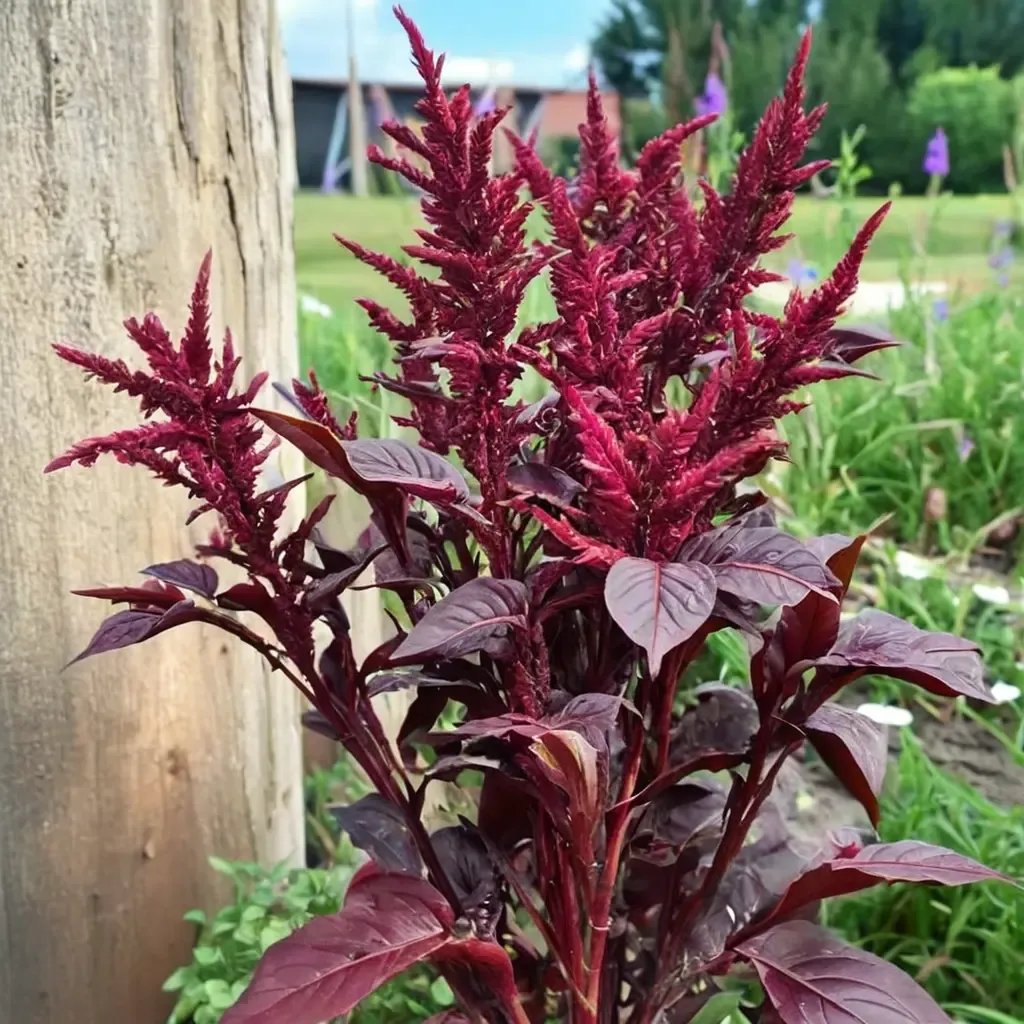
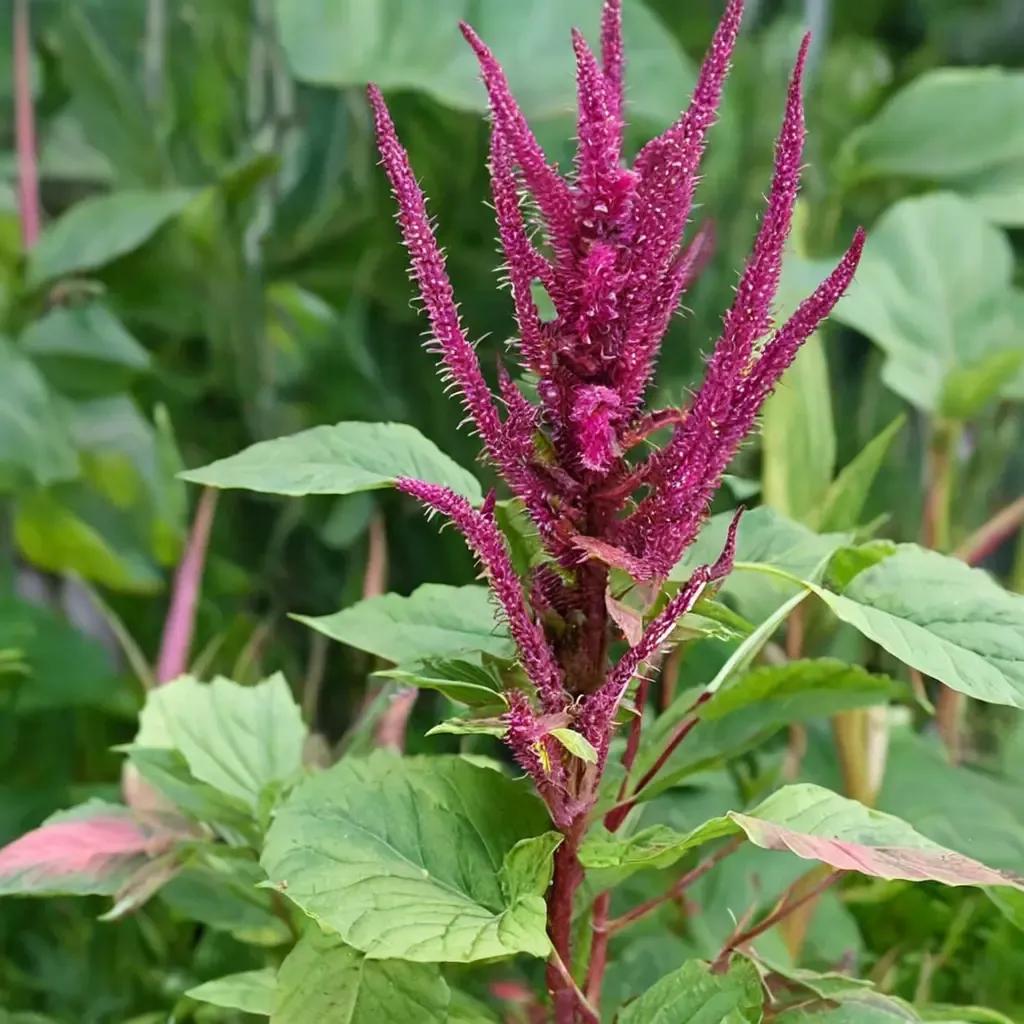
Amaranthus cruentus 'Velvet Curtains' is known for its stunning, deep red foliage and flower spikes, creating a dramatic focal point in gardens.
This cultivar features uniquely velvety leaves and provides an excellent opportunity for cut floral arrangements.
Uses & Benefits:
Essentials
At a Glance
Plant Type
Annual
Height
36"
Width
24"
Light
Full Sun, Partial Sun
Zones
6, 7, 8, 9
Water
Moderate
Humidity
Average
Lifespan
Annual
Native To
Central America
Toxicity
Non-toxic
Bloom period
Mid-summer – Late summer
In flower about 2 months of the year
Planting
How to Grow
- Tuck seeds into well-draining soil in full sun for best germination.
- Mist cuttings lightly to keep soil moist during root development.
- Thin seedlings to 12 inches apart once established.
- Water regularly during dry spells to promote healthy growth.
- Fertilize with a balanced NPK every 4 weeks during the growing season.
- Harvest leaves and seeds when mature for culinary or ornamental use.
Pro Tip
Start seeds indoors 4-6 weeks before the last frost for early blooms.
Keep It Thriving
Care Guide
Do
- Water consistently, keeping soil moist but not waterlogged 🌱
- Provide full sun for optimal growth
- Thin seedlings to prevent overcrowding
- Apply organic compost annually for healthy soil
Don't
- Avoid overwatering to prevent root rot ❌
- Don’t plant in shady areas; it needs full sun
- Don’t forget to stake tall varieties to prevent wind damage
- Avoid using chemical pesticides excessively
Seasonal Care Calendar
| Task | Jan | Feb | Mar | Apr | May | Jun | Jul | Aug | Sep | Oct | Nov | Dec |
|---|---|---|---|---|---|---|---|---|---|---|---|---|
| Harvest | ||||||||||||
| Pest Check | ||||||||||||
| Plant | ||||||||||||
| Stake |
Watch Out For
Pests & Diseases
Common Pests
Common Diseases
In the Garden
Landscape Uses & Companions
Landscape Uses
Multiply
Propagation Methods
Good to Know
Common Questions
Velvet Curtains Amaranth questions
What zones can Velvet Curtains Amaranth grow in?
Velvet Curtains Amaranth is hardy in USDA Zones 6–9. Inside that range it survives winter in the ground; outside it, grow it as an annual or a container plant you protect.
Is Velvet Curtains Amaranth deer resistant?
Not reliably. Deer may browse Velvet Curtains Amaranth, especially tender spring growth — plan on repellents or fencing where pressure is high.
When does Velvet Curtains Amaranth bloom?
Velvet Curtains Amaranth typically blooms in mid-summer through late summer. Exact timing shifts a week or two with your zone — Sow's bloom calendar maps it to your garden.
Does Velvet Curtains Amaranth need full sun?
Velvet Curtains Amaranth does best in full sun to part shade. In hot climates, afternoon shade keeps blooms fresher longer.
Is Velvet Curtains Amaranth drought tolerant?
Yes — once established (usually after the first full season), Velvet Curtains Amaranth handles dry spells with minimal watering. Water deeply its first year to build the root system that makes that possible.
More Amaranthus to compare
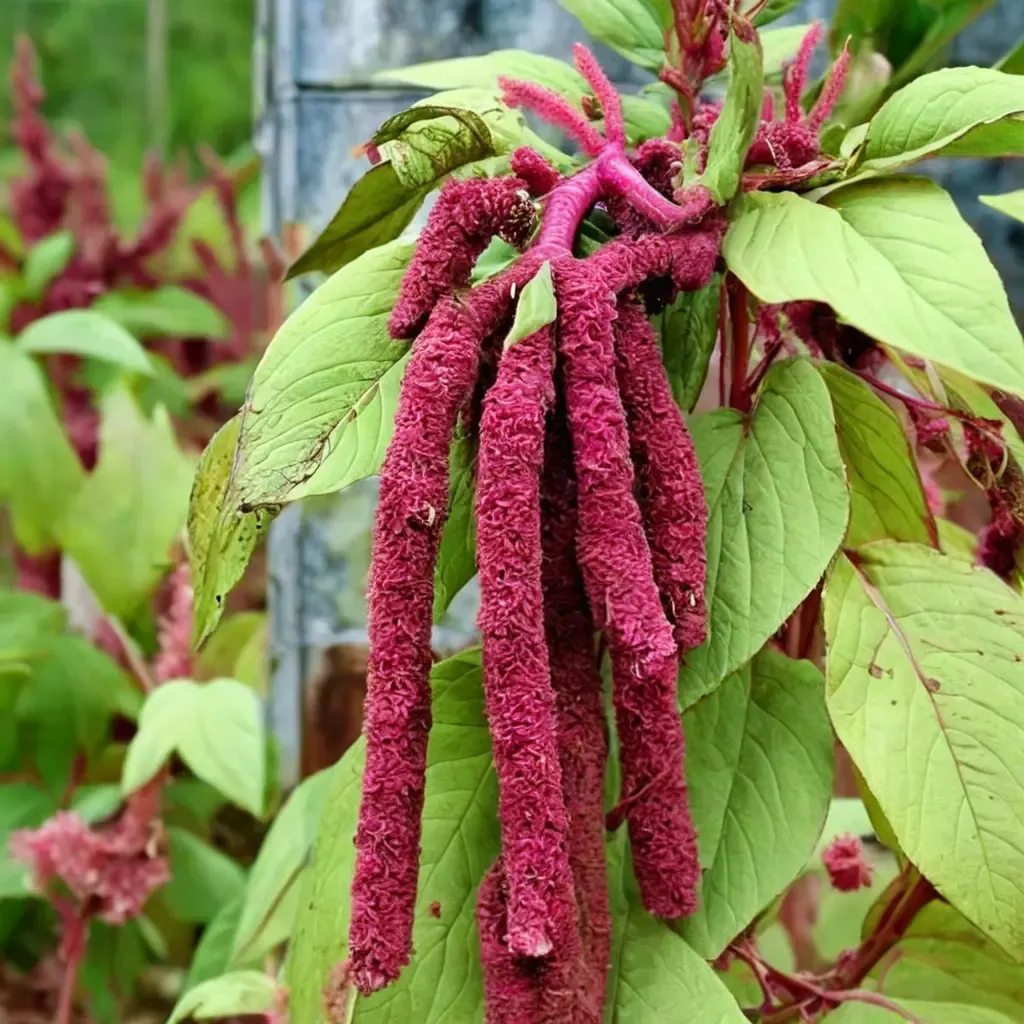
Love-Lies-Bleeding
Amaranthus caudatus
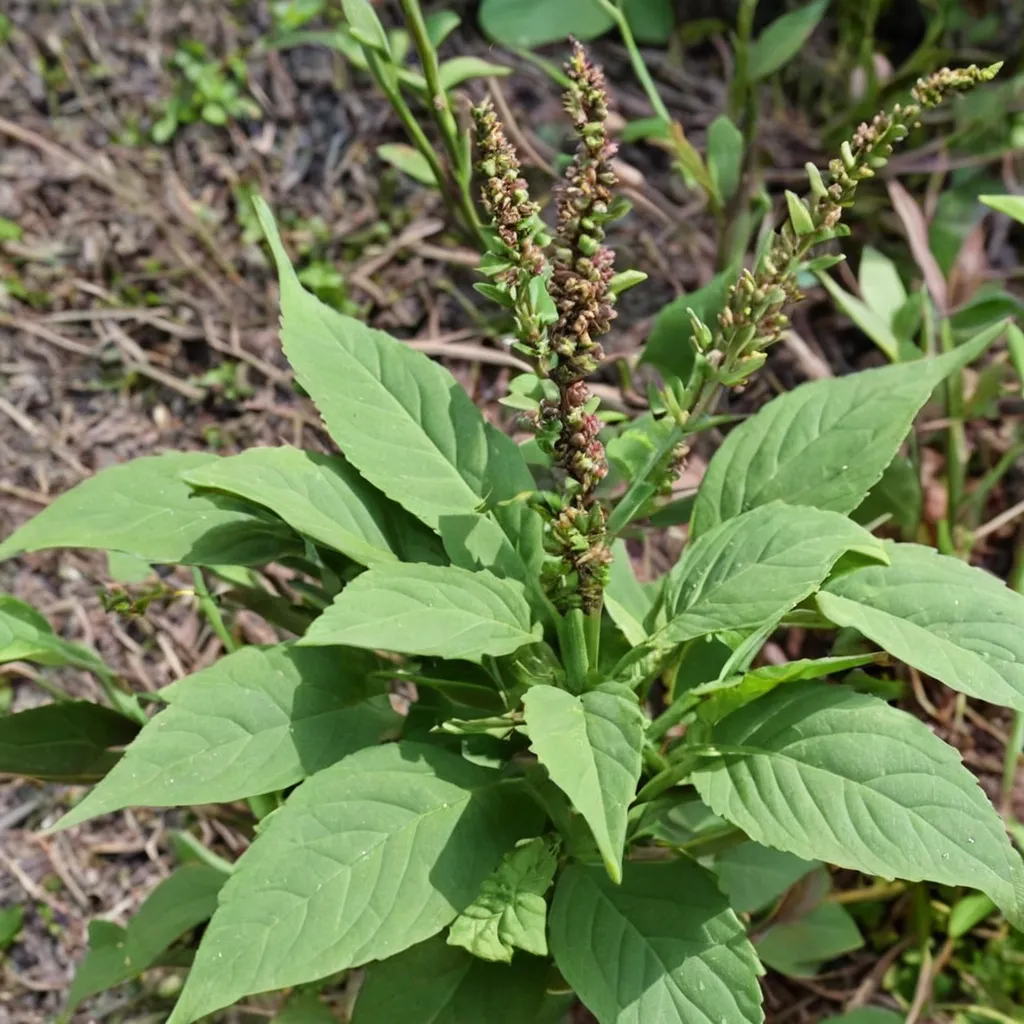
Green Amaranth
Amaranthus viridis
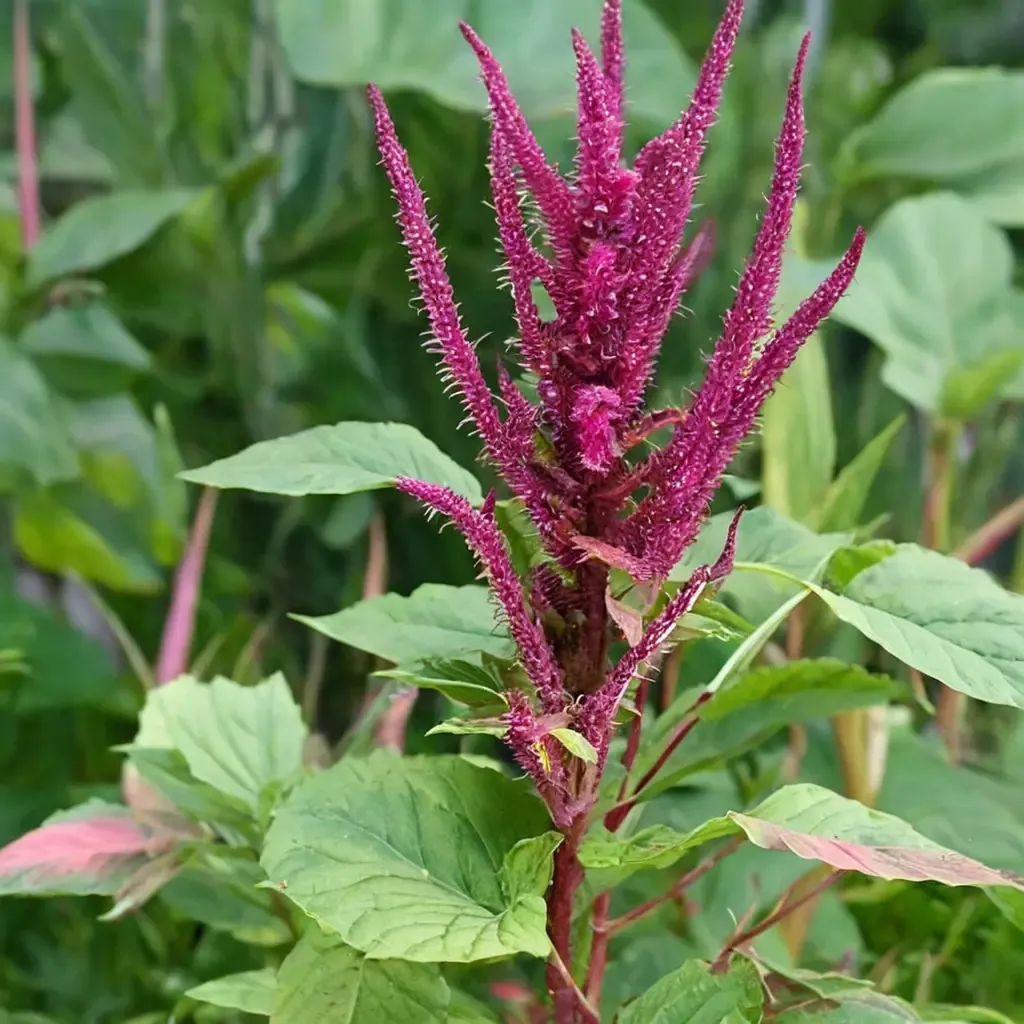
Red Amaranth
Amaranthus cruentus
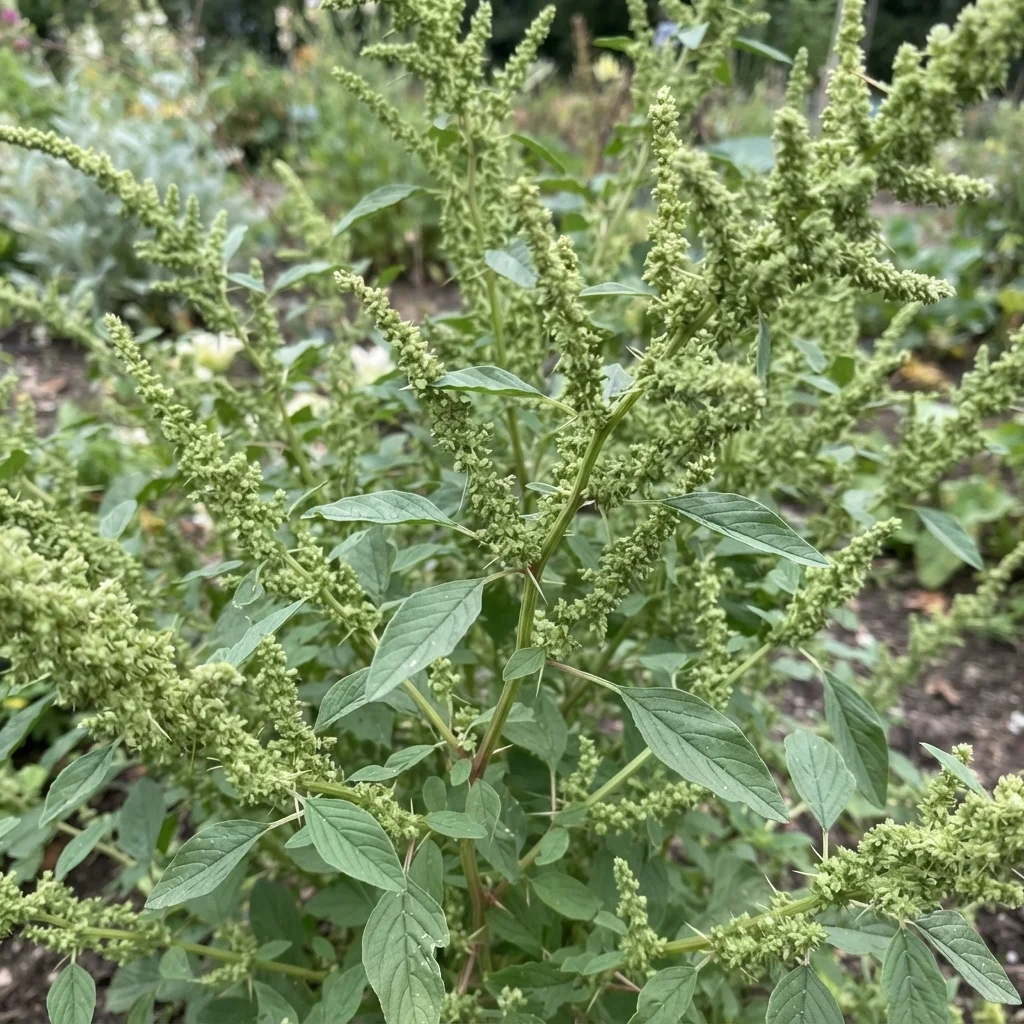
Spiny Amaranth
Amaranthus spinosus
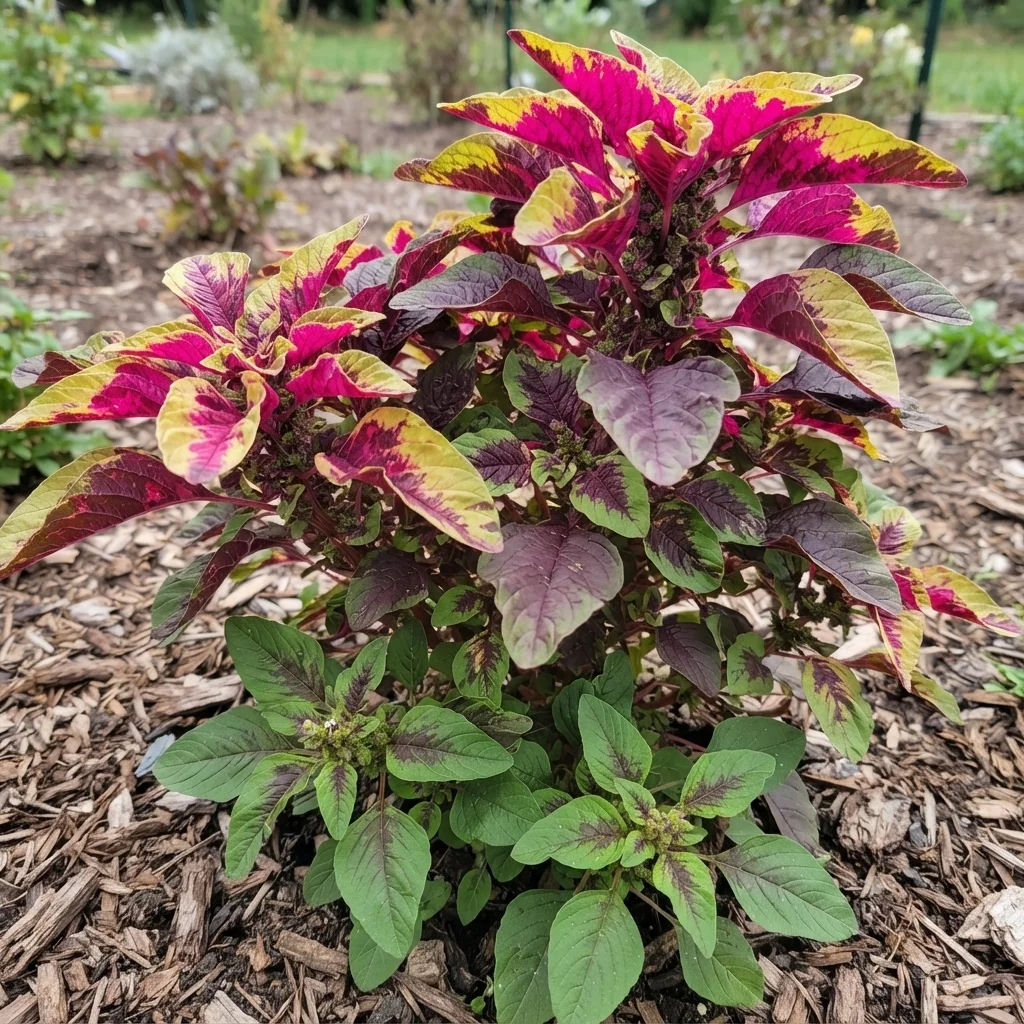
Joseph's Coat
Amaranthus tricolor
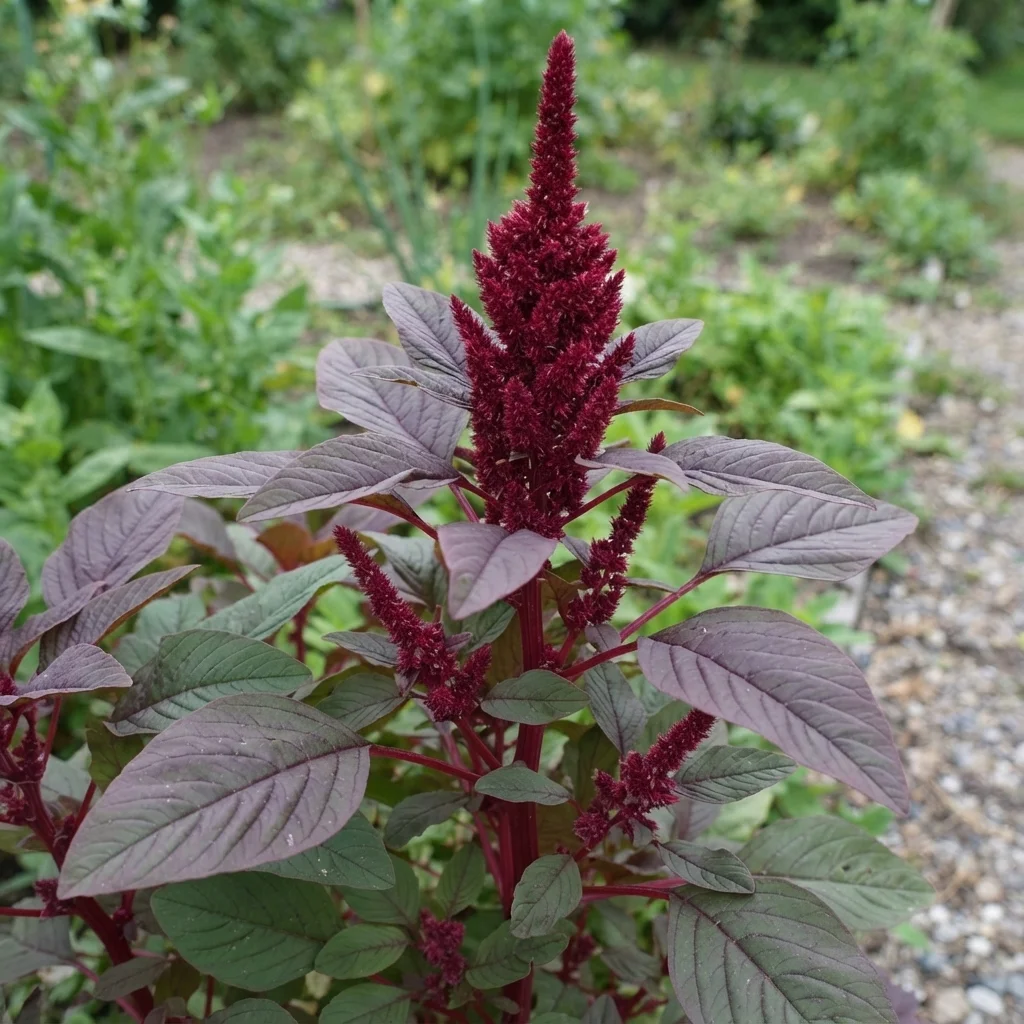
Prince's-feather
Amaranthus hypochondriacus
Keep exploring
Explore the genus
Hardy in your zone?
Grow Velvet Curtains Amaranth with confidence
See it in a design of your actual yard, get zone-matched care reminders, and track it season by season in your garden journal.