Also known as Sago Palm · 29 saves
Cycas
Cycas, the genus most gardeners know as sago palm. We track 4 varieties; the ones most used by real gardeners.
The 4 most-saved Cycas varieties
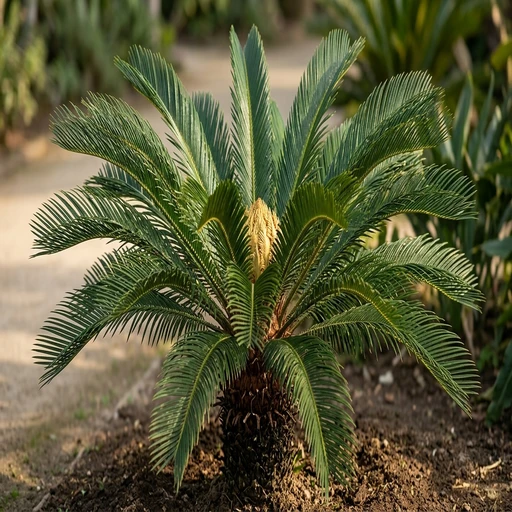
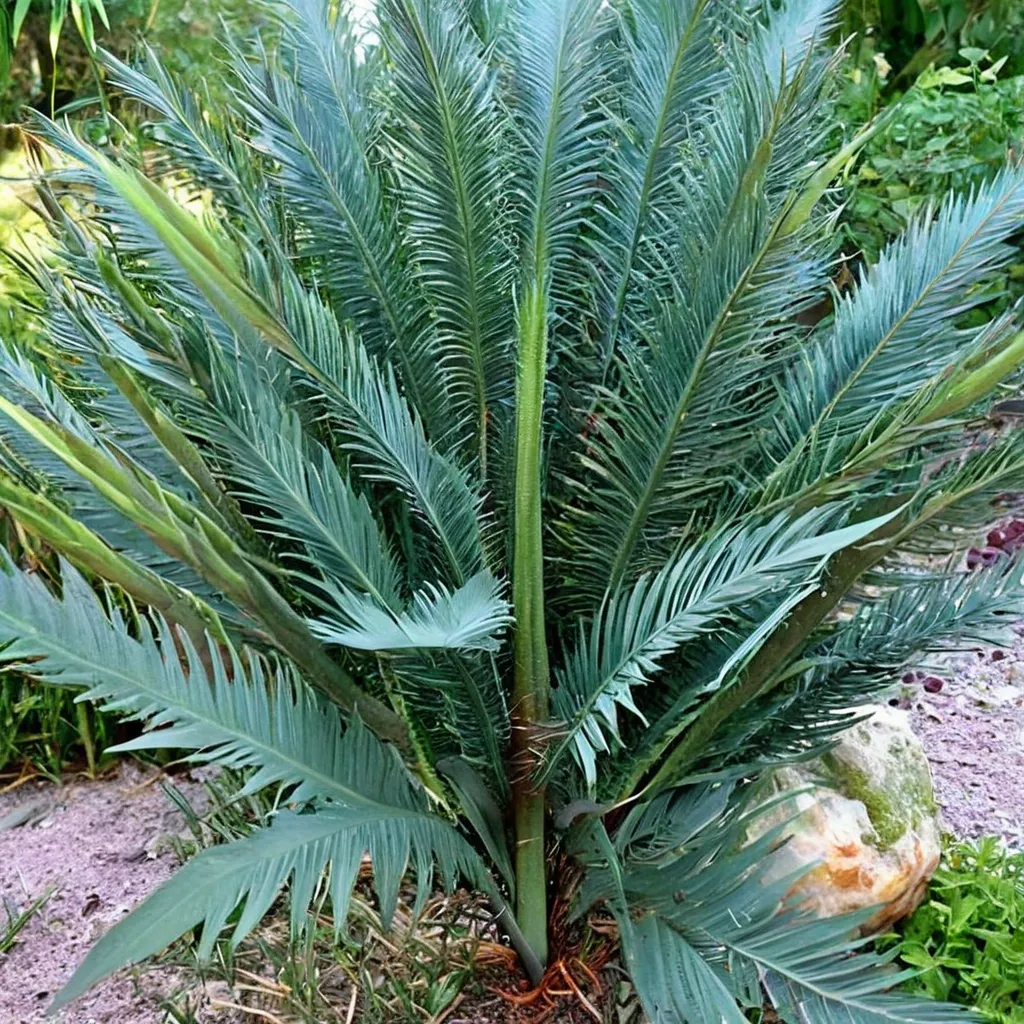
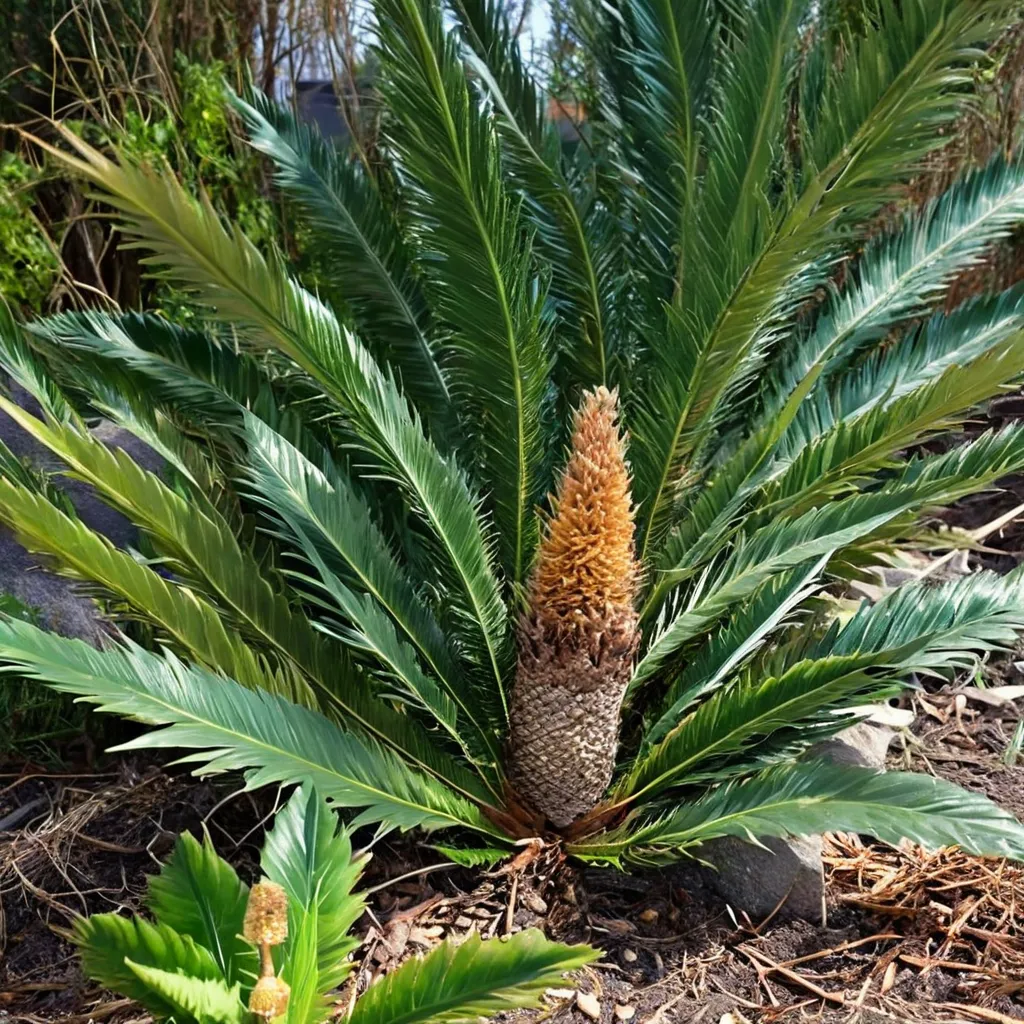
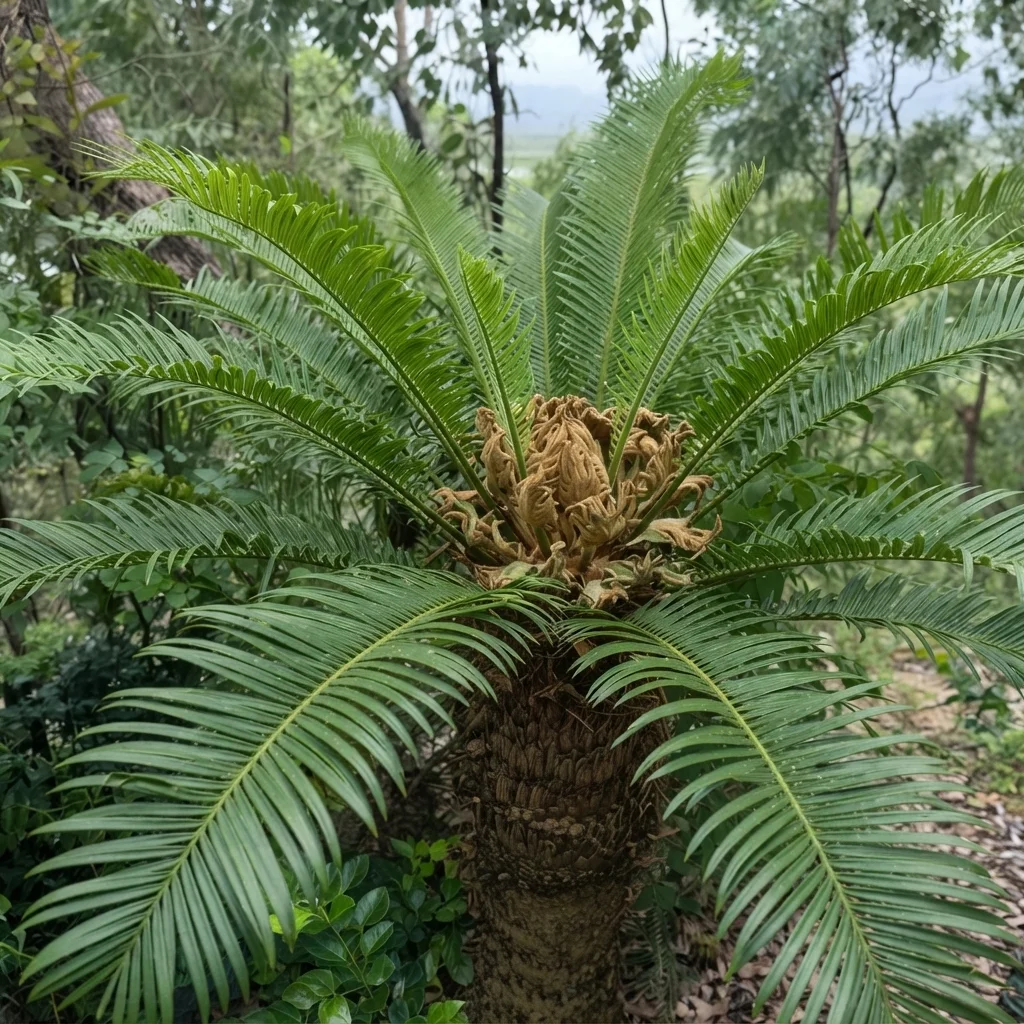
Species of Cycas
Each one is a parent of the varieties above.
Track your Cycas in Sow
Save the Cycas you grow and get care reminders timed to your zone.
How to grow Cycas
Whats common across all Cycas varieties in our catalog — drawn from the care records of the 4 most-grown of them.
The Cycas year
- PruneMarch–December100% of varieties
Remove only completely dead, brown lower fronds at the base of the petiole.
- FertilizeApril, May and July100% of varieties
Apply a slow-release palm and cycad fertilizer containing magnesium and manganese.
- Check for PestsMay–September100% of varieties
Inspect leaf axils and frond undersides for scale insects and mealybugs.


Do
- Plant in sharply draining sandy or rocky soil mixes.
- Water sparingly, allowing the root zone to dry completely between applications.
- Wear thick gloves when handling to protect against sharp leaf spines.
- Apply a balanced cycad fertilizer with micronutrients twice a year.
- Provide full sun for vigorous growth 🌞
Avoid
- Expose to frost without protection ❄️
- Do not plant in heavy clay or low-lying areas where water pools.
- Do not cut off green or partially yellowing fronds.
- Do not overwater during cool winter months when growth slows.
What goes wrong with Cycas
| Problem | What you'll see | What to do |
|---|---|---|
| Scale insects | White, armored crusts on leaves and trunk, leading to yellowing and leaf drop. | Apply horticultural oils or systemic insecticides such as imidacloprid. |
| Mealybugs | White, cottony masses in leaf axils and on the undersides of fronds. | Dab with isopropyl alcohol or apply insecticidal soap. |
| Spider mites | Stippling, fine webbing, and bronzing of leaflets under dry conditions. | Spray with a strong stream of water or apply miticides. |
| Cycad Aulacaspis Scale | White, waxy insects that look like a crust on fronds, causing yellow blotches and eventual death. | Scrub off with a brush and soapy water. Apply horticultural oil. For severe cases, systemic insecticides like dinotefuran may be needed. |
| Root rot | Mushy roots, sudden yellowing of lower fronds, and trunk collapse. | Improve soil drainage, reduce watering frequency, and apply fungicides if detected early. |
| Fungal leaf spot | Brown or black necrotic spots on leaflets. | Remove infected fronds and apply copper-based fungicides. |
| Root Rot | Yellowing, wilting fronds and a soft, rotting trunk base. | Caused by overwatering and poor drainage. Usually fatal. Prevention is the only cure. |
Making more Cycas
Seed
- Remove the fleshy outer sarcocarp from mature orange-yellow seeds.
- Soak the cleaned seeds in warm water for 24 hours.
- Sow seeds horizontally in a well-draining, moist sandy propagation mix.
- Maintain a warm temperature and keep the medium barely damp until germination occurs.
Offsets
- Locate basal trunk offsets, commonly called pups, during the active growing season.
- Carefully sever the offset from the parent trunk using a sharp, sterile knife.
- Allow the cut surface of the offset to callus in a shaded area for several days.
- Plant the offset in a sharply draining potting mix and water sparingly until roots establish.
Cycas questions
How many types of Cycas are there?
The Sow catalog tracks 4 distinct Cycas varieties. The most popular — ranked by 29 real gardeners — are shown first above.
What zones does Cycas grow in?
Across its varieties, Cycas covers USDA Zones 7–10. Individual varieties differ — each plant page lists its exact range, and Sow filters the catalog to your zone automatically.
When does Cycas bloom?
Most Cycas varieties bloom in mid-summer, late spring, spring. Staggering early, mid, and late varieties extends the genus's season in one bed.
Which Cycas should I choose?
Start from the most-saved varieties above — popularity across thousands of gardens is a strong signal of reliability — then filter by your zone and sun. In the Sow app you can preview any of them in a photo of your actual yard before you buy.