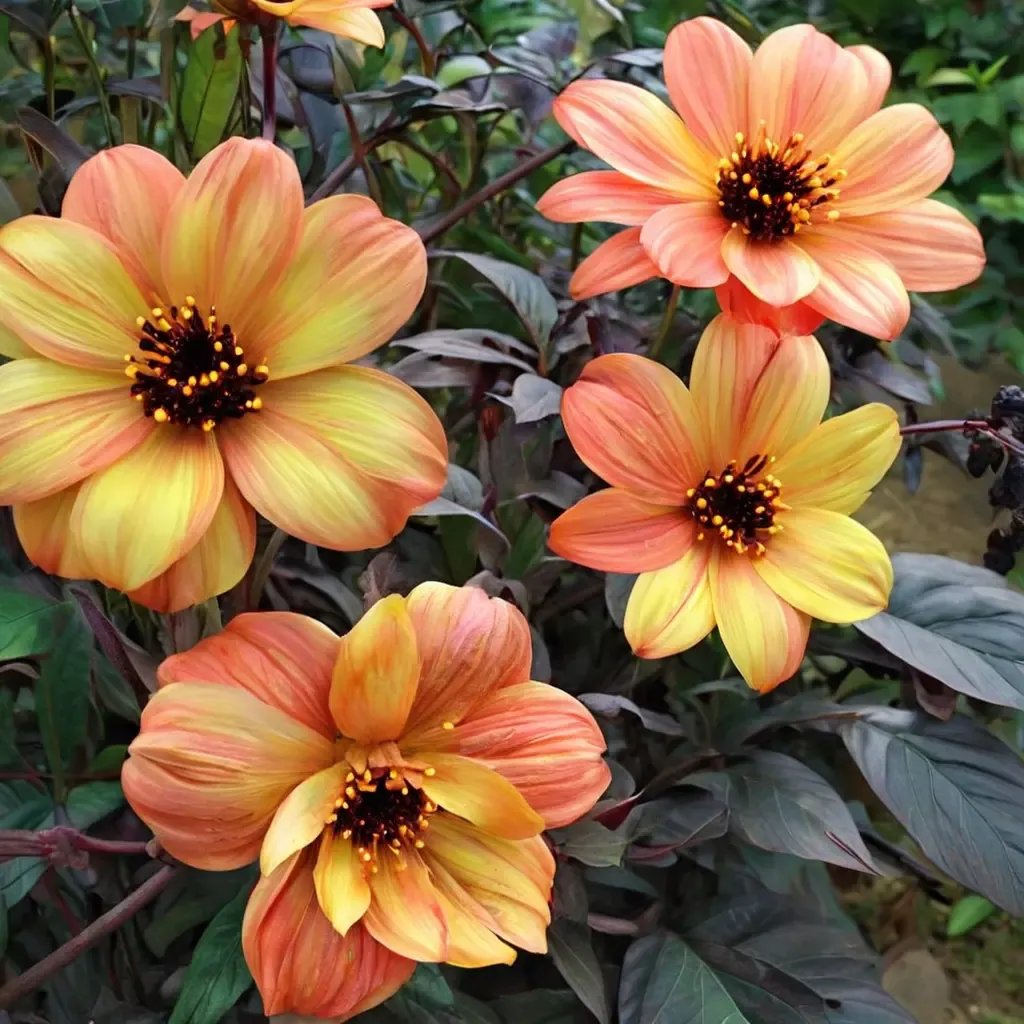
Species
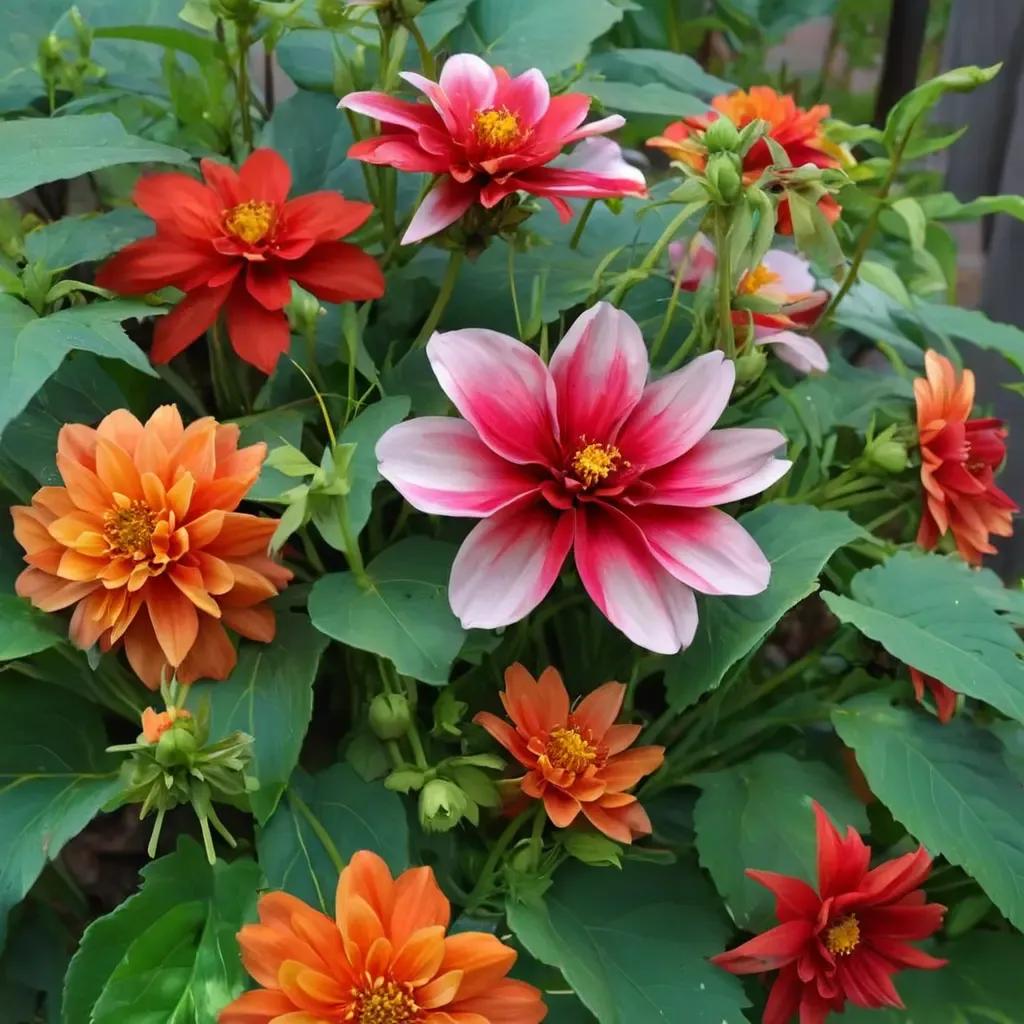 Dahlia pinnataPinnate Dahlia
34 other cultivars
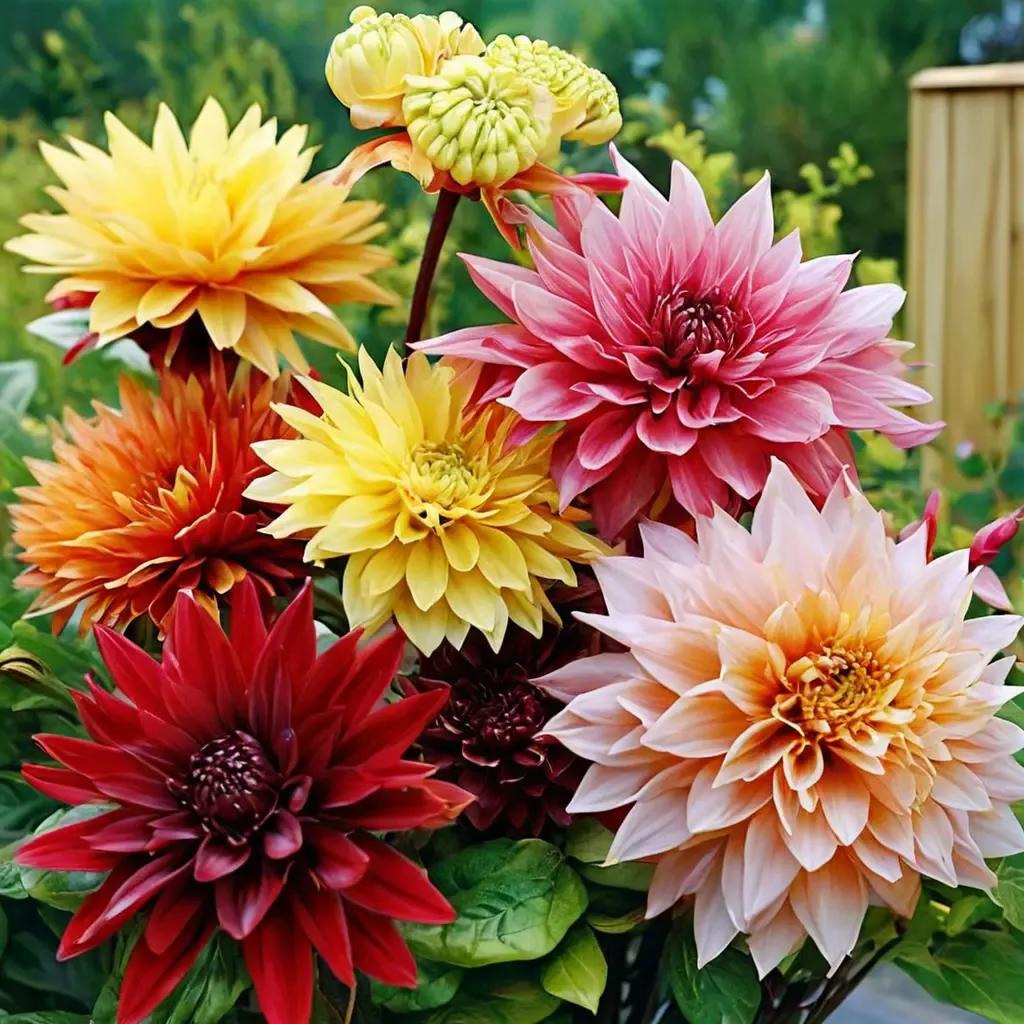 ‘Dinnerplate Cutting Blend’Dinnerplate Cutting Dahlia
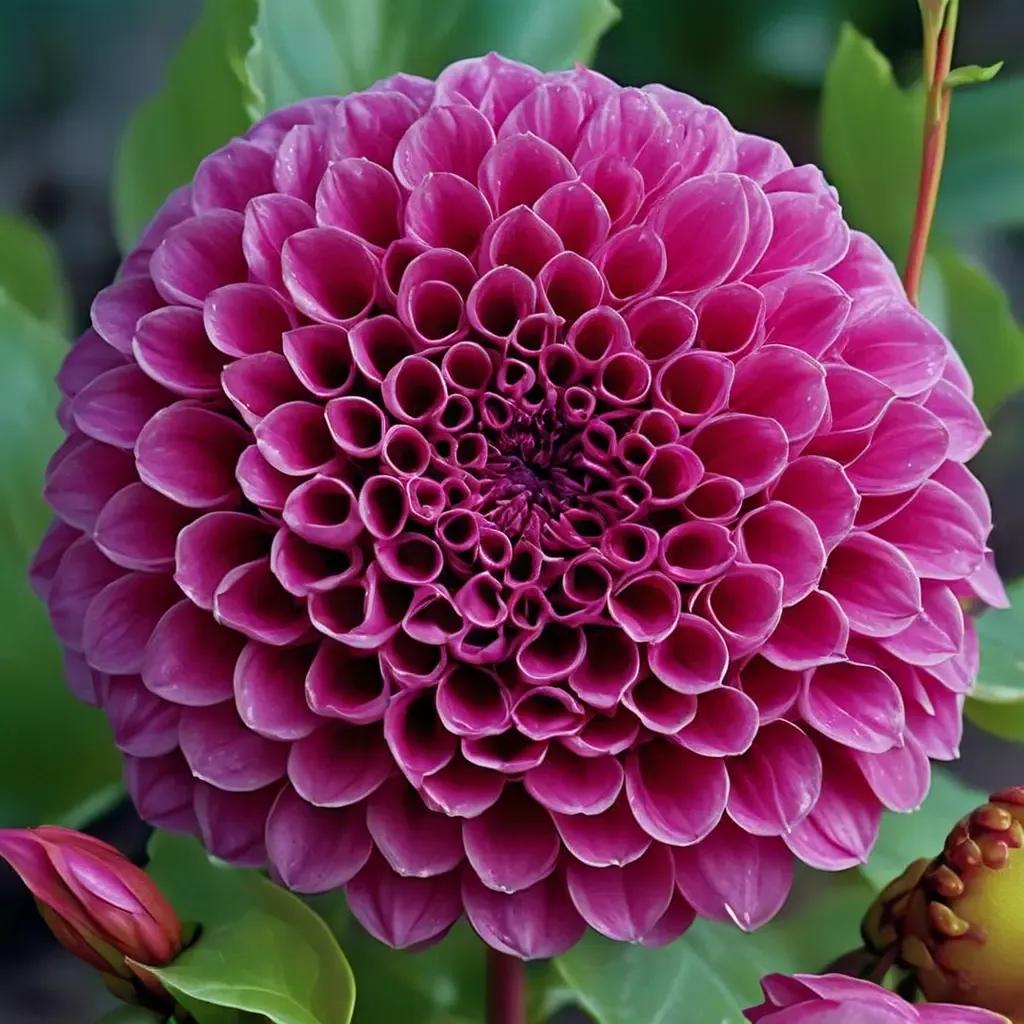 ‘Babette Giant Ball’Babette Giant Ball Dahlia
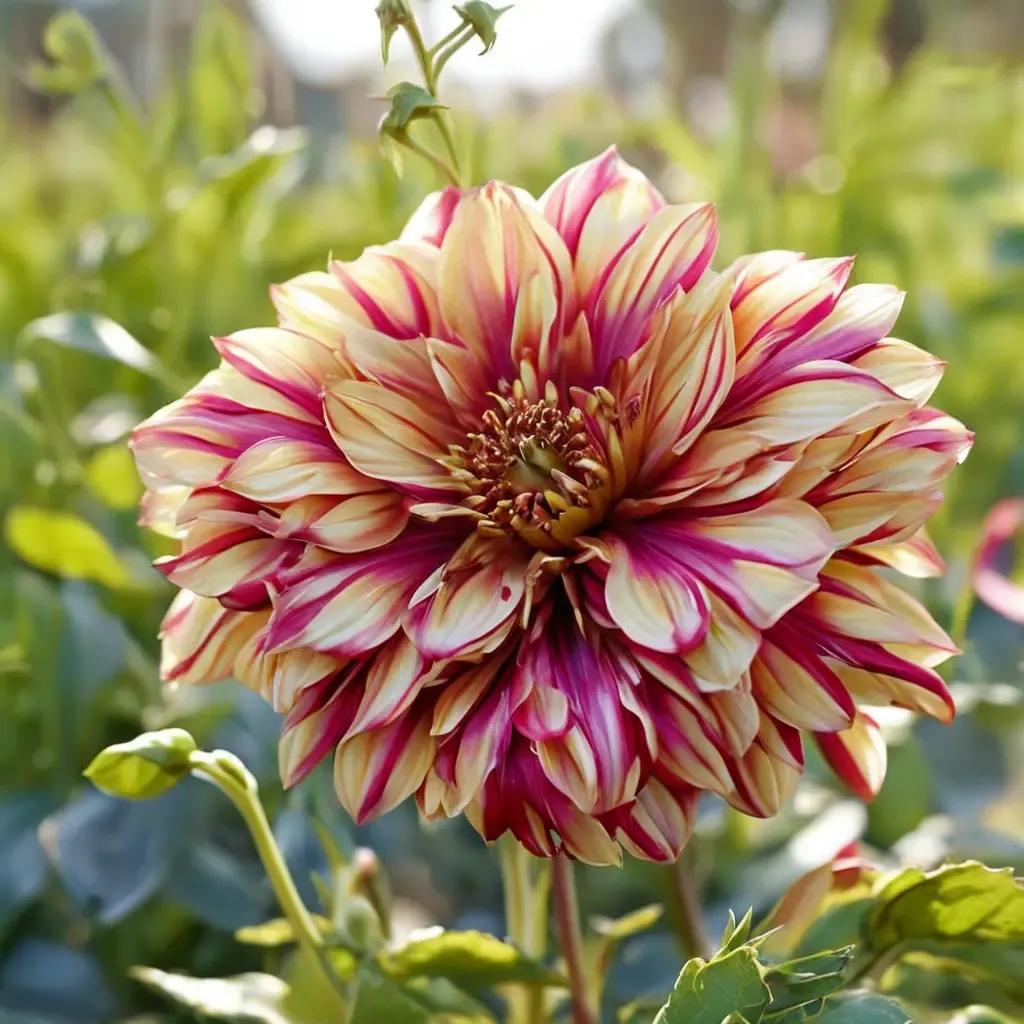 ‘Lady Darlene’Lady Darlene Dahlia
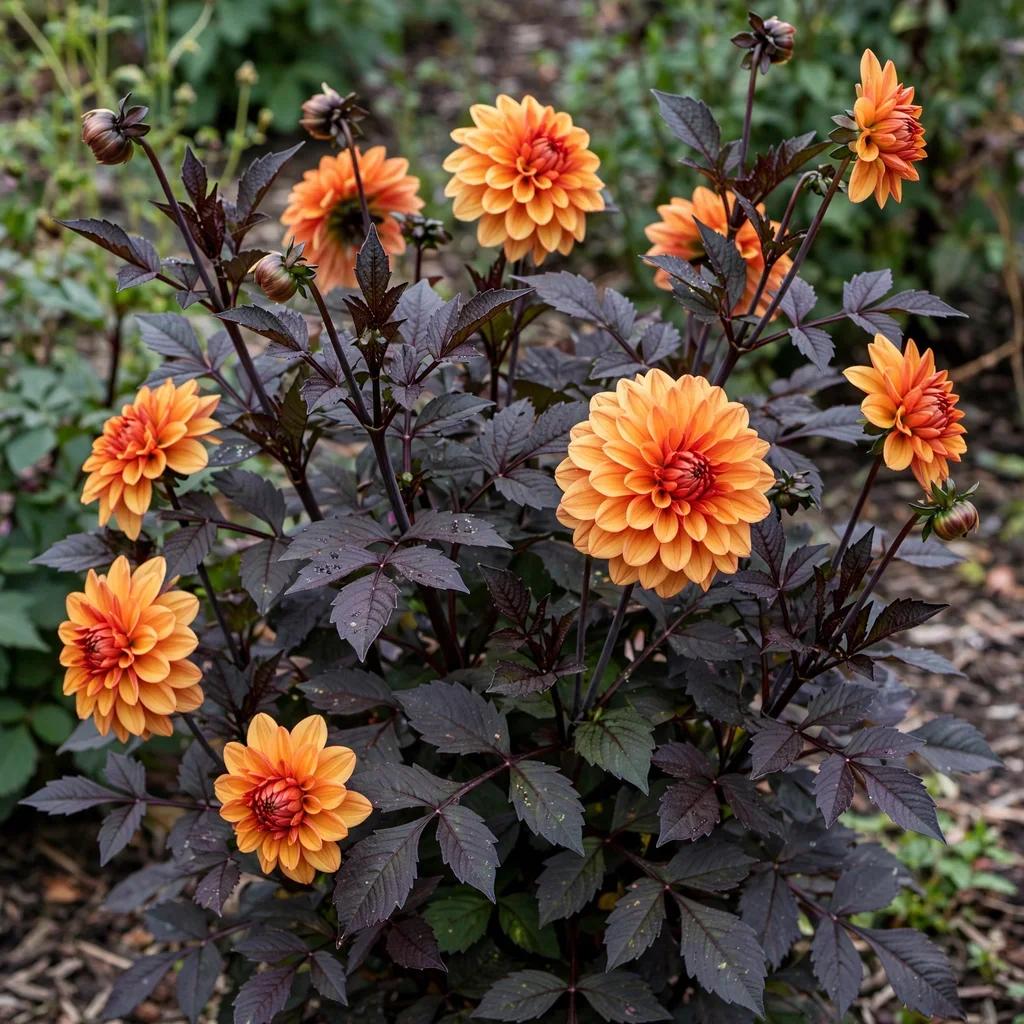 ‘David Howard’David Howard Dahlia
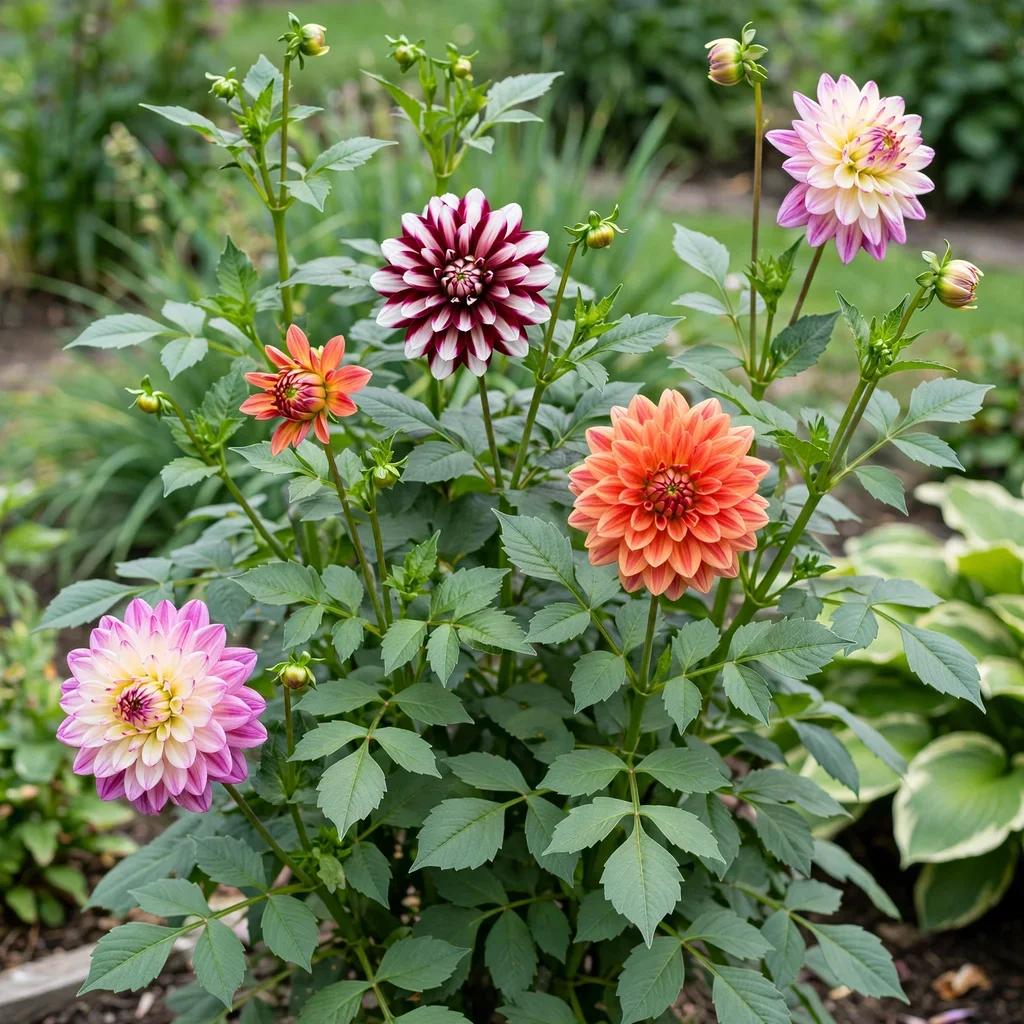 ‘Mixed Border’Mixed Border Dahlia
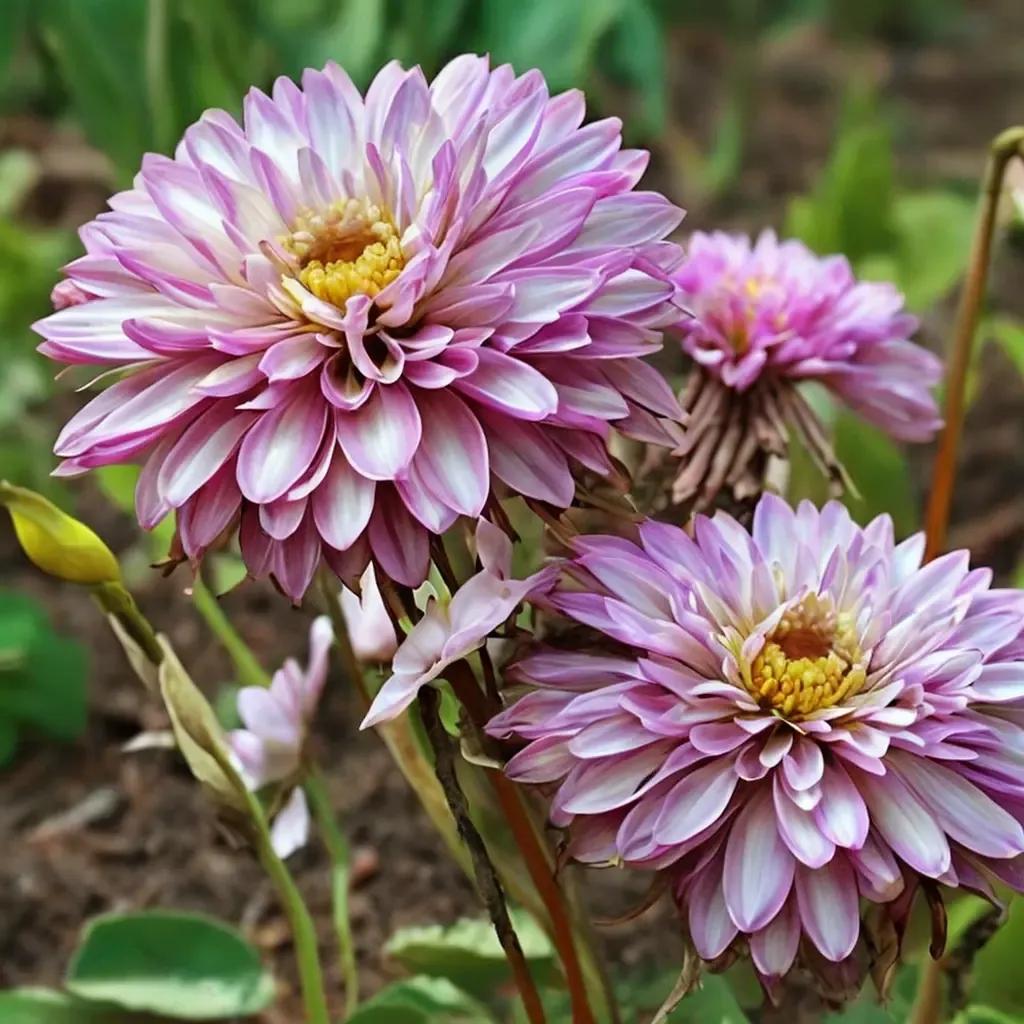 ‘High Contrast Duo’High Contrast Duo Dahlia
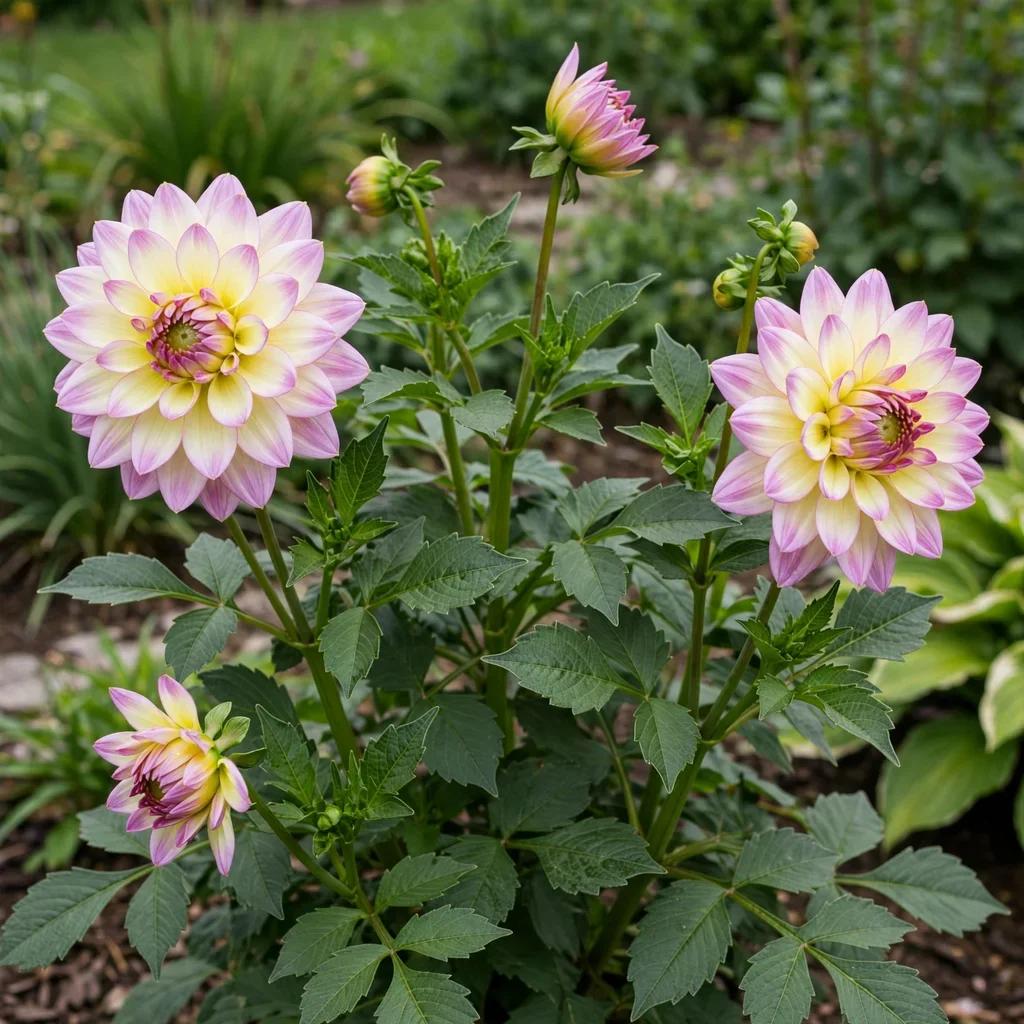 ‘Jowey Gipsy’Jowey Gipsy Dahlia
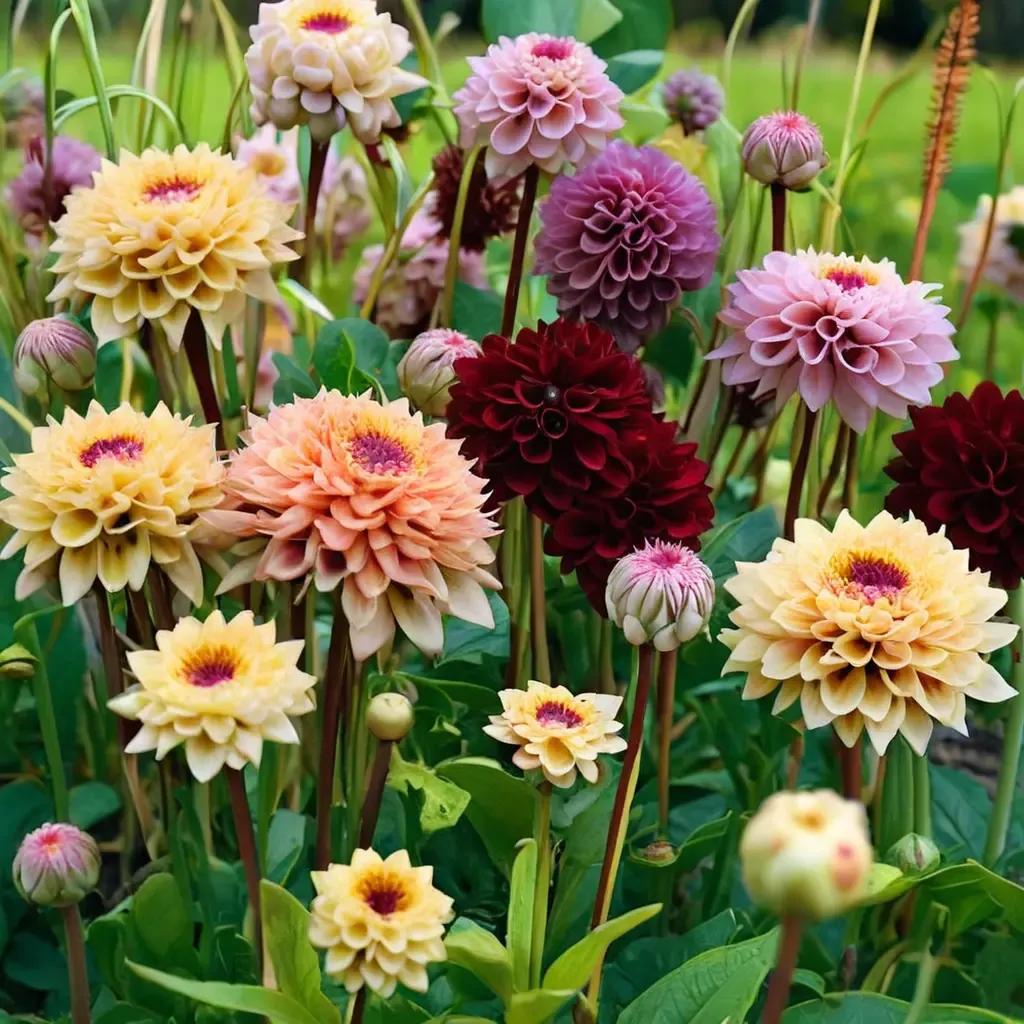 ‘Jill Dahlia Mix’Jill Dahlia Mix
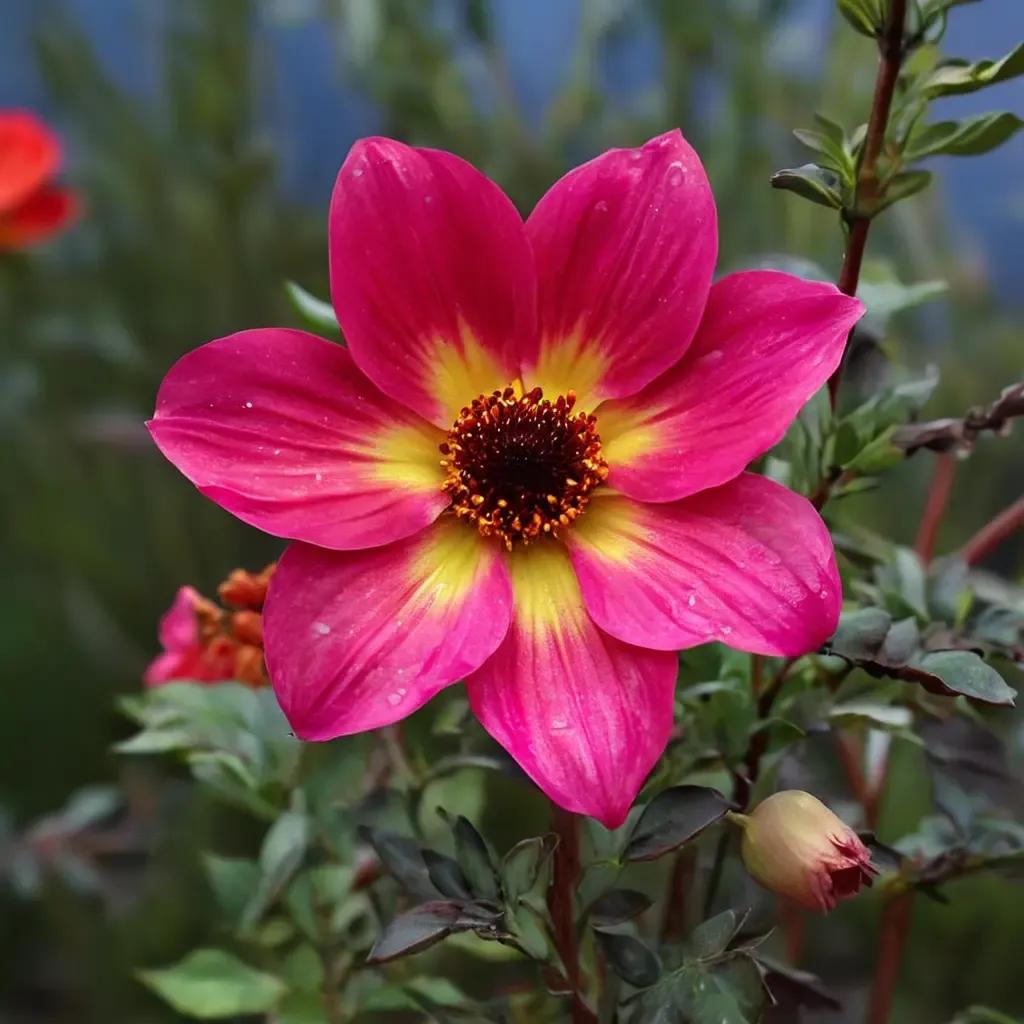 ‘Mystic Sparkler’Mystic Sparkler Dahlia
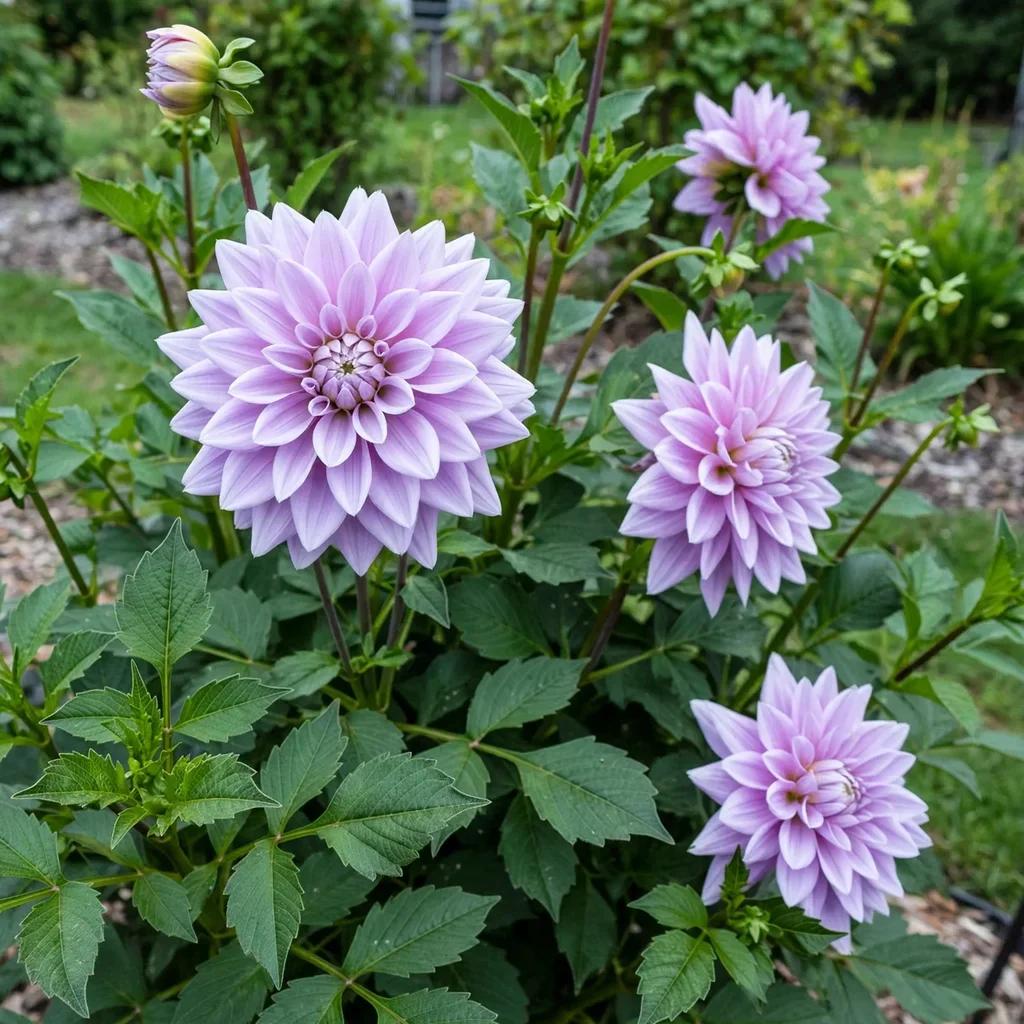 ‘Lilac Time Dinnerplate’Lilac Time Dinnerplate Dahlia
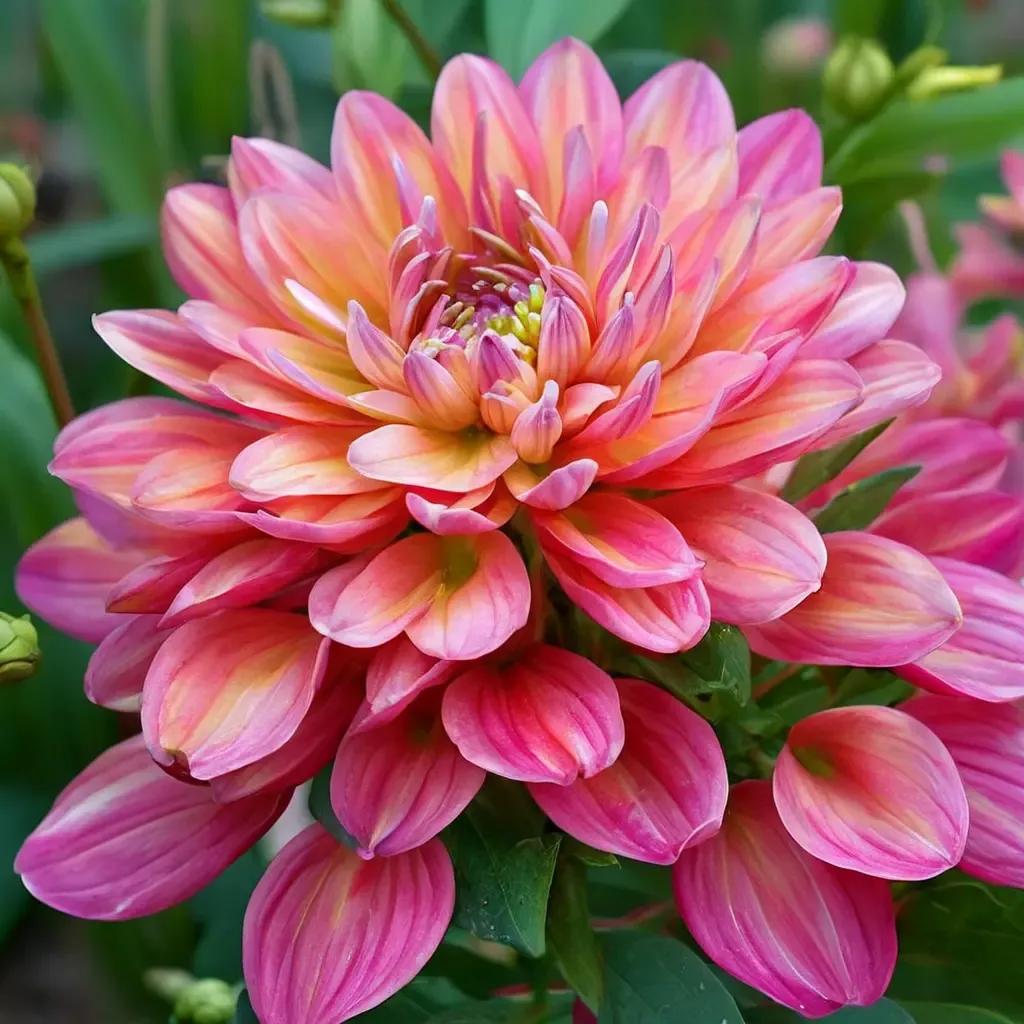 ‘Melody Allegro’Melody Allegro Dahlia
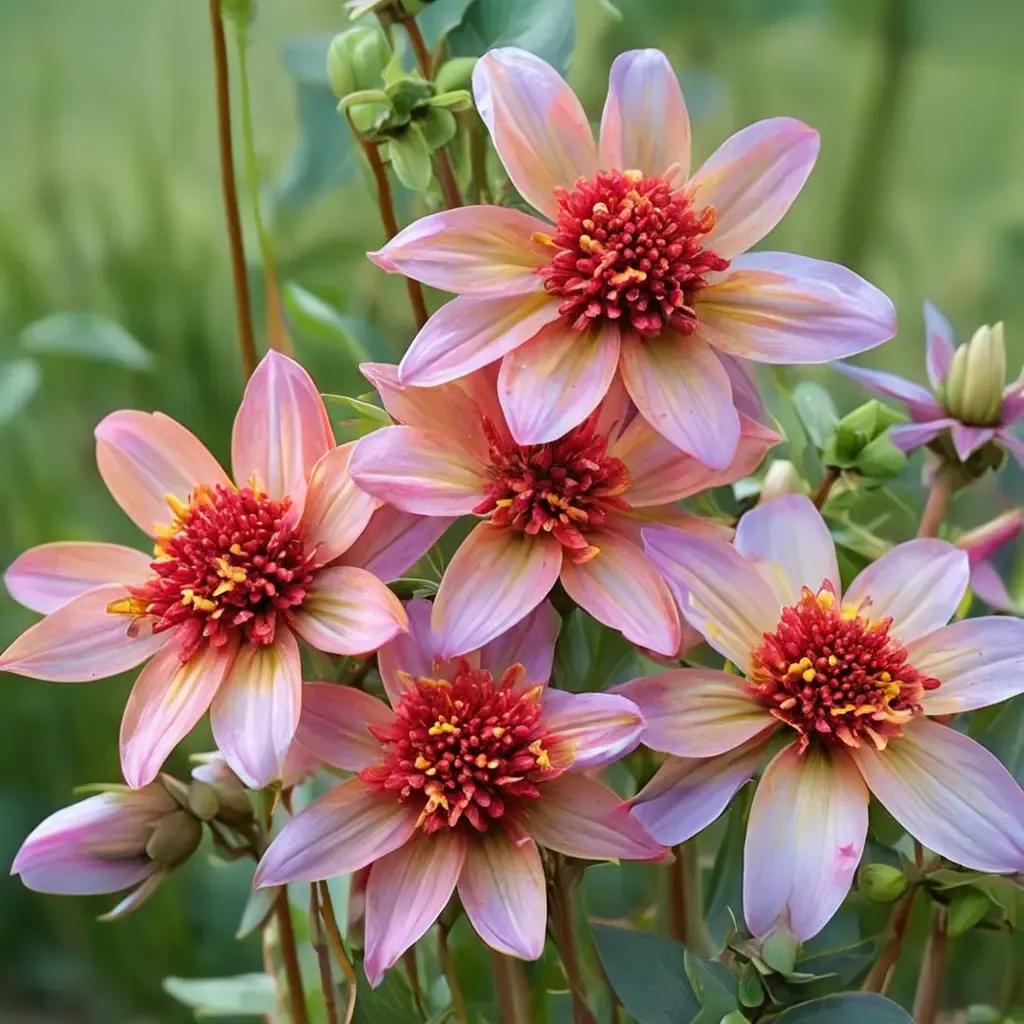 ‘Totally Tangerine’Totally Tangerine Dahlia
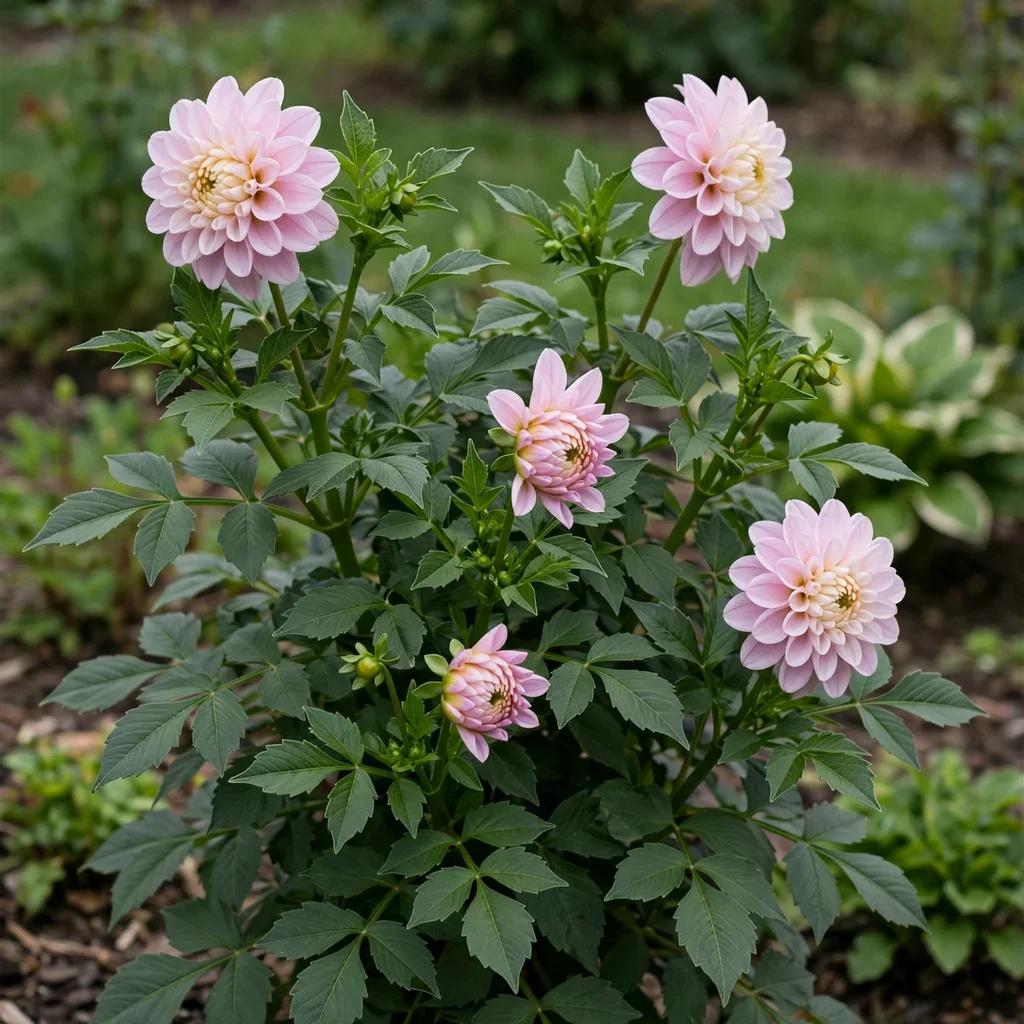 ‘Michael's Flower’Michael's Flower Dahlia
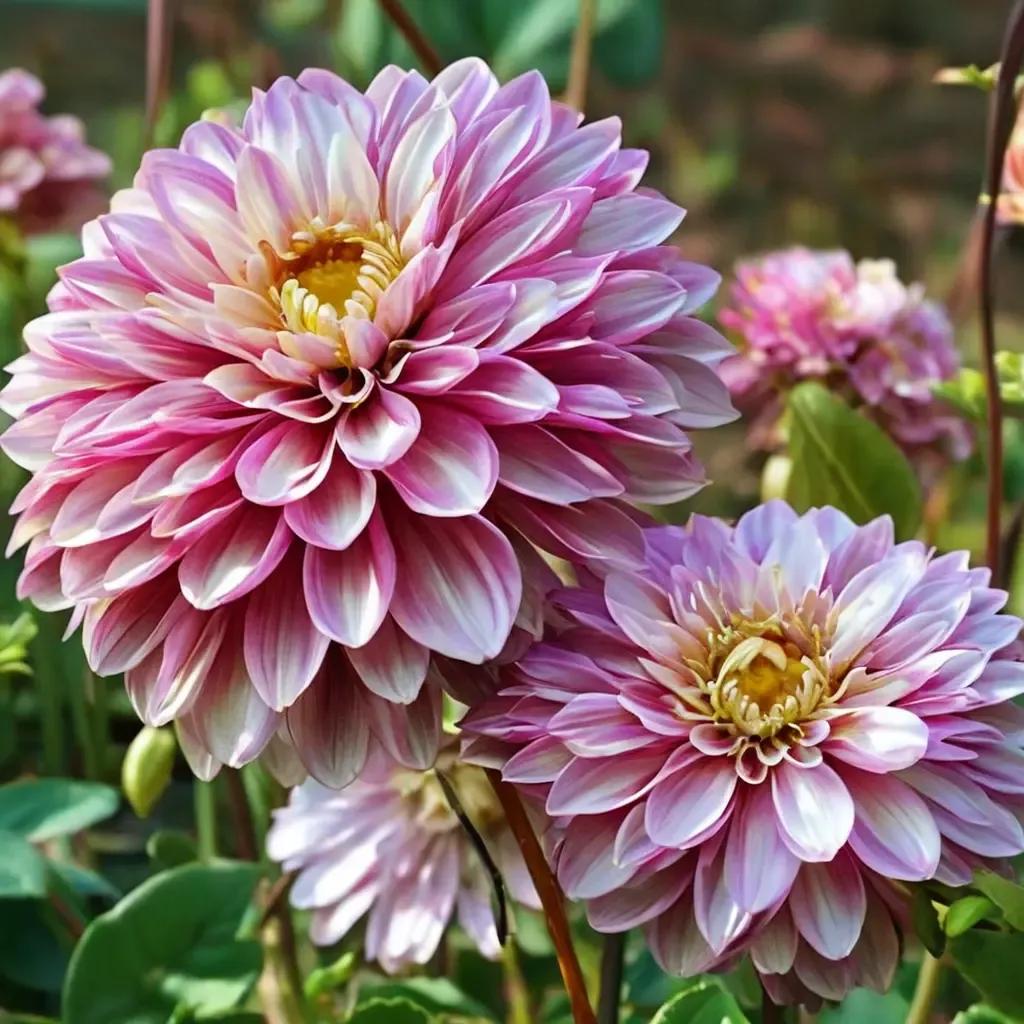 ‘Caballero’Caballero Dahlia
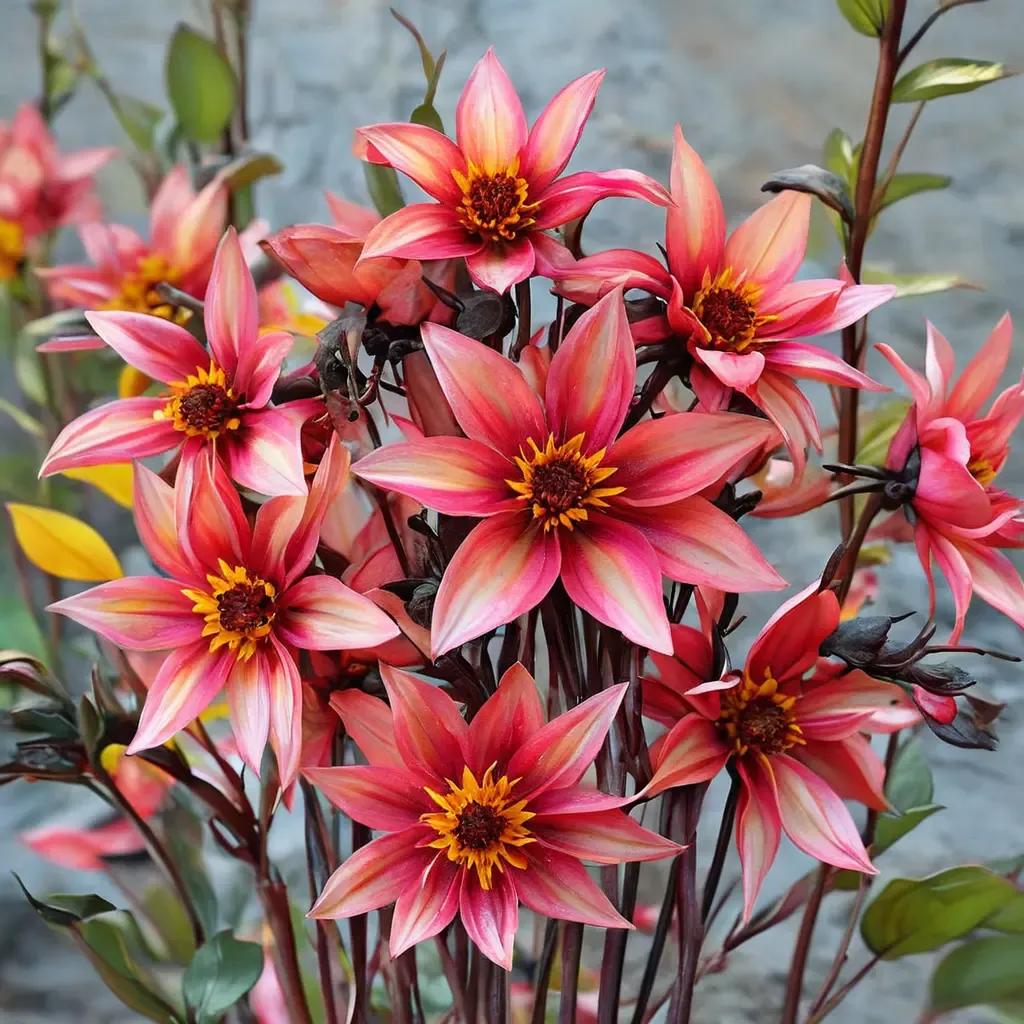 ‘Waltzing Mathilda’Waltzing Mathilda Dahlia
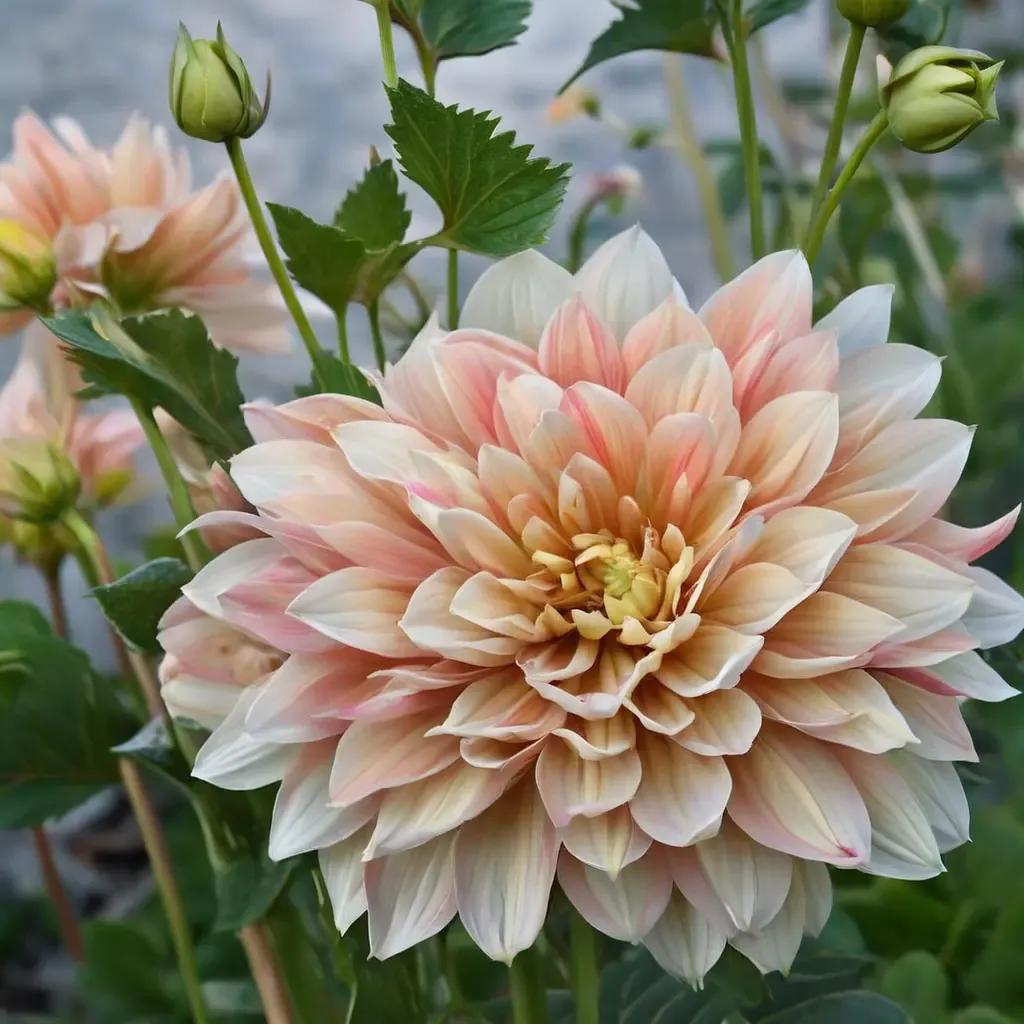 ‘Break Out’Break Out Dahlia
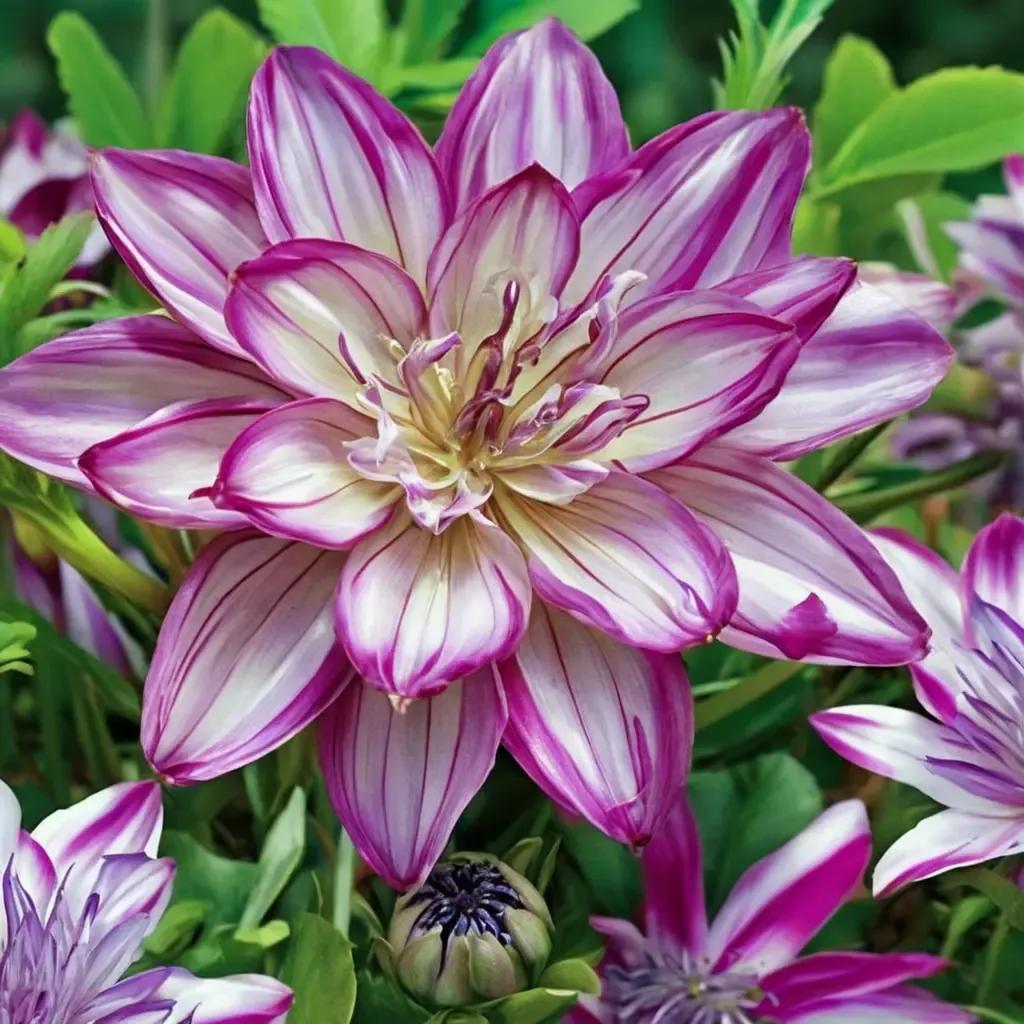 ‘Who Dun It’Who Dun It Dahlia
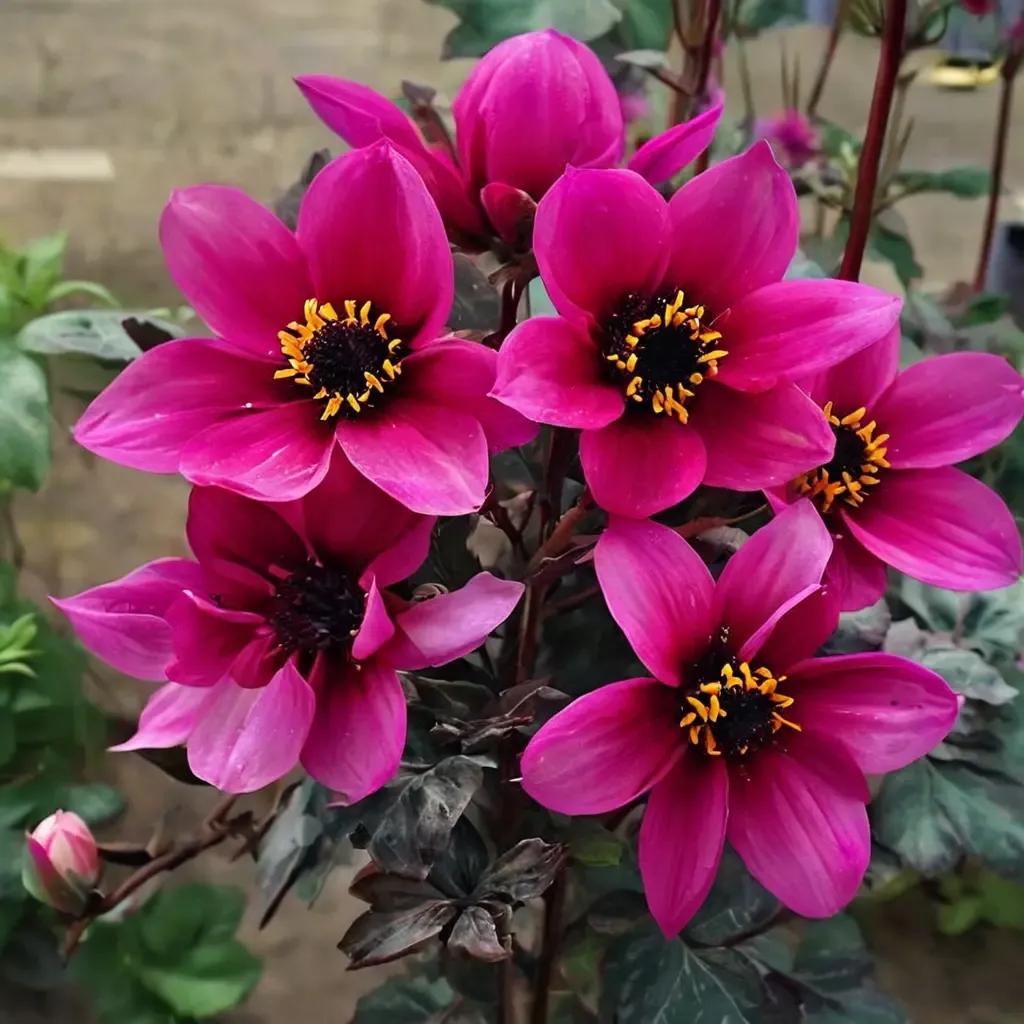 ‘Mystic Wizard’Mystic Wizard Dahlia
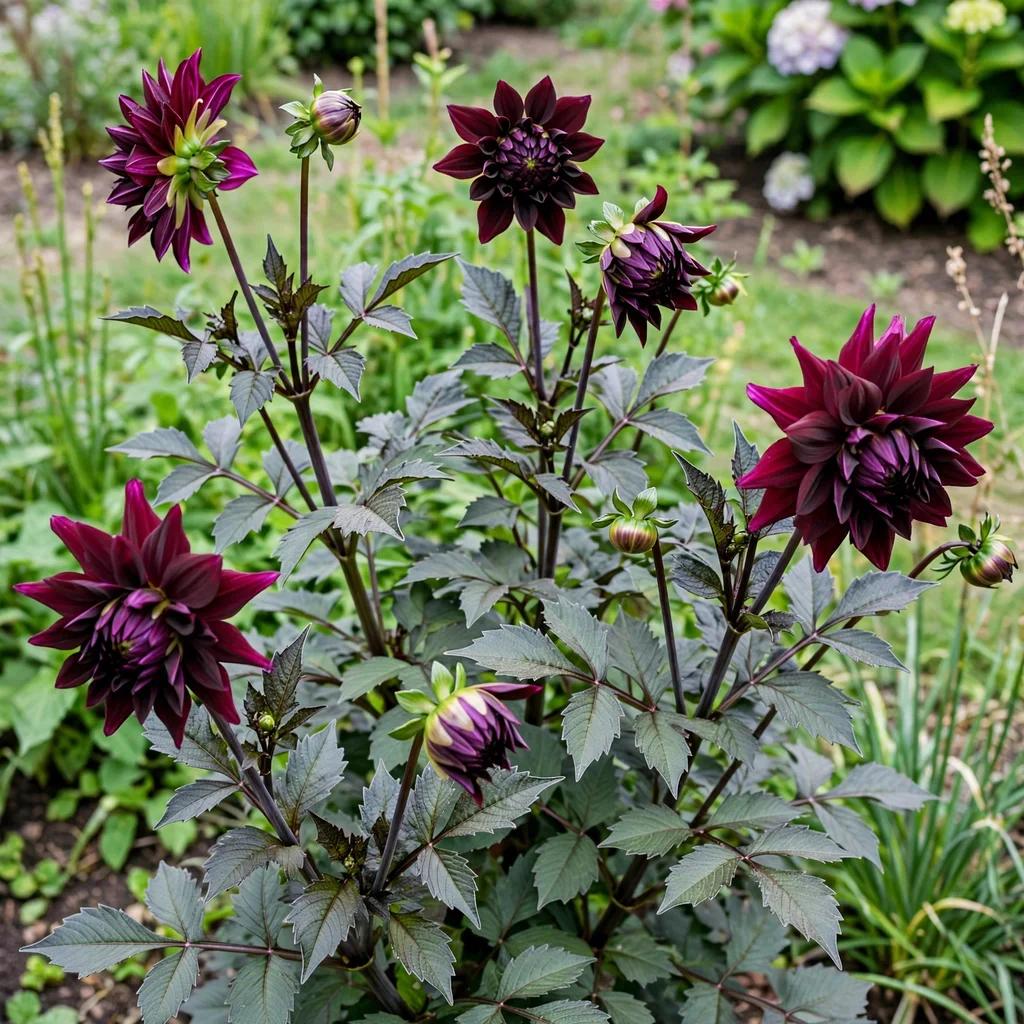 ‘Mingus Alex’Mingus Alex Dahlia
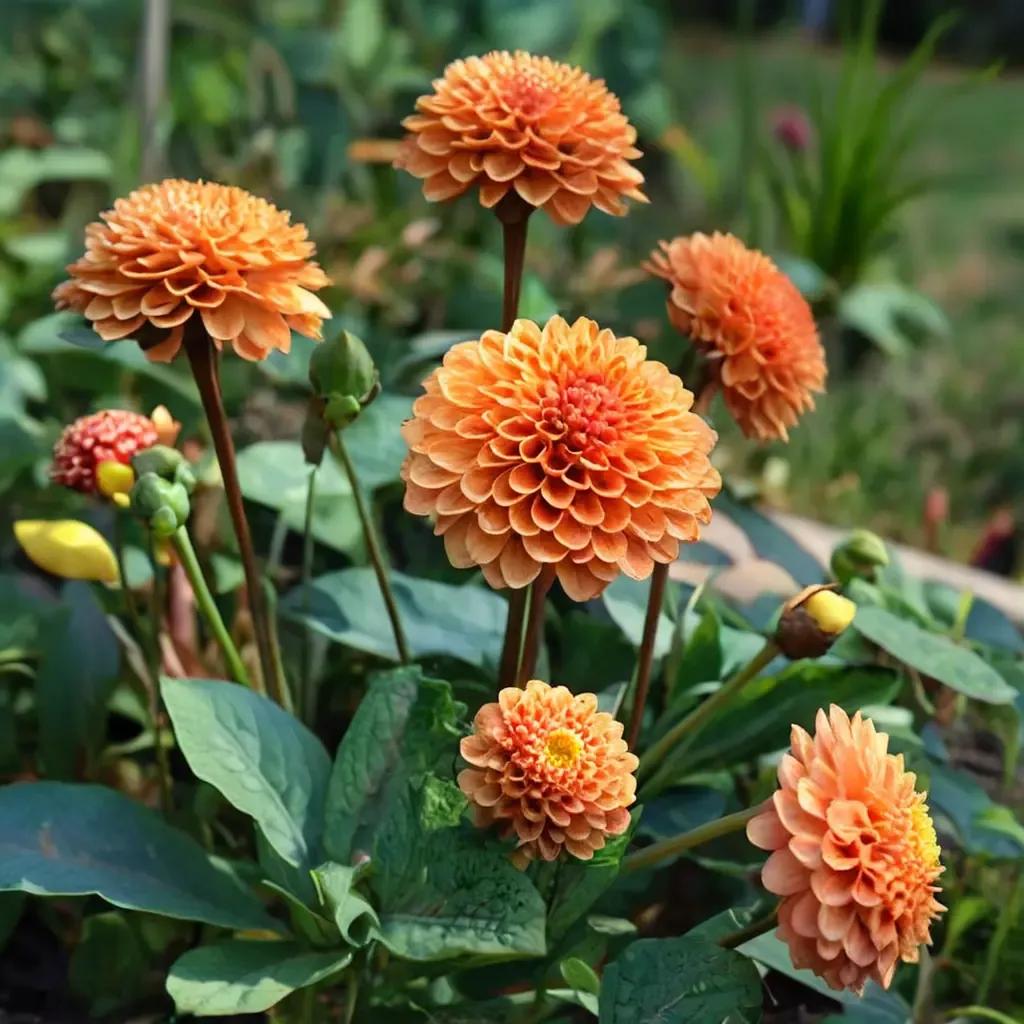 ‘Bantling’Bantling Dahlia
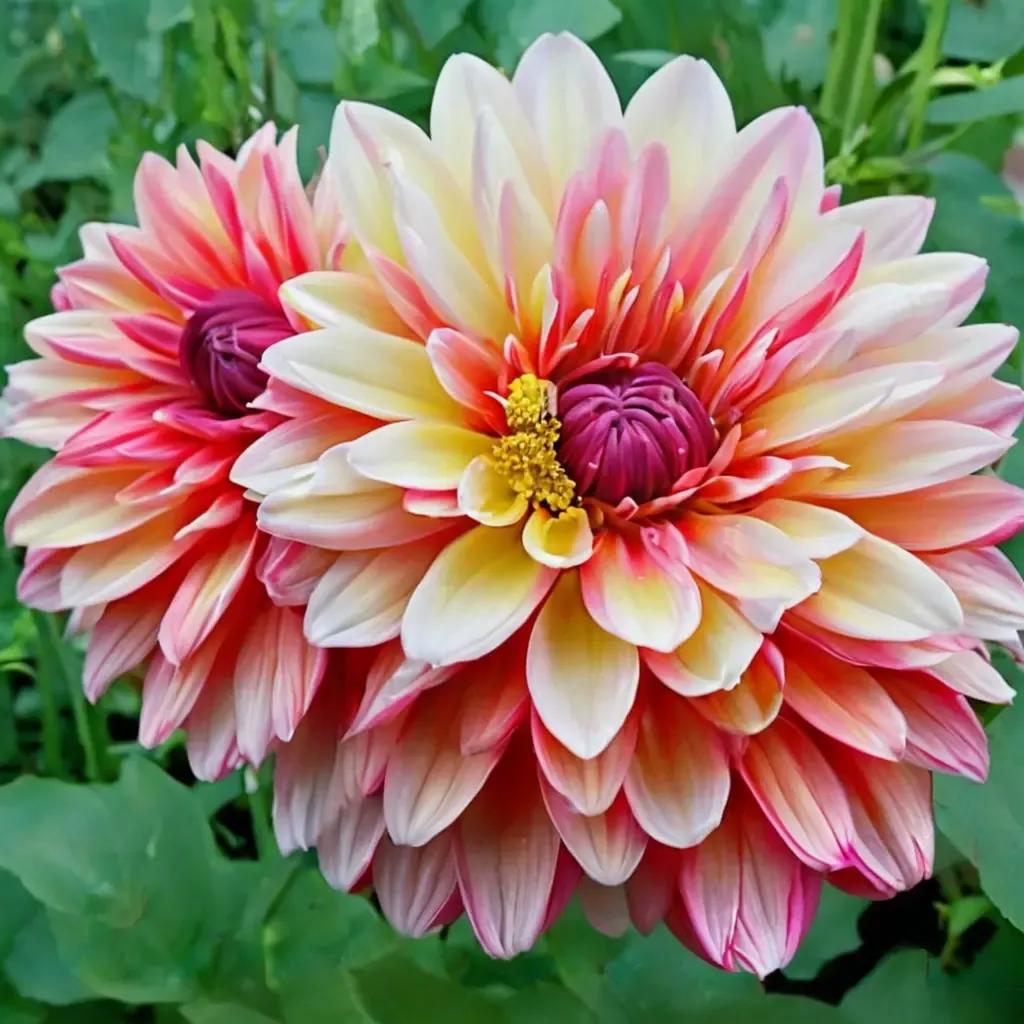 ‘Sunshine’Sunshine Dahlia
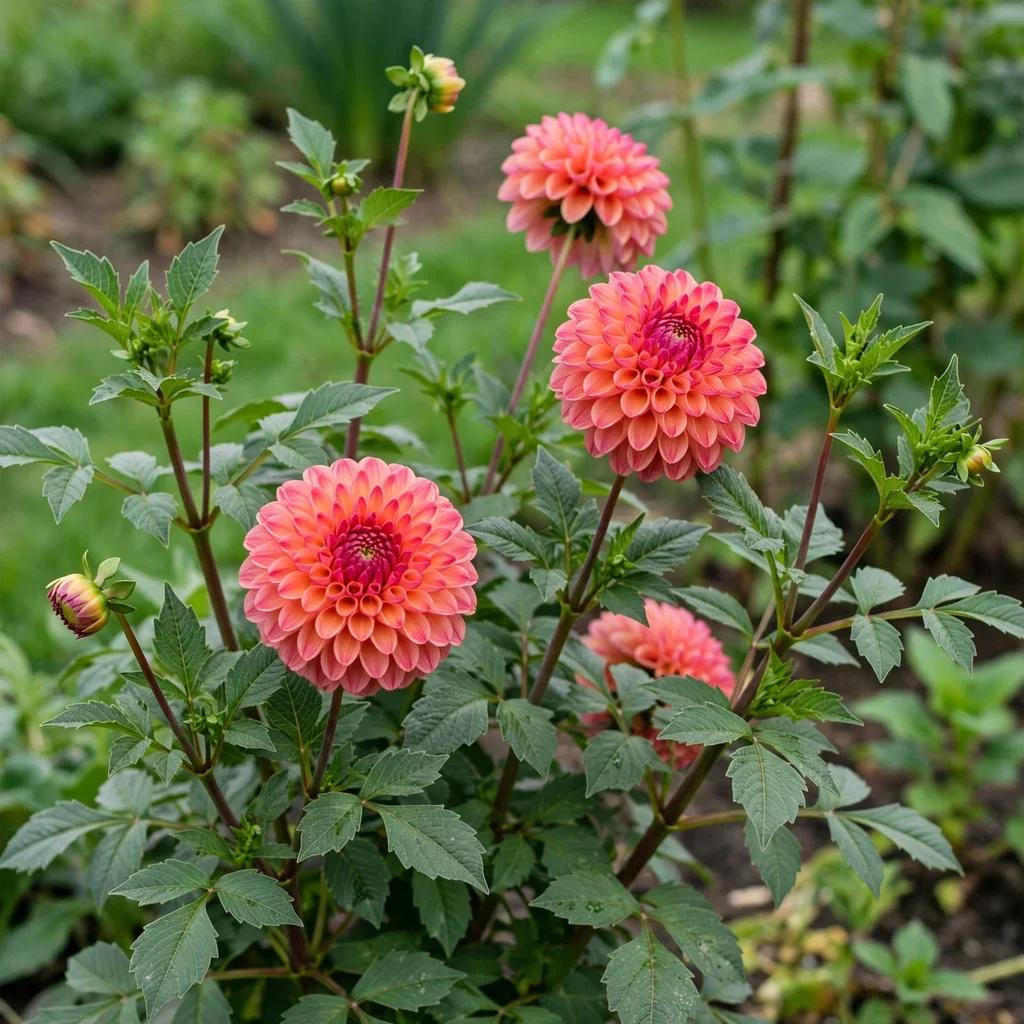 ‘Mirella’Mirella Dahlia
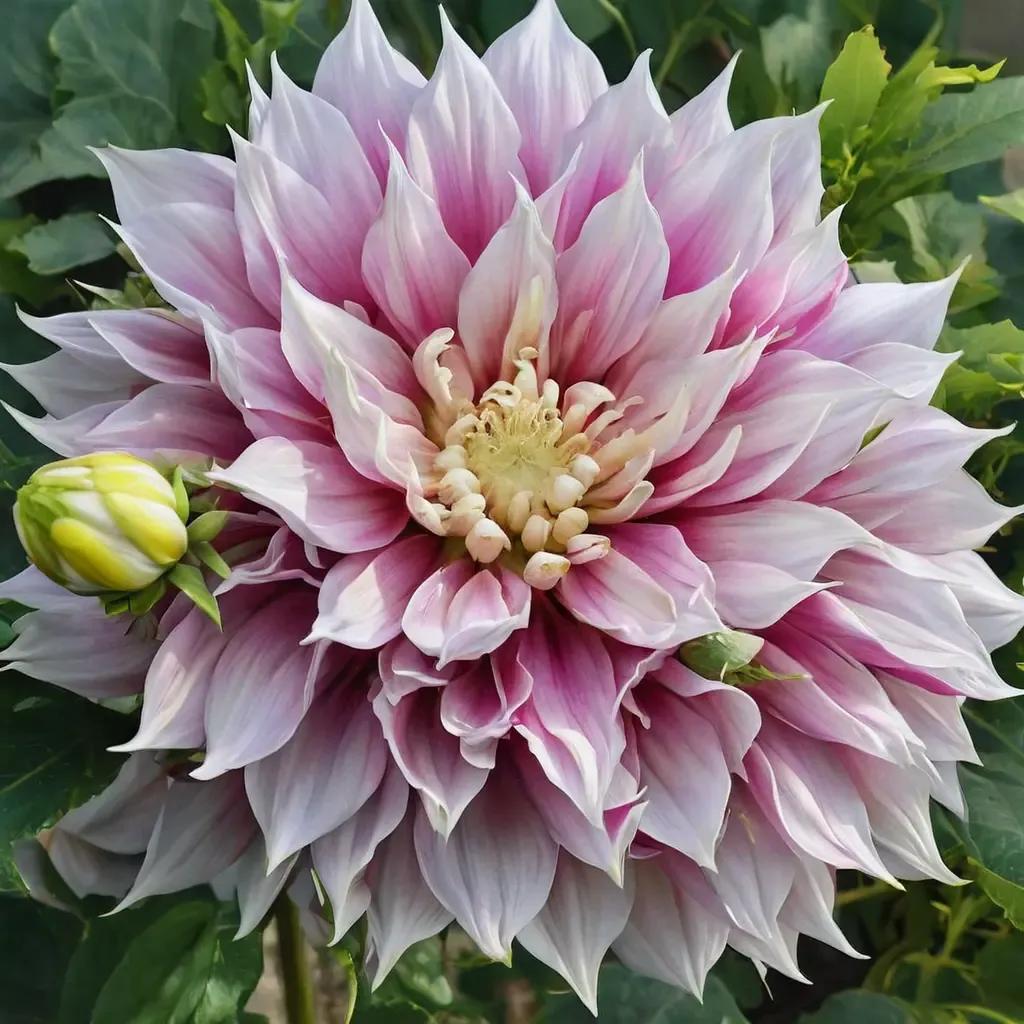 ‘Gitts Perfection’Gitts Perfection Dahlia
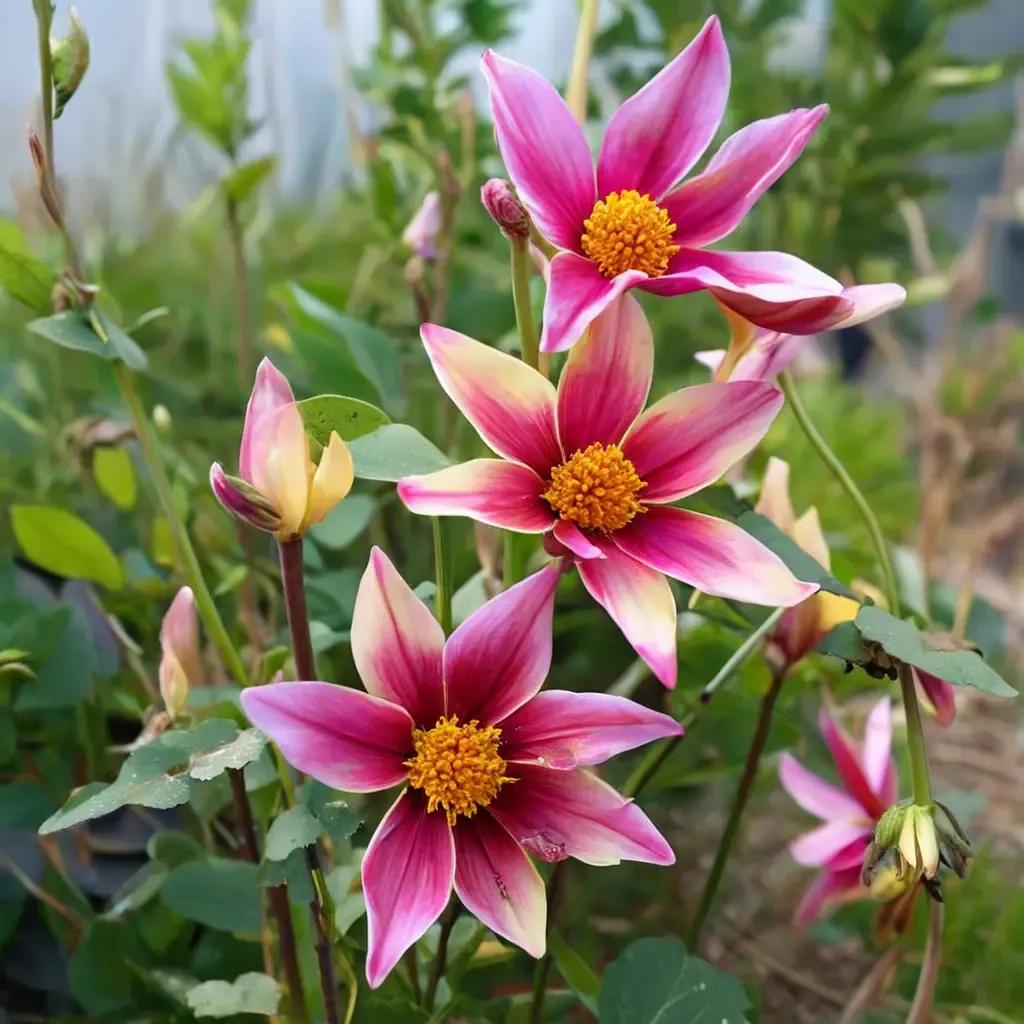 ‘Star’Star Dahlia
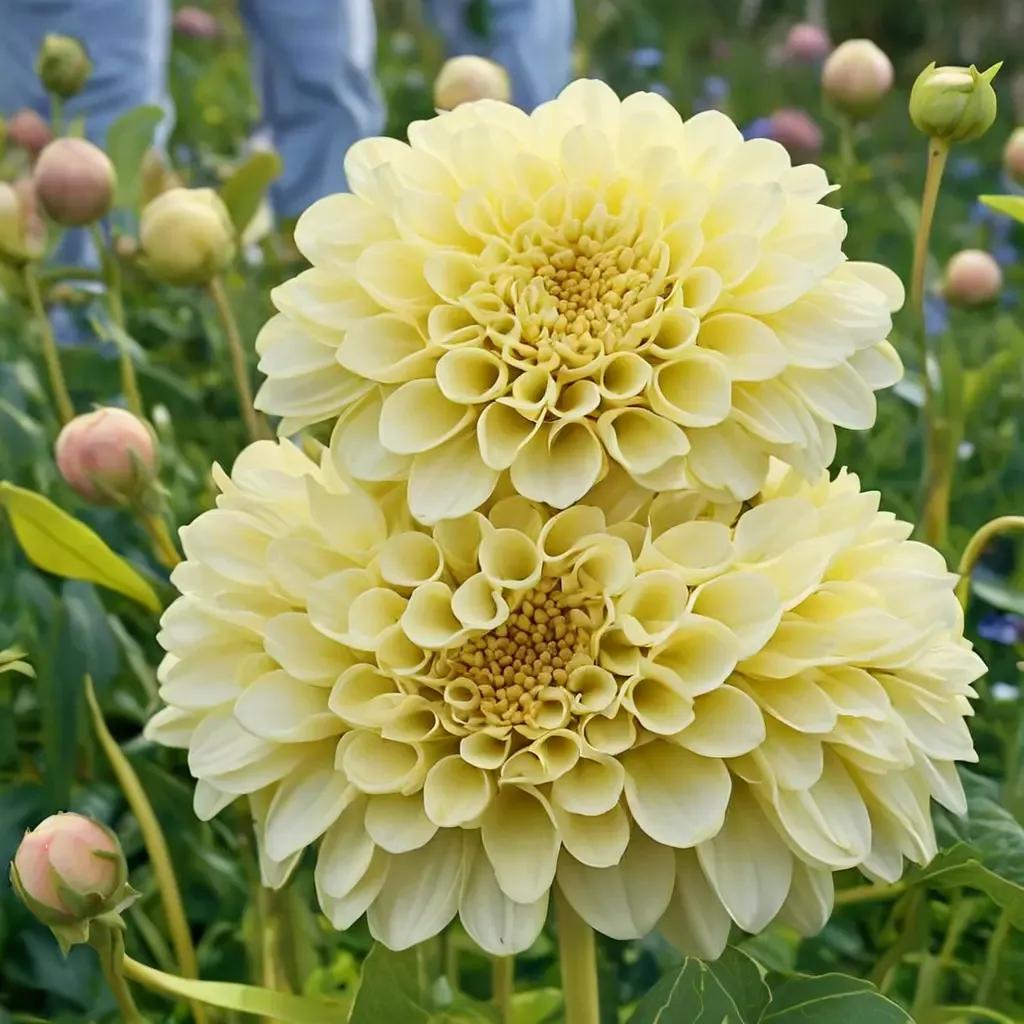 ‘Jowey Martina’Jowey Martina Dahlia
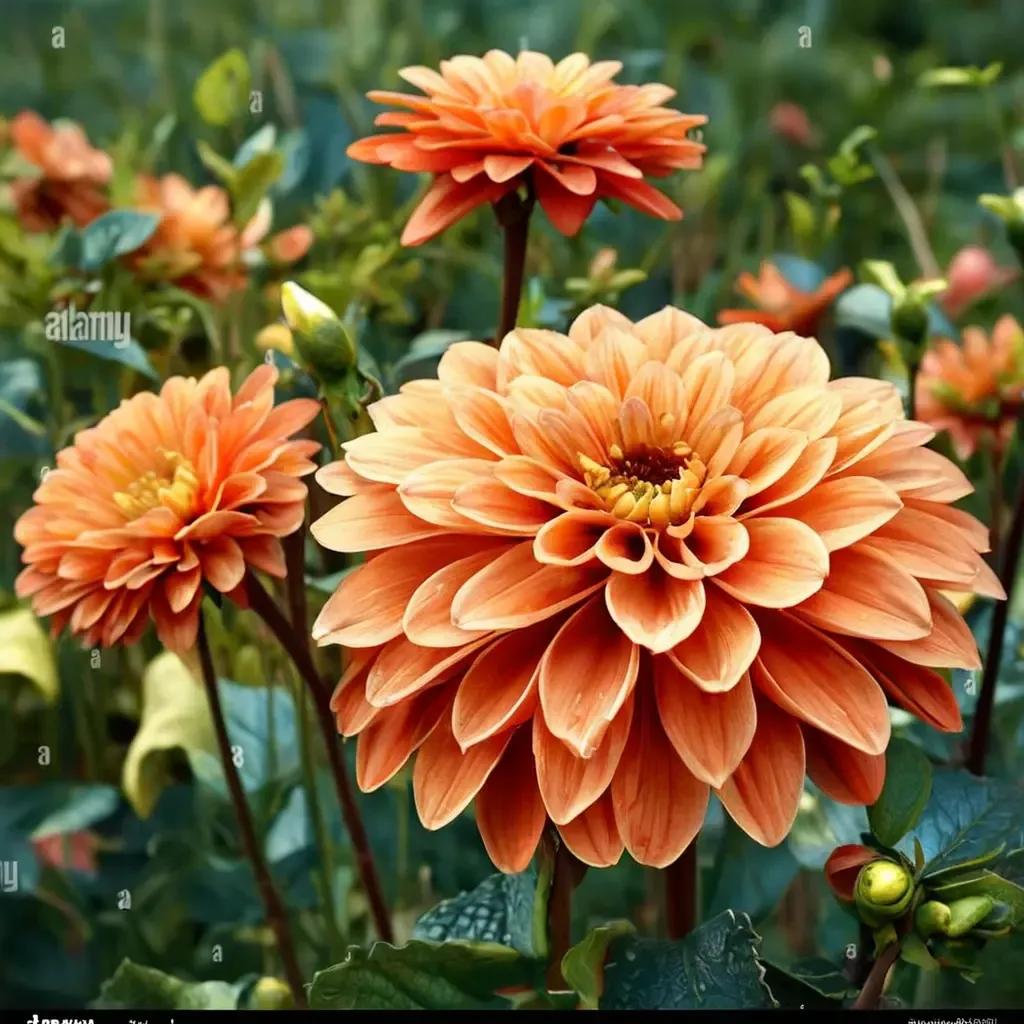 ‘Jewel Orange’Jewel Orange Dahlia
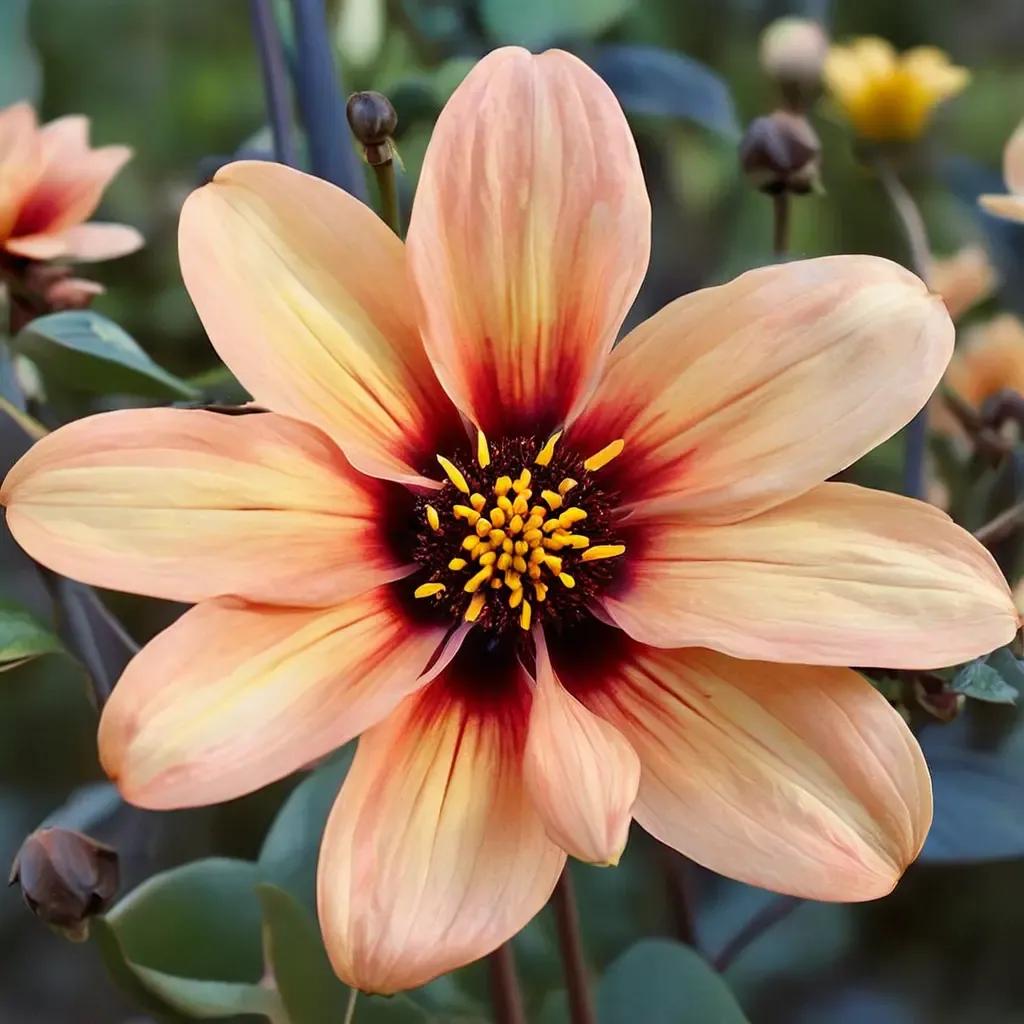 ‘First Love’First Love Dahlia
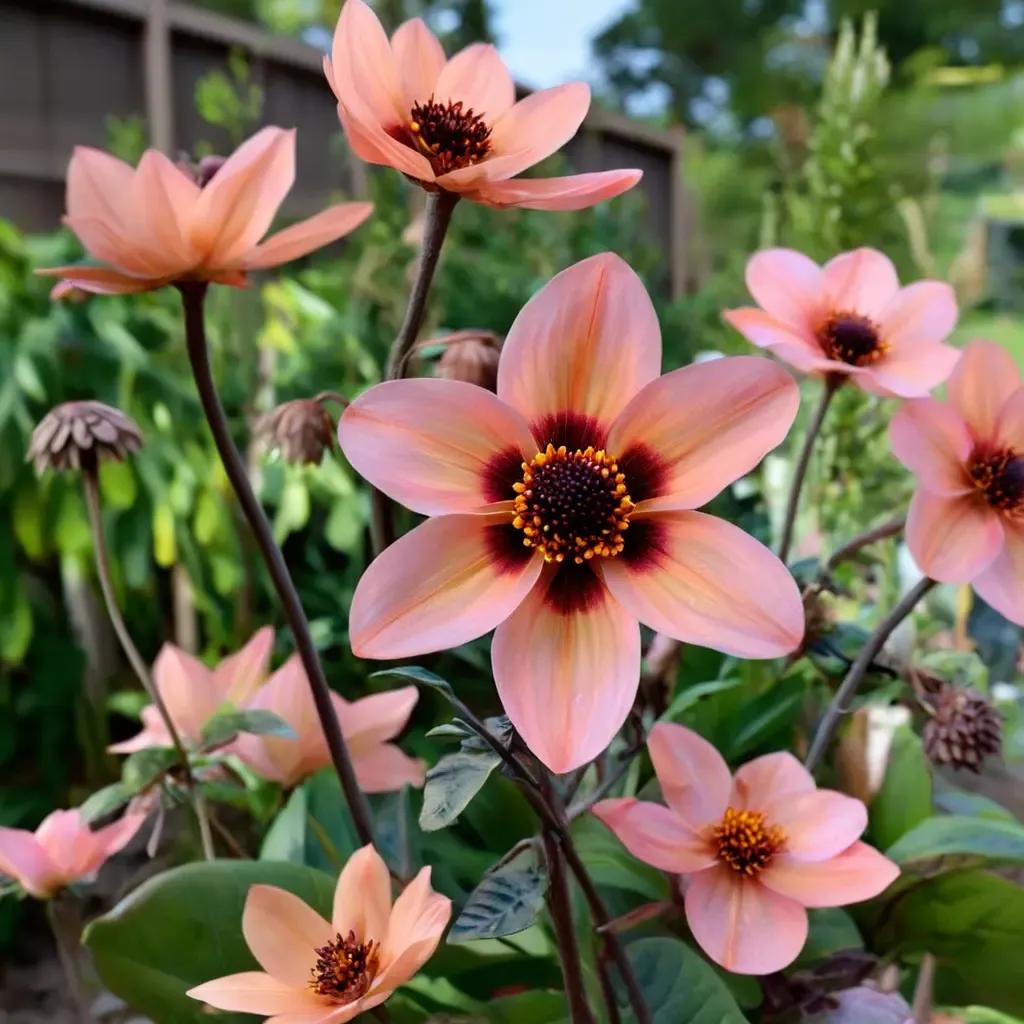 ‘Mystic Fantasy’Mystic Fantasy Dahlia
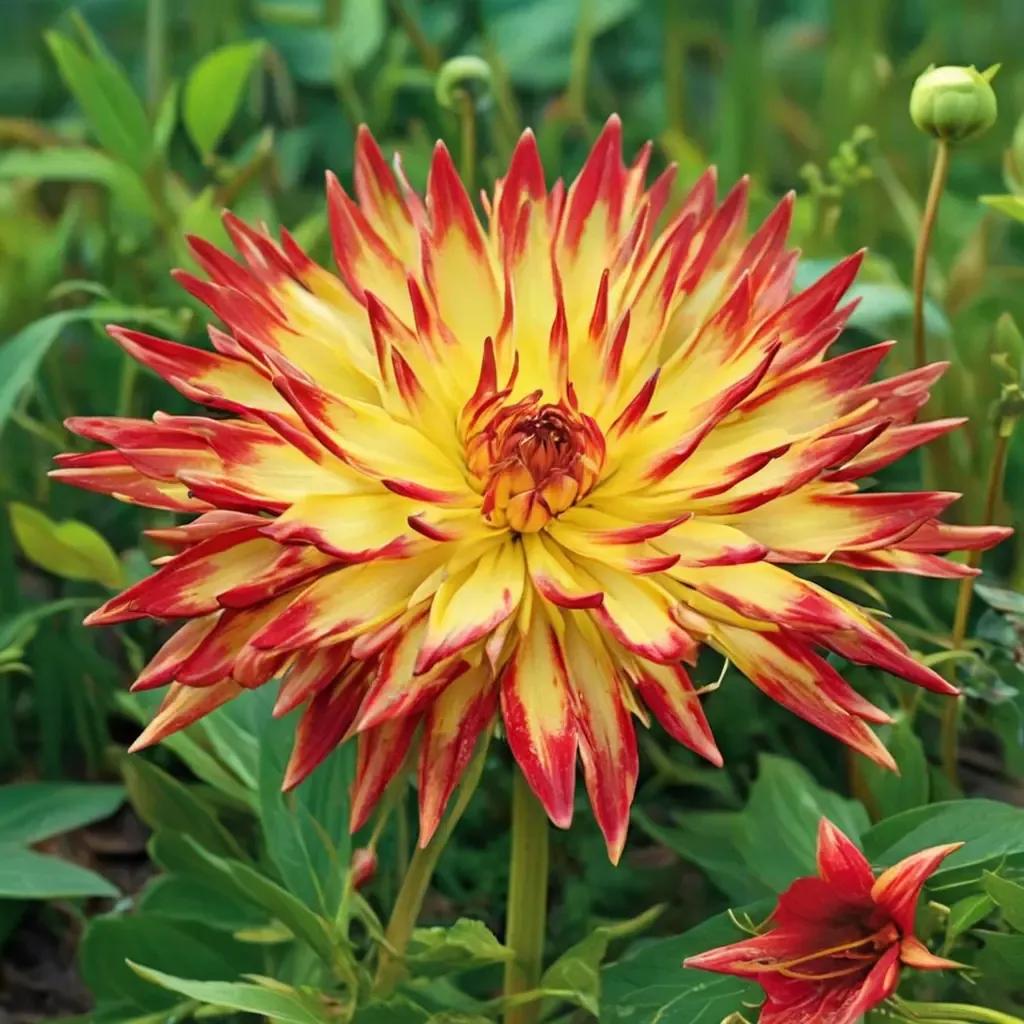 ‘Bridge View Aloha’Bridge View Aloha Dahlia
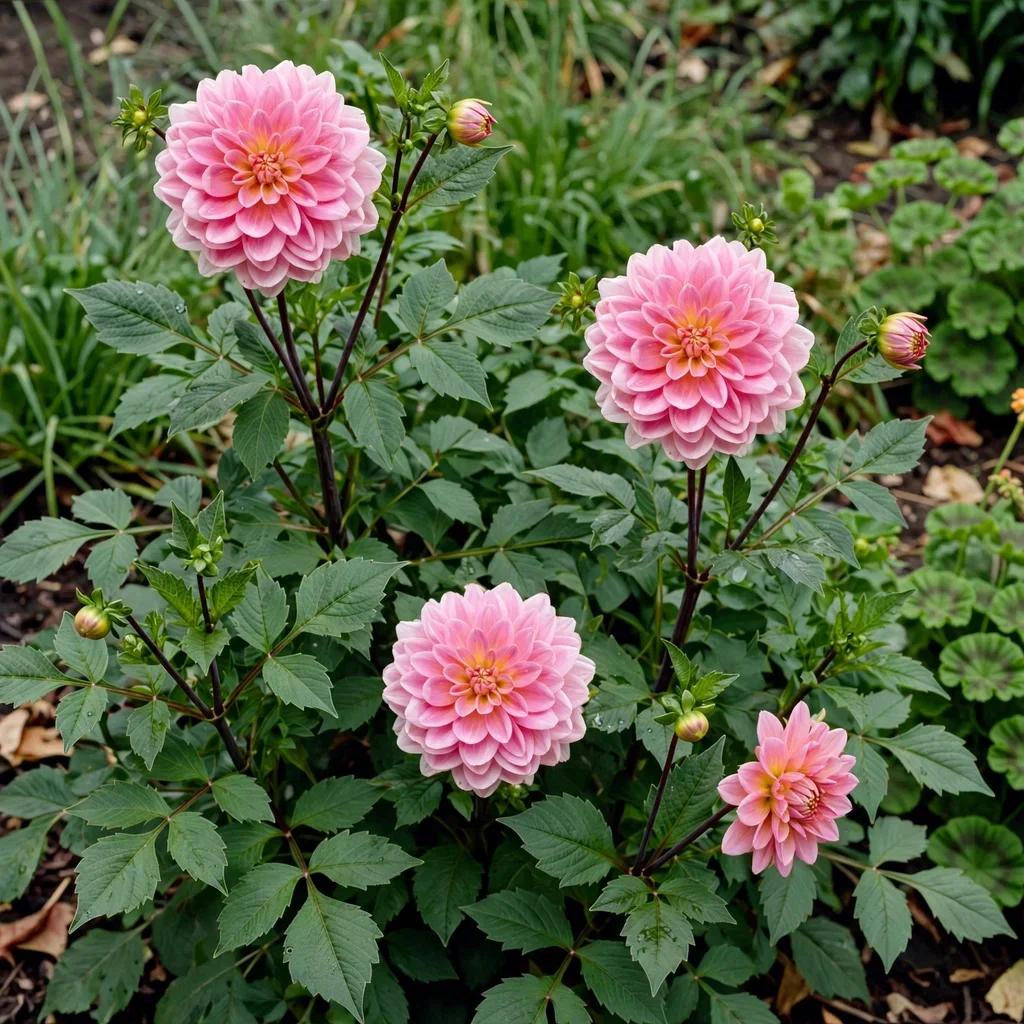 ‘Gerrie Hoek’Gerrie Hoek Dahlia
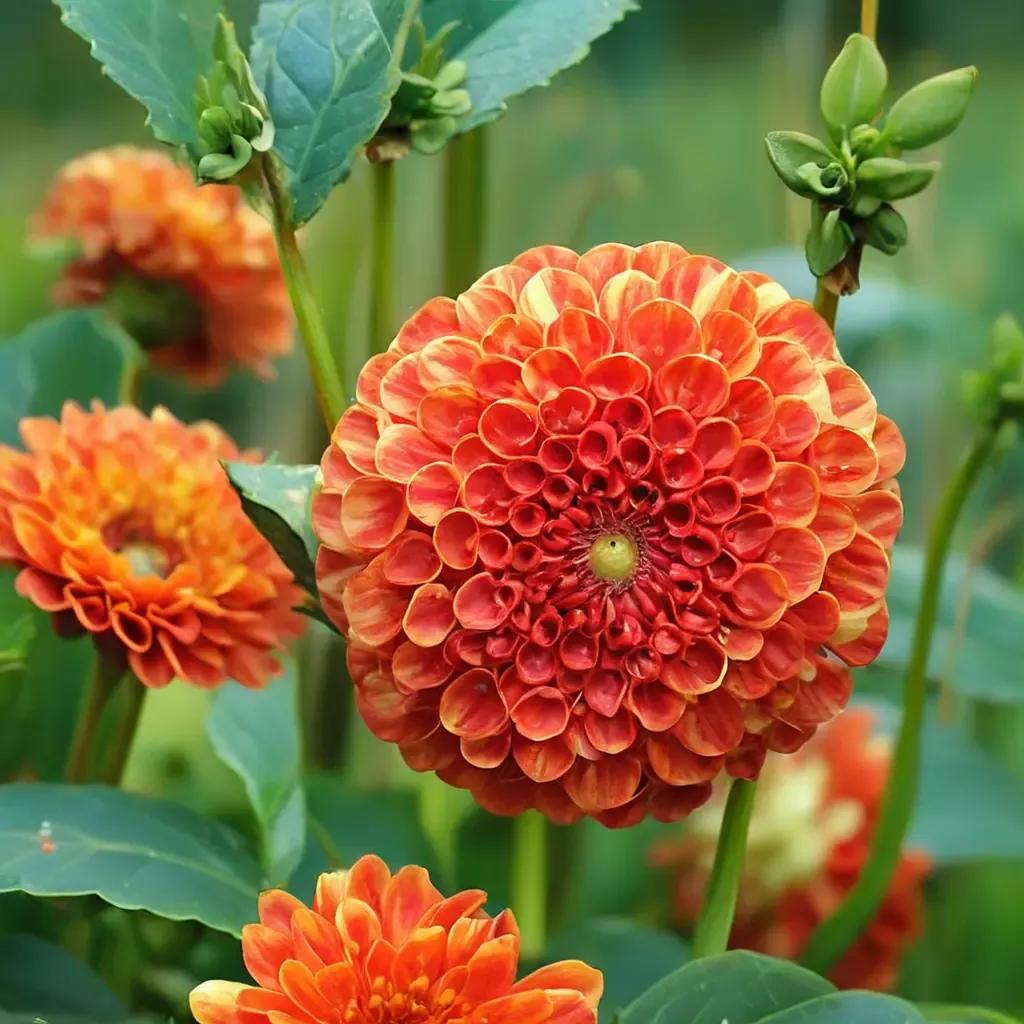 ‘New Baby’New Baby Dahlia
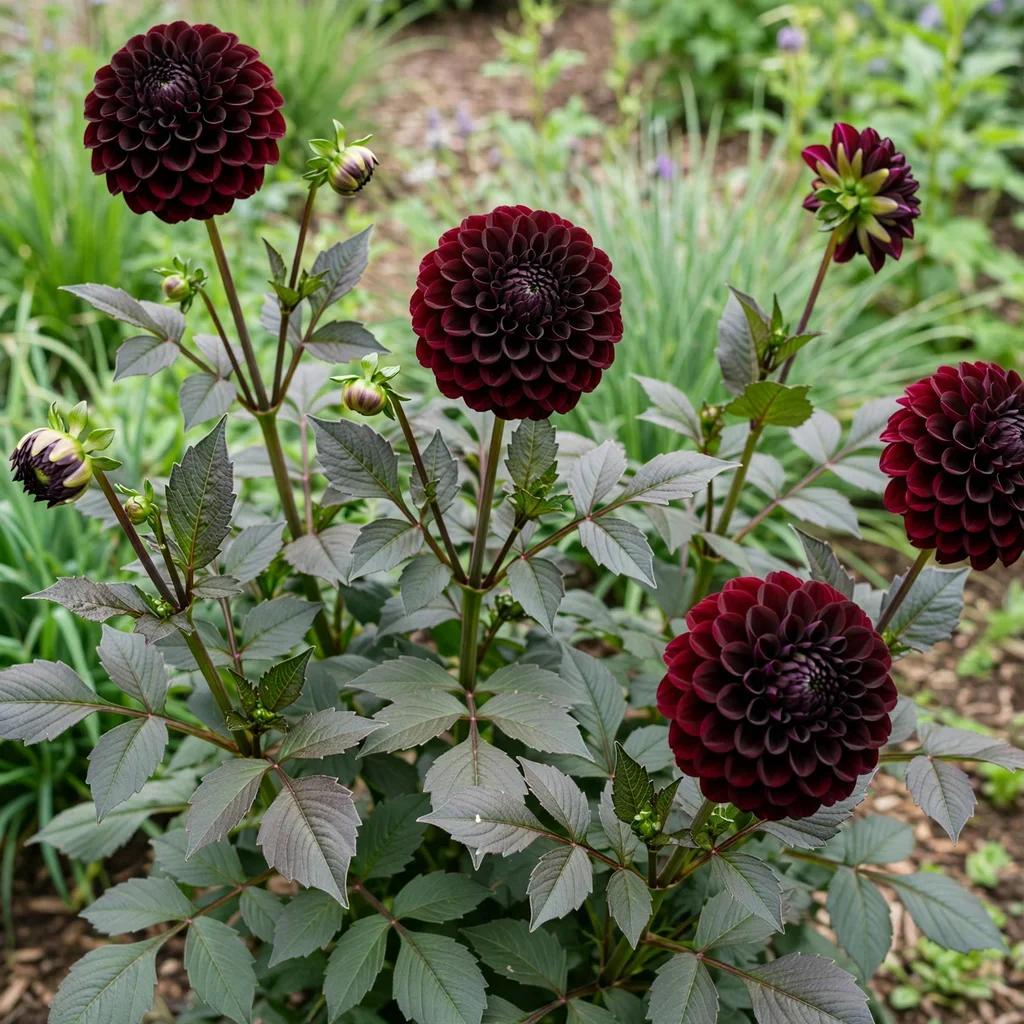 ‘Merlot Magic’Merlot Magic Dahlia
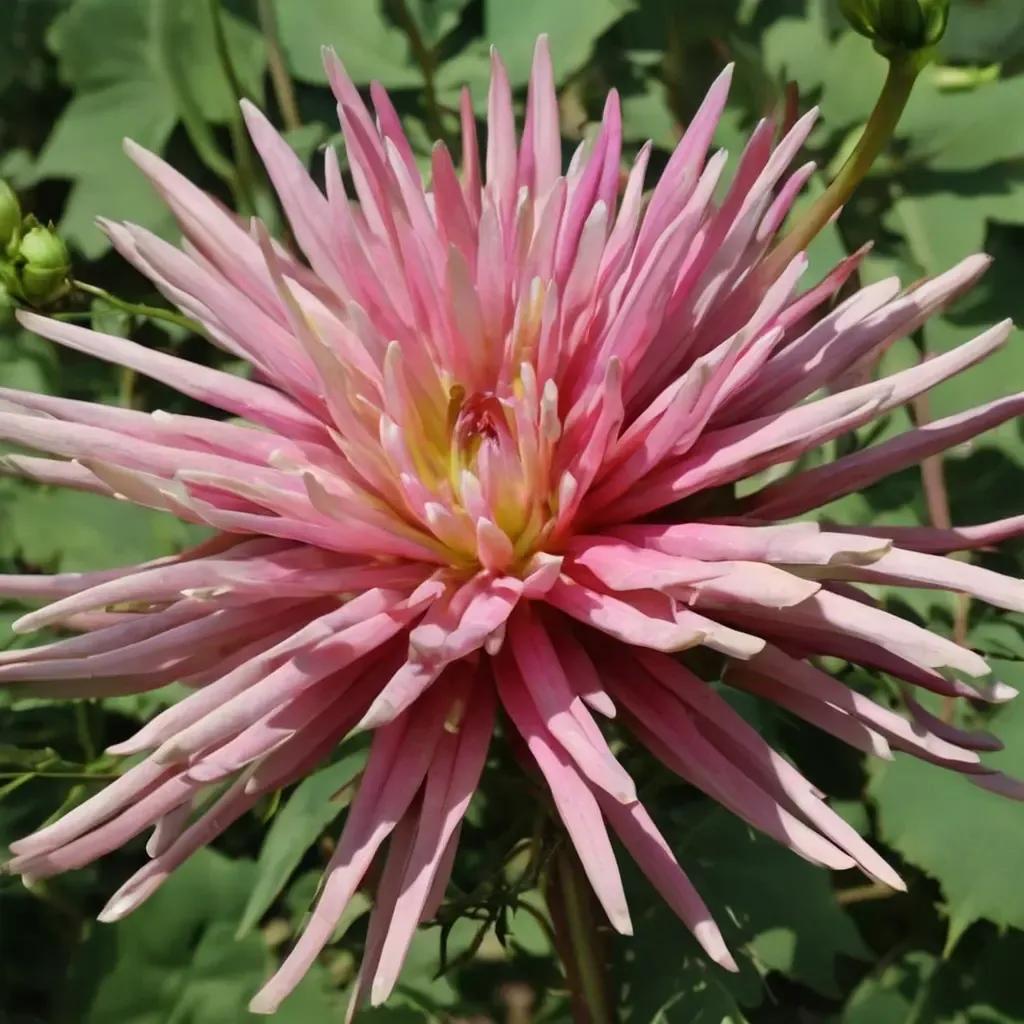 ‘Park Princess’Park Princess Dahlia
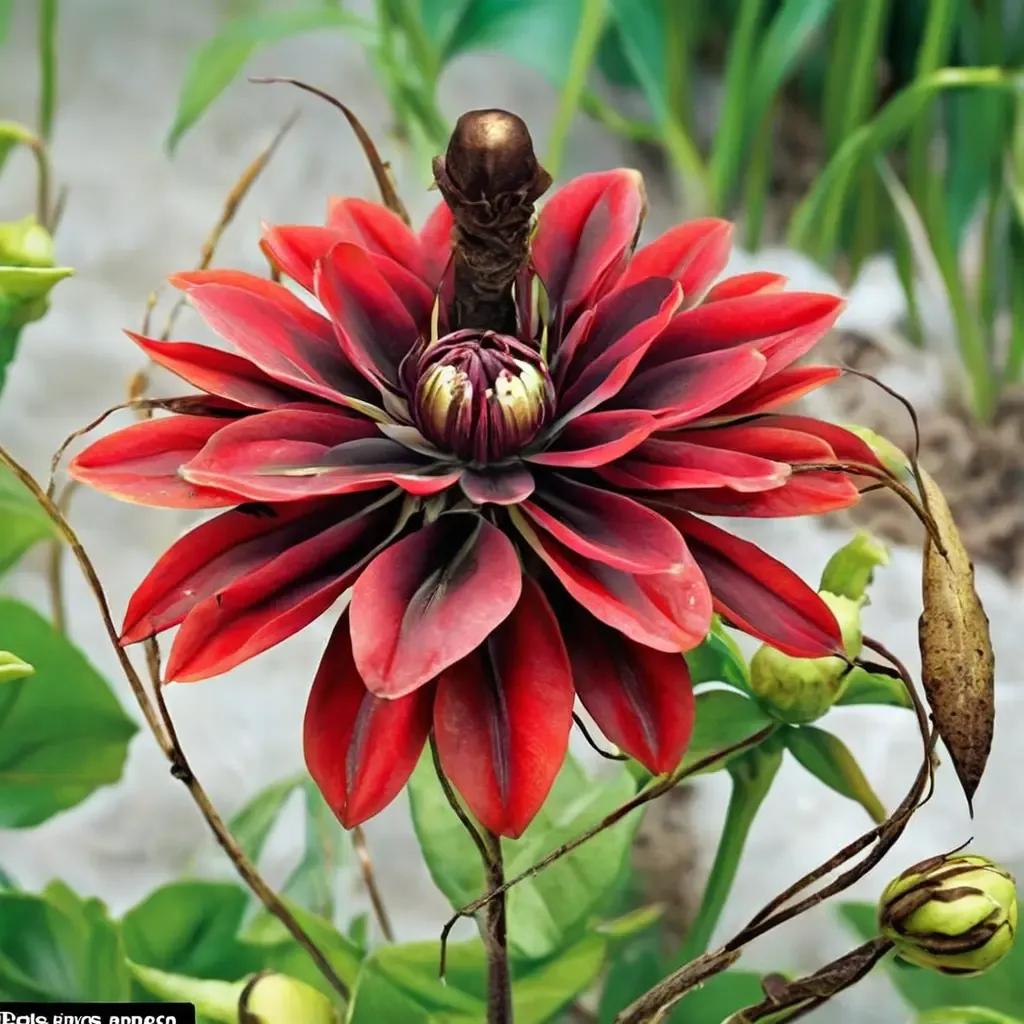 ‘Arabian Magic’Arabian Magic Dahlia
The Story
Plant Bio
Mystic Haze is known for its striking purple blooms and attractive foliage.
This cultivar features unique bi-colored petals that blend lavender and white, creating a soft haze appearance.
Uses & Benefits:
Essentials
At a Glance
Plant Type
Perennial
Height
36"
Width
24"
Light
Full Sun, Partial Sun
Zones
5, 6, 7, 8
Water
Moderate
Humidity
Moderate
Lifespan
Perennial in warm climates, annual elsewhere
Native To
Central America
Toxicity
Non-toxic
Bloom period
Late summer – Early fall
In flower about 2 months of the year
Planting
How to Grow
- Tuck tubers into well-draining soil in early spring after the danger of frost has passed.
- Water consistently to keep soil moist but not waterlogged during the growing season.
- Stake tall varieties to support growth and prevent damage from wind.
- Pinch back early growth to encourage bushier, fuller plants.
- Fertilize monthly with a balanced fertilizer to promote vibrant blooms.
- Deadhead spent flowers regularly to extend blooming period.
Pro Tip
Plant dahlias in a sunny spot with rich, well-draining soil for best blooms.
Keep It Thriving
Care Guide
Do
- Water deeply once a week during dry spells 💧
- Mulch around plants to retain moisture and suppress weeds
- Stake tall varieties to support heavy blooms
- Remove dead or diseased foliage promptly
- Fertilize monthly with a high-potassium fertilizer
Don't
- Avoid overwatering which can cause tuber rot ❌
- Don’t disturb tubers in the fall after first frost
- Do not fertilize with high nitrogen in late summer
- Refrain from pruning during flowering to avoid stress
- Never plant in poorly-drained soil
Seasonal Care Calendar
| Task | Jan | Feb | Mar | Apr | May | Jun | Jul | Aug | Sep | Oct | Nov | Dec |
|---|---|---|---|---|---|---|---|---|---|---|---|---|
| Deadhead | ||||||||||||
| Lift Store | ||||||||||||
| Pinch | ||||||||||||
| Plant | ||||||||||||
| Stake |
Watch Out For
Pests & Diseases
Common Pests
Common Diseases
In the Garden
Landscape Uses & Companions
Landscape Uses
Companion Plants
Multiply
Propagation Methods
Good to Know
Common Questions
Mystic Haze Dahlia questions
What zones can Mystic Haze Dahlia grow in?
Mystic Haze Dahlia is hardy in USDA Zones 5–8. Inside that range it survives winter in the ground; outside it, grow it as an annual or a container plant you protect.
Is Mystic Haze Dahlia deer resistant?
Not reliably. Deer may browse Mystic Haze Dahlia, especially tender spring growth — plan on repellents or fencing where pressure is high.
When does Mystic Haze Dahlia bloom?
Mystic Haze Dahlia typically blooms in late summer through early fall. Exact timing shifts a week or two with your zone — Sow's bloom calendar maps it to your garden.
Does Mystic Haze Dahlia need full sun?
Mystic Haze Dahlia does best in full sun to part shade. In hot climates, afternoon shade keeps blooms fresher longer.
More Dahlia to compare
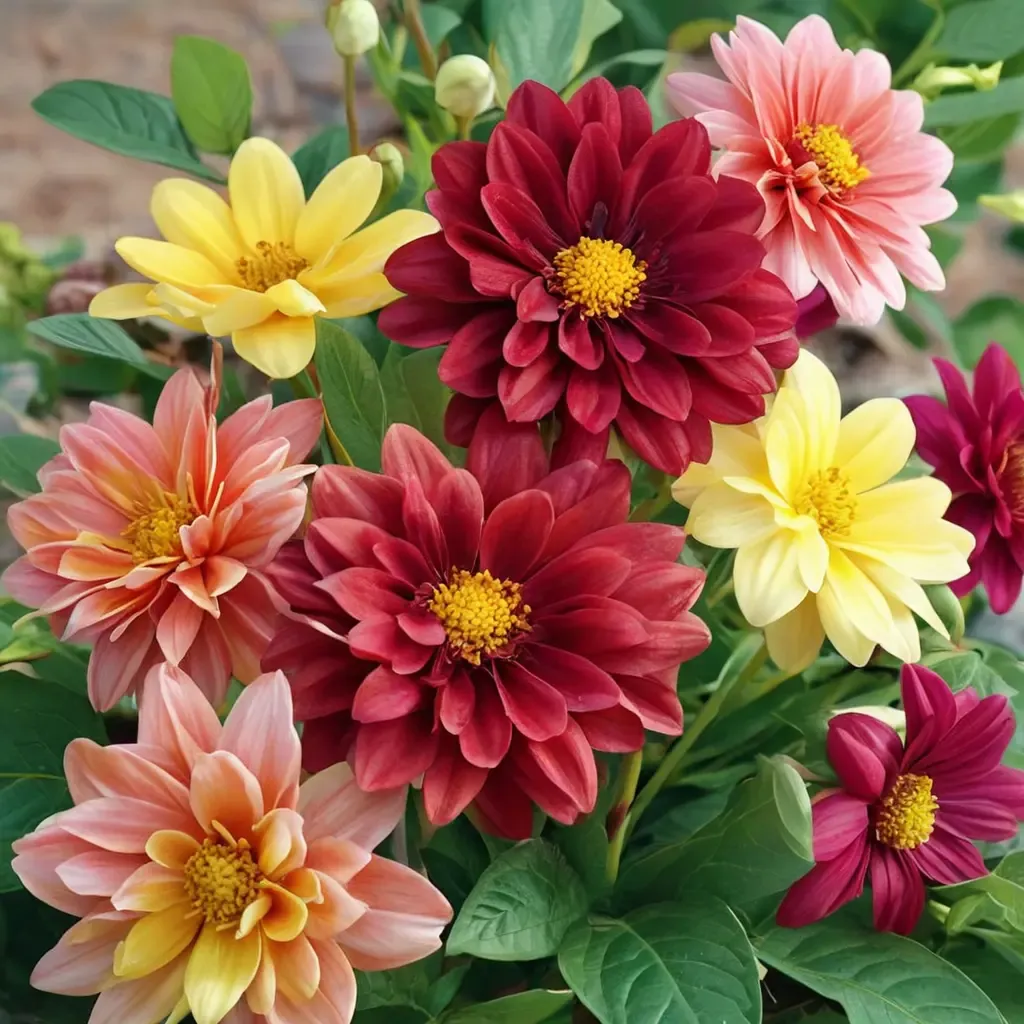
Dahlia
Dahlia variabilis
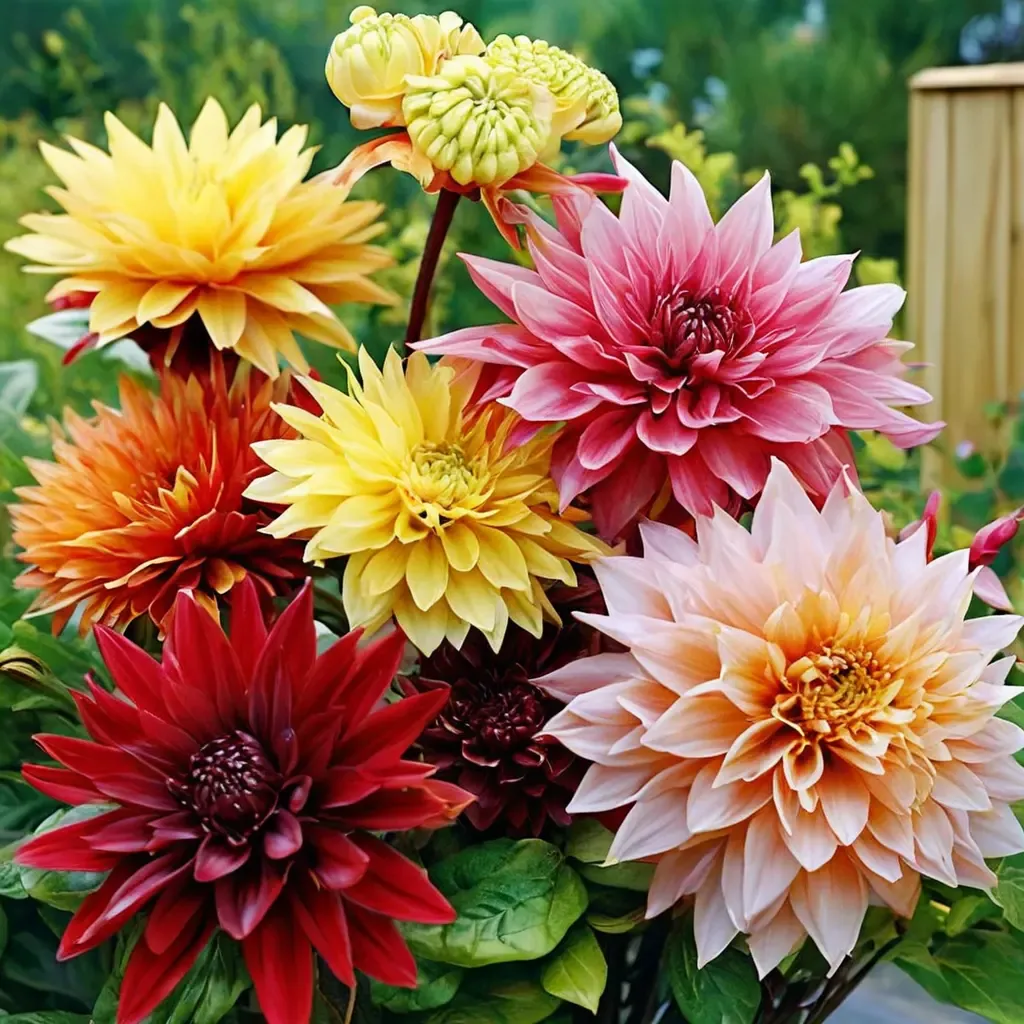
Dinnerplate Cutting Dahlia
Dahlia pinnata 'Dinnerplate Cutting Blend'
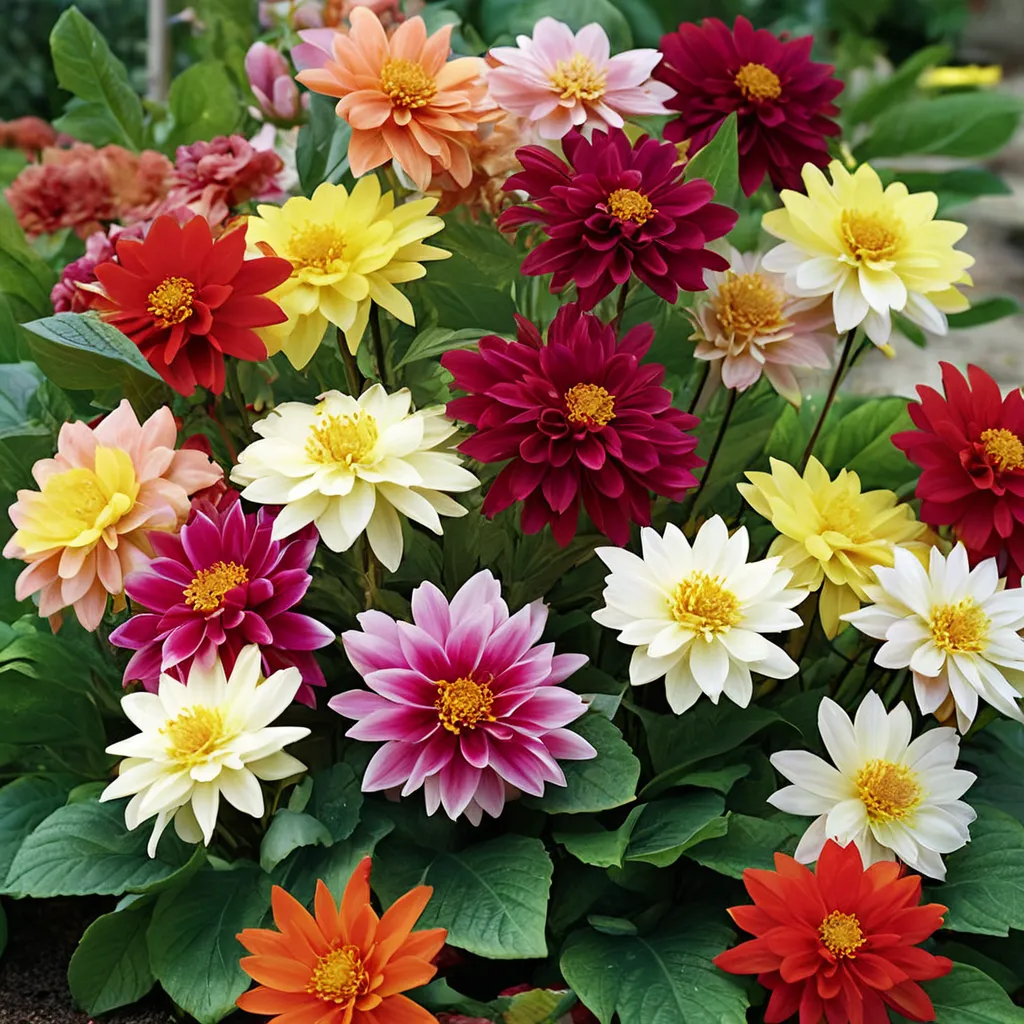
Dahlia Mix
Dahlia x hybrida 'Mix'
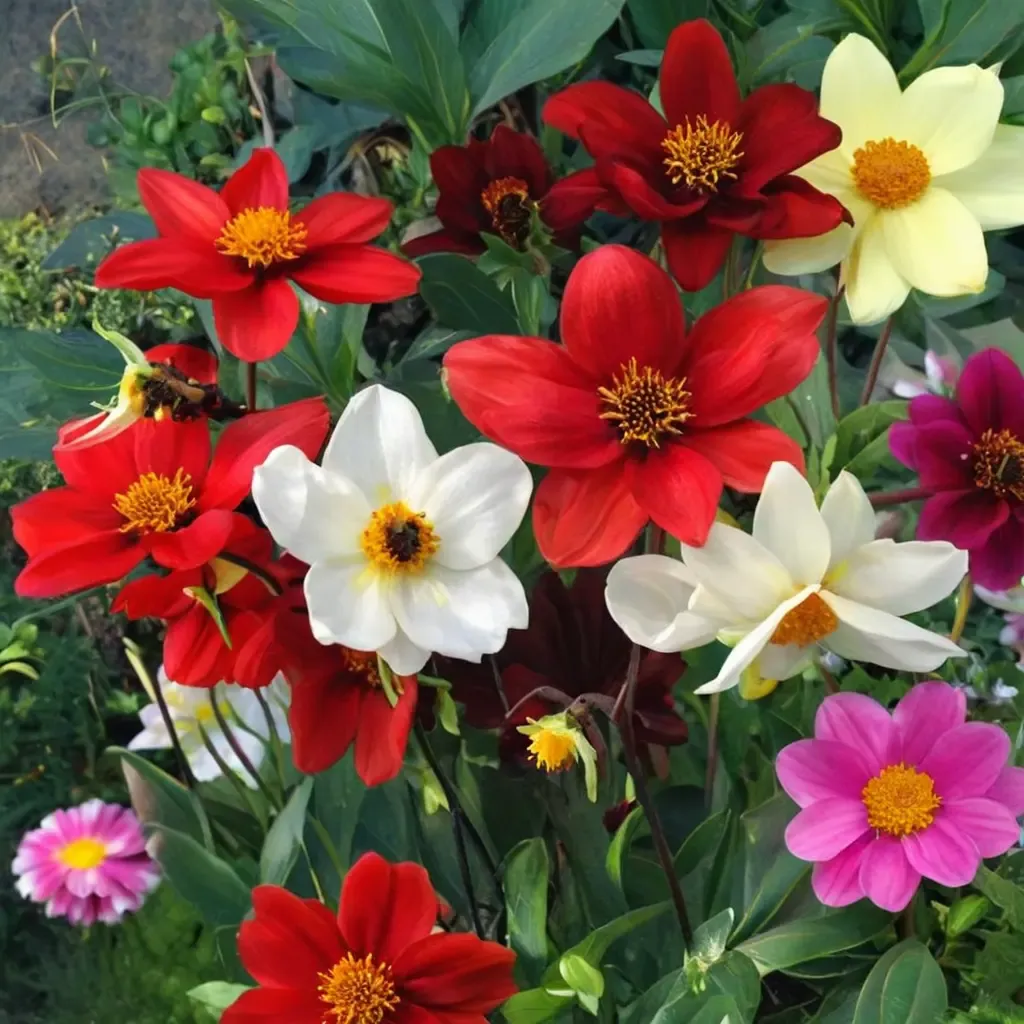
Hart Dahlia
Dahlia variabilis 'Hart'
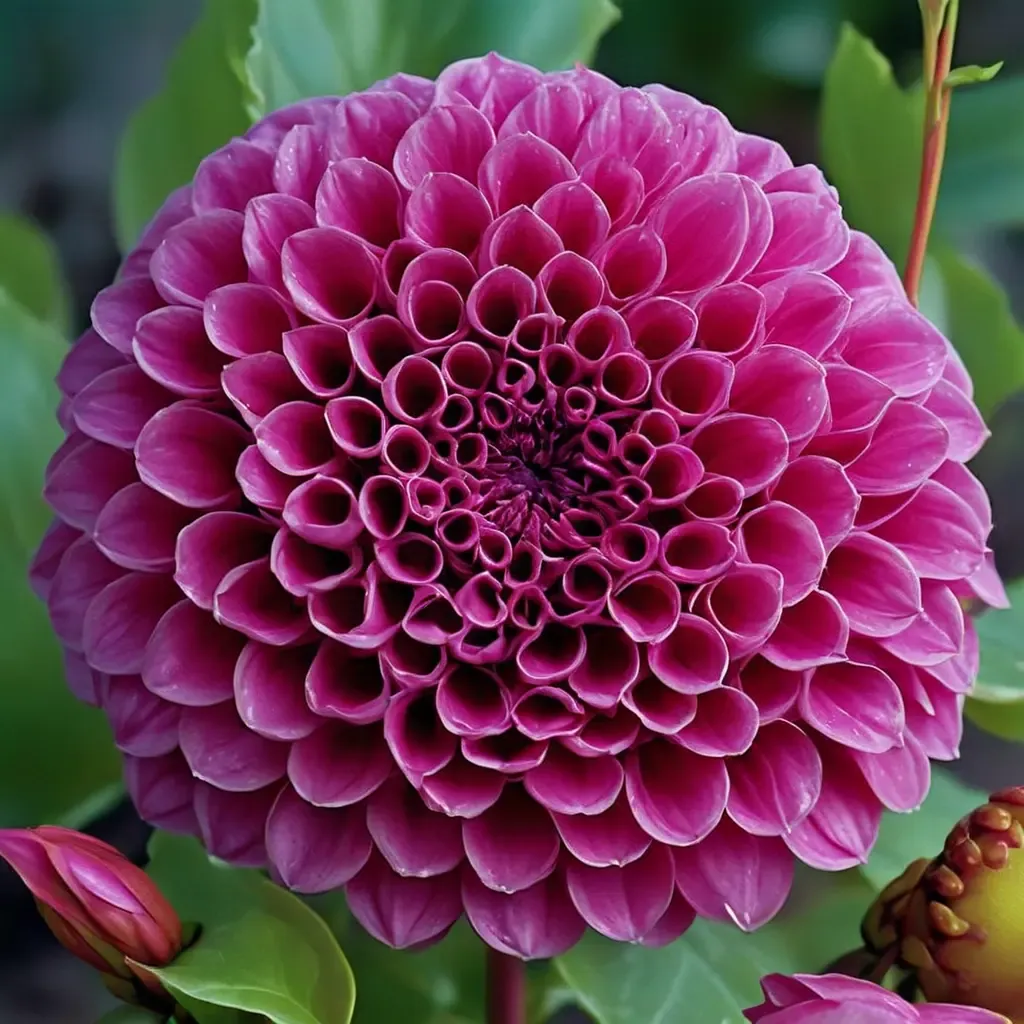
Babette Giant Ball Dahlia
Dahlia pinnata 'Babette Giant Ball'
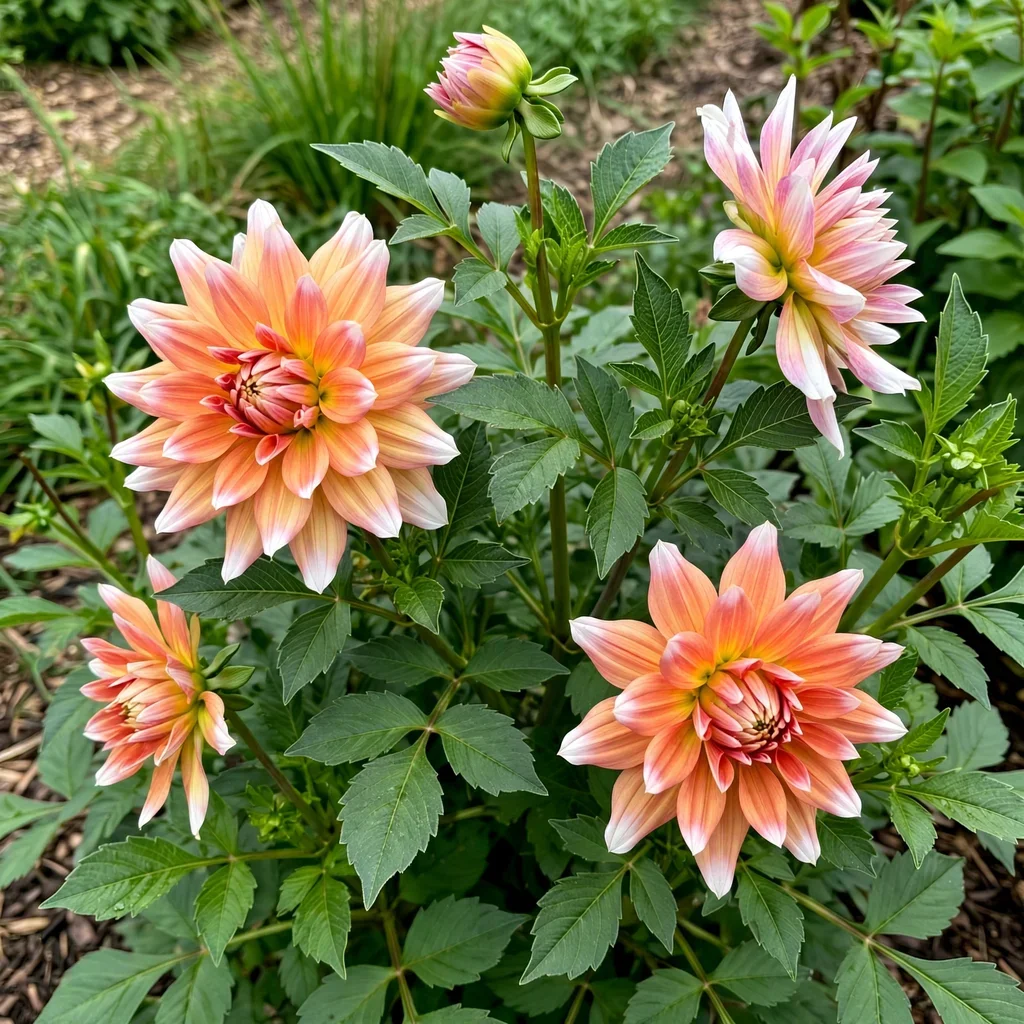
Garden Dahlia
Dahlia spectabilis
Keep exploring
Explore the genus
Hardy in your zone?
Grow Mystic Haze Dahlia with confidence
See it in a design of your actual yard, get zone-matched care reminders, and track it season by season in your garden journal.