
The Story
Plant Bio
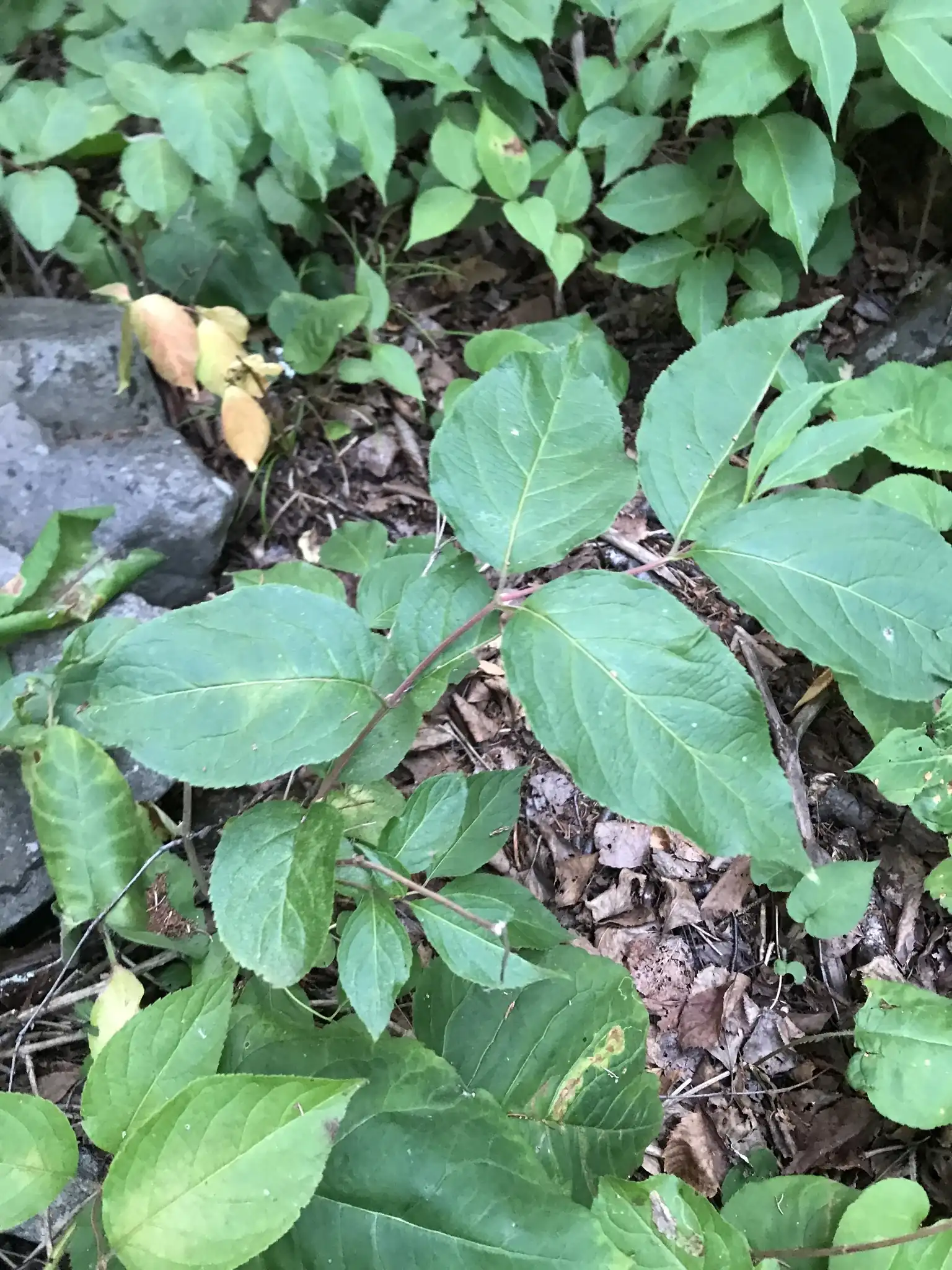
Diervilla lonicera, or northern bush honeysuckle, is a low suckering deciduous shrub native to eastern North America, making a mound two to three feet high and two to four across. Pointed, finely toothed leaves turn red and bronze in autumn. Small yellow tubular flowers open in clusters through June and July and age to a deeper orange.
It suckers freely and will form a broad colony, which is exactly what makes it useful for holding a bank or filling a rough slope and unhelpful in a tidy border. Plant it where the spread is welcome, or slice around the clump with a spade each spring to keep it contained; both are easier than lifting it later.
Uses & Benefits:
Essentials
At a Glance
Plant Type
Shrub
Height
33"
Width
36"
Light
Full Sun, Partial Sun
Zones
4, 5, 6, 7
Water
Low to medium
Humidity
Average
Lifespan
Perennial
Native To
Eastern North America
Toxicity
Non-toxic
Planting
How to Grow
- Plant in spring or autumn in sun or part shade.
- Choose average, dry to medium, well-drained soil.
- Allow room for suckering, or plan to contain it.
- Water through the first season while it establishes.
- Prune immediately after flowering if shaping is needed.
- Cut back hard every few years to rejuvenate old clumps.
Pro Tip
It flowers on new wood, so a hard renovation cut costs at most one season and restores a tired, woody colony.
Keep It Thriving
Care Guide
Do
- Use it on banks and slopes where it can spread 🌿
- Plant it in sun or part shade ☀️
- Prune straight after flowering ✂️
- Let it colonise rough ground for erosion control 🪨
Don't
- Plant it in a small tidy border without containment ❌
- Site it in permanently wet ground ❌
- Confuse it with invasive bush honeysuckles of the genus Lonicera ❌
Seasonal Care Calendar
| Task | Jan | Feb | Mar | Apr | May | Jun | Jul | Aug | Sep | Oct | Nov | Dec |
|---|---|---|---|---|---|---|---|---|---|---|---|---|
| Contain | ||||||||||||
| Prune |
Watch Out For
Pests & Diseases
Common Pests
Common Diseases
In the Garden
Landscape Uses & Companions
Landscape Uses
Multiply
Propagation Methods
Good to Know
Common Questions
Northern Bush Honeysuckle questions
What zones can Northern Bush Honeysuckle grow in?
Northern Bush Honeysuckle is hardy in USDA Zones 4–7. Inside that range it survives winter in the ground; outside it, grow it as an annual or a container plant you protect.
Is Northern Bush Honeysuckle deer resistant?
Yes — Northern Bush Honeysuckle is rated deer-resistant. Deer typically pass it over, though extreme hunger can override any plant's defenses.
When does Northern Bush Honeysuckle bloom?
Northern Bush Honeysuckle typically blooms in early to midsummer through late summer. Exact timing shifts a week or two with your zone — Sow's bloom calendar maps it to your garden.
Does Northern Bush Honeysuckle need full sun?
Northern Bush Honeysuckle does best in full sun to part shade. In hot climates, afternoon shade keeps blooms fresher longer.
Is Northern Bush Honeysuckle drought tolerant?
Yes — once established (usually after the first full season), Northern Bush Honeysuckle handles dry spells with minimal watering. Water deeply its first year to build the root system that makes that possible.
More Diervilla to compare
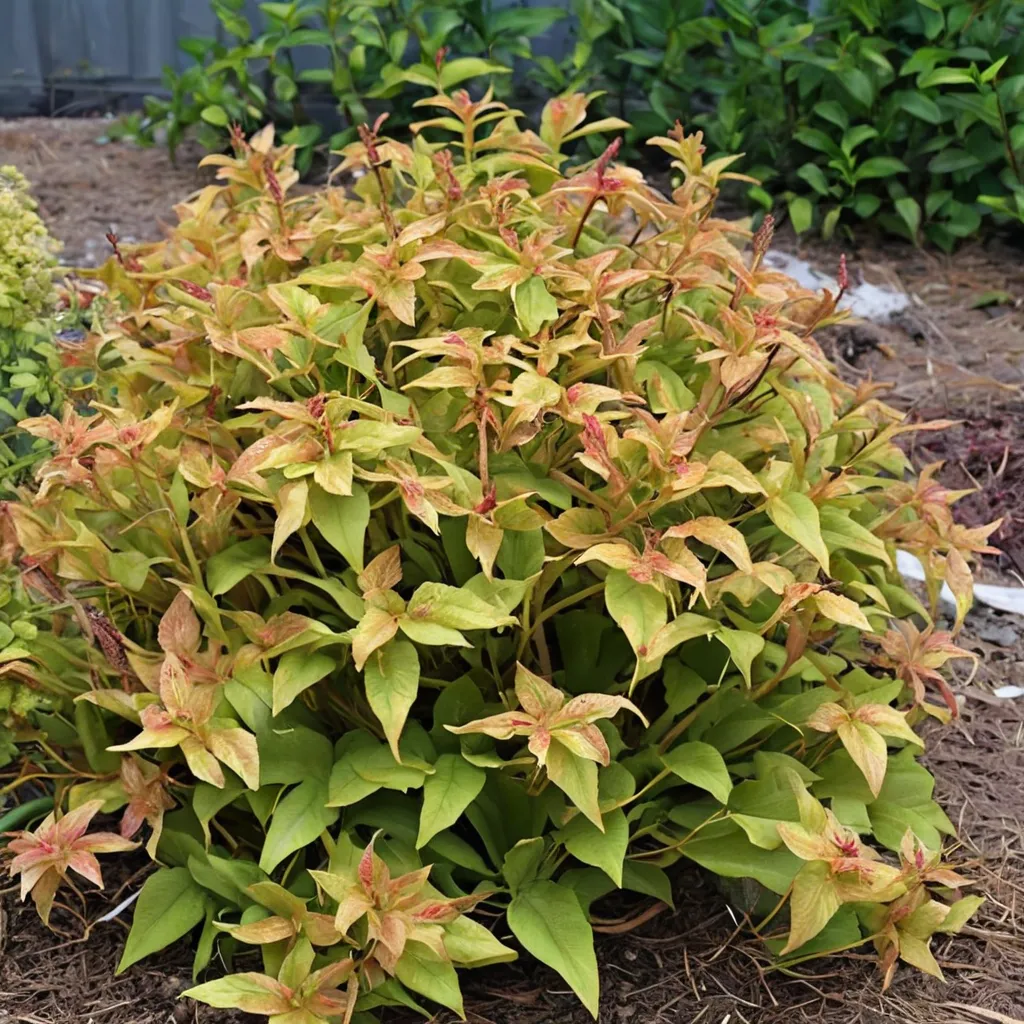
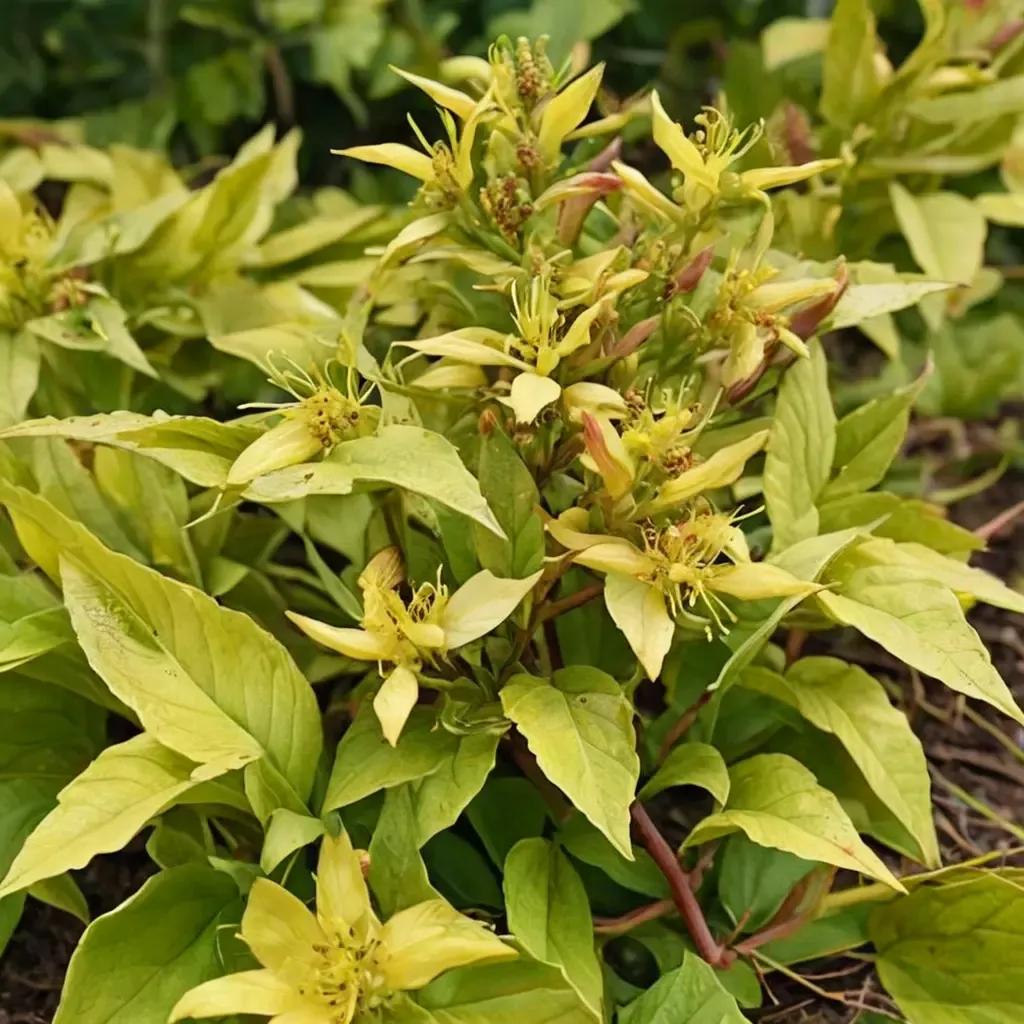
Kodiak Orange Diervilla
Diervilla lonicera 'Kodiak Orange'
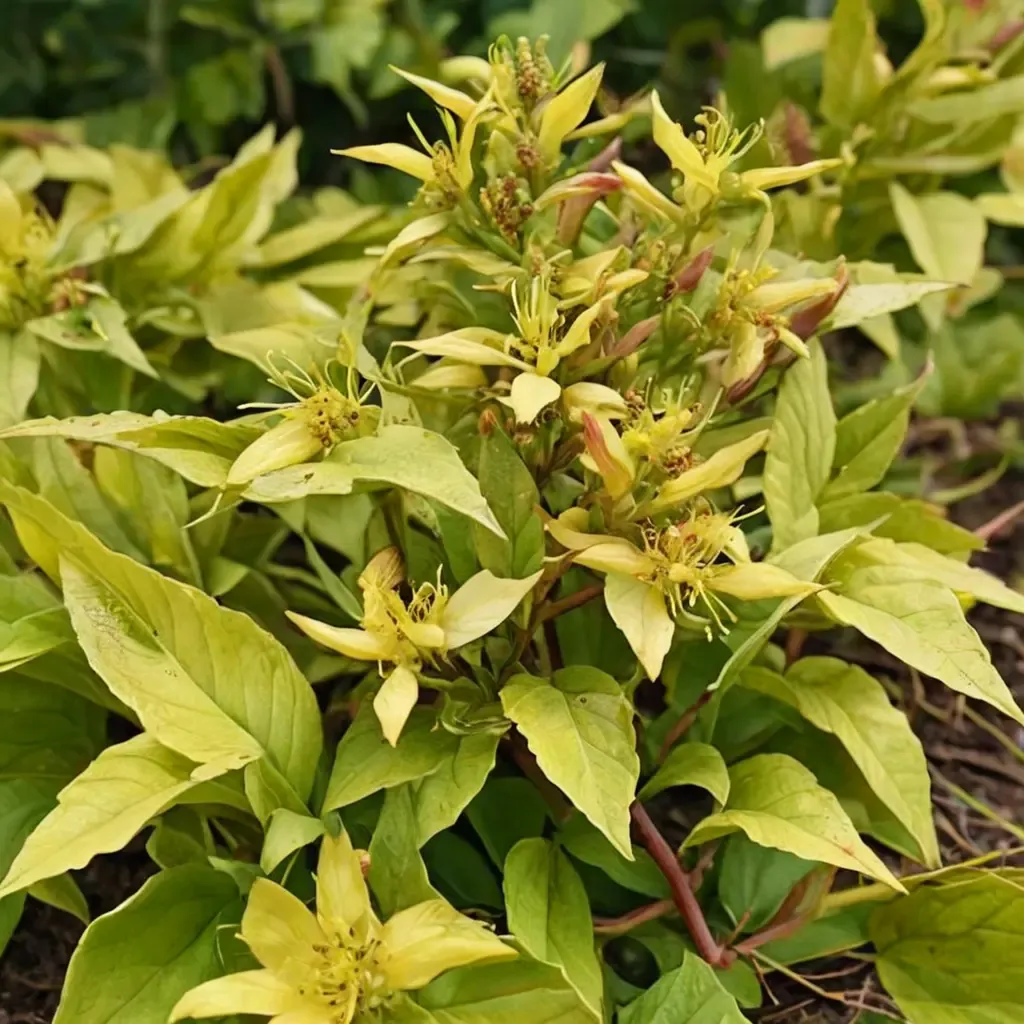
Honeybee Bush Honeysuckle
Diervilla lonicera 'Honeybee'
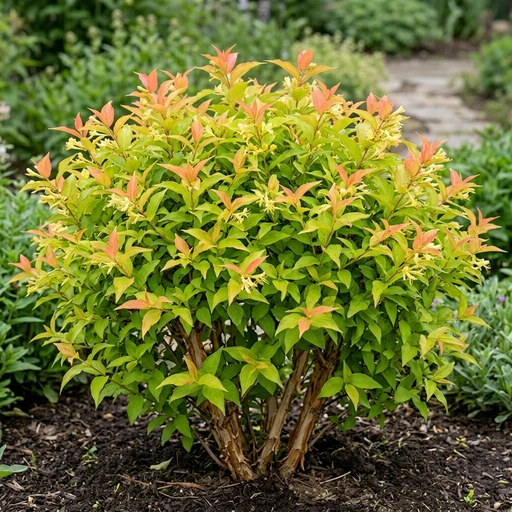
Kodiak Fresh Bush Honeysuckle
Diervilla x hybrida 'Kodiak Fresh'
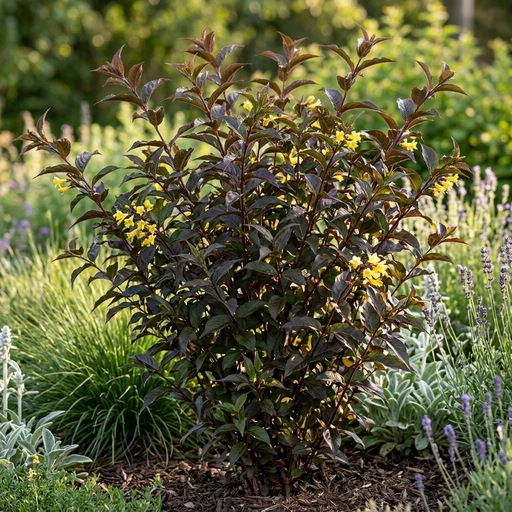
Kodiak Jet Black Bush Honeysuckle
Diervilla x hybrida 'Kodiak Jet Black'
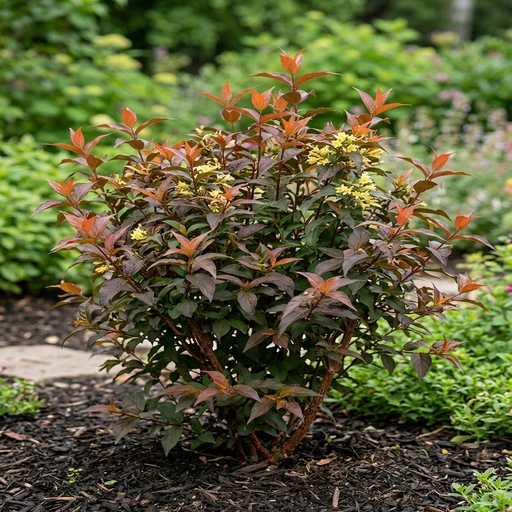
Kodiak Red Bush Honeysuckle
Diervilla x hybrida 'Kodiak Red'
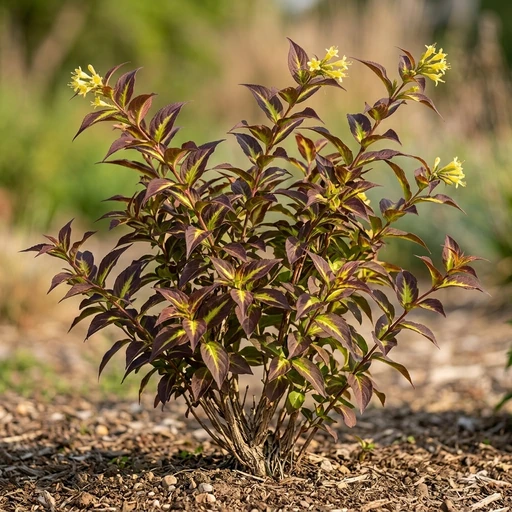
Firefly Bush Honeysuckle
Diervilla sessilifolia 'Firefly'
Keep exploring
Explore the genus
Hardy in your zone?
Grow Northern Bush Honeysuckle with confidence
See it in a design of your actual yard, get zone-matched care reminders, and track it season by season in your garden journal.