1 named cultivar
The Story
Plant Bio
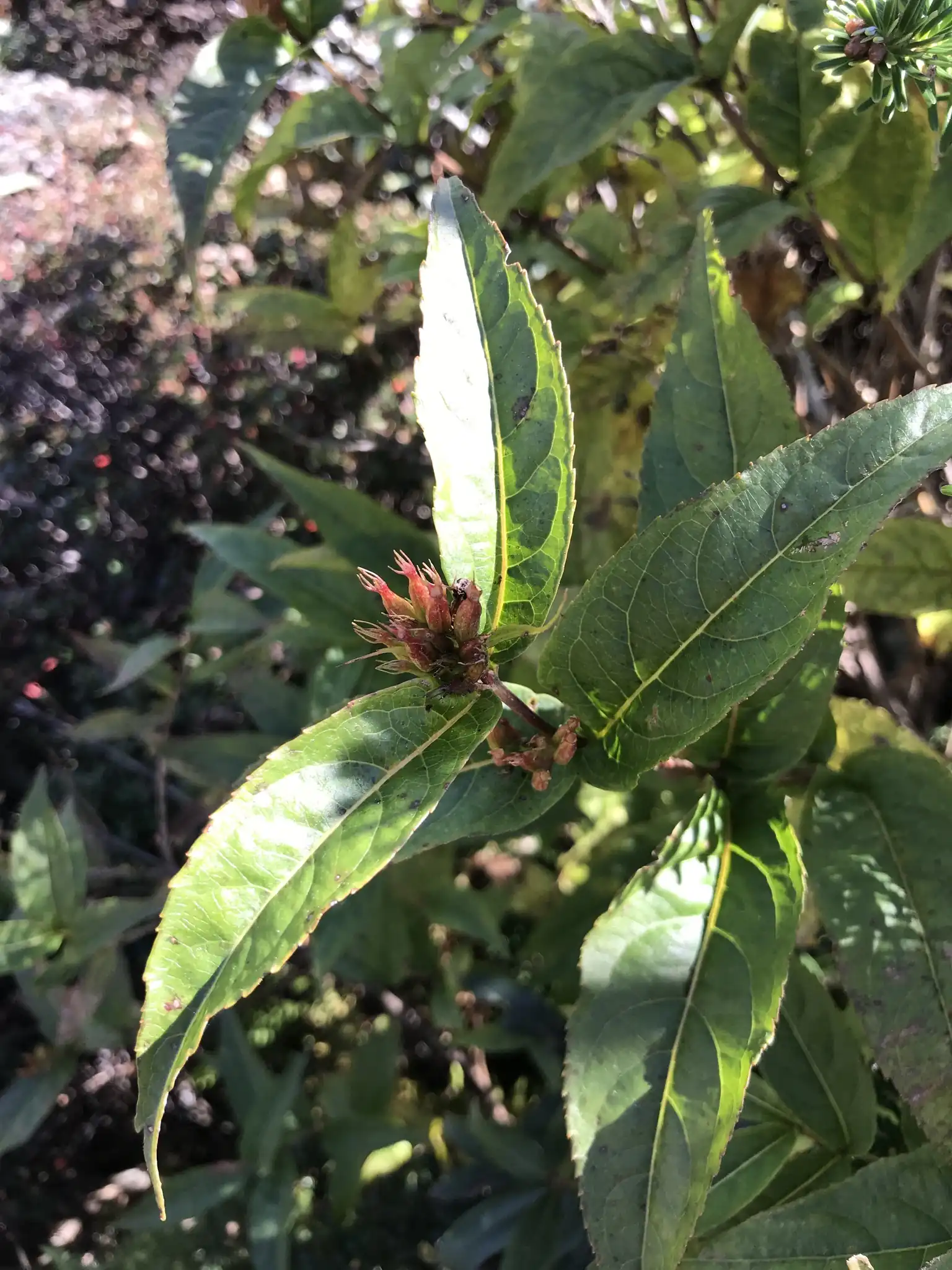
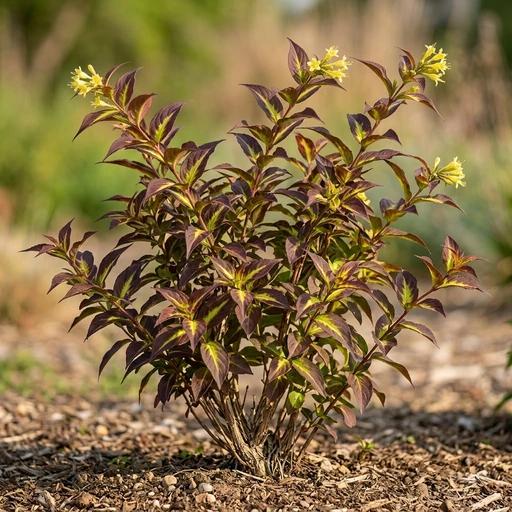
Diervilla sessilifolia, southern bush honeysuckle, is a suckering deciduous shrub native to the southeastern United States, three to five feet in both directions. Pointed toothed leaves sit directly against the stems without stalks, and small trumpet-shaped yellow flowers open in clusters through early summer, followed by dry brown capsules.
It suckers into a low thicket, which makes it one of the better native shrubs for holding a dry bank or slope where mowing is impractical. It flowers on new wood, so it can be cut to the ground in spring and still bloom the same summer. NCSU notes it has special value to bumblebees, and it is a genuine native alternative to invasive bush honeysuckles.
Uses & Benefits:
Essentials
At a Glance
Plant Type
Shrub
Height
48"
Width
48"
Light
Full Sun, Partial Sun, Shade
Zones
4, 5, 6, 7, 8
Water
Low to moderate
Humidity
Moderate
Lifespan
Perennial
Native To
Southeastern United States
Toxicity
Non-toxic
Planting
How to Grow
- Plant in full sun to partial shade in any drained soil.
- Use it on banks and slopes where it can spread.
- Water while establishing, then rarely.
- Cut back hard in early spring if it looks tired.
- Let it sucker where cover is wanted.
- Dig out suckers at the edge to contain it.
Pro Tip
It flowers on new growth, so cutting the whole thicket to the ground in spring refreshes it without losing a season of bloom.
Keep It Thriving
Care Guide
Do
- Use it to hold a dry bank ⛰️
- Cut back hard in early spring ✂️
- Plant it for bumblebees 🐝
- Choose it over invasive bush honeysuckles 🌱
Don't
- Expect it to stay in a tidy clump ❌
- Feed it richly ❌
- Confuse it with Lonicera bush honeysuckles ❌
Seasonal Care Calendar
| Task | Jan | Feb | Mar | Apr | May | Jun | Jul | Aug | Sep | Oct | Nov | Dec |
|---|---|---|---|---|---|---|---|---|---|---|---|---|
| Enjoy | ||||||||||||
| Prune |
Watch Out For
Pests & Diseases
Common Pests
Common Diseases
In the Garden
Landscape Uses & Companions
Landscape Uses
Multiply
Propagation Methods
Good to Know
Common Questions
Bush Honeysuckle questions
What zones can Bush Honeysuckle grow in?
Bush Honeysuckle is hardy in USDA Zones 4–8. Inside that range it survives winter in the ground; outside it, grow it as an annual or a container plant you protect.
Is Bush Honeysuckle deer resistant?
Yes — Bush Honeysuckle is rated deer-resistant. Deer typically pass it over, though extreme hunger can override any plant's defenses.
When does Bush Honeysuckle bloom?
Bush Honeysuckle typically blooms in early summer through mid-summer. Exact timing shifts a week or two with your zone — Sow's bloom calendar maps it to your garden.
Does Bush Honeysuckle need full sun?
Bush Honeysuckle does best in full sun to part shade. In hot climates, afternoon shade keeps blooms fresher longer.
Is Bush Honeysuckle drought tolerant?
Yes — once established (usually after the first full season), Bush Honeysuckle handles dry spells with minimal watering. Water deeply its first year to build the root system that makes that possible.
More Diervilla to compare
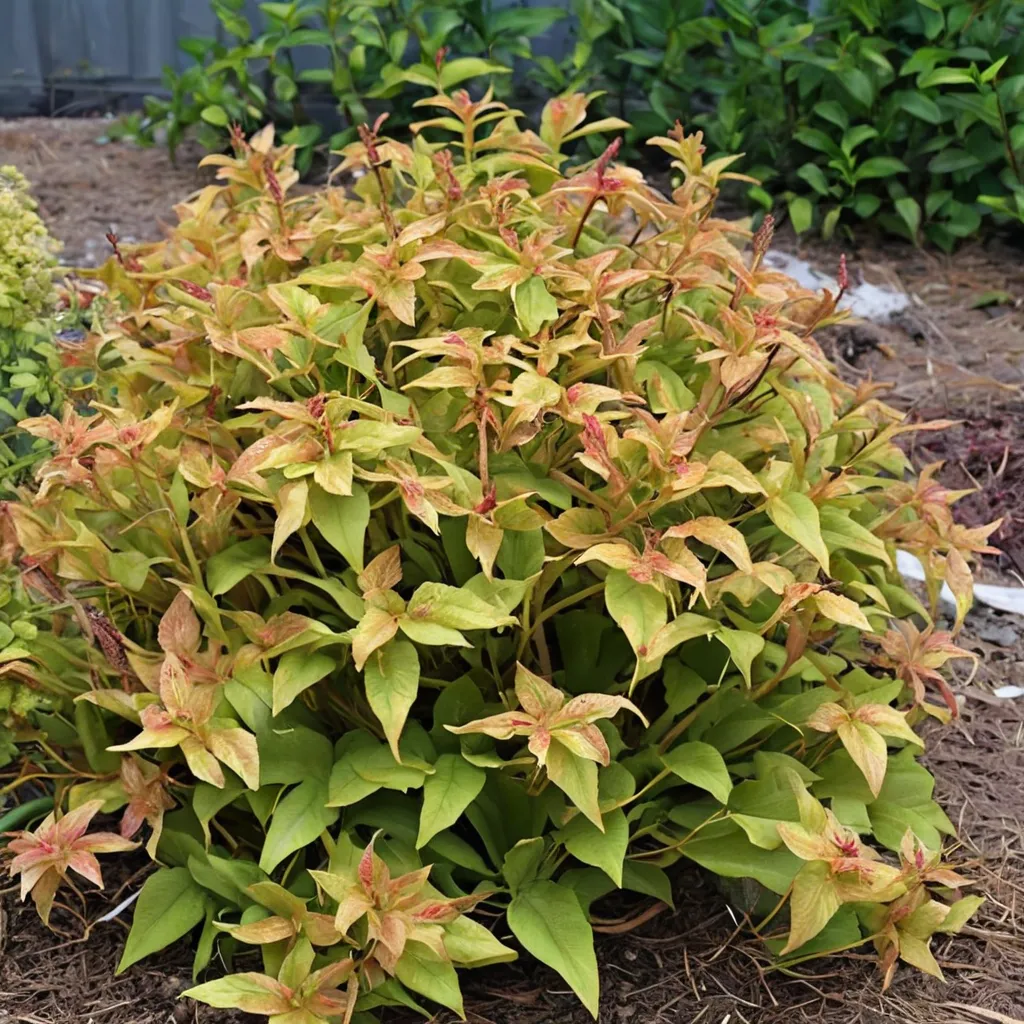
Kodiak Orange Diervilla
Diervilla lonicera 'Kodiak Orange'
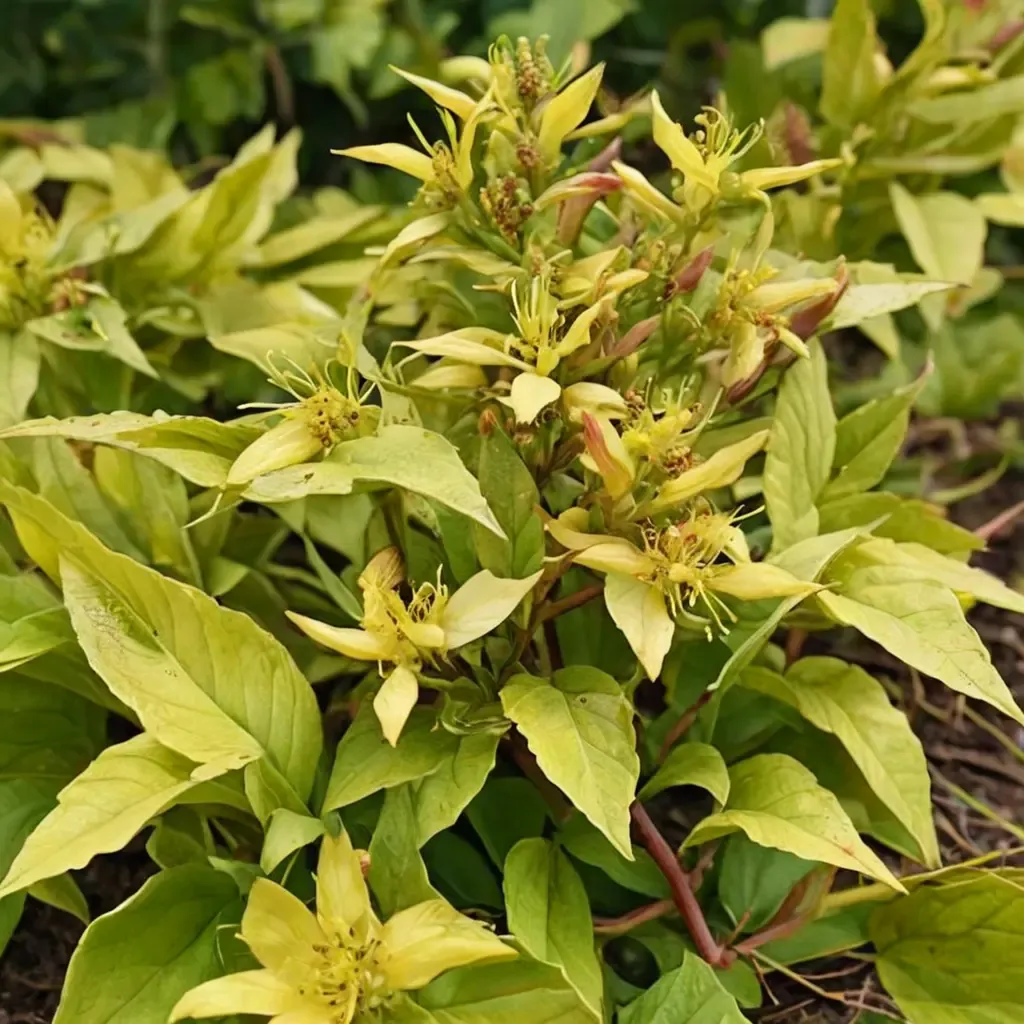
Honeybee Bush Honeysuckle
Diervilla lonicera 'Honeybee'
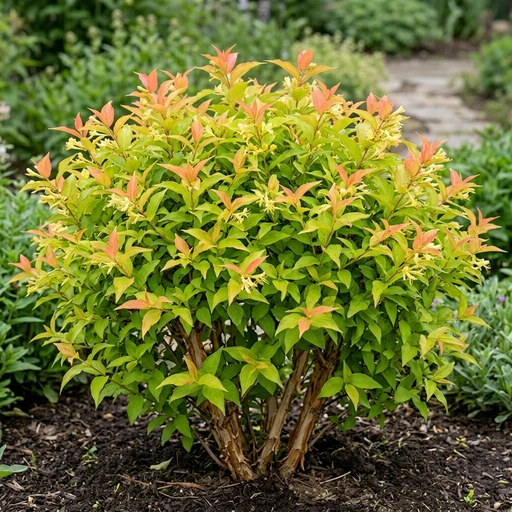
Kodiak Fresh Bush Honeysuckle
Diervilla x hybrida 'Kodiak Fresh'
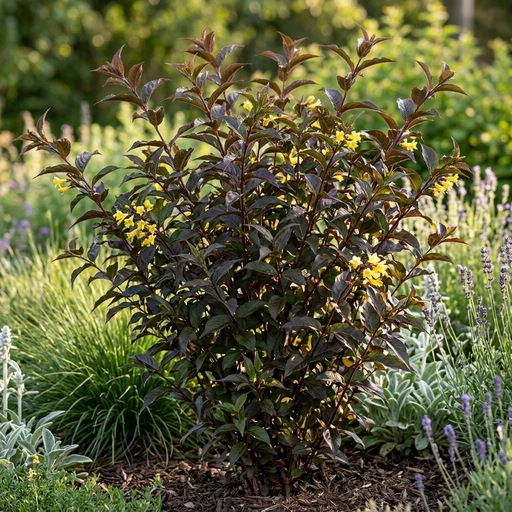
Kodiak Jet Black Bush Honeysuckle
Diervilla x hybrida 'Kodiak Jet Black'
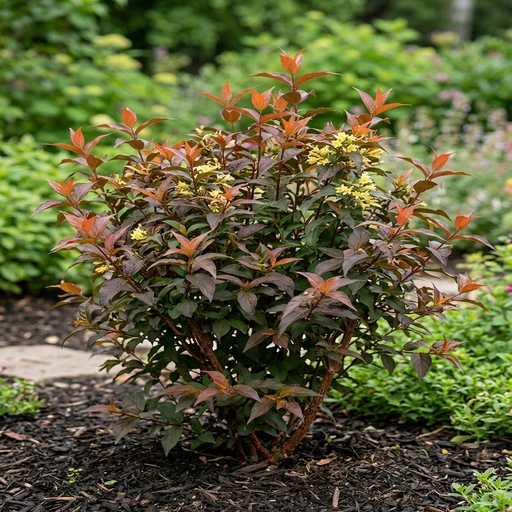
Kodiak Red Bush Honeysuckle
Diervilla x hybrida 'Kodiak Red'
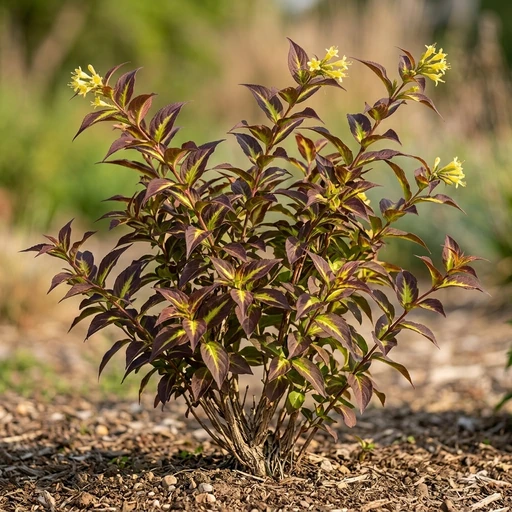
Firefly Bush Honeysuckle
Diervilla sessilifolia 'Firefly'
Keep exploring
Explore the genus
Hardy in your zone?
Grow Bush Honeysuckle with confidence
See it in a design of your actual yard, get zone-matched care reminders, and track it season by season in your garden journal.