Also known as Kentucky Coffeetree · 84 saves
Gymnocladus
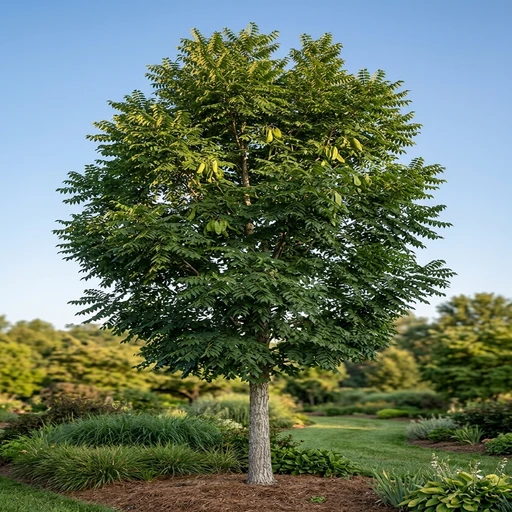
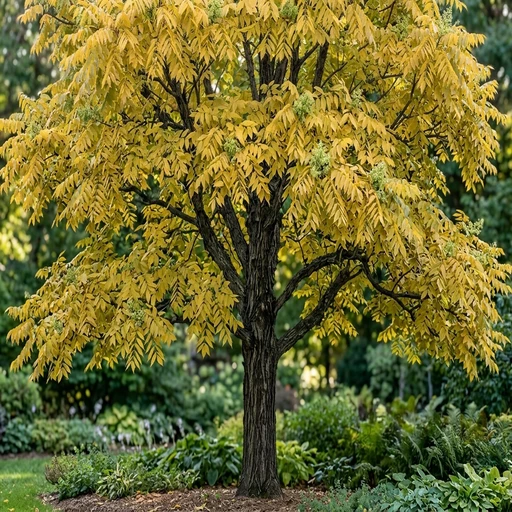
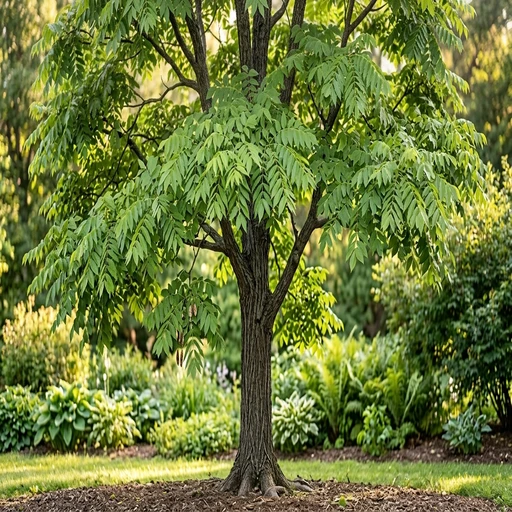
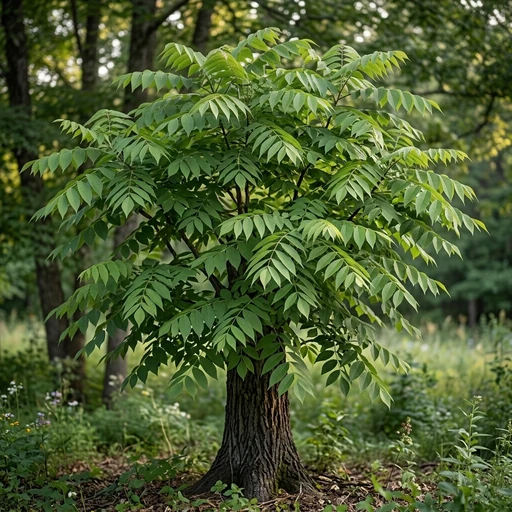
Gymnocladus, the genus most gardeners know as kentucky coffeetree. We track 4 varieties; the ones most used by real gardeners.
The 4 most-saved Gymnocladus varieties
Track your Gymnocladus in Sow
Save the Gymnocladus you grow and get care reminders timed to your zone.
How to grow Gymnocladus
Whats common across all Gymnocladus varieties in our catalog — drawn from the care records of the 4 most-grown of them.
The Gymnocladus year
- PlantMarch, April, October and November100% of varieties
Plant balled-and-burlapped or container-grown trees in spring or fall.
- PruneFebruary and March100% of varieties
Prune in late winter to establish a strong central leader and structure.


Do
- Provide supplemental water during extended dry periods, especially when young.
- Prune to remove dead, damaged, or crossing branches during dormancy.
- Allow ample space for its mature size.
- Monitor for pests, though they are infrequent.
- Provide deep, infrequent waterings during prolonged drought, especially when young.
Avoid
- Do not plant in a small, restricted space.
- Avoid piling mulch against the trunk, which can cause rot.
- Do not overwater; it is tolerant of dry conditions once established.
- Avoid heavy fertilization, which is generally unnecessary.
What goes wrong with Gymnocladus
| Problem | What you'll see | What to do |
|---|---|---|
| None | This tree has no serious insect or disease problems. | Considered a virtually pest-free tree, making it an excellent low-maintenance choice. |
| Blister beetles | Chewed foliage, sometimes skeletonized leaves. | Hand-pick with gloves. Use insecticidal soap for small infestations or pyrethrin-based insecticides for larger outbreaks. |
| None significant | This tree is remarkably free of serious insect pests. | Monitor for general pests, but chemical controls are rarely, if ever, needed. |
| None | This tree has no serious insect or disease problems. | Its resistance to pests and diseases is one of its most significant landscape attributes. |
| Heart rot | Fungal growth (conks) on the trunk, internal decay. Often no external symptoms until advanced. | No cure. Prevent by avoiding wounds to the trunk and maintaining tree health. Prune correctly to avoid stubs. |
| None significant | This tree is known for its excellent disease resistance. | Ensure good cultural practices like proper planting and watering to maintain tree health. No specific diseases are common. |
Making more Gymnocladus
Grafting
- Collect scion wood from 'Decaf' in winter.
- Graft onto seedling rootstock in late winter or early spring.
- Use a whip-and-tongue or cleft graft.
- Keep grafted plants in a humid environment until the union heals.
Root Cuttings
- Take 2-4 inch sections of roots in late winter.
- Plant them vertically in a sandy potting medium.
- Keep the medium moist and warm.
- New shoots should emerge in spring.
Gymnocladus questions
How many types of Gymnocladus are there?
The Sow catalog tracks 4 distinct Gymnocladus varieties. The most popular — ranked by 84 real gardeners — are shown first above.
What zones does Gymnocladus grow in?
Across its varieties, Gymnocladus covers USDA Zones 4–8. Individual varieties differ — each plant page lists its exact range, and Sow filters the catalog to your zone automatically.
When does Gymnocladus bloom?
Most Gymnocladus varieties bloom in late spring. Staggering early, mid, and late varieties extends the genus's season in one bed.
Which Gymnocladus should I choose?
Start from the most-saved varieties above — popularity across thousands of gardens is a strong signal of reliability — then filter by your zone and sun. In the Sow app you can preview any of them in a photo of your actual yard before you buy.