Also known as Dawn Redwood · 79 saves
Metasequoia
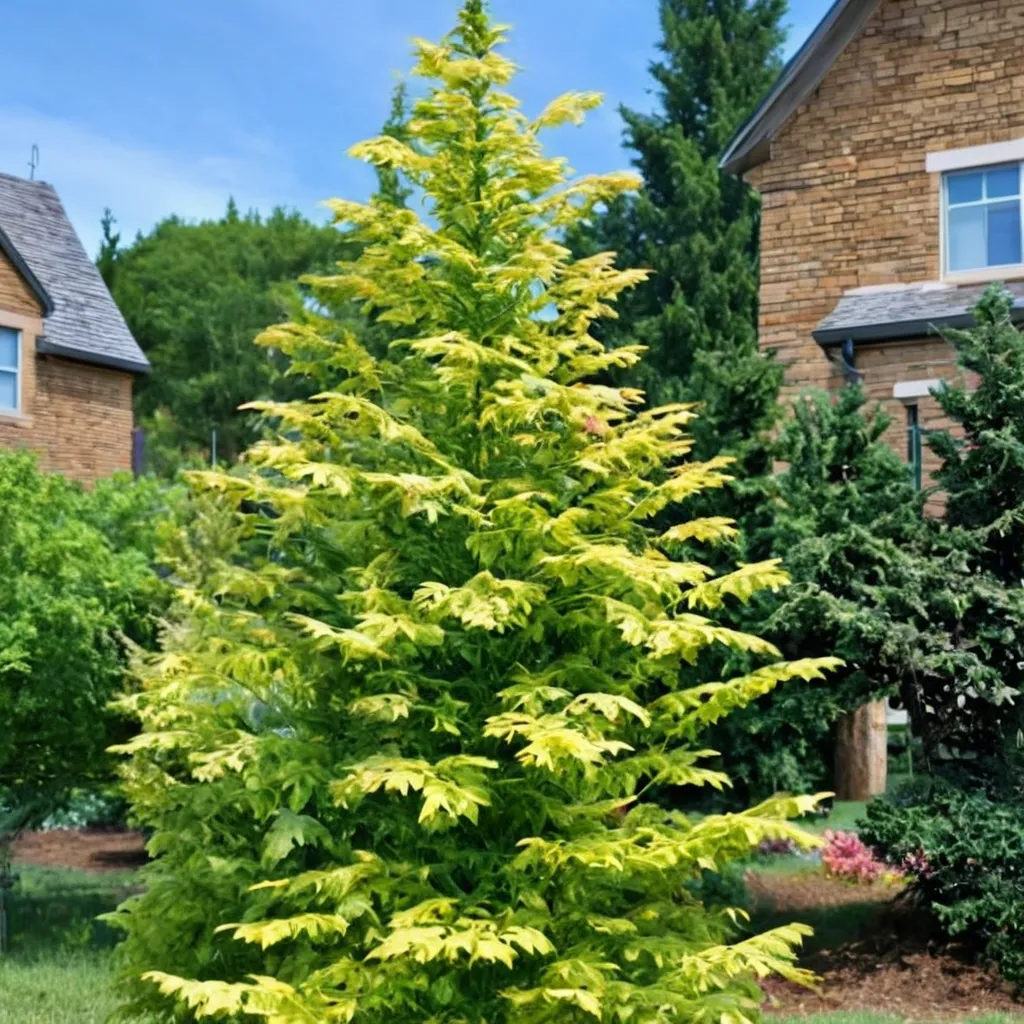
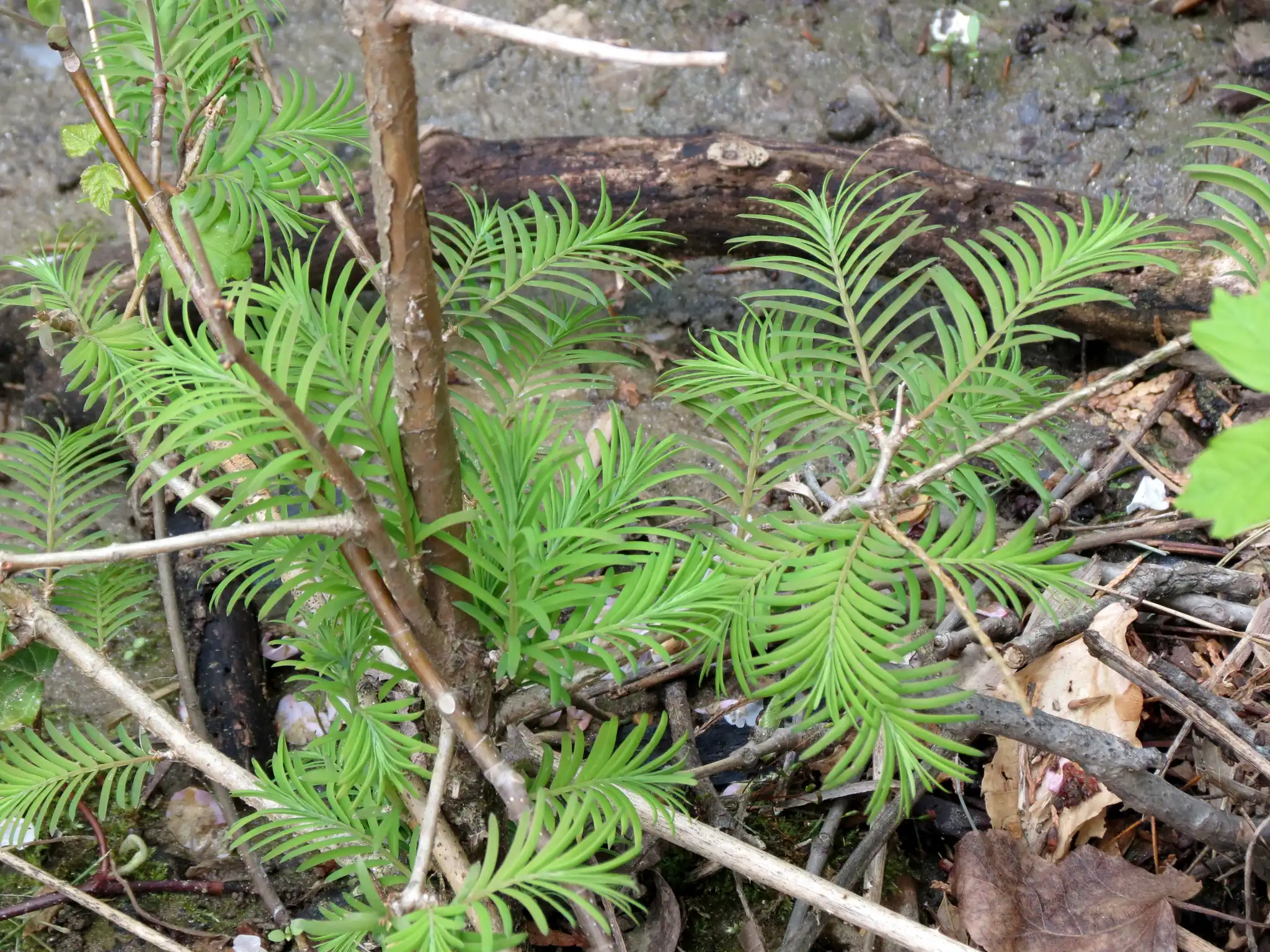
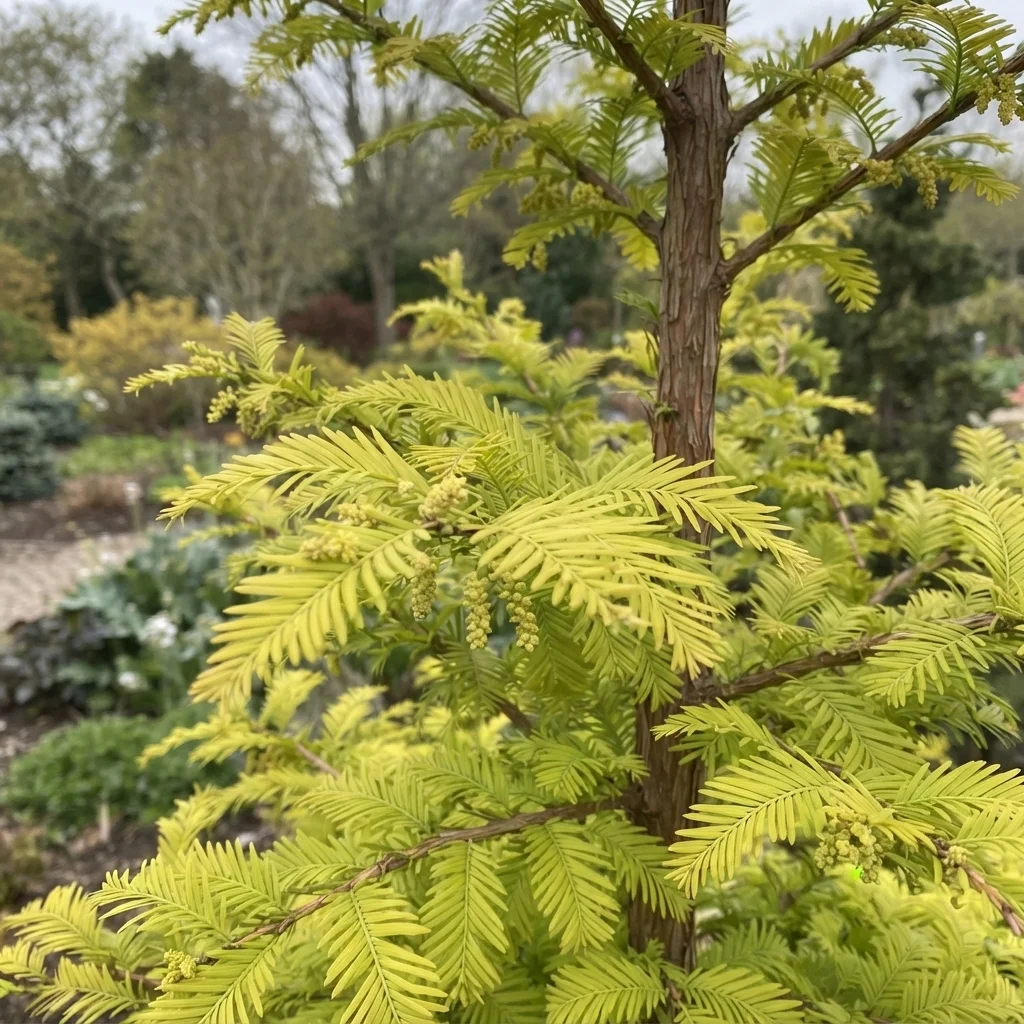
Metasequoia, the genus most gardeners know as dawn redwood. We track 3 varieties; the ones most used by real gardeners.
The 3 most-saved Metasequoia varieties
Species of Metasequoia
Each one is a parent of the varieties above.
Track your Metasequoia in Sow
Save the Metasequoia you grow and get care reminders timed to your zone.
How to grow Metasequoia
Whats common across all Metasequoia varieties in our catalog — drawn from the care records of the 3 most-grown of them.
The Metasequoia year
- MulchApril and May67% of varieties
Replenish organic mulch around the root zone to conserve soil moisture.
- PruneMarch67% of varieties
Perform light shaping if necessary, removing no more than 30% of the canopy.
- FertilizeApril67% of varieties
Apply a balanced general-purpose fertilizer before spring growth begins.


Do
- Water regularly during dry summer spells to maintain consistent soil moisture.
- Apply a balanced, general-purpose fertilizer once a year in early spring before new growth emerges.
- Protect young trees from deer and rabbit browsing using physical cages or repellents.
- Give it full sun and space ☀️
- Keep the soil moist 💧
Avoid
- Do not prune into old, leafless wood, as this prevents healthy regrowth.
- Do not plant in stagnant, poorly drained heavy clay soils where root rot can develop.
- Do not allow the soil to dry out completely, which causes premature needle drop.
- Plant it in a small garden ❌
What goes wrong with Metasequoia
| Problem | What you'll see | What to do |
|---|---|---|
| Spider mites | Fine webbing on branches and stippling or yellowing of the needles. | Blast the foliage with a strong stream of water or apply insecticidal soap if populations build up. |
| Japanese beetles | Skeletal damage to the soft needles during midsummer. | Hand-pick beetles into soapy water or apply an organic insecticide if damage is severe. |
| Japanese beetle | Skeletonised foliage on young trees in midsummer | Hand-pick from small trees; established specimens outgrow the damage without treatment |
| Aphids | Sticky residue on leaves | Apply insecticidal soap or neem oil |
| Phytophthora root rot | Wilting, yellowing needles, and dieback of branches caused by waterlogged, stagnant soil. | Improve soil drainage or relocate the tree to a site with better water movement. |
| Canker | Sunken dead patches on the bark with dieback in the branches above them | Prune out affected wood in dry weather; keep the tree well watered, since drought stress is the usual trigger |
| Root rot | Wilting and yellowing leaves | Improve drainage and reduce watering |
Making more Metasequoia
Cuttings
- Take semi-hardwood cuttings in late summer from healthy, current-season growth.
- Dip the cut end in rooting hormone powder to encourage root development.
- Insert the cutting into a moist, well-draining propagation mix under high humidity.
- Note that asexual propagation of this patented cultivar (PP29,472) is legally restricted.
Stem cuttings
- Take semi-ripe cuttings in summer.
- Root under humidity in gritty compost.
- Grow on for two seasons before planting.
Metasequoia questions
How many types of Metasequoia are there?
The Sow catalog tracks 3 distinct Metasequoia varieties. The most popular — ranked by 79 real gardeners — are shown first above.
What zones does Metasequoia grow in?
Across its varieties, Metasequoia covers USDA Zones 4–10. Individual varieties differ — each plant page lists its exact range, and Sow filters the catalog to your zone automatically.
When does Metasequoia bloom?
Most Metasequoia varieties bloom in early spring, spring. Staggering early, mid, and late varieties extends the genus's season in one bed.
Which Metasequoia should I choose?
Start from the most-saved varieties above — popularity across thousands of gardens is a strong signal of reliability — then filter by your zone and sun. In the Sow app you can preview any of them in a photo of your actual yard before you buy.