Also known as Baby Blue Eyes · 94 saves
Nemophila
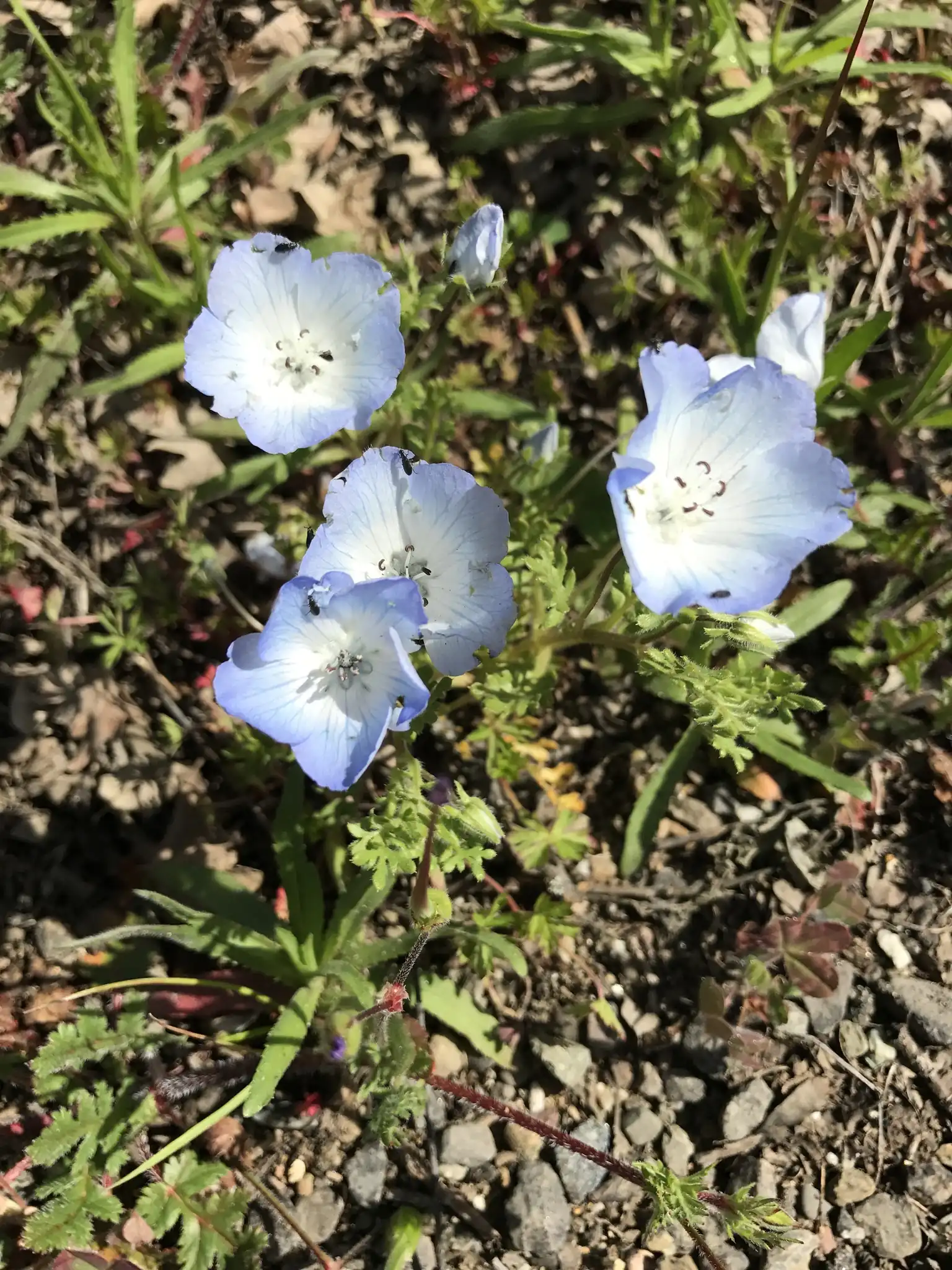
Nemophila, the genus most gardeners know as baby blue eyes. We track 6 varieties; the ones most used by real gardeners.
The 5 most-saved Nemophila varieties
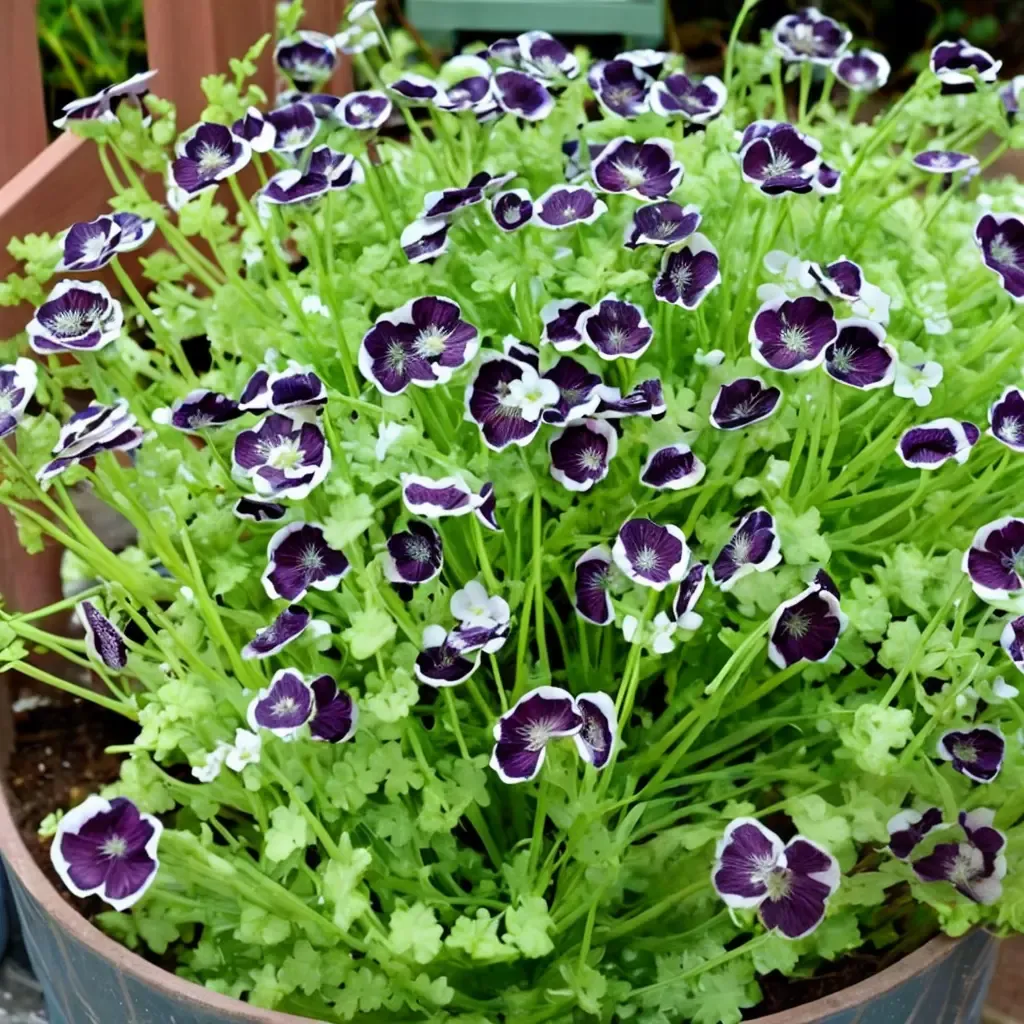
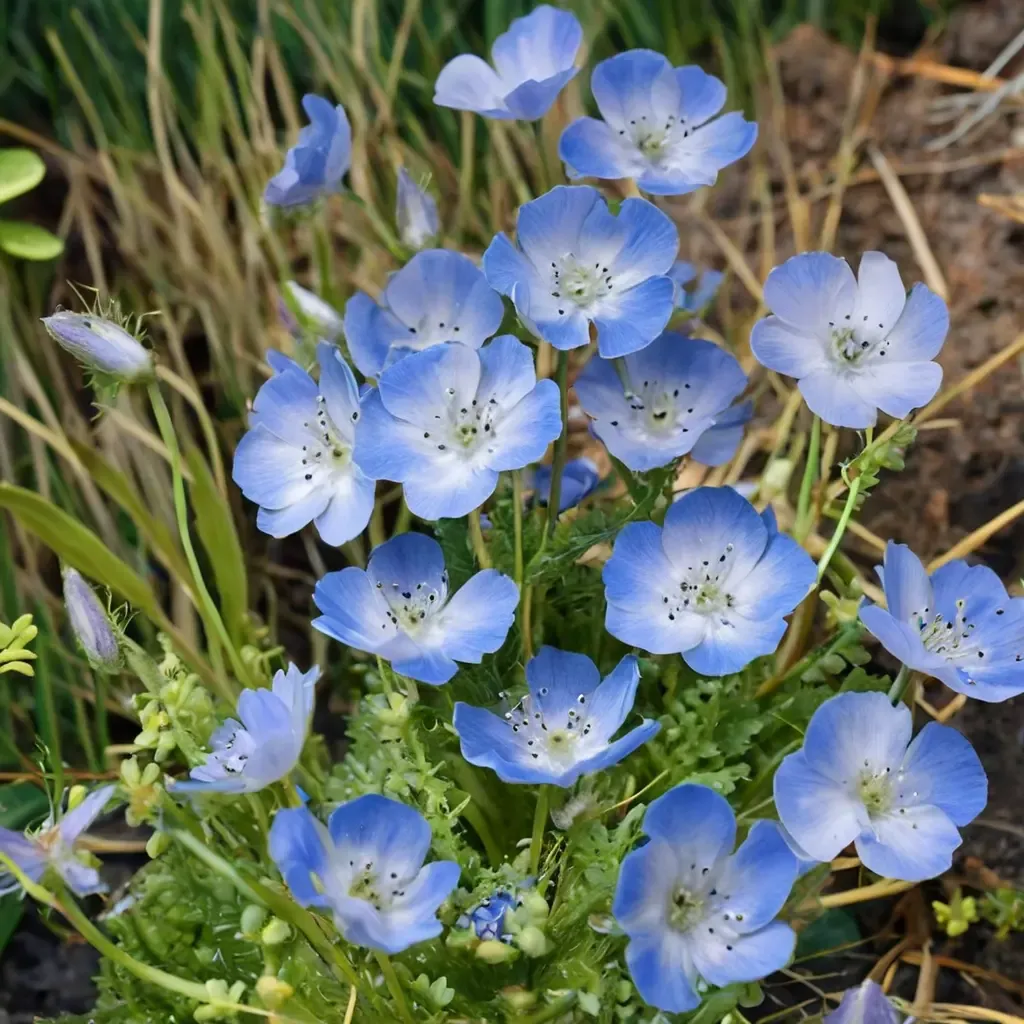
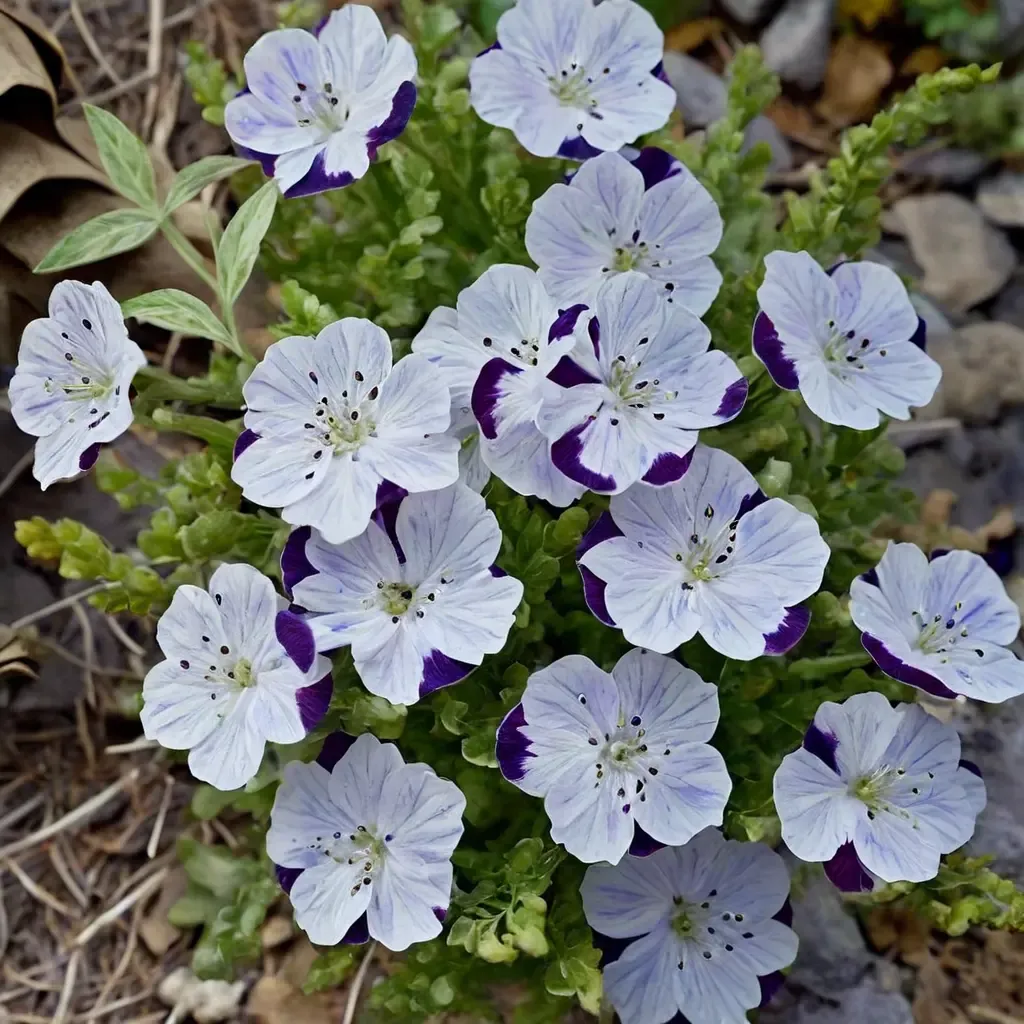
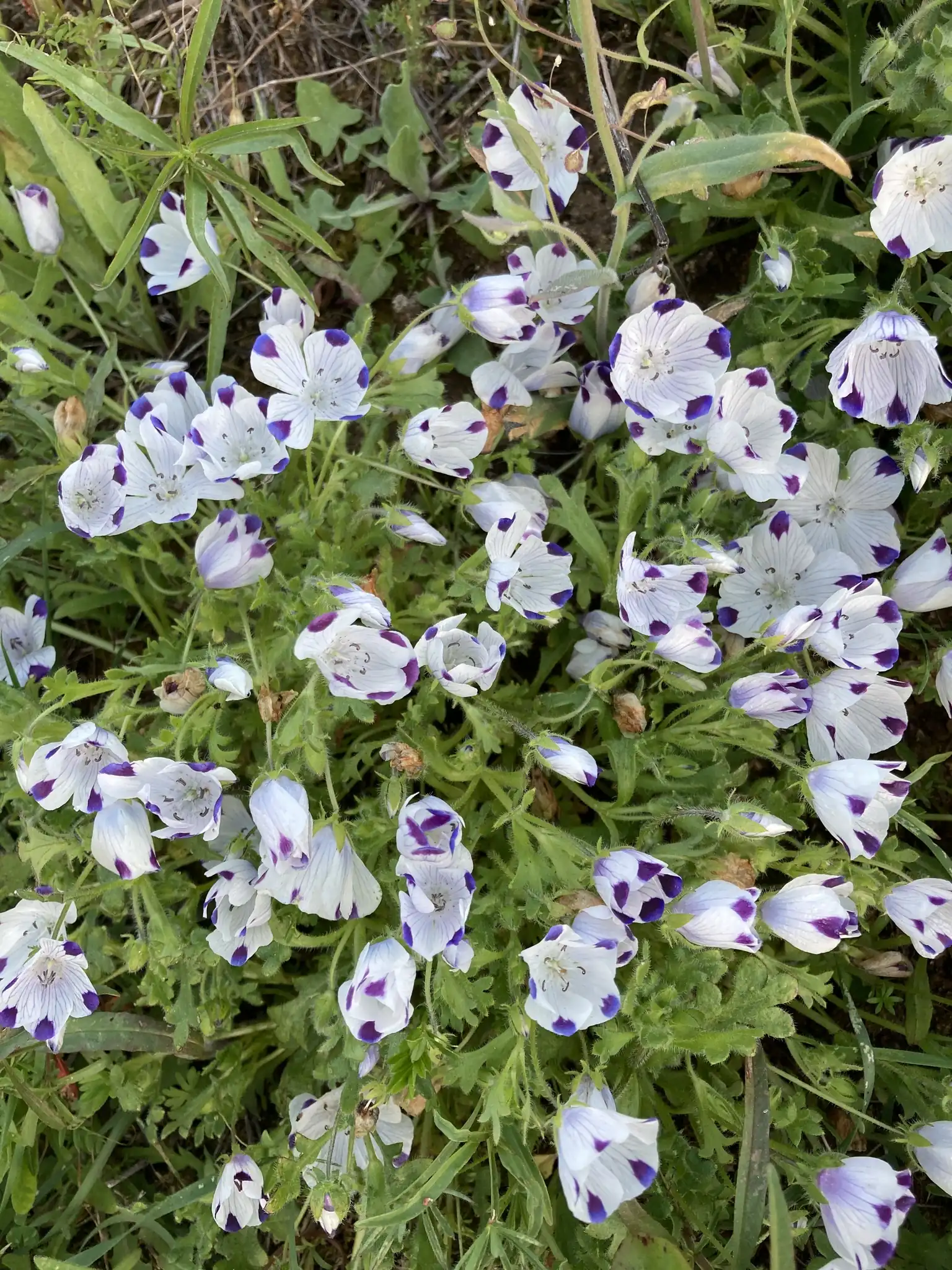
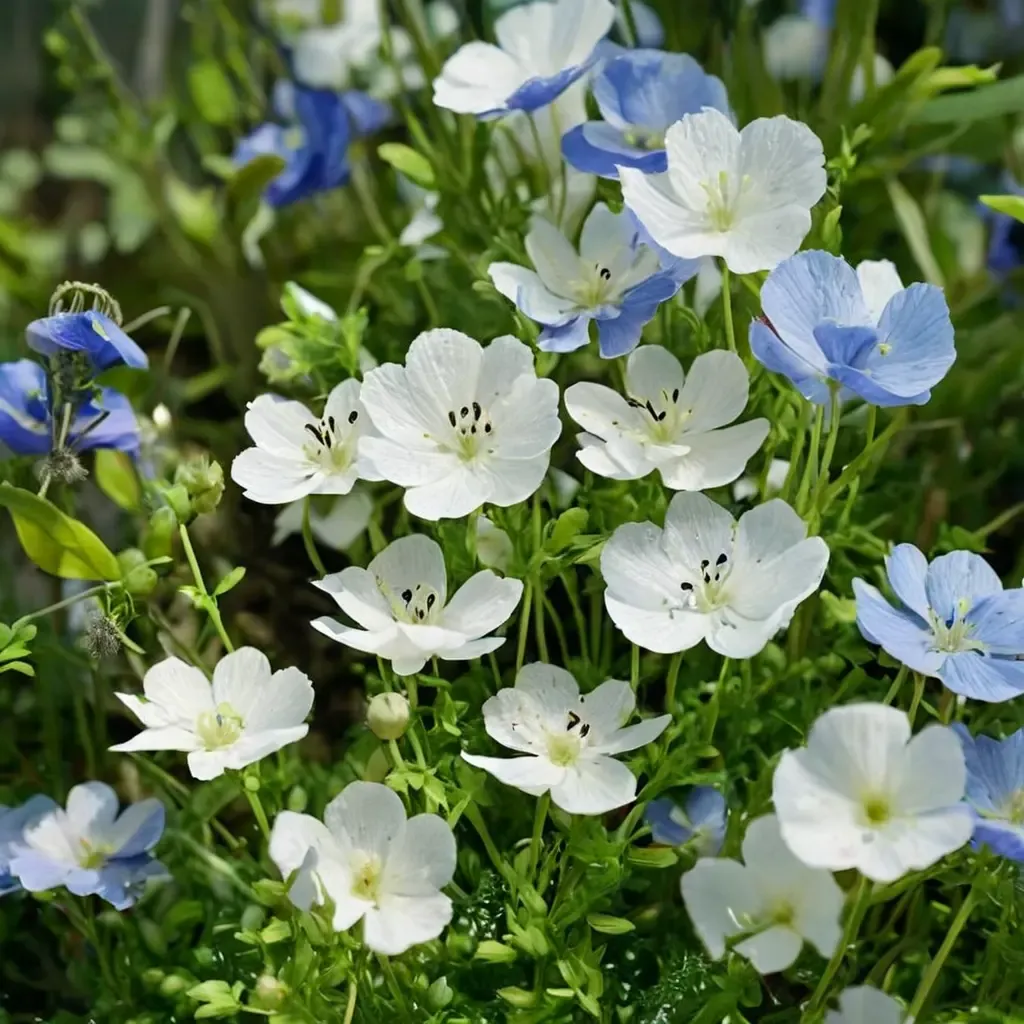
Browse all 6 Nemophila varieties →
2 species of Nemophila
Each one is a parent of the varieties above.
Track your Nemophila in Sow
Save the Nemophila you grow and get care reminders timed to your zone.
How to grow Nemophila
Whats common across all Nemophila varieties in our catalog — drawn from the care records of the 6 most-grown of them.
The Nemophila year
- PlantMarch, April, October and November67% of varieties
Sow seeds directly in late winter/early spring for best results
- FertilizeMay33% of varieties
Light feeding once in spring if growth is slow
- DeadheadMay33% of varieties
Remove spent flowers to maintain a tidy appearance during the short bloom period


Do
- Deadhead spent flowers to encourage more blooms
- Water regularly to keep soil moist 🌱
- Sow direct in autumn or very early spring 🌱
- Keep moist while germinating 💧
- Let it self-sow for next year 🌸
Avoid
- Avoid overwatering to prevent root rot ❌
- Transplant seedlings; they resent it ❌
- Sow late and expect summer flowers ❌
- Let it dry out while establishing ❌
What goes wrong with Nemophila
| Problem | What you'll see | What to do |
|---|---|---|
| Aphids | Clusters on soft growth | Dislodge with water |
| Slugs and snails | Seedlings grazed off at ground level | Clear damp hiding places; protect young plants |
| Slugs | Irregular holes in leaves | Handpick or set slug traps |
| Powdery Mildew | White film on foliage as weather warms | Usually a sign the season is ending; no treatment needed |
| Powdery mildew | White powder on leaves | Improve air circulation and apply fungicide if needed |
| Powdery and downy mildew | White or greyish coating on leaves in humid conditions | Thin seedlings for airflow and avoid overhead watering |
Making more Nemophila
Cuttings
- Take 3-inch stem cuttings in early summer.
- Dip in rooting hormone and place in moist soil.
- Maintain high humidity and indirect light for 6 weeks.
Seed sowing
- Tuck seeds just beneath soil surface, 2 weeks before last frost.
- Keep soil moist and in a sunny location for germination.
- Thin seedlings to 4 inches apart after emergence.
Nemophila questions
How many types of Nemophila are there?
The Sow catalog tracks 6 distinct Nemophila varieties. The most popular — ranked by 94 real gardeners — are shown first above.
What zones does Nemophila grow in?
Across its varieties, Nemophila covers USDA Zones 4–10. Individual varieties differ — each plant page lists its exact range, and Sow filters the catalog to your zone automatically.
When does Nemophila bloom?
Most Nemophila varieties bloom in late spring, early spring, mid-spring to early summer. Staggering early, mid, and late varieties extends the genus's season in one bed.
Which Nemophila should I choose?
Start from the most-saved varieties above — popularity across thousands of gardens is a strong signal of reliability — then filter by your zone and sun. In the Sow app you can preview any of them in a photo of your actual yard before you buy.