Also known as Virginia Creeper · 211 saves
Parthenocissus
Parthenocissus, the genus most gardeners know as virginia creeper. We track 5 varieties; the ones most used by real gardeners.
The 5 most-saved Parthenocissus varieties
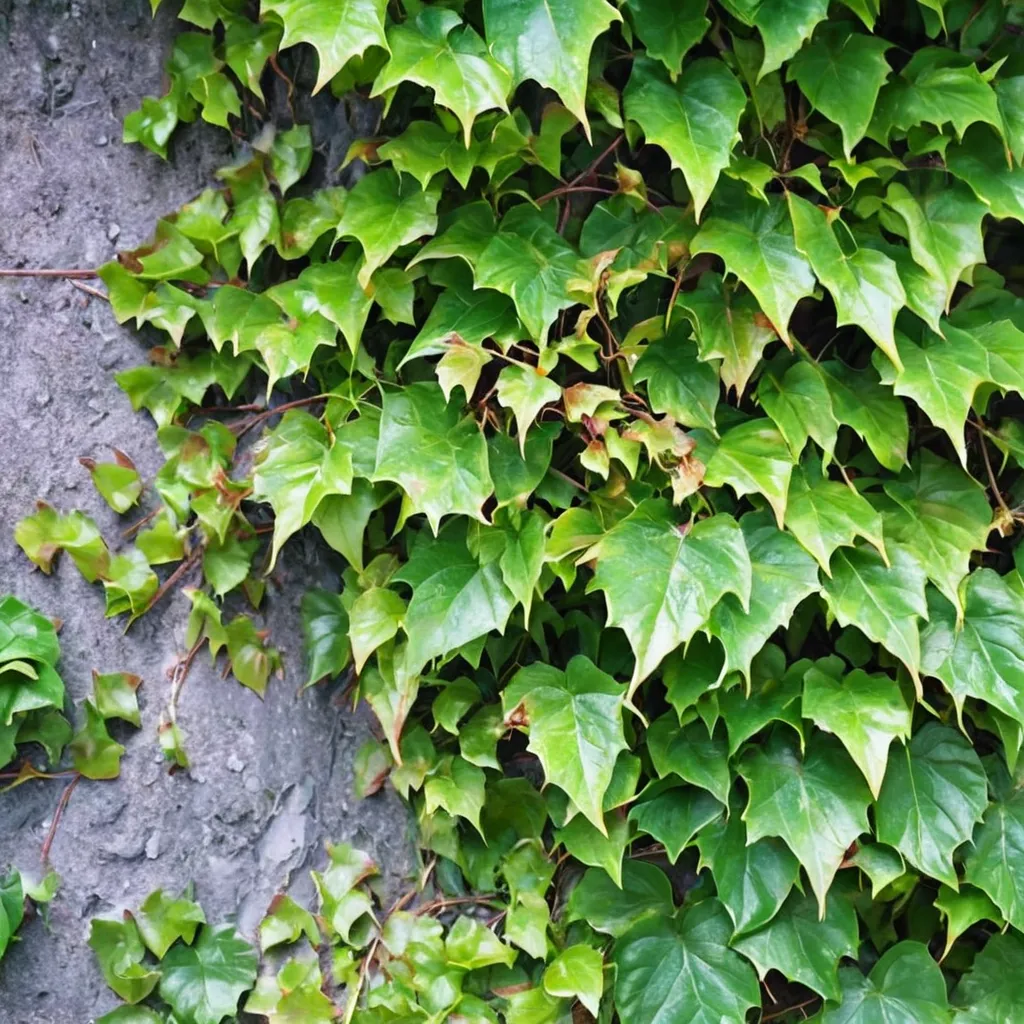
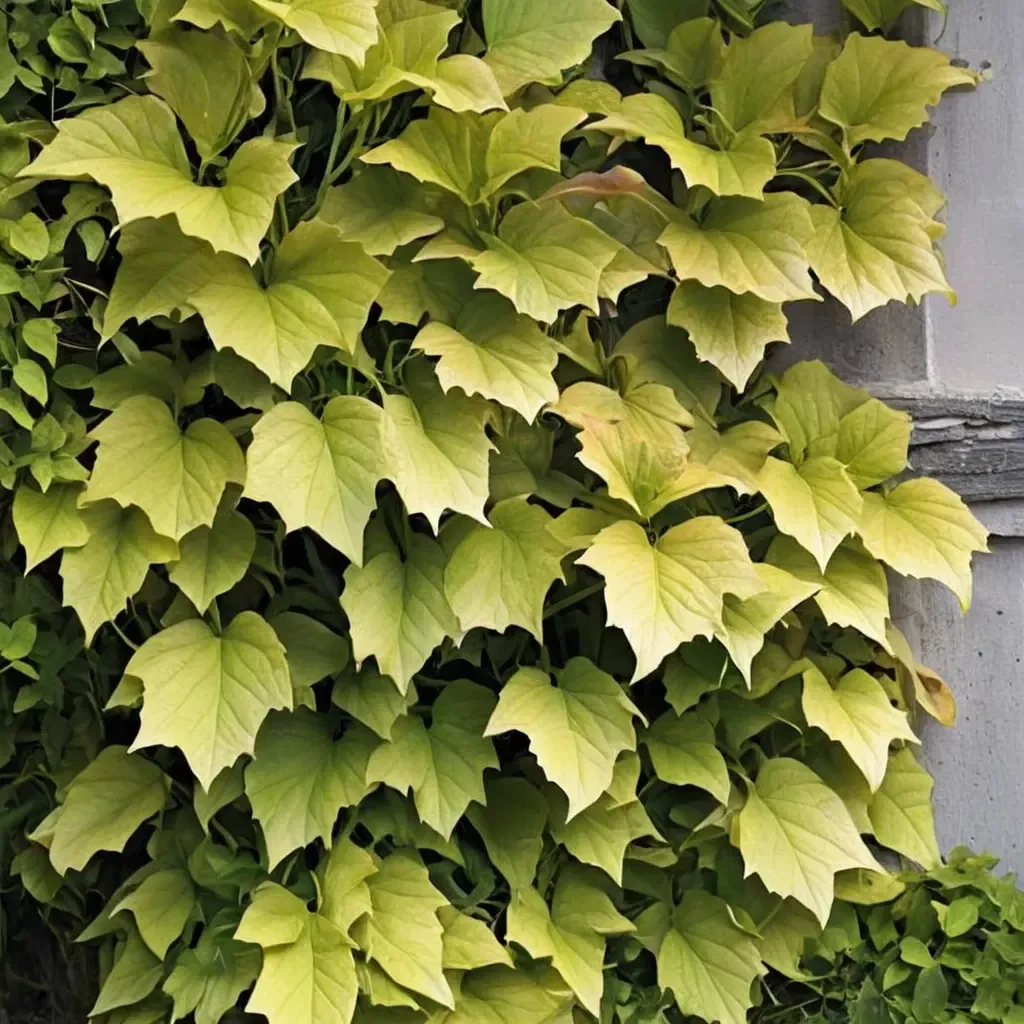
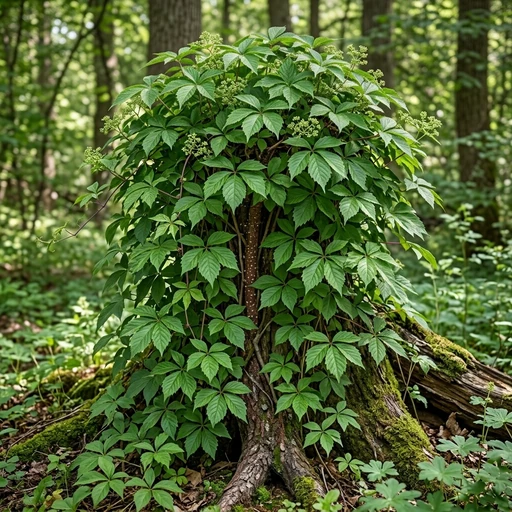
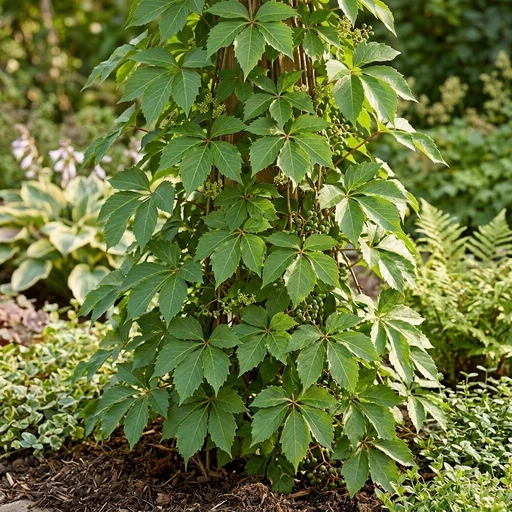
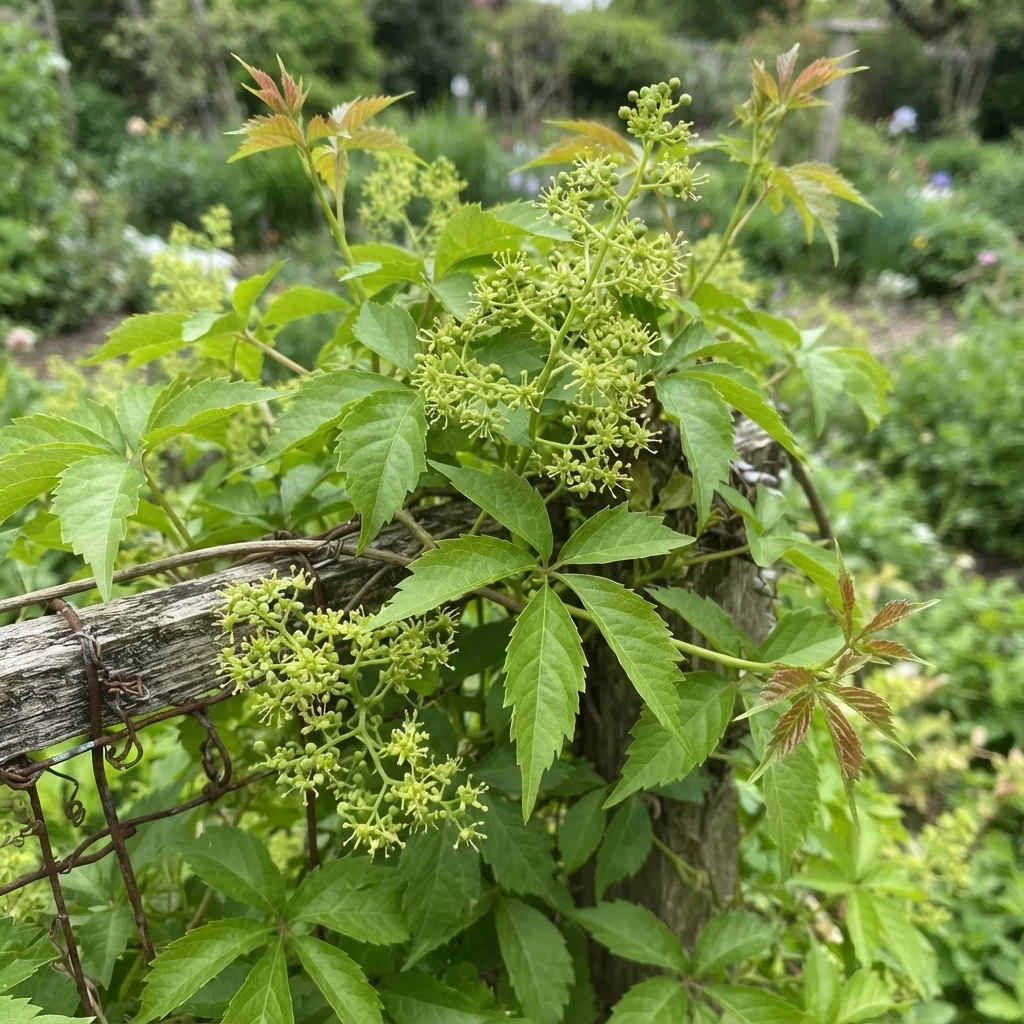
Species of Parthenocissus
Each one is a parent of the varieties above.
Track your Parthenocissus in Sow
Save the Parthenocissus you grow and get care reminders timed to your zone.
How to grow Parthenocissus
Whats common across all Parthenocissus varieties in our catalog — drawn from the care records of the 5 most-grown of them.
The Parthenocissus year
- PruneFebruary, March, July and August100% of varieties
Prune aggressively in late winter to shape; trim summer growth away from structures.
- PlantApril, May, October and November80% of varieties
Plant containerized stock in spring or fall.
- MulchApril40% of varieties
Apply mulch around the base to retain moisture, especially when young.
- Check for PestsJuly40% of varieties
Monitor for scale insects or spider mites, especially during dry spells.


Do
- Provide full to partial sun for optimal foliage color and growth 🌞
- Water consistently, especially during dry spells 💧
- Prune annually to control size and promote healthy growth ✂️
- Feed with a balanced fertilizer in spring and summer 🌱
- Water during dry periods 🌱
Avoid
- Avoid overwatering to prevent root rot ❌
- Don’t prune in late summer or fall which can stress the plant ❌
- Refrain from neglecting support structures for climbing vines ❌
- Don’t disturb roots during heavy pruning ❌
What goes wrong with Parthenocissus
| Problem | What you'll see | What to do |
|---|---|---|
| Aphids | Sticky residue on leaves and distorted growth | Spray with neem oil or insecticidal soap |
| Leafhoppers | White stippling on leaves, leaf curling, and yellowing. | Spray with a strong jet of water. Use insecticidal soap. For severe cases, use a systemic insecticide. |
| Japanese Beetles | Skeletonized leaves, with only the veins remaining. | Hand-pick beetles and drop them in soapy water. Use pheromone traps away from the vine. Apply neem oil or a pyrethrin-based insecticide. |
| Japanese beetles | Skeletonized leaves and heavy foliage damage during mid-summer. | Hand-pick beetles into soapy water or apply an organic insecticide targeting adult beetles. |
| Powdery mildew | White powder on leaf surfaces | Improve air circulation and apply fungicide if needed |
| Powdery Mildew | White, powdery patches on leaves, especially in humid, shady conditions. | Improve air circulation by pruning. Spray with a solution of baking soda or neem oil. Apply a commercial fungicide. |
| Canker | Sunken, dead areas on stems, which can cause dieback. | Prune out and destroy infected stems well below the canker. Disinfect pruning tools between cuts. |
Making more Parthenocissus
Cuttings
- Select healthy semi-hardwood stems in late summer.
- Cut 6-8 inch sections with clean pruners.
- Dip cut ends in rooting hormone powder.
- Plant in moist potting mix, keep warm and humid.
- Roots develop in approximately 6 weeks.
Layering
- Bend a low vine branch to the ground
- Cover a portion with soil
- Secure with a stone or peg
- Water regularly
- New roots form in 8 weeks
Parthenocissus questions
How many types of Parthenocissus are there?
The Sow catalog tracks 5 distinct Parthenocissus varieties. The most popular — ranked by 211 real gardeners — are shown first above.
What zones does Parthenocissus grow in?
Across its varieties, Parthenocissus covers USDA Zones 4–9. Individual varieties differ — each plant page lists its exact range, and Sow filters the catalog to your zone automatically.
When does Parthenocissus bloom?
Most Parthenocissus varieties bloom in late spring to early summer, early to mid-summer, early summer. Staggering early, mid, and late varieties extends the genus's season in one bed.
Which Parthenocissus should I choose?
Start from the most-saved varieties above — popularity across thousands of gardens is a strong signal of reliability — then filter by your zone and sun. In the Sow app you can preview any of them in a photo of your actual yard before you buy.