Also known as Prairie Coneflower · 157 saves
Ratibida
Ratibida, the genus most gardeners know as prairie coneflower. We track 4 varieties; the ones most used by real gardeners.
The 4 most-saved Ratibida varieties
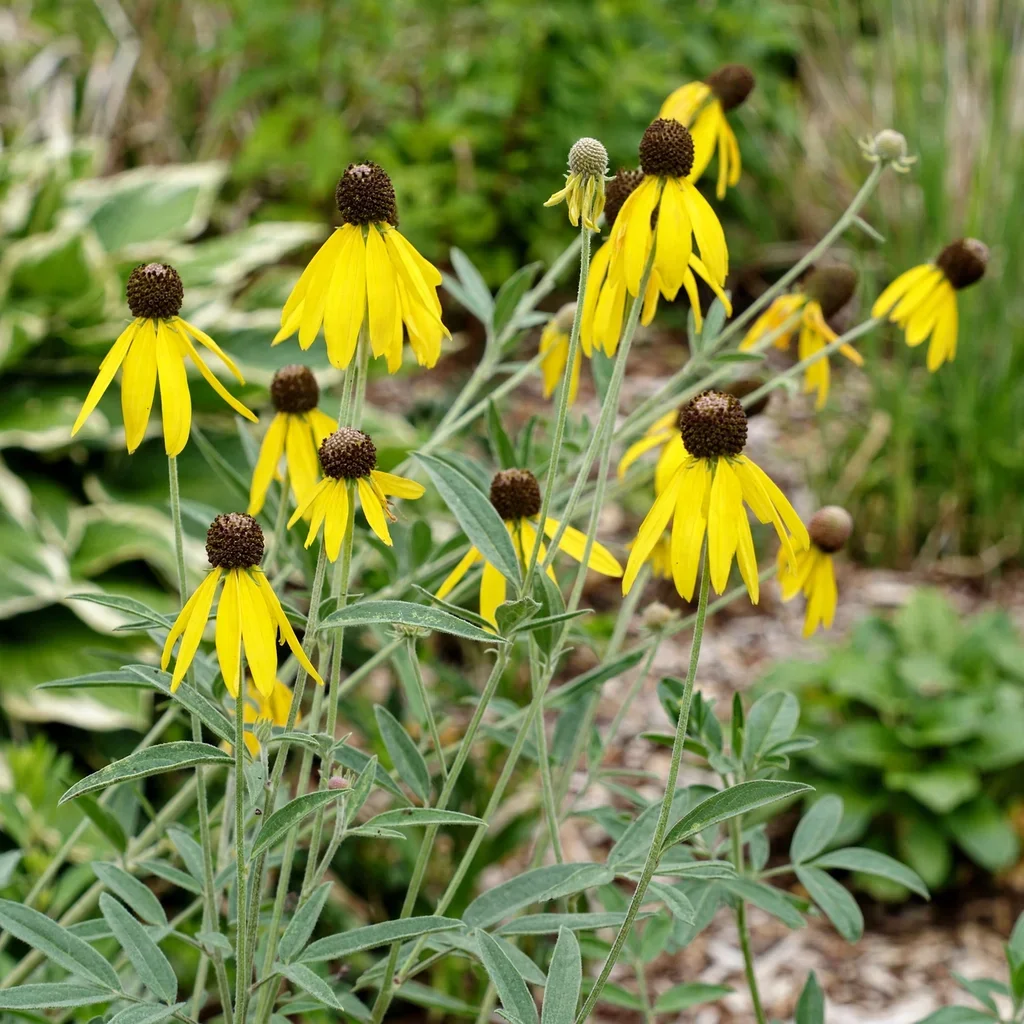
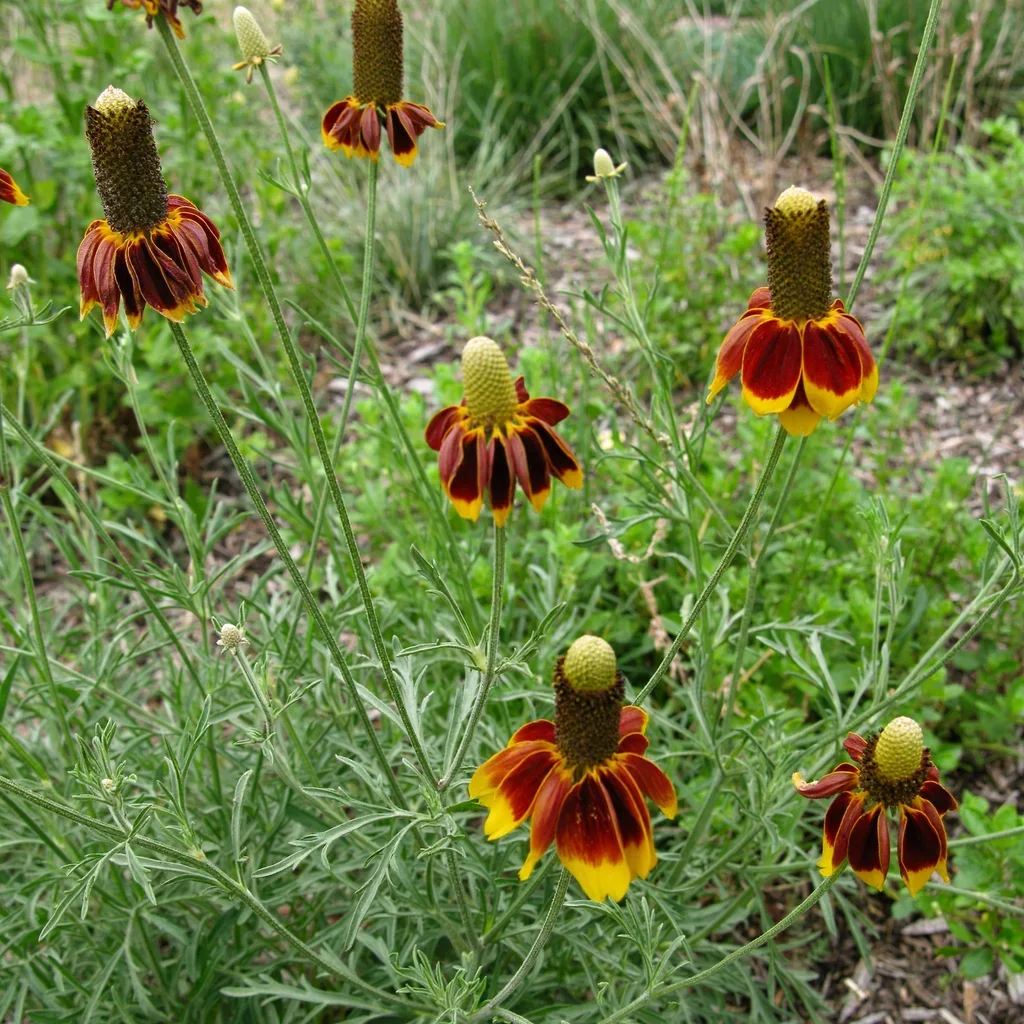
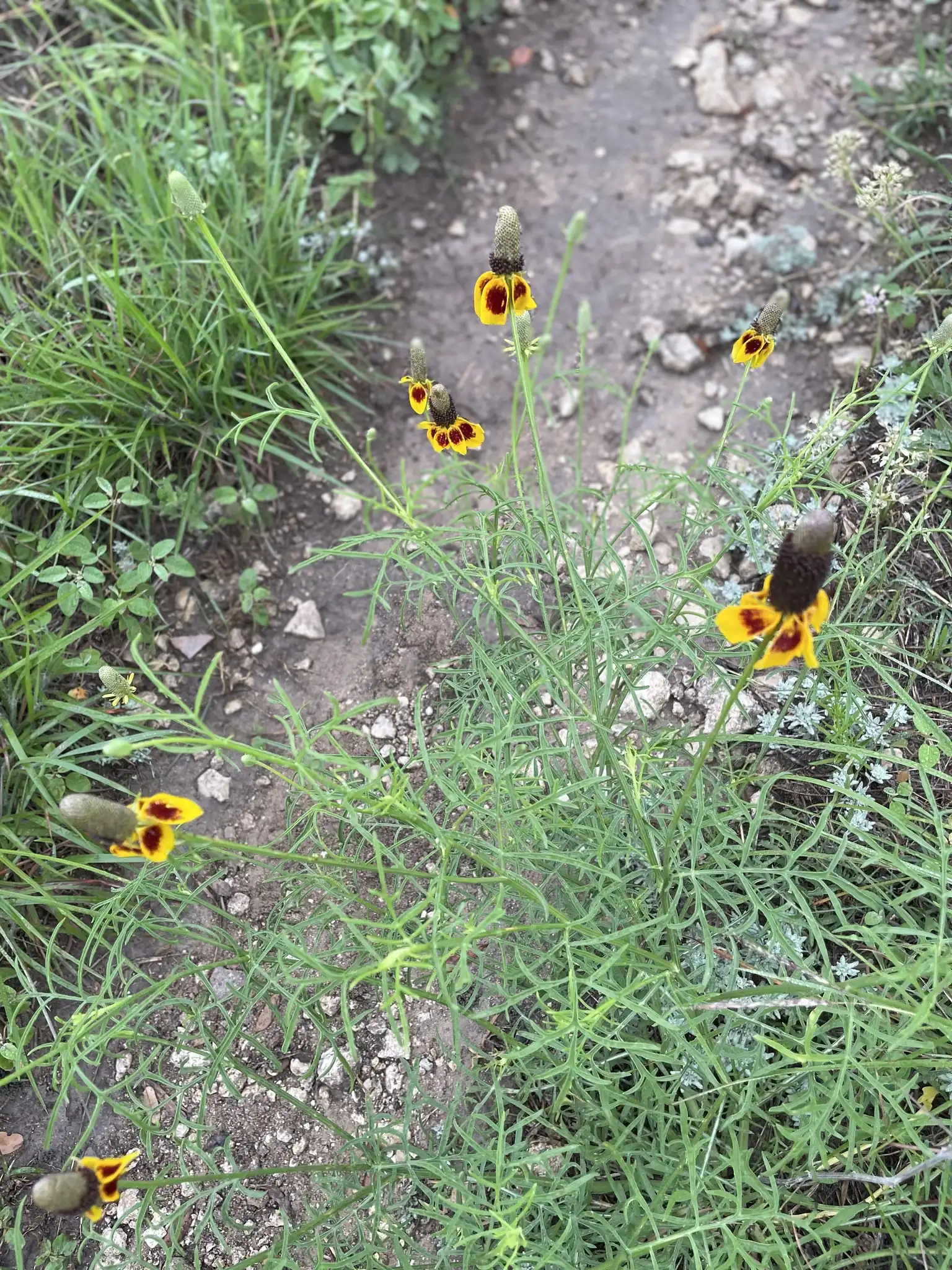
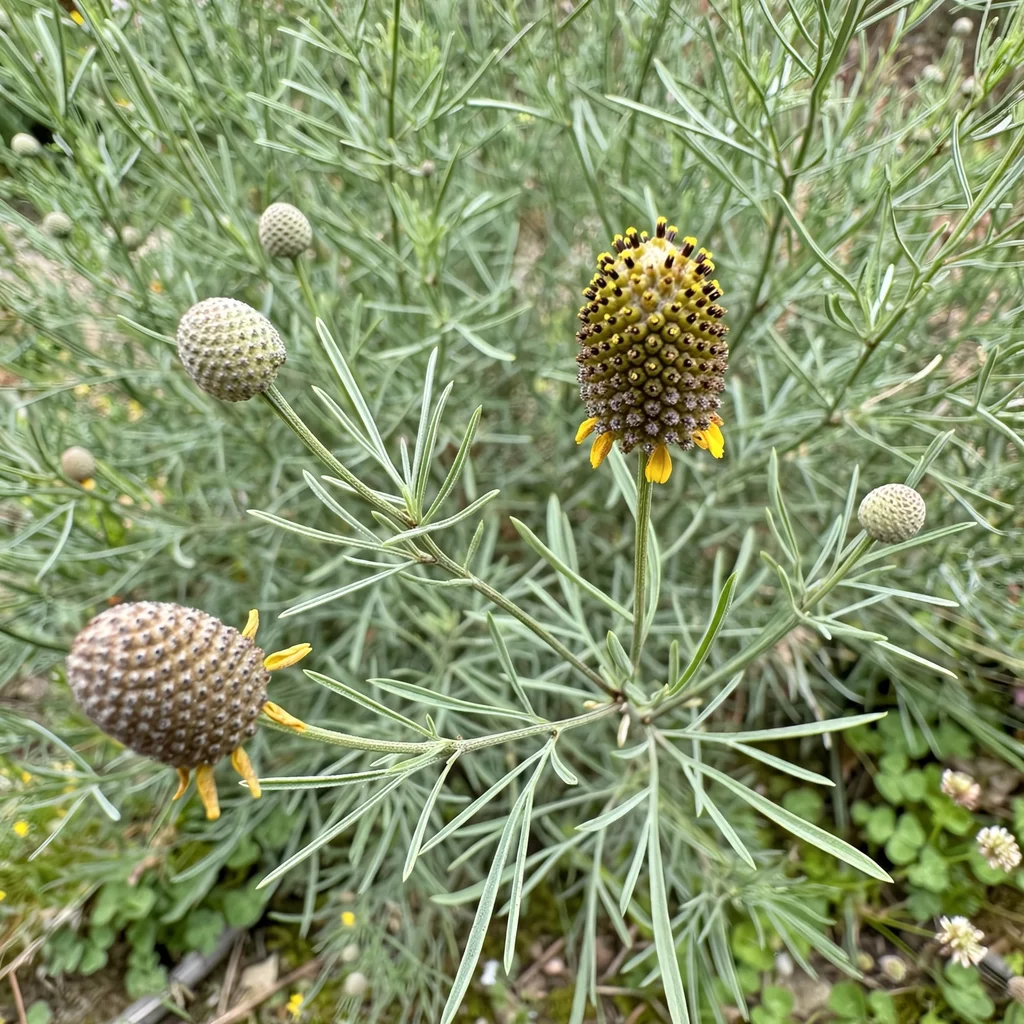
3 species of Ratibida
Each one is a parent of the varieties above.
Track your Ratibida in Sow
Save the Ratibida you grow and get care reminders timed to your zone.
How to grow Ratibida
Whats common across all Ratibida varieties in our catalog — drawn from the care records of the 4 most-grown of them.
The Ratibida year
- PlantApril, May, October and November75% of varieties
Install nursery plugs or bare-root divisions into fast-draining, unamended soil.
- Spring CleanupMarch and April75% of varieties
Cut back dry dead stems cleanly to ground level before spring growth begins.
- DeadheadJuly and August50% of varieties
Trim off spent flowering heads to encourage continuous blooming into fall.


Do
- Provide full, unshaded sunlight to maintain a compact growth habit.
- Ensure soil drains rapidly, especially during winter months.
- Deadhead spent bloom cones to prolong flower production through summer.
- Water deeply during dry spells 🌱
- Deadhead spent flowers to encourage more blooms
Avoid
- Do not apply nitrogen fertilizers or rich organic mulches.
- Do not plant in heavy, waterlogged clay soils.
- Do not overwater once the root system is established.
- Avoid overwatering to prevent root rot ❌
What goes wrong with Ratibida
| Problem | What you'll see | What to do |
|---|---|---|
| Aphids | Clusters of small sap-sucking insects on tender stem tips and young leaves. | Rinse off colonies with a strong spray of water or allow natural insect predators to control populations. |
| Spider mites | Fine webbing and stippled foliage during hot, dry weather. | Increase ambient airflow and spray foliage with water to dislodge mites. |
| Spider Mites | Fine webbing and speckled leaves | Wash with strong water spray or apply miticide |
| Generally pest-free | No significant insect damage is typical | No treatment needed |
| Root rot | Softening, blackening crown tissue and wilting foliage caused by saturated soil. | Improve soil drainage immediately and cease all supplemental watering. |
| Fungal leaf spot | Dark spots appearing on foliage during periods of high humidity or overhead irrigation. | Water directly at the root zone and space plants to maximize air circulation. |
| Powdery mildew | White powdery coating on leaves | Improve air circulation and apply organic fungicide |
Making more Ratibida
Seed
- Sow seeds on the surface of well-drained soil in early spring.
- Press seeds lightly into the soil surface without covering them deeply.
- Keep the soil surface moist until germination occurs.
- Thickly growing seedlings can be thinned to 12 to 18 inches apart.
Seeds
- Tuck seeds ¼ inch deep in early spring.
- Keep soil moist for germination, which takes about 2 weeks.
Ratibida questions
How many types of Ratibida are there?
The Sow catalog tracks 4 distinct Ratibida varieties. The most popular — ranked by 157 real gardeners — are shown first above.
What zones does Ratibida grow in?
Across its varieties, Ratibida covers USDA Zones 4–9. Individual varieties differ — each plant page lists its exact range, and Sow filters the catalog to your zone automatically.
When does Ratibida bloom?
Most Ratibida varieties bloom in summer to early fall, mid-summer, summer. Staggering early, mid, and late varieties extends the genus's season in one bed.
Which Ratibida should I choose?
Start from the most-saved varieties above — popularity across thousands of gardens is a strong signal of reliability — then filter by your zone and sun. In the Sow app you can preview any of them in a photo of your actual yard before you buy.