Also known as Currant / Gooseberry · 151 saves
Ribes
Ribes, the genus most gardeners know as currant / gooseberry. We track 12 varieties; the ones most used by real gardeners.
The 12 most-saved Ribes varieties
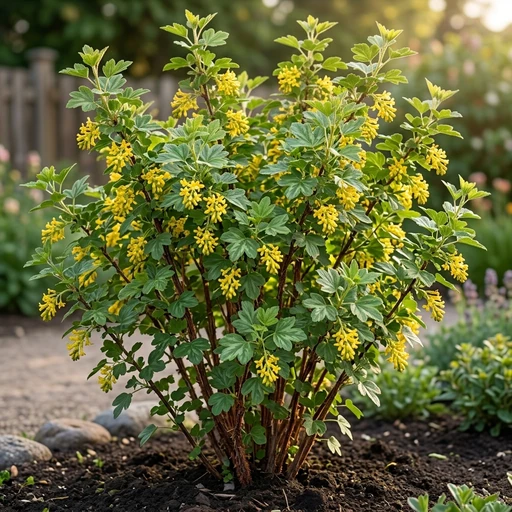
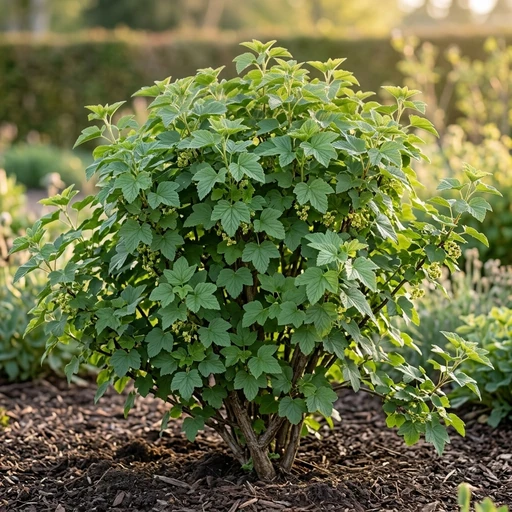
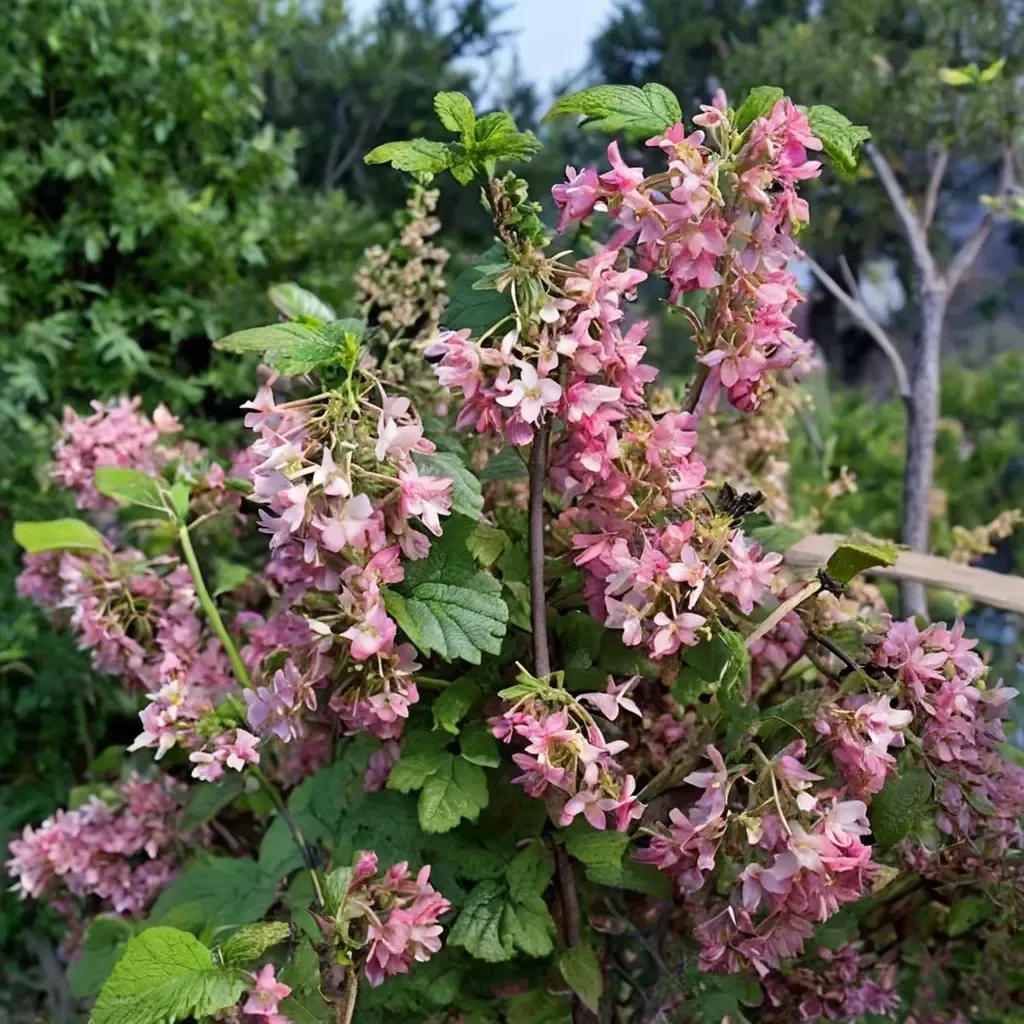
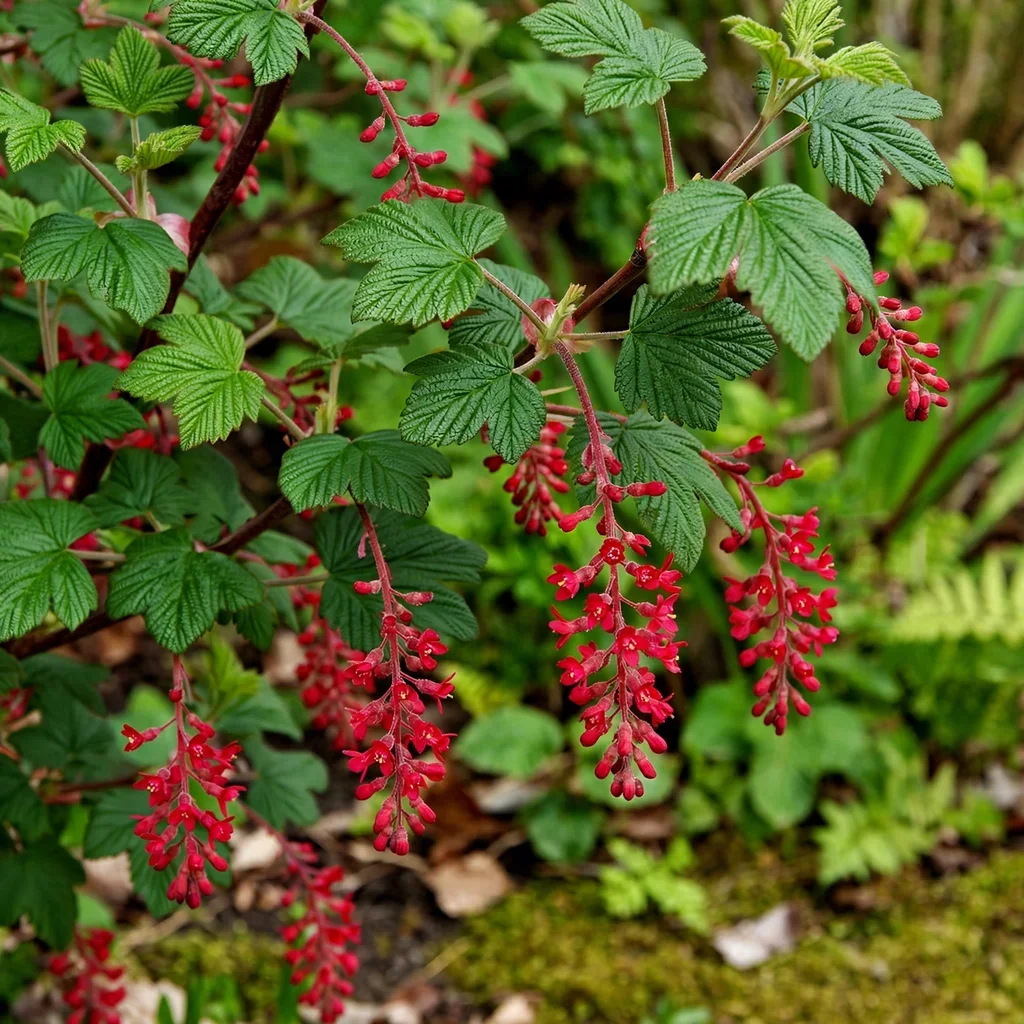
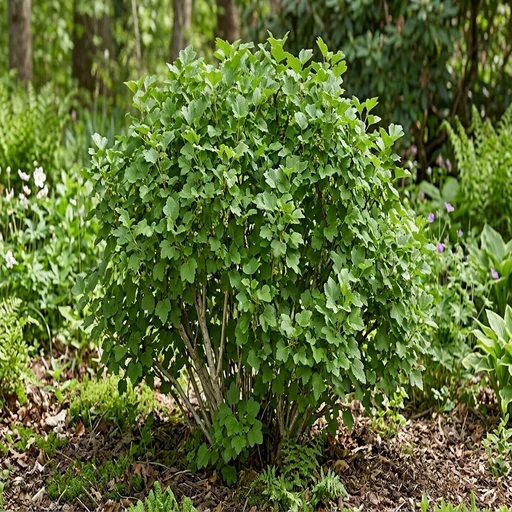
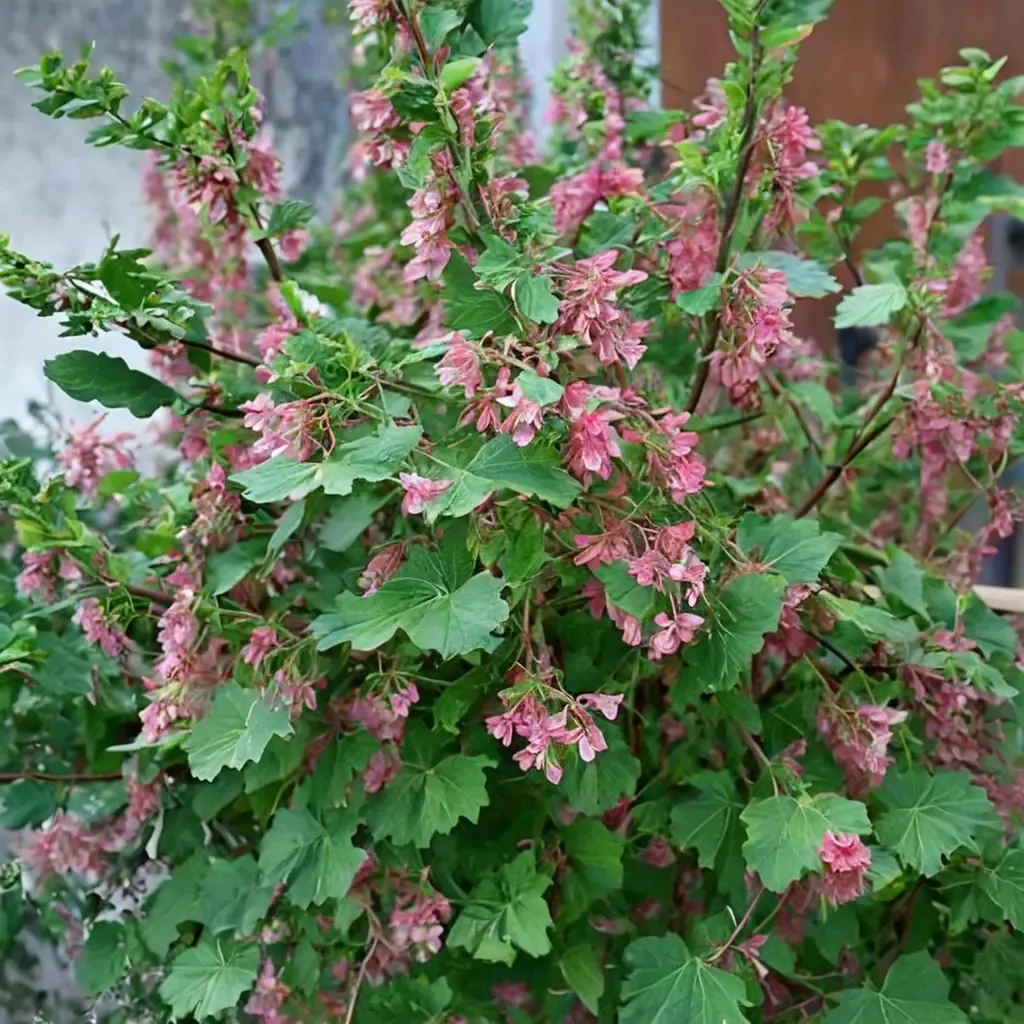
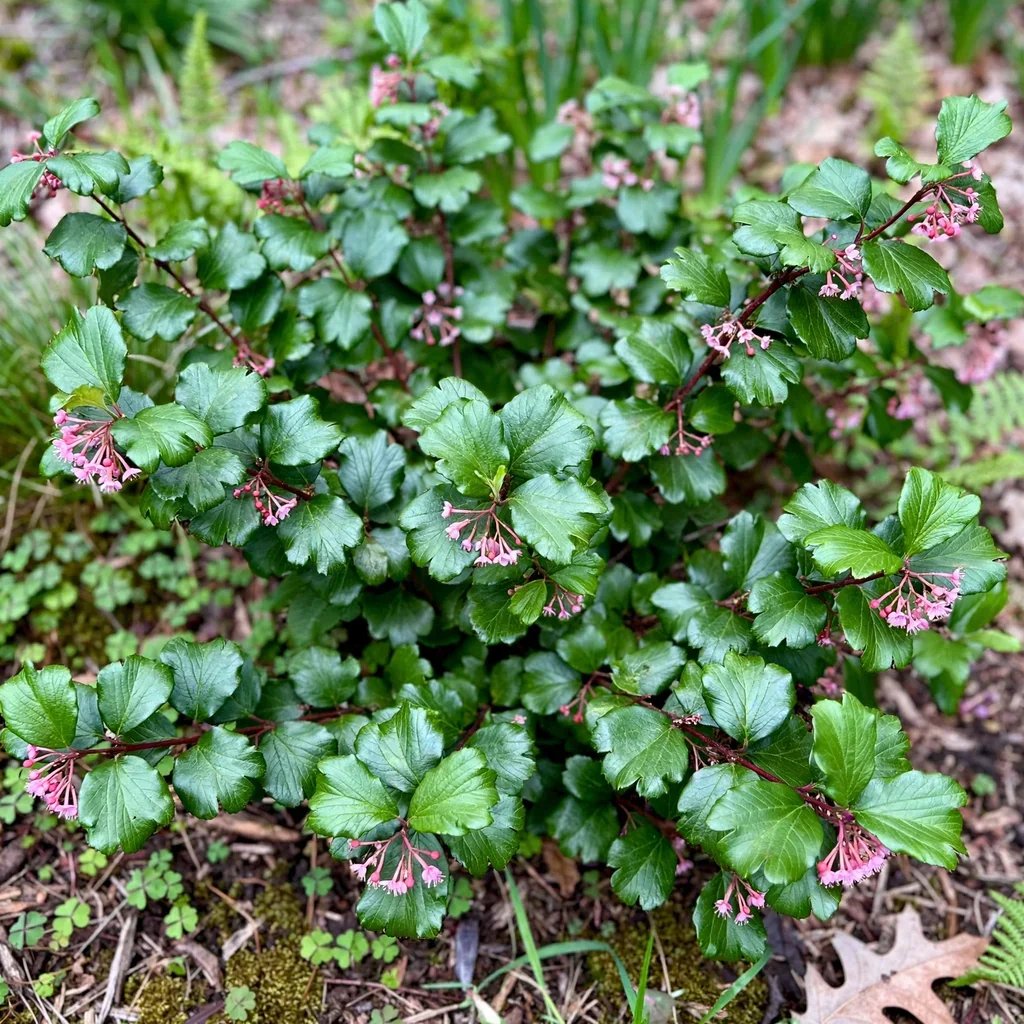
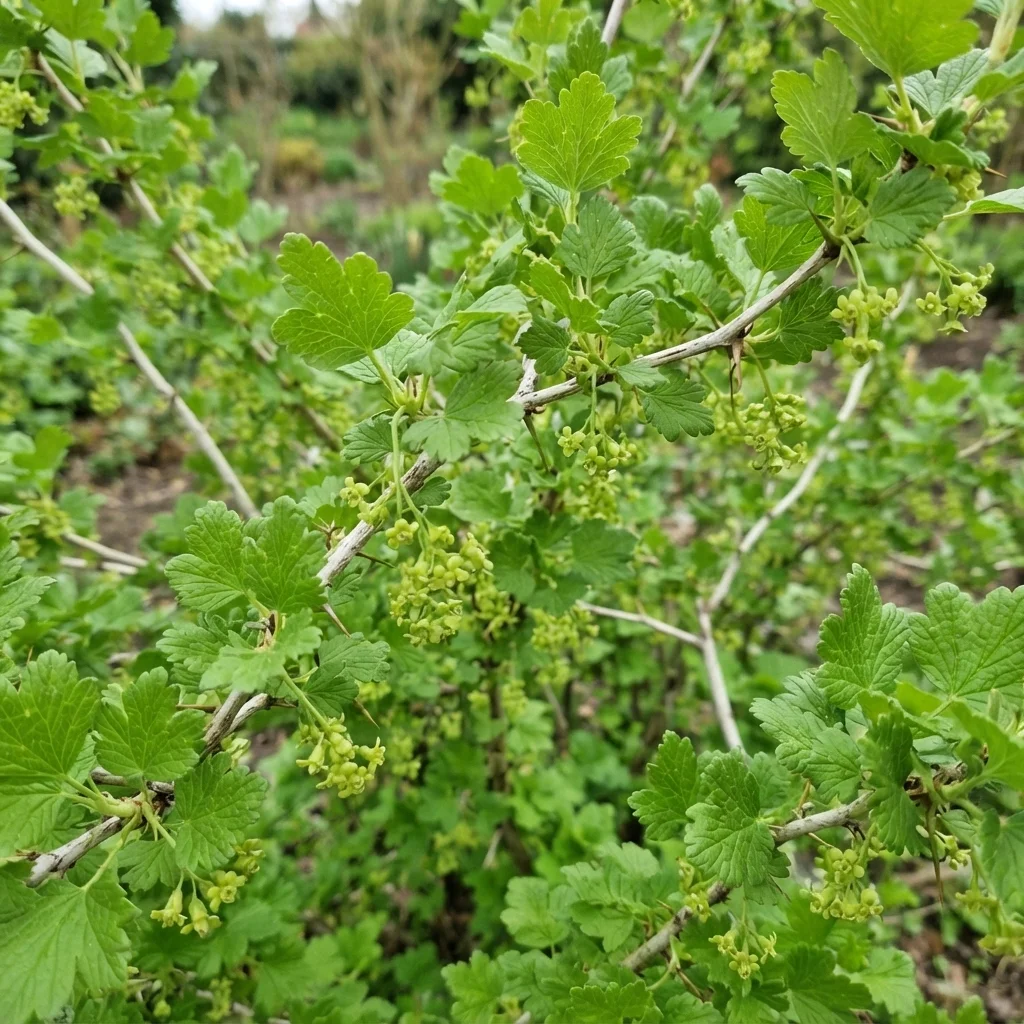
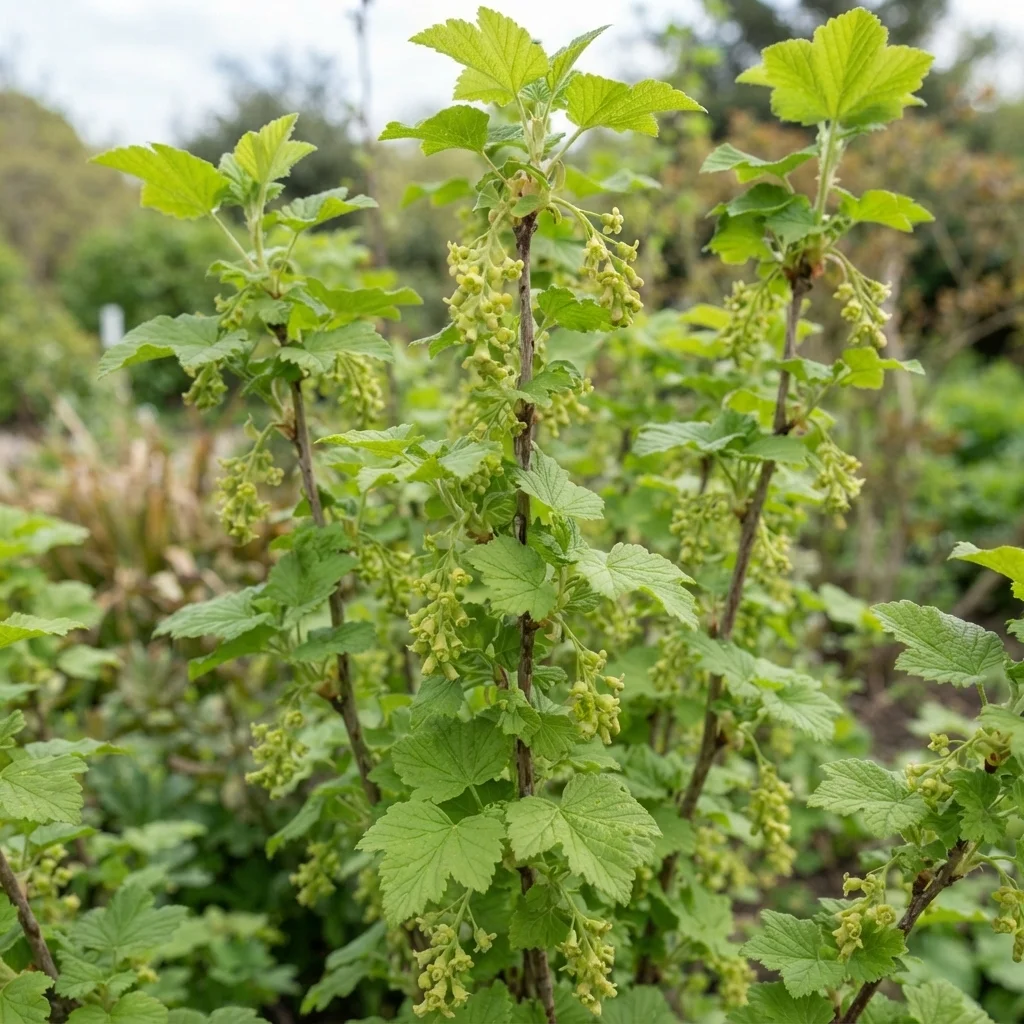
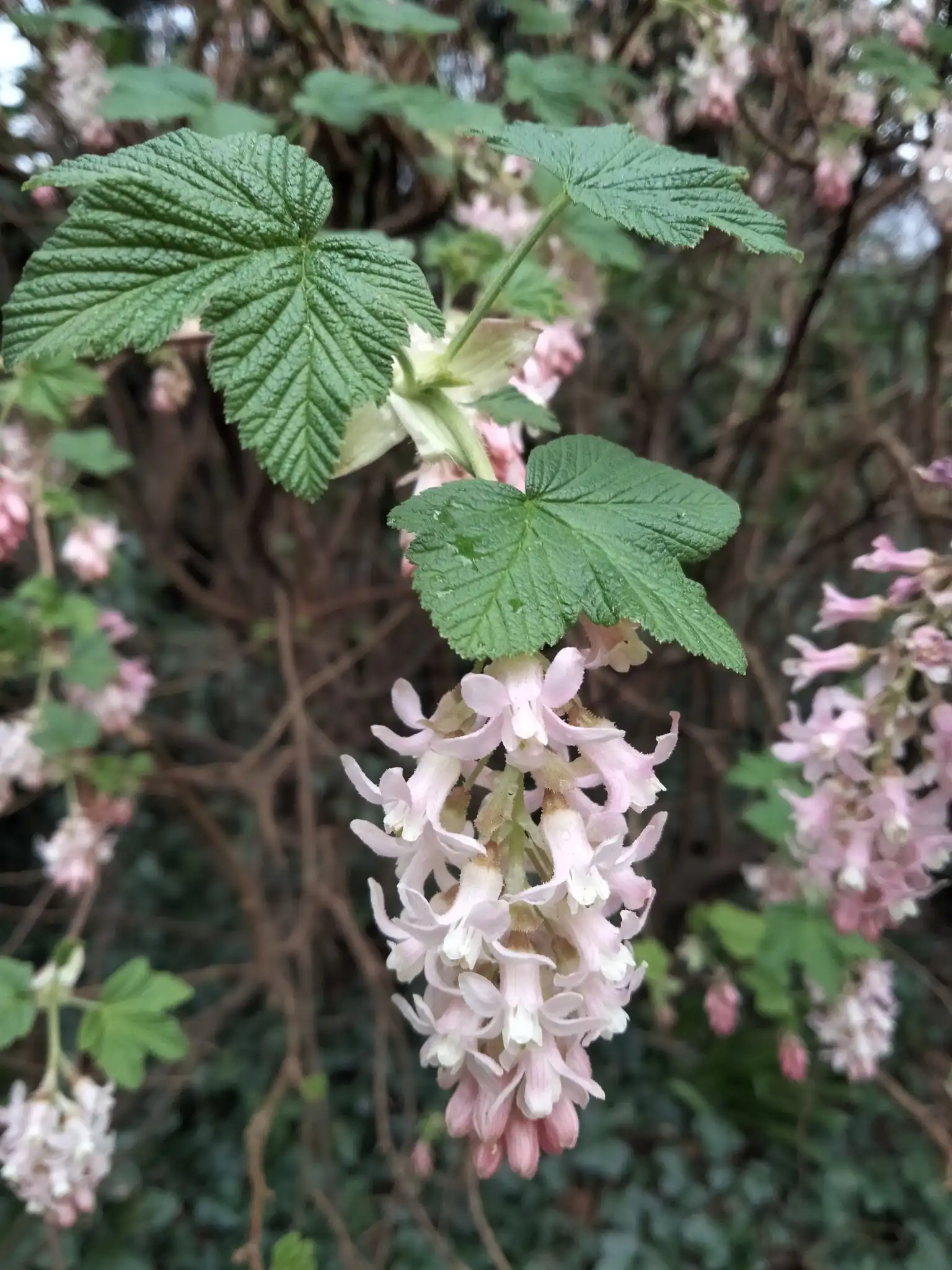
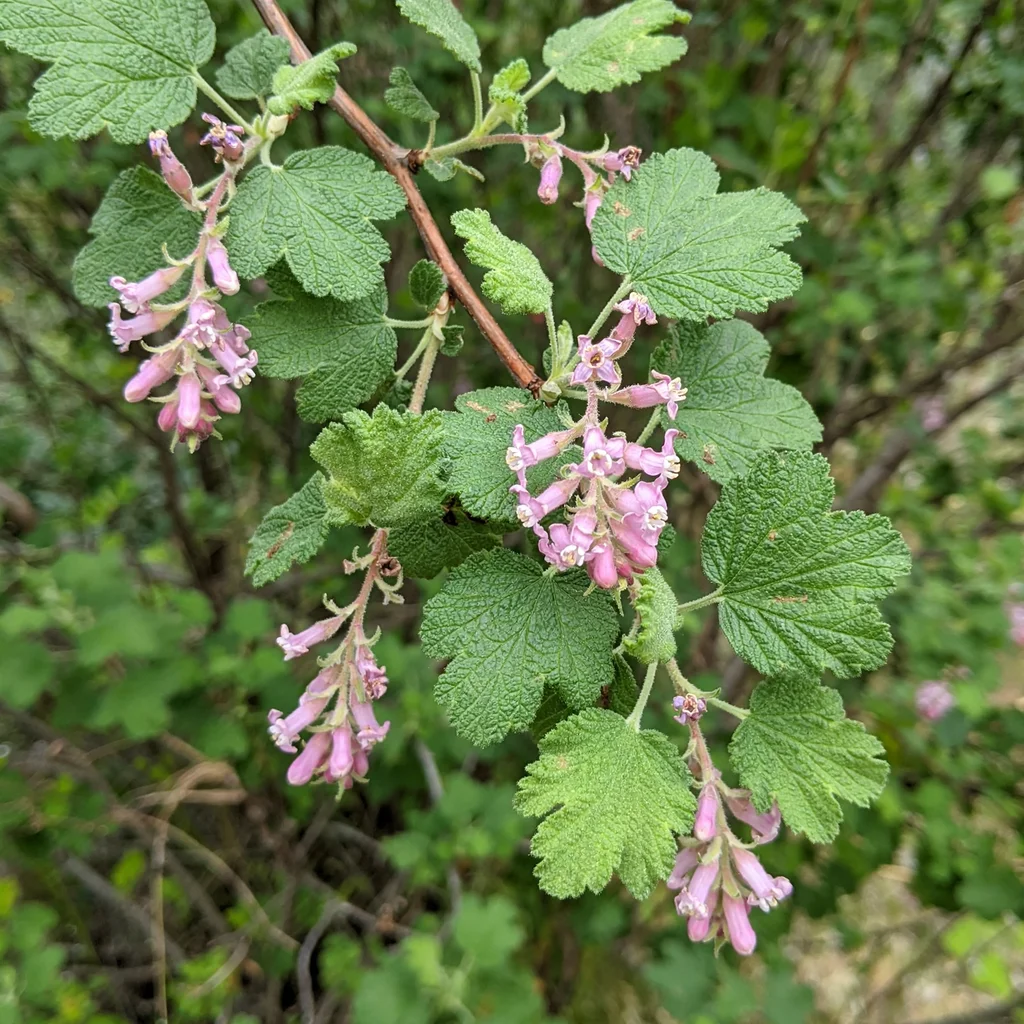
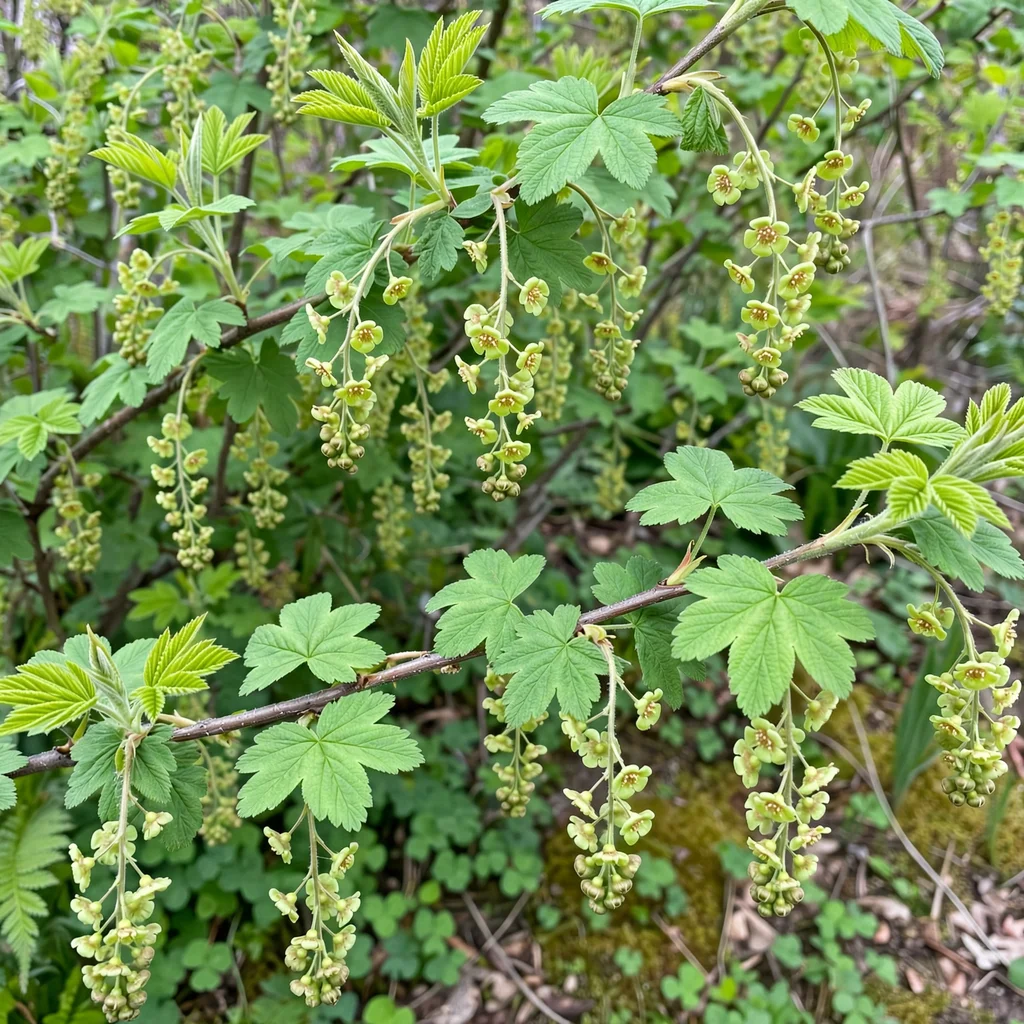
6 species of Ribes
Each one is a parent of the varieties above.
Track your Ribes in Sow
Save the Ribes you grow and get care reminders timed to your zone.
How to grow Ribes
Whats common across all Ribes varieties in our catalog — drawn from the care records of the 12 most-grown of them.
The Ribes year
- PruneMay and June92% of varieties
Prune immediately after flowering to shape and encourage next year's blooms.
- PlantMarch, April, October and November50% of varieties
Plant bare-root stock in late winter/early spring or container stock in fall.
- FertilizeMarch and April50% of varieties
Apply a balanced slow-release fertilizer only if growth is weak.
- MulchApril42% of varieties
Apply a layer of mulch to conserve moisture and suppress weeds.
- HarvestJune–August33% of varieties
Harvest ripe red berries as they mature in summer.
- Check for PestsMay–July33% of varieties
Monitor leaf undersides for aphids, spider mites, and signs of leaf spot.


Do
- Water deeply during dry spells 🌱
- Prune after flowering to maintain shape
- Mulch annually to conserve moisture
- Water consistently, especially during dry spells 💧
- Prune to shape and remove dead wood after flowering ✂️
Avoid
- Avoid overwatering to prevent root rot ❌
- Don’t prune in late fall or winter
- Refrain from fertilizing excessively in late summer
- Don’t prune in late fall or winter to prevent stress ❌
What goes wrong with Ribes
| Problem | What you'll see | What to do |
|---|---|---|
| Aphids | Sticky residue and distorted leaves | Spray with insecticidal soap or neem oil |
| Spider Mites | Fine webbing and speckled foliage | Use horticultural oil or miticides |
| Spider mites | Fine webbing and stippling on foliage. | Increase humidity around the plant and spray with water or miticide. |
| Currant fruit fly | Larvae feeding inside developing berries causing premature drop. | Destroy infested fruit and use physical barriers or organic controls. |
| Powdery Mildew | White powdery coating on leaves | Improve air circulation and apply fungicide |
| White Pine Blister Rust | Yellow-orange pustules on leaf undersides; acts as an alternate host. | Avoid planting near white pines and comply with local state regulations. |
| Leaf Spot | Dark spots on leaves | Remove affected leaves and avoid overhead watering |
Making more Ribes
Hardwood Cuttings
- Take hardwood cuttings in late autumn or winter during dormancy.
- Select healthy, one-year-old wood and cut into six- to eight-inch sections.
- Insert the cuttings into a well-draining propagation medium, leaving the top buds exposed.
- Keep the medium moist until roots establish in the spring.
Cuttings
- Take semi-hardwood cuttings in late summer.
- Mist cuttings and keep in a humid environment for 4–6 weeks.
- Transplant rooted cuttings once established.
Ribes questions
How many types of Ribes are there?
The Sow catalog tracks 12 distinct Ribes varieties. The most popular — ranked by 151 real gardeners — are shown first above.
What zones does Ribes grow in?
Across its varieties, Ribes covers USDA Zones 4–10. Individual varieties differ — each plant page lists its exact range, and Sow filters the catalog to your zone automatically.
When does Ribes bloom?
Most Ribes varieties bloom in mid-spring, early spring, spring. Staggering early, mid, and late varieties extends the genus's season in one bed.
Which Ribes should I choose?
Start from the most-saved varieties above — popularity across thousands of gardens is a strong signal of reliability — then filter by your zone and sun. In the Sow app you can preview any of them in a photo of your actual yard before you buy.