2 named cultivars

The Story
Plant Bio
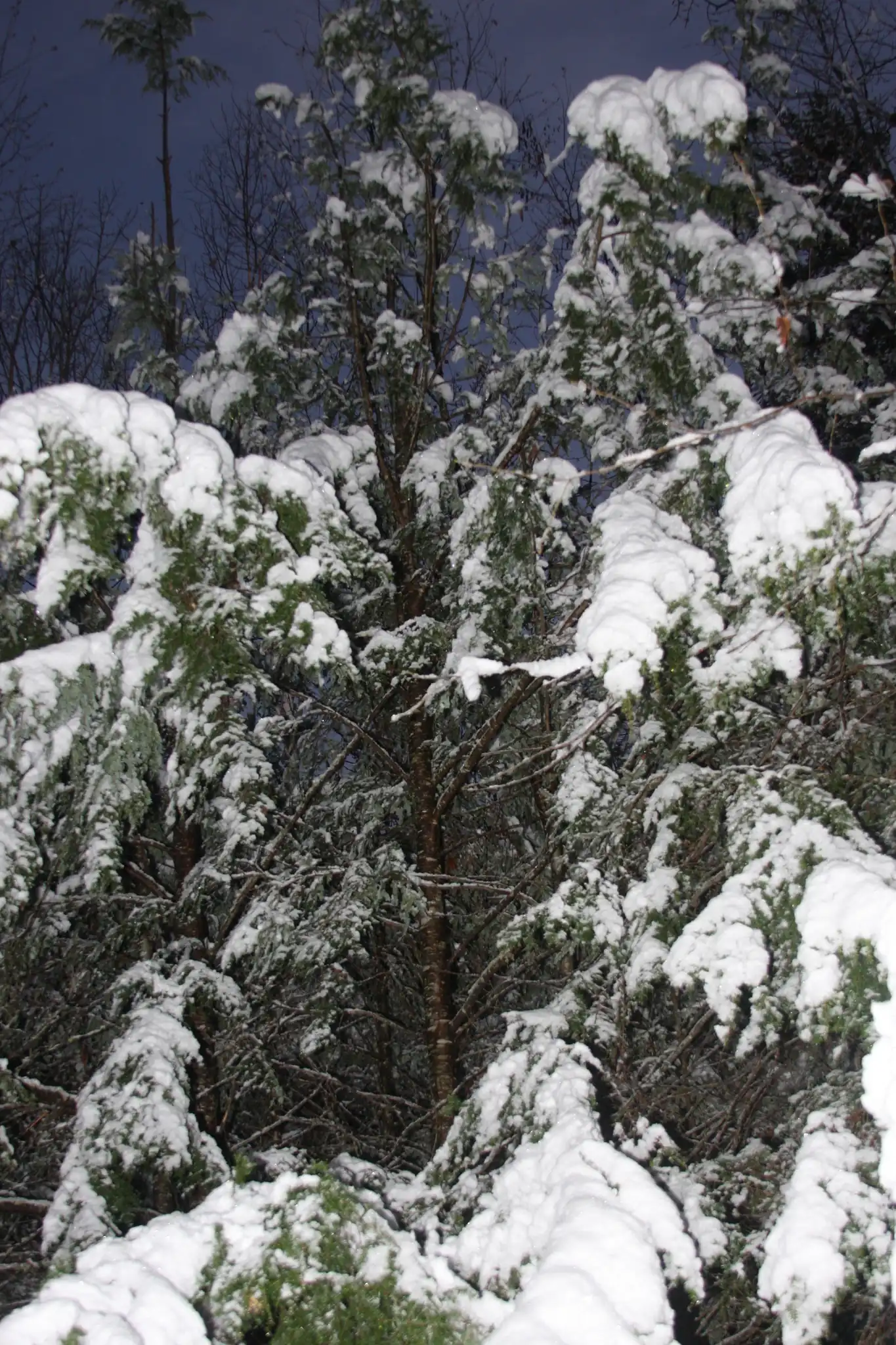
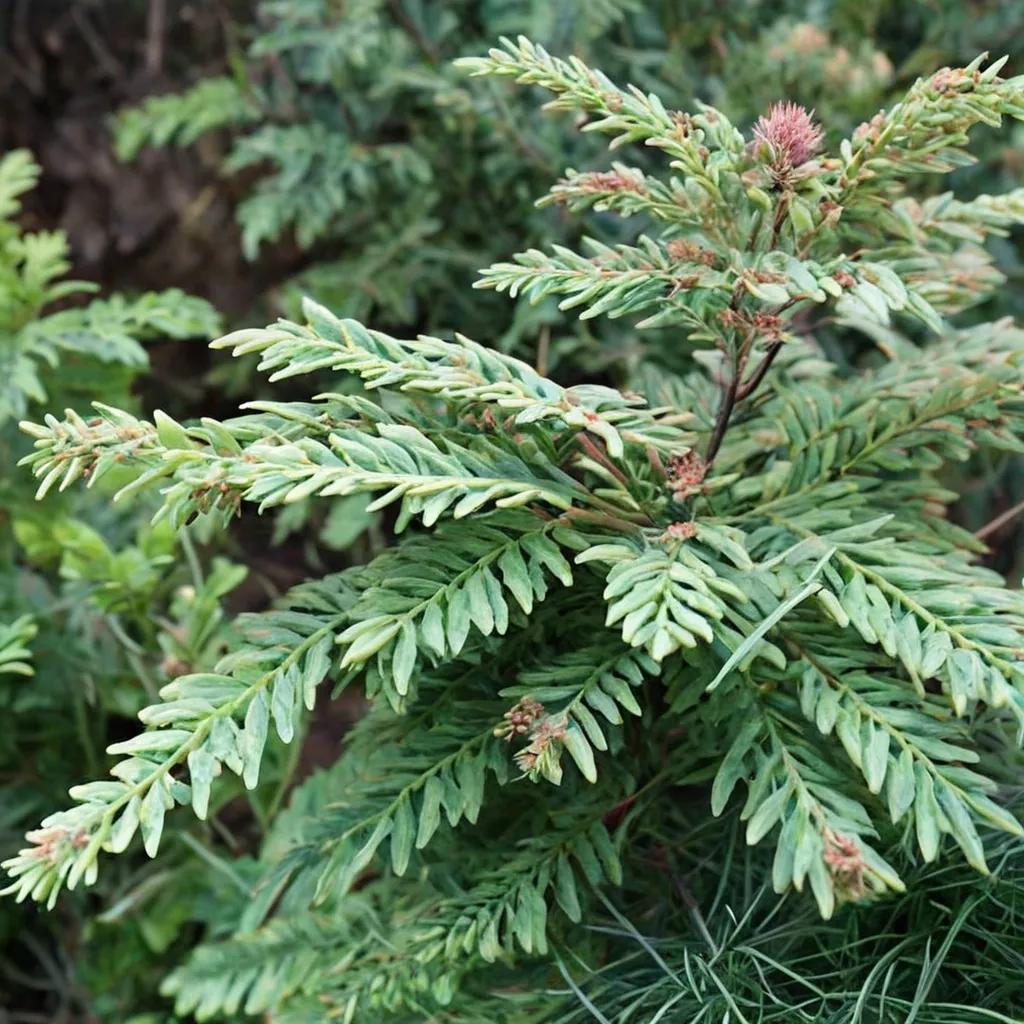
Tsuga canadensis, eastern hemlock, is a large evergreen conifer native to eastern Canada and the north-central and eastern United States, reaching forty to seventy feet. Short flat needles are dark green above with two white bands beneath, carried on gracefully drooping branches that give the tree a soft, layered outline unlike any other native conifer.
It is the most shade-tolerant of North American conifers, growing happily under a closed canopy where pines and spruces fail, and it takes shearing well enough to make a fine tall hedge. Its serious problem is hemlock woolly adelgid, an introduced insect that has killed hemlocks across large parts of the eastern range.
Uses & Benefits:
Essentials
At a Glance
Plant Type
Tree
Height
660"
Width
360"
Light
Partial Sun, Shade
Zones
4, 5, 6, 7
Water
Moderate
Humidity
Moderate
Lifespan
Perennial
Native To
Eastern Canada and the north-central and eastern United States
Toxicity
Non-toxic
Marketplace
Where to Buy
Shipping costs Year-round shipping Free shipping
Planting
How to Grow
- Plant in spring in moist, well-drained acidic soil.
- Choose partial to deep shade; it dislikes hot exposed sites.
- Shelter it from drying winds.
- Keep the soil consistently moist; it has shallow roots.
- Mulch generously to keep roots cool.
- Inspect annually for woolly adelgid on needle undersides.
Pro Tip
Check the needle undersides each spring for the white woolly egg masses of adelgid — caught early it is treatable, and left alone it kills the tree.
Keep It Thriving
Care Guide
Do
- Plant in shade with moist acidic soil 🌱
- Mulch well to protect shallow roots 🍂
- Inspect yearly for woolly adelgid 🔍
- Shelter it from drying wind 🌲
Don't
- Plant in hot, dry or exposed sites ❌
- Let the root zone dry out ❌
- Ignore white woolly masses on the needles ❌
Seasonal Care Calendar
| Task | Jan | Feb | Mar | Apr | May | Jun | Jul | Aug | Sep | Oct | Nov | Dec |
|---|---|---|---|---|---|---|---|---|---|---|---|---|
| Monitor |
Watch Out For
Pests & Diseases
Common Pests
Common Diseases
In the Garden
Landscape Uses & Companions
Landscape Uses
Multiply
Propagation Methods
Good to Know
Common Questions
Eastern Hemlock questions
What zones can Eastern Hemlock grow in?
Eastern Hemlock is hardy in USDA Zones 4–7. Inside that range it survives winter in the ground; outside it, grow it as an annual or a container plant you protect.
Is Eastern Hemlock deer resistant?
Not reliably. Deer may browse Eastern Hemlock, especially tender spring growth — plan on repellents or fencing where pressure is high.
When does Eastern Hemlock bloom?
Eastern Hemlock typically blooms in spring through late fall. Exact timing shifts a week or two with your zone — Sow's bloom calendar maps it to your garden.
Does Eastern Hemlock need full sun?
Eastern Hemlock does best in part shade.
More Tsuga to compare

Keep exploring
Explore the genus
Hardy in your zone?
Grow Eastern Hemlock with confidence
See it in a design of your actual yard, get zone-matched care reminders, and track it season by season in your garden journal.